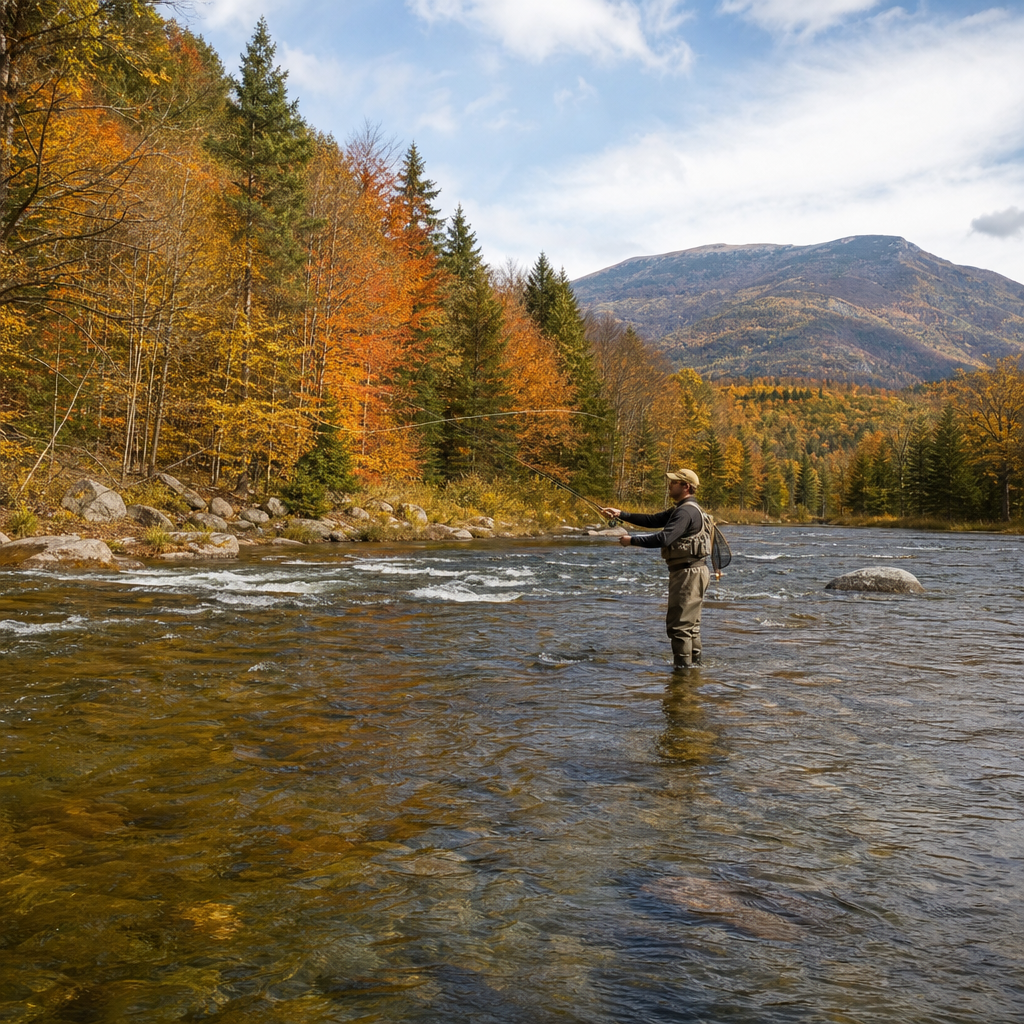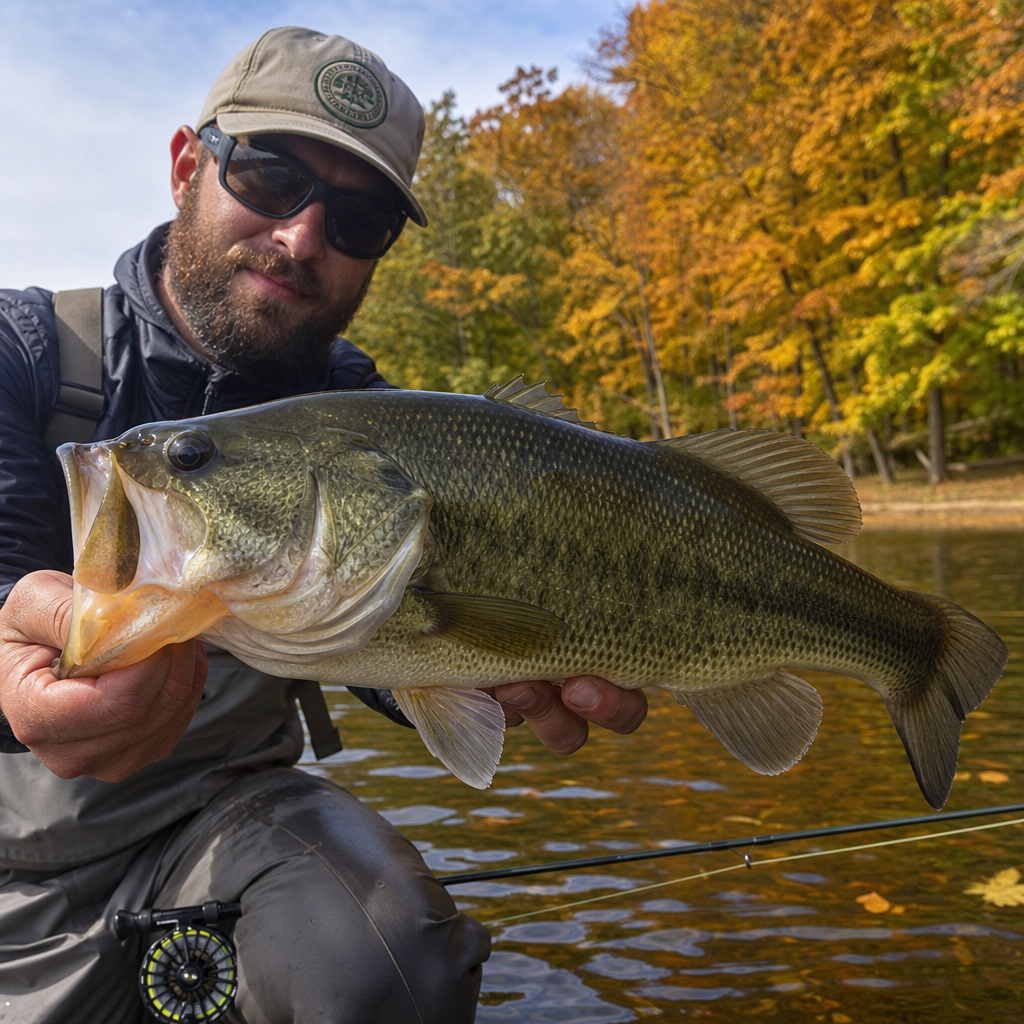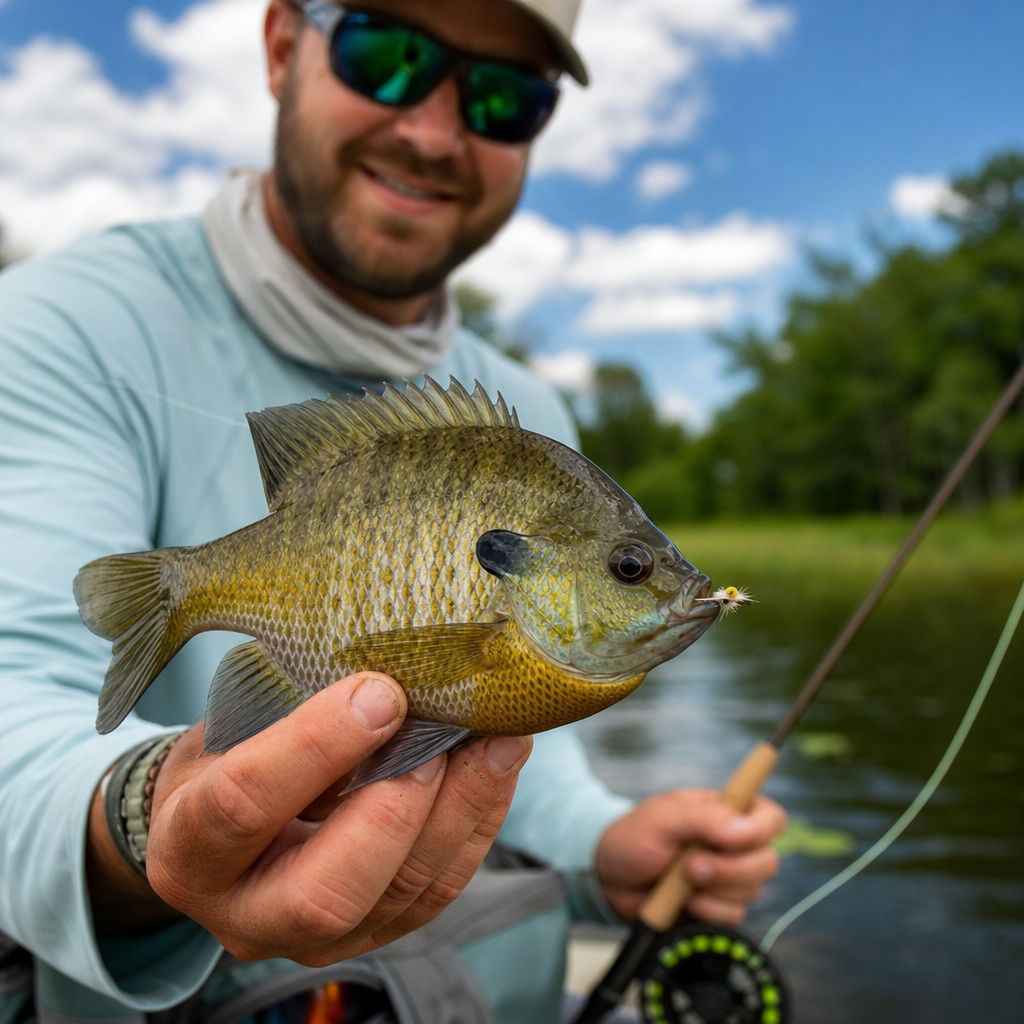
Fly fishing for panfish in summer is one of the most productive, accessible, and underrated warm-weather angling opportunities in freshwater. Panfish usually refers to bluegill, pumpkinseed, redear sunfish, crappie, and other small sunfish species that are broad-bodied, aggressive, and widely distributed in ponds, lakes, reservoirs, and slow rivers. Summer fly fishing means targeting these fish during the hottest part of the year, when water temperature, dissolved oxygen, aquatic vegetation, insect hatches, and spawning cycles all shape fish location and feeding behavior. I have spent many midsummer evenings stalking bluegill beds, probing shaded docks for crappie, and watching tiny surface takes around lily pads, and the pattern is consistent: when you understand summer conditions, panfish become remarkably predictable.
This matters because summer creates both opportunity and confusion. Many anglers assume midday heat shuts fishing down completely, yet panfish often feed actively at dawn, dusk, and in shaded cover, and they can remain catchable all day with the right presentation. Panfish are also ideal for building casting skill, experimenting with flies, and introducing new anglers to fly fishing because eats are visible, gear is simple, and numbers can be high. As a hub for summer fly fishing, this guide covers where panfish hold, what flies work, how weather changes the bite, and how to adjust across ponds, lakes, and moving water. If you want a practical system for consistent summer panfish action, start by reading the water and matching your approach to heat, light, and cover.
Where Panfish Hold in Summer
In summer, panfish position around three core needs: food, security, and tolerable water conditions. In shallow natural ponds, bluegill often hold near weed edges, lily pad fields, submerged brush, and overhanging trees. In larger lakes and reservoirs, they relate to boat docks, marinas, riprap, flooded timber, and points with nearby grass. Crappie commonly suspend deeper than bluegill, especially after the spring spawn, using brush piles, dock shade, creek channels, and standing timber. Redear sunfish often feed closer to bottom, especially around shell beds, sandy margins, and sparse vegetation where they can root out snails and nymphs.
Water temperature drives much of this movement. Bluegill are comfortable in warm water, often in the upper 70s to low 80s Fahrenheit, but they still avoid oxygen-poor backwaters during prolonged heat. Aquatic plants help because healthy vegetation produces oxygen during daylight and concentrates damselflies, dragonflies, scuds, and baitfish. Early and late in the day, panfish may slide shallow to feed in inches of water. Once the sun gets high, they typically pull into shade, tuck under cover, or drop to the first breakline. In rivers and creeks, look for slower current seams, undercut banks, slack water beside weed growth, and deeper pools below riffles where fish conserve energy.
The quickest way to locate summer panfish is to search for transition zones. A dock beside a weedline, a pad edge near deeper water, or a shady bank with brush and insect activity is better than a featureless flat. On many lakes, colonies of bedding bluegill persist into early summer; even after obvious spawning activity fades, nearby fish continue using those areas because the bottom is firm and food remains abundant. Polarized glasses are invaluable. They reveal cruising fish, beds, pockets in weeds, and dark spots that indicate wood or depth changes.
Best Times, Weather Windows, and Seasonal Progression
The best summer fly fishing windows for panfish are usually the first two hours after sunrise and the last two hours before dark. Low light increases surface activity, moderates temperature, and encourages fish to leave heavy cover. Evening is especially reliable because insects become active, shadows lengthen, and warm shallows still hold life. Overcast days can extend shallow feeding for hours. A light breeze often improves fishing by breaking up the surface, drifting terrestrial insects, and making fish less wary, while a flat, bright, windless afternoon usually requires more precise casts and subtler presentations.
Storm patterns matter. Ahead of a summer thunderstorm, falling pressure and wind can trigger a strong feeding burst, particularly around banks that collect blown-in insects. During severe heat waves with overnight water staying warm, the morning bite may start earlier and end faster. After heavy rain, small ponds can become muddy and low in oxygen, pushing fish toward inflows, spring seeps, or the deepest available water. In reservoirs, stable weather often makes dock and brush patterns dependable for days at a time.
Summer itself has phases. In early summer, post-spawn bluegill are often spread between beds, nearby weedlines, and emergent cover, and they still respond aggressively to poppers. In midsummer, thick vegetation, stronger sunlight, and boating pressure push fish tighter to shade and structure. Late summer can be excellent when baitfish grow larger and panfish feed heavily in the evening. Understanding this progression prevents the common mistake of fishing the same shoreline all season without adjusting depth, timing, or fly size.
Summer Fly Fishing Gear, Leader Setup, and Line Choices
You do not need complicated tackle for panfish, but the right setup improves accuracy and fish handling. A 3-weight to 5-weight rod covers nearly all summer situations. I prefer a 4-weight for mixed bluegill and crappie because it protects light tippet, throws small poppers cleanly, and still turns over lightly weighted nymphs. In tighter quarters around docks or brush, a shorter rod around 8 to 8 feet 6 inches can be easier to control. For open ponds, a 9-foot rod provides better reach and line management.
A weight-forward floating line is the standard choice because much of summer panfish fly fishing happens on top or in the top few feet of water. Add a 7.5-foot to 9-foot leader tapering to 4X or 5X for dries, spiders, and small foam bugs. For poppers, many anglers step up to 3X to turn flies over and pull fish away from cover. When crappie suspend deeper around brush, I often use a long leader with a small indicator or a clear intermediate line, especially when fish are six to ten feet down and a floating line drags the fly out of the zone.
Accessories matter more than people think. Polarized glasses, hemostats, a small fly box with panfish staples, and a rubberized landing net make fishing smoother and safer for fish. If you fish from a float tube, kayak, or jon boat, an anchor system helps you hold outside casting range and work edges methodically. Summer sun is intense, so UPF clothing, hydration, and sunscreen are not optional. Good fishing decisions get worse quickly when you are overheated and rushing casts.
Top Summer Flies and When to Fish Them
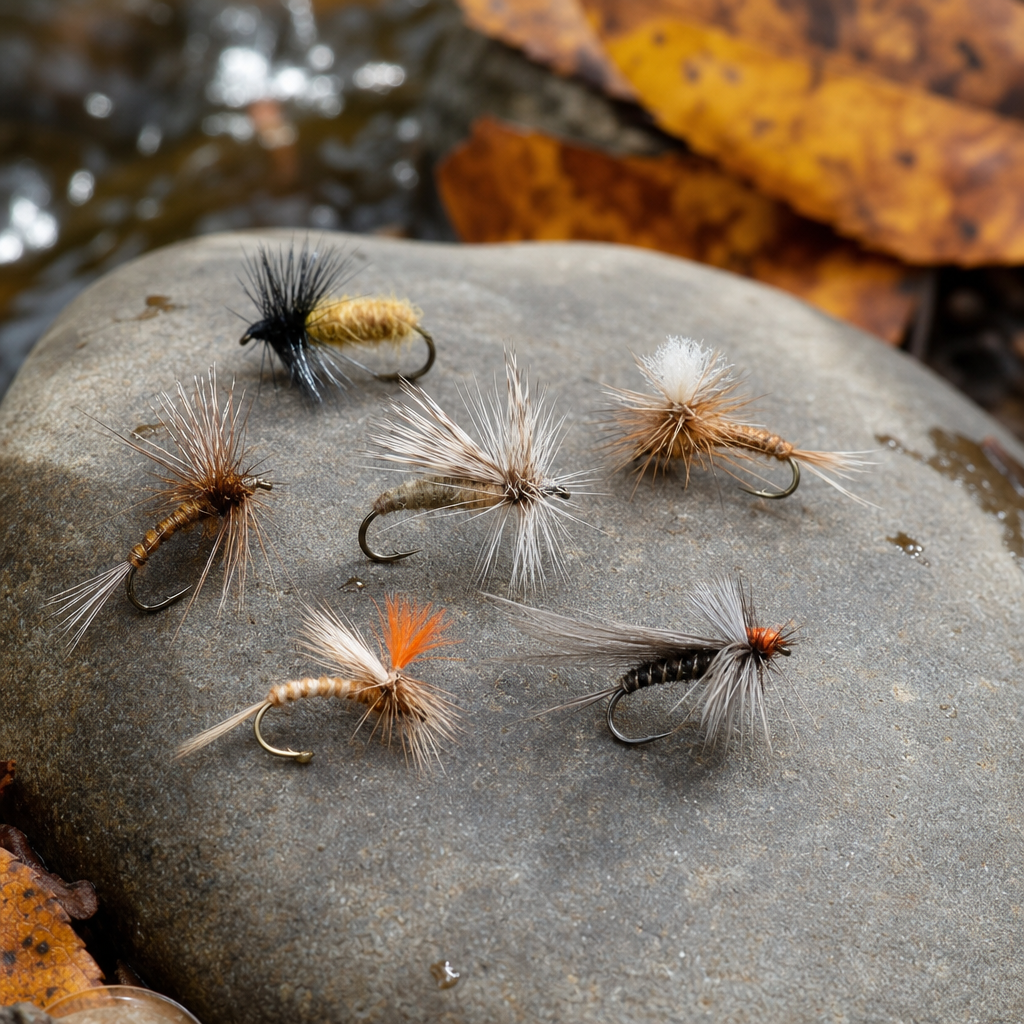
The most effective summer panfish flies imitate three broad food groups: insects on the surface, emerging or swimming subsurface prey, and small baitfish. Surface flies include classic deer-hair bugs, foam spiders, ant patterns, beetles, and tiny poppers in size 8 to 14. Black, chartreuse, yellow, white, and olive are dependable colors, but silhouette and placement usually matter more than color. Foam spiders are outstanding around pads and weed pockets because they land softly and stay afloat after repeated fish. Small hard or cork poppers excel when you want commotion to pull fish from cover, especially at dawn and dusk.
Below the surface, nothing is more consistent than a small woolly bugger, damsel nymph, dragonfly nymph, hare’s ear, soft hackle, or beadhead pheasant tail. Bluegill and pumpkinseed eat nymphs constantly in summer, and crappie often take small streamers stripped slowly through shade lines. A size 10 olive woolly bugger can represent leeches, baitfish, or swimming insect larvae, which is why it catches nearly everything. If fish are short-striking on top, switching to a lightly weighted nymph suspended 12 to 24 inches below a small indicator often solves the problem.
| Fly Type | Best Summer Use | Target Species | How to Fish It |
|---|---|---|---|
| Foam spider | Pad edges, calm evenings, shallow banks | Bluegill, pumpkinseed | Cast tight to cover, let sit, twitch lightly |
| Small popper | Dawn, dusk, aggressive surface feeds | Bluegill, larger sunfish | Pop once or twice, then pause five seconds |
| Ant or beetle | Bright days under trees and overhangs | Bluegill, redear | Dead drift or micro-twitch after splashdown |
| Damsel or dragonfly nymph | Vegetation, weed lanes, clear ponds | Bluegill, pumpkinseed | Slow hand-twist retrieve near weeds |
| Woolly bugger | Search pattern for mixed depths | Bluegill, crappie, bass | Short strips with occasional pause and sink |
| Micro streamer | Dock shade, brush piles, suspended fish | Crappie, larger bluegill | Count down, strip slowly through cover edges |
Presentation, Retrieval, and Hooking More Fish
Summer panfish are willing, but they are not random. Presentation starts with casting angle. Rather than firing directly into the middle of cover, work the edges first. Fish positioned along shade lines or weed seams are easier to reach and less likely to spook. With surface bugs, the pause is often the trigger. I regularly catch more bluegill by letting a foam spider sit motionless for three to eight seconds than by constantly twitching it. Many takes happen after the rings fade and the fly looks vulnerable.
Retrieve speed should match fish mood and fly type. Poppers usually need one firm bloop followed by a long pause. Beetles and ants fish best almost dead still. Nymphs generally produce on a slow hand-twist or inching strip that keeps them near vegetation without racing them past fish. For crappie, depth control is critical. Count the fly down, note the take depth, and repeat it. If fish are suspended at seven feet over twelve feet of water, fishing at three feet may be as ineffective as fishing on the bottom.
Hooking percentage improves when you delay the strike slightly on surface eats. Panfish often slash or sip a fly before turning down with it. If you trout-set instantly at the splash, you pull the fly away. Instead, wait until you feel weight, then lift smoothly. Barbless hooks or pinched barbs simplify release, especially when fish are stacked and action is fast. Use side pressure to steer bigger fish away from weeds and dock posts, and wet your hands before handling them to protect their slime coat.
Summer Locations by Water Type and Common Mistakes
Small farm ponds are the easiest places to build a repeatable system. Walk quietly, keep the sun at your back when possible, and cover the bank by casting to shade pockets, cattail edges, and any change in bottom color. Community lakes and suburban retention ponds often fish best early because foot traffic and bright light make fish cautious later. On large natural lakes, focus on inside weedlines, bluegill colonies, and residential docks with ladders, floats, and brush. In reservoirs, look for creek arms, marinas, submerged timber, and coves protected from heavy wind. Slow rivers reward casts to eddies, laydowns, and weed beds near slack water.
The biggest summer mistakes are fishing too fast, ignoring shade, and staying too shallow after the morning window closes. Another common error is using oversized flies because panfish are abundant and seem unselective. In reality, a size 12 spider often outfishes a size 6 popper during bright conditions. Anglers also overlook water quality. If a pond is covered in algae, smells stagnant, or has very warm shoreline water, fish may concentrate in a tiny zone with better oxygen. Finally, do not pound one obvious bank for hours. If you are not getting follows or taps within a few precise presentations, change angle, depth, or location.
Conservation, Versatility, and Building a Summer Pattern
Summer panfish fly fishing is rewarding because it combines frequent action with enough complexity to keep experienced anglers engaged. The core pattern is simple: fish low-light periods first, target cover next to depth, begin with surface flies, and move subsurface when sun or pressure pushes fish down. Bluegill, crappie, redear, and pumpkinseed all respond to this framework, but each species adds nuance. Bluegill are the classic surface target, crappie demand depth discipline, and redear often reward bottom-oriented nymphing around firm substrate. Once you recognize those tendencies, you can adapt to almost any warm-water fishery.
The best long-term approach is to treat each outing as information gathering. Note water temperature, cloud cover, wind direction, insect activity, vegetation density, and the exact depth of successful takes. Over a few trips, patterns become obvious. You may learn that one pond’s evening spider bite peaks when shade reaches the outer pad line, or that crappie under a marina suspend at the same depth for a week of stable weather. Those details matter more than lucky casts. They are how consistent summer fly fishing is built.
Handle fish carefully during hot weather, especially if water is unusually warm. Keep them in the water while unhooking when possible, minimize air exposure, and release larger breeding fish in good condition. Panfish are prolific, but local quality depends on responsible harvest and habitat protection. If you want better summer results, pick one nearby pond or lake, fish it at dawn and dusk with a floating line, carry a box built around spiders, poppers, nymphs, and small buggers, and start mapping where fish hold. That single habit will teach you more than any theory and put more panfish on the fly all summer long.
Frequently Asked Questions
What are the best places to find panfish on a fly rod during the summer?
In summer, panfish are usually most consistent anywhere they can find a combination of food, shade, cover, and comfortable water conditions. Bluegill, pumpkinseed, redear sunfish, and crappie often relate strongly to weed edges, lily pads, submerged grass, fallen timber, boat docks, brush piles, and the shaded margins of banks. Early and late in the day, they commonly move shallow to feed, especially around shoreline cover, pockets in vegetation, and calm flats where insects, fry, and small aquatic creatures are active. As the sun gets higher and water temperatures climb, many fish slide slightly deeper or tuck tighter to cover, especially if shallow water becomes too warm or oxygen levels drop.
In ponds and small lakes, focus first on obvious structure: the outside edge of weed beds, shaded overhangs, cattail points, and any drop from a shallow shelf into deeper water. In larger lakes and reservoirs, panfish often use marinas, dock rows, flooded brush, and offshore vegetation, with crappie especially likely to suspend around vertical cover. In slow rivers and backwaters, look for slack current areas, eddies, side channels, and weed-lined banks where fish do not have to fight flow constantly. If you can locate a transition zone such as weeds meeting open water, shade adjacent to deeper water, or wood near a drop-off, you are often around fish.
One of the biggest keys is to think in terms of summer comfort. Panfish may be aggressive, but they still respond to heat, light, and oxygen. Areas with light wind ripple can be excellent because they mix oxygen and push food. Likewise, slightly deeper pockets within vegetation can hold surprising numbers of fish during midday. If you are not getting bites right on the bank, do not assume the fish are gone; instead, back off a little and probe the first breakline, the outer weed edge, or shaded cover sitting over 4 to 10 feet of water.
What fly patterns work best for summer panfish, and how should they be presented?
Summer panfish are not usually overly selective, but they do respond best to flies that are easy to see, easy to eat, and matched to where they are feeding in the water column. The most dependable patterns include small foam bugs, poppers, spiders, ants, beetles, nymphs, soft hackles, Woolly Buggers, and tiny baitfish imitations. Surface flies shine during low-light periods, especially around dawn, dusk, and on cloudy days. A small popper or foam spider twitched next to pads, docks, or weed pockets can trigger explosive takes from bluegill and other sunfish. In many cases, less action is more. A subtle twitch followed by a pause often outperforms constant popping.
When fish are not looking up, subsurface patterns become far more effective. A lightly weighted nymph, small leech, or size 10 to 14 Woolly Bugger fished under an indicator or on a slow hand-twist retrieve can be deadly. Crappie, in particular, often prefer flies presented deeper and more slowly, especially around brush and standing timber. Redear sunfish may hold near the bottom and feed on snails, insects, and other small organisms, so a slow-sinking nymph near bottom structure can be a better choice than a surface bug.
Color matters, but not as much as profile, depth, and speed. Black, olive, chartreuse, brown, white, and combinations with rubber legs are all productive. In stained water, brighter or darker flies help fish find the offering. In clear water, natural colors usually excel. Presentation should always match fish mood. If fish are aggressive, cover water quickly and target visible cover. If strikes are light or fish are short-biting, downsize the fly, lengthen the pause, and let it sit longer. Many panfish eat on the pause, especially in warm water when they inspect a fly before committing.
What fly rod setup is best for panfish in summer?
A light, simple setup is ideal, which is one reason summer panfish fly fishing is so appealing. A 3-weight to 5-weight rod is perfect for most situations, with a 4-weight often being the best all-around choice. It is light enough to make small fish fun, yet powerful enough to cast poppers, foam bugs, and lightly weighted streamers. In tight quarters around ponds or small creeks, a shorter rod can be handy, while a standard 8 1/2- to 9-foot rod gives you better line control and versatility on lakes and reservoirs.
A floating line handles the majority of summer panfish situations because so much fishing happens shallow or just under the surface. Pair it with a 7 1/2- to 9-foot leader tapered to about 4X or 5X for small bugs, spiders, and nymphs. If you are throwing wind-resistant poppers or fishing around heavier cover, a shorter, stouter leader can turn flies over more efficiently. Panfish are rarely leader-shy, so do not overcomplicate the terminal setup. If you need to fish deeper, you can add split shot sparingly, use a weighted fly, suspend the fly under a strike indicator, or switch to a sink-tip or poly leader if the water and cover call for it.
Reel choice is not critical because most panfish are fought off the line rather than on the drag, but a balanced reel does improve comfort. More important than brand or cost is making sure your setup casts accurately at short to medium distances. Most productive panfish presentations happen within 20 to 40 feet. A well-balanced outfit that loads easily, lands flies softly, and can place them near cover consistently will catch far more fish than a highly specialized setup used poorly.
How do weather, water temperature, and time of day affect summer panfish behavior?
These factors are central to summer success because they determine where panfish position and how actively they feed. In general, the best fly fishing windows are early morning and evening, when surface temperatures are lower, insect activity is higher, and fish are more comfortable roaming shallow water. During these periods, panfish often feed aggressively around grass lines, pads, and shoreline cover, making topwater fly fishing especially productive. On overcast days, this shallow bite can extend much longer than expected.
By midday, especially during prolonged heat, panfish often become more selective about location. They may move into thicker vegetation, suspend under docks, slide to the outer weed edge, or hold slightly deeper where water is cooler and oxygen conditions are more stable. In fertile ponds and weedy lakes, oxygen can fluctuate sharply, especially overnight and during hot, calm weather. That is why some shallow areas may look ideal but fish poorly for a few hours, while windblown banks or lightly shaded areas produce better. Wind is often helpful, not harmful, because it breaks up light penetration, pushes food, and adds oxygen to the water.
Summer storms can also trigger feeding. Ahead of a front, panfish often become noticeably more active. After a sudden cold rain or major pressure change, they may pull tighter to cover and feed less aggressively for a short period. The key is to adjust rather than quit. Slow down your retrieve, fish a bit deeper, and target shade or structure more precisely. If you understand that summer panfish are constantly balancing heat, light, and oxygen, you can predict their movements much more accurately and stay on fish throughout the day.
What are the most common mistakes anglers make when fly fishing for panfish in summer?
One of the most common mistakes is assuming panfish will bite anywhere, anytime, simply because they have a reputation for being easy to catch. While panfish are accessible and often aggressive, consistent summer success still depends on reading conditions and locating fish properly. Many anglers waste time casting randomly to empty shoreline water when the fish are actually on the outside weed edge, suspended under docks, or concentrated around isolated cover. Finding the right depth and cover pattern is often more important than changing flies repeatedly.
Another frequent mistake is retrieving too quickly. Panfish, especially bluegill and crappie, often prefer a measured presentation with pauses. Anglers new to topwater flies tend to overwork poppers, creating too much commotion when a gentle twitch and long pause would draw more strikes. The same applies subsurface. Fast strips can move the fly out of the strike zone before fish commit. A slower retrieve, occasional dead drift, or subtle hand-twist retrieve usually keeps the fly where panfish can inspect and eat it.
Using tackle that is too heavy can also reduce effectiveness. Large flies, thick leaders, and overly aggressive presentations may spook fish in shallow clear water or make delicate flies land unnaturally. On the other hand, going too light around vegetation and wood can lead to break-offs and poor fly turnover, so balance matters. Finally, many anglers fail to adapt as light and heat change through the day. If the shallow topwater bite dies, that does not mean the fishing is over. It usually means the fish have repositioned. Moving to shade, deeper edges, or subsurface flies is often all that is needed to keep catching fish steadily through summer.