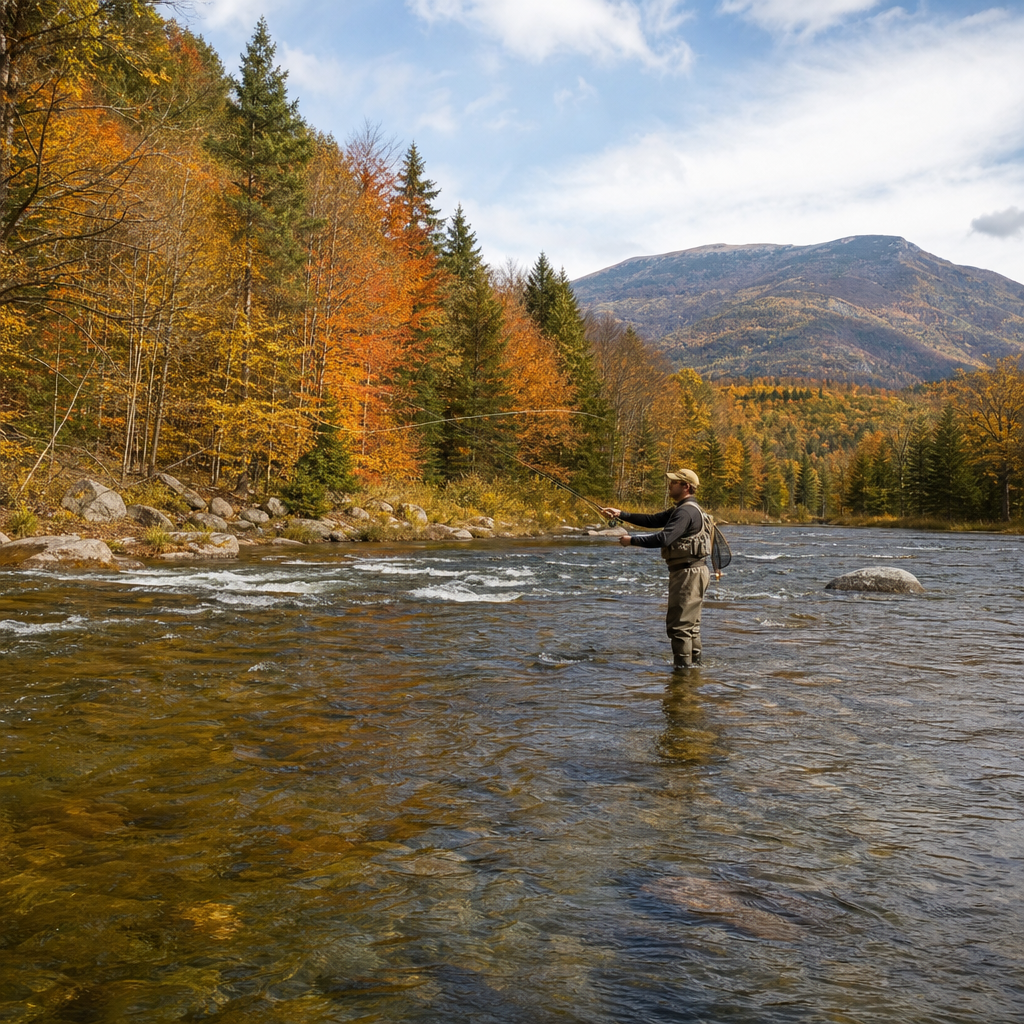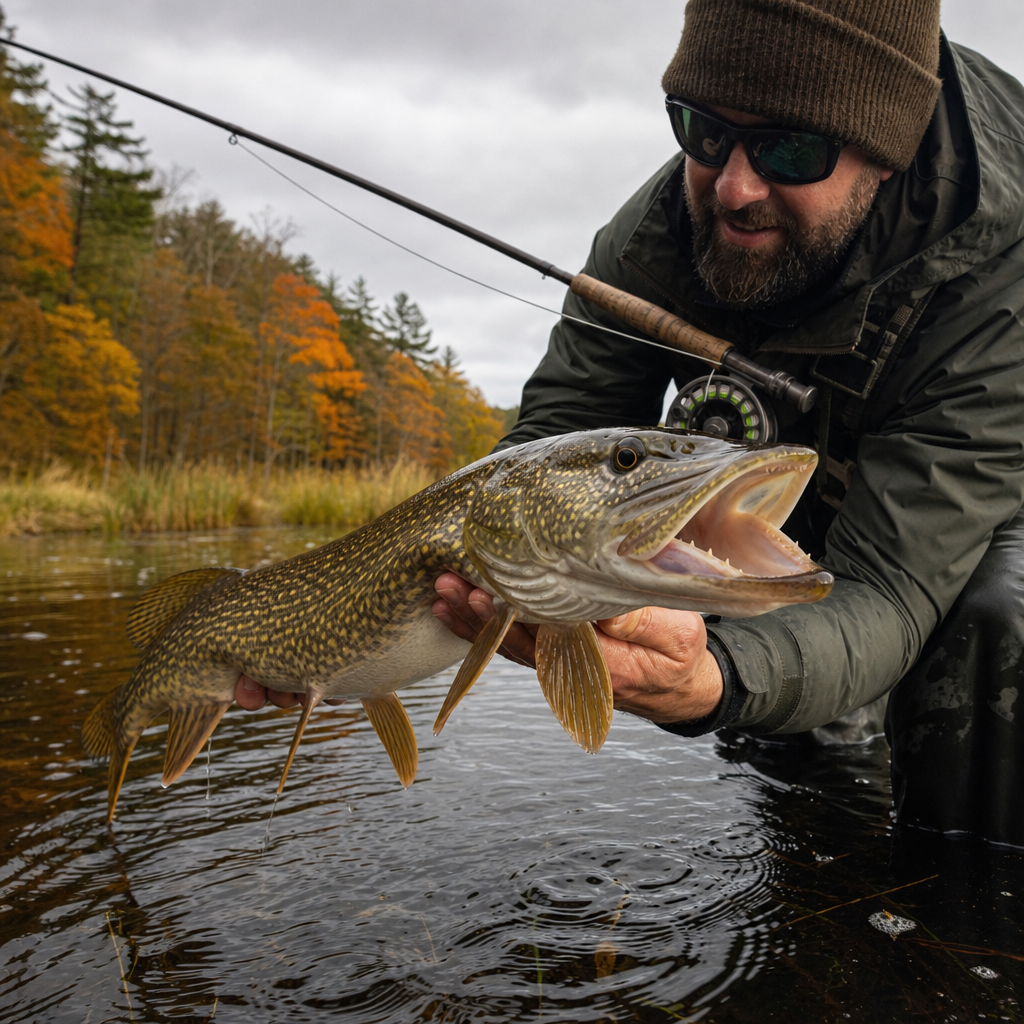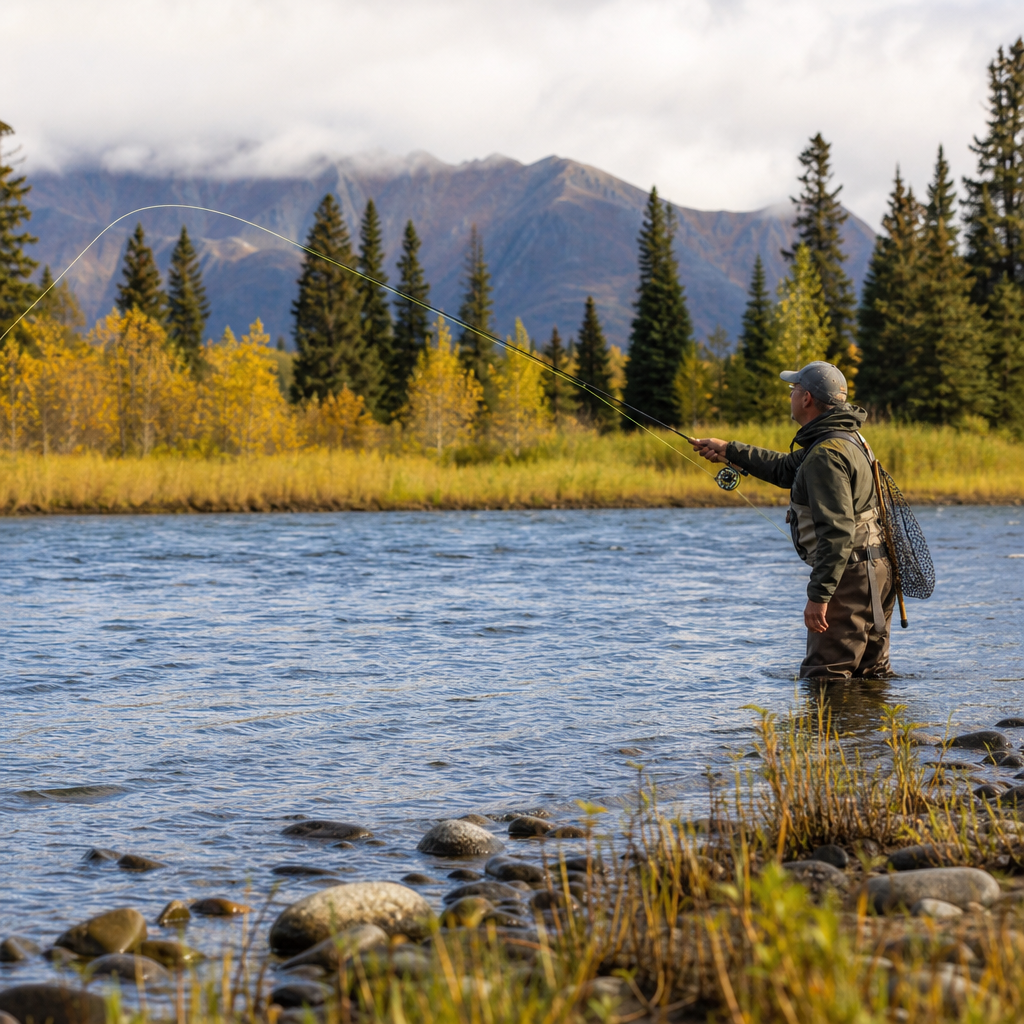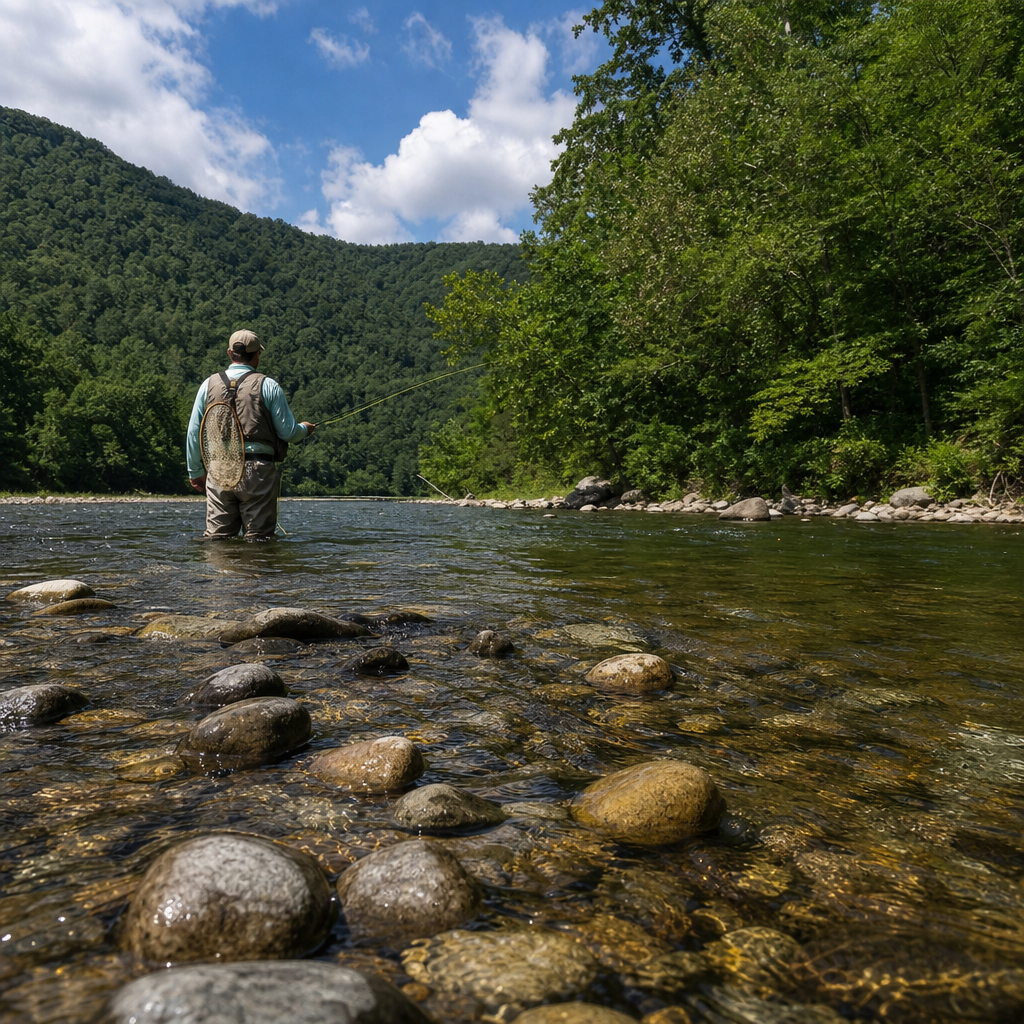
Summer fly fishing in tailwaters is one of the most reliable ways to stay on productive trout water during the hottest months, because releases from the bottom of deep reservoirs create colder, more stable flows than freestone rivers can usually maintain in July and August. In practical terms, a tailwater is the stretch of river immediately below a dam, where discharge patterns, water temperature, dissolved oxygen, and aquatic insect cycles are heavily shaped by reservoir operations. For anglers, that means summer conditions behave differently than they do on snowmelt streams or small mountain creeks. When I plan warm-season trips, I treat tailwaters as technical fisheries that reward temperature awareness, current reading, and disciplined timing more than blind optimism.
Summer fly fishing matters because heat changes fish behavior fast. Trout are coldwater fish with narrow comfort zones, and as temperatures climb, metabolism rises while oxygen availability falls. On many rivers, that combination pushes trout into stress well before anglers realize conditions have become risky. Tailwaters often extend the season by holding fishable temperatures longer, but they are not immune to warm spells, low dissolved oxygen, algae growth, crowding, or abrupt generation changes. A productive day therefore depends on understanding not just where fish live, but why they move, feed, and stop feeding under summer pressure.
This hub covers the core decisions that define summer fly fishing in tailwaters: how cold releases affect trout location, which hatches drive feeding windows, how to rig for deep currents, when to fish around generation schedules, and how to protect trout during heat events. It also serves as a foundation for related subtopic pages on nymphing, dry-dropper strategies, streamer fishing, night sessions, and warm-weather trout handling. If you want one page that explains how to keep cool, catch consistently, and fish responsibly when summer is at its toughest, this is the starting point.
Why tailwaters shine in summer
Tailwaters stay cooler because many dams release water from lower reservoir layers, where temperatures are buffered from daily air swings. On a hot afternoon, a freestone river may gain several degrees between noon and dusk, while a tailwater can remain comparatively stable over the same reach. Stability matters because trout feed more predictably when temperature and oxygen stay within usable ranges. In my experience, that is the main reason tailwaters become the backbone of summer fly fishing in many trout regions, from the South Holston and Clinch in Tennessee to the Bighorn in Montana and the Green below Flaming Gorge in Utah.
Cold water is not the whole story. Tailwaters also tend to produce dense insect populations because flows can support year-round habitat for midges, caddis, Blue-Winged Olives, sowbugs, scuds, and, on some systems, prolific sulfurs or Tricos. Trout in these rivers often see food constantly, which makes them healthy but selective. The result is a summer fishery where technical presentations matter. Long leaders, fine tippet, drag-free drifts, and precise weight adjustments catch more fish than simply changing flies every ten minutes.
Generation schedules are the defining variable. A low, wadable morning can become a dangerous, high-volume channel by midday when hydropower demand rises. Conversely, pulsed releases can trigger feeding by repositioning fish and dislodging nymphs. Serious summer fly fishing starts with checking official release data from the dam operator, then confirming trends through USGS gauges or local shop reports. Tailwaters reward anglers who think like river managers as much as fly tiers.
How trout behave when the air is hot
In summer, trout conserve energy and seek the best tradeoff between temperature, oxygen, shelter, and food. On tailwaters that remain cold enough, fish may still hold in classic seams, riffles, and gravel runs. As temperatures edge upward, they often slide toward faster water because turbulence increases oxygen exchange. They may also shift deeper under bright sun, tuck beneath weed beds, or feed hard only during low-light windows. Understanding these adjustments helps you stop covering empty water and start targeting places that stay livable through the day.
Feeding windows usually compress as heat intensifies. Early morning can be excellent if overnight temperatures cool the corridor and insect activity starts early. Midday often belongs to nymph anglers fishing deep slots, shaded banks, and oxygen-rich heads of runs. Evening can be the best dry-fly period when caddis return, Tricos fall, or spinner flights collect fish near slick edges. On heavily pressured tailwaters, the first and last two hours of light are often the most forgiving times to present flies to trout that have refused imitations all afternoon.
Light levels affect fish positioning as much as temperature. Bright skies push trout away from flat, exposed shelves and toward broken currents that hide them from predators. Cloud cover reverses that tendency and can turn quiet glides into feeding lanes. I have seen a seemingly dead summer tailwater come alive under a brief overcast period, with fish moving from depth to intercept emergers within minutes. That is why observation matters more than routine. Before rigging, watch for rises, swirls, midge clusters, caddis adults, and weed movement that signals current speed changes.
Reading summer tailwater conditions
The fastest way to improve summer fly fishing is to interpret water temperature, discharge, and clarity together. Temperature tells you whether trout can feed actively and whether it is ethical to continue. Discharge determines safety, holding structure, and which techniques will reach fish. Clarity influences fly size, color, and leader design. None of these variables exists alone. A cold but high tailwater may fish best with heavy nymph rigs from the bank, while a low clear release may demand technical dry flies and long casts from a crouch.
Use real data whenever possible. Many dam operators publish hourly generation schedules, and USGS stations provide discharge and temperature trends. A jump in cubic feet per second often means side channels disappear, soft shelves flood, and fish slide toward banks, inside seams, and current breaks behind structure. A drop in flow can expose gravel bars, concentrate fish into channels, and make them visibly wary. Water temperatures approaching the upper 60s Fahrenheit should trigger caution; many anglers use 68 degrees as a practical stop point for trout, especially when warm overnight lows prevent recovery.
| Condition | What trout usually do | Best summer response |
|---|---|---|
| Cold stable low flow | Hold in defined seams, riffles, and flats; feed selectively | Fish small dries, emergers, and light nymph rigs with long leaders |
| Cold rising generation | Shift toward banks and current breaks; opportunistic feeding increases | Use heavier nymph setups, target edges, and monitor wading exits closely |
| Slight warming with bright sun | Drop deeper or move to broken, oxygen-rich water | Nymph deeper runs, shorten drifts, prioritize morning and evening |
| Warm overnight lows | Reduce sustained feeding; recover poorly after handling | Fish at dawn only or stop entirely if temperatures stay elevated |
Clarity changes technique more than many anglers expect. Slight stain after generation can make trout less leader-shy and more willing to chase a small streamer or brighter attractor nymph. Ultra-clear water demands stealth: dull clothing, longer casts, finer fluorocarbon where allowed, and careful wading. On aquatic-weed tailwaters, drifting debris also matters. If your flies foul every cast, move to cleaner lanes, trim weight, or fish a dry-dropper near weed edges instead of dredging the center channel.
Best tactics for summer fly fishing
Nymphing is the most consistent tailwater method in summer because trout feed subsurface for much of the day. A two-fly rig under an indicator remains the standard setup on many rivers: a larger anchor pattern, such as a perdigon, Pheasant Tail variant, Hare’s Ear, sowbug, or caddis pupa, followed by a smaller midge, emerger, or scud. Split shot should be adjusted constantly. If the flies are not occasionally ticking bottom in a deep run, they are usually too high. If the indicator stalls every drift, you are too heavy or too shallow for the lane.
European-style tight-line nymphing excels when wading is possible and currents are defined. It offers direct contact, quick depth changes, and better strike detection in complex seams. In summer, I rely on it in pocketed riffles, gravel slots, and short feeding lies where indicator rigs drift too slowly or drag too soon. Heavily weighted perdigons, jig hooks, and tungsten beads help reach fish without excessive split shot. The limitation is range; broad slicks and long pools still favor indicators or dry-fly approaches.
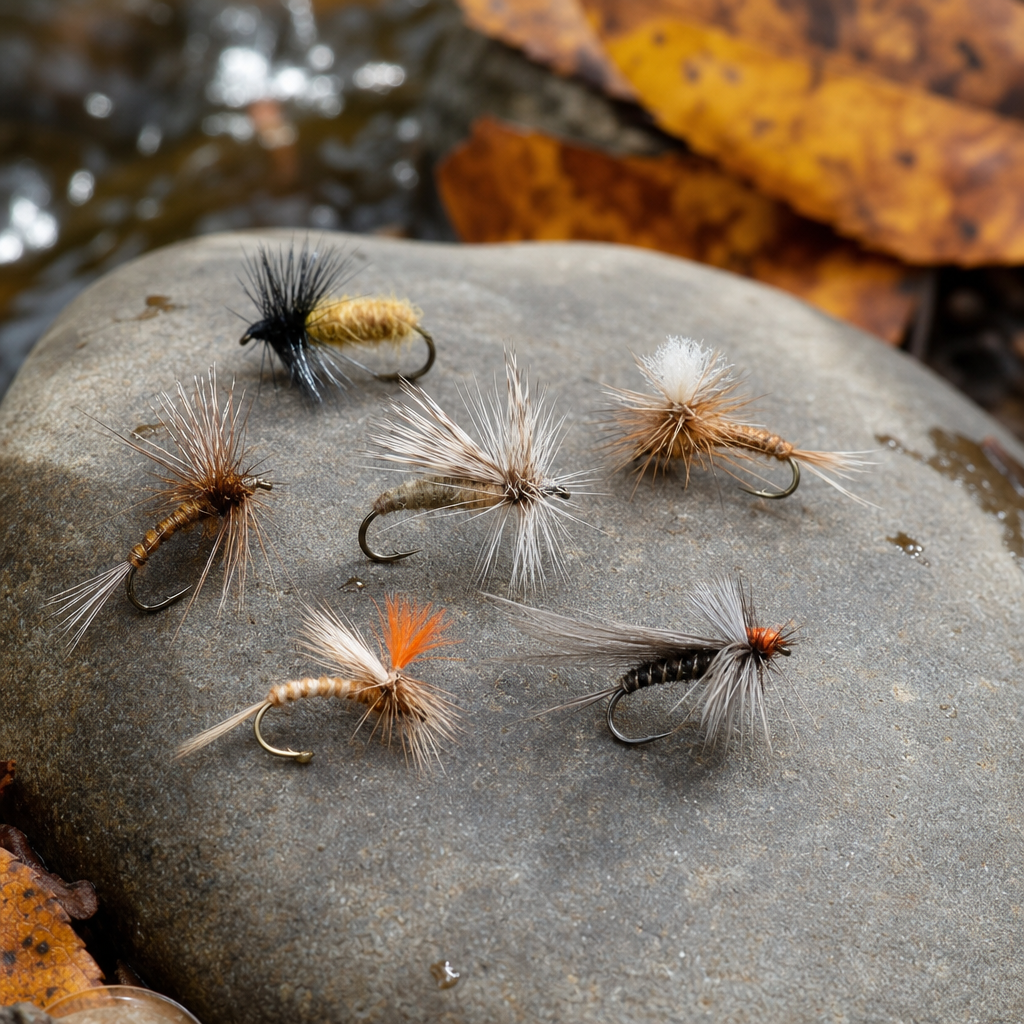
Dry-fly fishing can be superb when hatches become concentrated. Midges hatch all year on many tailwaters, but summer standouts often include caddis, PMDs, sulfurs, Tricos, and evening terrestrials such as ants and beetles. Match stage as carefully as species. Trout feeding just under the film may ignore perfect adults and eat emergers every drift. In those moments, CDC emergers, soft hackles, and low-riding cripples outperform high-floating patterns. The best clue is the rise form: splashy takes often indicate caddis or chasing behavior, while gentle sips usually point to small mayflies or midges.
Streamers have a place in summer, especially during cloud cover, generation pulses, or at dawn. Smaller baitfish patterns, leeches, and sculpin imitations often beat oversized flies when water is clear and fish are pressured. Focus on structure transitions: drop-offs, bank shade, submerged grass lines, and the tail ends of islands where current compresses prey. Short controlled strips and downstream swings frequently outfish aggressive ripping presentations in cold, clear tailwaters.
Timing, safety, and fish care
The best summer fly fishing plan starts before you leave home. Check release schedules, weather, water temperatures, and access rules the night before and again in the morning. Tailwaters can rise quickly enough to cut off gravel bars or flood wading routes, especially where peaking hydropower drives afternoon releases. If you are unfamiliar with a river, ask a local fly shop which sirens, lights, apps, or gauge thresholds matter. Shops near the White, Delaware, and South Platte systems routinely save visiting anglers from avoidable mistakes because they know how local flow changes actually translate on the ground.
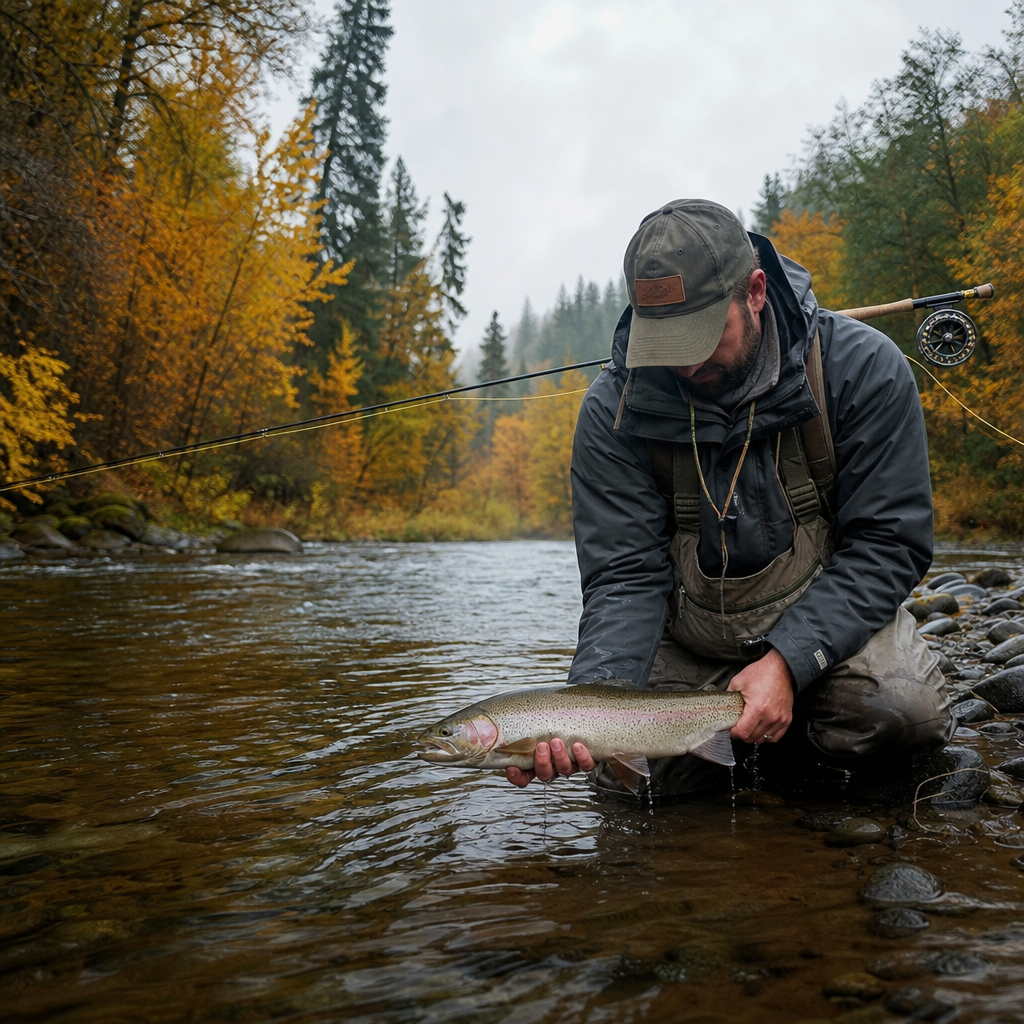
Fish early when heat is a concern. Carry a thermometer and use it. If water temperatures rise into stressful territory, stop targeting trout even if fish are still catchable. Trout can swim away and still die later from cumulative stress, especially after long fights in warm, low-oxygen water. Use heavier tippet than you might in spring so you can land fish quickly. Keep them in the water, wet your hands, avoid squeezing, and skip extended hero shots. Barbless hooks reduce handling time and tissue damage, particularly on rivers where trout see pressure every day.
Angler comfort matters too. Keeping cool is part of staying sharp enough to fish safely and ethically. Lightweight sun hoodies, broad-brim hats, polarized glasses, and hydration packs make a measurable difference during long summer sessions. Many tailwaters expose anglers to reflected sunlight from open channels, which increases dehydration and fatigue. Wade staffs, felt or modern sticky-rubber soles where legal, and a strict rule against crossing when releases are scheduled will prevent more trouble than any piece of gear.
Building a summer tailwater game plan
A reliable game plan is simple. Start with the coolest, safest window. Fish high-percentage water first: riffle seams, shaded banks, oxygenated heads of runs, and inside edges below generation pushes. Let observed insects determine whether you stay subsurface or switch to dries. Adjust depth before changing flies. Move if the drift is wrong, the weeds are fouling, or the crowd is forcing bad angles. On technical tailwaters, minor positioning changes often matter more than pattern changes.
As the hub for this subtopic, this page should lead you to deeper articles on summer nymph rigs, hatch matching, dry-dropper setups, streamers during generation, and trout handling in hot weather. The central lesson is consistent across all of them: summer fly fishing succeeds when you fish the river in front of you, not the river you hoped for. Tailwaters give trout and anglers a cold-water margin that freestones often lose in midsummer, but that margin is not unlimited. Read flows, watch temperatures, respect generation, and match tactics to fish behavior. Do that, and you will keep cool, protect the resource, and turn the hardest season into one of the most dependable times to fish. Plan your next trip around data, not guesswork, and build from this hub into the rest of your summer playbook.
Frequently Asked Questions
Why are tailwaters such a good option for fly fishing in summer?
Tailwaters stay productive in summer because they are influenced by releases from the bottom of deep reservoirs, where water is typically much colder than the surface temperatures found in freestone rivers during July and August. That colder discharge helps maintain more stable water temperatures, better dissolved oxygen levels, and a healthier environment for trout when many other fisheries begin to warm beyond their comfort range. In practical fishing terms, that means trout in tailwaters often continue feeding consistently through hot weather, especially when nearby streams become marginal or stressful for coldwater species.
Another major advantage is stability. While freestone rivers can swing dramatically with heat, thunderstorms, or drought, tailwaters are shaped by dam operations, which often create more predictable flows, insect activity, and holding water. Anglers can usually expect defined feeding lanes, dependable riffles and seams, and strong hatches tied to consistent water conditions. Summer midge, caddis, mayfly, and even sowbug or scud patterns can remain effective because the aquatic food base in tailwaters is often rich and sustained. For anglers looking to stay on trout through the hottest part of the year, tailwaters are often the most reliable blend of fishable temperatures, dependable flows, and active fish.
What should anglers pay attention to before fishing a summer tailwater?
Flow schedules should be at the top of the list. Because tailwaters are controlled by dams, release levels can change quickly and dramatically based on power generation, irrigation demand, reservoir management, and flood control needs. A gentle wade in the morning can become dangerous or unfishable after a release increase, so anglers should always check current generation schedules, river gauge data, and any local notices before stepping into the river. It is also wise to understand whether a particular tailwater fishes best during low flows, moderate generation, or on dropping water, because each river has its own rhythm.
Water temperature and dissolved oxygen also matter, even on tailwaters known for cold releases. Not every tailwater remains ideal all summer, and some systems can still warm enough to stress trout depending on drought, low reservoir levels, or warm surface spill. Looking at recent temperature trends can help confirm whether the fishery is truly in good shape. In addition, anglers should consider access points, wading difficulty, and the timing of insect activity. Some tailwaters fish best early and late, while others remain productive through midday because of hatch cycles or release patterns. A little homework on flows, temperatures, and bug activity often makes the difference between simply being on cool water and actually fishing it effectively.
What fly patterns and tactics work best on summer tailwaters?
Summer tailwaters often reward a technical, food-based approach because trout in these systems usually see a steady menu and, in many places, steady fishing pressure. A good starting point is to match the dominant forage: midges, caddis, mayflies, scuds, sowbugs, worms, and small baitfish can all be important depending on the river. In many tailwaters, small nymphs under an indicator remain one of the most dependable summer tactics, especially patterns like zebra midges, pheasant tails, RS2s, perdigons, caddis pupae, and sowbugs. The key is usually precise depth, clean drifts, and subtle weight adjustments rather than constantly changing flies.
Dry-dropper rigs can be effective when fish are willing to look up, especially during caddis or mayfly activity along seams and riffles. On more technical tailwaters, long leaders, fine tippet, and accurate mends help far more than oversized fly changes. If fish are rising selectively, anglers should watch carefully before casting and identify whether trout are feeding on emergers, cripples, or adults. Early morning and evening can also create opportunities for small streamers, particularly where trout key on juvenile fish along weed edges or cutbanks. Overall, success on summer tailwaters usually comes from reading the current, matching the river’s primary food sources, and staying disciplined with presentation.
How can you stay safe and comfortable while fishing tailwaters in hot weather?
Staying cool on a summer tailwater starts with respecting the heat above the river as much as the cold water below it. Lightweight sun-protective clothing, a wide-brimmed hat, polarized sunglasses, and regular hydration are essential, even if the river itself feels refreshing. Heat exhaustion can develop quickly when anglers are focused on fishing and forget to drink water or eat regularly. Tailwaters can create the illusion of mild conditions because the air around the river may feel cooler, but long hours in direct sun still add up.
Safety also means understanding the dam-controlled nature of the river. Rising water is one of the most serious hazards on a tailwater. A release change can increase depth, speed, and force very quickly, cutting off gravel bars or making a safe crossing dangerous within minutes. Watch for warning sirens, lights, posted markers, or visible changes in current, and always leave yourself an easy exit route. Good wading boots, a wading staff, and a conservative approach to crossings go a long way on slick, uneven bottom structure. If flows begin rising or current starts pushing harder than expected, the smart move is to get out early rather than wait too long. Comfort matters, but on tailwaters, safety always starts with flow awareness.
Are there special fish-handling considerations for trout in summer, even on cold tailwaters?
Yes. Tailwaters often provide better summer conditions for trout than many other rivers, but good fish handling is still important. Even when water temperatures are favorable, trout can be stressed by long fights, repeated handling, or extended time out of the water. Using appropriately strong tippet helps land fish faster, which reduces exhaustion and improves recovery. A rubberized landing net, wet hands, and quick unhooking all help protect the fish’s slime coat and limit damage to fins and gills. If you want a photo, keep it brief and keep the trout low over the water in case it slips free.
It is also worth remembering that not all sections of a tailwater are equally cold or oxygen-rich all day long. Side channels, shallow margins, and lower reaches can warm more than expected, especially during drought or low-release periods. If fish appear overly lethargic or recovery seems slow, that is a sign to be extra cautious or stop targeting them altogether. Responsible summer angling is about more than finding fishable water; it is about recognizing when trout are thriving and when they are merely surviving. Tailwaters can be an excellent way to keep fishing during hot weather, but the best anglers pair that opportunity with careful handling and good judgment.