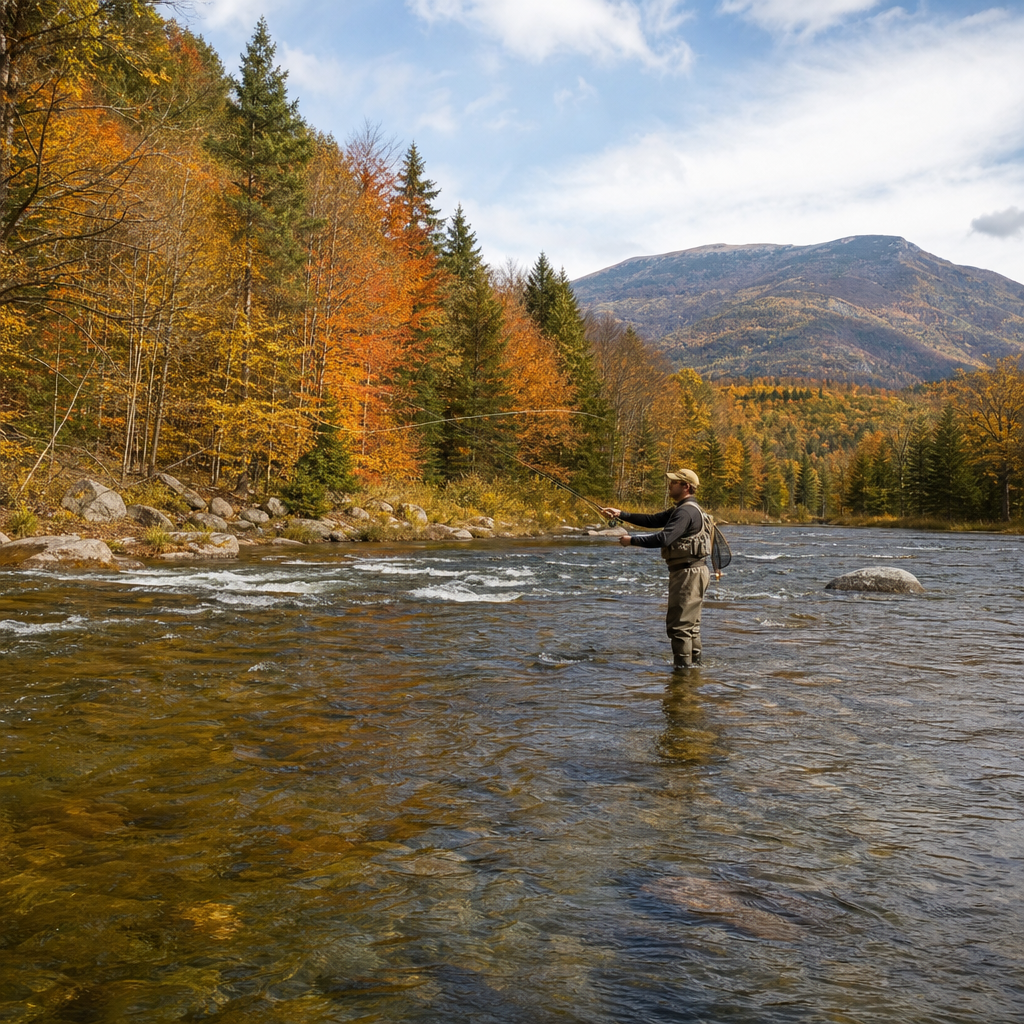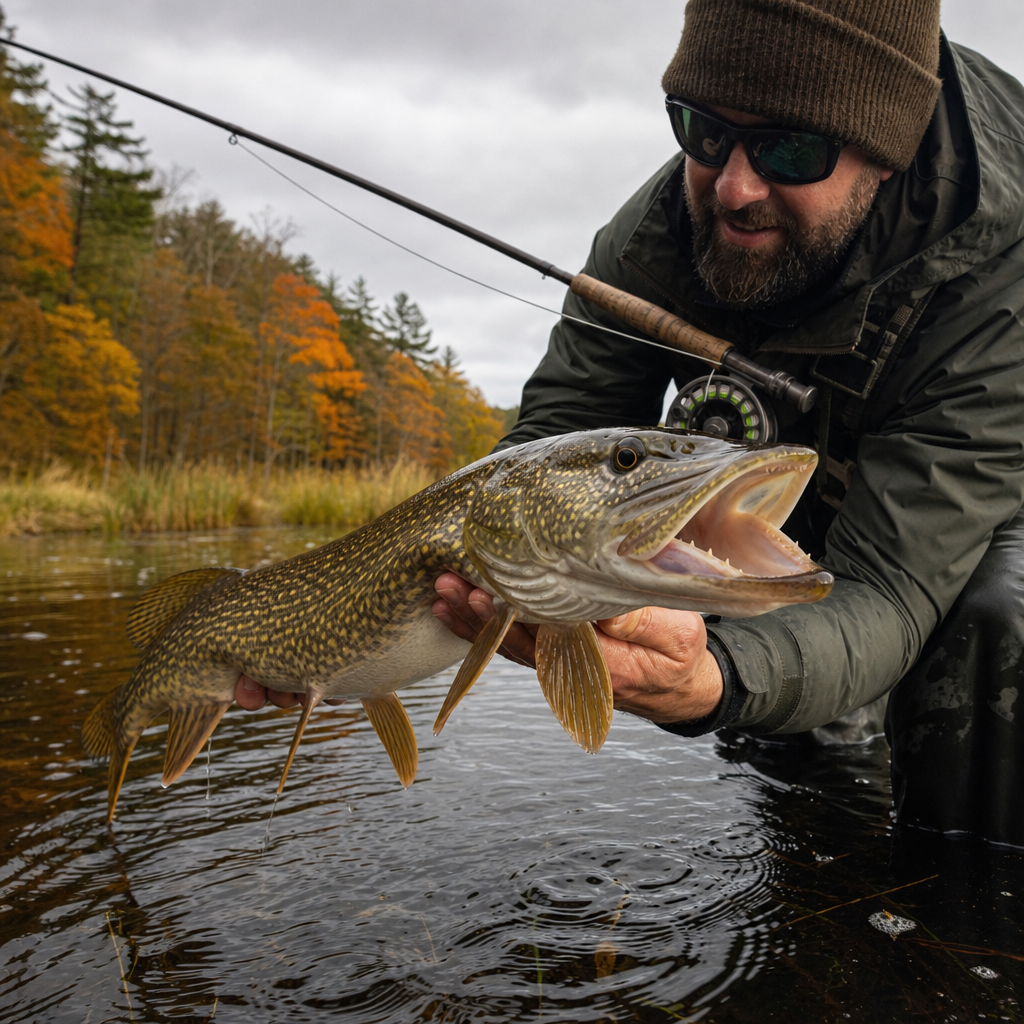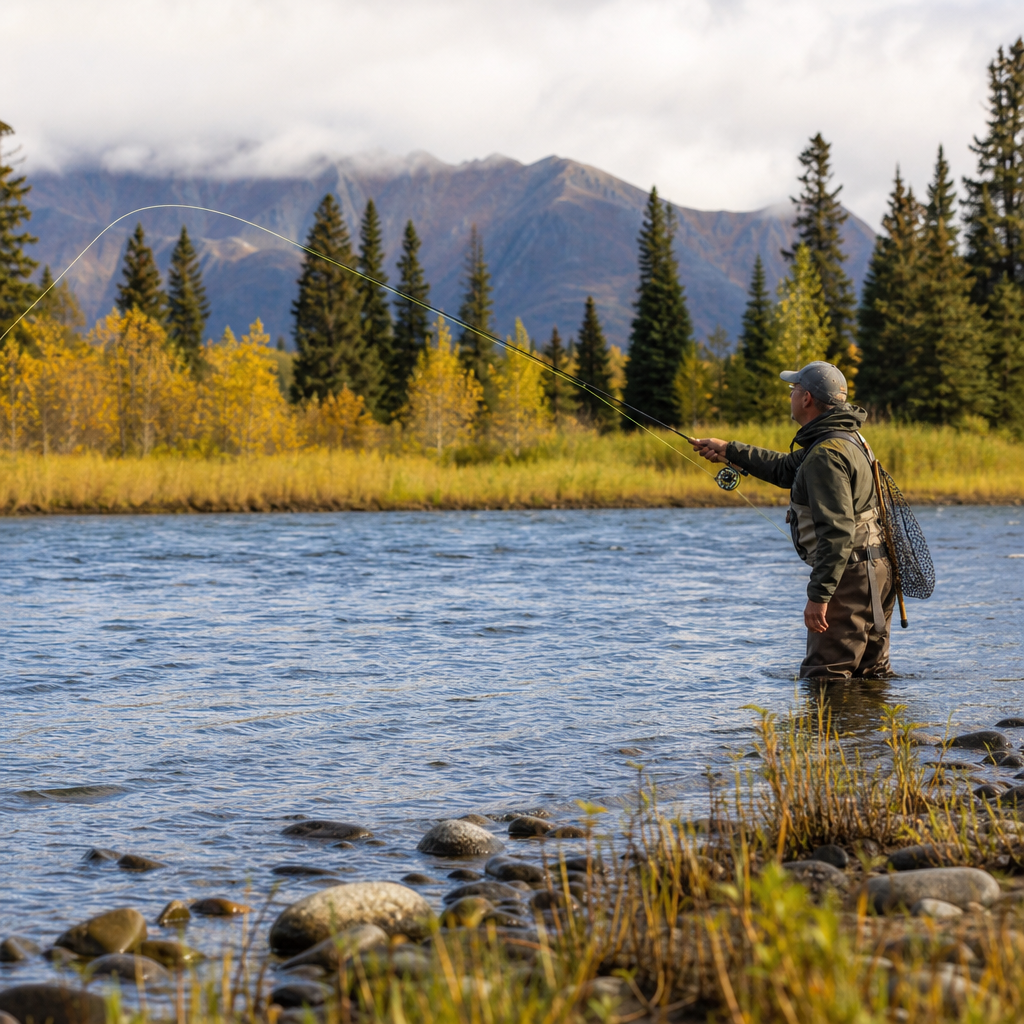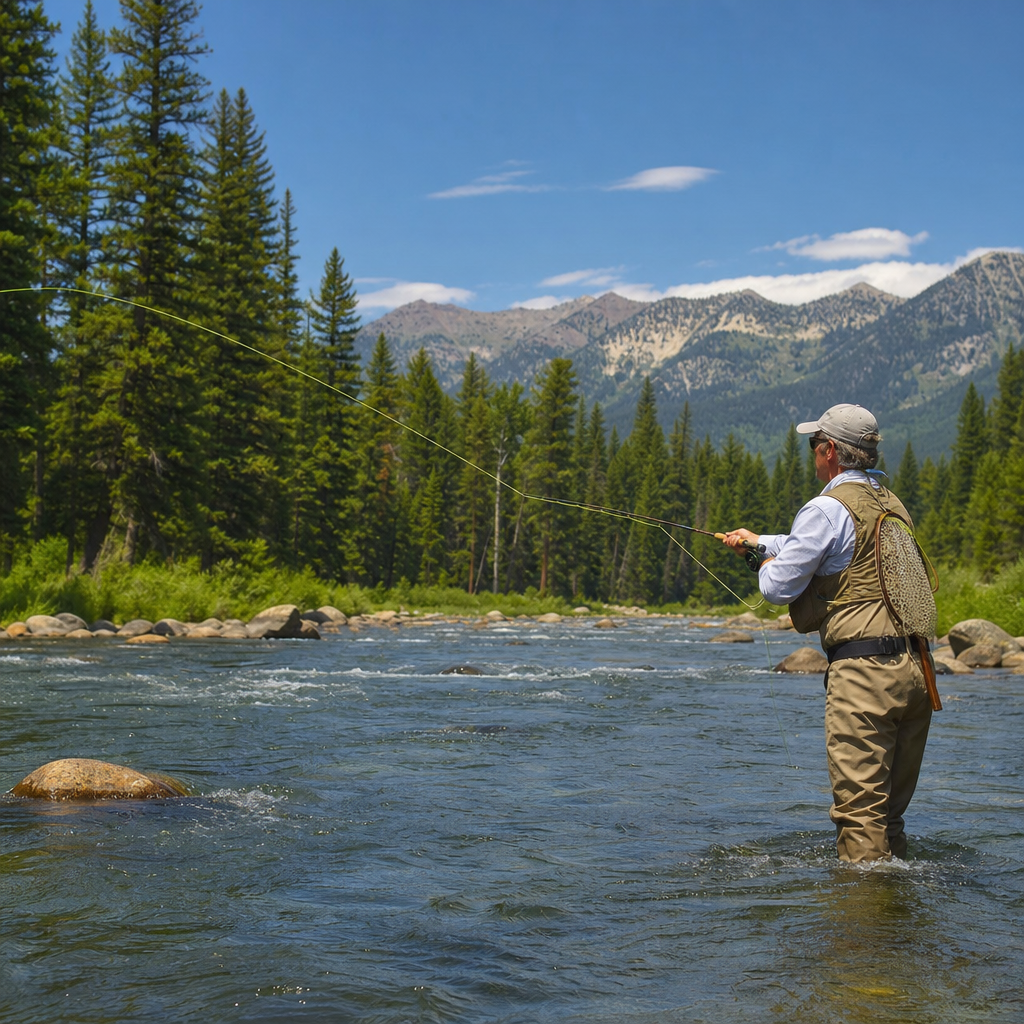
Fly fishing in rivers during summer demands a different mindset than spring runoff or fall streamer season because fish behavior, water conditions, insect activity, and angler pressure all change at once. Summer fly fishing usually means lower flows, clearer water, warmer temperatures, and longer daylight, which create both excellent opportunities and serious limitations. In practical terms, success comes from understanding where trout or smallmouth can remain comfortable, how food sources shift through the day, and when river temperatures cross from productive into stressful. I have spent many summer mornings checking temperatures before sunrise, changing from a dry-dropper rig to a nymph setup by midmorning, then abandoning good-looking water entirely when the river warmed too much by lunch. That pattern is common, not exceptional. A strong summer approach starts with three core ideas: fish early or late, match seasonal food sources, and protect fish during periods of heat stress. Anglers who ignore those basics often blame difficult fish when the real issue is timing, presentation, or water selection.
The phrase summer fly fishing covers a broad window, from the first stable post-runoff weeks through the hottest low-water stretch of late July and August. Conditions vary by watershed, elevation, and species, but the underlying mechanics are consistent. Coldwater fish such as trout seek oxygen-rich current, depth, shade, and groundwater influence. Warmwater species like smallmouth bass often become more active as temperatures rise, especially around structure and moderate current seams. Aquatic insects also follow predictable summer rhythms. Mayflies often bring spinner falls in low light, caddis can swarm at dusk, terrestrials become increasingly important along grassy banks, and stoneflies remain relevant on many Western freestones. Because this page serves as a hub for summer fly fishing, it focuses on the decision-making framework that links all those variables together. If you can read temperature, flow, light, and food availability, you can simplify river choices that otherwise feel overwhelming and make every outing more deliberate.
How summer river conditions change fish behavior
Summer river fishing is shaped first by hydrology and temperature. As snowmelt fades or rainfall becomes less frequent, flows typically drop, current softens across broad flats, and many midriver lies lose the depth and oxygen fish used in earlier months. Clearer water increases visibility for both anglers and fish, so trout slide toward broken current, undercut banks, plunge pools, shaded edges, and deeper buckets below riffles. On many tailwaters, dam releases can stabilize flows and preserve coldwater habitat, but freestone rivers are less forgiving. Trout metabolism rises with temperature up to a point, yet dissolved oxygen decreases as water warms. Once temperatures push into the upper 60s Fahrenheit, especially around 68 to 70 degrees for trout, feeding windows often narrow and recovery after release becomes more difficult. That is why experienced anglers carry a thermometer, not as a gadget but as a decision tool.
These physical changes alter how fish use a river hour by hour. During cool mornings, trout may feed in riffles because riffles concentrate oxygen and drifting nymphs. As the sun gets higher, fish often shift to slots beside heavy current, foam lines under shade, or deeper heads of pools where cooler water enters. By evening, they may slide back into softer feeding lanes to intercept caddis, mayflies, or terrestrials. Smallmouth bass behave differently but follow equally clear logic. In summer they use boulders, ledges, woody cover, and transitions between fast and slow water, often moving shallow to ambush crayfish, baitfish, or hoppers early and late. Carp, another underrated summer target, patrol warming shallows and tailouts where sight fishing becomes possible. The point is simple: in summer, fish are rarely absent; they are concentrated in the most stable, efficient habitat. Finding that habitat matters more than covering miles of average water.
Best times of day and the role of water temperature
The best time to fly fish rivers in summer is usually early morning, late evening, or during weather events that reduce light and heat. On coldwater rivers, dawn can provide the longest ethical and productive window because overnight cooling lowers water temperatures and increases fish comfort. I routinely start by checking the main channel, then compare it with side channels, spring creeks, or tributary mouths. A difference of just two or three degrees can determine whether trout feed aggressively or sulk in protective lies. Cloud cover, wind, and afternoon thunderstorms can extend fishing, but bright, hot afternoons often compress activity and increase risk. In many trout regions, agencies and shops recommend stopping when water temperatures reach 68 degrees Fahrenheit. Some anglers use 66 as a more conservative personal cutoff. That is good practice, particularly on heavily pressured rivers where cumulative stress matters.
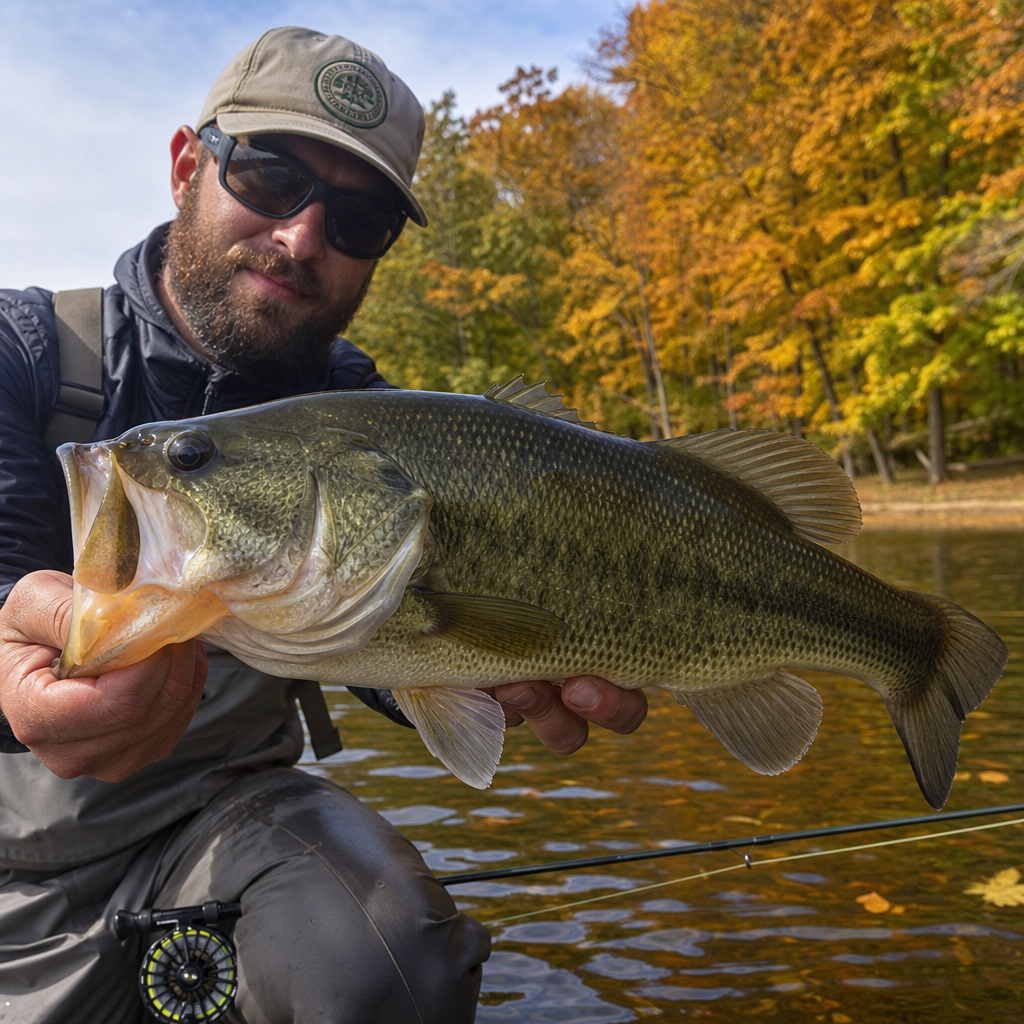
Warmwater species open more summer options. Smallmouth bass generally remain active in temperatures that would shut down trout fishing, and that makes mixed-species river systems valuable when the day heats up. If the trout reach becomes too warm, shifting downstream to bass water is often the smartest move. Timing still matters, though. Topwater action for bass can be best at first light and near dusk, while midday may call for deeper crayfish or baitfish patterns swung or stripped slowly through current seams. For trout anglers committed to cool water, temperature logging builds a real advantage. Record readings by time and location for several weeks and you will see patterns tied to release schedules, canyon shade, tributary input, and heat waves. That personal river log becomes more useful than generic advice because it reflects the exact system you fish. Summer rewards anglers who manage time precisely instead of simply fishing longer.
Summer hatches and the food sources that matter most
Matching summer food sources begins with identifying what the river is producing consistently, not just what hatches make the most noise online. In many rivers, caddis are the most dependable summer insect because adults appear over long periods and trout key on emergers, egg-layers, and skittering adults. Pale Morning Duns, Blue-Winged Olives during cooler weather, sulfur species in some regions, Tricos on slow water, and remaining golden stone or salmonfly activity can all be important, but the exact menu is local. Midges continue to matter on technical tailwaters even in hot weather. Meanwhile, terrestrials become increasingly significant as banks dry out and winds push ants, beetles, and grasshoppers into the water. Summer fish often feed opportunistically, and that means an accurate imitation presented in the right lane usually beats a fashionable fly fished poorly.
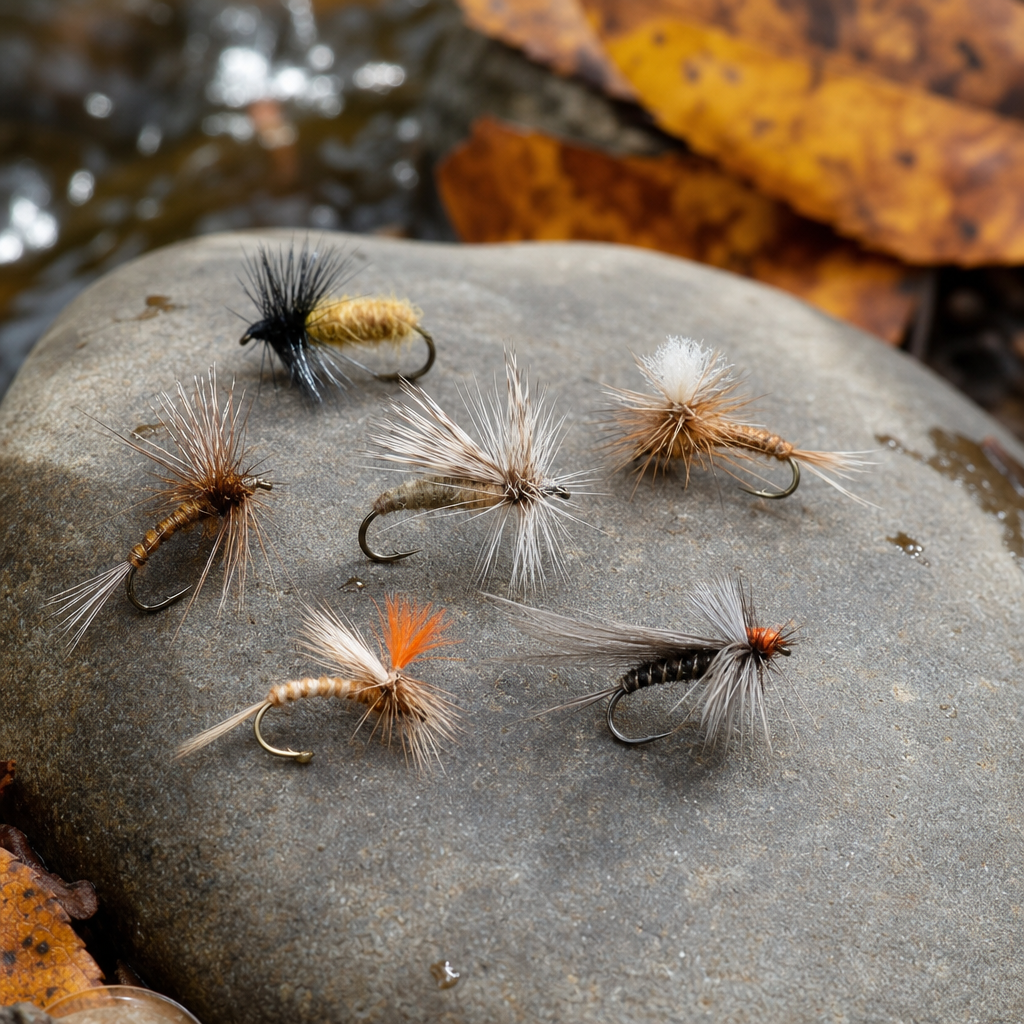
To make fly selection practical, focus on categories rather than carrying hundreds of patterns. I organize summer boxes around dry flies, emergers, nymphs, terrestrials, and attractor or searching patterns. Size and silhouette are often more important than exact color, especially in riffled water, but selective fish in slow, clear runs can demand precision. The table below covers the most reliable summer river foods and how to fish them.
| Food source | Typical summer timing | Best presentation | Useful patterns |
|---|---|---|---|
| Caddis | Morning to dusk, strongest evenings | Dead drift emerger, skate or twitch adult late | Elk Hair Caddis, X-Caddis, soft hackle pupa |
| Mayflies | Cool mornings and evenings | Dead drift dun or spinner in soft seams | PMD Comparadun, parachute mayfly, spinner |
| Stoneflies | Early summer into midsummer on many freestones | Tight bank casts, dropper under large dry | Chubby Chernobyl, Stimulator, stonefly nymph |
| Terrestrials | Hot afternoons, windy days, grassy banks | Close to shore, under overhangs, along cutbanks | Foam hopper, beetle, flying ant |
| Midges and small nymphs | Tailwaters and pressured fish all season | Long leader, drag-free drift, light tippet | Zebra Midge, RS2, pheasant tail |
| Crayfish and baitfish | Warmwater stretches and aggressive trout windows | Strip, swing, or hop near structure | Clouser Minnow, Woolly Bugger, crayfish pattern |
Summer fly fishing techniques that consistently produce
The most effective summer fly fishing techniques are dry-dropper rigs, indicator nymphing in oxygenated holding water, short-line nymphing through pocket water, and precise terrestrial presentations along banks. A dry-dropper setup shines when trout are spread between surface feeding and subsurface opportunism. A buoyant dry such as a Chubby Chernobyl, hopper, or large caddis supports a beadhead nymph and allows you to fish fast pocket water efficiently. In lower, clearer rivers, I often shorten the dropper and downsize the nymph to avoid overpowering wary fish. Indicator nymphing remains valuable in deeper buckets and tailouts where fish hold just off the main current. The key is depth control. Most missed summer nymphing opportunities happen because the rig drifts above fish instead of near the bottom where they conserve energy. Add or remove split shot methodically rather than guessing.
Dry fly fishing deserves special attention because summer creates the year’s most visual opportunities. Success depends on drift and angle more than constant fly changes. Approach from downstream when possible, use the longest practical leader for the current and wind, and target feeding lanes one at a time rather than flailing casts across the whole pool. For terrestrials, hug the bank. Trout expect hoppers, ants, and beetles to fall from edges, not land in midstream. Make the first cast your best cast because fish in clear summer water often get one clean look before they tighten up. Streamers also have a place, especially at low light or during brief pulses of stained water after storms. Use smaller, more natural profiles than in high water, and fish them around undercut banks, boulders, and wood where predatory fish can ambush without chasing far. Summer rewards precision, subtlety, and repeated adjustment over brute force.
Reading summer water, gear choices, and fish-safe practices
Reading summer water starts with identifying the most efficient habitat: oxygen, cover, food, and temperature relief in one location. On freestones, that often means heads of pools, riffle corners, plunge pools, shaded banks, and deep slots beside faster current. On tailwaters, look for shelf drops, weed edges, foam lines, and gravel transitions where hatches concentrate. In low water, many anglers still cast to the middle because the river looks larger than the fishable zone. The better move is to dissect narrow lanes carefully. Some of the best summer trout sits in water barely wider than a stripping basket, provided current delivers food and nearby depth offers security. Polarized glasses help, but so does slowing down enough to notice subtle rises, white flashes, or the dark shape of a holding fish shifting left to intercept drift.
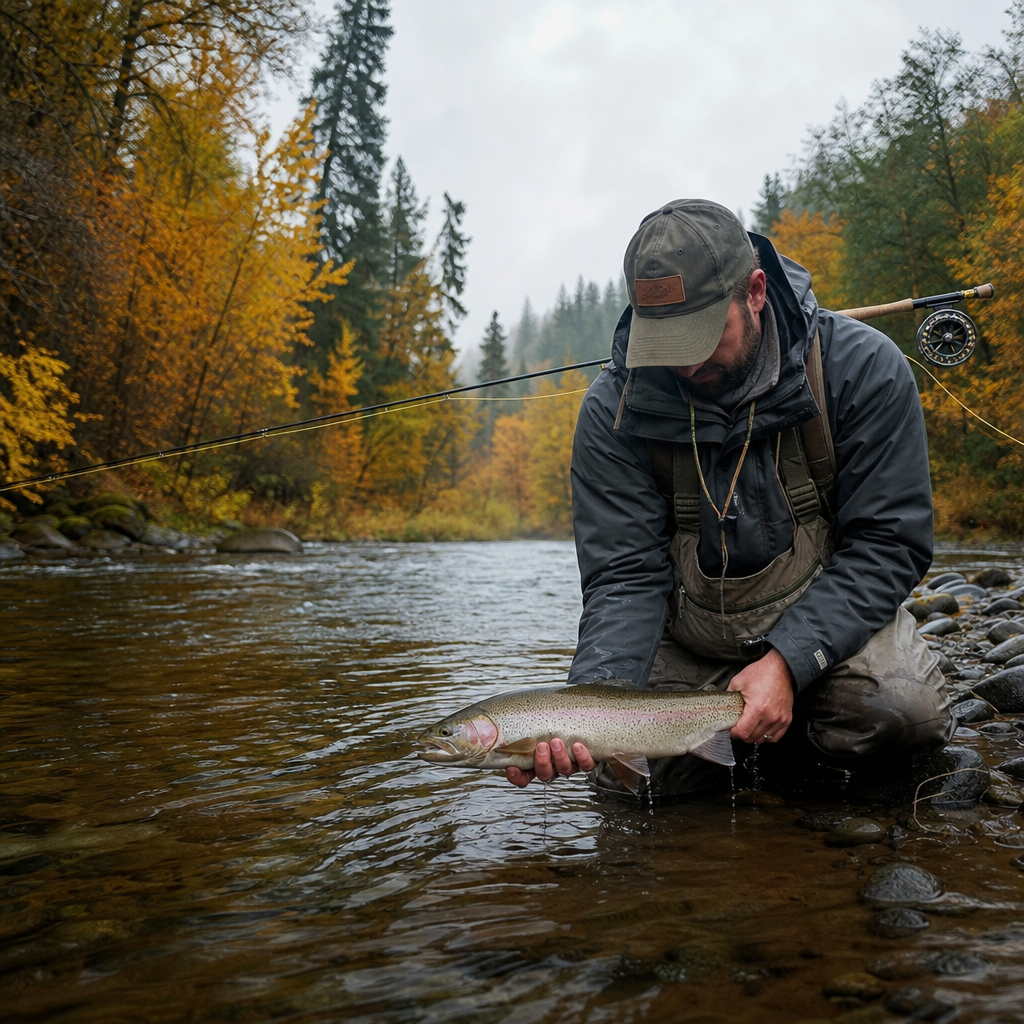
Gear should support finesse and fast fish handling. A 4- or 5-weight covers most summer trout work, while a 6-weight is useful for larger rivers, hoppers, and small streamers. For bass, a 6- or 7-weight handles wind-resistant flies and stronger fish around structure. Floating lines do most of the work in rivers during summer. Leaders generally run 9 to 12 feet for trout, sometimes longer on technical tailwaters, with tippet adjusted to fly size and cover. Just as important is what happens after the hookup. Use barbless hooks, fight fish firmly, keep them in the water while unhooking, and skip hero photos when temperatures are elevated. If trout show slow recovery, stop. That decision protects the fishery more than any single fly choice. Summer fly fishing is not only about catching fish efficiently; it is about recognizing when conditions require restraint and adapting to species or waters that can handle the stress.
Summer fly fishing in rivers is at its best when you treat conditions as a moving system rather than a fixed season. Low flows, clear water, warming temperatures, shifting insect activity, and heavier pressure all narrow the margin for error, but they also make fish behavior more readable. The central lessons are straightforward: start with water temperature, fish the coolest and most oxygenated periods, match the river’s actual summer food sources, and present flies with precision. Dry-dropper rigs, careful nymphing, bank-focused terrestrial fishing, and selective streamer use cover most productive scenarios. Equally important, understand that the right answer may be changing hours, changing species, or ending the session early. That is not a compromise; it is skilled angling.
As the hub for summer fly fishing within seasonal river conditions, this guide gives you the framework to connect every specialized topic, from hatches and terrestrials to tailwater strategy and warmwater alternatives. Build a simple habit before every trip: check flow, take temperature readings, watch the water for five minutes, and choose your first rig based on what fish can comfortably do that day. You will make fewer random casts, find better water faster, and protect the resource while still catching more fish. Use this article as your starting point, then apply its principles river by river through the hottest months of the year.
Frequently Asked Questions
What changes most about river fly fishing in summer compared with spring or fall?
Summer changes nearly every variable that matters to a fly angler. River levels are usually lower, the water is often much clearer, fish have seen more pressure, and daily water temperatures become a major factor in where and when trout or smallmouth feed. In spring, higher flows can push fish to softer edges and make them less selective because food is drifting fast and visibility is reduced. In summer, the opposite is often true: fish can inspect a fly for longer, they have more predictable holding water, and they frequently become selective about size, profile, and presentation.
Another major difference is how fish use the river. During summer, trout typically seek oxygen-rich, temperature-stable water such as riffles, pocket water, shaded banks, deeper runs, spring seeps, and the heads of pools where current and oxygen remain consistent. Smallmouth often shift toward current breaks, rocky structure, deeper slots, and feeding lanes that let them conserve energy while still ambushing baitfish, crayfish, or drifting insects. In both cases, fish are balancing feeding opportunity with comfort. That means anglers should stop thinking only about “where fish can eat” and start thinking about “where fish can safely live during warm conditions.”
Food sources shift as well. Summer often brings prolific terrestrial activity, including ants, beetles, hoppers, and inchworms, especially along grassy banks, overhanging brush, and undercut edges. Aquatic insect life remains important too, with mayflies, caddis, midges, and stoneflies still playing key roles depending on the river. The difference is that fish may feed in shorter windows, often early and late, and they may key in tightly on one food form at a time. As a result, success in summer usually comes from matching both the hatch and the mood of the fish, while also fishing at times and in places that respect water temperature and fish stress.
Where should I look for fish in a river during hot summer conditions?
The best summer holding water is rarely random. Start by looking for places that offer three things at once: cooler water, dependable oxygen, and nearby food. For trout, that often means riffles spilling into runs, deeper seams with good current, pocket water around boulders, shaded cutbanks, confluences with colder tributaries, and any area influenced by springs or groundwater. The heads of pools can be especially productive because they combine broken surface water, oxygenation, and a steady food conveyor. Even on low, clear rivers, trout may hold surprisingly shallow if the current is brisk enough and the water is cool.
Shade becomes much more important in summer than many anglers realize. Banks lined with trees, canyon walls that block afternoon sun, and overhanging vegetation can all create small but meaningful temperature advantages. Fish often slide into these protected lanes during bright midday periods. Depth matters too, but depth alone is not enough. A deep pool with slow, warming water may hold fewer active fish than a choppy, knee-deep riffle that stays cool and oxygenated. Always evaluate current, cover, temperature, and food together.
For smallmouth bass, focus on structure that creates ambush opportunities without forcing the fish to burn energy in heavy current. Boulder fields, ledges, submerged wood, weed edges, and transitions from shallow riffles into deeper runs are all classic summer locations. Early and late in the day, smallmouth may push shallow to feed aggressively. As the sun rises, they often reposition slightly deeper or tighter to cover. If one stretch of river feels lifeless, do not just keep casting blindly. Move until you find water that looks comfortable for fish, not just attractive to anglers.
What fly patterns and presentations work best for summer river fishing?
Summer success usually comes from flexibility rather than relying on one style of fly. A solid summer box should include attractor dries, hatch-matching dries, terrestrials, nymphs in a range of sizes, small streamers, and species-specific options like crayfish patterns for smallmouth. For trout, reliable dry flies often include elk hair caddis, parachute-style mayflies, attractors such as stimulators, and a variety of ants, beetles, and hoppers. On many rivers, terrestrial patterns become especially important from mid-summer onward, particularly on windy afternoons when insects are knocked from bankside vegetation into the water.
Under the surface, smaller nymphs frequently outperform oversized, flashy offerings in low clear water. Pheasant tails, hare’s ears, perdigons, caddis larvae, midge pupae, and small stonefly imitations are all worth carrying. The key is to match the level of realism the river demands. In pressured summer conditions, clean drifts and subtle weight adjustments often matter more than the exact brand or color of the fly. If fish are refusing a fly, consider downsizing, lengthening your leader, reducing indicator splash, or fishing a dry-dropper rig that lands more softly.
Presentation is often the true difference-maker. Summer fish in clear water get an excellent look at both fly and leader, so drag-free drifts are critical. Approach from downstream when possible, make longer casts only when you can still control the drift, and avoid lining fish with your fly line. With terrestrials, dead drift is usually the starting point, but slight twitches can sometimes trigger takes, especially near grassy banks. For smallmouth, more active presentations often work better. Stripping baitfish patterns, swinging small streamers through current seams, or crawling crayfish imitations along rocky bottoms can produce aggressive strikes. Match your retrieve speed to water temperature and fish behavior; in warm water, bass may respond well to faster movement, while trout generally still reward precision and natural drift.
What time of day is best for fly fishing rivers in summer, and how important is water temperature?
Time of day is one of the most important summer decisions you can make, and it is closely tied to water temperature. In many rivers, the best fishing happens early in the morning and again in the evening, when light levels are lower and water temperatures are at their daily minimum or falling from the day’s peak. Fish often feed more confidently during these windows because conditions are both safer and more comfortable. Midday can still produce fish, especially during strong hatches or in shaded, higher-elevation, or spring-fed systems, but it is often less consistent on warm summer rivers.
Water temperature is not just a fishing variable; it is a fish welfare issue. Trout are especially sensitive to elevated temperatures because warmer water holds less dissolved oxygen while simultaneously increasing fish metabolism and stress. If temperatures rise too high, trout may stop feeding actively and become vulnerable to exhaustion during catch-and-release. That is why responsible summer anglers carry a thermometer and make decisions based on actual conditions, not assumptions. Many anglers become cautious when trout water approaches the upper 60s Fahrenheit, and many stop targeting trout altogether when temperatures move beyond safe thresholds for that fishery. Local regulations, species, elevation, and river type all matter, so it is wise to learn the accepted guidelines for your area.
For smallmouth, warmer water is generally less restrictive, and summer can be an excellent season. Still, fish behavior will follow light, current, forage movement, and oxygen levels. The biggest mistake anglers make is ignoring the daily cycle. A river that seems empty at 2 p.m. may come alive at 7 a.m. or during the last hour before dark. In summer, planning your trip around temperature and timing is often more important than choosing between two similar fly patterns.
How can I catch more fish in low, clear summer rivers without spooking them?
Low, clear water demands a stealth-first approach. Fish can see farther, inspect flies longer, and detect sloppy movement more easily than they can during higher or stained flows. Start by slowing down your approach. Stay low, avoid sudden movements, and use streamside cover whenever possible. Enter the water carefully, because heavy wading sends vibration through shallow runs and can push fish off prime lies before you ever cast. In many situations, it is smarter to wade less and fish more from the bank or from the tail of a run.
Tackle adjustments help too. Longer leaders, finer tippet, and smaller or more natural-looking flies are often effective in clear summer water. That does not mean ultralight setup choices are always necessary, but it does mean your system should land softly and drift naturally. Watch how your fly and leader touch down. Splashy presentations can ruin the first cast, and in summer the first cast is often your best chance at a quality fish. Cast from an angle that keeps the fly line away from the fish’s window whenever possible, and build in mends that improve drift without dragging the fly unnaturally.
Just as important, fish the right water in the right way. In low flows, obvious pools often receive the most pressure, while shallow broken water, short seams, undercut banks, and pocket water can hold surprisingly willing fish. These spots offer fish cover and give anglers a little margin for imperfect presentations. If you are targeting trout, think precision, patience, and natural drift. If you are targeting smallmouth, be equally stealthy on approach, but do not be afraid to cover water and change angles until you find active fish. Summer rewards anglers who