Fly fishing hoodies have moved from niche layering pieces to core equipment because they solve three problems at once: sun exposure, temperature swings, and all-day comfort on the water. In the last decade, I have tested hoodies on spring tailwaters, humid summer flats, windy drift-boat days, and late-fall steelhead runs, and the differences between good and bad models become obvious fast. The best fly fishing hoodies manage moisture, protect skin, fit over base layers, and avoid design mistakes such as restrictive hoods, abrasive seams, or cuffs that hold water.
For anglers researching the best fly fishing hoodies for all seasons, the key terms matter. A sun hoodie is a lightweight technical top built for ultraviolet protection, usually rated UPF 30 to UPF 50+. A midlayer hoodie adds insulation and is worn over a base layer or under a shell. An all-season fly fishing hoodie category includes both, because no single fabric weight handles July trout and November salmon equally well. Clothing reviews in this space should evaluate fabric composition, hood architecture, thumb loops, odor control, drying speed, pocket design, and how each piece performs when casting, rowing, hiking, and landing fish.
This topic matters because fly anglers spend long hours in exposed environments. The Skin Cancer Foundation notes that UPF 50 fabric can block about 98 percent of UV radiation, which makes a quality hooded layer more than a comfort choice. The right hoodie also reduces fatigue: if you stay dry, avoid overheating, and move freely, you fish better. As the hub page for clothing reviews under product reviews and recommendations, this guide explains what to buy for each season, which features deserve your money, and how leading options compare in real fishing conditions.
What Makes a Great Fly Fishing Hoodie
A great fly fishing hoodie starts with fabric engineering, not branding. Polyester remains the dominant face fabric because it dries quickly, resists stretching when wet, and holds UPF treatments well. Nylon blends tend to feel smoother and can improve abrasion resistance, especially around pack straps and boat seats. Merino blends earn attention in cool weather because wool manages odor and insulates when damp, but pure merino can dry slowly and wear faster under repeated friction. Elastane or spandex, usually in low percentages, improves range of motion during long casts and while reaching behind your back for a net.
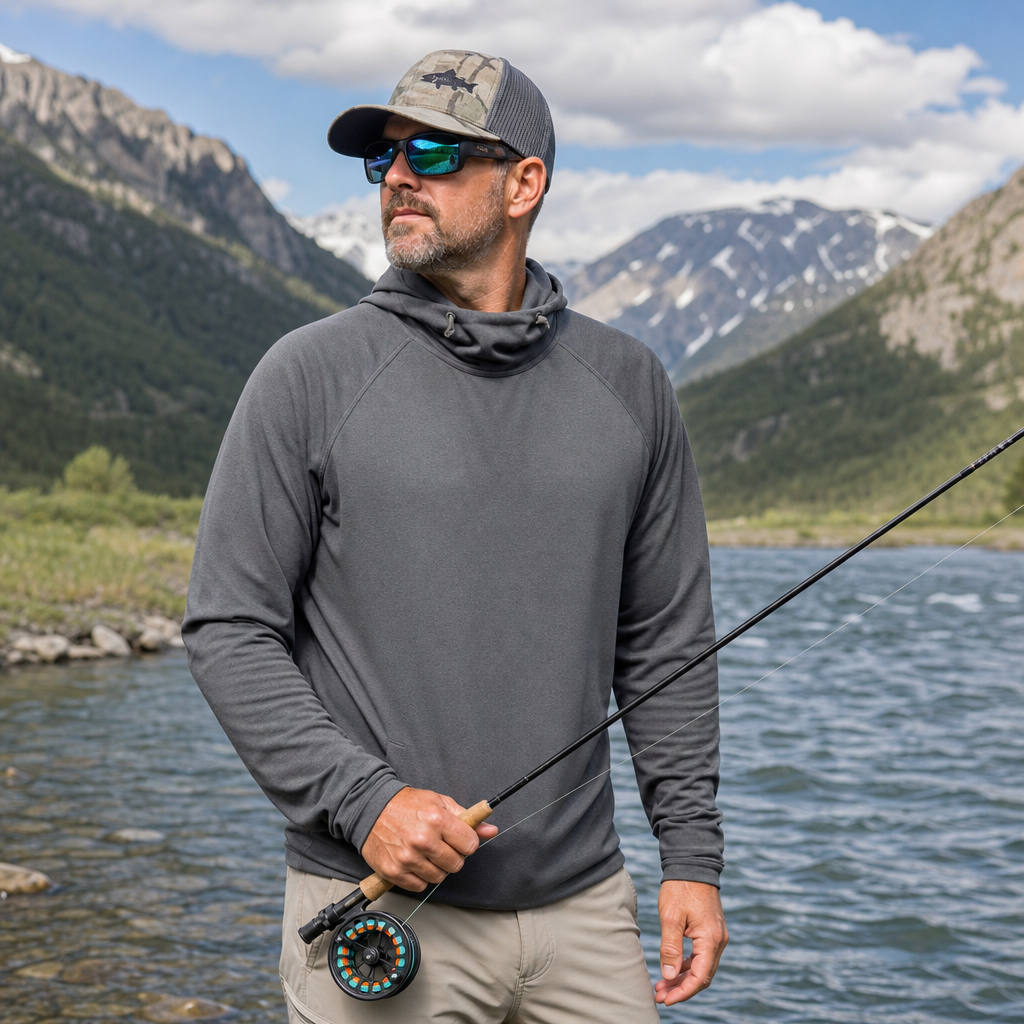
Fit is just as important as fabric. A fishing hoodie should allow full shoulder rotation without lifting the hem excessively. I look for articulated sleeves, offset seams under packs, and enough hood volume to cover a ball cap without blocking peripheral vision. Thumb loops help protect wrists from sun and keep sleeves in place while stripping line, but poorly cut loops twist fabric and become annoying within an hour. Cuffs should drain quickly rather than absorb water every time you release a fish.
Construction details separate premium clothing reviews from generic apparel lists. Flatlock seams reduce chafing during rowing and hot-weather hiking. HeiQ, Polygiene, and similar odor-control treatments can extend usability on multi-day trips, though they are not substitutes for washing. Durable water repellent finishes matter less on true sun hoodies than on insulated pieces, because prolonged rain still requires a shell. A useful zip chest pocket can hold tippet, a license, or lip balm, but bulky kangaroo pockets often sag when wet and interfere with wading belts and pack straps.
Best Fly Fishing Hoodies by Season
Summer demands one type of fly fishing hoodie, while shoulder seasons and winter demand another. During hot weather, prioritize lightweight knit fabrics between roughly 100 and 150 grams per square meter, UPF 50+, and highly breathable paneling. Models like the Simms SolarFlex Hoody, Patagonia Tropic Comfort Natural Hoody, and Orvis Sun Defense Hoodie are strong warm-weather choices because they are cut for casting, dry quickly, and protect the neck and ears better than a standard crew shirt. On bright western rivers or tropical flats, these are often more comfortable than sunscreen alone.
Spring and fall are transitional, so the best all-season strategy is layering. A light sun hoodie can sit under a fleece-backed technical hoodie or a breathable soft shell. Pieces such as the Patagonia R1 Air Hoody, Simms Gallatin Hoody, and similar grid-fleece or brushed-knit options work well when mornings start cold and afternoons warm up. These hoodies trap enough air to keep you comfortable while launching a boat or hiking to a run, then vent adequately once you begin moving. They are not substitutes for heavy insulation, but they are the most versatile part of a river wardrobe.
Winter fly fishing hoodies belong in a different performance category. Cold-weather fishing for trout, steelhead, or salmon often means damp air, low sun angles, and frequent contact with spray or snow. Here, hoodies with lofted fleece, merino blends, or hybrid insulation become useful, especially when paired with a waterproof shell. The best winter options maintain warmth when slightly damp and layer cleanly under bibs or waders. I avoid oversized cotton-heavy hoodies completely in this season because once cotton absorbs moisture, insulation collapses and comfort disappears.
| Season | Best Hoodie Type | Ideal Features | Example Use Case |
|---|---|---|---|
| Summer | Ultralight sun hoodie | UPF 50+, quick drying, breathable hood, thumb loops | Wading an exposed freestone river at midday |
| Spring | Light technical midlayer | Moisture management, moderate insulation, easy layering | Cool morning hatch turning warm by noon |
| Fall | Grid-fleece hoodie | Breathability, warmth, packability, cap-compatible hood | Swinging streamers from a drift boat in wind |
| Winter | Fleece or merino-blend insulated hoodie | Heat retention when damp, low bulk, shell compatibility | Steelhead fishing in near-freezing air and spray |
Top Clothing Reviews: Standout Hoodies Worth Considering
Among lightweight options, the Simms SolarFlex series remains one of the most consistently fishable designs. The fit is athletic without being tight, the hood works over a cap, and the fabric stands up to repeated river use. Simms also tends to get cuff length and sleeve articulation right, which matters during repetitive casting. Patagonia’s Tropic Comfort line earns praise for comfort against bare skin and excellent hot-weather breathability. For anglers who dislike the plasticky feel of some synthetic shirts, this line feels softer while still offering technical performance.
Orvis continues to make competitive fishing apparel, and its sun hoodies are often strong values relative to premium-priced alternatives. I have found Orvis pieces especially reliable for anglers who want an easy, relaxed fit rather than a compressed athletic cut. Huk and AFTCO, while often associated with saltwater, also deserve mention because their hooded performance shirts handle high-UV environments extremely well. They can crossover effectively for drift-boat trout anglers, warmwater anglers, and anyone fishing broad reservoirs where reflected glare compounds exposure.
For insulating layers, Patagonia’s R1 family set a benchmark years ago and still influences what good active midlayers should feel like. Grid-fleece construction creates channels that release excess heat while preserving warmth, making these hoodies ideal for movement-heavy fishing days. KUIU, Sitka, and other hunting-oriented brands also produce technical hoodies that some anglers overlook. Their fit, merino options, and weather management can be excellent for cold river use, though pocket placement and camouflage styling may not appeal to everyone. The best clothing reviews consider crossover performance, not just fly-fishing labels.
How to Choose the Right Hoodie for Your Fishing Style
The best fly fishing hoodie for a walk-and-wade trout angler may be wrong for a flats angler or boat guide. If you primarily fish under intense sun, start with UPF rating, hood coverage, and breathability. In practical terms, this means choosing a lightweight fabric that still shields the back of the neck and ears. If you fish from a drift boat in variable mountain weather, versatility matters more. You will get better value from a system that includes a sun hoodie plus a grid-fleece or light insulated hoodie than from one heavy garment trying to do everything poorly.
Think about how you move. Anglers who row, scramble over riprap, and hike to remote access points need high air permeability and low seam friction. Guides who stand on the bow all day often prioritize sun management, odor resistance, and comfort under a pack or life vest. Coldwater anglers should check how a hoodie layers under waders, bibs, and rain shells. A thick hood bunching at the collar can be maddening once you add a shell. Whenever possible, test the hood with your fishing cap and outerwear rather than judging fit indoors.
Budget matters, but replacement frequency matters more. A $40 hoodie that pills, stretches, and loses shape after one season is not cheaper than a $90 piece that performs for several years. Look at warranty support, fabric reputation, and stitching quality. Many premium brands publish material specifications and intended use clearly; that transparency is useful. As this hub for clothing reviews expands, related guides should compare sun shirts, wading jackets, base layers, rain shells, and fishing pants so you can build a complete system rather than buying isolated pieces.
Care, Maintenance, and Common Buying Mistakes
Even the best fly fishing hoodies lose performance if you wash them incorrectly. Technical fabrics should generally be cleaned with mild detergent, cold or warm water, and low heat or air drying, following each manufacturer’s label. Fabric softeners are a common mistake because they can reduce moisture wicking and clog fibers. High heat can damage elastane and accelerate breakdown of printed logos and bonded details. Odor-control finishes also last longer when garments are rinsed soon after sweaty summer use instead of sitting damp in a gear bin for days.
The most common buying mistake is choosing based on casual comfort alone. A cotton-blend hoodie may feel pleasant in the shop, but once wet it becomes heavy, slow drying, and cold. Another mistake is overvaluing SPF language without confirming UPF testing and hood coverage. Exposed ears, neck, and wrists still burn. I also see anglers buy winter-weight hoodies for year-round use, then complain about overheating in June. Fishing apparel works best as a modular system. One sun hoodie and one technical insulating hoodie will cover more conditions than a single compromise garment.
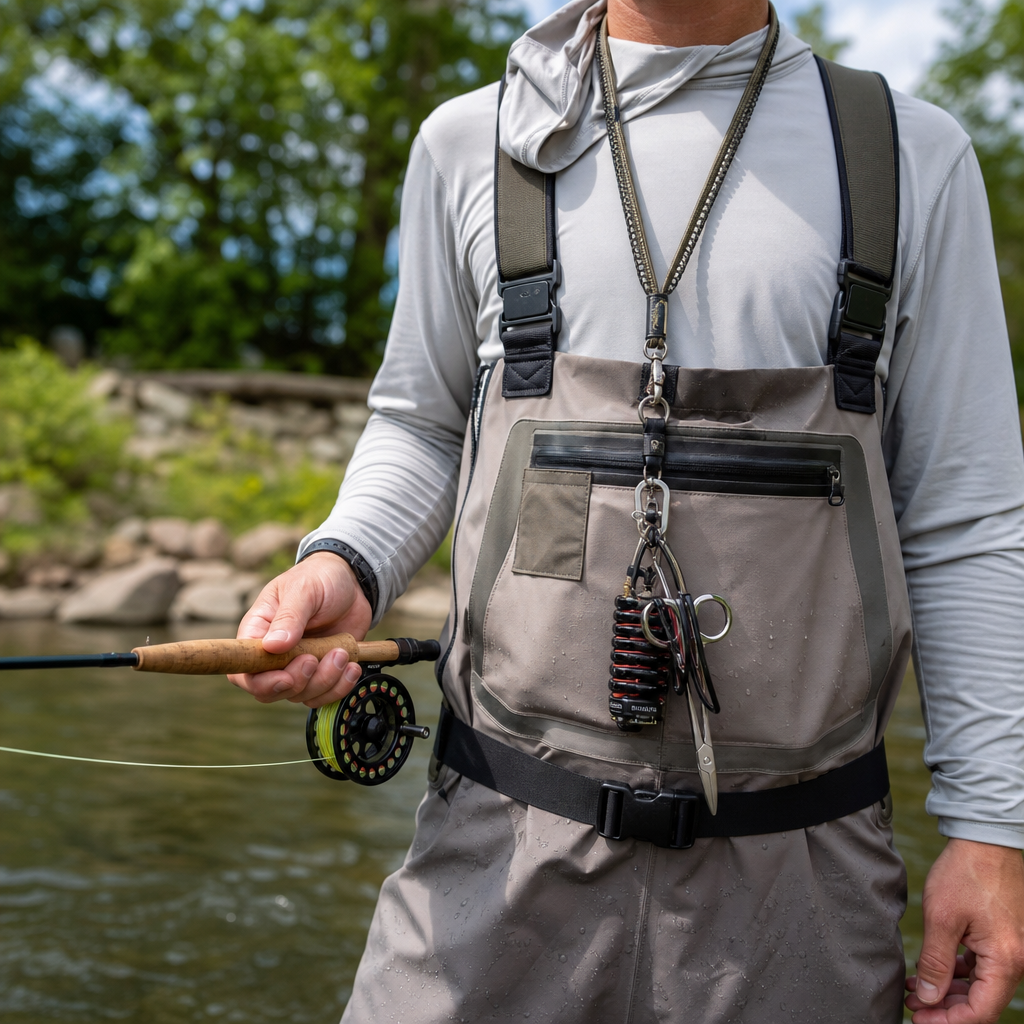
Finally, pay attention to fit after laundering. Some fabrics relax, others tighten, and sleeve length can change enough to affect thumb-loop function. Check for seam abrasion around the neck if you wear sling packs. Inspect high-wear zones where pliers, zingers, and straps rub. If a hoodie pills heavily or smells permanently after a few washes, that is useful evidence for future clothing reviews. The goal is not to collect gear; it is to identify pieces that disappear into the background so you can focus on current seams, fly choice, and fish behavior.
The best fly fishing hoodies for all seasons are not defined by one logo or one price point. They are defined by matching the right fabric, fit, and feature set to the conditions you actually fish. For summer, prioritize UPF 50+ sun hoodies with strong breathability and cap-compatible coverage. For spring and fall, rely on technical midlayers such as grid-fleece or brushed-knit hoodies that regulate temperature while moving. For winter, choose low-bulk insulating hoodies that retain warmth when damp and layer cleanly under waterproof shells and waders.
Across every season, the same evaluation standards apply. Look for quick-drying materials, nonrestrictive shoulder movement, thoughtful seam placement, durable construction, and a hood that works in real fishing posture rather than just in catalog photos. Trusted options from Simms, Patagonia, Orvis, Huk, AFTCO, and selected crossover outdoor brands have proven themselves because they solve real on-water problems. Good clothing reviews separate marketing claims from field performance, and that is the purpose of this hub within product reviews and recommendations.
If you are building or upgrading your fishing kit, start with the season you fish most often, then add the complementary layer that fills your biggest gap. A quality hoodie will protect your skin, improve comfort, and help you stay focused longer on the water. Use this page as your starting point for deeper clothing reviews, compare models against your local conditions, and choose pieces that earn a permanent place in your rotation.
Frequently Asked Questions
What makes a great fly fishing hoodie for all-season use?
A great fly fishing hoodie has to do more than just feel comfortable in a store or look technical on a product page. On the water, it needs to handle changing temperatures, long hours of sun exposure, wind, spray, and repeated movement from casting, rowing, hiking, and layering. The best all-season models balance several features at once: effective moisture management, dependable sun protection, smart fit, and practical design details that do not get in the way while fishing. If a hoodie can only do one thing well, it usually ends up sitting in the gear bag once conditions get more demanding.
Fabric is the first place to look. Lightweight performance knits work well in summer because they breathe, dry quickly, and prevent that clammy feeling that builds during humid days or long walks to the water. For shoulder seasons and colder weather, slightly heavier grid-fleece or brushed-back fabrics add warmth without turning the hoodie into a bulky jacket substitute. Stretch matters too. Fly anglers are constantly reaching, stripping line, and making repeated casts, so a stiff or restrictive fabric gets annoying fast. Good hoodies move with the body and recover their shape instead of sagging out after a few trips.
Fit is equally important. A quality fly fishing hoodie should be trim enough to avoid extra fabric bunching under a shell or waders, but not so tight that it restricts motion or makes layering difficult. In real-world use, you want enough room to wear it over a light base layer in summer mornings or under a rain shell during wind and drizzle. The hood itself should stay on in a breeze and fit comfortably over a cap without blocking peripheral vision. That sounds minor until you spend a windy day trying to keep a floppy hood out of your eyes while tracking a drift or spotting fish.
Design details separate fishing-specific hoodies from generic athletic tops. Thumb loops can help with sun coverage on the backs of the hands, but only if they are comfortable and not overly tight. Seam placement matters because poorly placed seams can rub under pack straps, wader suspenders, or sling packs. Longer hems help keep coverage when rowing or making long casts. Some of the best models also include venting features, odor control, or face/neck coverage integrated into the hood design. Overall, the best all-season fly fishing hoodie is the one that disappears while you fish because it regulates temperature, protects skin, layers well, and never becomes a distraction.
Are sun hoodies really worth it for fly fishing, or is sunscreen enough?
Yes, sun hoodies are absolutely worth it for fly fishing, and in many situations they are more reliable than sunscreen alone. Sunscreen is still useful, especially on the face, nose, ears, and hands, but it wears off, needs to be reapplied, and often gets missed in key areas. Fly fishing creates some of the harshest sun exposure conditions because anglers are outside for extended periods and are often dealing with reflected light off water. That combination can lead to serious sun fatigue and skin damage even on days that do not feel especially hot.
A good sun hoodie provides consistent coverage the entire time you are fishing. That means your neck, shoulders, arms, and upper back are protected without you having to think about it. Most quality models use UPF-rated fabrics, often UPF 30 or UPF 50+, which is a major advantage during long days on rivers, lakes, or saltwater flats. In my experience, anglers who switch to dedicated fishing hoodies quickly realize how much less exposed and drained they feel after a full day under direct sun. It is not just about avoiding a burn. It is also about reducing heat load, preserving energy, and staying comfortable enough to fish effectively for longer.
There is also a practical comfort advantage. Many lightweight hoodies actually feel cooler than a standard T-shirt because they wick moisture, improve evaporation, and keep direct sunlight off your skin. That can make a noticeable difference on humid summer rivers or bright open flats where shade is limited. When the hood fits properly over a cap, it adds another layer of protection to the ears, sides of the face, and back of the neck without requiring constant adjustment. Pair that with a neck gaiter and polarized sunglasses, and you create a far more complete sun-protection system than sunscreen by itself.
The best approach is to think of sun hoodies and sunscreen as partners, not substitutes. Use the hoodie as your primary defense and sunscreen for exposed areas you cannot fully cover. That strategy is easier to maintain, more consistent over long sessions, and much better suited to the repetitive, all-day exposure that comes with serious fly fishing.
How should a fly fishing hoodie fit for layering in different seasons?
The ideal fit for a fly fishing hoodie depends on how you plan to use it, but for true all-season versatility, it should sit in the middle ground between athletic and relaxed. It should not be skin-tight like a compression top, and it should not be oversized like a casual sweatshirt. You need enough room for free casting motion and enough space to add or subtract layers without creating bulk under outerwear. A hoodie that fits well in summer but becomes restrictive under a shell in fall is not really an all-season piece.
In warm weather, a slightly athletic fit works best because it improves moisture transfer and keeps loose fabric from catching wind or interfering with line management. A clean fit through the shoulders and chest helps the garment move naturally during repeated casting. Sleeve length is important too. Sleeves should be long enough to maintain wrist and hand coverage when reaching forward, rowing, or lifting the rod high. If the cuffs ride up constantly, you lose both comfort and sun protection. The hem should also stay put while wading, climbing banks, or sitting in a drift boat.
For spring, fall, and colder mornings, the hoodie should layer comfortably over a lightweight base and under an insulated vest, softshell, or rain jacket. This is where many poor-fitting hoodies fail. If the torso is too boxy, it bunches under waders and shells. If the arms are too narrow, the sleeves bind when worn over another layer. If the hood is too bulky, it can feel awkward under a waterproof jacket. The best fit is one that remains streamlined but leaves enough room for real-world layering. Trying a hoodie on with the gear you actually fish in, especially waders, suspenders, and outer shells, is often more revealing than trying it on casually at home.
One final point: fit should match your fishing environment. If you mostly fish hot climates, prioritize breathability and a closer fit. If you spend more time on cold tailwaters, windy boats, or late-fall runs, lean toward a hoodie with a little more layering tolerance and a touch more insulation. The best all-season choice is usually a versatile mid-fit design that handles both scenarios without forcing you into a major compromise.
Which materials perform best in fly fishing hoodies across spring, summer, fall, and winter?
The best material depends on the season, but the most versatile fly fishing hoodies are built from high-performance synthetic fabrics or smart fabric blends designed to manage moisture, regulate temperature, and dry quickly. Polyester is still the most common and often the most effective choice because it is lightweight, durable, and excellent at moving sweat away from the skin. For hot-weather fishing, lightweight polyester knits with UPF protection are hard to beat. They breathe well, dry fast after spray or sweat, and stay comfortable during long days in direct sun.
Nylon blends can also perform very well, especially when durability and abrasion resistance matter. Some anglers prefer nylon-rich hoodies because they feel a little tougher around packs, boat decks, and brushy access points. The tradeoff is that certain nylon fabrics can feel slightly less airy than the best lightweight polyester sun hoodies. Adding elastane or spandex improves stretch, which helps with casting comfort and overall mobility. A small amount of stretch goes a long way in making a hoodie feel less restrictive over a full day of repetitive movement.
For cooler conditions, heavier synthetics such as grid fleece, waffle-knit performance fabric, or brushed interior blends work especially well. These materials trap warmth more efficiently while still breathing better than many traditional cotton sweatshirts. They are ideal for cold mornings, shoulder-season floats, and late-fall fishing where you want active insulation rather than just a thick layer. Merino blends can be excellent too, particularly for odor control and temperature regulation, but they are often more expensive and may not dry as quickly or hold up as well to repeated abrasion as some synthetic options.
What most experienced anglers avoid for serious fishing use is standard cotton. Cotton may feel soft at first, but once it gets wet from sweat, mist, rain, or boat spray, it dries slowly and loses much of its insulating value. In changing weather, that can make you uncomfortable fast. For all-season performance, look for fabrics that stay light when wet, move moisture efficiently, and maintain comfort across a wide temperature range. If you want one hoodie to cover the most situations possible, a breathable synthetic performance fabric with good stretch and UPF protection is usually the safest and most practical choice.
What design mistakes should you avoid when choosing a fly fishing hoodie?
One of the biggest mistakes is choosing a hoodie that looks good off the water but ignores the realities of fishing. A fly fishing hoodie can have premium