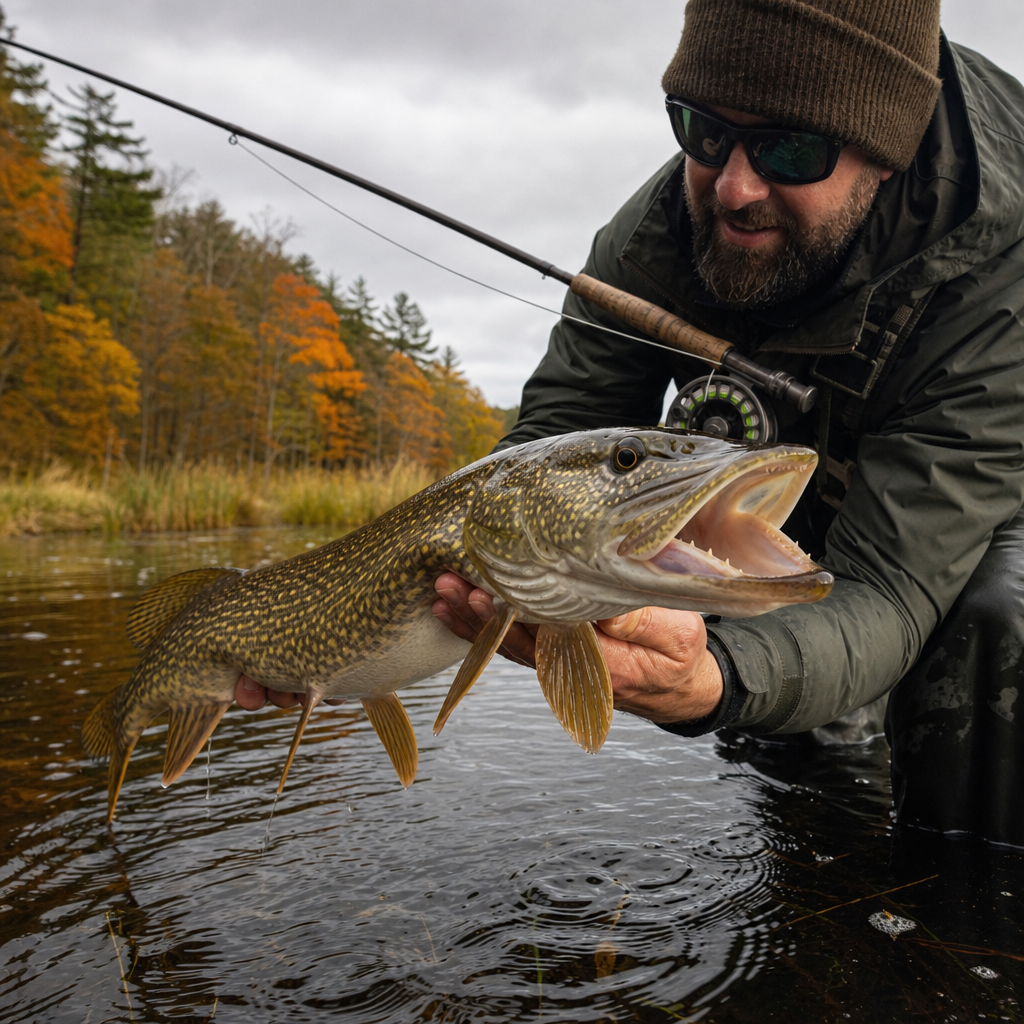
Fly fishing in warm water demands a different summer mindset than cool spring mornings or crisp fall afternoons. Summer fly fishing is the practice of adapting tackle, presentations, timing, and fish handling to higher water temperatures, lower flows, brighter light, and reduced dissolved oxygen. Those changes affect trout, bass, panfish, carp, and nearly every species an angler may pursue on a fly rod. I have learned over many hot seasons that success in warm water rarely comes from casting harder or covering more bank. It comes from understanding how fish conserve energy, where they find oxygen, and when they are most willing to feed.
That matters because summer can be both the most accessible and the most misunderstood season in fly fishing. School breaks, long evenings, and reliable weather put more anglers on the water, yet the same conditions can stress fish and make daytime action seem disappointing. Many anglers still expect spring behavior in July and August, then wonder why a favorite run is empty by noon. In reality, warm water often compresses feeding windows into early morning, late evening, or brief periods tied to shade, current, wind, and insect activity. Once you recognize those patterns, summer stops feeling slow and starts becoming predictable.
Warm water itself is not one single number. For trout anglers, concern rises as temperatures move through the upper 60s Fahrenheit, and many fisheries managers urge extra caution or complete avoidance once water hits 68 to 70 degrees, depending on the river and species. Smallmouth bass, carp, bluegill, and largemouth tolerate much warmer conditions, but they still reposition around oxygen, structure, and forage. In practical terms, summer fly fishing means reading the water through a biological lens. You are not just looking for depth or current seams. You are looking for the places where temperature, cover, food, and oxygen intersect.
As a hub for summer fly fishing, this guide covers the core decisions that shape good outcomes: when to fish, where fish hold, which flies produce in warm conditions, how to present them effectively, what tackle adjustments make life easier, and how to protect fish during hot weather. If you want a simple takeaway before going deeper, here it is: fish early or late, target oxygen-rich water, downsize or speed up presentations based on species, and treat fish handling as part of the technique, not an afterthought.
How Summer Changes Fish Behavior
The first principle of summer fly fishing is that fish respond to heat by managing energy. Water holds less dissolved oxygen as it warms, and fish often avoid long chases unless the reward is clear. Trout are the most temperature-sensitive common fly-rod target, especially in tailwaters and freestone streams during prolonged heat. They slide into riffle heads, shaded banks, spring seeps, deeper slots, and the edges of faster current where oxygen stays higher. On rivers I fish regularly, midday trout often disappear from obvious pools and stack in surprisingly compact lies under broken surface water.
Warmwater species behave differently but follow the same logic. Smallmouth bass gravitate toward boulder fields, ledges, current breaks, and undercut banks where crayfish, minnows, and juvenile fish gather. Largemouth bass slide into weed edges, lily pad shade, timber, and deeper holes. Bluegill and crappie often suspend around docks or vegetation. Carp cruise mud flats, back bays, and slow margins, feeding heavily when light levels drop or wind pushes food into the shallows. In every case, fish seek the most efficient balance between comfort and feeding opportunity.
Light is another major variable. Bright overhead sun can shut down shallow activity fast, especially on clear rivers. Shade from trees, canyon walls, bridges, and grassy banks can create temporary feeding lanes that fish revisit daily. I often plan summer outings around moving shadows rather than around river miles. If a west bank will be shaded by 6:30 p.m., I want to be there before the first serious cooling begins. The shift can be dramatic, particularly for trout and smallmouth that spent hours tucked tight to cover.
Best Times and Places to Fish in Summer
The best time for summer fly fishing is usually the first three hours of daylight and the last two or three hours before dark. Overnight cooling lowers water temperatures, insect activity often begins early, and fish can feed aggressively before the sun climbs. Evening can be even better because terrestrials, baitfish, and emergers become active as heat fades. Night fishing also becomes highly effective for large trout and bass in midsummer, especially with mouse patterns, large streamers, and noisy topwater flies, though safety and local regulations matter.
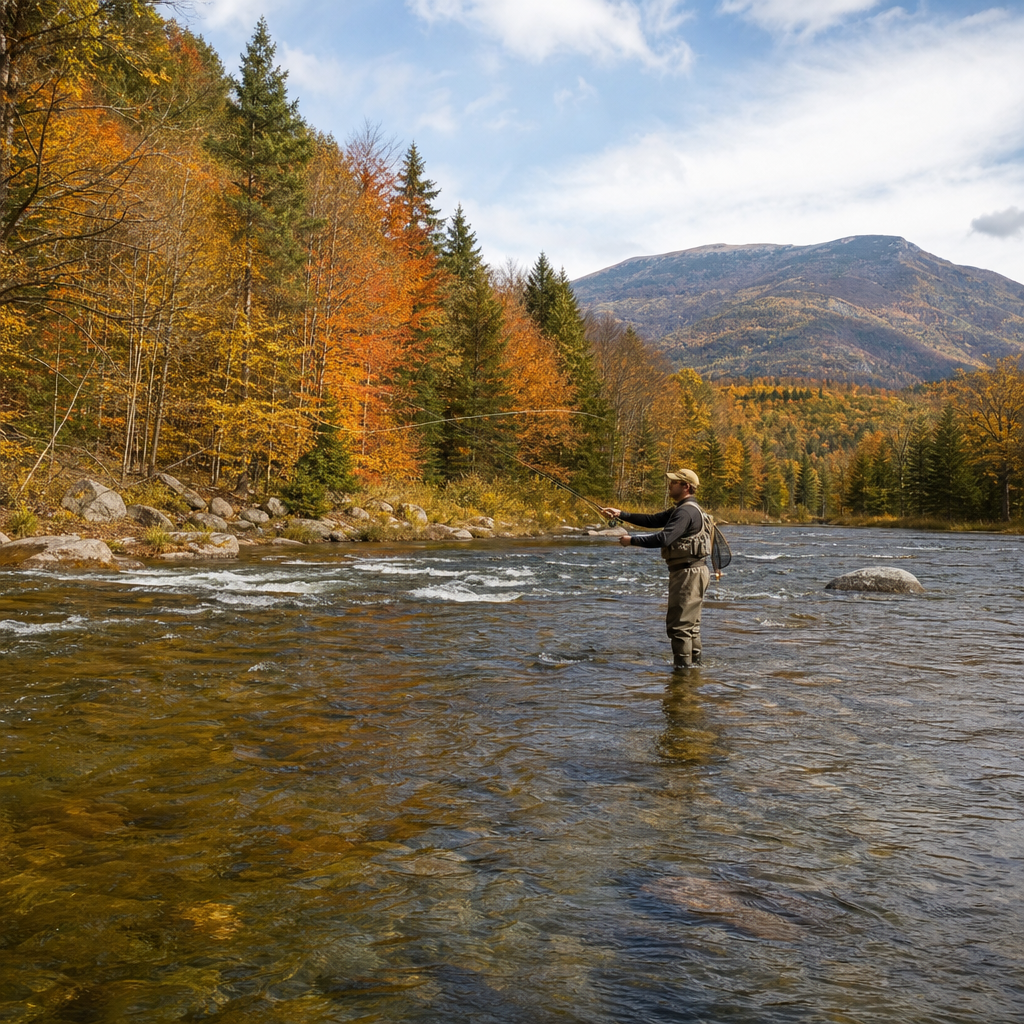
Location choices should start with water type. On streams and rivers, target riffles feeding into pools, deeper runs with broken surface texture, shaded cutbanks, confluences, and any area influenced by springs or tributaries. On lakes and ponds, focus on weed lines, drop-offs, inlets, docks, timber, and windblown banks where food accumulates. Wind is often a friend in summer because it pushes plankton, insects, and bait toward one shoreline while adding surface chop that gives fish confidence. A calm, glassy shoreline at noon may look inviting to the angler and lifeless to the fish.
When evaluating a new summer spot, I use a simple filter: oxygen, shade, structure, and food. If a piece of water offers at least three of those four elements, it deserves thorough coverage. If it offers only one, I move quickly. This approach saves time and keeps effort focused on the highest-percentage water.
| Condition | Where Fish Shift | Effective Fly Approach |
|---|---|---|
| Hot, bright afternoon on a river | Riffles, deep slots, shaded banks | Nymphs, small streamers, tight-line drifts |
| Warm evening with light wind | Shallow edges, seams, bank structure | Hoppers, poppers, baitfish strips |
| Low clear summer water | Undercuts, weed edges, subtle depth changes | Long leaders, smaller flies, careful wading |
| Windblown lake shoreline | Weed lines, points, docks, flats with chop | Damsels, baitfish, poppers, leeches |
Summer Fly Patterns That Consistently Produce
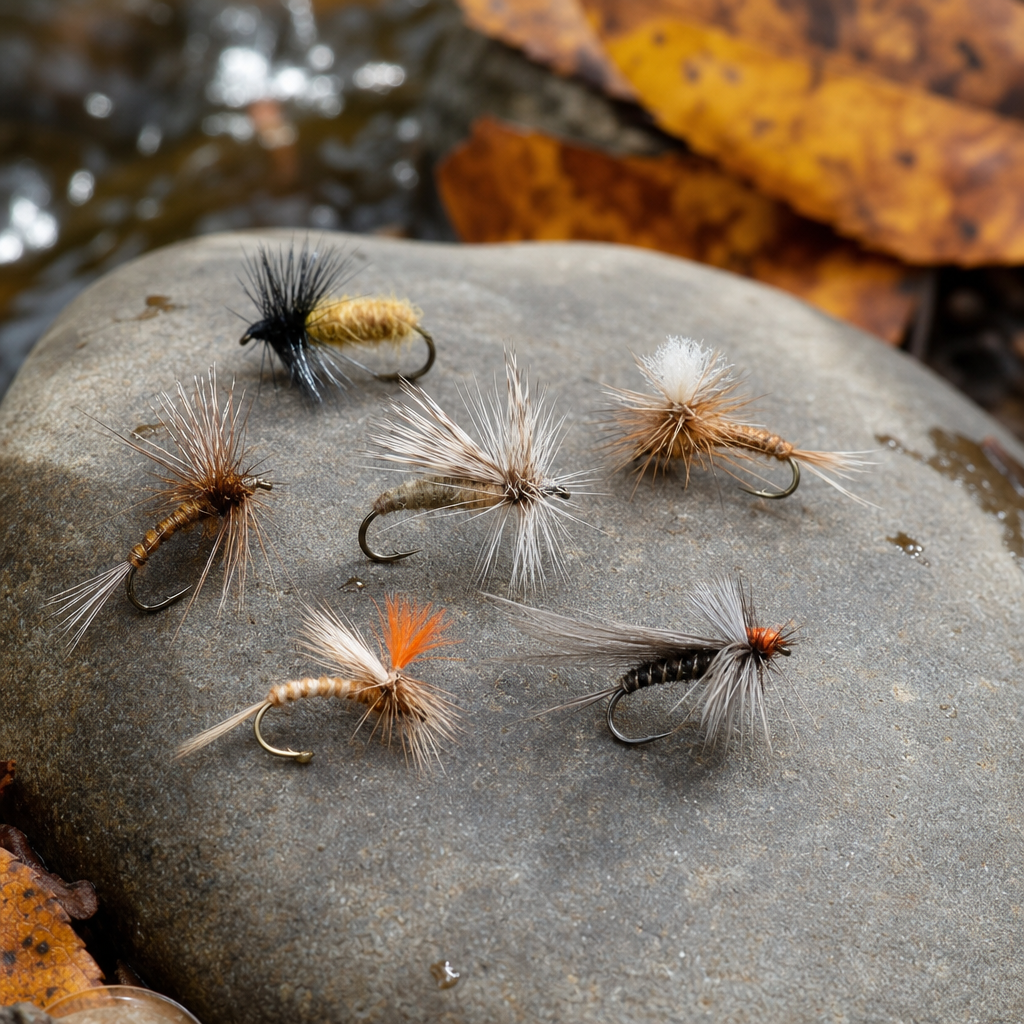
Summer fly selection becomes easier once you think in categories instead of isolated patterns. The main categories are terrestrials, aquatic nymphs, baitfish and crayfish imitations, and topwater attractors. Terrestrials are essential because beetles, ants, hoppers, and cicadas become a major calorie source from midsummer onward. A foam beetle or ant can save a tough trout day, especially under overhanging vegetation. In grassland rivers, hopper-dropper rigs are standard for good reason. They cover surface opportunities while suspending a nymph in feeding lanes below.
Aquatic insects still matter. Mayflies continue on many systems, caddis remain important, and midges never fully leave the picture, especially on tailwaters. Nymphs such as Pheasant Tails, Hare’s Ears, Perdigons, Zebra Midges, and caddis pupae stay productive because fish often feed subsurface even when surface activity seems likely. For warmwater species, baitfish and crayfish become central. Clouser Minnows, Deceivers, Woolly Buggers, Game Changers, and craw patterns all produce because they match what bass and larger trout actively hunt in summer.
Topwater flies deserve special emphasis. Poppers, sliders, divers, and gurglers can be extraordinary at dawn, dusk, and during overcast periods. Bluegill will attack small foam bugs around beds, while smallmouth often crush larger deer-hair or foam patterns around rock and wood. The key is matching noise and profile to the setting. Calm water often rewards subtle sliders. Wind, chop, or low light allows louder poppers and wake flies.
Presentation Adjustments for Heat, Low Water, and Pressure
Presentation usually matters more than pattern in summer because fish have less margin for wasted effort. In low clear water, the biggest mistake is being too close and too fast. Longer leaders, lighter tippet where appropriate, and shorter, more deliberate casts improve results. Wading lightly becomes part of presentation, especially on small streams where pressure waves and moving shadows alert fish before the fly lands. I often kneel, cast from downstream, and fish one narrow lane carefully rather than charging upstream and covering everything poorly.
Drift tactics for trout should emphasize control. Tight-line nymphing works well in pocket water and riffles because it keeps flies in the oxygen-rich lanes trout prefer. Indicator rigs are effective in deeper runs, though reducing splash and adjusting weight for shallower summer flows is important. Dry-dropper systems shine when fish are willing to rise opportunistically but still feed subsurface most of the time. For terrestrials, a slightly imperfect drift can still work; real insects skitter, kick, and land awkwardly. That freedom is one reason hopper and beetle fishing remains so reliable.
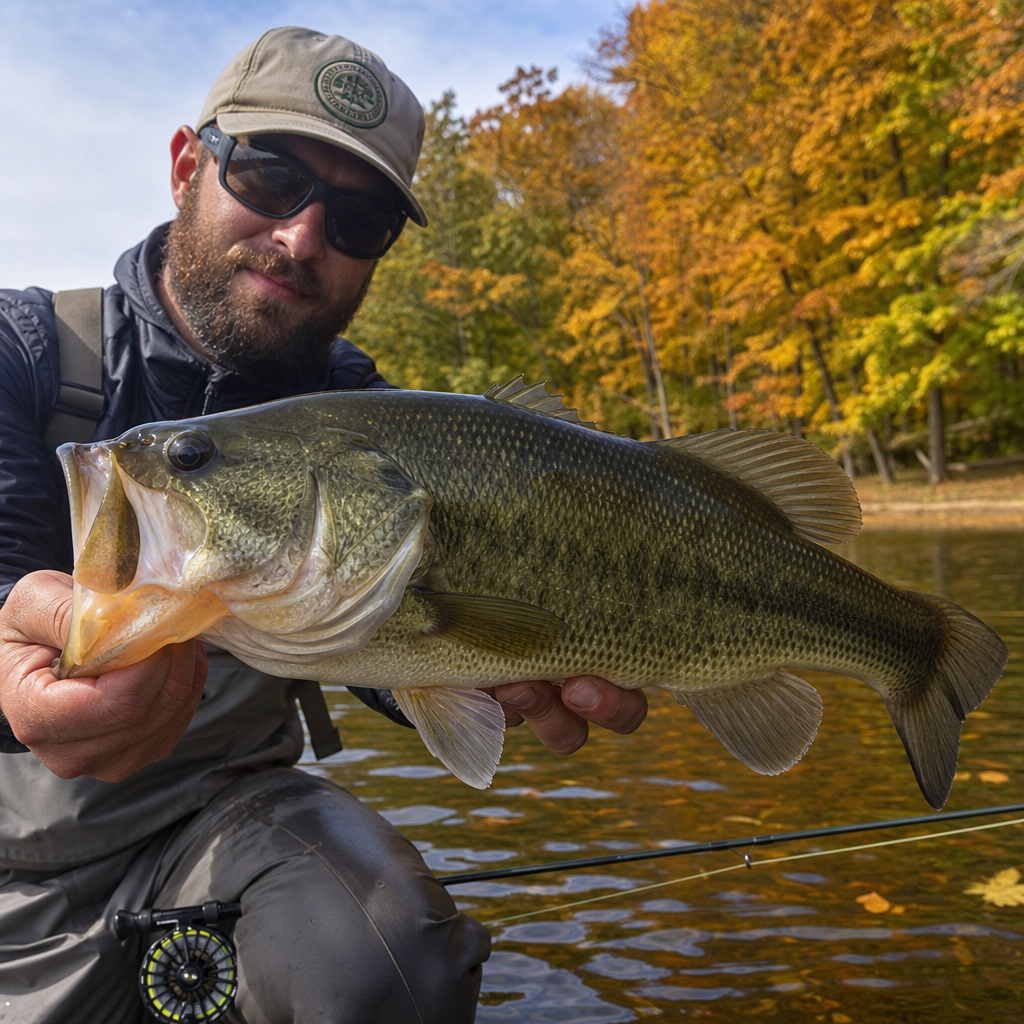
For bass and panfish, retrieve style drives the take. In warm water, a popper that sits motionless for two seconds after landing often gets more eats than one stripped immediately. Baitfish flies should vary between short darts and steady strips until fish reveal a preference. Crayfish patterns are usually best crawled near bottom with pauses. Carp demand the most exact placement. A fly dropped too close can spook them; too far away and they never notice it. Lead the fish, let the fly settle, then use tiny strips to imitate natural movement.
Tackle, Rigging, and Fish Care in Hot Conditions
Summer tackle does not need to be complicated, but a few adjustments help. For trout, a 4- to 6-weight rod covers most warm-season river fishing, with floating lines for dries, dry-dropper rigs, and light nymphing. A dedicated euro-style setup can be excellent in shallow, oxygenated currents. For bass, a 6- to 8-weight rod with a weight-forward floating line handles poppers and streamers, while sink-tip lines help reach ledges and deeper banks. Leaders should reflect the fly and species: longer and finer for technical trout, shorter and stouter for bass bugs and carp patterns.
Polarized glasses are not optional in summer. They reduce glare, reveal weed edges, protect eyes from fast casts, and improve fish spotting dramatically. A thermometer is equally important, especially for trout anglers. Guessing water temperature is irresponsible when heat stress rises quickly. If readings climb into a risky range, switch species, fish colder tributaries where legal and appropriate, or end the session. Many respected trout fisheries now encourage or mandate afternoon closures during extreme heat because delayed mortality can increase even after a fish swims away strongly.
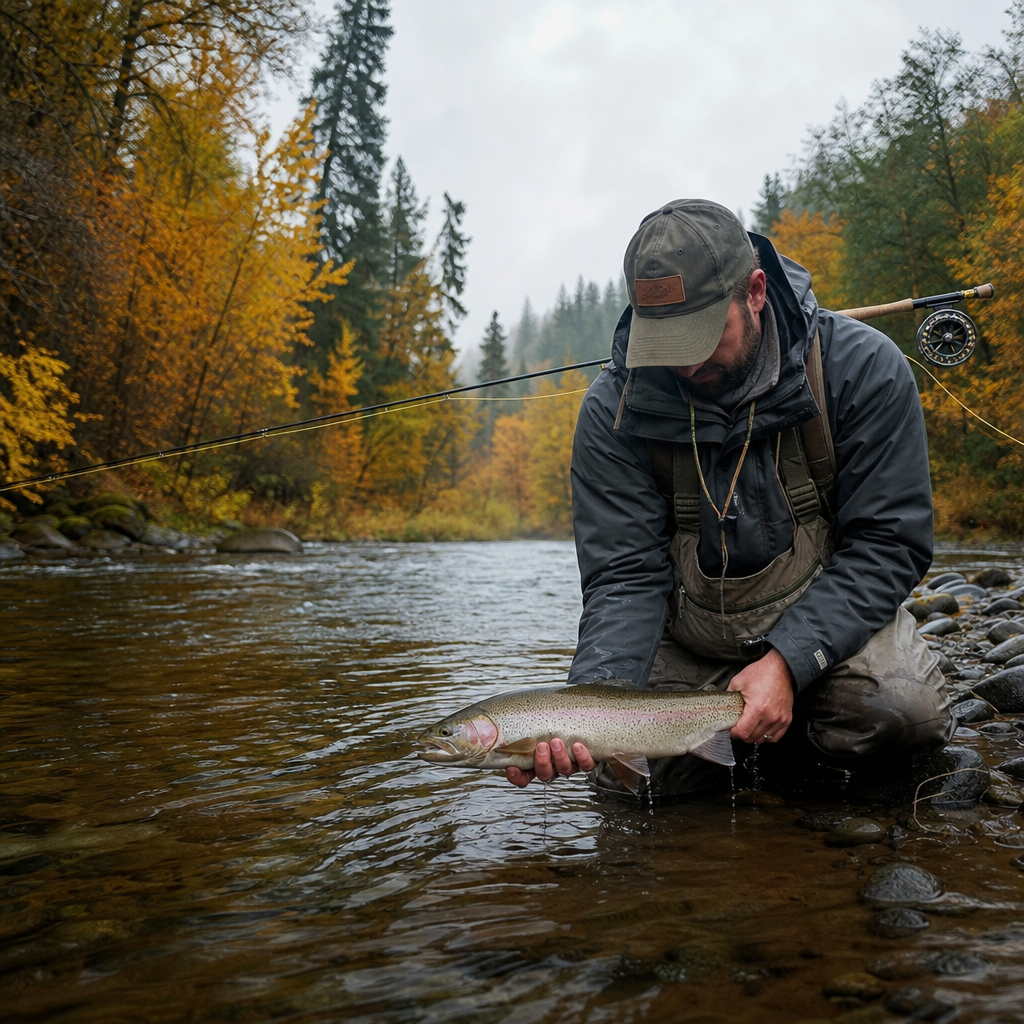
Fish handling is part of effective summer technique because ethical choices preserve the fishery. Land fish quickly on appropriately strong tippet, keep them in the water while removing the fly, wet your hands before touching them, and skip hero shots when conditions are hot. Trout in particular can accumulate lactate during a long fight, and warm low-oxygen water slows recovery. I have seen the difference firsthand: fish released quickly in cool current recover cleanly, while fish overplayed in warm pools often struggle. If you want consistent summer fly fishing for years, protect fish when they are most vulnerable.
Building a Summer Strategy Across Species and Waters
The smartest way to approach summer fly fishing is to build a repeatable plan rather than chase random reports. Start with temperature and weather trends, then match them to species. If trout water is warming, fish the coolest legal windows or shift to bass, carp, or panfish by late morning. If thunderstorms are forecast, use the stable early hours and leave exposed water before lightning becomes a risk. If a reservoir receives afternoon wind, plan to intercept bait on the windward bank instead of blindly circling the shoreline.
This page serves as a summer fly fishing hub because the season branches into several specialized subjects: hopper fishing on rivers, evening caddis hatches, low-water trout tactics, warmwater bass popper strategies, lake damselfly presentations, carp on shallow flats, and fish handling during high temperatures. The unifying lesson across those topics is simple. Summer rewards anglers who think like biologists and move like hunters. Read temperature, oxygen, light, forage, and structure together. Then simplify your fly choices, tighten your presentations, and fish the best windows hard.
Summer does not have to be a compromise season. It can be the most varied and rewarding period on the calendar, offering dry-fly trout at dawn, bluegill on poppers at midday, carp in evening shallows, and smallmouth after sunset. The anglers who do best are rarely the ones carrying the most gear. They are the ones making the clearest decisions. Fish early, favor moving oxygenated water, use terrestrials and baitfish intelligently, and handle every catch with care. Build your next outing around those principles, and your summer fly fishing will become more productive, more consistent, and far better for the waters you return to all season long.
Frequently Asked Questions
What changes most about fly fishing when summer water temperatures rise?
The biggest change is that fish behavior becomes closely tied to temperature, oxygen levels, and light. In summer, warm water holds less dissolved oxygen, and that pushes many species to feed differently than they do during cool-weather periods. Trout often become most active early in the morning, late in the evening, or anywhere cold inflows, deeper runs, riffles, and shaded banks create a little thermal relief. Bass, panfish, and carp may remain available all day, but even they often shift toward structure, depth, shade, and lower-effort feeding lanes when the sun gets high.
For the angler, that means summer success is less about making endless casts and more about reading conditions carefully. Timing matters more. Presentation matters more. Fish handling matters more. You usually need to think in terms of efficiency: fish when water is coolest, target oxygen-rich current, shorten the fight, and avoid stressing fish unnecessarily. Summer fly fishing rewards anglers who adapt their approach to what the water is doing instead of simply fishing the same way they would in spring.
What are the best times of day to fly fish in warm water during summer?
In most summer situations, the best windows are first light through early morning and the final few hours before dark. Those periods typically offer lower water temperatures, softer light, and more confident fish. Trout especially benefit from cooler overnight recovery, so the morning can be excellent before temperatures climb. Evening can also be very productive as sun leaves the water, insects become more active, and fish move into shallower or more accessible feeding zones.
Midday is not always a complete loss, but it usually demands a more specialized strategy. Bright overhead sun can push fish into deeper water, undercut banks, woody cover, weed edges, bridge shadow, or fast riffles where oxygen is higher. Warmwater species such as bass and bluegill can still be caught in the middle of the day, especially around structure, but presentations often need to be tighter, slower, or more deliberate. If you are targeting trout and water temperatures become stressful, the responsible move may be to stop altogether. In summer, good timing is not just a productivity tactic; it is often a fish-care decision as well.
Which flies and presentations work best for summer fly fishing in warm water?
The best flies are usually the ones that match how fish conserve energy and where they feed in hot conditions. Early and late in the day, dry flies, terrestrials, poppers, and waking patterns can be excellent. Ants, beetles, hoppers, and small foam bugs are consistent summer producers because they naturally fall into the water and remain available even when aquatic insect hatches are light. For bass and panfish, poppers, sliders, and small baitfish patterns can draw aggressive strikes around weed lines, lily pads, docks, and shaded banks.
When fish are less willing to move far, subsurface patterns often become more reliable. Nymphs, small streamers, leeches, crayfish patterns, and unweighted or lightly weighted flies can be especially effective when drifted through cooler seams, deeper slots, or along current breaks. Presentation should usually be cleaner and more precise than forceful. In warm water, fish often do not want to chase a fly a long distance unless they are clearly in a feeding mood. A dead drift, a short controlled swing, a subtle strip, or a fly placed close to cover can outperform a fast, aggressive retrieve. Summer often favors anglers who slow down, simplify, and put the fly exactly where a fish can eat it with minimal effort.
How should tackle and rigging change for summer fly fishing conditions?
Summer often calls for practical adjustments rather than drastic ones. Leaders and tippet should match both the species and the need for efficient fish handling. For trout, many anglers fish too light in summer. If conditions allow, stepping up tippet strength can help land fish faster and reduce exhaustion. For bass, carp, and larger panfish, a more assertive leader setup often helps turn over wind-resistant flies and control fish around cover. Floating lines remain versatile, but sink-tip or full-sinking options can be very useful when fish slide deeper during bright, hot periods.
Rod choice also matters. A rod with enough backbone to cast larger summer flies and pressure fish effectively can make a real difference. That does not mean overgunning every situation, but it does mean thinking beyond delicate presentation alone. Polarized glasses are essential for spotting shade lanes, current seams, cruising carp, submerged structure, and even the body language of fish in clear summer water. Wading gear and footwear should support stealth and safety, especially when lower summer flows expose slick rocks, weed growth, and uneven bottom contours. In warm water, smart tackle choices support not only better presentations but also quicker, cleaner landings.
How can anglers protect fish during summer fly fishing, especially trout?
Fish care becomes critically important in summer because heat and low oxygen make recovery much harder. Trout are especially vulnerable when water temperatures rise into stressful ranges. Even if a trout swims away after release, that does not always mean it fully recovered. To reduce harm, fish during the coolest parts of the day, carry a thermometer, and be willing to stop targeting trout if temperatures get too high. Many anglers use the upper 60s Fahrenheit as a caution zone, with greater concern as temperatures continue climbing, though exact tolerance varies by fishery and species.
Once hooked up, fight fish firmly and land them quickly. Use appropriately strong tippet, keep handling to a minimum, wet your hands before touching the fish, and avoid extended air exposure. Ideally, unhook the fish in the water or just above it for a brief moment if a photo is absolutely necessary. Barbless hooks can speed release and reduce damage. It is also wise to avoid fishing trout in slow, sun-baked reaches when cooler tributaries, spring-fed sections, or deeper oxygenated water are limited. Responsible summer fly fishing is not only about catching fish; it is about recognizing when conditions make restraint the best technique of all.