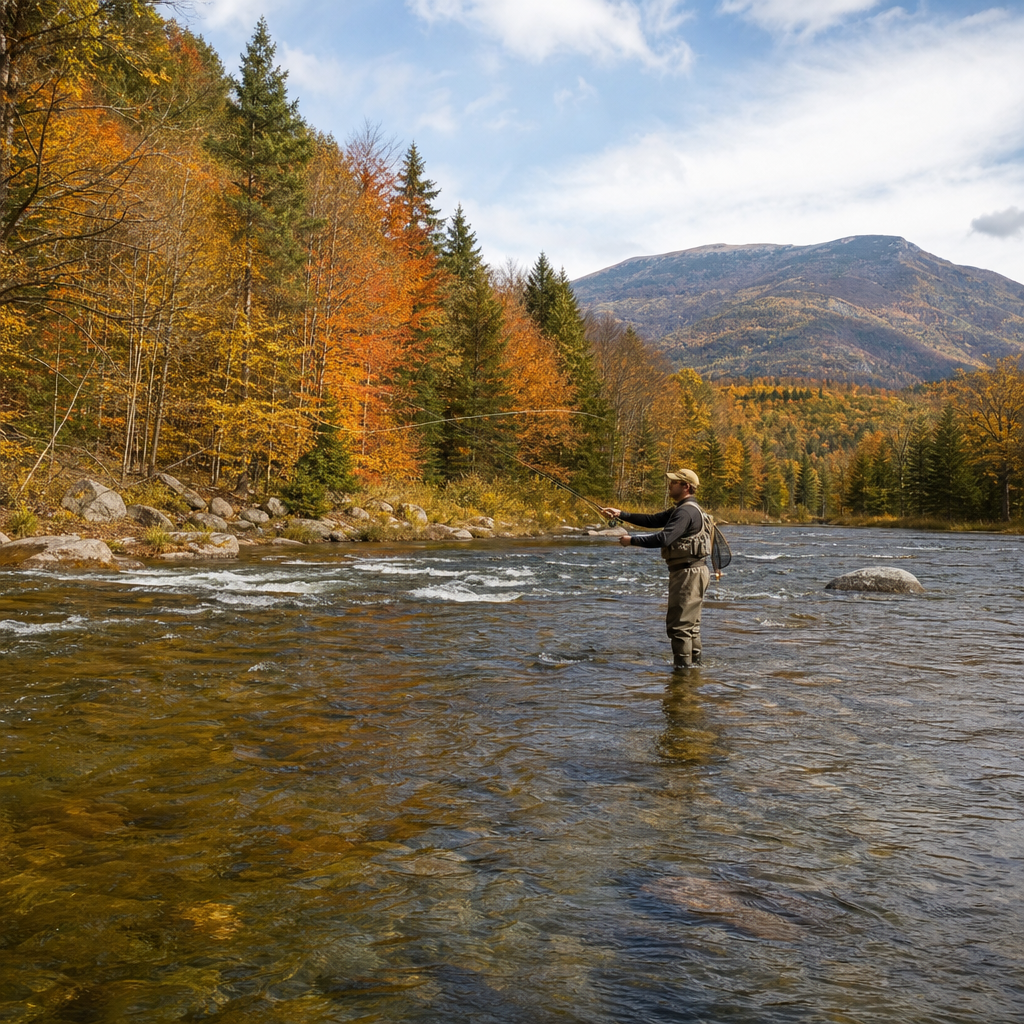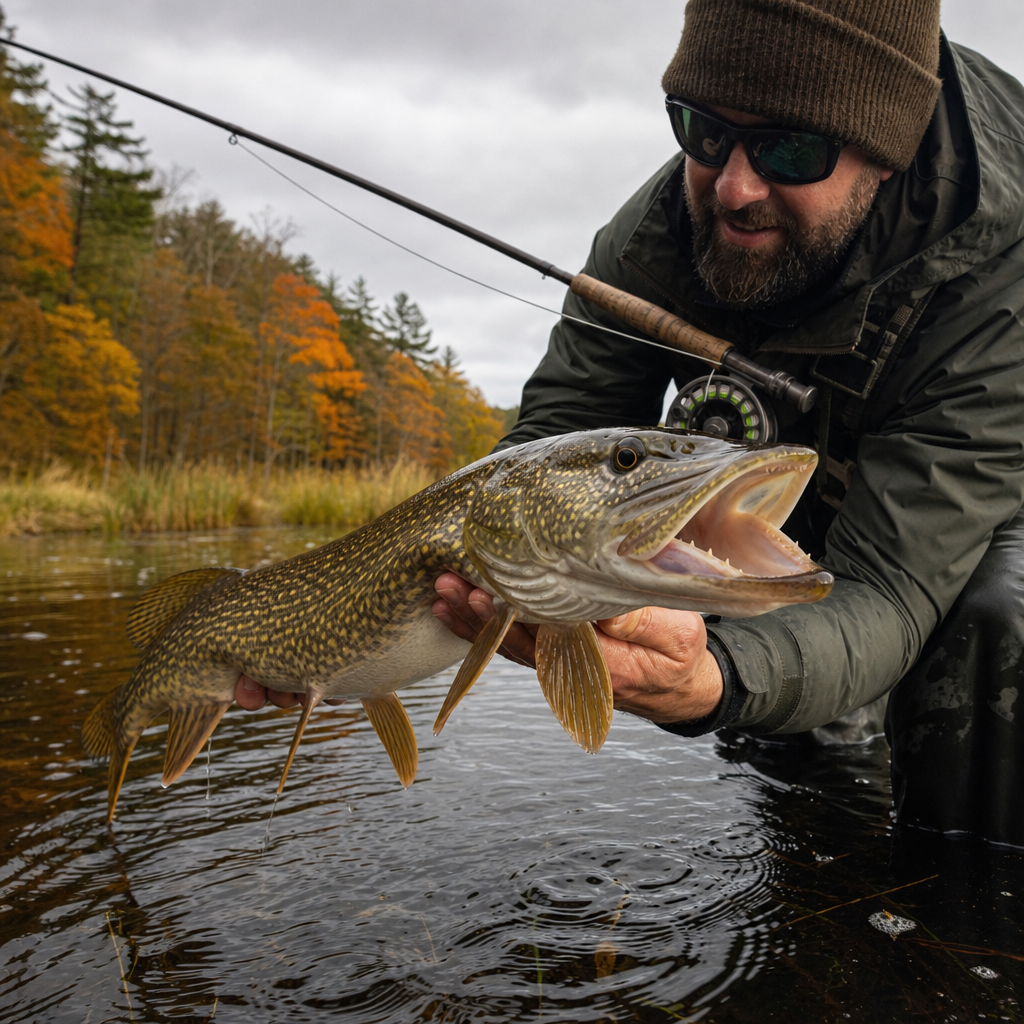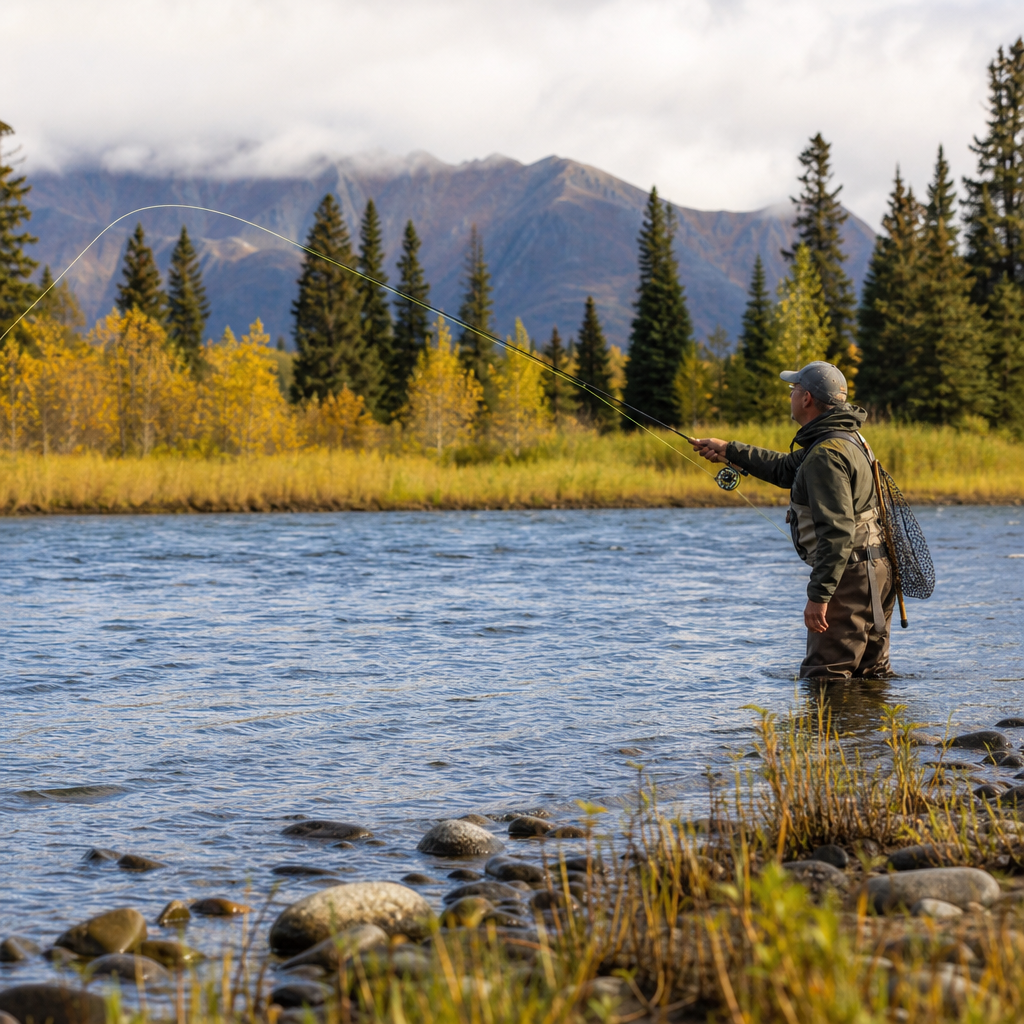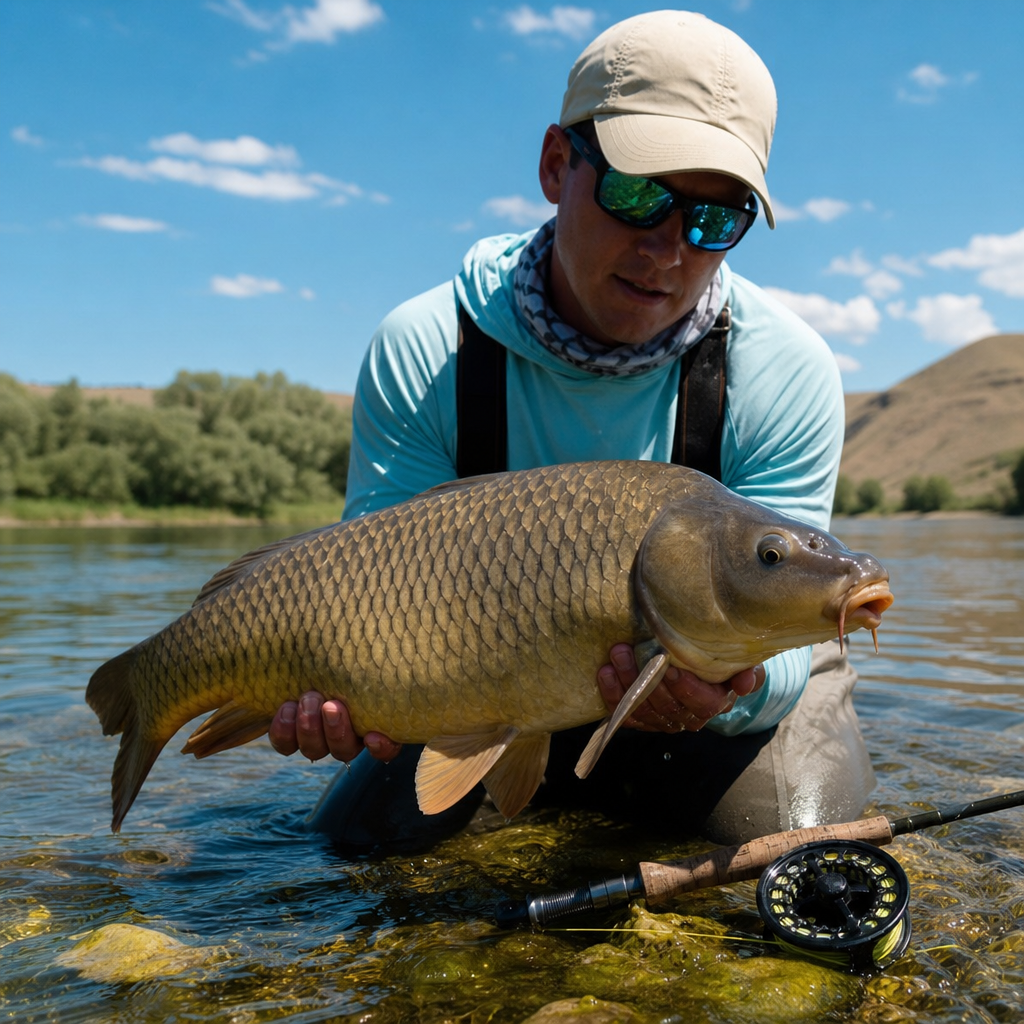
Summer fly fishing for carp rewards anglers who understand heat, light, oxygen, and food movement better than they understand tackle catalogs. In the warmest months, carp become visible, patternable, and surprisingly technical quarry on a fly rod. They tail in the shallows, cruise weed edges, sip mulberries under overhanging trees, and slide into back bays where conventional anglers rarely cast. That visibility is exactly why summer is such a productive season and such a demanding one. Carp can inspect a fly at close range, reject poor presentation instantly, and spook from careless wading, sloppy false casts, or fly lines dropped across their backs.
When anglers talk about summer fly fishing, they usually mean the period when water temperatures rise, aquatic vegetation expands, insect and terrestrial food sources peak, and fish behavior becomes tied to morning and evening windows. For carp, summer fly fishing also includes a broad set of conditions: clear flat water on bright afternoons, muddy inflows after thunderstorms, urban ponds that warm quickly, and large reservoirs where carp patrol emergent grass. “Best techniques” therefore does not mean one magic fly or one universal retrieve. It means matching presentation to fish posture, water depth, bottom composition, and available food.
I have spent many hot mornings stalking carp on lakes, canals, flood-control ponds, and slow rivers, and the pattern is consistent: success comes from reading behavior before making the cast. A tailing carp with its head buried in silt wants a different shot than a slow cruiser, a mudding fish, or a suspended mulberry feeder. The anglers who do best in summer are not always the longest casters. They are the ones who move slowly, lead fish accurately, control slack, and choose flies that land softly yet sink at the right speed.
This hub article covers summer fly fishing for carp from the ground up. It explains where carp hold during heat, what they eat, which tackle choices matter, how to approach different fish behaviors, and how to adapt through a full summer day. It also points naturally toward deeper subtopics within the broader Seasons and Conditions category, including sight fishing in low light, fishing after storms, warm-water fly selection, and dealing with heavy vegetation. If you want a practical framework for catching more carp on the fly in summer, start with location, then posture, then presentation.
Where Carp Hold in Summer and Why
Carp position is driven by three summer variables: temperature, dissolved oxygen, and food. In many lakes and ponds, the warmest, most oxygen-stressed water appears by late afternoon in stagnant shallows. Yet those same flats may be excellent in the first two hours of daylight, when overnight cooling lets carp feed aggressively on nymphs, snails, bloodworms, and disturbed invertebrates. In rivers and canals, moving water stabilizes oxygen levels, so carp often feed longer through the day, especially near current seams, culvert inflows, shade lines, and undercut banks.
Bottom type matters more than many anglers realize. Firm marl, sand, and sparse weed beds are ideal because feeding fish can root without burying themselves in impenetrable muck. Soft silt can still hold carp, but it changes fly choice and shot selection. A heavily weighted fly may disappear into the mud and go unnoticed, while a lightly weighted carp bug or hybrid worm lands, settles, and remains visible. Weed edges are especially important in midsummer because they concentrate snails, damselfly nymphs, and juvenile crayfish while giving carp security.
On bright days, expect carp to use contrast. They move along the dark edge of a reed line, under tree shade, beside dock posts, or on the shadow side of a weed mat. In urban ponds, I often find the biggest fish on overlooked structure such as concrete drop-offs, inflow pipes, and mowed bank transitions where bread, berries, or washed-in food accumulates. After summer rain, fresh inflow can trigger a short feeding burst by adding oxygen and dislodging terrestrial food. Those windows are brief but reliable enough to plan around.
Reading Fish Behavior Before You Cast
The single most important summer fly fishing skill for carp is behavior classification. Not every visible fish is catchable. Tailing fish with their tails or backs exposed are usually the highest-percentage targets because they are actively feeding on the bottom. Mudding fish, identified by puffs or clouds of disturbed sediment, can be excellent if you can track movement and place a fly just outside the mud line. Cruisers are more variable. A slow cruiser following a bank or weed edge may eat if you lead it correctly. A fast cruiser on a straight, determined path is usually traveling, not feeding.
Then there are negative fish. Sunning carp, suspended carp, and fish drifting aimlessly near the surface often ignore even perfect presentations. Summer beginners waste hours casting at them because they are visible and stationary. Experienced carp anglers do the opposite: they save time by refusing low-probability shots. A useful rule is simple. If the fish is not clearly feeding, moving predictably, or changing direction toward food, your chances drop sharply.
Body language gives away mood. A feeding carp tips down, pectoral fins pulse steadily, and the tail may wag rhythmically as it roots. A nervous carp stiffens, quickens, or flares from line splash. A fish that has noticed your fly may stop, tilt, or suddenly accelerate. Watch the mouth, the head angle, and the subtle stop that often means the fly has been inhaled. On cloudy summer days with surface glare, polarized lenses in copper or amber are invaluable because they improve contrast against weeds and dark bottoms.
Tackle Choices That Actually Matter
A 6- to 8-weight rod covers most summer carp situations, with a 7-weight being the most versatile for accurate short shots, wind control, and turning strong fish away from weed beds. Reels matter less for drag and more for line management, though a smooth drag helps when a fish runs into open water. Weight-forward floating lines are standard because most presentations occur in shallow water under six feet. The front taper should turn over compact, lightly weighted flies without crashing them down.
Leader design is practical rather than delicate. I typically fish 9-foot leaders ending in 10- to 16-pound fluorocarbon or strong nylon, depending on water clarity and cover. In clear flats with educated fish, longer leaders and finer tippet improve sink and stealth. Around reeds, timber, or riprap, heavier tippet prevents drawn-out fights that stress fish in warm water. Summer carp are powerful, and prolonged battles in high temperatures can be hard on them, so balanced tackle is part of good fish handling, not just landing efficiency.
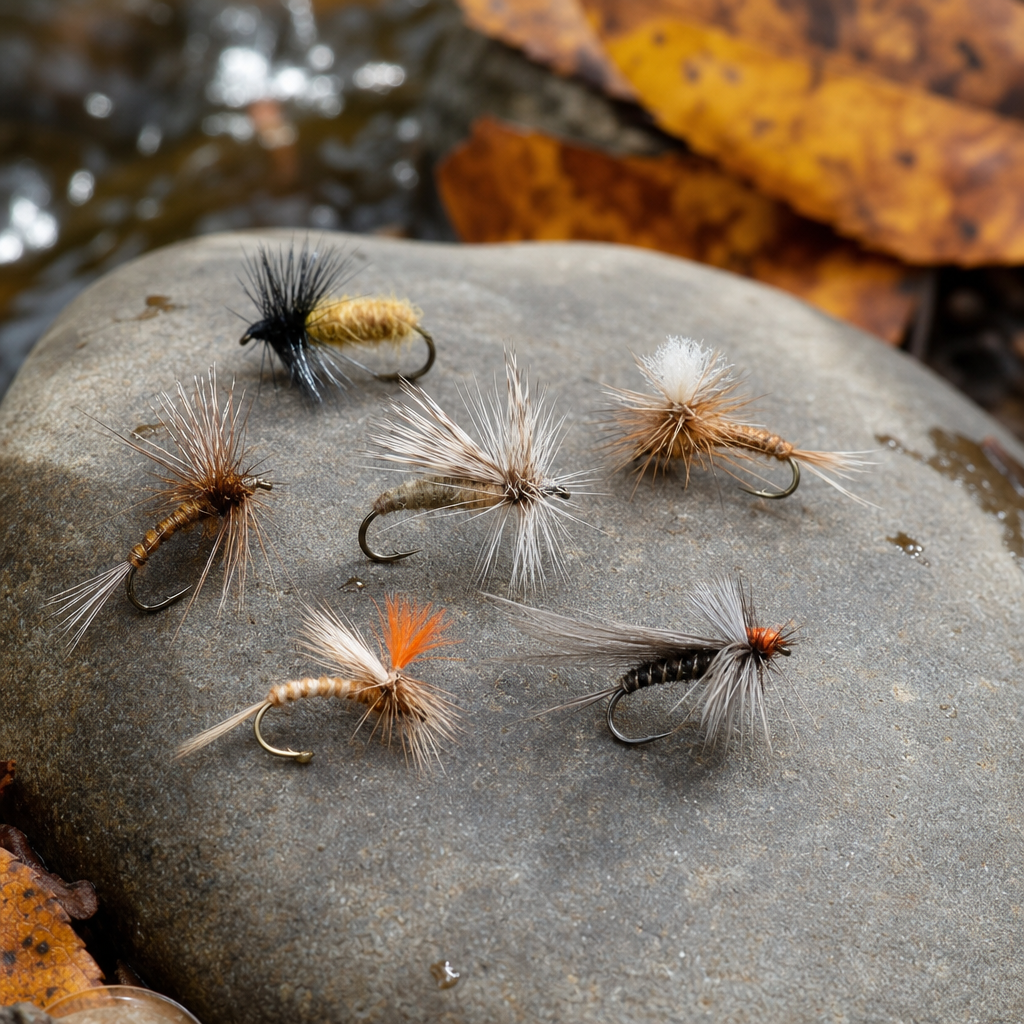
Fly selection should reflect what carp can find and pin easily. Carp Bitter-style patterns, San Juan variants, hybrid nymphs, damsel nymphs, small crayfish, and chenille-based bug patterns all work. The best summer flies share three traits: they enter quietly, sink at a controlled rate, and hook fish that mouth softly. Oversized dumbbell eyes often hurt more than help in skinny water. Bead-chain, small lead wraps, tungsten putty, or trimmed materials can create a gentler entry with enough sink to reach the feeding zone.
| Situation | Best Fly Style | Weight Level | Presentation Goal |
|---|---|---|---|
| Shallow tailing fish on firm bottom | Carp bug, worm, small nymph | Light | Soft landing, short strip to trigger |
| Mudding fish in soft silt | Hybrid worm or buoyant nymph | Very light | Keep fly visible above mud |
| Weed-edge feeders | Damsel nymph, snail, small crayfish | Light to medium | Drop into pockets without fouling |
| Mulberry or surface-feeding carp | Berry imitation, bread fly, small floater | Unweighted | Natural drift with zero splash |
The Best Summer Presentations for Common Carp Scenarios
For tailing carp, cast beyond the fish, then slide or strip the fly into the feeding lane until it sits roughly six to twelve inches in front of the head. Too close and you spook the fish; too far and the carp never notices it. Once the fly is in position, do less. Many takes happen on the pause. If the fish inches forward, tips harder, or its mouth opens near the fly, make a controlled strip-set. Lifting the rod as if trout fishing pulls the fly out and wastes chances.
For slow cruisers, lead the fish based on speed, depth, and angle. In one foot of water, two to four feet is often enough. In deeper water or wind chop, lead farther so the fly can settle. The mistake most anglers make is throwing at the fish instead of where the fish will feed next. Carp rarely chase a fly far in summer. They want to encounter it naturally, almost by accident. A tiny puff of silt from a short strip can be the trigger because it mimics something alive trying to escape.
For mudding fish, cast to the clean edge of the cloud, not into the thickest mud. Carp work forward while feeding, and a fly placed just beyond the visible disturbance is easier for them to find. If fish are on berries or cottonwood seeds near the surface, switch completely. Dead-drift presentations become more important than sink rate. A poor dry-fly style drift under a fruiting tree will outfish the perfect bottom fly in the wrong feeding mode. Summer carp are opportunists, and matching that moment matters more than loyalty to one technique.
Daily Timing, Weather Shifts, and Water Conditions
The best summer fly fishing windows for carp are usually early morning and the last two hours before dark, but that generalization needs refinement. Morning is strongest on shallow flats that cool overnight. Evening is strongest where shade expands across banks and where wind pushes food into protected corners. Midday can still be excellent in rivers, below springs, near inflows, or anywhere persistent wind breaks the surface and oxygenates water. Cloud cover often extends activity, while calm, blazing afternoons can make fish spooky and selective.
Wind is not automatically a problem. Moderate wind creates cover, pushes plankton and floating food, and positions carp on windward banks. I have had some of my best summer sessions by targeting the side of a pond that looked least comfortable to cast. The ripple hid leader flash and let fish feed with confidence. The tradeoff is line control. Shorter shots, sidearm deliveries, and slightly heavier flies help maintain contact without slapping the water.
Thunderstorms change everything. Ahead of a storm, falling pressure can stimulate movement. Immediately after a storm, runoff may add color, cool the surface, and wash worms, insects, and plant matter into the margins. That often creates a brief but intense bite, especially at culverts and drainage mouths. The caution is safety and water quality. In urban systems, heavy runoff can carry pollutants or create unstable footing. On extreme heat days, if water temperatures climb into stressful ranges and fish appear lethargic, shorten the session or move to better-oxygenated water.
Stealth, Hookset, and Fish Handling in Hot Weather
Summer carp in shallow water are caught by stealth long before they are landed by strength. Keep a low profile, avoid skyline exposure, and watch where your fly line lands. False casting over fish is one of the fastest ways to end a flat. Whenever possible, make one pickup and one delivery. Wading should be deliberate. Fine silt, pushed bow wakes, and crunching gravel all announce your presence. Bank fishing is often better than wading if the shoreline allows a clean angle and the sun is at your back or side.
The strip-set is nonnegotiable. When a carp eats, pinch the line and pull firmly with the line hand before raising the rod. Carp mouths are tough, and many takes are subtle. If you trout-set, the fly exits before the hook turns. After connection, clear line carefully and use side pressure to keep fish from burying into weeds or snags. Large common carp can make several strong runs, and in warm water they recover best when fights are efficient rather than theatrical.
Handling matters more in summer because warm water holds less oxygen. Use rubber nets when possible, keep fish in the water during unhooking, and limit air exposure to a few seconds for a photo. If a fish is exhausted, support it upright until it kicks away under its own power. Responsible carp fly fishing is not only ethical; it protects the quality of the fishery and the image of the sport. Anglers who release fish in strong condition help maintain these accessible summer opportunities.
Building a Summer Carp System That Produces Consistently
The best techniques for summer fly fishing for carp are not secret patterns or heroic casts. They are a repeatable system: locate oxygen and food, identify catchable behavior, choose a fly that matches depth and bottom, make a lead cast instead of a target cast, and move the fly only enough to earn attention. Keep notes on sun angle, productive banks, water temperature, wind direction, and forage events such as mulberry drops or damselfly hatches. Carp repeat these patterns with surprising consistency from one summer week to the next.
As the hub page for Summer Fly Fishing within Seasons and Conditions, this guide should anchor your approach and point you toward deeper tactical reading on low-light sessions, post-storm opportunities, warm-water fly selection, and fishing vegetation-choked water. Start by eliminating low-percentage shots and focusing on feeding fish. Refine your stealth, your lead distance, and your line control before you change flies every ten minutes. Do that, and summer carp will stop feeling random. Pick your next warm morning, scout a clear bank, and put these techniques to work.
Frequently Asked Questions
What are the best times of day to fly fish for carp in summer?
The best summer windows are usually early morning, late evening, and any period when light conditions help you see fish without making them overly wary. In the first few hours after sunrise, shallow flats, mud banks, and protected back bays often hold active carp that moved in overnight or at dawn to feed. Water temperatures are still manageable, oxygen levels are often better than they will be later in the day, and surface glare tends to be softer, which improves your ability to spot tails, backs, and subtle muds. The last couple of hours before dark can be equally strong, especially on lakes and slow rivers where carp leave deeper, more comfortable water and slide onto feeding edges.
That said, summer carp are not strictly low-light fish. Bright midday conditions can actually be excellent for sight-fishing because visibility improves dramatically. If the water is not excessively hot and the fish are not stressed, high sun helps you pick out cruisers, feeders, and stationary fish along weed lines, drop-offs, and under bank-side shade. The key is balancing visibility with fish behavior. On brutally hot days, carp often become more selective, less willing to move far for a fly, and more likely to hold in areas with current, shade, depth, or vegetation that offer cooler, better-oxygenated water. In those conditions, the best “time” may be less about the clock and more about finding fish that are actively feeding rather than simply present.
Where should I look for carp during the hottest part of summer?
During the hottest stretch of summer, focus on places that combine food, cover, and relatively comfortable water. Productive areas often include shaded banks, overhanging trees, reed edges, inflows, creek mouths, marina corners, weed beds, and shallow-to-deep transition zones. Carp are masters at using micro-habitat, so even a small temperature break, a trickle of moving water, or a patch of shade can concentrate fish. In reservoirs and ponds, check the backs of bays early, then shift attention toward deeper adjacent edges or vegetation when the day heats up. In rivers, look for softer current seams near weeds, undercut banks, and slow glides where carp can feed without expending much energy.
One of the most overlooked summer locations is the “food lane,” not just the obvious flat. Carp often patrol weed edges where aquatic insects, snails, and dislodged forage collect. They also key on seasonal events like mulberry drops, cottonwood seeds, or terrestrial fall-ins beneath trees. Mud clouds, subtle tailing, and nervous water can all reveal fish that are feeding head-down even when you cannot see the whole body. If you find carp rolling lazily in open water, they may not be in a catchable mood, but if you find fish tipping, tailing, puffing silt, or slowly grubbing along bottom contours, those are high-value opportunities. In summer, location is less about random searching and more about reading where oxygen, security, and natural food overlap.
What flies and presentations work best for summer carp?
The most reliable summer carp flies are small to medium patterns that imitate the foods carp naturally encounter in warm, shallow environments: crayfish, damsel nymphs, dragonfly nymphs, leeches, worms, snails, small baitfish, and generic bottom forage. Carp flies do not need to be complicated, but they do need to land softly, sink predictably, and ride in a way that allows clean takes. Lightweight or moderately weighted patterns are often ideal because they enter quietly and can be adjusted to the depth and mood of the fish. If fish are tailing in inches of water, a lightly weighted nymph or worm pattern is usually far better than a heavily weighted fly that crashes in and blows the opportunity. If fish are cruising a weed edge in two to four feet, a slightly heavier pattern that gets down quickly can be the right call.
Presentation matters more than fly selection in most summer carp situations. The goal is to put the fly where the carp will discover it naturally, not to force the fish to react. For tailing or grubbing fish, lead them just enough that the fly settles before the carp reaches it, then use minimal movement: a tiny strip, a slow crawl, or no movement at all depending on the fish’s posture. For cruisers, the challenge is interception without spooking them, which means judging speed and angle correctly and avoiding repeated false casts over the fish. A common mistake is stripping too aggressively. Carp often prefer a subtle, living motion rather than a darting retrieve. Watch the fish more than the fly line: if the carp tips down, flares its gills, pauses over the fly, or changes body language, be ready to tighten smoothly. In summer, the best presentation is usually quiet, precise, and patient.
How do I avoid spooking carp in clear, shallow summer water?
Stealth is absolutely critical because summer carp are visible precisely when they are most capable of seeing and feeling you. Start by controlling your approach long before the cast. Move slowly, keep a low profile, and avoid sudden changes in direction or silhouette against the sky. Wading should be deliberate and minimal because shallow carp detect pressure waves, mud disturbance, and unnatural movement. On the bank, pay attention to footing, loose gravel, and vegetation that snaps or shifts. If you are in a boat, manage hull slap, push-pole noise, and line handling carefully. Even excellent anglers ruin summer carp shots not with bad casts, but by announcing their presence before the cast ever happens.
Your cast and line layout matter just as much as your footwork. Land the fly, leader, and fly line away from the fish’s head and primary field of view whenever possible. A perfect fly choice cannot save a presentation that drops a leader across a carp’s back. Use the longest practical cast you can still place accurately, and false cast less than you think you need to. Polarized glasses are essential because they help you identify not only the fish, but the fish’s direction, posture, and feeding lane, which allows more efficient presentations. It also helps to read carp mood before casting. A fish that is tailing rhythmically and feeding with purpose is often catchable. A fish that is nervous, drifting, changing speed unpredictably, or reacting to every small disturbance is already on edge. In shallow summer water, restraint is often the best tactic: one high-quality shot is worth far more than three rushed, noisy attempts.
What is the biggest mistake anglers make when fly fishing for carp in summer?
The biggest mistake is treating carp like a simple warmwater target instead of a highly situational sight-fishing species. Many anglers get excited by seeing fish and cast too quickly without first reading what the carp is doing. Summer carp may be visible, but visibility alone does not make them catchable. There is a huge difference between a feeding fish, a traveling fish, a resting fish, and a fish that is merely sunning or rolling. If you do not identify that difference, your odds drop immediately. The second part of the same mistake is focusing too much on fly changes and not enough on angle, depth, and timing. Carp often reject not because the fly is wrong, but because it arrived too close, too late, too fast, or in the wrong lane.
Another major error is overworking the fly and striking too hard. Summer carp usually reward subtlety. Once the fly is in position, tiny movements are often enough to trigger inspection and take. If the fish appears to eat, the right response is usually a controlled strip-set or firm tightening rather than a trout-style, high-rod hook set that pulls the fly away. Anglers also underestimate environmental factors such as extreme heat and low oxygen. Carp remain tough, but in very warm water they may feed differently, fight differently, and require faster, more careful landing and release practices. The most successful summer carp anglers are the ones who observe first, cast second, and let fish behavior dictate every decision. That mindset consistently outperforms any specific pattern or piece of tackle.