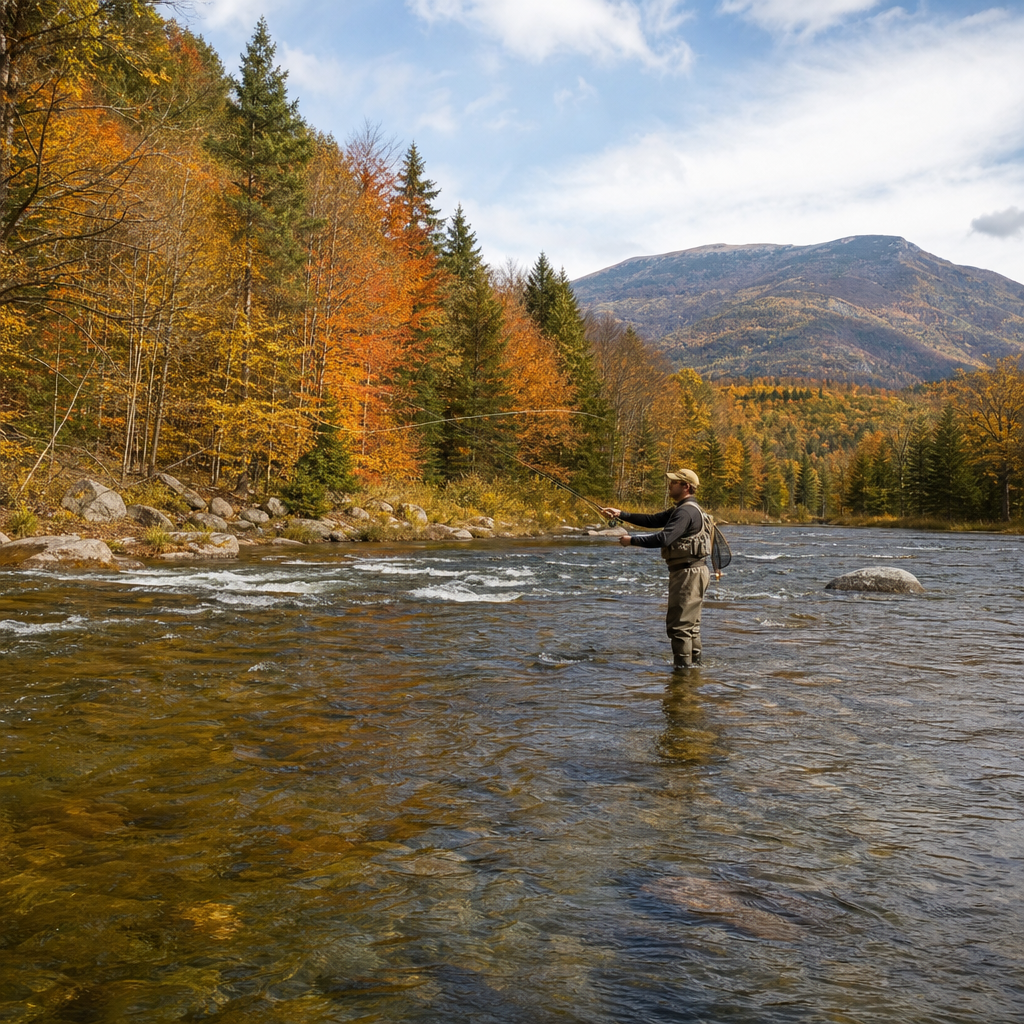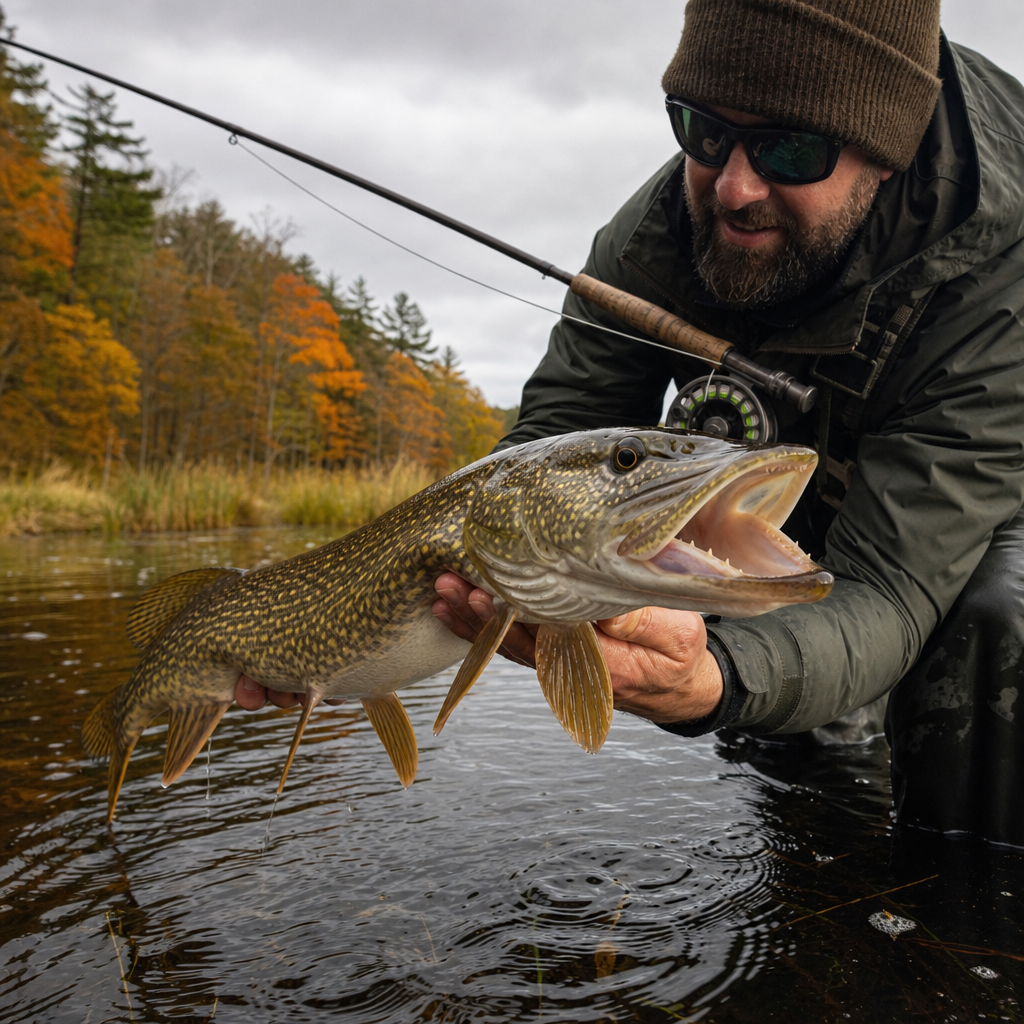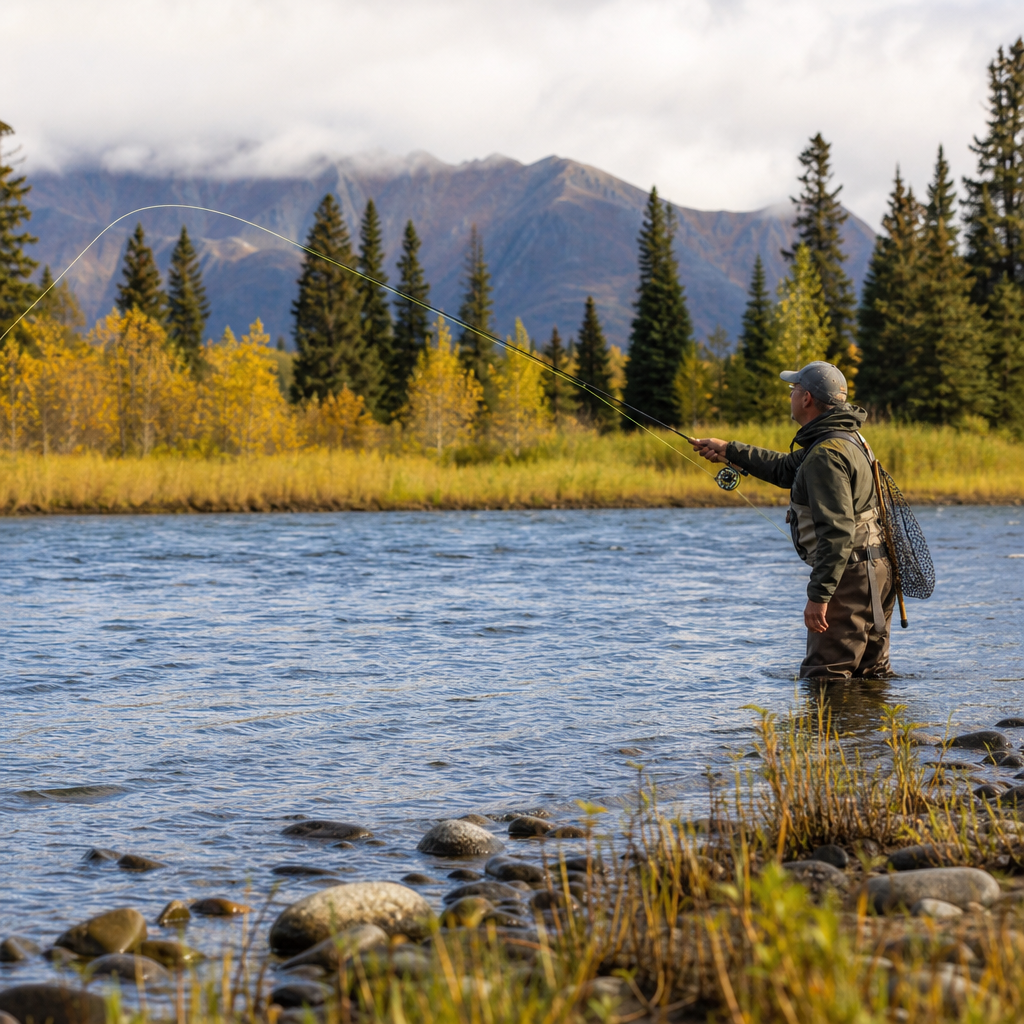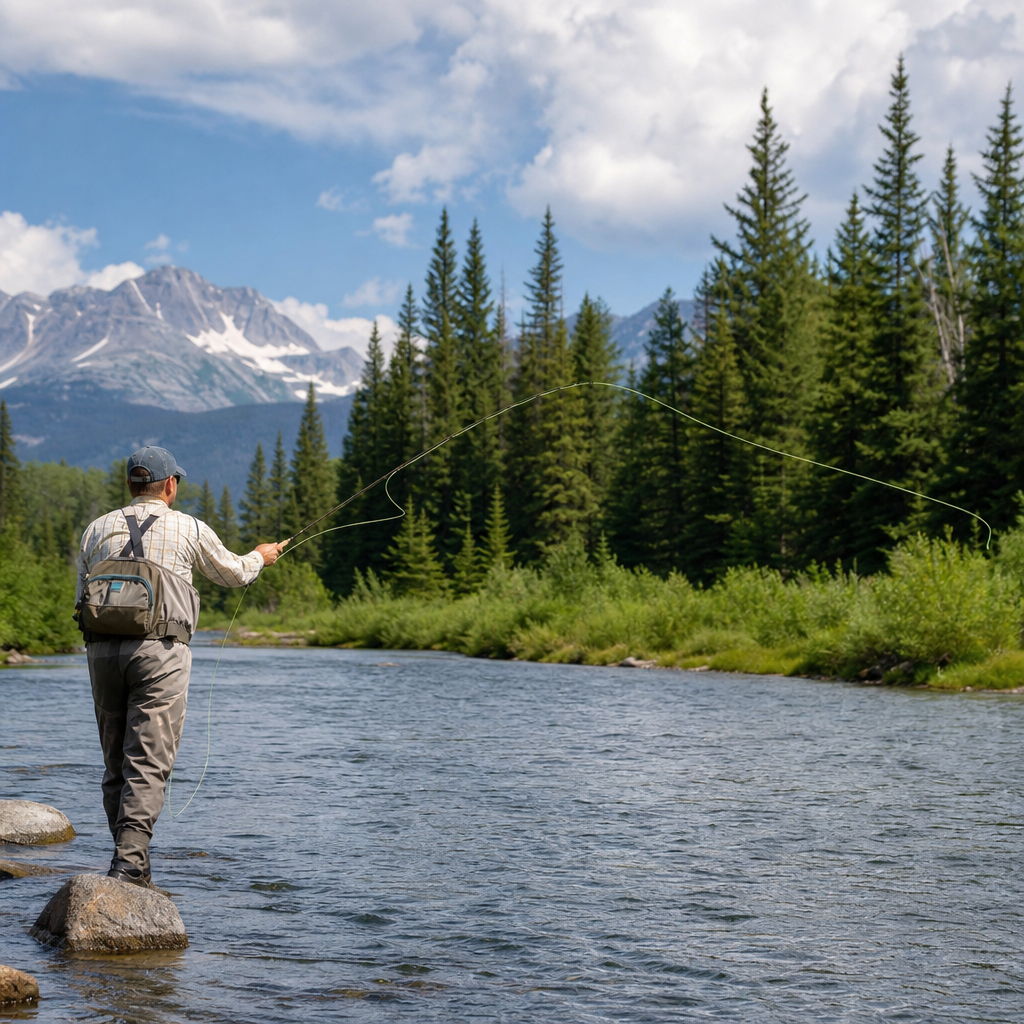
Summer fly fishing is the warm-season discipline of targeting trout, bass, panfish, carp, and warmwater species with artificial flies while adapting to higher water temperatures, brighter light, lower flows, and fast-changing insect activity. In practical terms, summer fly fishing demands a different playbook than spring runoff or fall spawning periods: fish shift holding water, feeding windows tighten, and angler decisions about timing, presentation, and fish handling matter more. I have spent many July and August mornings on freestone rivers, tailwaters, and farm ponds, and the pattern is consistent. Success comes less from random fly changes than from reading temperature, oxygen, current speed, shade, and food sources. That is why summer fly fishing deserves its own overview rather than a short seasonal note.
For most anglers, the key questions are straightforward. When are fish most active in summer? What flies work in hot weather? How should tactics change on rivers, stillwaters, and warmwater fisheries? The short answers are early and late in the day, terrestrial and hatch-matching patterns when conditions line up, and a stronger emphasis on stealth, water temperature awareness, and fish-friendly handling. Summer matters because it is both the most accessible and the most misunderstood season. Families travel, school breaks open calendars, and many fisheries look inviting, yet trout can be stressed when water temperatures rise, insect life can become hyper-specific, and low clear water exposes every mistake. Learn the seasonal logic, however, and summer becomes one of the most productive windows of the year.
How summer conditions change fish behavior
Summer affects fish through temperature, dissolved oxygen, light penetration, current volume, and food availability. Trout are the clearest example. As water warms, their metabolism rises, but only up to a point. Rainbow and brown trout generally feed actively in cool water, yet prolonged temperatures around or above 68 degrees Fahrenheit can create stress, especially in low-flow rivers. Brook trout prefer even colder conditions. In that environment, fish often slide into faster riffles, shaded banks, spring seeps, deeper slots, and tailouts with oxygen-rich current. On many rivers I fish, midday trout that vanished from obvious pools reappear in knee-deep broken water because the turbulence supplies oxygen and cover at the same time.
Warmwater species respond differently. Largemouth bass often stay willing in summer, but they shift into weed edges, docks, timber, and low-light feeding lanes. Smallmouth use boulders, ledges, and current seams, especially where crayfish and baitfish gather. Carp cruise flats in the morning, then move deeper or tighter to shaded structure once pressure and heat build. Panfish suspend around cover and can be extraordinarily consistent at dawn and dusk. The takeaway is simple: summer fish are not inactive. They are selective about comfort. If you find cooler water, oxygen, security, and a concentrated food source, you usually find feeding fish.
Best times of day for summer fly fishing
The best time for summer fly fishing is usually from first light through mid-morning and again in the last two hours before dark. Those windows combine lower water temperatures, reduced glare, and stronger insect or bait movement. On trout rivers, dawn spinner falls, caddis activity, and overnight cooling often create the day’s most dependable dry-fly opportunities. Evening can be even better, especially when sulfurs, pale morning duns, tricos, caddis, or midges appear in sequence. I routinely plan summer trout sessions around these windows and leave the middle of the day for scouting, nymphing deep runs, or moving to higher-elevation tributaries.
Midday is not automatically poor, but it requires a tactical adjustment. Bright sun pushes fish under banks, into pocket water, beneath cutbanks, under wood, or along weedlines. Terrestrials such as hoppers, ants, and beetles become increasingly relevant then, especially from late June through early September. In lakes and ponds, the first hour after sunrise can be exceptional for surface-eating bass and bluegill, while evening often brings renewed activity around damsel flies, dragonflies, and baitfish. Night fishing is another serious summer option. Large brown trout and warmwater predators often become more catchable after dark, but that approach demands careful wading, simplified rigging, and strong local knowledge.
Summer insects, bait, and fly patterns
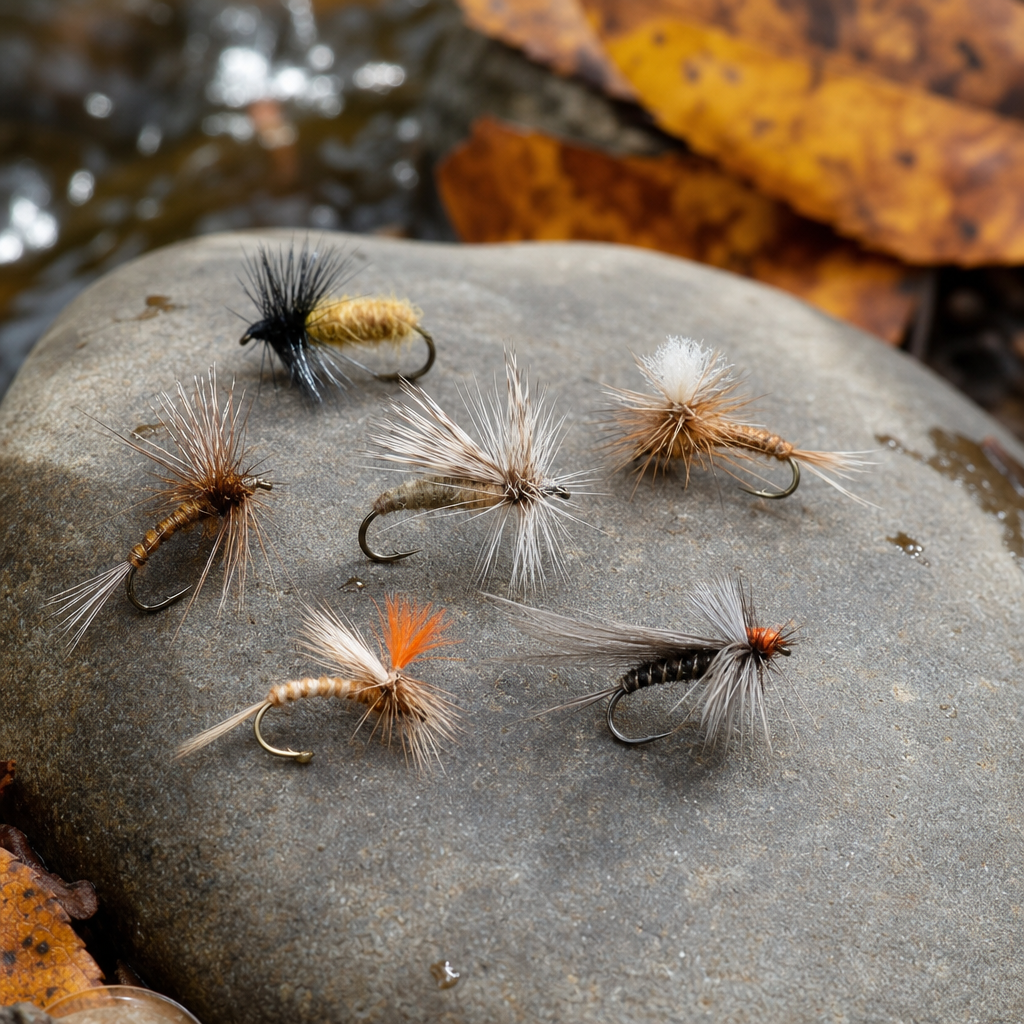
Summer fly selection works best when it follows actual food categories rather than generic “match the hatch” advice. On trout water, the major groups are mayflies, caddis, stoneflies, terrestrials, and subsurface attractors. Depending on region, anglers may see tricos, PMDs, sulfurs, yellow sallies, green drakes at higher elevations, and assorted caddis species through the season. Tailwaters frequently sustain midge and tiny mayfly activity all summer. Freestone rivers often shift toward terrestrial importance once runoff ends and flows drop. If you carry one summer lesson to every river, make it this: in low clear conditions, profile and drift usually matter more than elaborate fly design.
For warmwater species, food sources broaden. Bass and larger trout may key on sculpins, dace, juvenile sunfish, crayfish, leeches, and frogs. Carp often eat aquatic nymphs, small crayfish, snails, and terrestrial fallout. Bluegill and crappie take poppers, spiders, damsel nymphs, and small baitfish patterns. Productive fly boxes therefore mix dries, nymphs, terrestrials, and streamers in sizes that fit local forage. The following table summarizes practical summer categories I rely on across rivers, lakes, and ponds.
| Situation | Reliable summer flies | Why they work |
|---|---|---|
| Low clear trout river | Parachute Adams, CDC caddis, black ant, beetle, hopper-dropper | Natural silhouettes and light landings suit selective fish |
| Pocket water or riffles | Chubby Chernobyl, yellow stimulator, perdigon nymph, pheasant tail | Fast water rewards buoyant indicators and dense subsurface flies |
| Evening hatch | Spinner patterns, emergers, soft hackles, caddis pupa | Fish often feed just below or in the film before full rises begin |
| Warmwater pond | Foam popper, deer-hair bug, damsel nymph, woolly bugger | Surface disturbance and swimming profiles trigger bass and panfish |
| Smallmouth river | Crayfish, baitfish streamer, hopper, sneaky pete | Matches dominant forage near rocks, ledges, and current seams |
Tactics for trout, bass, panfish, and carp
Trout tactics in summer start with stealth and water reading. Use longer leaders in clear water, approach from downstream when possible, and make the first cast count. In broken pocket water, a buoyant dry with a small nymph dropper covers both surface opportunism and subsurface feeding. On smooth glides and spring creeks, finer tippet and precise drag-free drifts become essential. If trout refuse a visible dry, try an emerger or unweighted soft hackle in the film. I have seen selective fish ignore a dozen floating patterns and then confidently take a sparse caddis pupa swung just below the surface tension.
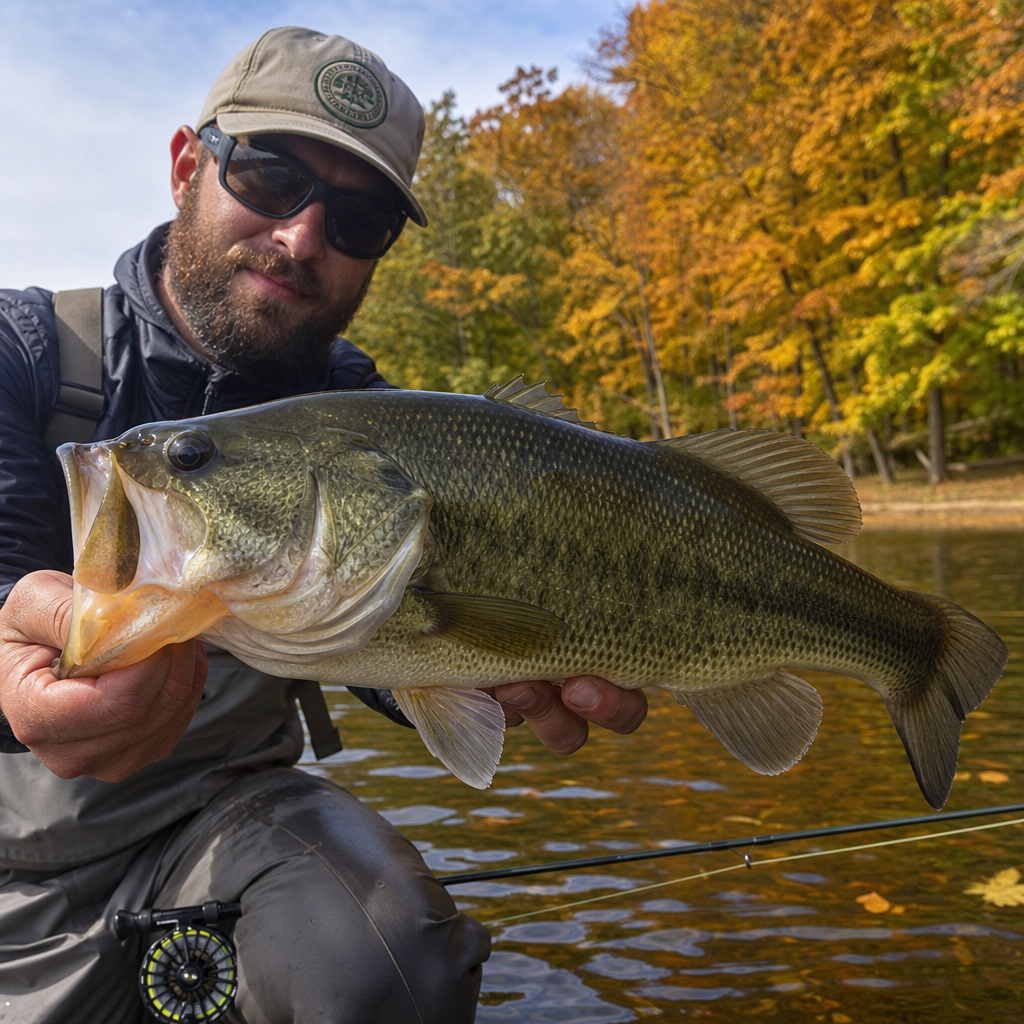
Bass reward a different rhythm. Early and late, fish poppers and divers tight to cover, pausing long enough to let the rings fade. During brighter hours, switch to crayfish, baitfish streamers, or swimming bugs along weed edges, boulders, and shaded banks. Smallmouth in rivers often attack on the swing below a seam, while largemouth around structure prefer horizontal strips with sudden pauses. Panfish fishing is simpler but no less useful, especially for learning local insect cycles with children or beginners. Small foam bugs and nymphs under indicators provide constant action. Carp are the technical challenge. Present ahead of the fish, let the fly settle naturally, and watch for subtle takes such as a tail twitch, gill flare, or directional change.
Gear, rigging, and presentation for hot-weather success
Most summer fly fishing can be handled with standard tackle, but smart rigging increases efficiency. For trout, a 4- or 5-weight rod covers most dry-dropper and nymph work, while a 6-weight helps with larger terrestrials or streamers. Warmwater anglers benefit from a 6- to 8-weight, especially for poppers, wind-resistant bugs, and bass around cover. Floating lines do the bulk of the work in summer, though sink-tip or intermediate lines are valuable in lakes, deeper runs, and streamer situations. Leaders should reflect conditions: 9 to 12 feet for clear trout water, shorter and stronger for bass bugs, and stout abrasion-resistant material for carp around weeds or rocks.
Presentation remains the deciding factor. In low water, avoid false casting over fish and use reach casts, aerial mends, and slack-line deliveries to extend drag-free drift. In pocket water, shorten line, stay close, and target likely lies one by one. Streamer fishing in summer often improves when strips are smaller and more erratic than spring patterns, because baitfish and crayfish movements look quick but not always aggressive. On stillwaters, count down nymphs or leeches to a consistent depth before retrieving. Polarized glasses are mandatory rather than optional. Good lenses reveal weed edges, cruising carp, submerged timber, and subtle current tongues that anglers miss in bright glare.
Safety, conservation, and ethical summer fishing
Summer fly fishing carries a responsibility that becomes more serious as temperatures rise. Trout are vulnerable to heat stress, and the best anglers monitor water temperature instead of relying on guesswork. A stream thermometer is a cheap essential. Many conservation groups and state agencies recommend avoiding trout fishing when water reaches about 68 degrees Fahrenheit, with stricter caution as temperatures climb into the low seventies. Fish may still be caught then, but landing and releasing them can produce delayed mortality. On difficult summer days, I move to higher-elevation water, fish tailwaters with cold releases, or switch entirely to bass and carp so the decision aligns with fish welfare.
Handling practices matter too. Fight fish quickly with appropriately strong tippet, keep them in the water, wet your hands before touching them, and skip hero shots when conditions are warm. Barbless hooks reduce release time. Wading also deserves attention. Summer algae makes rocks slick, low water exposes sudden shelves, and afternoon thunderstorms can turn a safe valley dangerous fast. In lakes and warmwater rivers, hydration, sun protection, and insect management become part of trip planning. The broader point is that ethical summer fishing does not reduce success. It improves judgment. Anglers who respect temperature limits, species shifts, and local regulations usually discover more durable opportunities and become better fish finders in every season.
Building a summer fly fishing plan that works
The most reliable summer fly fishing plan combines timing, location, and species choice. Start by checking flows, water temperatures, weather, and recent hatch reports from local shops or agency gauges. Choose water that matches conditions: shaded freestones and headwaters during heat, tailwaters with stable cold releases, lakes in the early morning, or warmwater rivers when trout streams are too warm. Arrive with a short list of patterns rather than a giant box, and build around likely foods such as caddis, PMDs, terrestrials, crayfish, and baitfish. If one approach fails, change depth, angle, or location before changing ten flies. Summer fish often respond to presentation and positioning first.
As a hub topic under seasons and conditions, summer fly fishing connects directly to related decisions anglers make all year: reading low water, fishing terrestrials, choosing trout-safe temperature windows, targeting smallmouth in current, and adjusting to stillwater insect cycles. The season rewards observation more than force. Watch for shade lines, spinner clouds, swallows feeding low, damsel activity near reeds, and fish holding where current refreshes oxygen. Those clues simplify the day. Summer fly fishing is not just possible during heat; it can be excellent when approached with discipline. Start early, carry a thermometer, match local food, handle fish carefully, and build your next trip around the water conditions you actually have.
Frequently Asked Questions
What makes summer fly fishing different from spring or fall?
Summer fly fishing is different because fish behavior, water conditions, and feeding opportunities all shift once temperatures rise and flows drop. In spring, runoff often creates higher, colder, and more turbulent water that pushes fish toward softer seams and edges. In fall, cooling temperatures and seasonal spawning behavior can make fish more aggressive or more concentrated in predictable areas. Summer sits in a very different middle ground. Water is usually clearer, lower, and warmer, which means fish can become more cautious, more selective, and more sensitive to stress.
For anglers, that changes the entire approach. Midday can be less productive on many trout streams because bright light and increasing water temperatures often push fish into deeper runs, shaded banks, undercut structure, or oxygen-rich riffles. Early mornings and evenings frequently become the most reliable windows. On lakes and warmwater fisheries, bass and panfish may still feed actively through much of the day, but even there, low light periods often produce the most aggressive surface action. Insect activity can also become highly specific in summer, with brief but important hatches of mayflies, caddis, terrestrials, and midges creating short feeding windows that reward close observation.
Another major difference is the importance of fish care. In summer, especially on trout water, high temperatures can put fish under significant physiological stress. That means successful anglers are not just thinking about catching fish, but also about when to stop, where to fish, and how quickly they can land and release fish safely. In short, summer fly fishing is less about covering water blindly and more about timing, precision, adaptability, and responsible decision-making.
What are the best times of day to fly fish during the summer?
In most summer conditions, the best times to fly fish are early morning and late evening. These periods usually offer cooler water, lower light, and more comfortable feeding conditions for fish. Trout in particular often become much more active around dawn, when overnight cooling has lowered water temperatures and insect activity begins to build. Evening can be equally productive, especially when caddis, mayflies, or spinner falls bring fish to the surface in the last hour or two of light. If you are targeting bass, panfish, or carp, sunrise and sunset are also prime windows, especially for topwater action and shallow-water feeding.
That said, the “best” time depends on the species and the water type. Freestone trout streams can slow dramatically during hot, bright afternoons, while tailwaters, spring creeks, or waters fed by dams and springs may stay cool enough to fish well all day. On stillwaters, trout may feed deeper once the sun gets high, requiring a different presentation rather than a complete change in strategy. Warmwater species such as smallmouth bass can remain active during midday if current, depth, or cover keeps them comfortable, but many anglers still plan around lower-light periods because they offer more consistent feeding behavior.
A good rule is to let temperature and light guide your schedule. Start early, monitor conditions carefully, and be ready to adjust or quit when water gets too warm for safe trout fishing. In practical terms, anglers who focus their effort around the first and last few hours of daylight often fish more effectively, avoid the toughest conditions, and make better decisions for the health of the fishery.
What flies work best for summer fly fishing?
The best summer flies depend on the species you are targeting and what is happening on the water that day, but a strong summer fly box usually includes dry flies, nymphs, terrestrials, and streamers. For trout, summer often brings consistent opportunities with caddis, small mayflies, midges, and attractor patterns, along with highly effective terrestrial imitations such as ants, beetles, and grasshoppers. Terrestrials are especially important in warm weather because wind, bankside vegetation, and regular overland insect activity can put these food sources into the water all day long. A hopper-dropper rig is one of the most versatile summer setups because it combines a buoyant dry with a subsurface nymph and covers multiple feeding levels at once.
For warmwater species, the fly selection broadens. Bass respond well to poppers, sliders, baitfish imitations, crayfish patterns, and larger streamers, especially around structure, weed lines, and shaded banks. Bluegill and other panfish are often eager takers of small poppers, foam bugs, nymphs, and soft-hackle style patterns. Carp can be far more technical, often rewarding anglers who carry small craw, nymph, worm, and hybrid subsurface patterns that land softly and sink naturally. Matching the fly to the fish is important, but matching the fly to the fish’s position in the water column is just as critical in summer.
The most effective anglers do not rely on one “magic” pattern. Instead, they watch for rise forms, insect movement, refusals, and changes in light or current. If fish are active but not committing, downsizing, changing silhouette, adjusting drift, or switching from flashy patterns to more natural imitations can make the difference. Summer rewards flexibility. A box built around realistic sizes, seasonal terrestrials, and a few confidence patterns for both surface and subsurface work will cover most situations well.
How should I adjust my presentation and location strategy in hot summer conditions?
In hot summer conditions, success often comes from fishing smarter rather than simply fishing harder. Fish usually seek a combination of comfort, oxygen, cover, and food, so your first adjustment should be location. On trout streams, look for deeper pools, shaded runs, riffle tails, undercut banks, spring seeps, and any water with noticeable oxygenation. Faster water can actually become more important in summer because it tends to carry more dissolved oxygen, even though fish may still hold in softer pockets within or adjacent to that current. On rivers with low, clear flows, stealth becomes essential. Longer leaders, lighter tippet when appropriate, careful wading, and keeping a lower profile can dramatically improve results.
Presentation also needs to become more precise. In bright, clear summer water, a sloppy first cast can end the opportunity. Dead drifts for trout often need to be cleaner and more natural, while terrestrial patterns should land close to banks, grassy edges, cutbanks, and overhanging cover where real insects fall in. Warmwater fish may reward a more animated approach, but even bass and carp can become selective under intense sun or fishing pressure. In those conditions, changing retrieve speed, sink time, or the angle of presentation can trigger fish that ignore a standard cast-and-strip routine.
Another key adjustment is to fish the right water at the right time. Shallow riffles may be excellent at dawn and poor by noon. A shaded bank that looks unremarkable in the morning may become a prime holding lane in the afternoon. Summer is dynamic, and anglers who keep moving, reading water carefully, and responding to temperature and light generally outperform those who rely on fixed habits. If fish are not in obvious lies, think about what the conditions are asking them to do: stay cool, stay safe, and feed efficiently. That mindset leads you to better water and better presentations.
How do I handle fish safely during summer fly fishing, especially trout?
Safe fish handling is one of the most important parts of summer fly fishing, particularly on trout streams where warm water can increase exhaustion and post-release mortality. The first step is preventive: know the water temperature before and during your trip. Many anglers use a thermometer and set personal cutoffs, often avoiding trout fishing once temperatures approach the upper stress range. Local regulations, hoot owl restrictions, and fishery advisories should always be followed. If the water is too warm, the responsible choice is to stop targeting trout and either switch species, move to cooler water, or end the day.
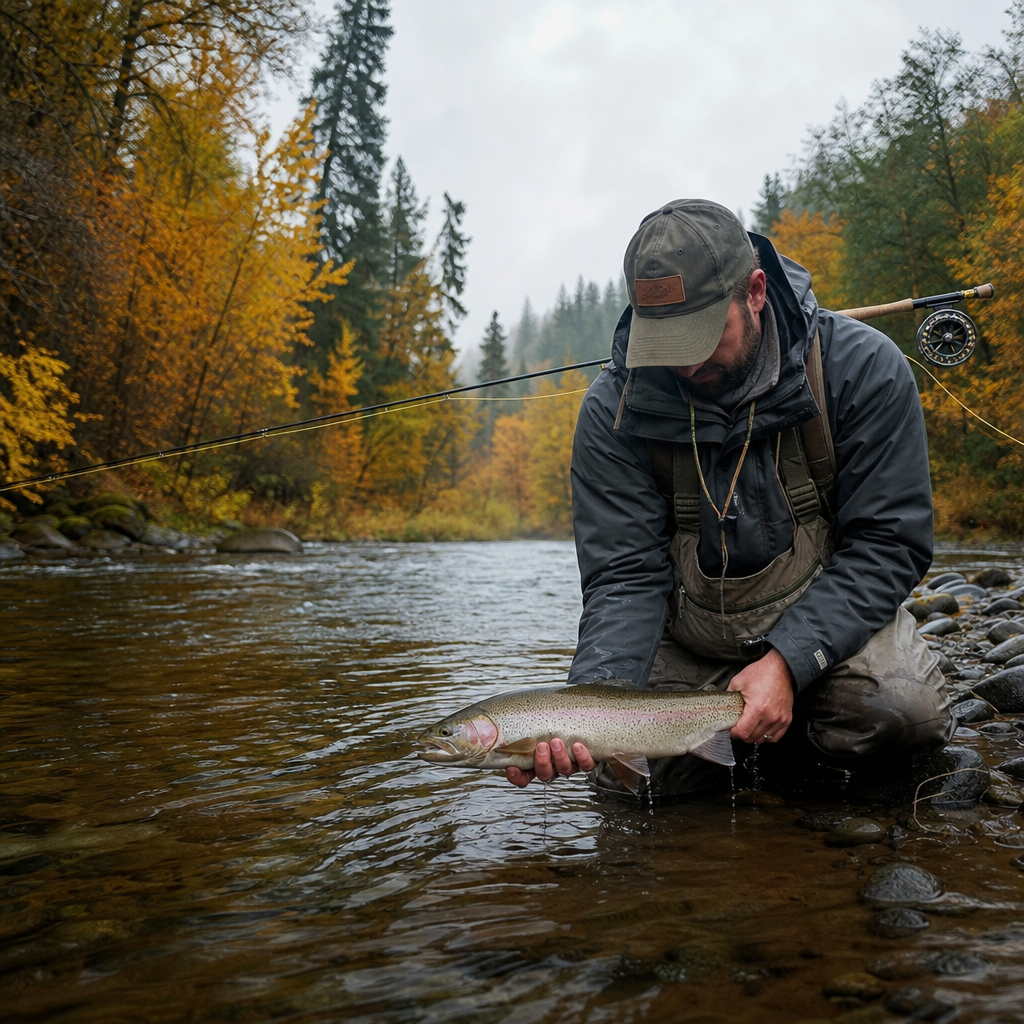
Once hooked up, fight fish efficiently. Use tackle strong enough to land fish quickly rather than prolonging the battle on overly light tippet. Keep the fish in the water as much as possible, use a rubber or fish-friendly net, and wet your hands before touching it. Avoid squeezing the body or handling the gills. If you want a photo, make it fast and organized in advance so the fish is not held out of the water while you fumble with gear. In many cases, the best release is one that happens without any photo at all. Revive the fish only as much as necessary by holding it upright in moderate current until it can swim away under its own power.
Summer ethics go beyond the release itself. They include choosing cooler hours, avoiding overplaying fish, and recognizing when conditions make catch-and-release too risky. That is especially true for larger trout, fish hooked deeply, or fisheries already under environmental stress. Good summer anglers understand that stewardship is part of skill. Catching fish matters, but protecting the resource matters more, and thoughtful handling helps ensure those fish remain healthy for the next season and the next angler.