The Green River is one of the most important fly fishing destinations in North America, and anglers who want a true icon of Western trout water eventually end up here. In fly fishing terms, an iconic water is a river with a distinct personality, a proven record of wild or heavily managed trout production, and enough technical variety that it rewards beginners and experts differently. The Green fits that definition completely. I have fished it in changing flows, bright summer afternoons, blue-winged olive weather, and the cold clarity of shoulder seasons, and it consistently delivers the combination serious anglers seek: healthy trout populations, reliable insect life, dramatic scenery, and access to multiple styles of water within the same system.
When people search for the best Green River fly fishing locations, they are usually asking several questions at once. Which stretch is best for dry flies? Where do you float versus wade? What sections hold the largest trout? How do seasonal dam releases affect the bite? The answers depend on which Green River someone means, because the river runs through Wyoming, Utah, and Colorado and changes character dramatically along the way. Still, most anglers using the phrase are referring to the famous tailwater below Flaming Gorge Dam in northeastern Utah, especially Sections A, B, and C. That reach has earned global recognition because cold, nutrient-rich releases create ideal trout habitat and stable conditions for prolific aquatic insect hatches.
Understanding the Green River starts with geography and hydrology. A tailwater is a river section immediately below a dam where water temperatures and flows are regulated. That regulation often creates excellent trout fisheries because summer water stays cool, winter water stays relatively moderate, and insect life can remain productive for long periods. On the Green below Flaming Gorge, that translates into strong populations of brown trout, rainbow trout, and in some reaches cutthroat trout, along with midge, mayfly, caddis, and terrestrial opportunities that support year-round fishing. It matters because consistency is rare in the West. Freestone rivers can be brilliant, but runoff, heat, and drought make them less predictable. The Green offers a more dependable calendar, which is why it sits at the center of so many destination plans.
As a hub within the broader Fly Fishing Destinations topic, this guide covers the major Green River waters every angler should know, explains what makes each reach special, and helps you choose where to start based on season, technique, and experience level. Think of it as the foundational overview for the Iconic Waters branch of your trip research. If you later dive deeper into drift boat tactics, hatch charts, or Utah tailwater regulations, this page gives the context that makes those details useful. The Green River rewards preparation, and the anglers who fish it best are usually the ones who understand not just where the famous runs are, but why those runs fish the way they do.
Why the Green River Is an Iconic Fly Fishing Water
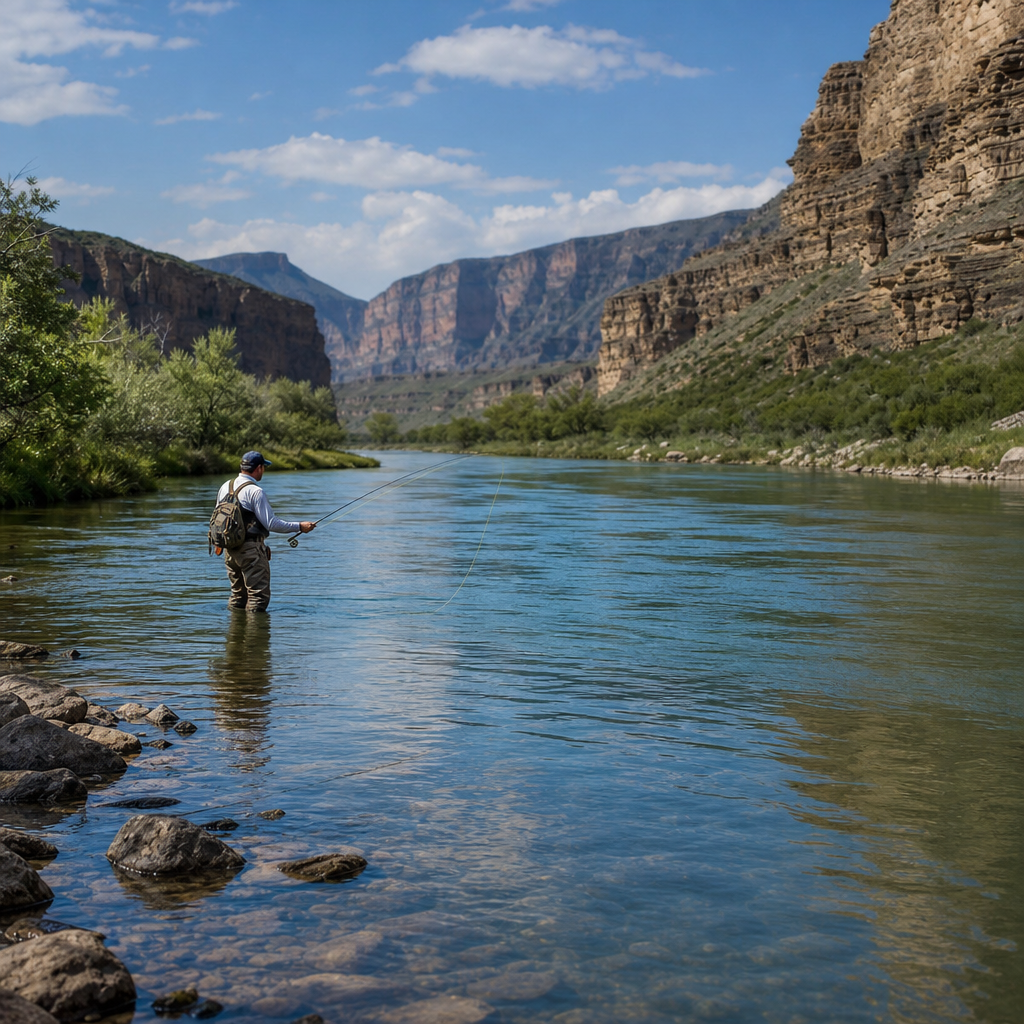
The Green River’s reputation is built on a rare mix of biology, access, and fishable structure. Below Flaming Gorge Dam, the river flows cold and clear through a desert canyon, creating the visual contrast many anglers remember long after a trip ends. More important than scenery, though, is food. Midges hatch throughout the year, blue-winged olives can be outstanding in spring and fall, caddis become a major factor in warmer months, and terrestrials like ants, beetles, and hoppers matter when bankside vegetation and weather align. That menu supports trout growth and keeps fish looking up often enough to make technical dry-fly fishing a genuine strength of the river rather than a lucky seasonal window.
It is also an exceptionally teachable river. On some famous trout streams, success depends on local secrets or narrow timing. The Green has nuance, but the fundamentals are readable. Seams, gravel bars, riffle corners, foam lines, and weed edges all hold fish in ways that make sense once you study the current. I have guided newer anglers onto good fish there simply by teaching them to watch drift speed and depth. On the same day, experienced anglers can hunt selective risers in slicks or throw articulated streamers against undercut structure. That range is a major reason the river remains central to destination planning across the Rocky Mountain West.
Section A: The Classic Tailwater Below Flaming Gorge Dam
Section A runs from Flaming Gorge Dam to Little Hole, roughly seven miles, and it is the stretch most often associated with world-class Green River fly fishing. This is the most stable, coldest, and generally most productive reach in terms of trout numbers and consistent technical opportunity. Because water exits the dam at regulated temperatures, trout hold here year round, and insect activity remains dependable even when many regional rivers are unfishable or inconsistent. If someone asks where to begin on the Green River, Section A is the clearest answer.
Wade anglers appreciate Section A because public access is straightforward and many classic runs are reachable from established pullouts and trails. Drift anglers value it for methodical, controlled floats where every inside bend, riffle tailout, and grass line can be covered with nymphs, dries, or streamers. Fish size is solid rather than exaggerated; many trout fall into the healthy, hard-fighting range that makes a trip memorable, while larger fish are always possible. Common tactics include midge and mayfly nymph rigs under indicators, small dry-dropper combinations, and precise presentations to pods during blue-winged olive or cicada-like terrestrial windows. The key is depth control. Trout in this section feed predictably, but they rarely forgive lazy drifts.
Section B: Little Hole to Indian Crossing
Section B extends from Little Hole to Indian Crossing and offers a transition from the tightly managed upper tailwater feel into broader, more structurally varied water. It still benefits from dam influence, but the river begins to warm slightly and spread out, changing both insect timing and trout behavior. Many anglers consider this stretch the best compromise between numbers, scenery, and variety. You can nymph deeper slots in the morning, find fish on emergers in softer seams, and prospect banks with terrestrials or streamers once light changes.
In practical terms, Section B can feel less crowded than Section A while still fishing at a very high level. I have found it especially productive when boat traffic is moderate and fish are willing to slide off obvious holding lanes into softer cushions. Browns in this reach often use woody banks, ledges, and transition zones more aggressively than anglers expect. That makes accurate casting more important than simply drifting through textbook riffles. During summer and early fall, hopper-dropper fishing can be excellent along grassy edges, while shoulder-season olive hatches can bring steady surface activity in softer tailouts.
Section C: Indian Crossing to Split Mountain
Section C is larger, warmer, and more varied than the upper river, and it often appeals to anglers who enjoy a less technical, more exploratory day. This lower section is still firmly part of the Green River destination experience, but it behaves differently. Trout are more spread out, non-trout species become more relevant, and seasonal changes matter more. That does not make it inferior; it makes it a different fishery. On days when upper sections are crowded or fish become overly educated, Section C can offer welcome freedom and surprising quality.
Streamer anglers often like this reach because broader runs, undercut banks, and deeper walking-speed water create ambush habitat. It is also a useful option for anglers floating longer distances and covering mixed water types. During warm months, terrestrial fishing can be fun and visual, especially when wind pushes food onto the surface. The tradeoff is consistency. If your goal is maximum trout density and classic tailwater predictability, Section A still leads. If your goal is variety, space, and a chance to fish more opportunistically, Section C deserves real attention.
Comparing the Premier Green River Fly Fishing Locations
Choosing the best Green River section depends on your priorities. The table below summarizes how the main reaches typically fish for destination anglers planning around conditions, skill level, and preferred techniques.
| Section | Best For | Typical Strengths | Main Tradeoff |
|---|---|---|---|
| Section A | First-time visitors, technical trout anglers, year-round trips | Highest consistency, strong hatches, excellent wade access | More pressure and educated fish |
| Section B | Anglers wanting variety with strong trout numbers | Balanced water types, good float fishing, solid dry-dropper periods | Requires more adaptation to changing conditions |
| Section C | Exploratory floats, streamer fishing, lower-pressure days | More room, mixed structure, good terrestrial and opportunistic fishing | Less predictable trout density |
For most destination planning, the smartest approach is not to ask which section is objectively best, but which section best matches your trip goals. If you have one day and want the highest probability of trout action, fish Section A. If you have two or three days, add Section B for breadth. If flows, crowds, or personal preference push you toward bigger water and a looser style, include Section C.
Seasonal Strategy: When the Green River Fishes Best
The Green River can be fished throughout the year, but each season rewards different expectations. Spring is famous for blue-winged olives, midge activity, and some of the river’s most technical dry-fly conditions, especially on overcast days. Summer brings dependable nymphing, caddis activity, and strong terrestrial fishing along grassy banks and softer edges. Fall combines lighter visitation, renewed olive hatches, and aggressive brown trout behavior, making it one of the most complete times to visit. Winter is quieter and often underrated, with stable tailwater temperatures keeping fish active enough for patient anglers using small flies and careful drifts.
Flows are the variable you must monitor. The Bureau of Reclamation manages releases from Flaming Gorge Dam, and those releases influence wading safety, boat speed, and where trout hold. Higher flows can improve drift opportunities and spread fish into bank structure, but they may reduce easy wading access. Lower, stable flows usually make the river more readable but can increase angling pressure on obvious holding water. Before every trip, I check release data, local guide reports, and weather trends together rather than in isolation. That combination tells you far more than any generic hatch calendar.
Techniques, Gear, and Practical Planning
For a first Green River trip, a 9-foot 5-weight covers most dry-fly and nymphing situations, while a 6-weight helps with heavier rigs and streamers. Standard leaders in the 9- to 12-foot range work well, but tippet selection matters. Fish in clear, controlled flows inspect flies closely, so 5X and 6X are common during midge and olive fishing, while 3X or 4X is useful for terrestrials and streamers. Productive patterns often include zebra midges, RS2s, pheasant tails, scuds, sow bugs, caddis pupae, foam hoppers, CDC olives, and small attractor dries used as indicators in riffled water.
Guides are especially valuable on the Green because they shorten the learning curve on flow-dependent positioning, boat etiquette, and hatch timing. Reputable operations in Dutch John track release schedules daily and know which side channels, soft shelves, and weed lines are fishing at current levels. If you prefer to self-guide, respect launch logistics, carry a proper map, and understand Utah regulations, including current rules on hooks, bait, and access points. Barbless hooks are not always required by law, but I strongly recommend them on this river because fish handling is easier and release mortality stays lower.
One final planning point matters more than many anglers realize: treat the Green River as a system, not a single spot. The best destination anglers think in terms of conditions, sections, and tactics rather than parking lots. That mindset is what turns a famous river into a repeatable fishery.
The Green River’s Place Among Iconic Waters
Within any serious list of iconic fly fishing waters, the Green River belongs near the top because it combines accessibility, technical interest, and dependable trout fishing better than almost any Western tailwater. It is not the biggest river, the wildest canyon, or the only place with large trout, but few destinations offer such a complete package for so many angling styles. You can wade classic runs in the morning, float productive banks in the afternoon, and spend the evening casting to rising fish against red rock walls. That kind of versatility is why the Green remains a benchmark river and why this hub matters within the broader Fly Fishing Destinations landscape.
If you are building an Iconic Waters itinerary, start with the Green River and use it as your reference point. Learn its three primary sections, match your tactics to flow and season, and fish it with the patience technical tailwaters demand. From there, explore more specialized guides on hatches, drift plans, and nearby destination pairings. The reward is not just a productive trip, but a clearer understanding of what makes a great trout river truly memorable. Put the Green River on your short list, plan carefully, and fish it with intention.
Frequently Asked Questions
Why is the Green River considered one of the premier fly fishing destinations in North America?
The Green River has earned its reputation because it delivers the rare combination serious anglers look for in a truly iconic trout fishery: consistency, variety, and personality. This is not just a river with fish in it; it is a system with structure, seasonal rhythm, technical depth, and a long track record of producing memorable days for anglers of every skill level. The Green is widely known for its cold, fertile water, strong trout populations, prolific insect life, and highly wadable or floatable sections depending on where you fish. Those ingredients create the kind of river where beginners can have genuine success, while experienced anglers can spend years refining presentations, matching hatches, and learning subtle holding water.
Another major reason the Green stands out is that it fishes well under a range of conditions. It can reward anglers during bright summer afternoons, overcast spring windows, and shifting seasonal flows, but the approach often needs to change with the river. That adaptability is part of its appeal. Some days are about clean drifts with small dry flies, some are built around nymphing deep seams, and others favor streamers or technical sight fishing. The river’s trout are not one-dimensional, and neither is the fishing. For many anglers, that is the hallmark of a destination worth returning to.
There is also a cultural component. The Green River occupies a near-mythic place in Western fly fishing because it represents more than productivity alone. It reflects the classic idea of a Western trout river: dramatic scenery, controlled and changing flows, selective trout, and enough complexity to keep you humble. In practical terms, that means a fishery that can produce numbers, size, and challenge all in the same stretch of water. That is why the Green is not simply famous; it is respected.
Which sections of the Green River are best for fly fishing, and how do they differ?
The best-known and most celebrated stretches of the Green River are often discussed in terms of sections, and each one offers a different style of fishing experience. For many anglers, the most famous water is the tailwater below Flaming Gorge Dam. This area is prized for its stable cold-water conditions, rich food base, and dependable trout populations. It is the section most often associated with classic Green River fly fishing because it combines strong hatches, healthy fish, and enough public access to attract both float anglers and wade fishermen.
Within that tailwater fishery, anglers often break the river into distinct segments, each with its own character. The upper stretches below the dam generally feature colder water, highly productive trout habitat, and some of the most recognized dry-fly and nymphing opportunities on the river. These areas can fish very well during midge, mayfly, and caddis activity, and they often draw anglers who want the most technical and hatch-oriented experience. Because fish in these sections see pressure, presentation matters. Long leaders, controlled drifts, and careful approach can make a significant difference.
As you move downstream, the river often becomes more varied in structure, with different riffle-run transitions, softer banks, deeper shelves, and shifting current seams. Some lower sections may offer more space, changing water types, and opportunities to target fish with streamers or indicator nymph rigs, especially when flows or insect activity do not favor surface feeding. These stretches can be excellent for anglers who like to cover water and fish a broader range of techniques.
The best section depends on your goal. If you want classic dry-fly potential and concentrated trout habitat, the upper reaches are often the draw. If you prefer mixed-method fishing and a little more variety in current speed and holding structure, middle or lower sections can be especially rewarding. The smartest approach is to choose based on season, flow, and your preferred style rather than chasing a one-size-fits-all answer. On the Green, the “best” location is usually the one that best matches current conditions.
What are the most effective fly patterns and techniques on the Green River?
The Green River rewards anglers who fish the river in front of them rather than relying on a fixed formula. That said, a handful of core techniques consistently produce fish. Nymphing is often the most reliable overall method, particularly when trout are feeding subsurface between hatch windows or when flows make surface activity less predictable. Patterns that imitate midges, mayflies, scuds, sow bugs, caddis larvae, and small attractor nymphs are standard tools. Effective rigs often include a cleanly weighted setup, precise depth control, and a long enough drift to keep flies moving naturally through the feeding lane.
Dry-fly fishing is what draws many anglers to the Green, and for good reason. During midge, Blue Winged Olive, caddis, and terrestrial periods, the river can offer outstanding surface action. Success with dries usually depends less on the fly itself than on drift quality, leader design, and trout-specific observation. Fish on the Green often hold in soft seams, slicks, foam lines, and transitional edges where they can inspect a fly carefully. Matching size, silhouette, and behavior matters. If fish are rising steadily but refusing your pattern, downsizing, lengthening tippet, or improving drift angle often solves the problem faster than endlessly changing flies.
Streamers can also be highly effective, especially during lower light, changing weather, shoulder seasons, or when targeting larger fish that are less focused on tiny insects. A well-swung or stripped streamer through undercut banks, drop-offs, and deeper shelves can move quality trout. This is a particularly useful tactic when hatches are sparse or when water conditions encourage aggressive feeding behavior.
One of the most important techniques on the Green is simple observation. Watch rise forms, inspect insects, check water speed, and note where fish are positioned relative to current. The river has enough technical variety that a productive approach in one run may fail completely in the next. Anglers who adapt quickly do well here. In short, come prepared with nymphs, dries, and streamers, but be even more prepared to adjust depth, drift, and presentation as conditions evolve through the day.
When is the best time of year to fish the Green River?
The Green River can produce excellent fly fishing in multiple seasons, which is one reason it remains such a dependable destination. The best time to fish depends on what kind of experience you want. Spring is highly regarded because it often brings strong Blue Winged Olive activity, good midge fishing, and active trout feeding before the busiest summer period. Weather can be variable, but overcast days in spring can be exceptional for anglers who enjoy technical dry-fly fishing and lively nymphing conditions.
Summer is the most popular season for many visitors, and with good reason. Longer days, easier access, and consistent insect activity can make the river feel generous. Caddis, PMDs in some windows, terrestrials later in the season, and dependable subsurface fishing all keep rods bent. Summer also tends to bring more angling pressure, so timing matters. Early mornings, late evenings, and strategic fishing away from the most obvious access points can improve both solitude and results. Bright afternoon conditions can still be productive, but anglers may need to shift from visual dry-fly hunting to more precise nymphing or targeted presentations in deeper holding water.
Fall is a favorite season for experienced anglers because trout often feed aggressively, weather becomes more comfortable, and crowds can thin out. Streamer fishing may improve, dry-fly opportunities can still exist, and subsurface action often remains strong. Fall also gives anglers a chance to fish the Green in a quieter, more measured setting, which suits the river’s technical character well.
Winter can be surprisingly worthwhile for those willing to deal with cold temperatures and a slower, more deliberate pace. Tailwaters like the Green often maintain fishable conditions, and midge-focused fishing can be productive. The key is realistic expectations: fewer hatches, more subtle takes, and greater emphasis on clean drifts and depth control.
If you want the broadest answer, spring through fall offers the most diverse and consistent opportunity. If you want the narrowest answer, the best time is when conditions align with your preferred style—spring for mayflies, summer for variety, fall for aggressive fish and fewer crowds, and winter for patient, technical tailwater fishing.
Do you need a guide to fish the Green River, or can anglers do well on their own?
You do not need a guide to enjoy or succeed on the Green River, but hiring one can dramatically shorten the learning curve, especially on a first visit. This river is famous partly because it offers enough complexity to challenge even experienced anglers. Flow changes, section-specific access, boat logistics, hatch timing, and subtle differences in trout behavior can all affect success. A good guide helps you understand not just where fish are, but why they are there under current conditions. That kind of insight is valuable on a river with so many variables.
For first-time visitors, a guide is often the fastest way to unlock the Green’s structure and rhythm. They can help with section selection, rigging, fly choice, drift angles, and reading the water in a way that saves hours of guesswork. If your goal is to maximize a short trip, improve your understanding of the river, or learn the most productive