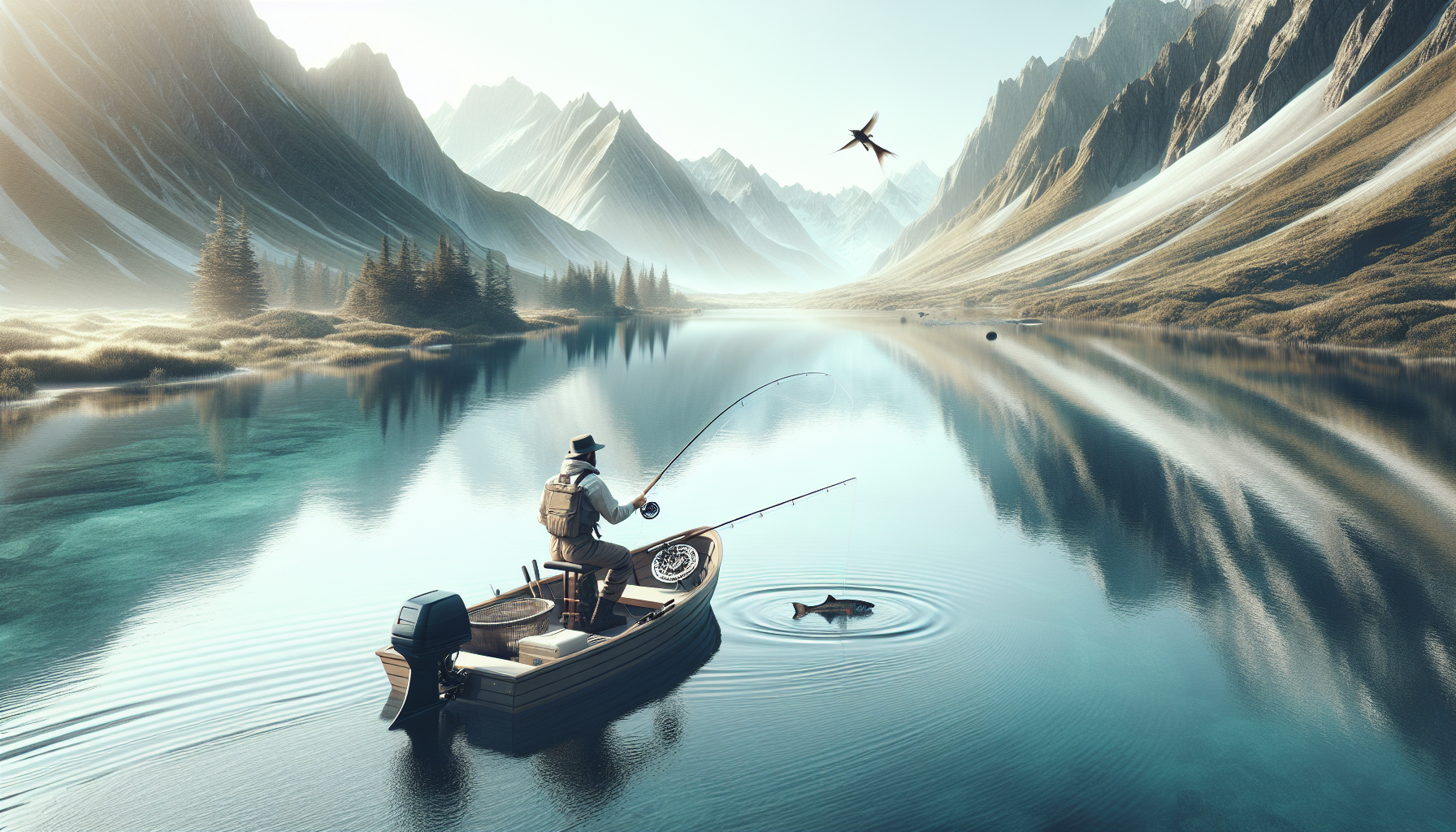
Fly fishing the Bow River combines technical trout water, reliable insect hatches, and easy access near Calgary, making it one of the most respected tailwaters in North America. In destination terms, the Bow is an iconic water because it offers the rare mix of big-river scale and consistent wade and float opportunities. When anglers talk about the Bow River, they usually mean the blue-ribbon trout section downstream of Bearspaw Dam through Calgary and into the prairie reaches toward Carseland and beyond. This river matters because it supports healthy populations of brown trout and rainbow trout, produces fish of memorable size, and rewards multiple styles, from indicator nymphing to streamer fishing to exacting dry-fly presentations. I have guided and fished on tailwaters across the West, and the Bow stands out for how often conditions change within a single day. Dam releases, wind, light levels, weed growth, and bug activity all influence where fish hold and how they feed. For anglers building a fly fishing destinations list, the Bow deserves hub-level attention because it can serve beginners seeking numbers, experienced anglers chasing larger trout, and traveling fishers who want a classic Alberta float framed by cottonwoods, gravel bars, and open ranch country.
Understanding the river starts with a few key terms. A tailwater is a river section controlled by dam releases, which often stabilizes flows and temperatures compared with freestone streams. Seams are the lines where currents of different speeds meet; trout hold beside them to conserve energy and intercept food. Riffles, runs, shelves, side channels, and cutbanks all matter on the Bow because structure is broad rather than confined to pocket water. Matching the hatch means imitating the insects fish are eating at that moment, especially blue-winged olives, midges, caddis, stoneflies, and mayflies. Reading this river correctly is less about finding one magic fly and more about recognizing the feeding lane, depth, and drift angle that fit current conditions.
As a fly fishing destinations hub, this guide covers where to fish, when to go, what techniques work, what gear to bring, and how to approach access, safety, and etiquette. The goal is practical clarity. If you are planning your first Bow River trip, this article will help you choose between floating and wading, identify productive reaches, and prepare for seasonal shifts. If you already know the river, it can serve as a refresher on the sections and strategies that repeatedly produce fish. The Bow rewards preparation, and preparation begins with understanding how this iconic water behaves.
Why the Bow River Is an Iconic Fly Fishing Destination
The Bow River earns its reputation through consistency and variety. Many famous trout rivers are excellent during one season or for one method. The Bow is different. From spring through late fall, there is usually a dependable way to catch fish even when one approach stalls. On bright afternoons in July, trout may slide deeper and prefer stonefly or caddis nymphs under an indicator. During overcast October weather, the same river can turn into a streamer fishery where articulated patterns moved tight to banks draw aggressive strikes from larger browns. During midge or blue-winged olive windows, fish can rise selectively in soft inside lanes and tailouts, demanding fine tippet and exact drifts.
The river’s productivity comes from a strong food base and extensive habitat. Weed beds support scuds and aquatic insects. Gravel bars create spawning areas. Side channels, drop-offs, and long transitional shelves spread fish throughout the system. Alberta’s fisheries management and habitat work have also helped maintain the Bow as a destination with real depth rather than a river surviving on reputation alone. The city section around Calgary adds another layer: few places let you fish a legitimate trophy-trout river so close to a major airport, hotels, restaurants, and tackle shops. That convenience matters to traveling anglers, families, and business travelers adding a guided day.
The Bow is also a teaching river. I have watched anglers improve quickly here because the river makes current reading visible. You can see broad buckets behind islands, foam lines along seams, and subtle bank depressions that hold fish. Success on the Bow translates well to other large trout rivers, which is why many anglers rank it among the essential iconic waters to experience.
Best Sections of the Bow River for Fly Fishing
Choosing where to fish depends on whether you want easy access, less pressure, better wading, or a classic float. The upper river below Bearspaw Dam through Calgary offers convenience and year-round appeal. This section can fish well with nymphs and streamers, and urban access makes short sessions possible. Fish see pressure here, so presentation matters. Longer leaders, clean drifts, and lighter tippet often outperform constantly changing patterns.
The middle reaches downstream of Calgary toward Policeman’s Flats, McKinnon Flats, and Carseland are where many visiting anglers picture the Bow. These sections provide broad riffles, undercut banks, islands, and long weed-lined runs that fish beautifully from a drift boat. Trout numbers are strong, and these areas regularly produce larger fish. When clients ask where they are most likely to experience the famous Bow combination of steady action and the chance at a twenty-inch trout, this is usually where I send them with a competent guide.
The lower reaches beyond Carseland feel more remote and can reward anglers willing to cover water. Here, side channels and softer banks often hold fish that see fewer flies. Conditions can be more variable, and navigation knowledge matters on some floats, especially during changing flows or heavy weed growth. These lower stretches are excellent for streamer anglers in shoulder seasons and for experienced float fishers who enjoy exploring less obvious water.
| Reach | Primary Strength | Best Approach | Notes |
|---|---|---|---|
| Bearspaw to Calgary | Convenient access, year-round opportunity | Wade or short float | Higher pressure, technical presentations help |
| Calgary to Policeman’s Flats | Classic big-river structure | Float fishing | Great mix of nymph, dry fly, and streamer water |
| McKinnon Flats to Carseland | Strong trout numbers and size potential | Guided float | One of the most popular destination stretches |
| Below Carseland | Less pressured water, exploration | Experienced float anglers | Remote feel, variable navigation and weed conditions |
For a hub page on iconic waters, these named reaches matter because each can support a dedicated trip. They also connect naturally to deeper sub-articles on access points, float maps, and seasonal tactics, which is how anglers usually plan a destination efficiently.
Seasonal Tactics: When to Fish and What to Expect
Spring on the Bow is one of my favorite periods because fish are active, boat traffic is lighter than midsummer, and streamer fishing can be excellent. Water clarity can fluctuate with weather, and cold mornings often delay insect activity, but browns and rainbows feed hard as temperatures stabilize. San Juan worms, stonefly nymphs, leeches, and olive or black streamers are dependable starting points. Blue-winged olive hatches can be significant during unsettled weather.
Summer brings the broadest menu. Caddis, PMDs, stoneflies, and terrestrials all become relevant depending on timing and section. Early mornings can offer calm windows before the prairie wind builds. Weed growth becomes more important, both as habitat and as a practical issue affecting drifts. On many summer days, the best plan is to nymph deeper shelves through midmorning, watch for rising fish during hatch periods, and finish by stripping streamers against banks in low light.
Fall is the season many experienced anglers prioritize. Cooler water, fewer casual floaters, and aggressive pre-spawn brown trout make September and October especially good. Streamers shine, but nymphing remains highly productive, and cloudy afternoons often produce memorable blue-winged olive dry-fly fishing. Trout can be concentrated along structure transitions, especially where faster water drops into softer holding lanes.
Winter is more specialized but still viable, especially near Calgary. Midges dominate, trout pod in softer wintering water, and the best sessions are often short and timed to the warmest part of the day. Anglers who expect dramatic dry-fly fishing may be disappointed, but those who fish slowly and precisely can find consistent action. The key seasonal truth is simple: the Bow is not a one-month river. It offers genuine destination value across much of the year.
Proven Fly Fishing Techniques for the Bow River
Nymphing is the baseline method because it covers water efficiently and matches how Bow trout feed most often. A standard setup includes a buoyant indicator, split shot or tungsten flies for depth, and a two-fly rig pairing a larger attractor with a smaller trailer. Pat’s Rubber Legs, Prince variants, Pheasant Tails, Hare’s Ears, scuds, caddis pupae, and midge larvae all belong in the rotation. Depth control matters more than pattern obsession. If your flies are not occasionally ticking bottom in the right bucket, you are usually fishing above the trout.
Dry-fly fishing on the Bow can be excellent, but it is often window-based rather than all-day obvious. Caddis skittering near riffles, blue-winged olives in soft glides, and midge clusters in slower water can all bring fish up. Long leaders and drag-free presentations are essential because the river’s smooth edges expose micro-drag quickly. I often tell anglers to target the first confident riser rather than casting at every ring in a pod. One fish feeding rhythmically is worth ten uncertain rises.
Streamer fishing is the Bow’s big-fish technique and one reason many destination anglers book shoulder-season trips. Articulated patterns in olive, black, white, and natural baitfish tones work well. The retrieve should match water temperature and fish mood. In cold water, slower strips and pauses near structure outperform frantic movement. In warmer conditions, more aggressive retrieves can trigger reaction strikes. The most consistent streamer anglers cast tight to undercut banks, logjams, or transition shelves and keep the fly in the strike zone for the full swing and strip sequence.
Wading versus floating is a tactical choice, not just a convenience issue. Wading helps anglers slow down and learn structure. Floating unlocks miles of productive water and lets you cover banks and seams that are impractical from shore. On the Bow, many of the best destination experiences come from combining both: float to high-value water, stop to wade selected bars or side channels, then continue covering water.
Gear, Access, Guides, and River Safety
A six-weight rod is the best all-around choice for the Bow River because it handles indicator rigs, wind, and moderate streamers without feeling too heavy for trout. A five-weight works for dedicated dry-fly days, while a seven-weight helps when throwing larger articulated flies in strong wind. Floating lines cover most situations. Leaders from 9 to 12 feet and tippet from 3X to 5X match most Bow fishing, with 0X to 2X useful for streamers. Waders and sticky rubber soles are standard, but a wading staff is worth bringing because the river has soft edges, sudden drop-offs, and slick rocks in some accesses.
Access is straightforward in many areas, but regulations, launch conditions, and private property boundaries still require attention. Alberta fishing regulations should be checked before every trip for license rules, seasonal closures, and species-specific provisions. Popular launches and access points can be busy, especially during summer weekends. That is one reason guided floats remain popular. A good Bow River guide does more than row. They interpret flow changes, adjust tactics by section, manage safe boat positioning, and know when fish are sliding from mid-river shelves to bank structure during light changes.
Safety on the Bow begins with respecting current and weather. This is a large river, not a gentle meadow stream. Sudden wind can make boat control difficult and open reaches uncomfortable. Cold water remains a risk outside midsummer. Urban proximity can create false confidence; rescue is never guaranteed quickly if you make a poor wading decision. Wear a PFD in a boat, avoid crossing deep side channels without testing depth and speed, and communicate float plans clearly. The Bow is welcoming, but it is still powerful water.
Planning a Successful Bow River Fly Fishing Trip
The smartest way to plan a Bow River trip is to decide first what kind of experience you want. If your priority is learning the river quickly, book a full-day guided float on a middle or lower reach. If your priority is independence, pick one accessible section near Calgary and fish it for two or three sessions rather than driving constantly. If your priority is a memorable fish, schedule shoulder-season days when streamer conditions and lower pressure improve your odds. If your priority is dry-fly fishing, build flexibility into your dates and watch weather trends that favor mayfly or midge activity.
Travel logistics are simple compared with many iconic waters. Calgary International Airport gives visiting anglers a straightforward entry point, and the city has abundant lodging, shops, and dining. That convenience makes the Bow ideal for destination anglers who want a serious trout river without remote travel complexity. It also makes the river a strong hub within the broader fly fishing destinations category: from here, anglers can branch into detailed articles on float routes, hatch calendars, wade access, guide selection, and seasonal fly boxes.
The core lesson from years on this river is that the Bow rewards observation over impatience. Watch the water before stepping in. Note weed lines, current tongues, bird activity, and the depth where your first clean drift happens. Ask whether fish are feeding on the bottom, in the film, or on moving prey. Then adjust deliberately. That mindset turns a famous river into a productive one.
For anglers building a list of iconic waters, fly fishing the Bow River belongs near the top. It offers strong trout populations, multiple productive techniques, practical access, and enough variety to support repeat trips without feeling solved. Start with one well-chosen section, fish it with purpose, and use this hub as your base for deeper planning. The Bow will teach you something every day you spend on it, and that is the mark of a destination worth returning to.
Frequently Asked Questions
What makes the Bow River such a famous fly fishing destination?
The Bow River has earned its reputation because it delivers a combination that is difficult to find anywhere else: healthy trout populations, consistent insect life, varied water types, and excellent accessibility. The most talked-about section is the blue-ribbon trout water below Bearspaw Dam, flowing through Calgary and out toward Carseland. In that stretch, anglers can fish classic big-river seams, gravel bars, side channels, cutbanks, riffles, and deep runs all in one system. That variety allows both beginners and experienced fly fishers to find productive water and adapt their tactics throughout the day.
Another major reason the Bow stands out is its balance of opportunity. It is large enough to feel like a true Western trout river, yet it still offers practical wade access in many areas and outstanding float fishing from a drift boat or raft. The river is also known for strong populations of brown trout and rainbow trout, with enough size and numbers to keep expectations high in every season. Add in reliable hatches, scenic prairie and urban backdrops, and easy proximity to Calgary, and the result is a destination that works equally well for a half-day trip, a full float, or a dedicated multi-day fly fishing visit.
When is the best time to fly fish the Bow River?
The Bow River can fish well for much of the year, but the best timing depends on the experience you want. Spring and fall are often considered prime seasons because trout are active, water temperatures are favorable, and anglers can encounter excellent nymphing, streamer, and dry fly conditions. Spring typically brings productive pre-runoff fishing, with trout feeding heavily as insect activity increases. Fall is especially popular for aggressive brown trout behavior, cooler weather, and strong streamer opportunities, along with dependable nymphing throughout the day.
Summer is also a very good time on the Bow, particularly for anglers who want to target fish during major hatch periods. Dry fly fishing can be excellent when trout key in on surface insects, especially during low-light windows and over productive riffles and seams. Because the river is a tailwater below the dam, it often maintains fishable conditions better than many freestone rivers, though flows can still change and weather always matters. Winter is more specialized, but patient anglers can still find consistent action by fishing slower water with nymphs on milder days. In practical terms, there is no single perfect month for everyone; the best time is tied to whether you prefer dry flies, nymphing, streamer fishing, solitude, or the most stable conditions.
Is the Bow River better for wade fishing or float fishing?
The honest answer is that the Bow River is excellent for both, but each approach gives you a different kind of day. Wade fishing is ideal if you want to fish methodically, concentrate on a specific run, and keep the trip simple. There are many productive access points where anglers can work gravel bars, riffle corners, and side channels effectively. Wade fishing can be especially rewarding for anglers who enjoy reading water carefully and making repeated presentations to likely holding zones. It is also a good option for shorter outings near Calgary or for those who prefer not to manage a boat.
Float fishing, however, is one of the classic ways to experience the Bow. The river covers a lot of productive water, and a boat allows anglers to move efficiently between banks, structure, and long seams that would be difficult to reach on foot. Floating also opens access to less-pressured stretches and lets anglers fish from changing angles throughout the day. On a big river like this, that mobility can make a major difference, particularly when trout are spread out or holding along undercut banks and mid-river shelves. If you are visiting the Bow for the first time and want to see as much quality water as possible, a guided float is often the most efficient and educational option. If you already know the river or want a more focused, low-key session, wading can be extremely productive.
What fly patterns and techniques work best on the Bow River?
The Bow River rewards versatility, and the most consistent anglers usually rotate between nymphs, streamers, and dry flies based on season, water conditions, and insect activity. Nymphing is often the foundation because trout on the Bow feed subsurface a great deal of the time. Effective setups commonly include two-fly rigs under an indicator or tight-line presentations in suitable water, with patterns that imitate mayflies, caddis, stoneflies, midges, and sowbug-type food sources. The key is depth control and drift quality. On a river with this much current complexity, getting flies down into the strike zone and maintaining a natural presentation matters more than constantly changing patterns.
Dry fly fishing can be excellent during active hatch windows, especially when trout begin feeding predictably in riffles, slick edges, or softer bankside water. Carrying a solid range of mayfly, caddis, and terrestrial patterns is a smart move, particularly in warmer months. Streamer fishing is another major part of the Bow River game, especially in spring and fall, when larger trout may move to ambush bigger meals. Stripping streamers along cutbanks, through deep buckets, or across transitional water can produce some of the river’s most memorable fish. In general, successful anglers on the Bow pay close attention to flow, light, and fish behavior. Rather than forcing one method all day, they adjust continuously and let the river tell them whether trout want a dead-drifted nymph, a surface imitation, or a more aggressive moving fly.
What should first-time anglers know before planning a Bow River fly fishing trip?
First-time visitors should know that the Bow is approachable, but it is still a serious trout river that rewards preparation. Start by deciding whether you want a wade-based trip near Calgary or a full float through the more famous trout sections downstream. Because the river is large and can change with weather and dam releases, checking current flow conditions, access information, and local regulations is essential before you go. Good layering, eye protection, wading safety awareness, and a strong landing net are all practical basics. If you are new to big-river trout fishing, this is not the place to underestimate current speed or assume every bank is easy to wade safely.
It also helps to set realistic expectations. The Bow is famous, but success usually comes from solid presentations, careful observation, and covering water intelligently rather than simply showing up with a handful of random flies. Hiring a guide for your first day can dramatically shorten the learning curve, especially if you want to understand seasonal fly selection, productive drifts, and the differences between the urban reaches and the prairie stretches toward Carseland. Just as important, respect access points, private property boundaries, and other anglers. The Bow is popular because it is exceptional, and a good trip depends as much on preparation and etiquette as it does on technique. If you arrive ready to adapt and fish thoughtfully, the Bow River can be one of the most rewarding fly fishing destinations in North America.