Fly fishing in Bulgaria offers one of Europe’s most underrated combinations of wild trout water, diverse river types, and accessible travel. For anglers building a serious Europe fly fishing plan, Bulgaria deserves a central place because it combines mountain streams, large freestone rivers, tailwaters, alpine lakes, and Black Sea access within a relatively compact country. In practical terms, that means you can fish dry flies for Balkan trout in the Rhodope Mountains in the morning, explore a broad river for barbel and chub on nymphs the next day, and still have time to plan a side trip into neighboring Balkan fisheries. I have fished and researched destinations across the region, and Bulgaria consistently stands out for value, scenery, and the chance to catch native fish in waters that still feel uncrowded compared with famous Western European beats.
To understand fly fishing in Bulgaria, start with a few key terms. “Freestone river” means a river fed mainly by rain and snowmelt, often with variable flows, rocky substrate, and strong insect life. “Tailwater” refers to a river section below a dam where flows and temperatures are more stable, often creating dependable hatches. “Balkan trout” generally describes the native trout forms of the peninsula, often discussed alongside brown trout, though local genetics and conservation concerns matter. Anglers also target grayling in select systems, rainbow trout in stocked or managed waters, and warmwater species including chub, barbel, and asp. Because this article is a Europe hub, it also matters to place Bulgaria in context: it offers a Southern and Eastern European alternative to Slovenia, Austria, Bosnia and Herzegovina, Spain, and the Nordic countries, with fewer crowds and lower day-to-day costs.
Why does this matter for trip planning? Because destination choice in Europe is no longer just about famous names. Water pressure, permit systems, access rules, fish genetics, and climate volatility now shape success as much as scenery. Bulgaria gives traveling anglers a strong answer to several common questions: Where can I find quality trout water without premium permit prices? Which European destination still has room for exploratory fishing? Where can I combine classic river trout with broader regional travel? The answer, in many cases, is Bulgaria. The country’s mountain geography creates multiple distinct fisheries, from the Rila, Pirin, Rhodope, and Stara Planina ranges to Danube tributaries and Black Sea drainages. That diversity makes Bulgaria not just a destination on its own, but a useful base for a wider Europe fly fishing itinerary.
Top fly fishing locations in Bulgaria
The best fly fishing locations in Bulgaria are spread across several mountain and lowland regions, and each rewards a different approach. The Iskar River is one of the most important names because it offers both accessible water near Sofia and productive sections farther afield. Depending on the beat and season, you may find brown trout, stocked rainbows, chub, and barbel. The upper reaches and tributaries appeal to anglers who like pocket water, while broader middle sections can favor indicator nymphing and streamer fishing. Because Sofia is the main international gateway, Iskar often becomes the first river visiting anglers fish, but it should not be dismissed as merely convenient. In stable conditions, it can fish extremely well.
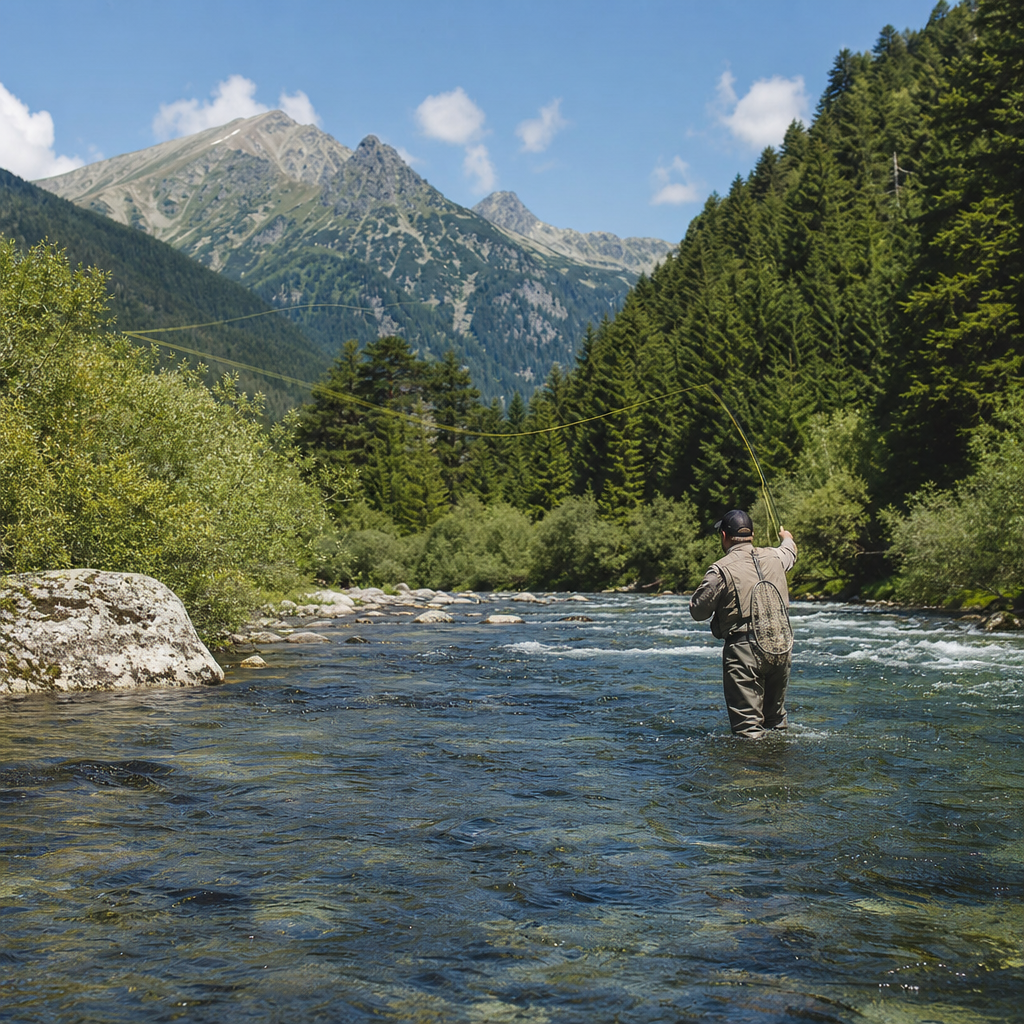
The Rhodope Mountains hold some of Bulgaria’s most memorable trout water. Rivers such as the Vacha and smaller tributaries offer cold, broken flows with ideal structure for short-line nymphing, dry-dropper rigs, and precise dry fly presentations during hatch periods. This region also includes dam-influenced stretches where water temperatures remain fishable when smaller streams run low. The scenery matters here not just for aesthetics, but because steep valleys, forest cover, and canyon walls create microclimates that can extend productive fishing windows. I have seen afternoons that looked too bright suddenly turn excellent when shade reached the riffles and fish began feeding confidently along seams and undercut pockets.
The Stara Planina, or Balkan Mountains, deserve special attention because they host many smaller rivers and tributaries that suit technical anglers. These are not always waters where size is the main draw. Instead, the appeal is native character, clear currents, and trout that respond badly to careless wading. On these streams, a 7.5 to 8.5 foot rod in 3 weight or 4 weight often outperforms a standard all-purpose setup. High sticking, bow-and-arrow casting, and keeping line off conflicting currents matter more than distance. For anglers used to larger Alpine rivers in Europe, this style of fishing can be a refreshing reset toward stealth and water reading.
The Struma and Mesta systems in southwestern Bulgaria widen the species mix and the tactical options. These rivers and their tributaries can produce trout in cooler reaches while also giving opportunities for chub and barbel in lower or slower sections. That flexibility is useful for multi-day trips, especially during summer when high mountain water remains productive but lower rivers may shift toward warmwater fly fishing. In Europe, destination value often comes from versatility, and Bulgaria scores well here. If a cold front, dam release, or summer heat changes one plan, another fishable option is often within driving distance.
Danube tributaries and northeastern waters are less talked about internationally, but they expand Bulgaria’s profile beyond classic trout fishing. Chub on dry flies along overhanging vegetation can be one of the most enjoyable forms of sight fishing in the country. Asp are another compelling target, especially for anglers willing to strip baitfish patterns aggressively in current lines. These species matter because a Europe fly fishing hub should not present Bulgaria as trout-only. The country is stronger than that. It offers mixed-fish opportunities similar to parts of Croatia, Serbia, and Hungary, while still preserving true mountain trout experiences.
When to go and what conditions matter most
The prime fly fishing season in Bulgaria usually runs from spring through autumn, but the best timing depends on river type, elevation, and target species. Late April through June is often excellent for trout because flows are healthy, insect activity builds steadily, and water temperatures remain favorable. In high mountain streams, snowmelt can delay clarity, so local observation matters more than general calendar advice. Early summer is often the most balanced period for visiting anglers because it combines good access, active fish, and relatively long daylight. In many years, June offers the broadest range of productive options across the country.
Summer can be outstanding, but only if you adapt. Lower freestone rivers may warm significantly by midday, especially during heatwaves that have become more common across Europe. The best strategy is to fish early and late, prioritize shaded reaches, and focus on higher elevation systems or tailwater-influenced sections. Terrestrial fishing becomes more important then. Ants, beetles, and small hopper patterns can be highly effective, particularly on streams where trout hold tight to bankside structure. Warmwater species often improve in summer too, which is another reason Bulgaria works well as a destination hub. When trout windows narrow, chub and asp can provide excellent action.
Autumn is a favorite season for many experienced anglers because crowds thin, fish feed with intent, and light conditions improve. Low, clear water often demands finer tippet and more disciplined presentations, but streamer opportunities can increase as trout become territorial. In rivers with grayling or mixed trout populations, autumn nymphing can be especially consistent. Winter is more limited and requires close attention to regulations, local closures, and weather, but tailwater sections and some lower systems may remain viable. Always verify current rules with local authorities or guides before traveling.
| Season | Best Targets | Typical Conditions | Recommended Tactics |
|---|---|---|---|
| Spring | Brown trout, rainbow trout | Cool water, variable flows, strong hatches | Euro nymphing, dry-dropper, small streamers |
| Early Summer | Trout, grayling, chub | Stable levels, active insects, long days | Dry flies, nymphing, emergers |
| Late Summer | Trout at altitude, chub, asp, barbel | Warm lowland water, selective fish | Terrestrials, dawn sessions, baitfish patterns |
| Autumn | Brown trout, grayling, chub | Clearer water, cooler air, lower pressure | Technical nymphing, streamers, fine tippet dries |
Core strategies, flies, and tackle for Bulgarian water
The most reliable fly fishing strategies in Bulgaria start with flexibility. If I had to carry one trout setup for the country, it would be a 9 foot 4 weight or 5 weight rod matched with a floating line, plus a second spool or second rod for tight-line nymphing. For small mountain streams, shorter rods in lighter line weights improve control under tree cover. For larger rivers or mixed-species fishing, a 6 weight becomes useful, especially when throwing weighted streamers or larger foam patterns. Breathable waders are practical through much of the season, but wet wading can be comfortable in midsummer on lower rivers.
Fly selection should reflect both general European patterns and local realism. Productive dry flies include Adams-style parachutes, elk hair caddis, CDC emergers, F-flies, beetles, ants, and small hopper imitations. Nymph boxes should include pheasant tail variants, hare’s ear patterns, jig nymphs with tungsten beads, perdigons, caddis pupa, stonefly nymphs, and small attractor tags for colored water. Streamers need not be oversized. Olive, black, and natural baitfish profiles often work best, particularly in clear water. For chub, simple foam terrestrials, small poppers, and unweighted nymphs can be deadly. For asp, fast-moving white or silver streamers are standard.
Presentation matters more than pattern inflation. On Bulgarian trout streams, drag-free drift is the recurring requirement. Pocket water allows close-range, high-percentage fishing, but fish in clearer glides can be highly reactive to shadows and careless movement. Approach from downstream when possible, use the broken surface as cover, and cast only as much line as needed. In many rivers, the most productive drifts are only a rod length long. On larger rivers, contact nymphing with two flies and a sighter can cover multiple depths efficiently, while an indicator setup may fish better in deeper, slower buckets.
One tactical mistake traveling anglers make is assuming every European trout river rewards the same polished dry fly routine. Bulgaria often favors adaptation over elegance. If flows are slightly stained after rain, heavier nymphs close to the bottom may vastly outperform dries. If fish are tucked under banks during bright weather, a bushy terrestrial twitched into the shade can outfish textbook hatch matching. If a dam release chills the water suddenly, slowing down and probing softer edges may save the day. The strategic advantage belongs to anglers who read conditions honestly rather than forcing a preferred style.
Regulations, conservation, and trip planning across Europe
Regulations in Bulgaria can vary by river, administrative area, protected status, and season, so permits and local rules should be checked carefully before fishing. Catch-and-release sections exist on some waters, while other areas may allow harvest under specific limits. Protected native trout populations deserve special caution, especially where stocking history has complicated local genetics. Across Europe, the best destination anglers now plan around conservation realities, not just fish photos. Bulgaria is no exception. A reputable local guide, tackle shop, or angling club can save time, clarify legal access, and point you toward waters matching your goals and ethics.
As a Europe fly fishing hub, Bulgaria works best when positioned within a broader regional map. Anglers comparing it with Slovenia will usually find lower costs and less polished infrastructure, but also more exploratory freedom. Compared with Bosnia and Herzegovina, Bulgaria offers a wider spread of mixed fisheries and easier pairing with city travel through Sofia or Plovdiv. Compared with Spain’s Pyrenean streams or Scandinavian rivers, Bulgaria often provides a longer shoulder season and simpler logistics for multi-country Balkan trips. That makes it especially appealing for anglers who want variety rather than one marquee river.
Practical planning is straightforward. Sofia is the main entry point, road access is generally manageable with a rental car, and mountain travel times can be longer than the map suggests due to terrain. Pack layers, polarized glasses, wading boots with secure grip, and compact rain gear. If you are building a broader Europe itinerary, Bulgaria connects naturally with Greece, North Macedonia, Serbia, and Romania. For readers exploring fly fishing destinations across Europe, Bulgaria should be treated as a foundation country: affordable, varied, and capable of surprising even experienced anglers who think the continent’s best water is already overexposed online.
Why Bulgaria belongs on every Europe fly fishing shortlist
Fly fishing in Bulgaria deserves far more attention from European and international anglers because it combines strong trout fishing, overlooked warmwater opportunities, and practical travel value. The country offers freestone streams, tailwaters, mountain tributaries, and mixed-species rivers that let anglers adapt to weather, season, and personal style. That range is the core benefit. You are not locked into a single famous beat or one narrow method. Instead, you can fish small native-trout water one day, a larger nymphing river the next, and a chub or asp session after that.
The key takeaways are simple. Focus on region and elevation, not just river names. Fish spring through autumn, but match your plan to temperature and flow. Bring versatile tackle, prioritize nymphing and dry-dropper methods, and stay ready to switch to terrestrials or streamers when conditions change. Respect local regulations and conservation concerns, especially on waters holding sensitive native trout. Most importantly, think of Bulgaria as part of a larger Europe fly fishing strategy. It is both a standalone destination and an ideal hub for broader Balkan exploration.
If you are planning your next Europe fly fishing trip, put Bulgaria near the top of your list, then build outward from there to compare rivers, seasons, and neighboring destinations.
Frequently Asked Questions
What makes Bulgaria such a strong destination for fly fishing in Europe?
Bulgaria stands out because it packs an unusual amount of fly fishing variety into a relatively small and travel-friendly country. For anglers comparing European options, that matters a great deal. Instead of committing to a single river style or one species-focused region, you can build a multi-day or multi-week itinerary around mountain streams, larger freestone rivers, technical tailwaters, alpine stillwaters, and even coastal opportunities connected to the Black Sea. Few destinations offer that level of range without requiring major internal transfers.
Another major advantage is the presence of wild trout water that still feels authentic and lightly publicized compared with more famous European fly fishing destinations. Bulgaria is especially appealing for anglers who value exploration, scenery, and technical diversity rather than heavily commercialized lodge circuits. In the Rhodope, Rila, Pirin, and Balkan mountain regions, you can find fast pocket water, clear runs, plunge pools, and meadow sections that reward precise presentation and river reading. This creates a very complete experience for fly fishers who enjoy adapting tactics from one drainage to the next.
Bulgaria also appeals from a practical standpoint. Travel costs are often lower than in better-known Western European fisheries, road access is generally manageable, and it is realistic to combine fishing with cultural travel, mountain lodging, and regional food experiences. For serious anglers planning a Europe fly fishing trip, that combination of wild fish, varied water, and relative affordability gives Bulgaria unusual strategic value. It is not just an alternative destination; for many anglers, it can become the centerpiece of a broader Eastern European fly fishing plan.
Where are the top fly fishing locations in Bulgaria for trout and other species?
The best fly fishing locations in Bulgaria depend on the style of water you prefer, but several regions consistently stand out. The Rhodope Mountains are often among the first areas experienced anglers look at because they combine beautiful scenery with productive trout streams and rivers. This region offers a mix of smaller, more intimate water and larger systems where you can cover riffles, glides, and pocket water with dry flies, nymphs, and small streamers. It is an excellent choice for anglers targeting wild trout in classic mountain settings.
The Rila and Pirin mountain regions are also important, especially for anglers who want highland scenery, cooler water, and the possibility of combining river sessions with alpine lake exploration. Small streams in these areas can be exceptionally rewarding during the right conditions, particularly when insect activity encourages surface feeding. Alpine lakes add another dimension, giving stillwater fly fishers opportunities to fish with nymphs, emergers, and stripped patterns when stream flows or temperatures are less favorable.
Larger freestone rivers and selected tailwaters elsewhere in the country deserve equal attention. Freestone systems provide seasonal dry fly windows, productive nymphing water, and stronger current structure that can hold quality fish. Tailwaters, where available and fishable under local rules, can offer more stable temperatures and flows, making them valuable during warmer periods or when runoff affects freestone rivers. Anglers who want to expand beyond trout may also investigate lower river sections and stillwaters for species that respond to fly tactics, depending on local conditions and regulations.
Finally, Bulgaria’s Black Sea access gives adventurous anglers a chance to think beyond traditional inland trout fishing. While this is a different game entirely, the fact that coastal opportunities exist within the same national itinerary is part of what makes Bulgaria so compelling. A well-planned trip can include mountain trout streams, larger river fishing, lake sessions, and exploratory salt-influenced or coastal casting without the logistical complexity you would face in many other countries.
What fly fishing strategies work best on Bulgaria’s mountain streams, freestone rivers, and tailwaters?
The most effective strategy in Bulgaria is to match your approach to the specific water type rather than rely on one universal technique. On small mountain streams, stealth is often the deciding factor. These waters are frequently clear, compact, and structured with boulders, plunge pools, undercut banks, and broken current seams. Fish can be opportunistic, but they are also quick to spook. Short, accurate casts, high-stick drifts, bow-and-arrow presentations, and careful wading are often more important than distance. In these environments, small attractor dries, compact nymphs, and dry-dropper setups can be especially effective.
On medium to large freestone rivers, versatility becomes more important. These systems often demand better line control, a stronger understanding of current lanes, and the ability to switch between dry fly fishing, indicator nymphing, euro-style nymphing, and streamer tactics depending on water level, light, and insect activity. During stable flows and active hatches, dry fly fishing can be excellent, especially in riffle-to-glide transitions and softer edges. When fish are not visibly rising, nymphing deeper seams, pocket water, and current breaks is usually the most consistent way to contact trout. Streamers can be productive in stained water, higher flows, or when targeting larger fish in deeper holding areas.
Tailwaters generally reward a more technical and measured approach. Because flows and temperatures can be more stable, fish often feed selectively and see more consistent invertebrate drift. That means smaller flies, finer tippet, longer leaders, and better drift management may be necessary. Observing the water before rushing in is crucial. Look for subtle rises, suspended fish, and transitional feeding lanes. On these rivers, an angler who pays close attention to insect size, profile, and depth control will usually outperform someone fishing generic patterns too aggressively.
Across all Bulgarian waters, seasonal adjustment matters. In colder periods, fish are more likely to hold in slower, deeper lies and prefer a slower presentation. In warmer months, early morning and evening can be best, especially on lower-elevation rivers. During hatch periods, surface fishing can be spectacular, but anglers should always be ready to switch quickly if feeding behavior changes. In practical terms, the strongest Bulgaria strategy is simple: fish the water in front of you, stay mobile, present clean drifts, and let river type dictate your method.
When is the best time to go fly fishing in Bulgaria, and how do seasonal conditions affect tactics?
The best time to fly fish in Bulgaria depends on your target water and preferred style, but in general the most reliable periods are spring through autumn, with each part of the season offering different strengths. Spring brings renewed river life, cool water, and active trout, but it can also introduce higher flows, snowmelt influence, or unstable weather in some mountain areas. Early season anglers often do best by focusing on nymphing, fishing slightly slower water, and watching carefully for short but meaningful hatch windows during the warmest parts of the day.
Late spring into early summer is often one of the most attractive periods because insect activity typically increases, flows may begin to settle, and trout become more willing to feed across a wider range of water types. This is the time when dry-dropper rigs, dry fly fishing during hatch windows, and active nymphing strategies all have a place. Mountain streams can be especially enjoyable as they become more accessible and fish spread into classic lies such as riffle pockets, seams, and the heads of pools.
Summer can be excellent in higher-elevation regions, especially in the mountains, where cooler water helps maintain strong trout activity. On lower or more exposed rivers, however, anglers need to think carefully about fish welfare and timing. Fishing early and late in the day is often the best approach when temperatures climb. Summer is also a great time to explore alpine lakes or smaller shaded tributaries where conditions remain favorable. Surface action can be very good during this part of the year, but fish may become more selective in clear, low water.
Autumn is another outstanding period for Bulgarian fly fishing. Water temperatures often stabilize, light levels soften, and trout can feed aggressively before winter. Nymphing remains highly effective, and streamer fishing may become more relevant for larger fish in certain systems. Dry fly opportunities still exist, especially on milder days, though they may be more concentrated in shorter feeding periods. Overall, the best seasonal approach is to choose location by elevation, monitor flow and weather, and remain tactically flexible. Bulgaria rewards anglers who plan around conditions rather than simply around the calendar.
What should anglers know about planning a fly fishing trip in Bulgaria, including gear, access, and regulations?
Trip planning in Bulgaria should begin with three priorities: selecting the right region for the season, understanding local access realities, and confirming current fishing regulations before you fish. Because the country offers such a wide range of water types, your itinerary should be built around both geography and conditions. If temperatures are high, prioritize mountain regions and higher-elevation streams or lakes. If you want more technical river fishing with stable flows, investigate suitable larger rivers and tailwater options. A compact itinerary is often better than trying to cover too much ground, because it gives you time to adjust when water levels, weather, or fish behavior shift.
In terms of gear, a versatile trout setup will handle much of Bulgaria well. For smaller mountain streams, a shorter, lighter rod can be ideal for controlled casts and close-range presentation. For larger freestone rivers, a 9-foot rod in a medium trout weight class offers flexibility for dries, nymphs, and small streamers. If you expect to fish