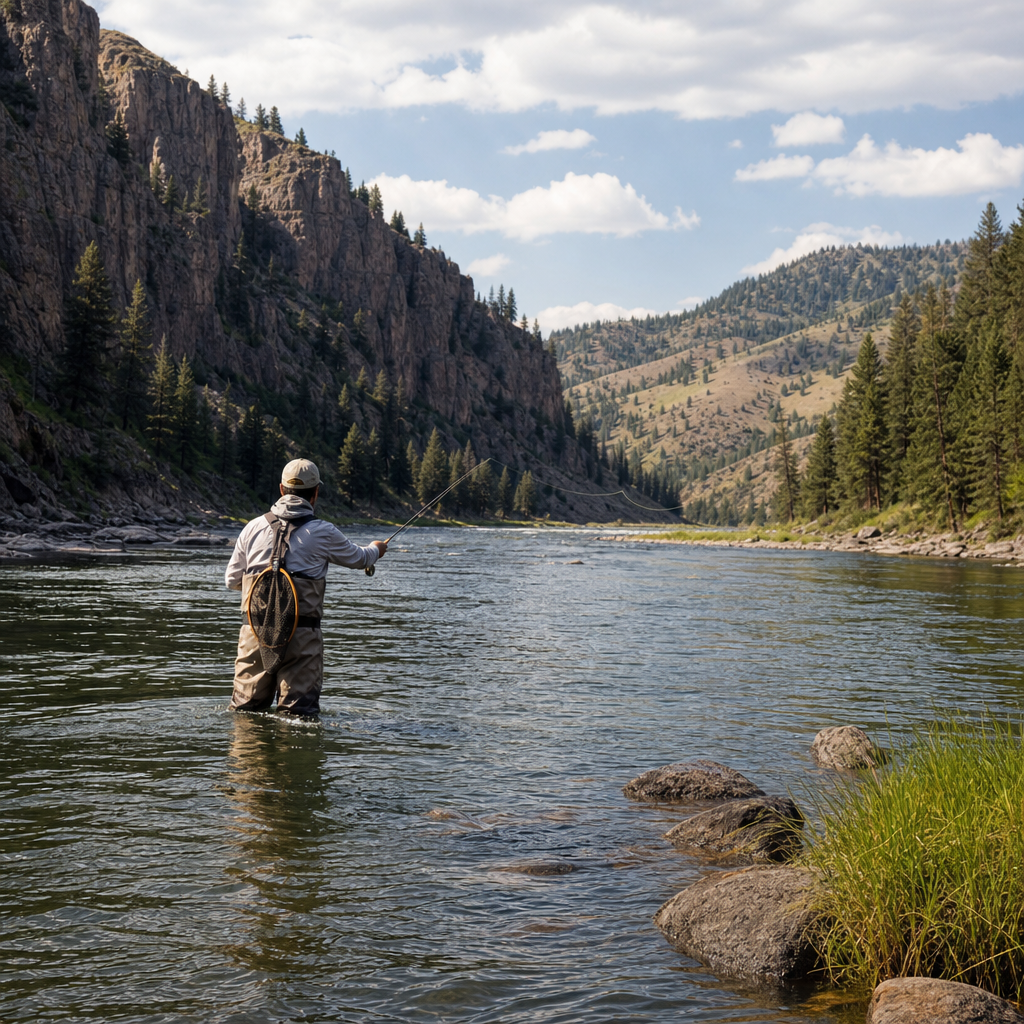
The Yellowstone River is one of the most important fly fishing destinations in North America, and anglers who understand its character catch more fish, move more safely, and enjoy the experience far more. As the longest undammed river in the lower forty-eight states, the Yellowstone flows freely from Yellowstone National Park across Montana, shaping coldwater habitat for Yellowstone cutthroat trout, rainbow trout, brown trout, mountain whitefish, and seasonal migratory fish. When anglers talk about “Iconic Waters,” they mean rivers whose names carry history, technical challenge, and a distinct fishing culture; the Yellowstone River belongs on that short list. I have fished this system in low, clear autumn flows, during muddy runoff, and on fast summer float days, and the lesson is always the same: success comes from matching your techniques to the river’s scale, timing, and insect life. This hub article explains what makes the Yellowstone unique, where its major reaches differ, which tactics consistently work, and how to prepare for hatches, weather, access, and conservation realities so you can fish the river with confidence.
What Makes the Yellowstone River Iconic
The Yellowstone River stands out because it is not one river in practical fishing terms but several distinct fisheries connected by a single main stem. The upper river inside Yellowstone National Park is a wild native-cutthroat system shaped by seasonal closures, bear country, and strong ethics around fish handling and wading. Below the park, the river broadens through Paradise Valley, Livingston, Big Timber, and farther east onto prairie landscapes where warm summer afternoons, bank erosion, and changing water color affect fish behavior. That diversity makes the river a true hub water within the broader Fly Fishing Destinations category. One trip can involve technical dry-fly presentations to cutthroat in softer inside seams, streamer fishing against cutbanks for browns, and nymphing deep shelves when wind shuts down surface activity. The Yellowstone also matters historically. It helped define Western float fishing, guide culture in Montana, and the widespread use of stonefly, hopper, and caddis patterns as searching flies on large freestone rivers.
The term freestone river is important here. A freestone is driven primarily by snowmelt, tributary inflow, and weather patterns rather than bottom-release dam management. That means the Yellowstone is dynamic. Flows can rise sharply with runoff, clarity can change overnight after thunderstorms, and water temperatures can become a serious afternoon concern in hot summers. In return, freestones offer rich insect life, broad habitat variety, and fish that feed opportunistically. Anglers who are used to technical tailwaters often overcomplicate the Yellowstone. In my experience, the river rewards sound river reading more than micro-adjustments. Find current transitions, depth change, oxygen, and cover, and you are usually close to feeding fish.
Understanding the River’s Major Reaches
For planning purposes, most anglers divide the Yellowstone River into functional sections. The upper park water is famous for native Yellowstone cutthroat trout and some of the most scenic dry-fly fishing in the West. Fishing there often involves hiking, dealing with rapidly changing weather, and respecting regulations that may differ by drainage or season. Outside the park, the stretch from Gardiner through Paradise Valley is among the best-known float fisheries in Montana. Here, riffle-run sequences, grassy banks, side channels, and long gravel bars create classic dry-dropper, nymph, and streamer water. This area is also highly visible, so etiquette matters. Giving other boats and wading anglers room is not optional; on crowded summer days it defines whether everyone has a fishable experience.
Downstream around Livingston and Big Timber, the river gains volume and can fish very well from a drift boat or raft. Wind becomes a larger factor, and anglers need heavier flies, more disciplined line control, and a realistic understanding of how long drifts can be maintained from a moving boat. Farther east, the character shifts again. The river becomes broader, warmer, and more variable, but it still produces excellent fishing windows, especially during cooler periods and where tributary influence improves conditions. Hub articles should clarify these distinctions because “Yellowstone River fishing” is too broad to be useful without reach-specific context.
| Reach | Primary Species | Best Methods | Main Challenges |
|---|---|---|---|
| Yellowstone National Park | Yellowstone cutthroat trout | Dry flies, dry-dropper, light nymphing | Access, weather, wildlife, regulations |
| Gardiner to Livingston | Cutthroat, rainbow, brown, whitefish | Float fishing, stonefly dries, hoppers, nymph rigs | Runoff timing, pressure, boat traffic |
| Livingston to Big Timber | Rainbow, brown, whitefish | Nymphing, streamers, hopper-dropper | Wind, larger water, changing clarity |
| Lower Yellowstone | Mixed trout, seasonal warmwater influence | Opportunistic streamer and nymph tactics | Heat, access logistics, variable conditions |
Seasonal Timing, Hatches, and Water Conditions
If you want one practical key to the Yellowstone River, it is timing around runoff and insect activity. Snowpack and spring temperatures determine far more than calendar dates. In many years, runoff makes large sections difficult or unfishable from late spring into early summer. During that period, local fly shops watch USGS gauges, tributary input, and color changes closely. Once flows drop and clarity improves, the river enters one of its most productive periods. Salmonflies and golden stones are famous on nearby Western rivers, and the Yellowstone can produce strong stonefly fishing as well, but anglers should not build a trip around one hatch name alone. Pale morning duns, caddis, Yellow Sallies, terrestrials, and later-season blue-winged olives often matter just as much. The best anglers I know arrive with a hatch plan and a fallback plan.
Summer is the most popular season because fish are broadly distributed and willing to eat attractor dries, hopper patterns, and dropper rigs. Foam salmonflies, Chubby Chernobyls, Stimulators, Parachute Adams, tan caddis, and hopper imitations all belong in a serious Yellowstone box. Nymph anglers should carry Pat’s Rubber Legs, pheasant tails, Prince nymphs, caddis pupae, sowbug-style attractors for certain side channels, and perdigons for getting down quickly in heavier runs. In late summer, terrestrial fishing can be outstanding, especially on breezy afternoons when hoppers, beetles, and ants are active along grassy banks. Fall brings fewer people, cooler water, and strong streamer opportunities. Brown trout become more aggressive, and overcast days can produce some of the best fishing of the year. Winter is specialized and often best left to local knowledge, but midges and small nymphs can still produce in selected reaches.
Water temperature deserves direct attention. On any large freestone, afternoon temperatures can push fish into stress during heat waves. Many Montana fisheries managers and outfitters encourage anglers to stop early when temperatures approach dangerous levels. Carry a thermometer. If water moves into the upper sixties Fahrenheit and keeps rising, fish at dawn, shorten fights, keep trout wet, and be willing to quit. Responsible anglers protect the future of the fishery, not just the day’s photo count.
Core Techniques That Consistently Work
Dry-fly fishing gets the headlines, but the Yellowstone River rewards a full skill set. On larger water, the most consistent tactic for many visiting anglers is a dry-dropper rig. A buoyant foam dry acts as both an attractor and strike indicator, while a weighted nymph rides below through seams, bucket water, and shelf edges. This method covers fish feeding high and mid-column at the same time. I typically shorten the dropper in shallower riffles and lengthen it dramatically in deeper walking-speed runs. That simple adjustment often doubles the number of effective drifts in a day.
Indicator nymphing is essential when fish are not looking up or when the river is cold, off-color, or post-front. Use enough split shot to achieve depth quickly, but do not anchor the rig to the bottom every cast. On the Yellowstone, many anglers fish too light because they are worried about presentation. Depth matters more. A clean drift one foot above the fish is inferior to an occasional tick along the actual feeding lane. From a drift boat, stack mending and line control are critical. From shore, focus on short, controlled drifts through defined seams instead of hero casts across multiple currents.
Streamer fishing can be exceptional, especially in autumn, during cloud cover, or whenever the river has a little color. Cutbanks, woody structure, side-channel mouths, and depth transitions are prime targets. Articulated streamers in olive, black, yellow, and white all have a place. Retrieve speed should match water temperature and fish mood. In cold water, slower strips with pauses often outperform aggressive ripping. In warmer shoulder-season conditions, a more active retrieve can trigger reaction strikes from larger brown trout. As for tackle, a nine-foot five-weight handles most dry-fly work, but a six-weight is often the better all-around Yellowstone rod because wind, larger rigs, and boat fishing are common realities. Floating lines cover most situations, though sink tips help streamer anglers probe deeper banks efficiently.
Reading the Water, Access, and River Safety
Good Yellowstone anglers read macro-structure first. Start by identifying where the main current meets slower water, where gravel bars pinch flow, where side channels rejoin the main stem, and where banks provide shade or undercut cover. Trout do not spread evenly across a river this large. They concentrate where current delivers food without forcing constant exertion. Inside seams below riffles, soft cushions beside boulders, troughs along weed edges, and drop-offs near islands consistently hold fish. During windy afternoons, sheltered banks and secondary channels often fish better than obvious central runs because insects and terrestrials collect there.
Access is generally better than on many famous Western rivers, but it still requires homework. Montana stream access law is often misunderstood by visitors. Public access sites, bridge crossings, and legal navigation rights create opportunity, yet trespass boundaries, side channels around private land, and launch logistics must be handled carefully. Check current regulations, maps, and local guidance before fishing. Boat anglers should respect wade fishermen and avoid dropping anchor in a way that occupies an entire run. Wading anglers should recognize that some of the best Yellowstone water is best covered from a boat because of depth, current speed, and distance between productive banks.
Safety is not a side note. The river is powerful, cold during much of the year, and capable of changing character quickly. Wear a wading belt, use a staff in uncertain footing, and treat floating with the same seriousness you would give any technical freestone. Afternoon winds can become severe, and thunderstorms can transform visibility, temperature, and navigation in a short time. In and near the park, wildlife awareness is part of standard preparation. Bear spray is not symbolic gear. Know how to carry it and how to avoid surprising animals in thick cover.
Gear, Trip Planning, and Conservation Priorities
A solid Yellowstone setup begins with practical versatility. Carry a five- or six-weight rod, floating line, leaders from 9 to 12 feet, 3X through 6X tippet, split shot, indicators, floatant, a thermometer, and enough fly storage to cover stones, caddis, mayflies, terrestrials, and streamers. Polarized glasses are mandatory for spotting seams and protecting your eyes from heavy rigs in the wind. If you are floating, bring spare layers, rain gear, sun protection, and a waterproof system for cameras, licenses, and keys. Weather can shift from hot sun to cold rain in a single day, especially around Livingston and Paradise Valley, where wind amplifies every change.
Trip planning should include fly shop intelligence, not just online research. Shops in Gardiner, Livingston, and nearby gateway towns monitor hatches, closures, and productive reaches daily. Their updates often matter more than generalized destination articles because conditions on the Yellowstone can change overnight. A good plan is to identify your target reach, check recent hydrographs and weather, ask about clarity and boat ramps, and then match your tactics to current conditions instead of to a romantic idea of the river. That disciplined approach saves entire trips.
Conservation is central to the Yellowstone’s future. Native cutthroat restoration, disease concerns, warming water, invasive species pressure, bank impacts from heavy use, and flood recovery all shape the fishery. Anglers can help by cleaning gear, following seasonal restrictions, handling fish quickly, crushing barbs when appropriate, and supporting local groups such as Trout Unlimited chapters, state wildlife agencies, and park-based conservation programs. The Yellowstone River remains iconic because it is still alive in the fullest sense: free-flowing, biologically rich, and capable of surprise. Fish it with skill, humility, and attention to conditions. If this hub article is your starting point, use it to plan your timing, refine your methods, and then explore the related destination guides for specific reaches, hatch windows, and access details before your next trip.
Frequently Asked Questions
What makes the Yellowstone River such a unique fly fishing destination?
The Yellowstone River stands apart because it is the longest undammed river in the lower forty-eight states, which means it still behaves like a true wild river. Its flows, channels, side braids, riffles, gravel bars, and seasonal changes create a dynamic environment that supports an exceptional coldwater fishery. Anglers are not just fishing a single type of water here; they are reading an ever-changing system that includes fast pocket water, broad runs, cut banks, side channels, and long seams where trout feed naturally. That diversity gives the river tremendous character and rewards anglers who pay attention to current speed, depth, structure, insect activity, and fish positioning.
Another reason the Yellowstone is so respected is the range of species and habitats it supports. Depending on the section and time of year, anglers may encounter Yellowstone cutthroat trout, rainbow trout, brown trout, mountain whitefish, and seasonal migratory fish moving through connected tributary systems. Because the river flows freely from Yellowstone National Park across Montana, it creates miles of productive habitat and a strong sense of place that combines wild scenery, healthy fish populations, and classic Western float and wade fishing opportunities. For many anglers, the Yellowstone is not just productive; it is one of the best places in North America to experience what a large, functioning trout river is supposed to feel like.
What are the best fly fishing techniques to use on the Yellowstone River?
The best techniques on the Yellowstone River depend heavily on water conditions, season, and the specific kind of water you are targeting, but versatility is usually the key to success. On many days, dry-dropper rigs are a smart starting point because they allow anglers to cover surface-feeding fish while also presenting a nymph below in likely holding water. This is especially effective along grassy banks, seams, riffles, and shallow transition zones where trout move between feeding lanes. During stronger hatches, fishing single dry flies can be outstanding, particularly when trout are rising in softer edges, back eddies, or foam lines. Anglers who can match the river’s insect activity and make clean drag-free drifts often do very well.
Nymphing is one of the most reliable methods for consistently finding fish, especially when surface activity is limited or flows are higher. Focus on drop-offs, deeper seams, bucket water below riffles, and slots along structure where trout can hold without burning too much energy. Indicator rigs, Euro-style approaches in wadable side channels, and short-line presentations from a drift boat can all be effective depending on the situation. Streamer fishing also has an important place on the Yellowstone, particularly when targeting larger brown trout or covering aggressive fish during lower-light periods, colder weather, or off-color conditions. The most successful anglers adjust throughout the day rather than forcing one method, and they constantly read how trout are responding to current, temperature, light, and food availability.
How should anglers approach reading water and locating trout on the Yellowstone River?
Reading water on the Yellowstone starts with understanding that trout want three things at once: access to food, protection from heavy current, and security from predators. On a large river, that usually means fish are not randomly scattered through the main flow. They are concentrated in places where current softens just enough to let them hold efficiently while food drifts past. Productive spots often include inside seams, riffle drop-offs, bank structure, submerged shelves, side channels, gravel bar edges, and the softer water downstream of boulders or woody cover. Even on big water, the best holding lies are often surprisingly close to shore, especially where undercut banks, overhanging grass, or current breaks create dependable feeding lanes.
It is also important to think in terms of river transitions rather than isolated spots. Trout commonly set up where fast water meets slow water, where shallow water deepens, or where a broad run narrows and concentrates food. During bright conditions, fish may slide deeper or tighter to structure, while in low light they often become more willing to move into shallower feeding water. Watching for subtle clues helps tremendously: bubble lines can reveal current seams, insect activity can point to feeding windows, and occasional rises or flashes can expose fish that would otherwise go unnoticed. Anglers who slow down, study a section before casting, and fish methodically through likely holding water usually outperform those who cover water too quickly without identifying where trout are actually positioned.
What safety tips are most important when fishing or floating the Yellowstone River?
Safety on the Yellowstone River begins with respecting the power of a large, free-flowing system. Because the river is undammed, flows can change seasonally and conditions can become challenging quickly, particularly during runoff, after storms, or in sections with strong current, braids, and shifting channels. Anglers should always check current flow information, weather forecasts, and local access conditions before launching or wading. Wearing a properly fitted personal flotation device while floating is essential, not optional. Even experienced boaters can run into trouble on fast current, sweepers, side channels, and shallow braids that force last-minute decisions. A river map, shuttle plan, spare oar, repair kit, and solid understanding of the day’s take-out points are basic pieces of preparation.
For wading anglers, the biggest mistakes are often entering the wrong water and underestimating current speed. The Yellowstone has many fishable edges, but not every section is safe to cross or wade deeply. Use a wading staff when needed, move slowly, and avoid stepping into water where the current pushes hard above the knee. Felt-free traction, studded soles where appropriate, and careful foot placement matter on slick rocks and uneven bottoms. It is also wise to give plenty of space to other boats and anglers, prepare for rapid weather changes, carry drinking water and sun protection, and remain alert around wildlife. The safest anglers are usually the ones who fish with a conservative mindset, knowing that there is always another good run downstream and no trout is worth a dangerous decision.
When is the best time to fish the Yellowstone River, and how do seasonal conditions affect strategy?
The Yellowstone River can fish well across a broad range of the season, but the best time depends on the kind of experience an angler wants. Spring can offer good opportunities before runoff, though conditions are often changeable and closely tied to weather and snowpack. Early summer is heavily influenced by runoff, which can make the main river high, cold, and difficult to fish safely. As flows begin to drop and clarity improves, the river often enters one of its most exciting periods, with strong insect activity, improving wading and floating conditions, and trout spreading into classic feeding water. Summer is especially popular because it combines consistent dry-fly opportunities, long days, and broad access to productive water.
Late summer and early fall are also excellent, particularly for anglers who prefer more technical fishing, terrestrial patterns, and changing trout behavior as temperatures cool. During warmer periods, fishing early and late in the day may be best, and anglers should always be mindful of water temperatures and fish handling. Fall often brings aggressive feeding, fewer crowds in some stretches, and opportunities to fish streamers or nymphs effectively as trout prepare for winter. Seasonal strategy matters a great deal on the Yellowstone: in high water, focus on softer edges and side channels; during clear summer flows, target seams, riffles, and banks with dry flies and droppers; and in colder shoulder-season conditions, slow down and work deeper holding water thoroughly. The anglers who do best are the ones who let the river’s seasonal rhythm dictate their approach rather than relying on the same tactics all year.