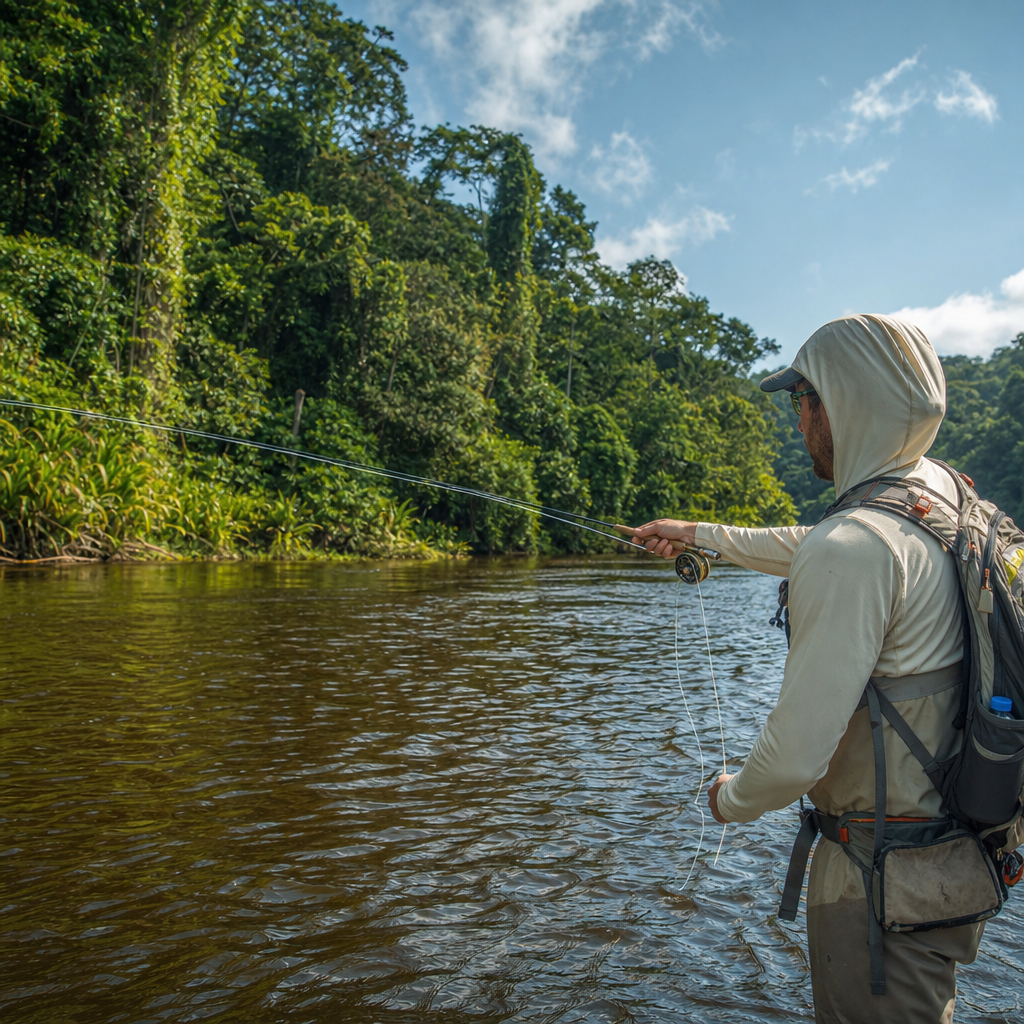
Fly fishing the Amazon River is unlike any other angling experience because it combines remote jungle travel, technical casting, explosive freshwater predators, and one of the most biologically rich river systems on Earth. For anglers exploring fly fishing destinations, the Amazon belongs in the top tier of iconic waters because it offers species diversity, dramatic scenery, and a style of fishing that rewards preparation as much as instinct. In practical terms, fly fishing here means targeting fish in tributaries, lagoons, flooded forests, sandbars, and main-river structure using large streamers, floating lines, tropical fly lines, and tackle built for heat, humidity, and violent strikes. I have planned destination fishing content around many famous rivers, and the Amazon consistently stands apart because no single pattern, season, or species defines it. Instead, success depends on understanding the water cycle, local habitat, and the fish behavior tied to rising and falling levels.
The Amazon River basin covers millions of square miles across several South American countries, with Brazil holding the largest share, and that scale matters to any serious angler. When people say “the Amazon,” they often mean the broader basin rather than one uniform river. That distinction is important. Blackwater systems such as the Rio Negro fish differently from sediment-rich whitewater tributaries, and clearwater regions create another set of conditions altogether. Water color affects visibility, fly selection, and how predators feed. Seasonal flood pulses can raise levels dramatically, spreading fish into timber and flooded grass, then concentrate them as water drops. These shifts determine where a guide puts the boat, whether you cast tight to structure or cover open water, and which species become realistic targets. That is why this iconic-water hub matters: the Amazon is not one destination but a network of extraordinary fisheries connected by a common watershed.
For destination anglers, the appeal goes well beyond the catch list. The Amazon delivers peacock bass, payara, bicuda, wolf fish, aruana, giant catfish in some regions, and many bycatch species that would each justify a separate trip elsewhere. It also requires a broader set of travel and fishing decisions than most saltwater flats or trout rivers. You need to think about logistics, conservation rules, health precautions, weather windows, and the physical strain of repeated casting in tropical heat. Get those details right, and the reward is a genuinely rare form of fly fishing: visual eats beside submerged timber, blistering runs in tannin-dark channels, and the constant feeling that another cast could connect you to a fish with prehistoric teeth or world-class surface aggression.
What Makes the Amazon an Iconic Fly Fishing Water
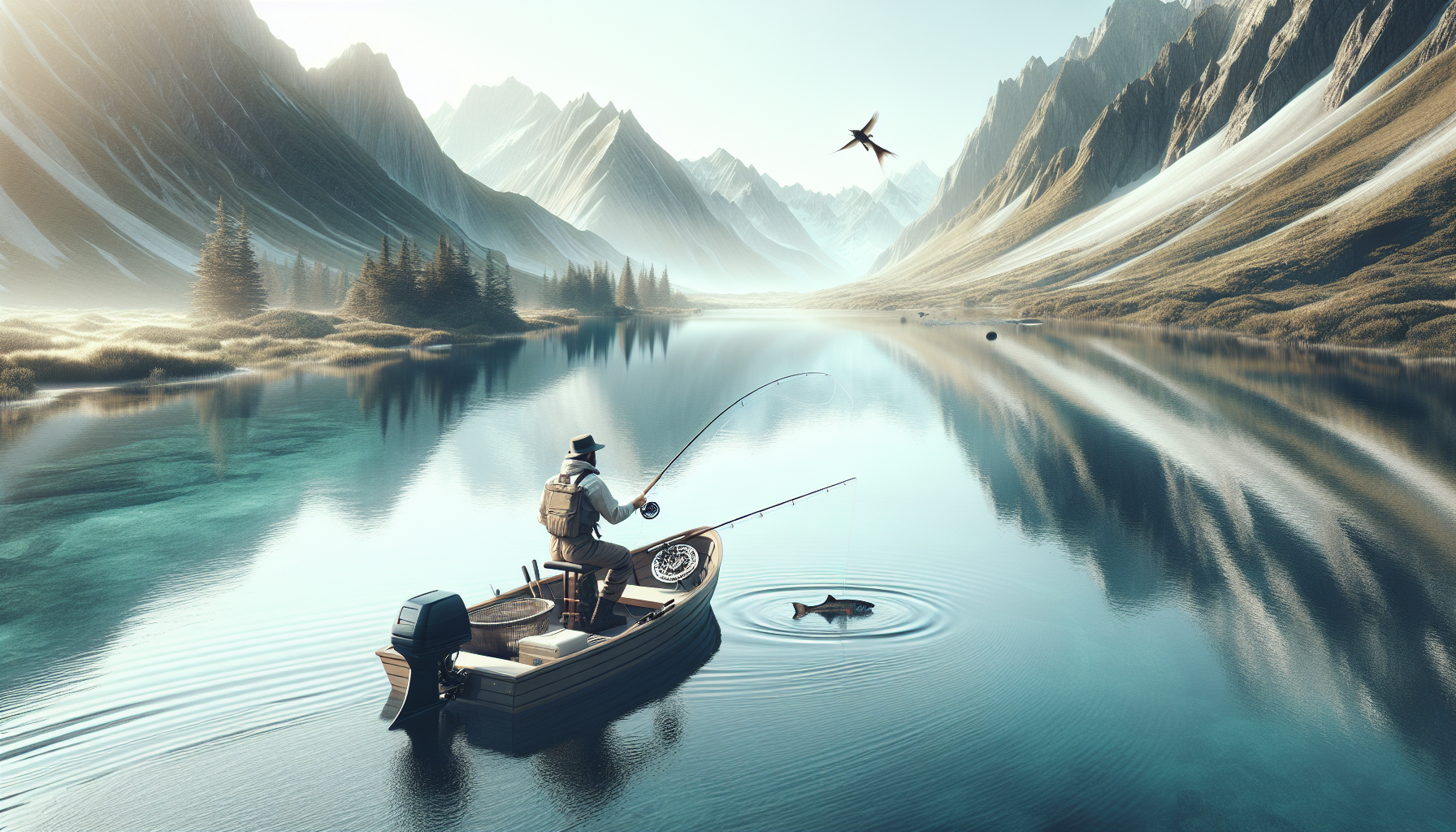
The Amazon is iconic because it concentrates scale, biodiversity, and challenge in one destination category. Few fisheries offer so many legitimate target species while also demanding accurate casting, durable tackle, and close attention to water levels. In the best operations, anglers fish from skiffs, bass boats, canoes, or liveaboards, moving daily between lagoons, side channels, beaches, and submerged wood. That variety changes not just the scenery but the entire technical approach. One hour may call for floating lines and deer-hair surface flies for peacock bass over shallow structure; the next may require fast-sinking lines and wire or heavy shock tippet for payara in deeper current seams.
Another reason the Amazon earns hub status within fly fishing destinations is that it teaches anglers to think like naturalists. Fish location is tied directly to floodplain ecology. In dropping water, predators pin bait along edges, drains, and isolated cover. In stable low water, lagoons and creek mouths can fish exceptionally well. During higher water, fish disperse into forest habitat and become harder to target consistently. This is not guesswork. River-stage charts, satellite weather patterns, and guide observations all influence trip timing. Experienced outfitters build itineraries around historical level windows, but the basin is so large that productive alternatives usually exist somewhere, which is why researching specific subregions matters more than asking whether “the Amazon is fishing well.”
Signature Species and How They Fish on the Fly
Peacock bass are the headline species for most fly anglers, especially butterfly peacock bass and the larger speckled varieties found in select systems. They are not true bass but cichlids, and they behave more like territorial ambush predators. Their strikes can be spectacularly visual, particularly around laydowns, shade lines, grass edges, and submerged roots. In my experience, anglers who come prepared to cast big flies all day and strip aggressively do much better than those expecting a trout-like pace. Amazon peacock bass respond to noise, profile, and speed. Large streamers tied with synthetic fibers, foam-headed divers, and poppers in white, chartreuse, orange, black, and baitfish blends are standard because they push water and remain visible in stained conditions.
Payara, often called the vampire fish, are a separate category of challenge. They hold in stronger current, deep channels, and turbulent structure, and they hit hard enough to expose weaknesses in knots, hooks, and shock tippet. Long, narrow baitfish flies on stout hooks are standard, often paired with sinking lines and short, abrasion-resistant leaders. Bicuda are another prized target, known for blistering speed and slash-and-chase surface behavior. They often reward fast strips and flashy patterns. Wolf fish, by contrast, are structure-oriented and brutal at short range, thriving around tangled wood and low-light edges. Aruana add a completely different visual dimension, with surface-oriented feeding and acrobatic jumps that test hook placement and line control.
| Species | Typical Habitat | Best Fly Style | Key Tackle Note |
|---|---|---|---|
| Peacock bass | Lagoons, timber, grass edges, creek mouths | Large streamers, divers, poppers | 8- to 10-weight with tropical floating line |
| Payara | Deep current seams, channels, ledges | Slim baitfish patterns | Sinking line and heavy shock tippet |
| Bicuda | Open water, current edges, bait concentrations | Flashy baitfish flies | Fast strips and wire when needed |
| Wolf fish | Wood, undercut cover, slack edges | Bulky dark streamers | Short accurate casts near structure |
For a hub article on iconic waters, the main point is that the Amazon supports true multi-species fly fishing rather than incidental bycatch. Many destination anglers book with one primary target in mind, but the best Amazon trips are usually designed around the whole fish community and the habitat each species prefers. That broadens opportunity and keeps a trip productive even when a weather shift or water move changes the pattern.
Seasons, Water Levels, and Trip Planning
If there is one factor that determines success more than any fly pattern, it is water level. Across much of the basin, lower and dropping water creates the most consistent fishing because predators become concentrated. This often aligns with regional dry seasons, but the timing varies by watershed. In the Rio Negro system, many operations focus on windows from roughly late summer into winter in the Southern Hemisphere, while other tributaries fish best on different schedules. The practical lesson is simple: never book an Amazon fly fishing trip based only on calendar month. Ask for historical level data, recent season summaries, and contingency plans.
Travel planning should be equally precise. Most trips involve international flights to major gateways such as Manaus, then charter flights, speedboats, or mothership transfers. Weight limits on domestic aircraft can affect rod tubes, fly boxes, and camera gear. Heat and humidity can damage poorly stored tackle, soften adhesives, and corrode hooks quickly, so gear organization matters. I recommend tropical-specific fly lines from brands such as Scientific Anglers, RIO, or Airflo, with backup lines already stretched and labeled. A quality 8-weight covers much of the peacock bass work, but a 9- or 10-weight is often better for larger flies, windy lagoons, and fish with serious stopping power.
Health and safety are part of good trip planning, not an afterthought. Reputable outfitters provide guidance on vaccinations, potable water, insect protection, and emergency communication, but anglers should also review current travel advisories and consult a travel clinic well before departure. Sun exposure is intense near the equator. Lightweight sun gloves, neck gaiters, breathable long sleeves, and high-zinc sunscreen are standard, not optional. For many first-time visitors, the physical challenge is repetitive casting in heat. Practicing double hauls, quick pickup-and-laydown casts, and backhand presentations before the trip can materially improve both comfort and catch rates.
Tackle, Flies, and Presentation That Actually Work
Amazon tackle must be durable, simple, and built for abuse. Rods from 8- to 10-weight dominate most fly fishing programs, matched with sealed-drag reels carrying strong backing because peacock bass and other predators surge hard around structure. Leaders are typically shorter and heavier than what trout anglers expect. A common setup includes a stout butt section tapering to 30- to 50-pound class material, with added bite or shock protection depending on the species. For toothy fish, hard mono, heavy fluorocarbon, or short wire sections may all be used. The exact choice depends on target species, water clarity, and how much action loss a fly can tolerate.
Presentation is often more important than exact imitation. In tannic or stained water, fish react to displacement, contrast, and motion. That is why bulky synthetic streamers, poppers, divers, and articulated baitfish patterns perform so well. Casts should land close to cover, then move immediately. Pausing too long can waste the best reaction window. With peacock bass, sharp strips, sudden acceleration, and directional changes often trigger territorial aggression. With payara and bicuda, maintaining depth and speed through the strike zone matters more. Good guides constantly adjust boat angle so the fly tracks correctly relative to current and structure.
Hook strength is a real issue in the Amazon. Large fish, hard mouths, and close-quarters fights expose weak hooks quickly, so premium saltwater-grade hooks are worth every dollar. Flies should also be tied to endure repeated fish and rough handling. Epoxy alternatives, UV resins, synthetic heads, and reinforced tie-in points hold up better than delicate materials. This is one destination where bringing duplicates is essential. Productive patterns get destroyed, lost to timber, or cut off by teeth. A serious box includes surface flies, shallow streamers, deep streamers, and slim baitfish patterns in multiple sizes, not just a handful of favorites.
Conservation, Local Communities, and Responsible Travel
The Amazon’s value as an iconic fishery depends on habitat protection and responsible tourism. Well-managed catch-and-release programs, limited angling pressure, and partnerships with Indigenous and riverine communities have helped protect certain fisheries from destructive netting, unmanaged development, and short-term extraction. Some of the strongest destination models in the region are built around exclusive access agreements that create direct financial incentives for conservation. When local communities benefit from guiding, hospitality, transportation, and stewardship jobs, intact fisheries become worth more alive than depleted.
Anglers should evaluate outfitters carefully. Look for clear fish-handling protocols, trained guides, barbless or debarbed hook policies where appropriate, and transparency about community agreements and conservation funding. Good operators also minimize fuel spills, manage waste properly, and avoid pressuring fish in excessively warm or stressful conditions. Responsible travel includes cultural respect as well. Learn basic regional etiquette, support local staff fairly, and understand that access to remote water often depends on long-standing relationships, not just permits and marketing. The best Amazon fly fishing experiences leave both fish populations and host communities stronger than they were before the trip.
How the Amazon Fits Within the Iconic Waters Hub
Within the broader fly fishing destinations landscape, the Amazon occupies a unique position among iconic waters because it is neither a classic trout river nor a conventional saltwater destination. It belongs in the same top-level planning conversation as famous flats, legendary salmon rivers, and storied freestone systems, yet it demands a different mindset. The Amazon is about adaptation: matching species to habitat, timing travel to water levels, and trusting local expertise in a dynamic environment. As a hub topic, it also branches naturally into deeper destination guides on the Rio Negro, peacock bass lodges, payara-focused trips, jungle liveaboards, gear lists, and conservation travel practices.
For anglers building a bucket list, the main benefit of fly fishing the Amazon River is range. You are not choosing only scenery, only a famous species, or only technical challenge. You get all three at once, in a fishery that can humble experienced casters and still produce unforgettable action. Start by identifying your priority species, then compare subregions by water type, season, and lodge model. From there, refine tackle, conditioning, and travel logistics. Do that work early, and the Amazon stops being an intimidating idea and becomes what it truly is: one of the world’s most rewarding fly fishing destinations. Explore the connected destination guides next and use this hub as your starting point for planning the right Amazon adventure.
Frequently Asked Questions
What makes fly fishing the Amazon River different from other world-class fly fishing destinations?
Fly fishing the Amazon River stands apart because it is not just about the fish; it is about the entire environment in which the fishing happens. Unlike many classic trout, salmon, or saltwater flats destinations, the Amazon combines extreme biodiversity, dense jungle surroundings, shifting water conditions, and a wide range of aggressive freshwater species that demand adaptability from the angler. In one trip, you may be casting into lagoon edges, submerged timber, jungle-lined tributaries, and current seams, all while dealing with heat, humidity, and the logistical realities of a truly remote destination.
Another major difference is the style of fishing itself. Amazon fly fishing often rewards accurate, fast-paced, repeated casting to structure where predatory fish ambush bait. Many target species are explosive, territorial, and remarkably strong, which creates a level of visual excitement that few freshwater fisheries can match. Anglers are often drawn by the chance to target peacock bass, but the broader appeal includes the variety of species, the dynamic nature of the river system, and the feeling of fishing in one of the last truly wild places on Earth. It is an experience that combines adventure travel, technical angling, and immersion in a biologically rich ecosystem.
What species can you target when fly fishing in the Amazon River?
The Amazon is famous for its species diversity, and that is one of the biggest reasons it holds such legendary status among traveling anglers. Depending on the region, season, and outfitter, the primary fly fishing target is often peacock bass, especially large, hard-fighting fish that attack flies with exceptional violence. These fish are not true bass, but cichlids, and they are known for crushing surface patterns, streamers, and baitfish imitations near submerged wood, weed lines, and shoreline cover. Their aggression, speed, and stamina make them one of the premier warmwater fly rod species anywhere in the world.
Beyond peacock bass, anglers may encounter other powerful and fascinating fish such as payara, bicuda, wolf fish, aruana, piranha, catfish, and several additional predatory species depending on the exact watershed. Some of these fish are famous for aerial strikes, others for razor-sharp teeth, and others for brute power in heavy cover. This variety adds tremendous excitement because each day on the water can present different opportunities and different tactical challenges. The Amazon is one of the rare places where a single trip can feel like multiple fisheries at once, provided you arrive with an open mind and the right gear for a range of species.
What kind of gear and fly setup should anglers bring for an Amazon fly fishing trip?
Preparation matters enormously in the Amazon because the fish are strong, the cover is unforgiving, and conditions can be demanding on both tackle and angler. Most anglers targeting peacock bass rely on 8-weight or 9-weight fly rods, though some situations call for heavier setups when large flies, heavy lines, or especially powerful fish are part of the plan. A fast-action rod is generally preferred because it helps generate high line speed, turn over bulky flies, and make quick, accurate casts to structure. Reels should have a reliable drag and enough backing to handle hard runs, especially when fishing in more open water or when encountering larger species unexpectedly.
Fly lines are typically selected based on water depth and presentation style. Floating lines are popular for topwater patterns and shallow structure, while intermediate or sink-tip lines can be valuable when fish hold deeper or when working channels and drop-offs. Leaders are generally shorter and heavier than what many trout anglers are used to, often designed for turning over large flies and pulling hard-fighting fish away from snags. Because toothy species are common, bite tippets or wire traces may also be needed depending on the target. Productive fly patterns often include large streamers, baitfish imitations, poppers, divers, and bulky patterns with strong hooks. In addition to fishing tackle, anglers should think seriously about sun protection, rain gear, quick-dry clothing, stripping guards, good pliers, and waterproof storage for essential gear. The Amazon is not a place where underprepared equipment performs well for long.
When is the best time to go fly fishing on the Amazon River?
The best time to fish the Amazon depends heavily on the specific area you are visiting because the river system is vast and seasonal water fluctuations affect fish location, accessibility, and presentation. In many fisheries, the most productive fly fishing occurs during lower or falling water periods, when predatory fish become more concentrated around lagoons, shorelines, structure, and remaining forage. These conditions often make fish easier to locate and more willing to attack flies. However, the exact timing of low water can vary significantly from one tributary or lodge area to another, so there is no single universal calendar that applies across the entire Amazon basin.
This is why working with a knowledgeable lodge, outfitter, or guide service is so important. Experienced operators follow annual water trends closely and schedule trips to align with the best seasonal windows for their region. Even then, anglers should understand that the Amazon is a living, changing system. Rainfall patterns can shift, water clarity can change, and fish behavior can evolve from week to week. The most successful travelers usually approach the trip with flexibility and realistic expectations. Rather than chasing a simplistic idea of a “perfect” date, it is smarter to choose a respected operation, ask detailed questions about historical conditions, and plan around the species and fishing style you care most about.
Is fly fishing the Amazon River suitable for beginners, or is it better for experienced anglers?
Fly fishing the Amazon can be rewarding for both beginners and experienced anglers, but it is generally best suited to people who are comfortable with active casting, warm-weather fishing, and the physical pace of repeated presentations throughout the day. You do not need to be an elite caster to enjoy the trip, especially with good guides and a positive attitude, but some preparation beforehand can make a major difference. The ability to cast accurately at short to medium range, pick up and recast quickly, and place flies near cover is often more important than making long, elegant casts. Since many strikes happen close to structure and can come immediately after the fly lands, efficiency matters.
For experienced anglers, the Amazon offers exactly the kind of challenge that makes destination fly fishing memorable: aggressive fish, changing conditions, visual takes, and tactical decision-making throughout the day. For newer anglers, it can still be an incredible introduction to destination fly fishing if expectations are realistic and some practice happens before the trip. Time spent improving double hauls, quick deliveries, and basic fish-fighting technique will pay off substantially. It also helps to arrive mentally prepared for heat, insects, travel logistics, and the occasional missed opportunity. In that sense, the Amazon rewards mindset as much as skill. Anglers who stay adaptable, listen closely to their guides, and embrace the adventure usually come away with an unforgettable experience, regardless of whether they started the trip as experts or enthusiastic learners.