Fly fishing the Madison River means stepping into one of the most recognized trout fisheries in North America, a system where geography, insect life, and public access combine to create exceptional angling. The Madison begins in Yellowstone National Park at the confluence of the Gibbon and Firehole rivers, then flows through Montana’s Madison Canyon, Hebgen Lake, Quake Lake, the famed fifty-mile riffle between Ennis and Three Forks, and finally into the Missouri River system. For anglers planning a fly fishing destinations roadmap, this river belongs in the “iconic waters” category because it offers multiple distinct fisheries within one watershed, each demanding different tactics, timing, and expectations.
When anglers ask where to fish the Madison River, they usually mean more than a list of boat ramps or wade pullouts. They want to know which reaches are best for beginners, which sections reward technical dry-fly skills, where streamer fishing is strongest, and when runoff, wind, and water temperature change the game. I have fished the Madison in heavy June color, on calm September mornings with pods of rising trout, and during late autumn streamer days when every bank looked capable of producing a brown over twenty inches. That range is why the river matters: few destinations deliver such a complete education in Western trout fishing.
The phrase “premier locations” on the Madison does not only refer to scenic spots. It means reaches with consistent fish populations, reliable access, and clearly defined personalities. The upper river inside Yellowstone is intimate and fertile. The water below Hebgen and through the slide area is classic boulder-pocket water. The upper wade section below Quake Lake is physically demanding but productive. The float stretch around Varney, Eight Mile, and Ennis is the river many anglers picture first. Farther downstream, the lower Madison offers powerful runs, weed beds, and broad seasonal opportunity. Understanding these zones helps anglers match technique to water instead of approaching the entire river as one uniform fishery.
This hub article covers the Madison’s key sections, the conditions that shape them, and the practical choices that improve success. If you are building a wider fly fishing destinations list, the Madison deserves hub status because it links naturally to related subjects: Yellowstone fly fishing, Montana float trips, hopper fishing, streamer tactics, and technical tailwater-style dry fly fishing. Start here, then use each section as a gateway for planning a specific trip, season, or skill-focused outing on one of the West’s true benchmark rivers.
Madison River in Yellowstone National Park: the headwaters experience
The Madison River inside Yellowstone National Park is where the system begins, and it offers a very different experience from the Montana reaches most anglers know. From Madison Junction downstream toward the park boundary, the river is moderate in size, highly wadable in many stretches, and rich with insect life fueled by geothermal influence from the Firehole and Gibbon. In practical terms, that means dependable hatches and trout that often respond well to dry flies, especially during periods of PMD, caddis, and fall baetis activity. Early season can be excellent because some park waters open before runoff fully affects lower Montana sections.
For many anglers, this is the best Madison reach for seeing how headwater structure shapes fish behavior. Undercut banks, weed lines, soft seams, and inside bends all hold trout. Brown trout and rainbow trout are present, and while fish size is generally smaller than on some lower reaches, the numbers and visual nature of the fishing are compelling. The section near Seven Mile Bridge is especially popular because it provides access to varied habitat without requiring a long hike. Anglers who enjoy dry-dropper setups, small nymph rigs, and careful presentations to bank structure often do well here.
This headwaters section matters within an iconic waters hub because it shows that the Madison is not just a drift boat river. It is also a walk-and-wade destination with approachable water and enough complexity to keep experienced anglers engaged. The tradeoff is pressure. During summer, easy roadside access attracts steady traffic, and fish in obvious holding water become selective. Success usually comes from moving often, fishing lower-probability edges others skip, and timing your day around weather and hatch windows rather than convenience alone.
Between Hebgen and Quake: pocket water, current breaks, and the slide
The section below Hebgen Lake through Madison Canyon to Quake Lake is one of the river’s most instructive pieces of water. Here the Madison compresses into cold, oxygen-rich runs lined with boulders, ledges, and abrupt current seams. Trout hold behind rocks, along foam lines, and in plunge-like slots that reward precise drifts more than long casts. For anglers learning Western nymphing, this reach teaches line control quickly. If your leader is dragging, your flies are too high, or your angle is wrong, the river shows it immediately.
The most discussed area is the stretch around the 1959 Hebgen earthquake slide. The landslide changed the canyon permanently, creating Quake Lake and leaving a dramatic corridor of broken stone that still defines the river. The water here is famous for large trout, especially in fast slots and deep buckets where food funnels through narrow lanes. Rubberlegs, stonefly nymphs, sculpin streamers, and caddis pupa patterns are all staples. During salmonfly and golden stone periods, anglers can also see explosive surface takes along edges and softer banks.
This part of the Madison is premier because it combines scenery, fish quality, and tactical clarity. Every visible feature means something. Behind a midstream rock, a trout gets a rest lane and a feeding lane. At the lip of a deep slot, fish intercept dislodged nymphs. On cloudy autumn days, streamer anglers can probe undercut pockets and transition shelves where browns position before spawning. The main limitation is safety. Slick rocks, fast current, and unstable footing make overconfidence expensive, especially for anglers unfamiliar with canyon water.
From Quake Lake to Ennis: the wade section and the legendary float water
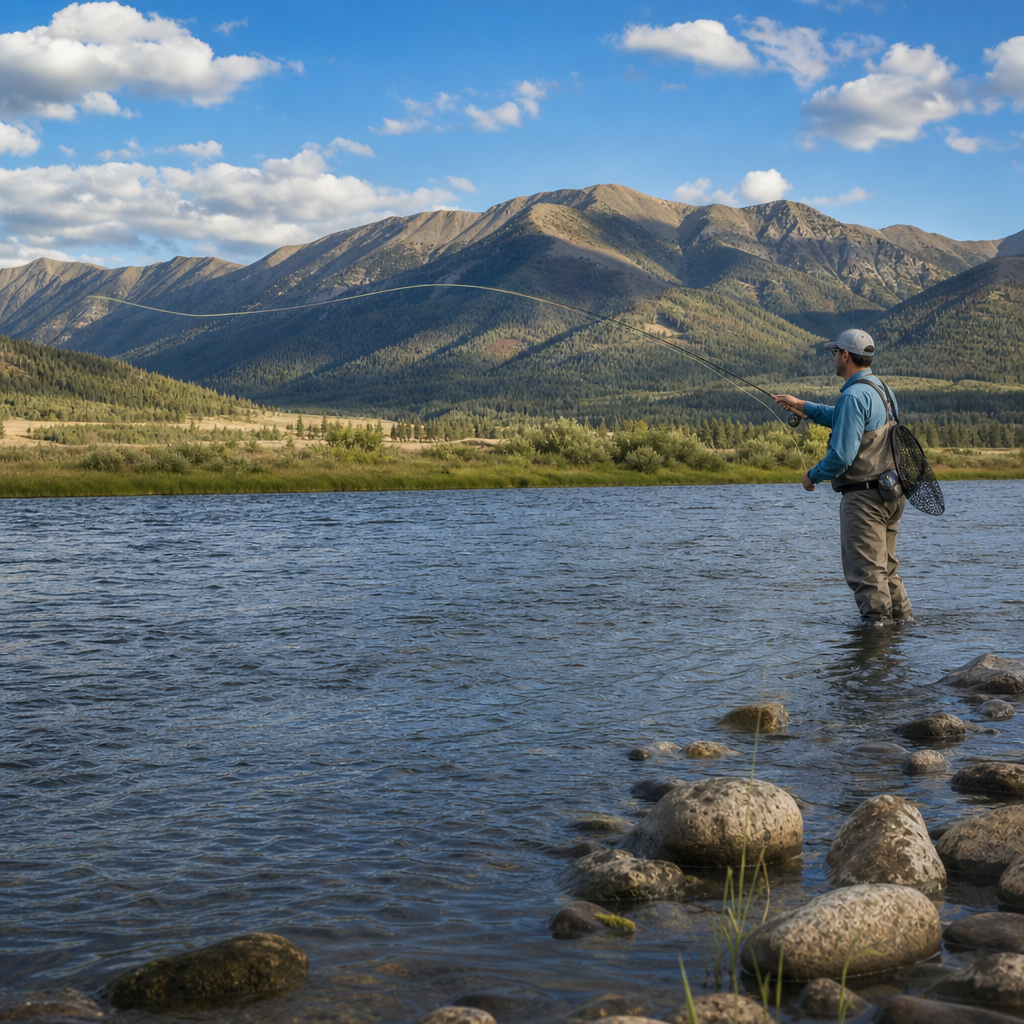
When people picture fly fishing the Madison River in Montana, they usually mean the stretch from Quake Lake downstream past Lyons Bridge, Palisades, Varney, Eight Mile, and toward Ennis. This corridor contains both the well-known upper wade section and some of the West’s most famous drift boat water. The upper wade section, especially between Raynolds Pass and Pine Butte, is powerful, bouldery, and physically demanding. It is not ideal beginner water, but it is productive for anglers willing to cover ground carefully. During summer and early fall, nymphing with stonefly rigs, attractor dries, and hopper-dropper combinations can be excellent along banks and side channels.
Farther downstream, the float fishery opens into classic riffle-run structure with long gravel bars, side seams, submerged shelves, and grassy banks. This is the Madison seen in magazines: broad current tongues, snow-lit mountains, and trout willing to eat hoppers tight to the edge in August. Guide boats often work banks with Chubbies, water walkers, and small droppers during midday, then shift to deeper nymph or streamer tactics when light changes. Brown trout and rainbow trout both thrive here, and the density of fish over fourteen inches keeps this section consistently relevant for destination anglers.
| Madison River Section | Best For | Typical Tactics | Main Challenge |
|---|---|---|---|
| Yellowstone headwaters | Walk-and-wade, dry flies | Dry-dropper, light nymphs, bank presentations | Summer pressure |
| Hebgen to Quake | Pocket-water trout, technical nymphing | Stoneflies, caddis pupa, short-line drifts, streamers | Footing and fast current |
| Quake to Ennis | Mixed wading and floats | Hoppers, attractor dries, indicator nymphs, streamers | Wind and crowded access |
| Lower Madison | Seasonal versatility, larger water | Nymph rigs, streamers, caddis dries, hopper fishing | Heat, weeds, and fluctuating conditions |
Varney Bridge to Eight Mile is often the highest-value float for visiting anglers because it balances fish numbers, manageable shuttle logistics, and highly readable water. Banks produce in terrestrial season, mid-river shelves hold nymphing fish, and side channels can surprise anglers willing to stop and wade. Around Ennis, fly shops such as The Tackle Shop, Trout Stalkers, and Madison River Fishing Company provide current hatch reports, access notes, and shuttle information that can save a full day of guesswork. On a river this dynamic, local information is not optional; it is part of competent trip planning.
The lower Madison: broader water, dependable seasons, and overlooked value
The lower Madison, from around Ennis Lake through Bear Trap Canyon and down toward Three Forks, receives less glamour than the upper river, but it deserves a place on any premier locations list. This is larger, more varied water with long riffles, weed-rich flats, deep bends, and strong seasonal windows. In spring, before runoff peaks, the lower river can fish very well on nymphs and streamers. Caddis events can be outstanding, with trout feeding aggressively in softer current lanes and behind weed edges. In late summer and early fall, hoppers and ant patterns become important near grassy banks and cut edges.
Bear Trap Canyon adds a distinct personality to the lower river. It is more remote, with a designated wilderness-style feel and fewer casual anglers than roadside sections upstream. The fishery here can reward those willing to hike, row skillfully, or commit to less convenient access. Smallmouth bass appear in some lower reaches closer to Three Forks, but trout remain the headline for most fly anglers. Because this section warms more quickly than upper reaches, anglers need to pay close attention to water temperatures during hot periods. Responsible fishing means carrying a thermometer and avoiding trout fishing when afternoon temperatures push into stressful ranges.
The lower Madison is premier not because it imitates the upper river, but because it broadens what the Madison destination can be. It offers shoulder-season opportunity, less predictable but often excellent dry-fly windows, and enough room for anglers who prefer a quieter experience. If you are building a broader destination strategy, this is the section that often rewards repeat visitors more than first-timers.
Best seasons, flies, and planning decisions for a Madison River trip
The best time to fish the Madison River depends on section and method. Spring brings pre-runoff opportunity, especially on lower reaches, along with streamer windows and strong subsurface fishing. Runoff often affects the river in late spring and early summer, though dam and lake influences make some sections more stable than freestone rivers without reservoirs. Summer is prime for attractor dry flies, caddis, PMDs, nocturnal stonefly mornings, and the terrestrial season that makes the upper float famous. Fall is the most complete season for many experienced anglers: fewer crowds, aggressive brown trout, baetis hatches, and productive streamer fishing under cloud cover.
Gear should match the reach. A 9-foot 5-weight is the most versatile single rod for the Madison, but a 6-weight is often better for hopper-dropper rigs, wind, and light streamer work. On the wade section and in canyon water, studded boots are a practical safety tool, not a luxury. Standard fly boxes should include Pat’s Rubber Legs, Perdigons, Prince Nymphs, caddis pupa, PMD emergers, Parachute Adams, Sparkle Duns, Chubby Chernobyls, hoppers, baetis cripples, and sculpin-style streamers such as the Mini Dungeon or Zoo Cougar. These are not random recommendations; they reflect how the river actually gets fished across seasons.
Trip planning comes down to three questions: what section fits your skill level, what season matches your preferred method, and do you want to wade, float, or combine both? Beginners generally do better with guided floats around Ennis or easier park water in Yellowstone than with the upper wade section. Skilled waders who enjoy dissecting structure may prefer the boulder fields below Quake. Anglers chasing iconic hopper fishing should target late July through September conditions, while those hunting larger browns often lean toward October streamer days. Choose one reach, learn it well, and use that knowledge to expand across the watershed. That is the smartest way to experience fly fishing the Madison River: as a series of distinct premier locations connected by one famous current. Whether you start in Yellowstone, launch near Varney, or hike into Bear Trap, use this hub as your base and plan the next Madison day with intention.
The Madison River earns its status as an iconic fly fishing destination because it is not one experience but many. In a single watershed, anglers can fish intimate park headwaters, technical boulder-pocket canyon water, classic Montana drift boat runs, and broad lower-river riffles that shine in the right season. That variety is the central advantage of fly fishing the Madison River: nearly every trout method has a place here, from careful dry-fly presentation to heavy nymphing and aggressive streamer fishing. Few rivers teach adaptation so clearly, and few reward returning anglers with so many new angles to explore.
The most important takeaway is that premier Madison River locations are defined by fit. The best section is not the most famous one; it is the reach that matches your timing, skill level, and preferred style. Yellowstone offers approachable wading and dependable insect life. Hebgen to Quake rewards technical control and confident footing. Quake to Ennis delivers the classic mix of wading and floating that has built the river’s reputation. The lower Madison provides seasonal flexibility and quieter water for anglers willing to study conditions closely. Each section stands on its own, and together they make the river a true hub within any serious fly fishing destinations plan.
If the Madison is on your list, narrow your trip to one section, one season, and one clear objective before you go. Check flows, watch water temperatures, talk with a local fly shop, and build your fly selection around current conditions rather than generic recommendations. Then fish the river with patience, mobility, and respect for changing water. Start with the location that best fits your goals, and let the Madison show you why it remains one of the West’s premier trout rivers.
Frequently Asked Questions
What makes the Madison River one of the premier fly fishing destinations in North America?
The Madison River has earned its reputation because it delivers a rare combination of wild trout numbers, varied water types, rich aquatic insect life, and broad public access across a long and highly fishable system. From its origin in Yellowstone National Park, where the Gibbon and Firehole merge, the river begins as a historically significant trout stream and then develops into a diverse fishery with distinctly different sections. Anglers can explore everything from pocket water and canyon runs to broad riffles, weed-lined banks, and classic trout holding water that stretches for miles. That variety means the Madison is not a one-dimensional river; it rewards technical dry-fly anglers, nymph specialists, streamer fishermen, float anglers, and wade anglers alike.
Another major reason the Madison stands out is consistency. Healthy populations of brown trout and rainbow trout, combined with strong insect hatches and fertile river structure, create reliable fishing opportunities through much of the season. The river is especially famous for the “Fifty Mile Riffle” between Ennis and Three Forks, a long and productive stretch where current, oxygen, and food combine to support impressive trout density. Add in the scenery of Yellowstone, the dramatic Madison Canyon, and the open ranchland valleys downstream, and the river offers not just good fishing but a complete Western angling experience. For many anglers, the Madison represents the ideal balance between accessibility and authenticity: it is famous for good reason, yet still large and diverse enough to feel expansive and full of possibility.
Which sections of the Madison River are considered the best for fly fishing?
The best section depends on what kind of experience you want, because the Madison changes character dramatically as it flows from Yellowstone into Montana. In Yellowstone National Park, the upper river offers a unique opportunity to fish where the system begins, with scenic meadows and classic trout water that can be especially appealing early and late in the season. Once the river enters Montana, the water below Hebgen Lake is well known for technical dry-fly opportunities, particularly when insect activity is strong and trout are feeding selectively. This area can reward precise presentations and a thoughtful approach.
The Madison Canyon section, including the water around Quake Lake and downstream through the canyon, is a favorite for anglers looking for bigger structure, powerful currents, and productive runs that often fish well with nymphs and streamers. It is dramatic, beautiful water, but it can also be physically demanding, so wading should be approached carefully. Farther downstream, the stretch from Ennis to Three Forks is arguably the river’s signature section. The famous “Fifty Mile Riffle” features miles of classic trout habitat, steady current, abundant feeding lanes, and excellent access points. This section is highly productive and often considered the heart of the Madison fishery.
Many anglers also focus on the upper river near Ennis, where floating is popular and where fish can be found along banks, seams, and riffled runs. Those seeking easier access and broad coverage often choose float trips, while wade anglers may prefer specific public access sites where they can work runs methodically. In practical terms, no single stretch is universally “best.” The top choice depends on water levels, season, hatches, your skill set, and whether you prefer solitude, technical dry-fly fishing, or covering a lot of water with nymphs or streamers.
When is the best time of year to fly fish the Madison River?
The Madison River can fish well across a long season, but the best timing depends on the section and the style of fly fishing you want to do. Spring can be very productive, especially before runoff intensifies. During this period, anglers often find active trout willing to eat nymphs and streamers, and on milder days there can be meaningful hatch activity. Early season fishing can be especially appealing because pressure is often lighter than during peak summer months, and fish are feeding aggressively after winter.
Summer is the classic Madison season for many anglers. By then, access is easy, flows are generally more stable after runoff, and insect hatches can be excellent. This is when the river’s reputation for dry-fly potential really comes into focus, with trout feeding on mayflies, caddis, and terrestrials depending on timing and location. The section below Hebgen can be particularly well known for hatch-driven fishing, while the larger downstream sections offer a blend of dry flies, nymphs, and hopper-dropper tactics. Summer also brings more anglers, so fishing early, covering less obvious water, or exploring multiple access points can help improve the experience.
Fall is another outstanding time on the Madison, especially for anglers who prefer fewer crowds, aggressive trout behavior, and the chance to fish streamers effectively. Brown trout become more territorial, and cooler water temperatures often energize fish throughout the system. Autumn can provide some of the year’s most memorable fishing days, particularly when weather is stable. Winter fishing is more limited and conditions can be demanding, but some lower sections remain fishable for experienced anglers prepared for cold weather and variable flows. In short, the Madison offers quality opportunities from spring through fall, with summer excelling for hatch activity and fall standing out for atmosphere, lower pressure, and strong trout behavior.
What flies and tactics work best on the Madison River?
The Madison rewards adaptability, because its trout feed in a wide range of water types and respond to changing insect activity, weather, and flow conditions. As a general rule, nymphing is one of the most consistent producers throughout the river. Stonefly nymphs, mayfly nymphs, caddis pupae, and attractor-style subsurface patterns are staples, especially in faster runs, pocket water, seams, and riffles where trout hold close to the bottom. Fishing under an indicator or with a tight-line approach can both be effective depending on current speed and depth. On many days, especially when there is no obvious hatch, a well-presented nymph rig is the most reliable way to move fish.
Dry-fly fishing can be exceptional when hatches are active, and the Madison is famous for rewarding anglers who pay attention to timing, rise forms, and insect size. During mayfly and caddis windows, matching the hatch becomes important, particularly on more technical stretches where trout inspect flies carefully. In summer, terrestrial patterns such as hoppers and ants can be very effective, especially along grassy banks and during breezy afternoons. Hopper-dropper setups are common because they combine the attraction of a visible dry fly with the consistency of a nymph below it.
Streamer fishing also has a strong place on the Madison, particularly in spring and fall or anytime water is slightly off-color, cool, or overcast. Brown trout in particular may respond aggressively to swung or stripped streamers near structure, undercut banks, and deeper holding lies. The key across all tactics is reading the section you are fishing. Faster canyon water often calls for heavier rigs and deeper presentations, while smoother reaches may require finer leaders and more precise drifts. Successful anglers on the Madison rarely rely on one method all day; they adjust flies and presentation based on what the river is showing them.
How important is public access and local planning when fishing the Madison River?
Public access is one of the Madison River’s greatest strengths, and it plays a major role in why the river remains such a popular destination. Anglers will find many access sites, bridges, and legally fishable stretches, especially in Montana, making it possible to plan both wade trips and float trips without needing private water arrangements. This is a major advantage on a river of this quality. It allows visiting anglers to sample different sections, avoid overcrowded areas, and tailor their day to changing weather, insect activity, or water conditions. That said, access does not eliminate the need for thoughtful planning. The river is long, conditions vary significantly by section, and choosing the right put-in, takeout, or wading area can make a major difference in success and safety.
Local planning matters because the Madison is not one uniform fishery. Yellowstone regulations differ from Montana rules, seasonal closures may apply in certain areas, and flows can change due to weather, runoff, or reservoir management. Some sections are ideal for wading, while others are better approached by boat. Wind can affect float timing, and the canyon stretches can be more challenging than they first appear. Anglers who check current regulations, understand access points in advance, and speak with a local fly shop or guide service usually have a much better experience. Local knowledge can help with hatch timing, productive flies, river etiquette, and section selection.
In practical terms, good planning means knowing where you can legally fish, what techniques fit the section, how to navigate safely, and when to shift locations if conditions change. The Madison is generous to prepared anglers. Because so much of its appeal lies in its diversity, the more deliberately you plan, the more effectively you can take advantage of what this famous trout river offers.