Mountain fly fishing combines technical angling, wilderness travel, and altitude awareness in a way few other freshwater pursuits can match. In practical terms, it means targeting trout and other coldwater species in streams, alpine lakes, and freestone rivers found in elevated terrain, often above 5,000 feet and sometimes well above timberline. I have planned and fished these trips across the Rockies, Sierra, and Appalachian headwaters, and the pattern is consistent: success depends less on fancy casting and more on reading oxygen-rich water, matching short seasonal insect windows, and moving safely through weather that changes by the hour.
As a hub within the broader Fly Fishing Destinations topic, this guide covers adventure fly fishing at high altitudes from the ground up. It explains what makes mountain systems different, how trout behave in thin, cold water, what gear truly earns a place in your pack, and how to choose destinations that match your skill and appetite for risk. It also points naturally toward related destination pages, trip-planning resources, and species guides, because mountain fly fishing is never just one river or one tactic. It is a category of travel and fishing defined by access, elevation, and adaptation.
Why does this matter to anglers and trip planners? Because mountain fisheries can be exceptional and unforgiving at the same time. High-country trout often see less pressure than fish near roads, yet they punish generic approaches. Water is clearer, currents are more complex than they look, and hatches can be intense but brief. Add steep gradients, slick rock, lightning exposure, and the physical demands of hiking at elevation, and a day that seems simple on a map becomes a real expedition. If you want reliable results, you need a destination mindset as much as a fishing mindset.
Adventure fly fishing, in this context, means pursuing fish in places where logistics are part of the challenge. You may hike two miles to a cirque lake, scramble along pocket water, or camp beside a meadow creek to fish dawn and dusk. The reward is not only fish numbers. It is the combination of wild scenery, self-reliance, and highly visual fishing. For many anglers, mountain trips become the most memorable branch of fly fishing destinations because every catch feels earned and every mistake teaches quickly.
What makes mountain fly fishing different
Mountain fisheries differ from lowland rivers in four defining ways: temperature, oxygen, gradient, and season length. Cold water holds more dissolved oxygen, which is why trout thrive in tumbling freestone streams and alpine inlets. At the same time, the growing season for aquatic insects is shorter, so feeding windows can be compressed and highly specific. In many high-elevation waters, runoff dictates the calendar more than the date on the page. One warm spring can blow out creeks for weeks, while a cool year delays access and hatch timing by a month.
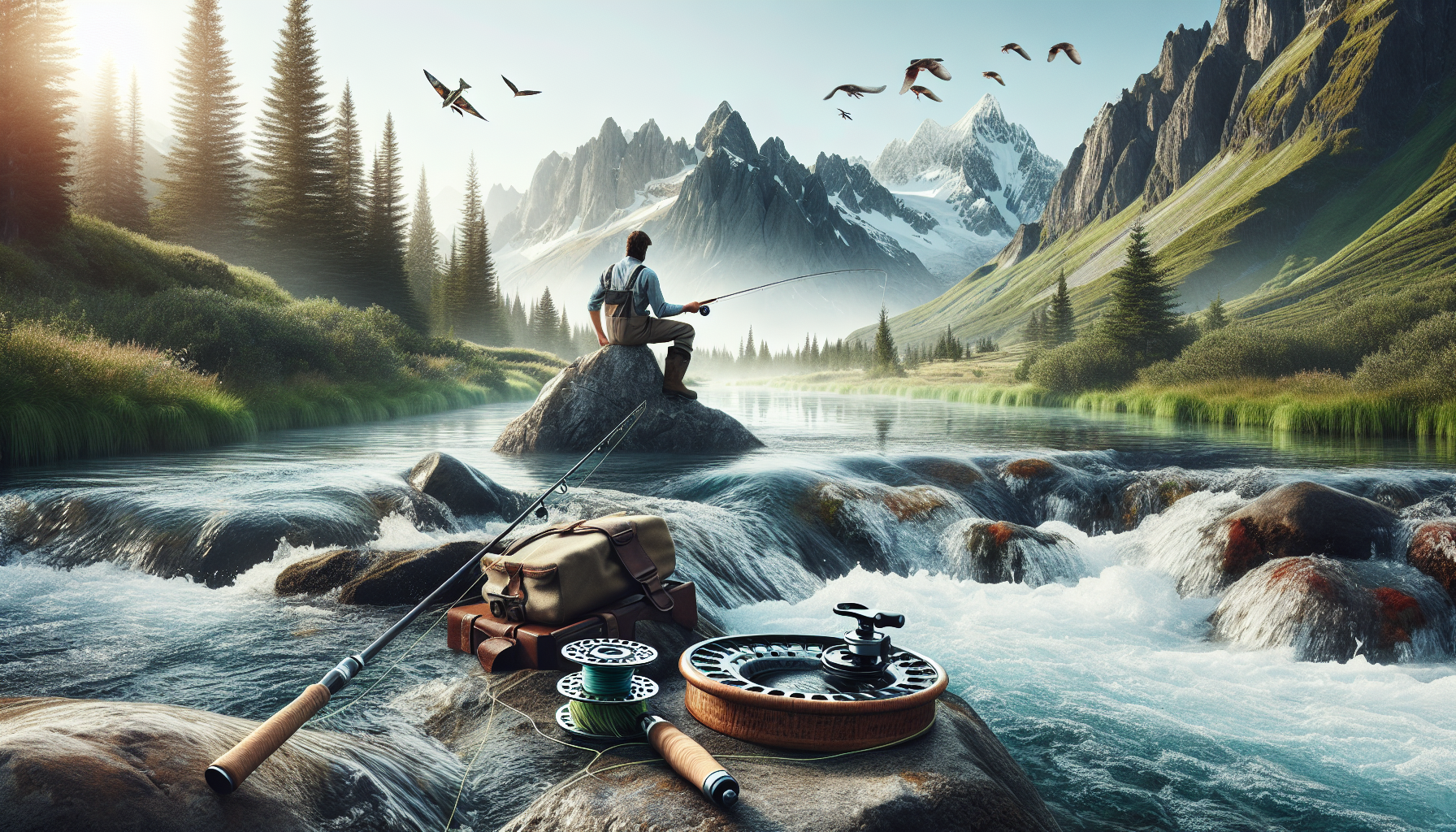
Current structure also behaves differently. In steep pocket water, trout do not hold in long, predictable seams as often as they do on larger tailwaters. They sit behind boulders, in plunge-pool cushions, along micro-eddies, and in slots that are easy to step past. I regularly see anglers false cast over ten fishable pockets because they are looking for classic textbook runs. In mountain streams, the best lie may be the size of a kitchen sink. Short drifts, quick hook sets, and accurate first presentations matter more than distance.
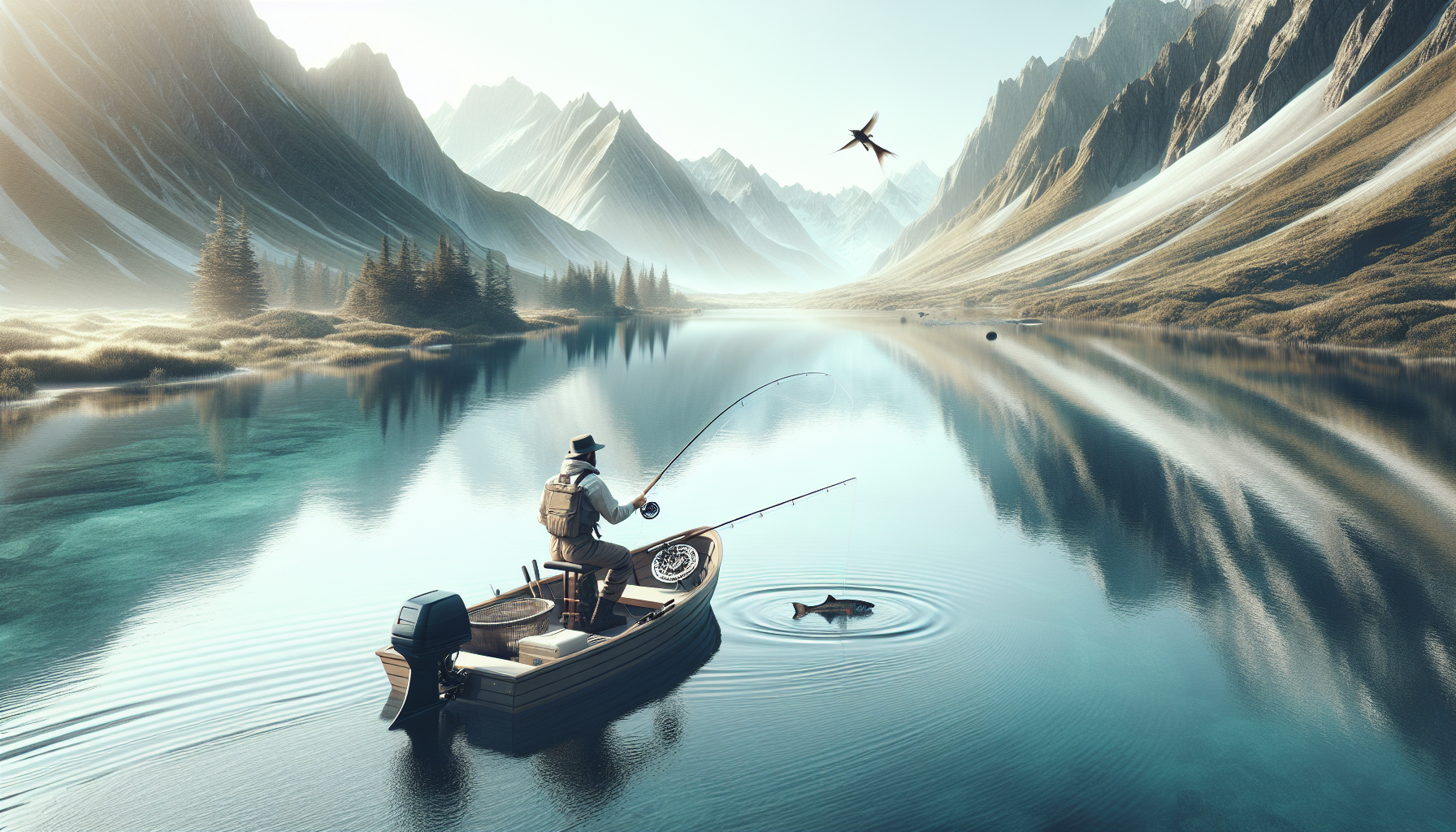
High-altitude lakes add another layer. Fish cruise shorelines, drop-offs, inlets, and wind lanes rather than holding in current. Food sources shift from mayflies and caddis to chironomids, damselflies, scuds, leeches, terrestrials, and opportunistic baitfish. Weather alters lake fishing dramatically; a calm morning may favor delicate dry flies, while a windy afternoon pushes food into one bank and turns that shoreline into the day’s best option. Knowing whether you are fishing a creek, a meadow stream, or a glacial lake shapes every tactical decision.
Choosing the right destination and season
The best mountain fly fishing destination is the one that matches your access tolerance, physical condition, and fishing objective. If you want numbers and easier wading, choose lower-elevation freestone rivers near trailheads. If you want solitude and the possibility of larger, less-pressured fish, target hike-in lakes and upper-basin tributaries. If cutthroat conservation interests you, seek native range waters managed with restrictive regulations. Western states such as Colorado, Montana, Wyoming, Idaho, Utah, and California offer broad choices, but strong mountain fishing also exists in the Blue Ridge, New England highlands, and parts of the Pacific Northwest.
Timing is critical. In many mountain regions, the core season begins after runoff drops and water clarity returns. For snowpack-driven rivers, that may be late June through August at moderate elevations and July through September higher up. Early season often produces aggressive fish on nymphs and streamers, while mid-summer brings classic dry-fly opportunities with attractors, terrestrials, and evening caddis. Fall can be outstanding for lake fishing and for streamer-focused river days, but nights get cold fast and access roads may close with early storms.
| Water type | Best window | Primary tactics | Main challenge |
|---|---|---|---|
| Steep mountain stream | Post-runoff to early fall | Dry-dropper, tight-line nymphing, short drifts | Complex micro-currents and difficult approach |
| Meadow creek | Mid-summer through early fall | Small dries, precise presentation, terrestrials | Spooky fish in clear, slow water |
| Alpine lake | Ice-out through early fall | Chironomids, leeches, streamers, shoreline dries | Wind, weather swings, and locating cruising fish |
| Larger freestone river | Summer and fall | Nymph rigs, attractor dries, hopper-dropper | Runoff timing and afternoon storms |
Use maps and fishery reports intelligently. State wildlife agencies publish stocking plans, native trout restoration updates, and access rules. USGS gauges help assess flow, while NOAA point forecasts are essential for storm timing at elevation. Satellite maps reveal gradient, beaver ponds, meadow sections, and likely lake inlets. This is where destination research pays off; the more precisely you choose your water, the less random your trip becomes.
Essential gear for adventure fly fishing at high altitudes
If I am building one mountain kit, I start with a 9-foot 4- or 5-weight rod for rivers and a second spool with a sinking or intermediate line for lakes if pack space allows. A shorter 7.5- to 8.5-foot rod can be excellent on brushy creeks, but for a general destination setup the standard 9-footer covers more water types. Carry a compact reel with a dependable drag, though small-stream trout rarely test backing. What matters more is line control, mending ability, and the capacity to throw dry-dropper rigs in variable wind.
Leaders should be simple and adaptable. For pocket water, 7.5- to 9-foot leaders tapered to 4X or 5X handle most dry-dropper work. In meadow creeks and clear pools, longer leaders down to 6X may be necessary. For lakes, I carry fluorocarbon tippet in 4X to 6X for chironomids and a stronger material for streamers. Fly boxes should emphasize attractor dries like Chubby Chernobyls, Parachute Adams, Elk Hair Caddis, small stimulators, and foam terrestrials; beadhead pheasant tails, perdigons, zebra midges, and caddis larvae; plus leeches, woolly buggers, and balanced stillwater patterns.
Non-fishing gear matters just as much. Layering is mandatory because mountain temperatures swing hard between dawn and afternoon. I rely on merino or synthetic base layers, a light insulating layer, a true waterproof shell, sun gloves, and a brimmed cap. Wading boots need sticky rubber or studs where legal; felt is restricted in some states. Add polarized glasses, a compact first-aid kit, water filtration, headlamp, map app with offline layers, power bank, and enough calories to stay sharp. On long approaches, the best gear is the gear you still want to carry at mile four.
Techniques that consistently catch mountain trout
The most reliable mountain tactic is the dry-dropper rig because it solves visibility, depth, and speed in one system. A buoyant attractor dry acts as both fly and strike indicator, while a lightly weighted nymph covers the subsurface lane where fish often feed. In broken pocket water, keep drifts short and repeat from multiple angles. The mistake I see most often is overcasting. At high altitude, close presentations are usually better because trout have less time to inspect and currents create conflicting drag immediately.
Tight-line or contact nymphing is highly effective in plunge pools, slots, and fast seams. You do not need a competition setup to benefit from the method; simply reduce line on the water, maintain direct contact, and lead the flies through likely holding water. This is especially productive during runoff edges, cold mornings, or bright conditions when trout stay subsurface. On larger freestones, a two-nymph rig with split shot can outfish dries for hours until a hatch or terrestrial bite develops.
Dry-fly fishing shines when conditions align. Mountain trout respond eagerly to attractors because food availability can be opportunistic and fast. During summer, beetles, ants, hoppers, and moths are major players, especially near meadows and timber edges. In alpine lakes, watch for cruising fish along windblown banks and inlet shelves. A slow hand-twist retrieve with a leech or chironomid under an indicator can be deadly. If fish refuse, change depth before changing flies; in stillwater, being eighteen inches too high matters more than pattern shade.
Safety, ethics, and fish handling in remote terrain
Mountain fly fishing is safest when you treat it like backcountry travel first and fishing second. Altitude sickness can affect fit anglers, especially above 8,000 feet, so hydrate, pace your ascent, and recognize symptoms such as headache, nausea, and unusual fatigue. Afternoon lightning is a serious hazard in exposed basins. If thunder builds, leave ridgelines, lakeshores, and open meadows early. Stream crossings deserve the same caution; cold, fast water on uneven rock causes more trouble than wildlife ever does.
Ethics matter more in small, fragile fisheries. Many mountain streams hold wild fish populations with short growing seasons, limited spawning habitat, and narrow thermal margins. Pinch barbs, keep fish wet, minimize air exposure, and avoid fishing water that is unusually warm or stressed late in the season. On alpine lakes and native trout streams, local regulations may include artificial-only rules, seasonal closures, or mandatory harvest of invasive species introduced decades ago. Read the regulation booklet for the specific drainage, not just the state summary.
Leave No Trace principles are not optional in destination-quality mountain waters. Pack out tippet clippings, avoid trampling bankside vegetation, and camp on durable surfaces away from water. Social media has made some high-country fisheries visibly more crowded in a few seasons. As someone who has watched small lakes change after a single viral post, I recommend sharing regions, not precise spots, unless access is resilient and pressure can be absorbed without damage.
Building a mountain fly fishing trip plan that works
A good high-altitude trip plan answers six questions clearly: where will you fish, how will you reach it, what are conditions likely to be, what is your primary tactic, what is your backup water, and when will you turn around. Start with one anchor destination, then identify nearby alternatives at lower and higher elevation. If runoff muddies your main creek, a lake may still fish well. If storms close an exposed basin, a roadside canyon stream can save the day. This layered planning approach prevents bad decisions driven by sunk effort.
As the sub-pillar hub for Adventure Fly Fishing, this page should connect you to deeper resources on alpine lakes, backpack fly fishing, native trout destinations, small-stream tactics, and seasonal hatch planning. Those supporting pages help you move from broad inspiration to exact itineraries. The core lesson is simple: mountain fly fishing rewards preparation, mobility, and restraint. Choose destinations by season and access, carry a compact but complete kit, fish close and thoughtfully, and protect the waters that make these trips worth taking. Start by selecting one mountain region, studying its runoff calendar and regulations, and planning a trip with both a primary objective and a weatherproof backup.
Frequently Asked Questions
What makes mountain fly fishing different from fishing at lower elevations?
Mountain fly fishing is different because elevation changes nearly everything about how fish behave, how water moves, and how anglers need to prepare. In high-altitude environments, trout and other coldwater species live in water that is typically colder, clearer, and more oxygen-rich than many lower-elevation fisheries. That sounds ideal, and often it is, but those same conditions also make fish more selective, currents more technical, and access more demanding. In mountain streams and alpine lakes, fish often feed in shorter, more intense windows because water temperatures, insect activity, and weather can shift quickly over the course of a day.
Another major difference is the physical setting. Mountain fisheries are rarely just about casting skill. They also involve hiking, route finding, wading on slippery gradients, managing gear in remote conditions, and understanding how altitude affects your own stamina and judgment. Thin air can turn a moderate walk into a serious effort, and sudden weather changes can make a safe morning become a risky afternoon. On top of that, mountain trout are often found in smaller pockets, plunge pools, seams, undercut banks, and lake-edge drop-offs where presentation matters more than distance. In practice, anglers who do well in the mountains usually focus less on aggressive coverage and more on careful observation, efficient movement, stealth, and adapting to rapidly changing water and weather conditions.
What gear should I bring for a successful high-altitude fly fishing trip?
A well-planned mountain fly fishing setup should balance fishing performance with portability and safety. For most high-altitude streams and small freestone rivers, a 3- to 5-weight rod in the 8- to 9-foot range is an excellent all-around choice. It has enough finesse for dry flies and light nymph rigs, but still enough backbone for wind, pocket water, and the occasional larger trout. If you expect to fish alpine lakes, especially where afternoon winds are common, a 5- or 6-weight can be the better option because it turns over longer leaders, handles weighted flies more comfortably, and gives you more control in open water.
Fly selection should reflect the simplicity and variability of mountain systems. You do not need dozens of boxes, but you do need coverage. Bring attractor dry flies such as parachute patterns, elk hair caddis, stimulators, and terrestrial imitations like ants and hoppers. For subsurface fishing, carry a practical range of pheasant tails, hare’s ears, midge patterns, small stonefly nymphs, and a few streamers for deeper pools or lake edges. Tippet and leader material should include fine options for clear water, usually in the 4X to 6X range, along with stronger material if you plan to fish larger rivers or windy lakes.
Beyond the rod and flies, mountain success depends heavily on support gear. Good wading boots with reliable grip are essential because steep, rocky gradients can be dangerous. Layered clothing matters just as much as tackle; temperatures can swing from cold dawns to hot sun and back to hail within hours. Pack a rain shell, insulation, polarized sunglasses, sun protection, plenty of water, and a compact first-aid kit. In remote terrain, navigation tools, a headlamp, and emergency supplies are not optional extras. The anglers who are consistently successful in mountain environments treat preparedness as part of their fishing system, not as a separate concern.
How do I choose the best water in mountain streams, freestone rivers, and alpine lakes?
The best water in the mountains is usually the water that offers fish three things at once: security, oxygen, and food. In mountain streams, that often means pocket water, current seams, plunge pools, undercut banks, boulder gardens, and transitions where fast water softens into holding lies. Trout in these systems do not always hold in the obvious deep pools. Very often, the most productive spots are small but efficient feeding lanes where current delivers insects while rocks or structure provide shelter from the main force of the flow. Reading that kind of water is less about finding one perfect pool and more about identifying a series of high-percentage lies and fishing them methodically.
In freestone rivers at elevation, pay close attention to depth changes, foam lines, tailouts, and any place where current speed varies over short distances. Trout prefer positions where they can feed without burning excessive energy, so look for edges of faster water rather than the center of the heaviest current. Early and late in the day, fish may slide into softer riffles and shallower feeding lanes. As the sun gets high and pressure increases, they often tuck tighter to cover, depth, or broken water that conceals them from both predators and anglers.
Alpine lakes require a different mindset. Instead of reading current, you are reading structure, wind, light, and food sources. Productive areas often include inlets, outlets, shallow shelves near drop-offs, rocky shorelines, submerged vegetation, and windblown banks where food collects. During calm periods, cruising fish may patrol shorelines and feed visually, making stealth and careful casting critical. When wind picks up, it can actually improve fishing by concentrating insects and dislodged food along one side of the lake. The key in all mountain water is to slow down, observe before casting, and let the fish reveal where the feeding opportunities actually are.
What fly patterns and techniques work best for trout at high altitudes?
At high altitudes, the most effective flies and techniques are usually the ones that match the simple, seasonal food sources common to cold, nutrient-limited systems. In many mountain waters, trout are opportunistic but not careless. They often respond well to attractor dry flies because short growing seasons and compact insect communities make broad imitation more useful than hyper-specific matching at times. Patterns like stimulators, parachute Adams-style flies, elk hair caddis, and small terrestrials can be extremely effective, especially in summer when fish are looking up in pocket water and along grassy banks.
Nymphing remains one of the most reliable techniques in mountain streams and rivers because much of a trout’s feeding happens below the surface, even when surface activity looks promising. Small mayfly nymphs, caddis larvae, midge patterns, and stonefly nymphs all deserve space in the box. The trick is usually not fishing heavier or deeper by default, but adjusting to water type. In steep pocket water, a short-line presentation with quick drifts through likely holding lies can outproduce long, complicated rigs. In deeper runs and freestone channels, adding enough weight to stay near the strike zone without constantly snagging bottom is the balance that matters.
For alpine lakes, a mix of dry-dropper setups, small streamers, chironomid-style presentations, and slow-stripped nymphs can all be productive depending on conditions. On calm mornings and evenings, sight-fishing to cruising trout with a dry fly or lightly weighted nymph can be excellent. When fish are not visible, methodical coverage along drop-offs and shoreline transitions tends to be more productive than random blind casting. If there is one consistent rule in mountain fly fishing, it is this: presentation beats pattern obsession. A reasonably close fly presented naturally at the right depth and speed will usually outperform a perfect pattern delivered poorly.
How should I prepare for altitude, weather, and safety on a mountain fly fishing trip?
Preparation for mountain fly fishing should start well before the first cast. Altitude affects hydration, energy levels, recovery, and decision-making more than many anglers expect, especially above 5,000 feet and increasingly as you climb higher. If you are traveling from lower elevation, give yourself time to acclimate when possible, drink more water than you think you need, and avoid treating the approach hike like a race. Fatigue arrives faster in thin air, and poor pacing early in the day can affect your fishing and your safety later on. Headaches, dizziness, nausea, unusual shortness of breath, and mental fog are signs you should take seriously.
Weather is equally important. Mountain forecasts should be treated as guidance, not guarantees. Conditions can shift from clear sun to wind, rain, graupel, or lightning very quickly, especially in exposed basins and above timberline. That means carrying layers, checking the sky regularly, and building a conservative timeline. If afternoon storms are likely, start early and plan to be off high, open water before they build. Wet, cold, and tired anglers make poor decisions, and slippery descents become much more hazardous when visibility drops and rocks get slick.
General wilderness safety also belongs in every mountain fishing plan. Tell someone where you are going, know your turnaround time, and carry enough food, water treatment, navigation tools, and basic emergency gear to handle delays. Respect stream crossings, because fast mountain water can be far more powerful than it looks. Watch for wildlife, unstable banks, and remote terrain where a minor injury can become a serious problem. The most experienced mountain anglers are rarely the ones taking the biggest risks; they are the ones who consistently stack small, smart decisions in their favor. That approach keeps you fishing longer, moving more confidently, and returning safely from the kind of places that make mountain fly fishing so rewarding.