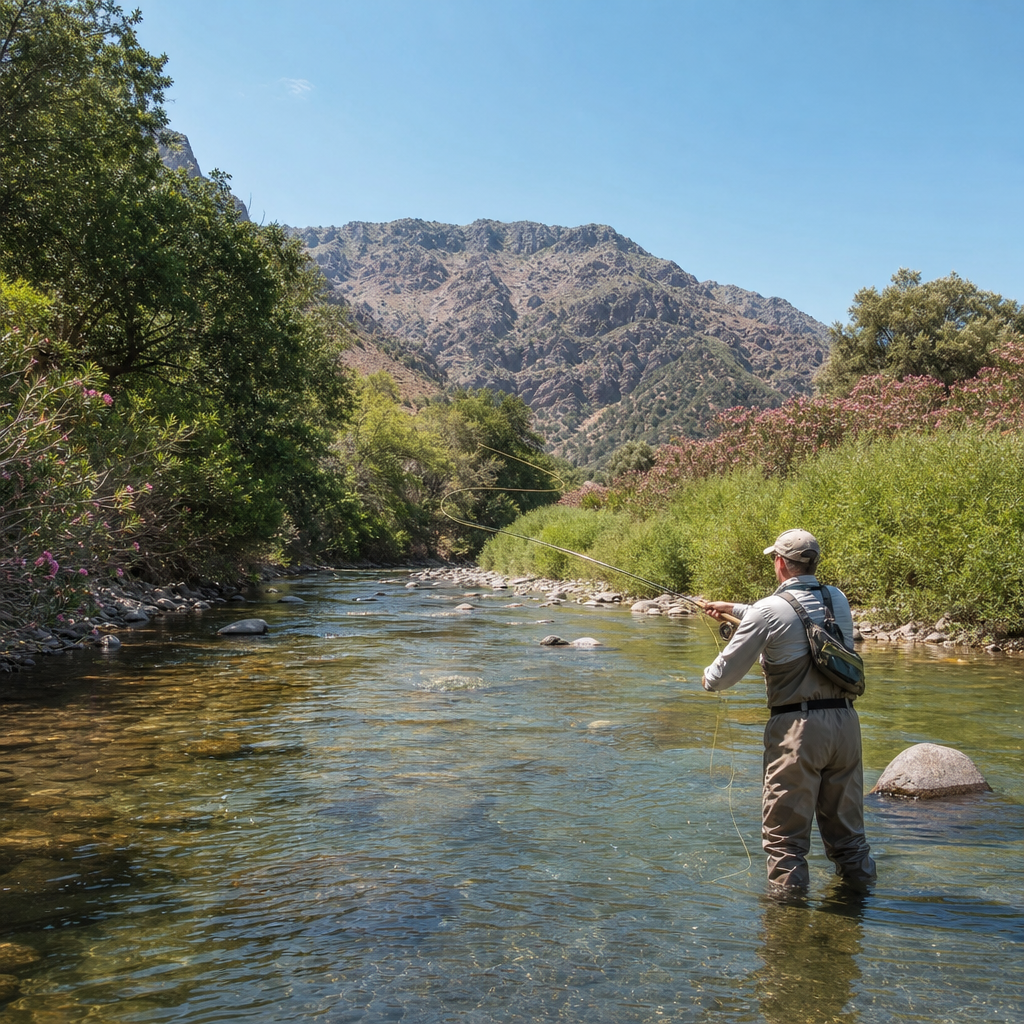
Tunisia offers one of North Africa’s most overlooked fly fishing frontiers, combining Mediterranean coastline, inland reservoirs, desert-edge oases, and brackish lagoons into a compact destination that rewards adaptable anglers. In practical terms, fly fishing in Tunisia means targeting species with artificial flies cast on specialized rods, usually in shallow water where presentation, line control, and reading habitat matter more than soaking bait. As a hub within African fly fishing destinations, Tunisia matters because it sits at a crossroads: European tackle influence, African climate diversity, and migratory marine systems all meet here. I have found that anglers who arrive expecting only beach tourism quickly discover a much richer fishing map, from sea bass in coastal estuaries to carp and black bass in managed freshwater impoundments. The country’s appeal is not sheer fame but variety within short travel distances. A morning on a salt lagoon, an afternoon scouting a reservoir, and a weekend detour toward oasis waters are all realistic.
For anglers planning a broader Africa fly fishing itinerary, Tunisia is best understood as an access point to regional contrasts. Southern Africa is known for tigerfish and large stillwaters, East Africa for highland trout and Indian Ocean species, but Tunisia represents the Mediterranean-African niche: warmer winters, strong shore-based options, and fish that often demand stealth over power. The key destinations include Lake Ichkeul and connected wetlands, the lagoons around Bizerte and Tunis, Cap Bon’s coastal flats and rocky points, central reservoirs such as Sidi Salem, and selected oasis systems in the south where water availability shapes seasonality. Regulations, water levels, and local guiding infrastructure can change, so the country rewards anglers who research conditions carefully rather than rely on generic travel advice. That is precisely why Tunisia deserves a comprehensive hub article. It helps travelers understand what is fishable, when to go, which species are realistic, and how Tunisia connects to the wider African fly fishing landscape.
Why Tunisia Stands Out Within Africa’s Fly Fishing Map
Tunisia stands out because it compresses multiple fishable environments into a relatively small country. In under a day’s drive, you can move from productive saltwater edges on the Mediterranean to freshwater dams holding carp, black bass, mullet, and seasonal predator activity. From experience, this geographic compression changes trip design. In many African destinations, anglers commit to one ecosystem for a week because travel is long and infrastructure is thin. In Tunisia, mobile anglers can build mixed-species trips with a base in Tunis, Bizerte, Hammamet, or Sousse, then radiate outward. This flexibility is especially valuable for fly fishers, because wind, water clarity, and temperature shifts can ruin one plan but improve another.
The climate also extends opportunity. Spring and autumn are generally the strongest all-around seasons, with moderate temperatures, bait movement, and more comfortable wading conditions. Summer can be productive very early and late in the day, especially on the coast, but midday heat and tourism pressure affect access and comfort. Winter is often underrated. Saltwater species such as sea bass can remain active in cool conditions, and lower tourist density makes shoreline exploration easier. Inland, rainfall patterns and reservoir levels become decisive. In dry years, some freshwater venues shrink or become difficult to approach. In wetter years, flooded margins can create outstanding sight-fishing windows for carp. Compared with many African fisheries defined by a single marquee species, Tunisia is defined by tactical adaptation.
Key Fly Fishing Destinations in Tunisia
The northern coast around Bizerte is one of the strongest starting points. Bizerte Lagoon, nearby channels, and estuarine areas provide habitat for mullet, sea bass, and other coastal species that hunt baitfish in moving water. Fly anglers do well here with intermediate lines, sparse baitfish patterns, and patient observation around current seams, harbor mouths, and low-light periods. Sea bass are never guaranteed, but the structure is ideal: oxygenated water, bait concentration, and ambush edges. Around Lake Ichkeul and its surrounding wetland network, direct fishing access may be restricted in protected zones, so anglers must respect conservation rules and focus on legal adjoining waters. This broader northern wetland complex is important because it creates migratory pathways and productive brackish transitions that support feeding fish.
Cap Bon offers another distinct chapter. Rocky headlands, beaches, and sheltered bays around Kelibia, El Haouaria, and Hammamet create varied shoreline opportunities for anglers willing to walk, scout, and fish dawn tides or calm evenings. In these areas, small clouser-style flies, shrimp imitations, and surface gurglers can all have a place depending on bait presence and wave action. Central inland reservoirs such as Sidi Salem, Nebhana, and other managed dams provide the main freshwater potential, particularly for common carp and black bass where populations persist. These waters rarely resemble famous stillwater trout venues; instead, they demand a warm-water approach: long leaders, weedless flies near structure, and a willingness to fish muddy margins after inflow events. Farther south, oasis and irrigation-linked waters around Tozeur and Nefta are more situational than iconic, but they matter as exploratory options. Water quality, access, and fish populations vary widely, yet these systems illustrate Tunisia’s defining trait: fishable water appears in unexpected places.
| Region | Primary Water Type | Likely Target Species | Best Time | Typical Fly Approach |
|---|---|---|---|---|
| Bizerte | Lagoon, estuary, channel | Sea bass, mullet | Spring, autumn, winter | Intermediate line with baitfish patterns |
| Cap Bon | Rocky coast, beaches, bays | Sea bass, leerfish, mullet | Spring, early summer, autumn | Clouser minnows, shrimp flies, surface patterns |
| Sidi Salem area | Reservoir | Common carp, black bass | Spring, after inflow, mild autumn | Nymphs, damselfly patterns, small streamers |
| Sahel reservoirs | Dams and impoundments | Carp, bass, tilapia in places | Spring and warm shoulder seasons | Sight-fishing with long leaders |
| Southern oases | Canals, ponds, oasis water | Carp, tilapia, small predators | Cool mornings in spring and autumn | Small wet flies and lightly weighted streamers |
Target Species and Effective Fly Tactics
Sea bass are the headline saltwater species for many visiting fly fishers. They behave much like their counterparts elsewhere in the Mediterranean, using current breaks, harbor structure, bait schools, and low-light conditions to feed aggressively. A 7- to 9-weight rod is ideal in most coastal situations, paired with floating or intermediate lines depending on surf and depth. I favor white-and-olive baitfish patterns, sparse anchovy imitations, and flies with enough flash to show in stirred water without becoming gaudy. Retrieval should match the bait. In calm lagoons, slow strips with pauses often outfish fast ripping retrieves. Along windy rocky shorelines, a more assertive strip can trigger reaction takes.
Common carp are Tunisia’s most credible freshwater fly target for technical anglers. In shallow reservoir margins, especially after spring inflows, carp tail, cruise, and root in newly flooded ground. These fish demand stealth: muted clothing, long casts, and flies that land softly. Small nymphs, worm patterns, and buggy crab-like or damselfly patterns work when presented just ahead of the fish’s line of travel. Hooking them is only half the challenge; landing them around reeds and submerged brush requires side pressure and abrasion-resistant leaders. Black bass, where established, provide a more familiar warm-water game. Streamers, deer hair bugs, and weedless patterns around cover can produce fish, particularly at dawn and dusk. Mullet are a fascinating secondary target in brackish water, but they are difficult, selective, and often better treated as an opportunistic challenge than the core plan.
Seasonality, Conditions, and Trip Planning
The best fly fishing destinations in Tunisia change with the calendar and recent weather. March through May is the prime exploratory window for mixed trips. Reservoirs receive runoff, carp move shallow, temperatures are manageable, and coastal zones come alive with forage. September through November is the second major season, especially for saltwater anglers targeting sea bass around lagoons and channels after peak summer heat fades. Summer is not impossible, but it requires disciplined scheduling. Fish at first light, protect yourself from heat, and expect more recreational traffic near beaches and marinas. In the far south, heat can become the dominant limiting factor.
Wind deserves special attention because it shapes almost every Tunisian fly fishing day. A forecast that looks unfavorable for exposed coast may be perfect for a sheltered lagoon, and stained freshwater can either ruin sight-fishing or create predator-friendly conditions. Smart planning means building optionality into the itinerary. Base yourself near multiple water types, carry gear for both fresh and salt, and monitor local observations rather than relying only on national forecasts. Access planning matters too. Some shorelines pass through private land, protected wetlands, working ports, or military-sensitive zones where photography and movement can be restricted. Always ask locally, respect posted signs, and assume that conservation areas are regulated until verified otherwise. That caution protects both the trip and the reputation of visiting anglers.
Gear, Logistics, and How Tunisia Connects to Other African Destinations
A balanced Tunisia setup usually includes two outfits: a 6- or 7-weight for reservoirs, canals, and light coastal work, plus an 8- or 9-weight for sea bass and windy shoreline conditions. Leaders should cover clear-water finesse and abrasion resistance. I typically carry 9- to 12-foot fluorocarbon leaders for carp and mullet, shorter saltwater leaders for bass around rocks, and stripping baskets for surf or harbor casting. Polarized glasses are essential because so much of Tunisia’s fly fishing hinges on spotting fish movement, bottom changes, and weed lines. Footwear matters more than many travelers expect. Muddy reservoir margins, sharp limestone, broken concrete around ports, and slick algae all show up on the same trip.
Travel logistics are relatively straightforward by regional standards. Tunis-Carthage International Airport is the main gateway, roads between major northern and coastal centers are manageable, and self-drive travel opens the country effectively. Local fly-specific guide networks remain limited compared with South Africa, Kenya, or Seychelles, so visiting anglers should be prepared for independent scouting or hybrid trips using local conventional fishing knowledge. That is not a disadvantage if expectations are calibrated correctly. Tunisia is a discovery destination, not a fully packaged lodge circuit. Within the larger Africa fly fishing hub, it works best as a destination for anglers who enjoy building their own water, learning a region quickly, and combining fishing with cultural travel. It also pairs well with broader Mediterranean exploration, giving anglers a distinctly African chapter without the long-haul complexity of more remote fisheries.
Tunisia deserves a firm place on the list of Africa fly fishing destinations because it offers diversity, accessibility, and genuine exploratory value. The country is not defined by a single famous fishery; its strength is the range of opportunities packed into one compact map. Northern lagoons and estuaries provide realistic sea bass potential, Cap Bon adds mobile coastal options, central reservoirs hold credible carp and bass water, and southern oasis systems broaden the sense of adventure. For anglers building a broader understanding of fly fishing in Africa, Tunisia fills an important gap between tropical saltwater glamour and inland marquee species. It shows how productive Mediterranean-African water can be when approached with flexible tactics and careful planning.
The main benefit of choosing Tunisia is efficiency. You can experience multiple environments in one trip, adjust to weather without losing days, and fish waters that still feel lightly explored by international fly anglers. Go in spring or autumn, bring both freshwater and saltwater tackle, prioritize legal access, and treat local conditions as the final authority. If you are mapping your next African fly fishing journey, make Tunisia one of the destinations you research seriously, then build outward from this hub into the rest of the continent’s remarkable waters.
Frequently Asked Questions
What makes Tunisia a worthwhile fly fishing destination compared with better-known Mediterranean or African locations?
Tunisia stands out because it compresses an unusually wide range of fishable environments into a relatively manageable destination. In one trip, anglers can explore Mediterranean shorelines, inland reservoirs, brackish lagoons, estuaries, and even desert-edge oasis systems, each requiring slightly different tactics and rewarding a more observant, adaptable approach to fly fishing. That diversity is a major advantage. Rather than committing to a single style of fishing, visitors can shift between saltwater and freshwater opportunities depending on season, weather, and local conditions.
Another reason Tunisia is appealing is that it remains overlooked. In many heavily promoted fly fishing destinations, pressure can shape fish behavior and reduce the sense of discovery. Tunisia still offers that exploratory quality many anglers value, where reading water, matching local forage, and covering ground can feel more important than following a rigid, heavily trafficked formula. For traveling fly fishers, that can make each session more engaging and more rewarding.
There is also a practical travel argument in Tunisia’s favor. The country’s compact geography allows anglers to combine fishing with broader travel experiences without spending excessive time in transit. Coastal areas, inland waters, and cultural centers are often reachable within a single itinerary, making Tunisia particularly attractive for anglers who want a destination that offers both fishing variety and a strong sense of place. In short, Tunisia may not yet have the global profile of some neighboring or sub-Saharan fisheries, but that is part of its appeal: it delivers habitat diversity, strategic fishing, and a real frontier feel for those willing to approach it with flexibility and curiosity.
What species can fly anglers realistically target in Tunisia, and what types of water hold them?
The realistic species mix in Tunisia depends heavily on where you fish, because the country’s waters range from fully marine to brackish and freshwater. Along the Mediterranean coast and in lagoon systems, anglers may encounter species that patrol shallow flats, rocky edges, harbors, and tidal-influenced channels. In these areas, predatory fish feeding on fry, shrimp, and other small bait sources are often the focus, especially where moving water concentrates food. Brackish lagoons can be especially interesting because they combine estuarine feeding behavior with often shallow, visual fishing conditions that suit fly tackle well.
Inland reservoirs and lakes present a different set of opportunities. These waters may hold predatory and opportunistic species that respond to streamers, baitfish patterns, and nymph-style presentations depending on depth, clarity, and seasonal activity. Reservoir fishing in Tunisia often rewards anglers who pay attention to submerged structure, drop-offs, wind lanes, and shoreline contours. Fish may cruise margins early and late in the day, then shift deeper as light levels rise, making line selection and retrieve control especially important.
Oasis and desert-edge waters add yet another layer. While these fisheries may be smaller or less conventional than major lake systems, they can offer uniquely atmospheric sight-fishing or close-range casting situations. In such places, the emphasis is often less on trophy scale and more on precision, stealth, and local adaptation. Overall, anglers should approach Tunisia expecting a mixed-bag style of fly fishing where success comes from understanding habitat first. Species names and availability can vary by watershed and season, so local knowledge is extremely valuable, but the broad pattern is clear: coastal shallows, brackish systems, reservoirs, and oases all hold different possibilities, and each rewards a tailored fly approach.
When is the best time of year to go fly fishing in Tunisia?
The best time to fish in Tunisia depends on the type of water you want to focus on, but in general, the most comfortable and productive periods are often spring and autumn. During these transitional seasons, water temperatures are usually more moderate, fish are more likely to feed actively in shallower zones, and anglers can cover water effectively without battling the extreme summer heat that can affect both personal stamina and fish behavior. Spring can be particularly good because many systems become more biologically active, with bait movement, insect life, and warming water drawing fish into accessible areas.
Autumn is similarly attractive, especially for anglers interested in coastal or brackish environments. As temperatures begin to ease, predatory fish often feed more confidently, and the reduced intensity of summer conditions can make long sessions more practical. In inland reservoirs, autumn can also bring renewed activity along margins and structure, particularly when cooler nights begin to influence water layers and oxygen distribution.
Summer is not automatically off the table, but it requires much more strategic planning. Early mornings and evenings become far more important, and anglers should be prepared for strong sunlight, higher temperatures, and potentially slower midday fishing. In desert-edge or smaller inland systems, heat can sharply narrow the productive window. Winter can still offer opportunities, especially in milder coastal regions, but conditions may be more variable and fish activity more dependent on stable weather patterns.
For most visiting anglers, the smartest approach is to build a trip around flexibility rather than a single fixed assumption. Monitor weather, prioritize low-light periods when necessary, and match your destination choices to the season. If your goal is the broadest range of options across coast, lagoon, and inland water, spring and autumn usually provide the best balance of fish activity, comfort, and mobility.
What fly fishing gear and fly patterns are most useful for a trip to Tunisia?
A well-rounded Tunisia setup should reflect the country’s environmental variety. For coastal and lagoon fishing, many anglers will be well served by medium-weight salt-capable outfits that can handle wind, longer casts, and fish that hit hard in shallow water. Fast-action rods are helpful on open shorelines where casting accuracy and line speed matter, especially when sea breeze builds. A quality reel with a dependable drag is important for saltwater work, and corrosion resistance should be a priority if you plan to fish marine or brackish systems consistently.
For inland reservoirs and oasis waters, a lighter or more versatile freshwater setup may be useful, particularly where shorter casts, smaller flies, or more delicate presentations come into play. Bringing multiple line options can make a major difference. A floating line is essential for shallow sight-fishing, surface work, and fishing over weed or structure. An intermediate line is often valuable in lagoons and along coastal edges where fish suspend just below the surface. Depending on reservoir depth and target species behavior, a sinking or sink-tip line may also be worth packing.
Fly selection should emphasize local forage rather than novelty. Baitfish imitations, shrimp patterns, small streamers, and general attractor flies are sensible starting points for coastal and brackish water. In freshwater systems, woolly bugger-style flies, baitfish profiles, damsel or nymph imitations, and small terrestrials may all earn time depending on the habitat. Neutral colors such as white, olive, tan, gray, and black often cover a lot of situations, but carrying a few brighter trigger patterns can help when water is stained or fish need a stronger visual cue.
Do not overlook leaders, tippet, footwear, and sun protection. Tunisia’s fishing often involves wading, scrambling over mixed shoreline, or moving between very different water types, so practical mobility matters almost as much as rod choice. Polarized glasses are especially important because success frequently depends on spotting depth changes, current seams, bait movement, and fish behavior in shallow water. In short, the best kit for Tunisia is not ultra-specialized around one fishery; it is a modular setup that lets you adapt quickly from coast to reservoir to oasis.
Is Tunisia better suited to experienced fly anglers, or can beginners enjoy it too?
Tunisia can work for both, but it tends to reward the mindset of an observant learner more than the mindset of someone expecting a simple, numbers-driven fishery. Experienced fly anglers often appreciate Tunisia because it asks them to solve changing puzzles. Wind, salinity, water clarity, structure, and species behavior can all shift from one location to another, and anglers who already understand line control, presentation angles, and how to adapt retrieves will often get the most from the destination’s variety.
That said, beginners can absolutely enjoy fly fishing in Tunisia, especially if they approach it as a skills-building trip rather than a guaranteed high-catch destination. The country’s shallower environments can be excellent for learning how fish use edges, channels, and feeding lanes. Beginners also benefit from the visual side of the fishing. Seeing bait movement, reading water color, and understanding how habitat influences fish position can accelerate learning far more than simply casting into featureless water. With the right guide or a well-planned itinerary, a newer angler can gain experience in both freshwater and coastal settings during one trip.
The key is realistic expectation. Tunisia is not necessarily the place to rely on one technique all day and wait for action to happen. It is better suited to anglers willing to move, observe, change flies, alter retrieve speed, and think about conditions. That can sound advanced, but it is also exactly what helps beginners improve. For couples, mixed-experience groups, or traveling anglers who enjoy combining fishing with culture and landscape, Tunisia can be especially appealing because the overall trip value does not depend solely on landing large numbers of fish. In that sense, Tunisia is highly accessible, provided anglers embrace its exploratory character and fish it with patience, adaptability, and an open mind.