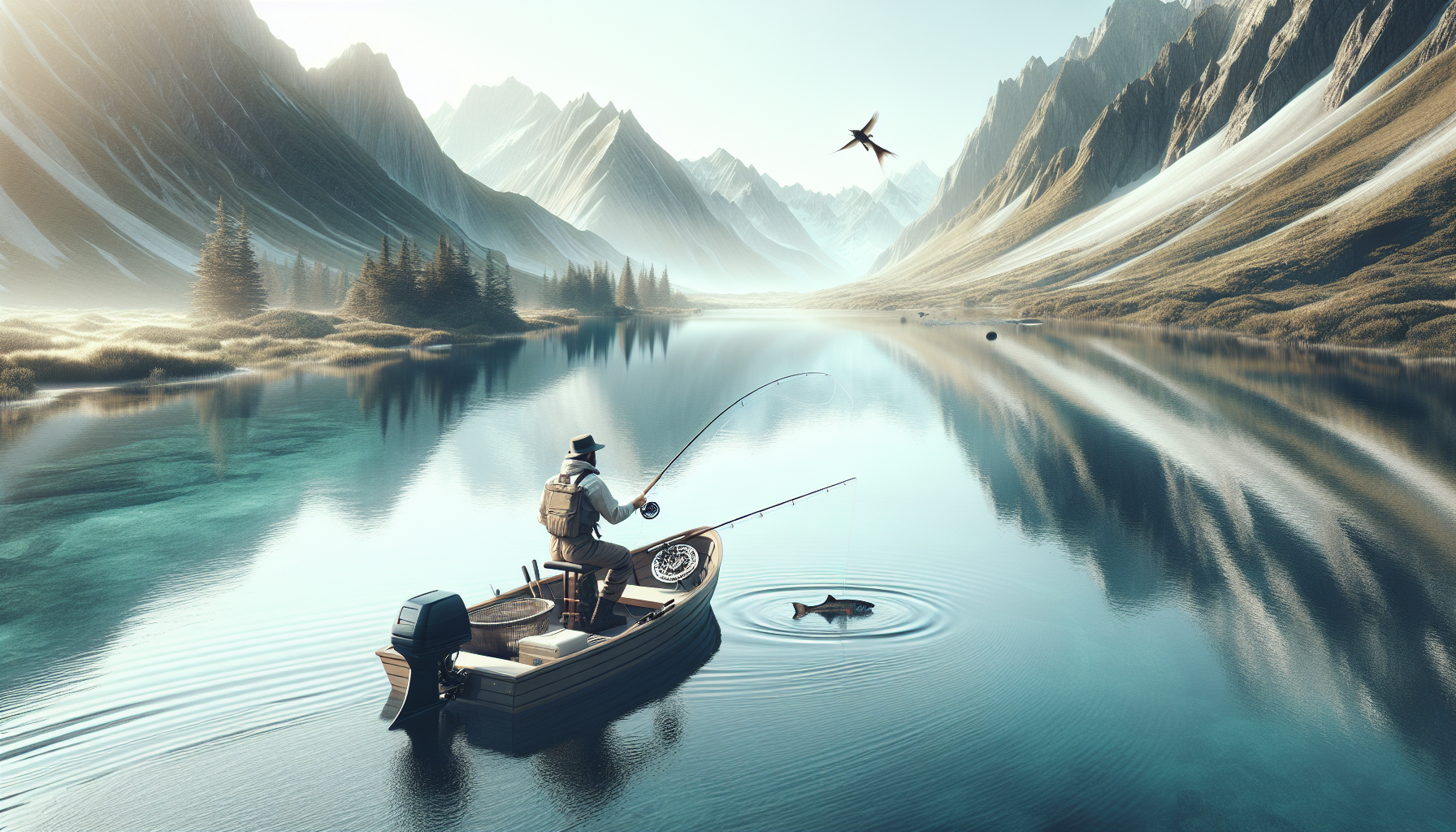
Fly fishing in volcanic lakes combines technical angling, backcountry travel, and close reading of unusual water chemistry, making it one of the most rewarding forms of adventure fly fishing. A volcanic lake is any lake formed in a crater, caldera, lava basin, or geothermally influenced watershed, and those origins shape everything that matters to an angler: depth, clarity, nutrient levels, insect life, shoreline access, and fish behavior. I have fished crater rims in Oregon, pumice-lined lakes in Chile, and geothermal systems in the North Island of New Zealand, and the same lesson repeats everywhere: these waters look simple from shore, but they demand preparation and a different strategy than a meadow stream or farm pond. For anglers researching fly fishing destinations, volcanic lakes deserve hub-level attention because they sit at the intersection of remote travel, trophy trout potential, and highly variable conditions. They can produce oversized rainbows, browns, brook trout, landlocked salmon, and char, yet they often humble competent river anglers who arrive with the wrong flies, poor sinking-line control, or no plan for wind. If you want a direct answer to the core question, here it is: success on volcanic lakes depends on understanding lake structure, matching stillwater food sources, using the right line system, and adapting constantly to weather and light. This guide explains those essentials and connects the broader world of adventure fly fishing to the realities of these striking, demanding waters.
Why volcanic lakes fish differently
Volcanic lakes are not one uniform category, but they share structural traits that affect how fish feed and where anglers can reach them. Many are extremely deep near shore because crater walls drop fast, which means trout can move from shallow feeding zones to secure cold water within a few fin kicks. Others sit in lava plains with shelves of pumice, weed beds, and spring inflows that concentrate chironomids, damselflies, snails, and baitfish. Water clarity is often exceptional, especially in oligotrophic crater lakes, so fish may inspect a fly longer and refuse sloppy presentations. In contrast, geothermally influenced lakes may carry more minerals, warmer pockets, algae blooms, or sulfur-stained margins that create localized feeding windows. I treat these systems like stillwater laboratories: every inlet, submerged ledge, and wind lane matters more than anglers expect.
The practical implication is that fish location changes by hour, not just by season. On a calm morning, trout may cruise shoals and drop-offs hunting callibaetis nymphs or emerging midges. When the wind builds, the same fish often slide onto a windward bank where wave action dislodges scuds, snails, and drowned terrestrials. During bright midday conditions, fish in clear volcanic water commonly retreat deeper, and that is where a fast intermediate, type 3, or type 5 line earns its place. This is why volcanic lake fly fishing rewards mobile anglers. If a shoreline looks beautiful but lacks food, depth transition, or wind influence, leave it. The best stillwater anglers I know cover water deliberately and keep notes on exact banks, depths, and weather patterns, because volcanic lakes are pattern-rich once you stop guessing.
Species, food sources, and seasonal timing
The headline species in many volcanic destinations are trout, especially rainbow and brown trout, but the forage base determines tactics more than the species label. In Oregon’s Crater Lake, fish populations and regulations differ from classic stocked stillwaters, while in Chilean Andean lakes and New Zealand volcanic systems, trout often key on smelt, dragonfly nymphs, bullies, koura, and chironomids. In Icelandic and Kamchatka volcanic regions, char and trout may use shoreline structure differently again because water temperature, day length, and prey composition shift the feeding calendar. Adventure fly fishing begins with identifying the dominant food forms before you tie on a fly.
Most volcanic lakes produce around four dependable feeding categories. First are chironomids, which are the backbone of many productive stillwaters and account for a huge share of trout calories over a season. Second are larger nymphs such as damsels and dragons, especially around weed edges and shoals in late spring and summer. Third are leeches, baitfish, and fry, which matter in deeper, clearer lakes where larger trout patrol drop-offs. Fourth are opportunistic inputs such as beetles, blow-ins, and mouse patterns near rocky margins or vegetation lines. In my experience, anglers overestimate dry-fly windows and underestimate subsurface consistency. Even when fish rise, the more reliable hub strategy is to start with nymphs, chironomids, or a small lure pattern and then switch only when the hatch is visibly sustained.
Seasonality matters because volcanic lakes can warm and cool unevenly. Early season often means fish are shallower, especially after ice-out or during cool spring weather when oxygen and comfort temperatures extend into the margins. Summer usually pushes larger fish deeper during the day, though low light can bring them back into reachable water. Autumn can be outstanding where spawning movements, cooling water, and reduced recreational pressure align. Winter opportunities exist in milder climates or geothermal systems, but safety and access become primary concerns. The key answer for travelers is simple: do not plan a destination trip around scenery alone; match your timing to the lake’s dominant food cycle and temperature band.
Essential gear for adventure fly fishing on volcanic lakes
For most volcanic lake scenarios, a 9-foot 5-weight or 6-weight rod covers the broadest range, but I strongly prefer carrying two rods: one rigged with a floating line and one with an intermediate or sink line. That setup saves time and keeps you fishing during short windows when fish suddenly move deeper or begin cruising higher in the water column. Reels should have reliable drags because large stillwater trout make long runs in open water. Leaders are usually longer than many river anglers expect. On clear lakes, I often fish 12- to 15-foot leaders with fluorocarbon tippets for subsurface work and long tapered leaders for dries when fish are especially selective.
Fly selection should reflect the main food sources rather than generic trout assumptions. My baseline box for volcanic lakes includes chironomid pupa in black, red, olive, and chromie; balanced leeches; woolly buggers; mini baitfish patterns; damsel nymphs; dragonfly nymphs; callibaetis nymphs and emergers; scuds; and a small set of terrestrials and dry flies. Indicators, slip indicators, and floating anchors have a place, but so do static retrieves, figure-eight strips, and hang-down pauses from a drifting tube or boat. Polarized glasses are mandatory because sighting cruisers and reading bottom transitions are central advantages on clear volcanic water. For remote destinations, add a packable rain shell, layered insulation, extra leaders, hook hone, pump filter, and a compact first-aid kit. Adventure fly fishing fails quickly when a broken line wallet or soaked insulating layer turns a planned ten-hour day into a dangerous retreat.
Line systems, retrieve styles, and depth control
The fastest way to improve volcanic lake catch rates is to become disciplined about depth. Trout feed where food is available and water is comfortable, not where an angler hopes they are. That means counting down flies, tracking sink rates, and repeating productive retrieves exactly. A floating line with a long leader is ideal for suspending chironomids, fishing washing-line setups, or presenting dries to cruisers. A clear intermediate line is often the most versatile choice from shore because it keeps connection with nymphs and leeches in the top few feet without the belly problems of a floater in wind. Faster sink lines matter over steep drop-offs, especially when fish hold beyond the visible shelf.
| Condition | Best line choice | Typical flies | Why it works |
|---|---|---|---|
| Calm morning cruisers in shallow water | Floating line | Callibaetis emerger, chironomid, small damsel | Gentle presentation keeps the fly above weed tops and visible fish |
| Windy bank with wave action | Intermediate line | Leech, scud, woolly bugger | Maintains contact and imitates food pushed along the shoreline |
| Bright midday over deep drop-off | Type 3 to type 5 sinking line | Balanced leech, baitfish, dragon nymph | Reaches fish that slide into cooler, secure water |
| Stationary hatch over a shelf | Floating line with indicator | Chironomid pupa | Holds the fly at a precise depth through repeated feeding passes |
Retrieve style should match prey behavior. Damsel nymphs swim with steady movement, so long hand-twist strips work well. Leeches often respond to a slow strip-pause rhythm. Baitfish patterns can trigger takes on sharper pulls followed by a dead stop. Chironomids usually fish best almost static. The crucial point for AEO-style clarity is this: on volcanic lakes, depth and speed are inseparable variables. If your retrieve is right but your fly tracks two feet above the fish, you are not in the game. When I find fish at a productive level, I note line type, count, leader length, and cadence immediately because repeatability is what turns a lucky take into a pattern.
Reading structure, weather, and access points
On many volcanic lakes, the best water is not the most picturesque cove but the area where underwater structure intersects wind and food. Look for pumice points, lava tongues, spring seeps, creek mouths, shelves that collapse into deep water, weed edges, and areas where wave action forms a visible scum line. Wind is not an inconvenience to tolerate; it is a feeding mechanism. A moderate onshore breeze concentrates dislodged nymphs and terrestrial insects, and predatory trout know it. Some of my best days in New Zealand’s Rotorua region began on banks that casual visitors avoided because they looked rough. If the wind was stacking food, the trout were there.
Access is often the limiting factor in destination planning. Crater lakes can have steep unstable shorelines, restricted boat launches, protected cultural areas, or rapidly changing weather that makes return crossings risky. Always review local regulations, indigenous access rules, wading restrictions, and invasive-species cleaning requirements. New Zealand’s Didymo controls, western North American quagga and zebra mussel protocols, and barbless or seasonal rules in protected waters are not suggestions. They are central to responsible travel. A good hub article under fly fishing destinations must emphasize this because the best volcanic lakes are usually ecologically sensitive and heavily managed.
Safety, conservation, and destination planning
Adventure fly fishing on volcanic lakes is part angling and part risk management. Weather can change violently on exposed calderas. Afternoon winds can strand float tubes, and geothermal margins may contain unstable ground or water hot enough to injure you quickly. Altitude, remoteness, and cold-water immersion raise the stakes further. I carry a whistle, offline map, headlamp, insulating midlayer, and emergency food even for day trips because volcanic landscapes create false confidence: open views make places feel accessible when they are actually difficult to exit. If you fish from a boat or tube, wear a PFD. That is nonnegotiable.
Conservation is equally important. These lakes often support unique food webs and, in some cases, native species under pressure from stocking history, climate shifts, and tourism. Use clean gear, avoid moving live bait or water between systems, and minimize shoreline trampling around spawning inflows. Practice fish handling that matches modern standards: rubber net, wet hands, short fight, quick release, and no prolonged photo sessions. If harvesting is legal and appropriate, follow limits exactly. The long-term benefit of fishing volcanic lakes is not just catching one memorable trout; it is protecting a rare class of waters so future trips remain worthwhile.
For trip planning, build your itinerary around flexibility. Include backup lakes for wind, clarity changes, or local closures. Research hatch timing through regional biologists, reputable lodges, guide reports, and agency creel data where available. Consider whether you need a guide for access logistics rather than casting instruction alone. A strong local guide can save days of trial and error by identifying productive banks, legal routes, and seasonal fly adjustments. As you explore this adventure fly fishing subtopic, use this page as your starting framework, then dive deeper into destination-specific guides on tackle, timing, and travel logistics. The reward is exceptional fishing in landscapes that feel genuinely wild. Prepare carefully, fish methodically, and choose your next volcanic lake with the same care you give your fly box.
Frequently Asked Questions
What makes fly fishing in volcanic lakes different from fishing other stillwaters?
Fly fishing in volcanic lakes is different because the geology is not just scenery; it directly controls how the fishery behaves. A volcanic lake may sit in a crater, caldera, lava basin, or a geothermally active watershed, and those origins often create unusual combinations of depth, water clarity, mineral content, temperature layering, and shoreline structure. In practical terms, that means two lakes that look similar on a map can fish completely differently. One may be ultra-clear and deep with sparse weed growth, suspended trout, and subtle chironomid or callibaetis activity, while another may be rich in minerals and nutrients, with better food density, warmer margins, and more predictable feeding windows. Anglers who do well on these waters pay close attention to how pumice, basalt, obsidian, ash soils, and geothermal inputs influence everything from insect life to where fish cruise.
Another major difference is access and presentation. Many volcanic lakes have steep banks, unstable rock, pumice flats, or abrupt drop-offs near shore, so classic easy wading is not always available. Fish may hold tight to shelves, patrol submerged ledges, or suspend over very deep basins. That changes how you approach the water, how you position yourself, and which fly lines you carry. Intermediate, full-sink, and midge-tip lines often matter more than they do on simpler lakes. Because volcanic systems can also be exceptionally clear, fish frequently have more time to inspect a fly, making leader length, fly size, retrieve speed, and profile especially important. In short, volcanic lake fly fishing rewards anglers who combine stillwater fundamentals with a geologist’s eye and a backcountry mindset.
How does volcanic geology affect water chemistry, insect life, and trout behavior?
Volcanic geology affects the entire food web. Rock type and lake origin influence how nutrients enter and stay in the system, how quickly the water warms, whether the lake stratifies strongly, and how productive the shallows become. Some volcanic lakes are famously clear and relatively infertile, which can limit weed beds and concentrate trout around narrow feeding zones, shoals, or seasonal inlets. Others benefit from mineral-rich inputs or fertile surrounding soils that boost chironomids, damselflies, scuds, mayflies, and other stillwater food sources. Even subtle geothermal influence can create temperature anomalies that matter to both insects and fish, especially in shoulder seasons when a few degrees can shift feeding activity.
For trout, this means behavior is often tightly linked to depth, oxygen, and food location rather than broad, easy-to-read shoreline movement. In clear, deep crater-style lakes, fish may suspend over open water for long periods and move onto shelves only during short windows to feed. In lava-basin or pumice-lined lakes with more gradual structure, trout may cruise edges, drop-offs, and marl-like flats where insect hatches concentrate. You may also see fish become highly selective because clear water and relatively low food density can make every feeding decision matter. That is why matching the dominant food form matters so much: chironomid pupa under an indicator, balanced leeches, callibaetis nymphs, small baitfish patterns, or stripped damselfly nymphs can each be the right answer depending on the lake’s chemistry and productivity. Reading volcanic water starts with noticing clarity, color, temperature differences, and the presence or absence of weeds, shoals, and insect shucks along the bank.
What gear and fly lines are best for fly fishing in volcanic lakes?
The best gear for volcanic lakes usually starts with a versatile stillwater setup rather than a one-line-fits-all approach. A 5- or 6-weight rod covers most trout situations well, especially if you are casting indicators, long leaders, and medium-sized nymphs or leeches. If the lake is windy, especially on exposed crater rims or broad caldera waters, a 6-weight often gives you better turnover and control. A quality reel with a smooth drag is useful not because every fish is huge, but because clear-water trout in open lakes often make long, steady runs. Floating lines are essential for dry-fly windows, shallow nymphing, and fishing emergers, but they should be paired with long leaders because many volcanic lakes have extremely clear water. Beyond that, an intermediate line is one of the most important tools you can bring, since it lets you cover cruising fish, shoals, and shallow shelves with better contact and more natural movement.
If you are serious about adapting to changing conditions, add a type 3 or type 5 sinking line for deeper shelves, drop-offs, and suspended fish. Many volcanic lakes become technical specifically because trout are not always in the top few feet of water, and being able to count down to a precise depth can transform your day. For flies, carry balanced leeches, chironomids in multiple sizes and colors, callibaetis nymphs and dries, damselfly nymphs, small woolly buggers, scuds, and a few attractor patterns. Black, olive, maroon, rust, and natural gray are consistently useful colors in volcanic waters. Polarized glasses are non-negotiable for reading drop-offs and cruising fish. Because many of these lakes are remote, also think beyond fishing tackle: sturdy boots for loose pumice or lava rock, layered clothing for rapid weather swings, a compact net, water, sun protection, and a packable rain shell all belong on the essential list.
How should you approach and fish a volcanic lake if it is your first time there?
On your first visit, resist the urge to start casting immediately and instead spend time reading the lake. Volcanic lakes reward observation more than speed. Begin by identifying structure you can actually fish effectively: shallow shelves, points, submerged ledges, inlet areas, shoals, pumice flats, and transitions where dark volcanic rock gives way to lighter bottoms. Look for insect shucks, cruising trout, bait movement, birds feeding low over the water, and any visible temperature seams or areas of slight color change. If the lake is very clear, scan before stepping near the edge because fish may already be in range. If shore access is limited by steep banks or sharp lava formations, find stable casting positions and fish methodically rather than trying to cover everything at once.
A smart first-day strategy is to sample multiple depths and retrieve styles until the lake tells you what it wants. Start with one setup that covers shallow or mid-depth water, such as an intermediate line with a leech or callibaetis nymph, and another that targets vertical feeding, such as a chironomid under an indicator. Fish the shelf first, then the break, then deeper water. If you see no response, change depth before you change the fly box. Depth errors are often the main reason anglers struggle on deep volcanic lakes. Keep notes on where you get follows, grabs, or visible fish activity. If wind pushes into one bank, check that shoreline because food often accumulates there. If the lake has geothermal influence or spring inputs, pay attention to those zones in cold weather, but do so carefully and legally if access restrictions apply. The key is to think in terms of structure, food, and depth, not just distance cast.
What safety, access, and environmental considerations matter most when fishing volcanic lakes?
Safety matters more than many anglers expect because volcanic lakes are often remote, exposed, and physically unstable around the edges. Shorelines can be steep, slick, undercut, or covered in loose pumice and fractured lava rock that shifts underfoot. A lake that looks inviting from above may offer very few safe entry or wading points once you reach the water. Weather can also change fast at elevation, especially in crater basins and open volcanic landscapes where wind builds quickly and temperatures drop after sunset. Before you go, check access rules, road conditions, wildfire restrictions, and whether the lake sits in a national park, wilderness area, tribal land, or managed fishery with special regulations. Tell someone where you are going, carry extra water, and do not assume cell service will be available.
Environmental care is equally important. Volcanic lake ecosystems can be fragile, especially where shorelines are thin-soiled, vegetation is sparse, and spawning or insect-producing zones are concentrated in limited habitat. Stay on established access paths when possible, avoid trampling reeds and shallow margins, and clean your boots and gear between waters to prevent spreading invasive species. Handle trout with care, particularly in ultra-clear lakes where fish may already be stressed by warm afternoons or low nutrient conditions. Barbless hooks, quick releases, and minimizing air exposure are all good practice. If geothermal features are present, keep your distance unless public access explicitly allows close approach; these areas can be dangerous and ecologically sensitive. The best anglers treat volcanic lakes as more than fisheries. They are complex landscapes shaped by fire, water, and time, and fishing them well includes protecting the very qualities that make them special.