Fly fishing in Scotland combines cold, oxygen-rich water, migratory salmon runs, wild brown trout genetics, and centuries of angling culture into one of Europe’s most respected destination fisheries. As a hub within the broader Fly Fishing Destinations topic, this guide covers the Scottish rivers and lochs every traveling angler should know while also placing Scotland in the wider Europe fly fishing conversation. In practical terms, fly fishing means presenting an artificial fly with a weighted line rather than relying on lure mass, and in Scotland that usually translates into salmon Spey casting, loch-style drifts for trout, delicate dry-fly work on streams, or modern nymphing on clearer spate systems. I have planned Scottish trips for salmon weeks, shoulder-season trout days, and mixed itineraries that combine Highland lochs with classic beats, and the same lesson always holds: success depends less on luck than on matching water type, season, and target species. That matters because Scotland is not one fishery. It is a network of distinct environments, from peat-stained west coast spate rivers to broad eastern systems like the Tay and Spey, plus thousands of stillwaters where wild trout and stocked rainbows offer very different experiences. For anglers researching Europe, Scotland deserves hub status because it offers heritage, access variety, and species diversity in a compact geography. You can fish Atlantic salmon on a famous beat one day, cast to rising brown trout on a Hebridean loch the next, and still be within a few hours’ drive of major airports.
Understanding a few key terms helps. A river beat is a managed stretch allocated to rods, often with a gillie on salmon water. A loch is a lake, ranging from intimate hill tarns to large windswept systems. A spate river rises and colors quickly after rain, then drops fast, creating short windows of excellent fishing. Loch-style fishing refers to casting teams of flies from a drifting boat, commonly with a drogue to control speed. These distinctions shape tactics, costs, and expectations. They also explain why Scotland repeatedly appears in destination shortlists beside Norway, Iceland, Slovenia, and Bosnia when anglers compare Europe fly fishing options.
Why Scotland stands out in Europe
Scotland stands out because it delivers a fuller range of classic fly fishing than almost any country in Europe. Iceland may be stronger for concentrated Atlantic salmon numbers on small premium rivers, Slovenia for sight-fishing over clear limestone, and Norway for sheer salmon scale, but Scotland offers the broadest combination of accessibility, tradition, and fishable diversity. Edinburgh, Glasgow, Inverness, and Aberdeen all provide practical entry points. From those hubs, anglers can reach storied salmon rivers, sea trout systems, hill lochs, stocked stillwaters, and technical brown trout streams without internal flights or border crossings. That convenience is a serious planning advantage for international travelers.
Scotland also has an unusually mature fishery management culture. Salmon and trout fishing is often regulated at river-board, estate, club, or association level, and catch-and-release has become standard on many beats, especially for salmon. River conditions are monitored closely, and reputable operators publish catch returns, water heights, and rotation details. For AEO purposes, the direct answer to “Is Scotland good for fly fishing?” is yes: it is one of the best fly fishing destinations in Europe because it supports Atlantic salmon, sea trout, brown trout, grayling in some systems, and quality stillwater rainbow trout across highly varied waters.
Top rivers for Atlantic salmon and sea trout
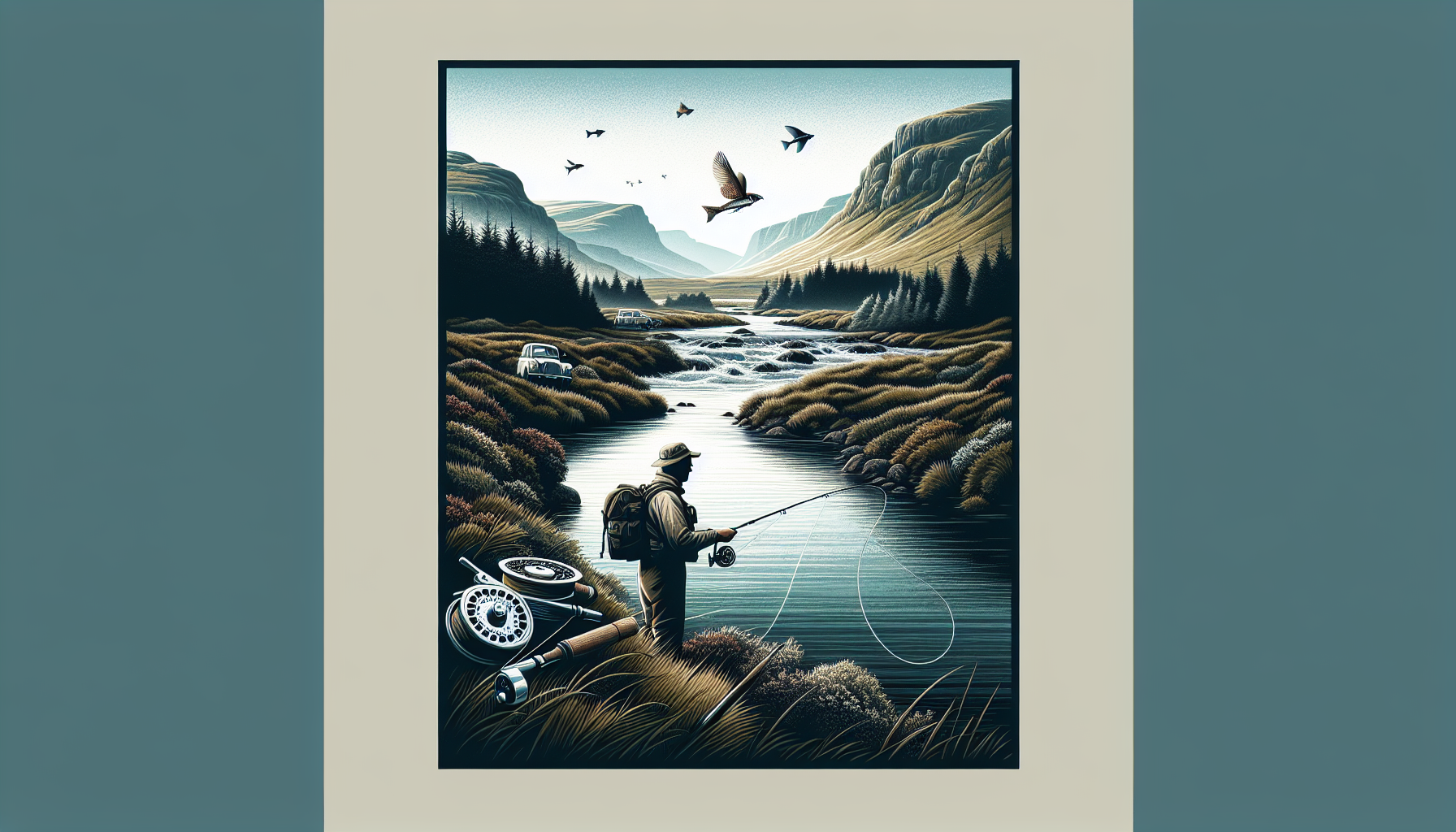
The River Tay is Scotland’s heavyweight salmon river and often the first recommendation for anglers wanting a realistic chance of a big fish. It is the largest river by volume in the country, supports spring, summer, and autumn fishing, and is famous for two-handed Spey work from bank and boat. Productive beats around Dunkeld, Murthly, Meikleour, and Islamouth regularly feature in experienced anglers’ itineraries. The Tay’s size gives it resilience in many conditions, although height and temperature still matter. If someone asks which Scottish river is best for salmon beginners, I often suggest a professionally run Tay beat because instruction, boat fishing, and fishable space can shorten the learning curve.
The River Spey is equally iconic but different in character. It is quicker, more technical in places, and central to the history of Spey casting. Fishing around Grantown, Aberlour, and the lower river has immense appeal for anglers who value scenery and tradition as much as numbers. The River Dee, especially in Royal Deeside, is the benchmark spring salmon river. Its fly-only ethos on many beats, disciplined rotation, and polished gillie culture make it one of the finest salmon experiences in Europe. Cold water and early-running fish are the draw, though success can be challenging without favorable levels. The River Tweed deserves equal attention, particularly in autumn, when larger runs and strong access make it one of the most reliable salmon venues in Britain.
For sea trout, the River Earn, selected west coast systems, and several Highland rivers can produce memorable night fishing. Sea trout are often underappreciated by traveling anglers focused only on salmon, yet on the right evening they provide some of the most electrifying takes in Scottish fly fishing. On smaller rivers, mobility and timing after rain are critical. That is why local guidance matters so much in Scotland: a short-lived lift in water can transform a quiet beat into the best option in the region.
Best lochs for wild brown trout
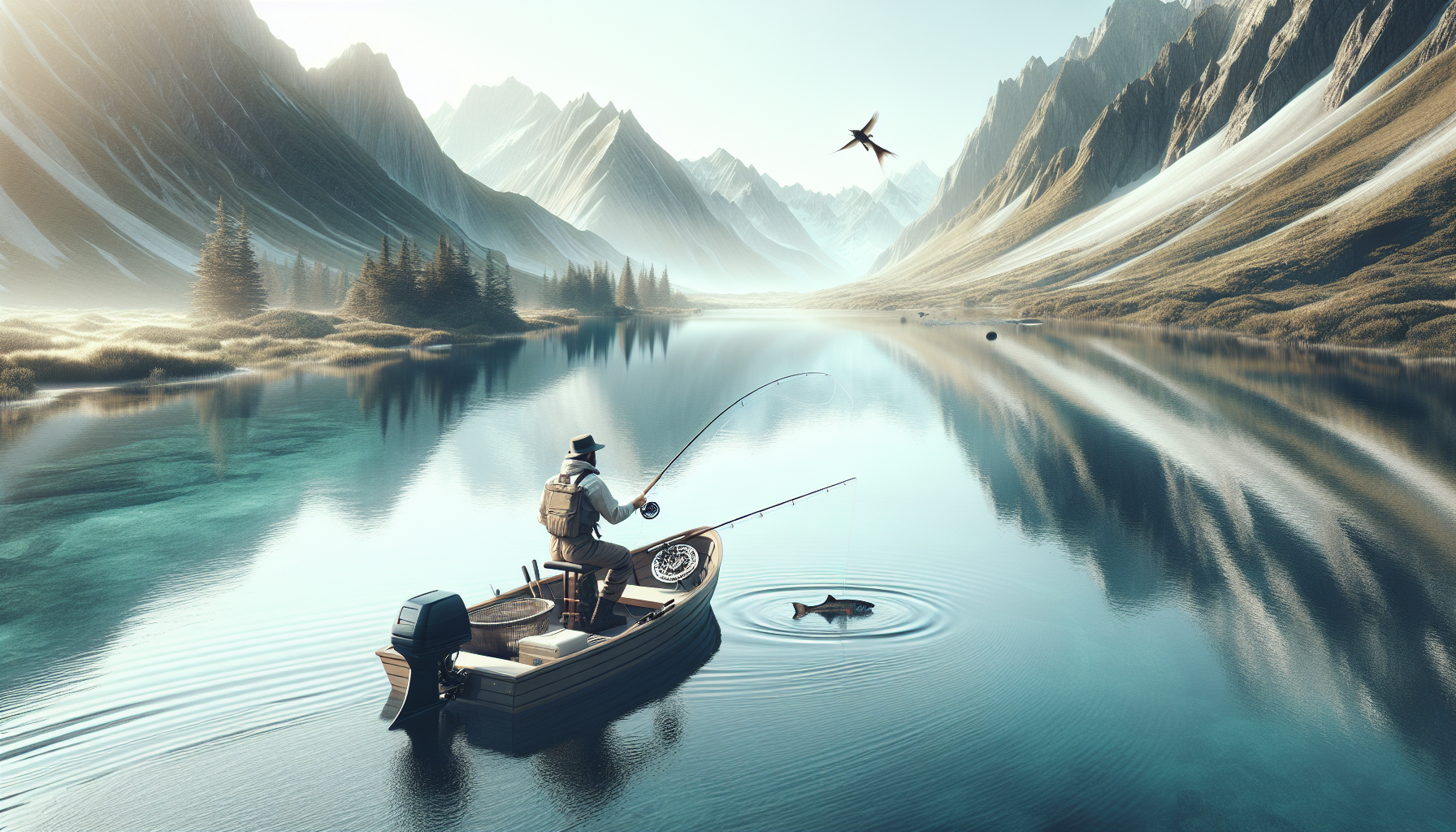
Scotland’s lochs are the heart of its brown trout identity. Loch Leven is the most famous trout loch in the country and one of the most influential in fly fishing history, known globally for the “Loch Leven” trout strain and classic boat fishing. Shallow, fertile, and weather-dependent, it rewards anglers who can manage drift speed, wave angle, and fly depth. Traditional teams such as Dabblers, Bob’s Bits, crunchers, and bumbles still produce, but modern nymphs and blobs have their place depending on rules and fish behavior.
In the Highlands, Loch Sheil, Loch Maree, and Loch Laggan offer a more rugged experience with wild fish, dramatic landscapes, and far lower fishing pressure than better-known southern waters. On Islay, Orkney, Shetland, Lewis, and Harris, lochs can provide exceptional sport for beautifully marked brown trout that feed hard in cool, fertile conditions. Hebridean loch fishing often means stalking banks, fishing from small boats, or covering wind lanes where terrestrials and midges collect. The direct answer to “Where is the best trout fishing in Scotland?” is that it depends on style: Loch Leven for heritage and managed consistency, the Hebrides for wilderness and wild fish quality, and Highland lochs for scenery and variety.
| Water | Primary Species | Best For | Typical Season Strength |
|---|---|---|---|
| River Tay | Atlantic salmon | Big-river salmon, guided access | Spring to autumn |
| River Dee | Atlantic salmon | Spring salmon, classic beats | Late winter to early summer |
| River Tweed | Atlantic salmon | Autumn reliability | Late summer to autumn |
| Loch Leven | Brown trout | Boat fishing, traditional loch style | Spring to early autumn |
| Hebridean lochs | Brown trout | Wild fish, remote landscapes | Late spring to summer |
Seasonality, tactics, and gear choices
Scottish fly fishing is profoundly seasonal. Spring salmon anglers typically carry sink-tips, tube flies, and heavier rods because water is cold and fish often hold deeper. On the Dee in March or April, a 13- to 15-foot double-hander and a compact Skagit or Scandi system with appropriate tips is standard. By summer, many rivers allow a lighter presentation with smaller flies, especially in low clear water. On the Tweed in September and October, changing water levels may require multiple setups in one day. I have repeatedly seen anglers struggle not because they cast poorly, but because they arrived with one line density and one fly box for a week of changing conditions.
Loch fishing follows its own calendar. Early season often favors sunk lines and flies worked slowly for trout feeding on fry, nymphs, or leeches. As temperatures stabilize, buzzer hatches, olives, sedges, and terrestrials can bring fish higher. A standard Scottish loch rod is often a 9.5- to 10-foot six- or seven-weight capable of handling teams of flies in wind. For small stream and river trout, lighter four- and five-weight outfits excel, though modern contact nymphing tactics now appear on more managed waters. Waders, layered waterproofs, eye protection, and a serious weather plan are not optional in Scotland. Wind can make a loch dangerous quickly, and river levels can rise fast after localized rain.
How access, permits, and guiding work
One reason Scotland functions so well as a Europe fly fishing hub is the range of access models. Premium salmon beats on rivers like the Dee, Spey, Tay, and Tweed are commonly booked by rod per day or by week, often through estates, specialist agents, or outfitters. Prices vary sharply based on season, beat reputation, and exclusivity. At the other end, angling clubs, associations, and local permits open substantial trout and grayling water at modest cost. Platforms such as FishPal have made discovery and booking easier, while local tackle shops remain valuable sources of current information.
Guides and gillies are worth the investment, particularly for first visits. In salmon fishing, a good gillie does far more than point to a pool. They manage rotation, select fly size, read height and pace, adjust sink rate, and maintain confidence when conditions are difficult. On lochs, experienced boatmen understand drifts, productive shorelines, and how changing light alters feeding lanes. Questions searchers often ask include “Do I need a guide for fly fishing in Scotland?” and “Can tourists fish Scottish rivers?” The accurate answer is yes, tourists can absolutely fish, but permits, beat rules, and local instruction determine how efficiently you fish and whether you are on suitable water for current conditions.
Planning a Scotland itinerary within a Europe trip
For travelers building a broader Europe fly fishing itinerary, Scotland works best as either a dedicated seven- to ten-day trip or the opening leg of a northern circuit that may also include Iceland, Ireland, or Norway. If your priority is salmon, pick one main river and one backup option within driving distance rather than trying to sample four famous systems superficially. If your goal is trout variety, combine a major loch such as Leven with two or three Highland or island days. Shoulder months can be excellent value: May and June often bring strong trout action and pleasant daylight hours, while September balances salmon opportunity with stable travel logistics.
This hub article should also guide your next clicks across the Fly Fishing Destinations Europe cluster: deeper pages on the River Tay, River Dee, Loch Leven, the Hebrides, and Scottish salmon tactics would logically sit beneath it, alongside comparison guides to Iceland, Norway, and Slovenia. The key takeaway is simple. Scotland is not merely a famous fly fishing destination; it is one of Europe’s most complete angling countries. Its top rivers and lochs reward preparation, respect for local systems, and flexible tactics. Choose the right season, secure access early, and use local expertise. If you are planning your next Europe fly fishing trip, start with Scotland, then build outward from this hub into the specific waters that match your style.
Frequently Asked Questions
What makes Scotland such a respected fly fishing destination in Europe?
Scotland stands out because it brings together several qualities that serious fly anglers actively seek: cold, clean, oxygen-rich water; strong seasonal migrations of Atlantic salmon and sea trout; abundant wild brown trout populations; and a long, deeply rooted angling culture. Few destinations in Europe offer that combination across such a broad range of rivers, lochs, and landscapes. In one trip, an angler can fish a classic salmon river with named beats and ghillies, explore a Highland loch for hard-fighting wild trout, and then compare those experiences with other premier European fly fishing regions. Scotland’s reputation is not based on scenery alone, although the scenery is exceptional. It comes from the quality of its fisheries, the historic management of beats and estates, and the consistency with which certain waters have produced memorable fish for generations.
Another reason Scotland is so highly regarded is variety. The country offers everything from large, famous salmon systems such as the River Spey, Tay, Dee, and Tweed to intimate hill lochs and spate rivers where a change in water level can transform the fishing overnight. That range matters for traveling anglers because it means Scotland can suit different goals, budgets, and skill levels. Some visitors arrive for the tradition and challenge of Spey casting on major salmon rivers, while others are more interested in stalking wild brown trout with dry flies on a Hebridean loch or fishing nymphs on a smaller stream. In practical fly fishing terms, Scotland rewards good presentation of an artificial fly, close attention to weather and water conditions, and a willingness to adapt between loch-style tactics, river techniques, and migratory fish methods.
Which rivers in Scotland are considered the top choices for fly fishing?
Several rivers consistently rank among Scotland’s best, and each has its own identity. The River Spey is world-famous, not only for Atlantic salmon but also for its role in shaping Spey casting and modern two-handed fly fishing. It is often high on visiting anglers’ lists because it offers prestige, productive water, and a classic Scottish salmon fishing atmosphere. The River Dee is another elite salmon river, especially valued for its scenic beauty, disciplined river management, and spring salmon tradition. When conditions are right, the Dee provides one of the most iconic fly fishing experiences in Europe. The River Tay, Scotland’s largest river system, is known for scale, power, and the potential for large salmon. It offers multiple tributaries and a wide spread of fishing options, giving anglers more flexibility across the season.
The River Tweed is especially important for salmon and sea trout and is often considered one of the more accessible major rivers for anglers wanting to experience traditional Scottish beat fishing. It has a long season, a strong reputation, and excellent fly water in many sections. Beyond the headline rivers, there are many outstanding smaller systems that deserve attention, including the Don, Findhorn, Nith, and Thurso, along with numerous west coast spate rivers that can fish brilliantly after rain. For trout anglers, river choice depends heavily on style and expectations. Some rivers are best known for migratory fish, while others shine for wild brown trout or mixed opportunities. The best approach is to match the river to the season, target species, water conditions, and your preferred method, whether that means swinging flies for salmon, fishing small dries for trout, or adapting to changing flows with nymphs and wet flies.
What are the best lochs in Scotland for fly fishing, and how do they differ from river fishing?
Scotland’s lochs are a major part of its fly fishing appeal, and for many anglers they offer the purest expression of wild trout fishing. Loch Leven is perhaps the most historically famous trout loch in the country, renowned for its strong tradition of boat fishing and its distinct trout strain. Loch Style fishing, which often involves drifting from a boat and fishing teams of wet flies, has deep roots in Scottish angling and remains highly effective. Other notable waters include Loch Awe, which is known for both trout and ferox opportunities, and many Highland and island lochs that hold beautifully marked wild brown trout in stunning, often remote surroundings. On the Hebrides, Orkney, Shetland, and across the Highlands, anglers can find lochs that range from highly managed and well-known to quiet, lightly pressured waters where fish are shaped by natural conditions rather than stocking programs.
Loch fishing differs from river fishing in several important ways. On a river, the current largely determines presentation, holding lies, and how an angler covers water. On a loch, wind direction, drift speed, wave action, depth changes, shoals, weed beds, and shoreline structure become much more important. Trout in lochs may patrol margins, feed over drop-offs, or move into shallower water as light, temperature, and food sources shift throughout the day. That means success often comes from reading open water rather than visible stream features. Techniques also differ. Anglers commonly use teams of flies, varied retrieves, intermediate or floating lines, and mobile drifts to search broad areas. In contrast, river fly fishing often calls for more exact line control and current-based presentations. Both styles are distinctly Scottish in their own way, and many visiting anglers find that combining salmon rivers with loch trout fishing creates the most complete trip.
When is the best time of year to go fly fishing in Scotland?
The best time depends on the species you want to target and the style of fishing you prefer. For Atlantic salmon, Scotland’s season can stretch from winter into autumn depending on the river, but timing is critical. Early spring is prized on rivers such as the Dee and Tay for spring salmon, which are often powerful, fresh-run fish and highly sought after by experienced anglers. Summer can bring excellent opportunities on many systems, especially with grilse runs and sea trout activity, though low water and warm weather can affect conditions. Autumn is productive on rivers like the Tweed and can be an excellent time for salmon in many catchments, especially when rain lifts water levels and encourages fish to move. For salmon anglers, river height, temperature, and recent rainfall often matter more than the calendar alone.
For brown trout, late spring through early autumn is generally the key period. May and June are especially popular because insect life is often abundant, days are long, and trout feed actively on lochs and rivers alike. Summer can provide superb dry-fly opportunities, evening rises, and exciting loch fishing, particularly in northern and western areas where light and weather patterns extend productive hours. However, bright conditions or low water can make fish more selective. Sea trout fishing often peaks in summer on some systems, especially at night or in low-light periods. If you are planning a trip, it is wise to choose your dates around a primary target species but keep a secondary option in mind. Scotland’s weather can shift quickly, and the most successful visiting anglers are usually those who build flexibility into their itinerary and adapt to local conditions as they develop.
What should visiting anglers know about permits, guides, tactics, and planning a fly fishing trip in Scotland?
Planning matters in Scotland because many of the best fisheries operate through a beat system, club access, estate management, or local permit structure. On major salmon rivers, you typically do not simply arrive and start fishing. Instead, you book a beat for a day or several days, often through an estate, fishing office, association, or outfitter. Prices vary widely depending on the river, beat quality, time of year, and current fishing conditions. On smaller rivers and many trout lochs, access may be more affordable and straightforward, but permits are still commonly required. Some waters are controlled by local angling clubs, while others are available through hotels, sporting estates, or regional fisheries boards. Because rules differ by water, anglers should confirm seasons, permitted methods, catch-and-release policies, hook restrictions, boat requirements, and whether a ghillie or guide is included or recommended.
In tactical terms, visiting anglers should be prepared for changing weather and multiple styles of fly fishing. For salmon, that often means bringing a two-handed rod for larger rivers, a selection of sink tips or lines suited to water depth and speed, and proven regional fly patterns in a range of sizes. For trout lochs and smaller rivers, a lighter single-handed setup, floating lines, nymphs, wet flies, and dry flies are essential. Layered clothing, waterproofs, quality waders, and a mindset built around adaptation are just as important as fly boxes. Hiring a local guide or ghillie is often one of the best investments you can make, especially on a first trip. Local knowledge helps with beat rotation, fly choice, water coverage, and understanding how fish respond to current conditions. More broadly, anglers should approach Scotland with realistic expectations. It is a destination defined as much by tradition, atmosphere, and the quality of the overall experience as by numbers alone. When the fishing comes together, however, Scotland offers some of the most memorable fly fishing in Europe.