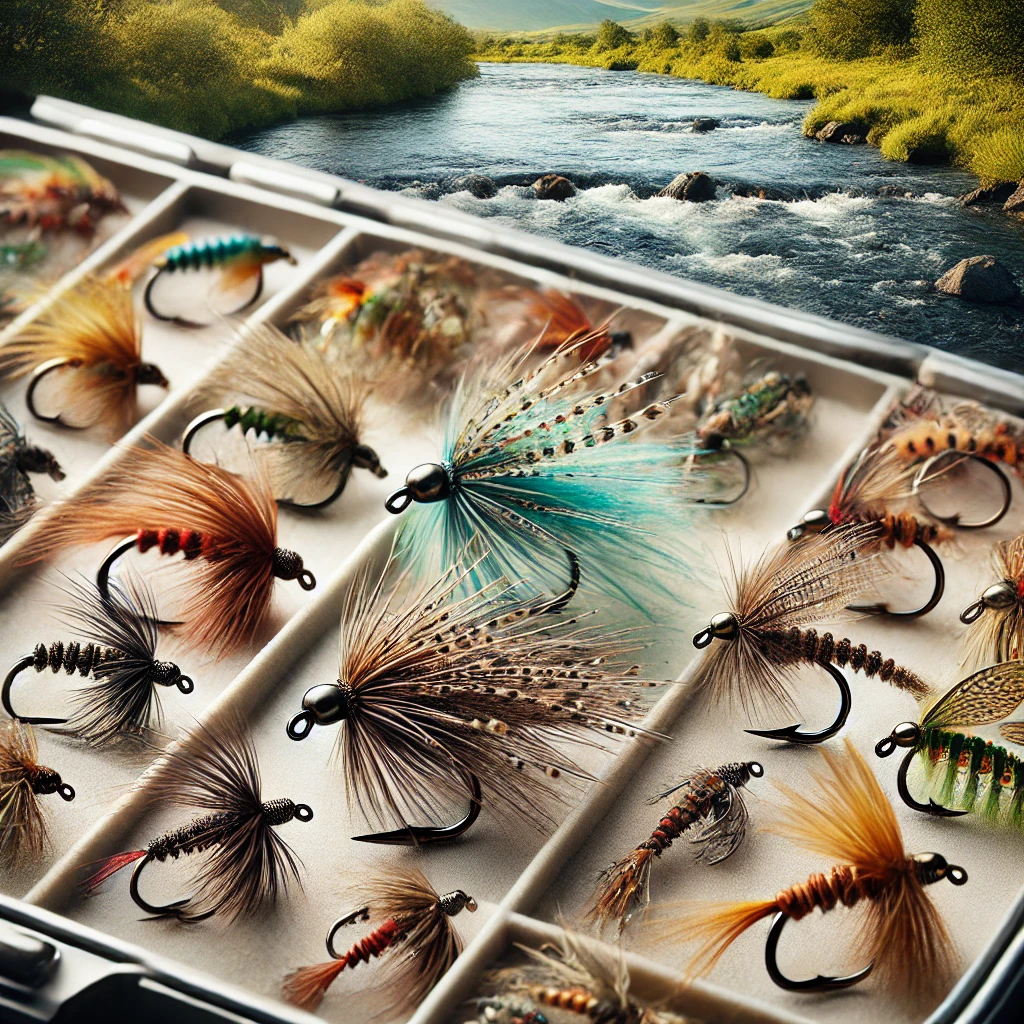
Soft hackle flies are a staple in the fly fishing world, celebrated for their simplicity, versatility, and effectiveness. Their adaptability makes them a favorite among both novice and experienced anglers. In this comprehensive guide, we’ll explore the nuances of tying soft hackle flies, delving into the history, techniques, materials, and patterns that will help you perfect your fly tying game. Whether you’re just starting out or looking to refine your skills, this article aims to be your ultimate resource.
Introduction to Soft Hackle Flies
Soft hackle flies have been part of fly fishing heritage for centuries. Originating from traditional wet flies, soft hackle flies are designed to mimic various aquatic insects that trout and other fish species feed on. These flies are characterized by their sparse bodies and soft, flowing hackle, which creates an enticing movement in the water, often proving irresistible to fish.
The appeal of soft hackle flies lies in their versatility. They can be fished in various ways – on the surface, in the film, or below the water. The fly’s structure allows it to imitate different stages of aquatic insects, including emergers, nymphs, and even drowned adults.
Another reason for their popularity is their simplicity. Soft hackle patterns often require fewer materials and steps compared to other fly patterns, making them a wonderful starting point for beginners in fly tying. Additionally, experienced fly tiers appreciate the challenge of using minimalistic techniques to produce effective flies.
In this guide, we’ll cover essential fly tying techniques, materials needed for soft hackle flies, some classic and effective patterns, and tips for fishing with soft hackle flies. By the end, you’ll have a comprehensive understanding of how to tie and use these versatile flies, potentially improving your success on the water.
Essential Fly Tying Techniques
Mastering the art of tying soft hackle flies requires a few fundamental techniques. Let’s begin with the basics:
1. Selecting the Hook
The type of hook you choose can significantly impact the effectiveness of your soft hackle fly. Generally, sizes 10 to 16 are most commonly used, but size can vary depending on the insects you are trying to imitate and the fish you are targeting. A standard wet fly hook with a slightly curved shank works best.
2. Thread Base
Applying a thin, even layer of thread along the shank of the hook provides a base for other materials to adhere to. Use 6/0 or 8/0 thread in colors like black, brown, or olive to match the natural hues of aquatic insects.
3. Body Materials
The body of the soft hackle fly is typically sparse. Popular materials include silk floss, dubbing, and fine wire. Each material offers unique advantages, such as adding weight, providing a lifelike appearance, or creating a segmented body.
4. Tying the Hackle
Soft hackles, typically from partridge, hen, or starling feathers, are what give these flies their characteristic look and action. The key to tying soft hackles is ensuring they are not too dense. Less is often more, as this allows for greater mobility and natural presentation. Tie the hackle in by the tip, and make 1-2 wraps around the hook to achieve the desired effect.
5. Whip Finish
Secure all materials with a whip finish. This knot ensures your fly stays together and can withstand multiple strikes from fish. Use a whip finishing tool or your fingers, and add a small drop of head cement for extra durability.

Materials for Soft Hackle Flies
Using the right materials is crucial for creating effective soft hackle flies. Below are some commonly used materials:
1. Hooks
As mentioned earlier, sizes 10 to 16 wet fly hooks work well. Brands like Tiemco, Daiichi, and Mustad offer high-quality hooks that are reliable and sharp.
2. Thread
6/0 or 8/0 thread in colors like black, olive, and brown are preferred. Brands such as Uni-Thread and UTC provide durable and easy-to-use options.
3. Hackle Feathers
Partridge, hen, and starling feathers are typically used for tying soft hackle flies. These feathers have soft barbs that move realistically in water. It’s worth investing in quality hackle as it can significantly impact the look and effectiveness of your flies.
4. Body Materials
Silk floss, particularly in yellow, orange, and green, is often used for soft hackle bodies. Dubbing in corresponding colors can be used for a more textured appearance. Fine copper or gold wire is also used to add segmentation and weight.
Classic Soft Hackle Patterns
There are several classic soft hackle patterns that have stood the test of time. Here are a few that every fly tier should know:
1. Partridge and Orange
This simple pattern features an orange silk body with a partridge hackle. It’s a versatile fly that works in various water conditions and for different fish species.
2. Greenwell’s Glory
With a yellow silk body ribbed with thin gold wire and a partridge hackle, this pattern is effective for imitating a range of aquatic insects.
3. Snipe and Purple
This darker pattern employs a purple silk body and snipe hackle. It’s excellent for late afternoon or evening fishing.
4. Soft Hackle Pheasant Tail
Incorporating pheasant tail fibers for the body and a soft hen hackle, this pattern is a go-to for many anglers, effectively imitating nymphs.
Advanced Tying Techniques
Once you have mastered the basic techniques, you can explore more advanced methods to refine your soft hackle flies:
1. Dubbing Loop
This technique allows for a more textured body. Create a loop with your tying thread, insert dubbing material, and twist it to form a segmented, robust body.
2. Bead Heads
Add a small bead head to your soft hackle flies to provide extra weight and get the fly down into the feeding zone faster. Beads can be brass, tungsten, or glass, depending on your desired sink rate.
3. Multiple Hackles
Experiment with using multiple hackles for different effects. For example, combining partridge with a soft hen hackle can create a fuller profile and varied movement.
Tips for Fishing Soft Hackle Flies
Understanding how to fish soft hackle flies effectively can significantly enhance your success rate:
1. Swinging
This is perhaps the most traditional method. Cast downstream and across, allowing the fly to swing through the current. This method can imitate an emerging insect moving toward the surface.
2. Dead Drifting
Cast upstream or directly in front of you and let the fly drift naturally with the current. This technique is effective for imitating nymphs and emerging insects.
3. Lifting
At the end of your drift, gently lift your rod tip. This simulates an insect rising to the surface to emerge, a crucial trigger for fish.
4. Using a Dropper
Use a soft hackle fly as a dropper behind a dry fly. This allows you to cover different water columns and increases your chances of a strike.
Conclusion
Tying soft hackle flies is an art rooted in simplicity and effectiveness. From selecting the right materials to mastering essential and advanced techniques, the journey of creating these flies can be deeply rewarding. Whether you’re fishing them on a swing, dead drift, or as a dropper, soft hackle flies are versatile tools that should be in every angler’s box.
Exploring this aspect of fly fishing can deepen your appreciation for the sport and enhance your connection to the waters you fish. By understanding the history, mastering the basics, and experimenting with various patterns and techniques, you can elevate your fly tying and fishing experience. So, get your vise ready, gather your materials, and start tying soft hackle flies that will tempt even the weariest of fish.