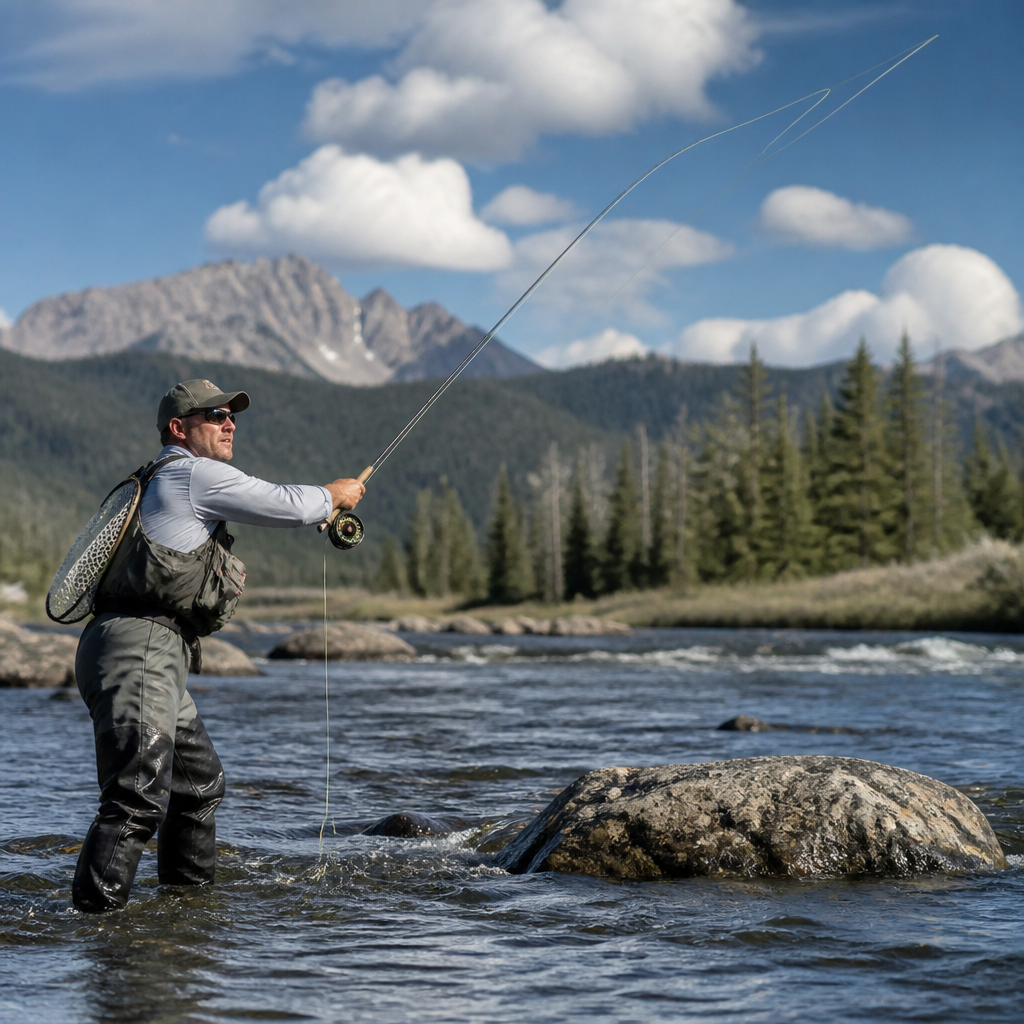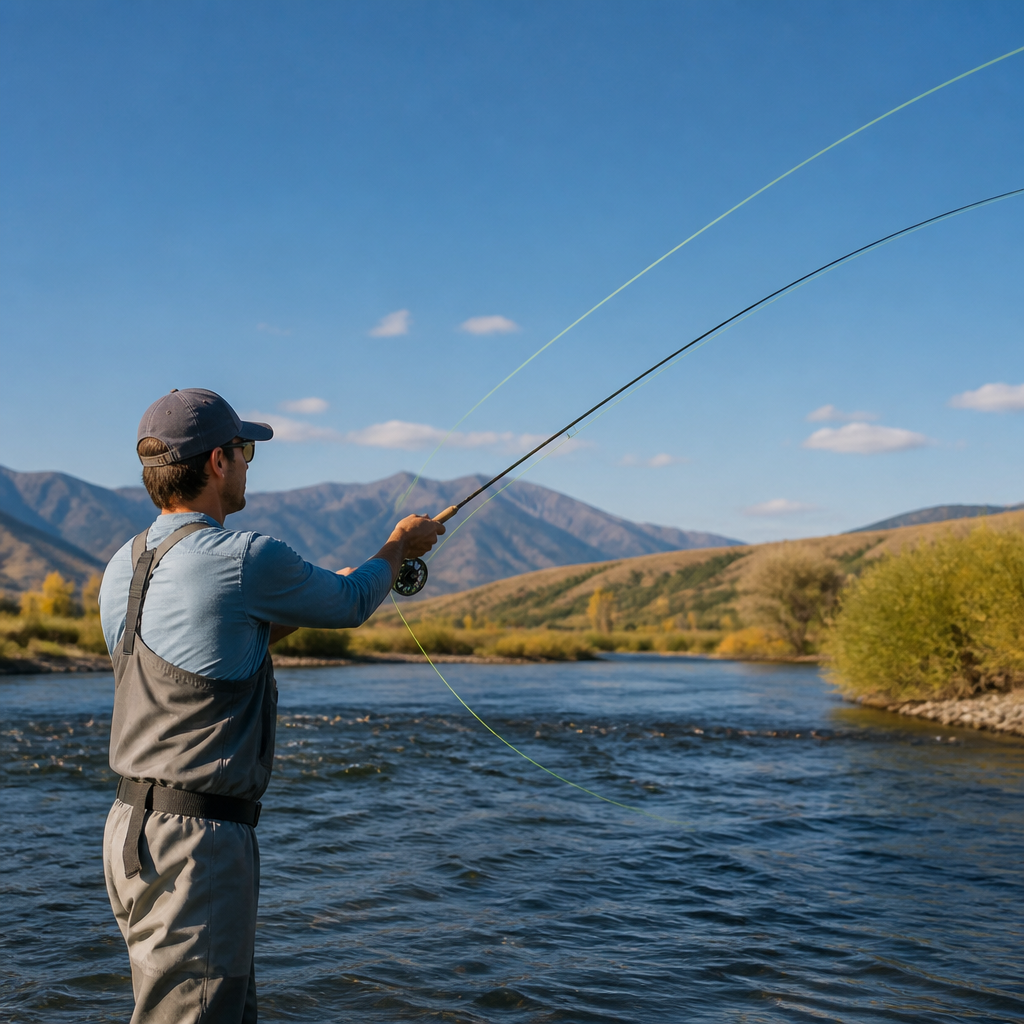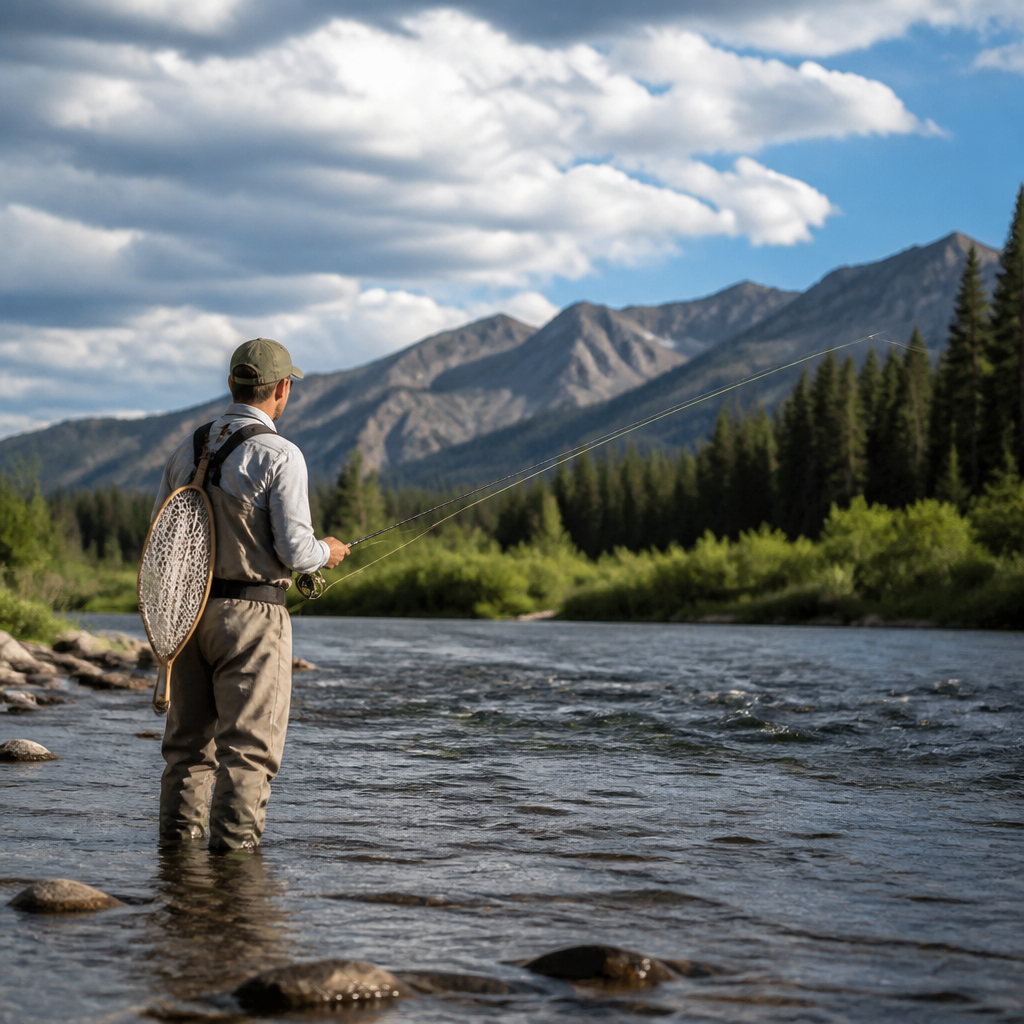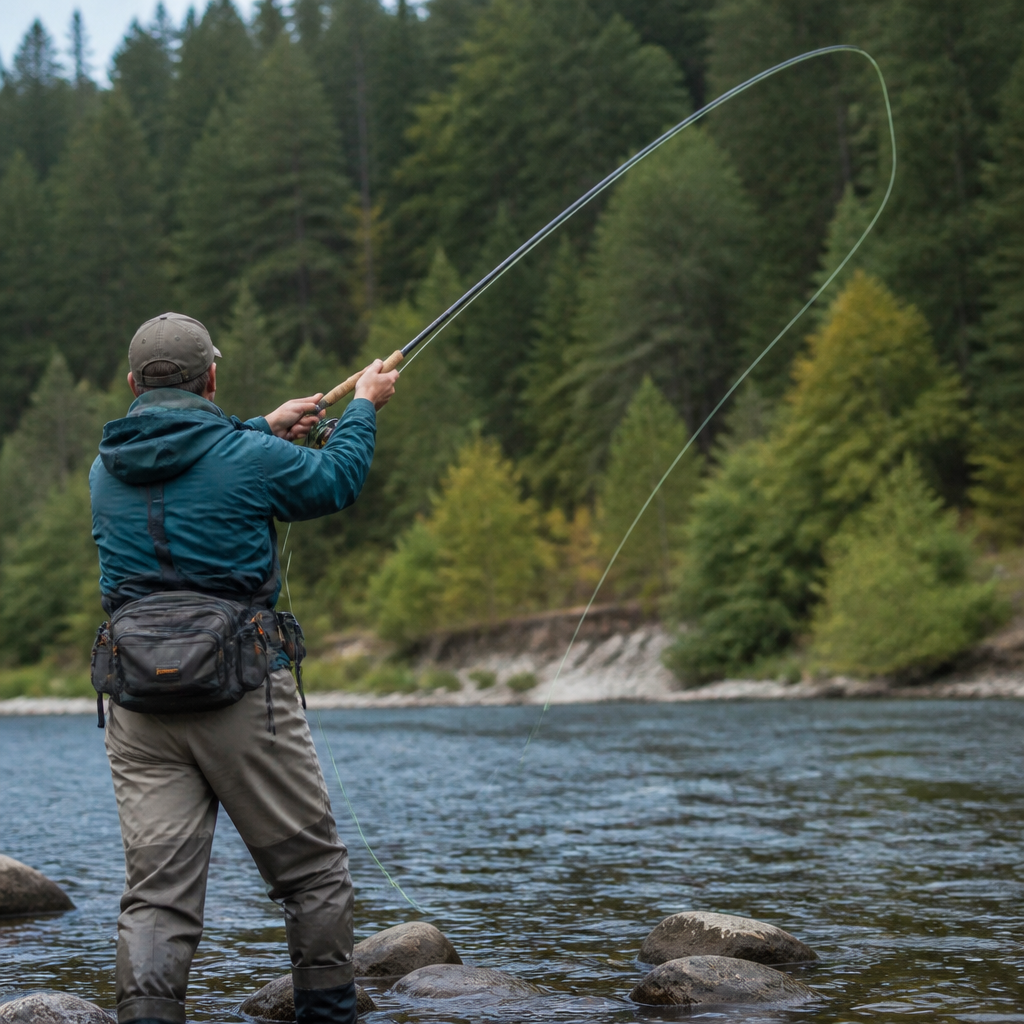
Two-handed casting expands what anglers can do with fly tackle, especially when space is tight, currents are broad, and the goal is efficient presentation at distance. In practical terms, two-handed casting uses a longer rod held with both hands to move more line with less back-cast room than standard single-hand methods. The category includes Spey casting, Skagit systems, Scandi systems, sustained-anchor casts, touch-and-go casts, and overhead techniques adapted to longer rods. As a hub within specialized techniques, this guide explains the essential mechanics, the gear decisions that matter, and where each approach fits so anglers can choose intelligently rather than copy setups blindly.
I have worked through this progression on steelhead rivers, salt estuaries, and big trout water, and the pattern is consistent: anglers improve fastest when they understand why a cast works before they chase distance. Two-handed casting matters because it solves real problems. It keeps the line moving efficiently on large rivers, reduces false casting, turns over sink tips and weighted flies more safely, and lets anglers cover more water with controlled swings or long presentations. It is also physically sustainable. A balanced two-hand setup spreads effort through both arms, the torso, and lower hand drive instead of overloading the dominant shoulder.
Key terms are worth defining early. The anchor is the portion of line and leader touching the water during many Spey casts. D-loop is the curved load of line and rod behind the caster before the forward stroke. Grain window refers to the rod’s effective line-weight range measured in grains, not standard single-hand fly line numbers. Running line is the thin line shot after the head. Shooting head describes a short, heavy front section that loads the rod quickly. Sink tip means a dense interchangeable front section used to fish deeper. These terms appear across every specialized technique article linked from this hub because they determine rod load, timing, and presentation quality.
The biggest mistake beginners make is treating two-handed casting as mysterious. It is not mysterious; it is governed by anchor placement, sweep path, rod load, and clean acceleration to a stop. Once those are understood, specialized variations become manageable. This article serves as the central reference for the subtopic by outlining the major casting families, the gear matrix behind them, the setup errors that cause most failures, and the progression I recommend when teaching anglers to build repeatable skill.
Core Mechanics of Two-Handed Casting
Every effective two-handed cast follows the same sequence: set the anchor, form the D-loop, accelerate smoothly, and stop high enough to direct the line. The exact motions differ between a Snap-T, Double Spey, Perry Poke, or single Spey, but the governing mechanics do not change. The line must stick to the water just enough to resist and load the rod, while the sweep must travel on a path that aligns the D-loop with the intended target. If the sweep drifts off plane, the forward cast compensates poorly, often crossing the rod tip path and producing tailing loops, blown anchors, or dangerous hook trajectories.
The top hand guides and stabilizes; the bottom hand supplies much of the power. I stress this immediately when coaching because many anglers overpower the cast with the upper arm and shoulder. That creates a wide, collapsing D-loop and a low forward stop. A better cue is “lift with the top, pull with the bottom.” The rod should rotate under control, not be muscled. Good casters look calm because timing, not force, loads the blank. Modern rods built from high-modulus graphite make this obvious: overpowered movements cause bounce and open loops, while compact strokes keep the tip traveling more cleanly.
Anchor control determines safety and efficiency. For sustained-anchor systems, the anchor lands and remains in contact long enough to stabilize the sweep into the D-loop. For touch-and-go systems, the anchor kisses the surface only briefly before the forward stroke. If the anchor is too far away, the rod struggles to load and the cast sticks. If it is too close, the fly can collide with the rod or caster. A practical rule is to place the anchor approximately one rod length away and slightly off the casting-side shoulder, then adjust for wind, sink-tip length, and the specific cast.
Tracking matters as much in two-handed casting as in single-hand fly casting. The rod tip should travel in a straight or deliberately curved path appropriate to the cast, finishing with a crisp stop that sends energy forward. Watch excellent casters on the River Spey, British Columbia steelhead rivers, or Scandinavian sea-trout flats and you will notice that their movements are compact. The line appears to do the work because the rod tip path is efficient. Specialized techniques are simply different answers to current speed, bank structure, wind direction, fly size, and required depth.
Major Casting Systems and When to Use Them
Spey casting is the broad umbrella, but anglers benefit from separating systems by line design and anchor style. Skagit is the workhorse for heavy sink tips, weighted intruders, cold water, and confined banks. Its short, powerful head loads quickly and excels with sustained-anchor casts such as the Snap-T, Circle Spey, and Perry Poke. Scandi, short for Scandinavian shooting head, is longer and finer in taper. It favors touch-and-go casts, cleaner loops, lighter flies, and elegant turnover on floating lines or light poly leaders. Traditional long-belly systems reward skilled casters with exceptional mending and line control at distance, but they demand precise timing and room.
Overhead casting with two-handed rods deserves equal attention. On beaches, estuaries, and open gravel bars, overhead techniques can maximize distance and line speed, especially with integrated shooting heads designed for surf or salmon work. The rod length improves line carry and pickup, while the two-hand grip reduces fatigue during repeated long casts. I often recommend overhead practice even to river anglers because it teaches direct application of power and reveals whether a line is within the rod’s grain window. If a setup feels dead overhead, it usually feels compromised on the water during Spey casts as well.
Choice of cast follows river right or river left position, wind direction, and obstacle management. A Double Spey is stable in downstream wind and useful when repositioning line deliberately on the water. A single Spey is fast and efficient with upstream wind on the casting side, but less forgiving with sink tips. A Snake Roll can be excellent for quick direction changes with floating lines. The Perry Poke shines when heavy tips and flies would otherwise crash because it resets the anchor and slows the sequence. Specialized technique means selecting the cast that matches the fishing problem, not forcing one favorite move everywhere.
| System | Best Use | Typical Head Style | Anchor Style |
|---|---|---|---|
| Skagit | Heavy tips, big flies, tight banks | Short, powerful shooting head | Sustained anchor |
| Scandi | Floating lines, light tips, small to medium flies | Longer front-tapered head | Touch-and-go |
| Long belly | Distance, line control, advanced mending | Integrated or extended belly | Touch-and-go |
| Two-hand overhead | Beaches, open bars, estuaries | Integrated head or shooting line system | No anchor required |
For trout Spey, compact rods in the 10-foot 6-inch to 11-foot 6-inch range handle soft hackles, streamers, and indicator adaptations on medium rivers. For Great Lakes steelhead and Pacific Northwest winter fish, 12-foot 6-inch to 13-foot 6-inch rods remain the all-around standard. Atlantic salmon anglers often prefer lighter, more touch-and-go-friendly systems that preserve delicate presentation. Saltwater two-handers occupy a narrower niche, but they are effective for striped bass, sea-run brown trout, and surf situations where managing long lines and stripping baskets matters. The specialized technique always begins with fish species, water size, and fly payload.
Choosing Rods, Lines, Reels, and Leaders
The rod is the engine, but line selection determines whether the engine works efficiently. Manufacturers publish grain windows for a reason. A 13-foot 7-weight two-hander might perform well with a 475- to 525-grain Skagit head, a 420- to 480-grain Scandi head, and different sink-tip lengths depending on rod action. Fast rods usually prefer compact strokes and disciplined timing; moderate rods communicate load more clearly and are often easier for developing casters. I advise anglers to ignore the printed line number until they understand the grain ratings recommended by both the rod maker and experienced casters using similar tips.
Integrated lines simplify handling and reduce hinging at loop connections, which helps newer casters. Modular systems are more versatile. A common steelhead setup might pair a Skagit head with MOW tips from Airflo or RIO, giving combinations of floating and sink sections to match depth and speed. Scandi users often carry tapered leaders plus polyleaders in intermediate, slow-sink, and fast-sink densities. Long-belly casters may prefer integrated lines from Scientific Anglers or Carron because continuous tapers improve mending and aerialized control. There is no universal best line, only the line that loads the rod cleanly and matches the intended presentation.
Reels matter less for casting than rods and lines, but balance is not cosmetic. A reel that counterweights a long rod reduces fatigue during a full day of swinging flies. For anadromous fish, a smooth sealed drag is worth paying for because steelhead, salmon, and bright sea-run fish expose weak startup inertia immediately. Arbor size affects retrieve speed and line memory. Backing capacity must account for thick running lines and large-diameter shooting heads. On beach systems, integrated intermediate heads often pair best with stripping baskets to prevent loose line from fouling in current, kelp, or uneven cobble.
Leader design should support turnover, depth, and fly movement. Skagit setups with sink tips typically use short leaders, often 2 to 4 feet of Maxima or fluorocarbon depending on abrasion and water clarity. Scandi systems perform better with longer tapered leaders because they preserve the front taper’s energy and produce cleaner turnover. For skating dries or riffling hitch presentations, leader length increases separation and drift control. For weighted intruders, shorter is usually better. Specialized gear choices are not accessories to technique; they are part of the cast itself because mass distribution dictates anchor behavior and loop formation.
Presentation, Common Errors, and Skill Progression
Good two-handed casting is only useful when it supports presentation. On swung-fly fisheries, the cast should land with enough angle to let the line, leader, and fly come under tension at the intended speed. Upstream mends slow the swing and help tips sink; downstream mends speed the fly and can trigger aggressive fish. Rod angle after the cast changes depth and belly formation. On broad tailouts, a long cast with poor swing control catches fewer fish than a moderate cast followed by immediate line management. This is why advanced anglers obsess over setup, angle, mend, and step length, not just distance.
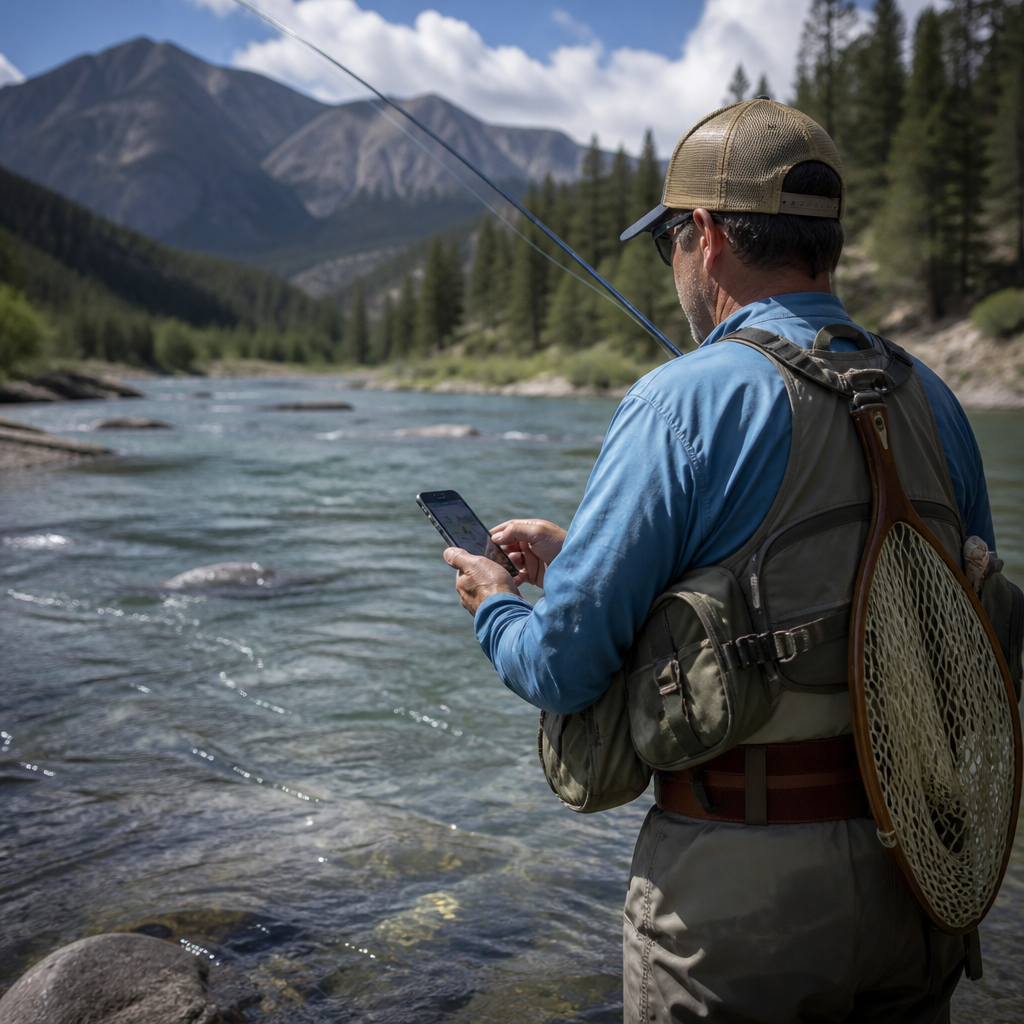
Most casting problems trace to five errors. First, the anchor lands in the wrong place. Second, the sweep is rushed, so the D-loop collapses. Third, the forward stroke begins before the line fully comes around. Fourth, the caster drives with the top hand and drops the tip. Fifth, the line system is mismatched to rod and fly size. I diagnose these by watching where the fly lands, where the rod tip travels, and whether the line sticks or blows. Slow-motion phone video is one of the best training tools available because it reveals rod path and anchor position immediately.
A reliable progression starts with static roll casts, then sustained-anchor casts with floating line, then light sink tips, then more dynamic touch-and-go work. I prefer this sequence because it teaches waterborne load before speed-sensitive timing. Practice should be short and deliberate. Set a target at 50 feet, then work on anchor consistency and loop shape rather than hauling line farther every cast. On grass, yarn and lawn casting can help with stroke mechanics, but water practice is essential because anchor friction changes everything. Lessons from instructors certified through organizations such as FFI or APGA accelerate progress dramatically when they include line-matching guidance.
This hub should lead anglers deeper into specialized techniques with purpose. From here, the next useful subjects are Skagit fundamentals, Scandi presentation, touch-and-go casting mechanics, sink-tip strategies, trout Spey applications, and advanced line matching by grain and tip length. Mastering two-handed casting does not require owning many rods or memorizing every named cast. It requires understanding anchor, sweep, load, and presentation, then pairing those mechanics with suitable gear. Start with one balanced outfit, practice one cast until it is dependable, and build outward. The reward is broader water coverage, safer turnover of difficult flies, and more effective fishing in places where single-hand methods reach their limits.
Frequently Asked Questions
What is two-handed casting, and how is it different from standard single-hand fly casting?
Two-handed casting is a style of fly casting that uses a longer rod held with both hands to control more line efficiently, often with far less room behind the angler than a traditional single-hand setup requires. Instead of relying on a long back cast in open air, many two-handed casts use water tension, anchor placement, and rod load to deliver the fly. That is what makes the approach so effective on broad rivers, steep banks, tree-lined runs, and other places where a conventional back cast is limited or impossible.
In practice, the biggest differences are rod length, casting mechanics, and line systems. Two-handed rods are typically longer than single-hand rods, giving anglers more leverage for lifting line, managing swing speed, mending at distance, and controlling presentation across varied current seams. The casting stroke also changes. Rather than only driving line with repeated false casts, two-handed methods often build energy through a setup move, a formed loop or D-loop, and a compact forward delivery. This creates efficient distance with less effort over the course of a full day.
Another major distinction is versatility. Two-handed casting is not just one cast. It is an umbrella that includes Spey casting, Skagit systems, Scandi systems, sustained-anchor casts, touch-and-go casts, and overhead styles adapted to longer rods. Each has a purpose. Some are designed for turning over heavy sink tips and large flies, while others excel at clean, elegant presentations with smaller flies and floating lines. Because of that range, two-handed casting has become a core skill set for anglers targeting steelhead, salmon, trout, and other migratory or river-oriented species where presentation, line control, and efficiency matter.
When should an angler choose a two-handed rod instead of a single-hand rod?
A two-handed rod is often the better choice when fishing conditions reward long, efficient casts, strong line control, and reduced physical fatigue. If you are covering wide rivers, stepping through runs, swinging flies, fishing from high banks, or working in tight corridors with brush or limited back-cast space, a two-handed setup can offer immediate advantages. It lets you move more line with less effort and often helps maintain consistency throughout the day, especially when repetitive long casting is part of the plan.
It is also the right tool when presentation style matters as much as raw distance. On big currents, longer rods make mending and swing management easier. That means better depth control, improved speed across the current, and cleaner line positioning after the cast lands. If you are fishing tips and intruders for steelhead, broad shouldered streamers for salmon, or trying to present flies on a controlled swing over long lanes of holding water, two-handed tackle gives you a level of reach and leverage that is difficult to match with a standard single-hand rod.
That said, choosing a two-handed rod does not mean abandoning single-hand gear. Many anglers use both depending on the water. Small streams, short-range dry fly work, boat fishing, and highly precise close-in presentations still favor a single-hand rod. The smart approach is to think in terms of fishing problem-solving. If the challenge is distance, limited casting room, broad current, sink-tip turnover, or all-day efficiency, two-handed casting usually becomes the better answer.
What are the main differences between Skagit, Scandi, and traditional Spey line systems?
Skagit, Scandi, and traditional Spey systems are all part of the two-handed casting world, but each is built around a different casting feel and fishing purpose. Skagit systems use short, compact heads designed to load the rod deeply and cast heavy payloads with sustained-anchor techniques. They are especially useful with sink tips, weighted flies, and winter-style presentations where turning over mass matters more than delicacy. Many anglers choose Skagit when conditions are tough, flies are large, and the goal is simple, powerful efficiency.
Scandi systems are generally longer and finer in profile than Skagit heads, producing cleaner loops and more elegant presentations. They shine with smaller flies, lighter tips, and situations where touch-and-go casts and smooth line speed are preferred. Scandi setups are often favored in lower, clearer water or whenever anglers want distance and finesse without carrying the heavier feel of a Skagit head. They can still be highly versatile, but they are usually at their best when presentation subtlety matters.
Traditional Spey systems typically involve longer bellied lines and more classic casting styles. They reward timing, technique, and a more developed understanding of line management. While they may be less forgiving than modern short-head systems, they offer excellent stability, smooth energy transfer, and impressive control in experienced hands. For some anglers, traditional Spey casting represents the most refined expression of the two-handed discipline. For others, Skagit and Scandi systems provide a more practical path because they are easier to adapt to changing conditions. The best choice depends on river size, fly size, sink-tip needs, casting experience, and how much emphasis you place on power versus finesse.
What gear do you need to get started with two-handed casting?
To get started, you need a balanced system rather than just a two-handed rod. The core setup includes the rod, a suitable reel, an appropriate line system, backing, leader material, and flies matched to your target species and water type. Rod choice usually begins with length and line weight. Lighter trout-oriented setups may be ideal for soft hackles, small streamers, and moderate rivers, while heavier outfits are better suited to steelhead, salmon, larger flies, and sink-tip work. A well-matched reel should hold ample backing and balance the rod comfortably in hand, since overall feel matters during repetitive casting.
The line system is where many beginners either set themselves up for success or unnecessary frustration. A two-handed outfit works best when the head length, grain weight, tip style, and leader are all matched to the rod and fishing task. Skagit heads pair with interchangeable tips and are often the easiest entry point for anglers dealing with varied sink rates and larger flies. Scandi heads may be better for anglers focused on cleaner presentation and lighter flies. Traditional long-belly lines are generally better reserved for those who already have some casting foundation and want to explore classic techniques in earnest.
Do not overlook practical accessories. Good waders and boots, polarized eyewear, line management awareness, and a stripping basket in certain environments can all improve performance. Instruction is also part of the gear equation, in a sense. A lesson from a qualified two-handed casting instructor can shorten the learning curve dramatically by helping you understand anchor placement, sweep path, timing, and line matching from the beginning. The right equipment matters, but a properly fitted system and sound mechanics matter even more.
What are the most common mistakes beginners make with two-handed casting, and how can they fix them?
The most common beginner mistakes usually involve anchor placement, overpowering the stroke, poor sweep alignment, and mismatched tackle. In many cases, new casters try to force distance with muscle instead of allowing the rod and line system to do the work. That often leads to blown anchors, collapsed loops, tailing deliveries, or unsafe casting positions. A better approach is to slow down, focus on structure, and build the cast in sequence: lift, set, sweep, form the D-loop, then make a smooth, committed forward stroke.
Anchor errors are especially important. If the anchor lands too far away, too close, too heavy, or in the wrong direction, the cast becomes unstable and inefficient. Touch-and-go casts depend on precise timing and minimal anchor stick, while sustained-anchor casts depend on controlled water contact that helps load the rod. Beginners improve fastest when they learn what the anchor is supposed to do in each family of cast rather than trying to memorize rod motions alone. Understanding why the line lands where it does is the key to repeatable correction.
Tackle mismatch is another widespread issue. A head that is too heavy, too light, too long, or paired with the wrong tip can make even sound mechanics feel clumsy. That is why experienced anglers emphasize line matching so strongly. If a setup feels difficult, the problem may not be the caster alone. The fix is to work with manufacturer grain windows, trusted shop recommendations, or an instructor who understands modern systems. Combine that with short, focused practice sessions, and progress usually comes quickly. The goal is not brute force. It is efficient load, clean alignment, and a cast that works with the river rather than against it.