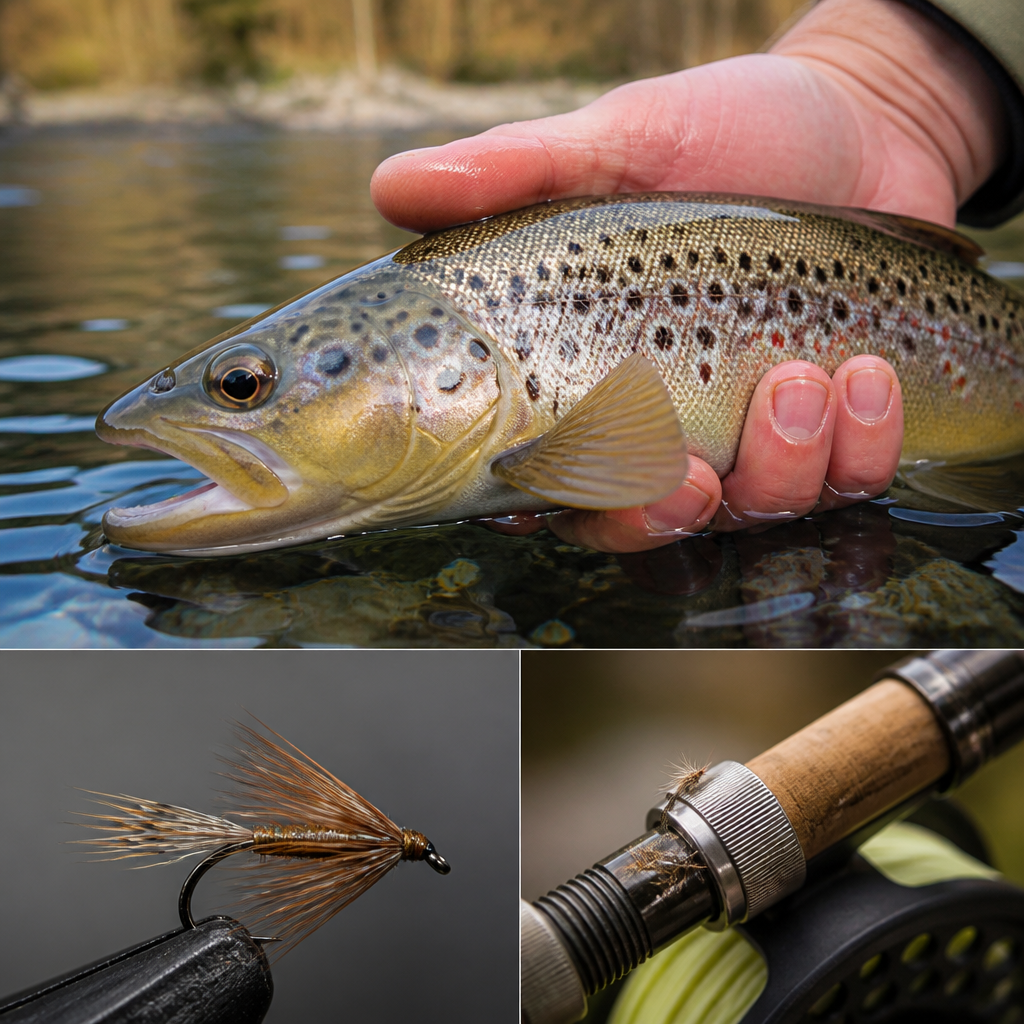
Soft hackle flies occupy a special place in fly fishing because they are simple to tie, remarkably lifelike in the water, and adaptable across rivers, streams, and lakes. In practical terms, a soft hackle fly is a sparsely dressed pattern built around a slim body and a collar of mobile fibers, usually partridge, starling, hen, or similar soft feather. Those fibers pulse, fold, and open during the swing or retrieve, imitating emerging insects, drowned adults, caddis pupae, midge clusters, small baitfish, or even tiny crustaceans. That flexibility is why anglers who understand using soft hackle flies consistently catch fish when more rigid patterns fail.
As a hub within specialized fly fishing techniques, this guide explains not only what soft hackles are, but how to fish them with intent. Over years of guiding and testing on freestone trout streams, spring creeks, tailwaters, and stillwaters, I have seen soft hackles solve difficult problems: selective trout refusing dry flies, fish suspended in moderate current, and pressured trout keyed on emergers below the film. Unlike highly technical nymph systems or streamer programs that demand heavier gear, soft hackle tactics can be integrated into standard trout setups with only small adjustments in leader design, casting angle, and presentation speed.
The term soft hackle is often used broadly, but traditional North Country spiders, wingless wet flies, and modern soft hackle emergers each have distinct roles. A North Country spider is usually sparse, impressionistic, and intended to suggest life rather than match a single insect exactly. A soft hackle emerger may include a bead, thorax dubbing, ribbing, or hotspot to target a specific hatch stage. Knowing those distinctions matters because fish respond not just to color and size, but to silhouette, sink rate, and movement. Specialized techniques with soft hackle flies are effective precisely because they exploit how fish track vulnerable prey in current.
Why does this matter enough to merit a dedicated hub article? Because many anglers underuse soft hackles by treating them as generic wet flies, then miss their greatest strengths. Properly fished, they cover water quickly, reveal feeding depth, and trigger fish through motion instead of dead drift alone. They are also one of the best bridges between dry-fly observation and subsurface execution. If trout are taking emergers, soft hackles let you fish the exact transition zone where many naturals become vulnerable. Mastering these patterns gives you a compact, versatile system that supports broader techniques and strategies across nearly every trout scenario.
Understanding Soft Hackle Design and What It Imitates
The effectiveness of soft hackle flies begins with construction. The body is usually thin because most aquatic insects are slender as they ascend. Sparse tying is critical; overdressed soft hackles lose movement and sink less naturally. The collar is the defining feature. Partridge remains the benchmark because its mottled fibers are supple and mobile, but starling excels on tiny flies, while hen or grouse can create fuller profiles. In the water, those fibers breathe with every change in current speed, creating the illusion of legs, wings, or shuck material without adding bulk.
That design allows one pattern to imitate several food forms. During a caddis emergence, a tan soft hackle can represent a rising pupa. During a blue-winged olive hatch, an olive-bodied spider can suggest an emerger trapped in the surface film. In lakes, a dark soft hackle on a slow figure-eight retrieve can mimic chironomid movement or a small leech. This broad suggestive quality is not a weakness; it is often the reason fish commit. Trout frequently key on behavior first, then size and color. A fly that moves like food can outperform a more exact imitation that lacks animation.
Hook style, bead choice, and materials determine sink rate and posture. A standard wet-fly hook creates a classic horizontal drift. A jig hook with a tungsten bead gets down quickly in pocket water but departs from tradition. Silk bodies on classic spiders absorb water and become translucent, while modern thread, dubbing, pheasant tail, hare’s ear, peacock herl, and UV materials offer durability and contrast. I treat these as tools, not dogma. Traditional patterns remain deadly, but modern variants expand where and how soft hackles can be used.
When Soft Hackle Flies Outperform Other Presentations
Soft hackles are at their best when fish are feeding in transition zones. That includes the period before a visible hatch, the window during active emergence, and the lull after surface rises stop but trout continue taking subsurface insects. On rivers, I rely on them when trout refuse a dry after short inspections, when nymphing contacts fish but feels too static, or when I need to search broad riffles efficiently. In these situations, the swing, lift, and hang-down expose fish to a moving target that resembles natural ascent.
They also excel in riffles and broken currents because movement is built into the pattern. A dry fly can become difficult to track, and a heavily weighted nymph can snag repeatedly, but a lightly weighted soft hackle fishes cleanly through mid-column water. Tailwaters are another prime setting. Midges, sowbugs, and small mayflies often keep trout looking up just enough to notice ascending prey. A #18 soft hackle with sparse starling can be more productive than a standard nymph because it shows life during the final part of the drift.
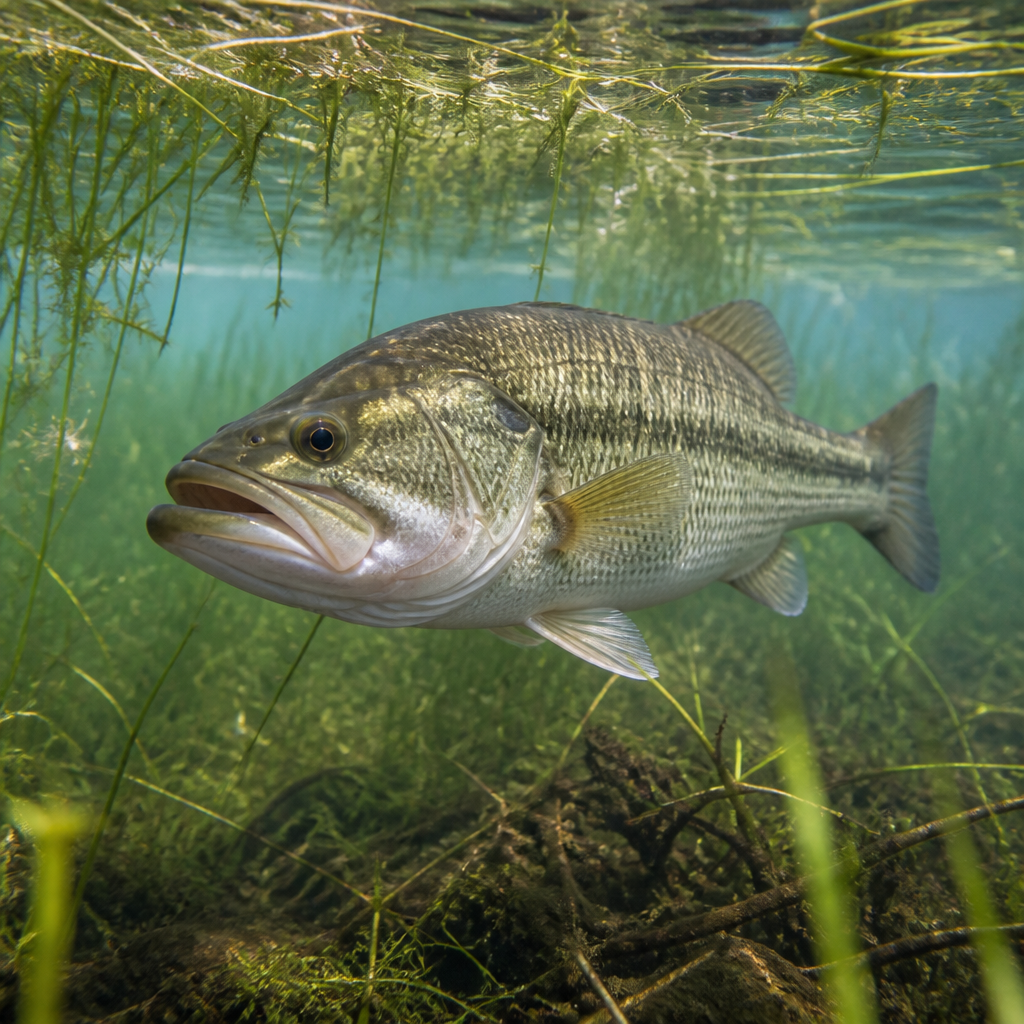
Stillwater anglers should not overlook them. Around weed edges, shoals, and drop-offs, soft hackles can imitate damselfly nymphs, callibaetis emergers, chironomid pupae, and small leeches. The key is controlled retrieve speed. Too fast, and the fly loses its natural cadence. Too slow, and it may never separate from surrounding debris visually. I often use them as a confidence pattern on calm evenings when trout cruise just below the surface, especially when no clean rise form points clearly to dry-fly feeding.
Core Presentations Every Angler Should Learn
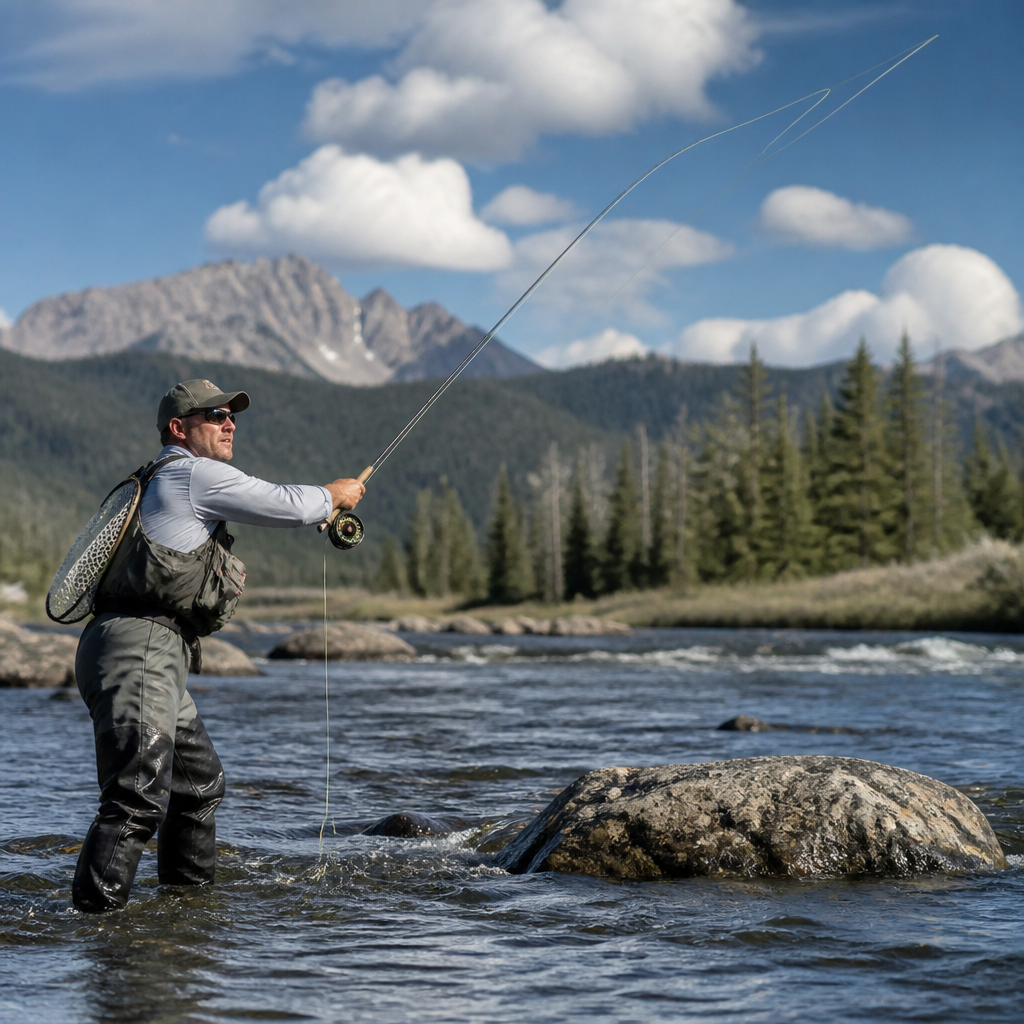
Three presentations form the foundation of using soft hackle flies: the downstream swing, the across-and-down lift, and the short-line greased-leader drift. The downstream swing is the most recognized method. Cast across or slightly downstream, mend to control speed, then let the fly arc under tension. As it tightens below you, the hackle opens and the fly rises. Many strikes come at the end of the swing, when the pattern pauses and lifts like a natural emerger. Resist stripping immediately; hold the hang-down for several seconds.
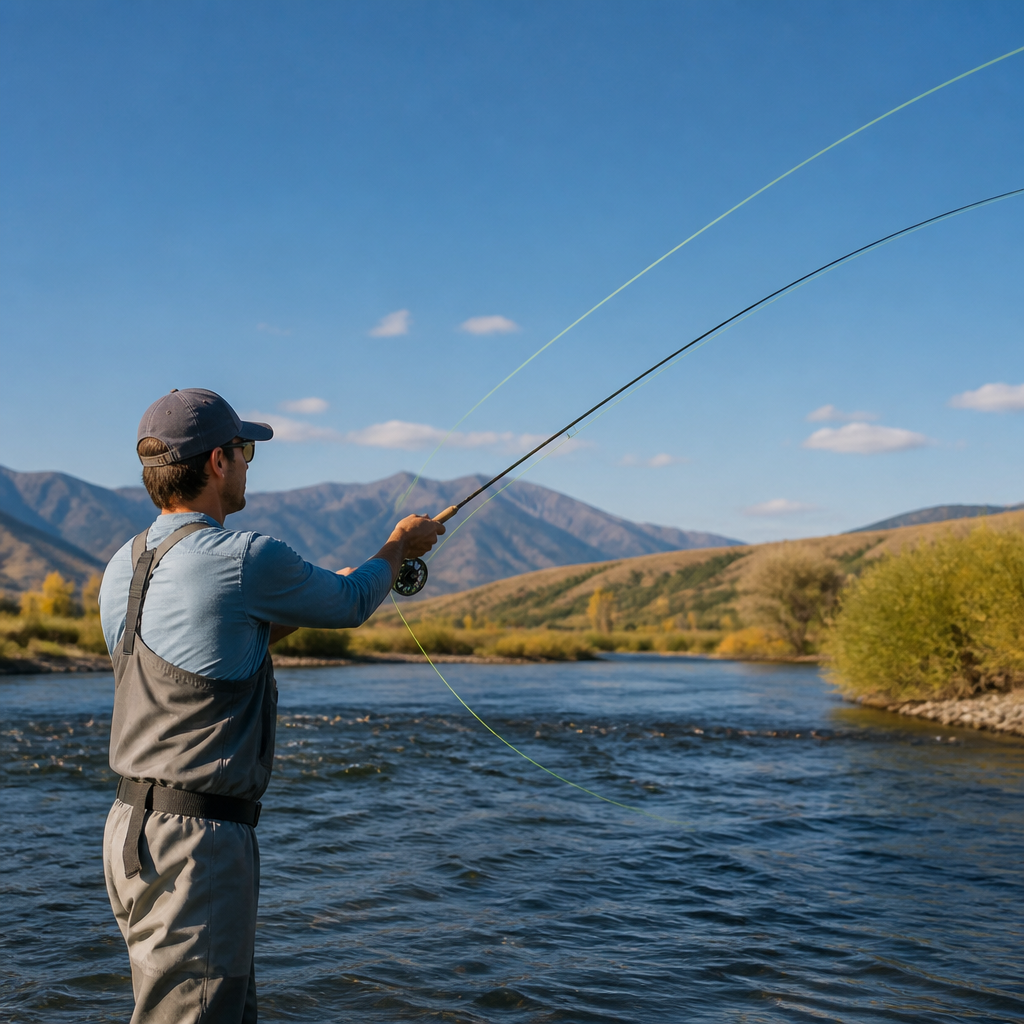
The lift presentation is deadly during hatches. Cast quartering upstream or across, allow the fly to sink, then raise the rod smoothly as it approaches your position. That controlled ascent imitates a mayfly or caddis moving toward the film. The key is not a hard strip set but a measured lift that keeps tension without ripping the fly away. I use this most often in moderate riffles where trout station just off the main seam to intercept ascending insects.
The greased-leader approach is subtler and deserves more attention. By applying floatant to part of the leader while leaving the fly and tippet untreated, you create a near-film presentation where the soft hackle hangs just below the surface. This is one of the best ways to target fish eating emergers but ignoring dries. It allows dead drift, slight induced motion, or a tiny end-of-drift lift, all without the splash or drag of a floating fly. It is a highly specialized technique that belongs in every angler’s skill set.
| Presentation | Best Water | Primary Imitation | Key Adjustment |
|---|---|---|---|
| Downstream swing | Riffles, runs, tailouts | Caddis pupae, drowned adults | Mend to slow or accelerate the arc |
| Lift presentation | Moderate current during hatches | Ascending mayflies and caddis | Raise rod smoothly near the end of drift |
| Greased-leader drift | Surface film and slick seams | Emergers trapped below film | Grease leader butt and taper, not tippet |
| Slow stillwater retrieve | Shoals, weed edges, cruising lanes | Chironomids, callibaetis, leeches | Use pauses and figure-eight strips |
Rigging, Leader Setup, and Fly Selection
Soft hackle fishing does not demand complicated tackle, but details matter. A 9-foot 4- or 5-weight rod covers most trout work. For rivers, I prefer leaders between 9 and 12 feet, usually tapering to 4X, 5X, or 6X depending on fly size and water clarity. Longer leaders help when fishing near the surface, while shorter leaders improve turnover with two-fly teams. If I want a deeper swing, I may add a fluorocarbon tippet for sink assistance. For greased-leader methods, nylon often behaves better because it floats more readily in the treated sections.
Two-fly and three-fly teams are traditional and practical. A point fly in size 14 to 18 can be paired with a smaller dropper soft hackle above it. This arrangement samples different depths and profiles at once. On technical water, however, more flies increase tangles and complicate strike detection. I typically recommend one fly for beginners, two for experienced anglers, and three only when regulations permit and casting skill is solid. Confidence in presentation matters more than sheer pattern count.
As for fly selection, start with a compact working box rather than dozens of niche patterns. Essential colors are partridge and orange, partridge and yellow, olive, peacock, hare’s ear, black, and soft hackle pheasant tail variants. Add a few bead-head emergers for faster current and some unweighted spiders for shallow film work. Sizes 12 through 18 handle most mayfly and caddis situations, while 18 through 20 matter on spring creeks and tailwaters. Match the dominant insect loosely, but prioritize size, translucency, and movement over exact imitation.
Reading Water and Matching Technique to Conditions
Water reading determines whether a soft hackle is merely fished or truly presented. Focus first on seams where current speeds converge. Insects emerging from riffles often drift into softer lanes, and trout hold where they can intercept food without expending much energy. Cast so the fly enters the fish’s lane naturally, then adjust line control to maintain the right pace. Fast swing speed can be excellent during caddis activity, while mayfly emergers usually call for slower, more level movement.
Depth is equally important. Many anglers fish soft hackles too high or too low because they fail to connect insect behavior with structure. If caddis are popping from the bottom in fast riffles, start deeper. If trout are bulging just under the film during a pale morning dun hatch, keep the fly in the top foot. On lakes, watch for cruising paths, wind lanes, and subtle color changes that indicate weed growth. A floating line with a long leader often suffices, but an intermediate line can transform results when fish are feeding two to four feet down.
Seasonal conditions change the role of the fly. In spring, high water may require slightly larger, darker patterns with a bit of flash or weight. Summer often rewards sparse, unweighted soft hackles in low clear flows, especially early and late in the day. Autumn can be exceptional for small dark spiders during blue-winged olive activity. In winter tailwaters, tiny soft hackles fished slowly near the film can imitate midge emergers with surprising effectiveness, though patience and fine tippet become essential.
Common Mistakes and How to Correct Them
The most common mistake is overfishing the swing and underfishing the drift. Soft hackles are famous for their swing, but many takes happen before the line comes tight. Build in dead-drift time, subtle mends, and controlled slack so the fly behaves naturally before it accelerates. Another mistake is overdressing the pattern, whether by buying bulky commercial flies or tying them too full. Sparse flies move better, sink more consistently, and match real insects more closely.
Anglers also miss fish because they strike too hard. A trout taking a swung soft hackle often hooks itself against steady tension. A violent trout set can snap fine tippet or pull the fly free. Instead, tighten smoothly by lifting the rod and letting the fish turn. Poor angle choice is another issue. Casting directly upstream or directly downstream all day limits what the pattern can do. Quartering angles create better control of speed, depth, and lift.
Finally, many anglers quit too soon if fish do not respond immediately. Soft hackle success often comes from systematic changes: alter the cast angle, switch from unweighted to lightly weighted, shorten or lengthen the leader, or vary the hold at the hang-down. One small adjustment can reveal exactly how trout are feeding. Treat these flies as precision tools, not lucky searching patterns.
How This Hub Connects to Broader Specialized Techniques
Soft hackle fishing sits at the center of several specialized techniques and strategies because it overlaps with nymphing, wet-fly teams, emerger fishing, hatch matching, and stillwater retrieves. If you understand line control from tight-line nymphing, you can adapt that awareness to depth management with a soft hackle. If you know how to identify insects during a hatch, you can select the right size and stage more confidently. If you fish streamers, you already understand that motion triggers predatory response; soft hackles simply do it in a subtler register.
As a sub-pillar hub, this topic naturally leads into deeper articles on wet-fly leader formulas, North Country spider patterns, caddis emerger tactics, greased-line methods, team-fishing setups, and stillwater midge strategies. Learning those related subjects expands your options, but the foundation remains the same: present a sparse, animated fly at the depth and speed where trout expect vulnerable prey. Once that principle clicks, soft hackles stop feeling old-fashioned and start functioning as one of the most efficient systems in modern trout fishing.
The key takeaway is simple: using soft hackle flies effectively means understanding movement, depth, and timing rather than relying on pattern complexity. These flies excel because they suggest life convincingly in the exact feeding lanes where trout intercept emerging insects. Start with a few proven patterns, fish them on purposeful angles, and practice the swing, lift, and greased-leader drift until each presentation feels deliberate. If you want a compact specialized system that improves river and lake fishing alike, make soft hackles a permanent part of your techniques and strategies, then build outward into the related methods this hub supports.
Frequently Asked Questions
What makes soft hackle flies so effective in different types of water?
Soft hackle flies are effective because they suggest life rather than copying one insect stage too exactly. Their sparse bodies and soft feather collars create constant movement in the water, even when the fly is drifting slowly or hanging at the end of a swing. That motion comes from materials like partridge, starling, and hen, whose fibers pulse, collapse, and open naturally with current changes. To a trout, panfish, or other game fish, that looks very much like an emerging mayfly, a caddis pupa, a drowned adult, a midge cluster, or even a tiny baitfish depending on the size and color of the pattern.
Another reason they work so well is versatility. In rivers and streams, soft hackles can be dead-drifted, swung across current seams, lifted at the end of the drift, or fished in tandem with a nymph. In lakes and ponds, they can be retrieved slowly to imitate swimming or rising insects. Because the pattern is impressionistic, it remains convincing in a wide range of conditions, from broken riffles to smooth tailouts. That adaptability is why many anglers consider soft hackles one of the most dependable searching patterns in fly fishing.
When is the best time to fish soft hackle flies?
Soft hackle flies are especially productive during insect activity, but they are not limited to obvious hatches. Their classic strength is imitating insects in transition, particularly emergers that are rising through the water column and are highly vulnerable. That makes them excellent during mayfly and caddis hatches, when trout often feed just below the surface rather than on fully formed adults. If you see fish refusing dry flies or making subtle bulges instead of splashy rises, a soft hackle is often the better choice.
They also shine before and after the main hatch window. Before a hatch begins, fish may be looking for nymphs ascending toward the surface. After the hatch, fish often continue feeding on crippled insects, drowned adults, and stragglers below the film. In off-hatch periods, soft hackles still produce because they represent many food forms at once. Seasonal timing matters too. Spring and early summer are classic soft hackle periods because of frequent insect emergence, but these flies can be highly effective in fall for small mayflies and midges, and even in winter when fished slowly as tiny subsurface attractors. In short, the best time to fish them is whenever fish are feeding subsurface or during any situation where movement and suggestion outperform exact imitation.
How should I fish a soft hackle fly for the best results?
The most reliable way to fish a soft hackle is to let the current animate it. A traditional presentation is the downstream or across-and-down swing. Cast slightly across the current, allow the fly to sink a bit, and follow the line with your rod tip as it arcs across the flow. As the line tightens, the soft fibers come alive and the fly appears to rise, which often triggers strikes. Many takes happen at the end of the swing, so pause before recasting. That brief hang can imitate an insect ascending toward the surface and can be one of the most productive moments of the drift.
Dead-drifting is another excellent method, especially when fish are keyed on emerging insects but holding in defined feeding lanes. Fish the soft hackle as you would a nymph, with or without a strike indicator, and allow it to drift naturally at the target depth. Near the end of the drift, add a gentle lift. This subtle upward motion often seals the deal because it mimics the behavior of an insect making its final ascent. In stillwater, slow hand-twist retrieves, figure-eight retrieves, and occasional pauses can all be effective. The key is restraint. Soft hackles are designed to move naturally, so overworking them usually reduces their realism. Keep the fly moving just enough to let the materials breathe and the current do the rest.
What sizes, colors, and patterns should I carry when fishing soft hackles?
A practical soft hackle selection does not need to be complicated. Start with sizes in the #12 to #18 range, since those cover many mayflies, caddis pupae, and small general aquatic insects. For larger water or faster currents, a #12 or #14 can be easier for fish to notice. In clear water or selective conditions, #16 and #18 patterns often excel. If you fish tailwaters or midge-heavy fisheries, going even smaller can make sense, but for most anglers, a basic spread in these core sizes handles the majority of situations.
In color, focus on natural, fishy tones. Olive, brown, tan, gray, black, and soft amber shades cover an enormous amount of water. Olive is a classic all-around choice because it can suggest caddis, mayflies, and general nymphal life. Brown and partridge combinations are timeless in freestone streams, while black and starling patterns can be deadly during midge activity or in low light. A few beadless patterns are ideal for shallow or moderate-depth presentations, while lightly weighted versions help reach deeper runs. Classic and highly useful styles include partridge and orange, partridge and olive, partridge and hare’s ear, and peacock-bodied soft hackles. Rather than carrying dozens of exact imitations, carry a compact set of versatile patterns in a few sizes and fish them with confidence.
What are the biggest mistakes anglers make with soft hackle flies?
One common mistake is fishing them too aggressively. Soft hackles are subtle patterns, and their effectiveness comes from natural movement, not sharp strips or constant manipulation. Anglers who retrieve too quickly or twitch too much often kill the fly’s lifelike quality. In moving water, the current is usually all the animation you need. Another mistake is ignoring the end of the drift. Many strikes occur as the fly swings tight and rises in the water column, yet anglers often pick up too soon and miss the most productive phase of the presentation.
Depth control is another issue. Because soft hackles are lightly dressed and often unweighted, they may not get into the feeding zone if fished on a tight line in fast water without enough sink time. Adjust with longer leaders, finer tippet, a slightly weighted version, or by pairing the fly with another pattern to help it reach depth. Anglers also make the mistake of thinking soft hackles are only for traditional wet-fly swings. While that approach is excellent, these flies are equally valuable on dead drifts, induced lifts, and slow stillwater retrieves. Finally, many anglers switch away from them too quickly because the takes can be subtle. Watch for hesitation, tightening, or a slight draw rather than dramatic strikes. Fish them patiently, and you will often find that soft hackles produce some of the most consistent and convincing subsurface action available.