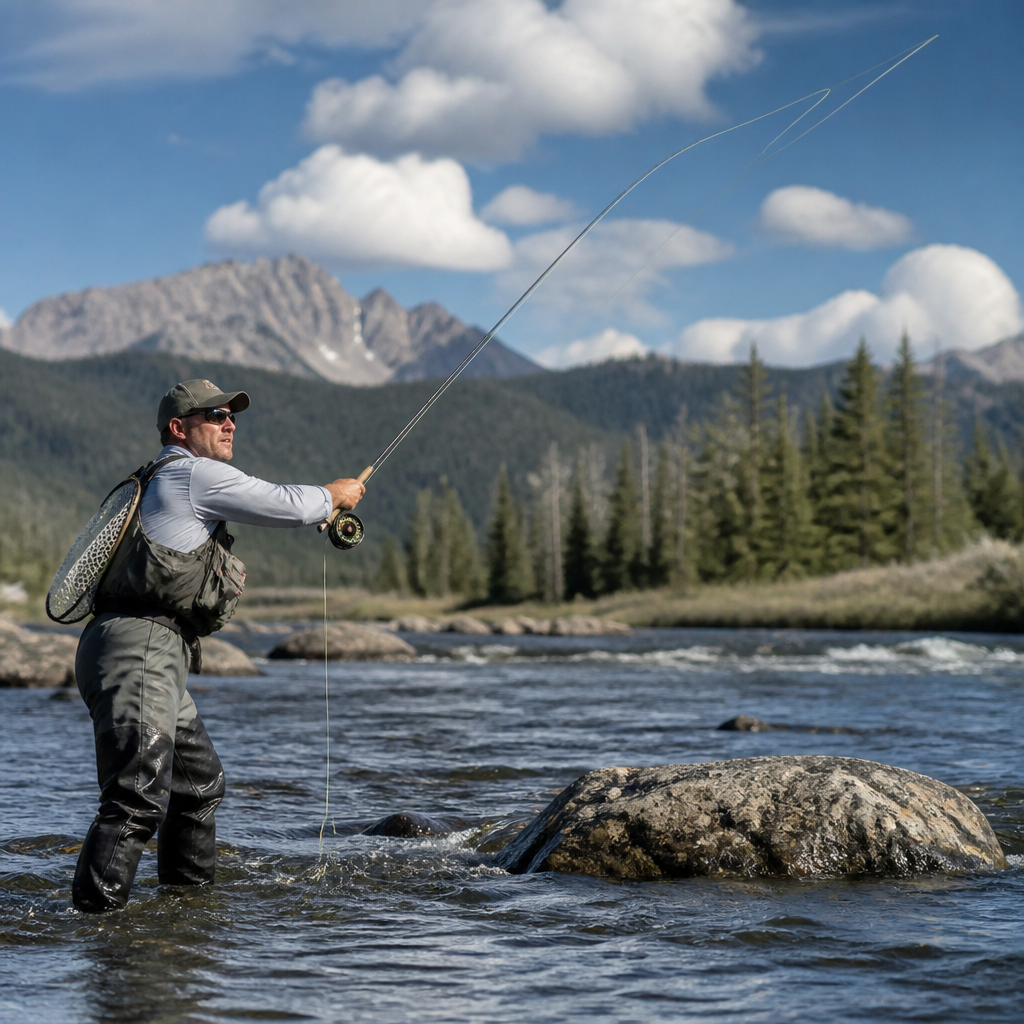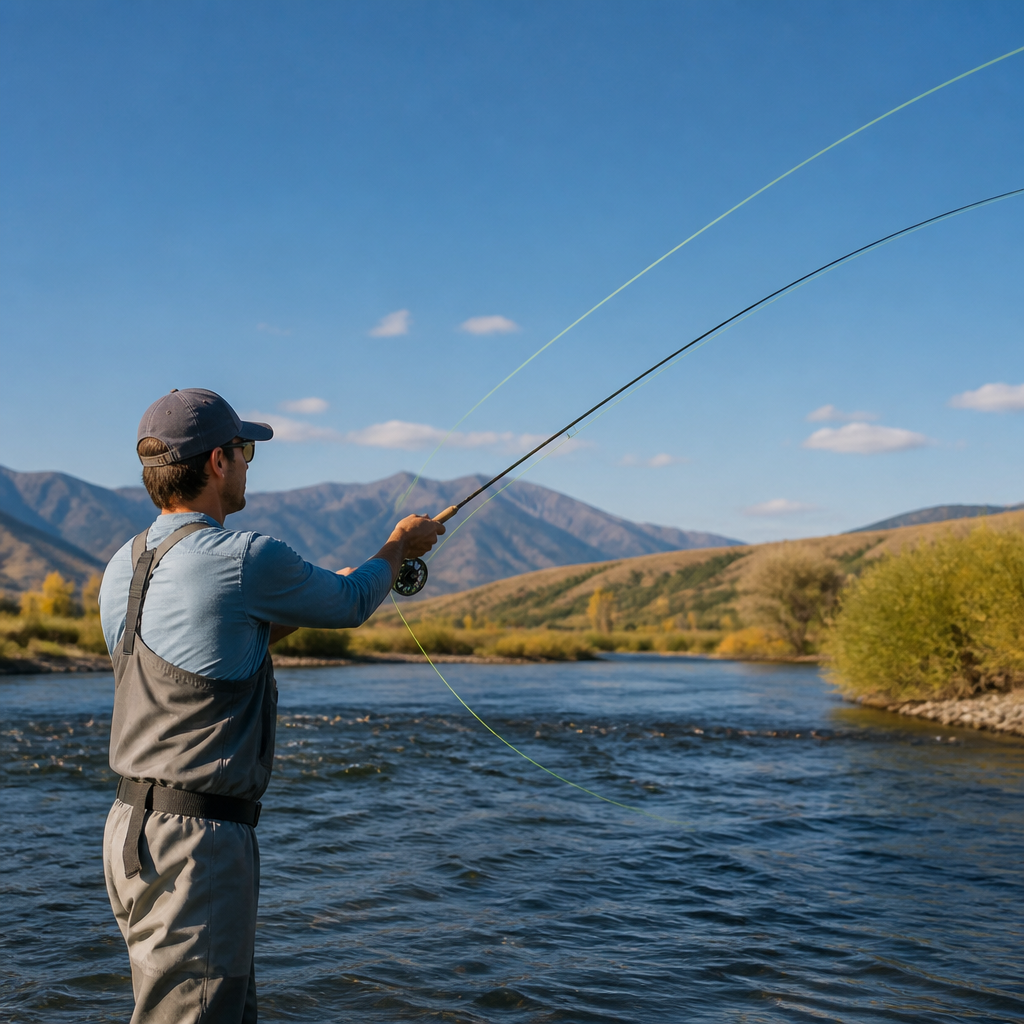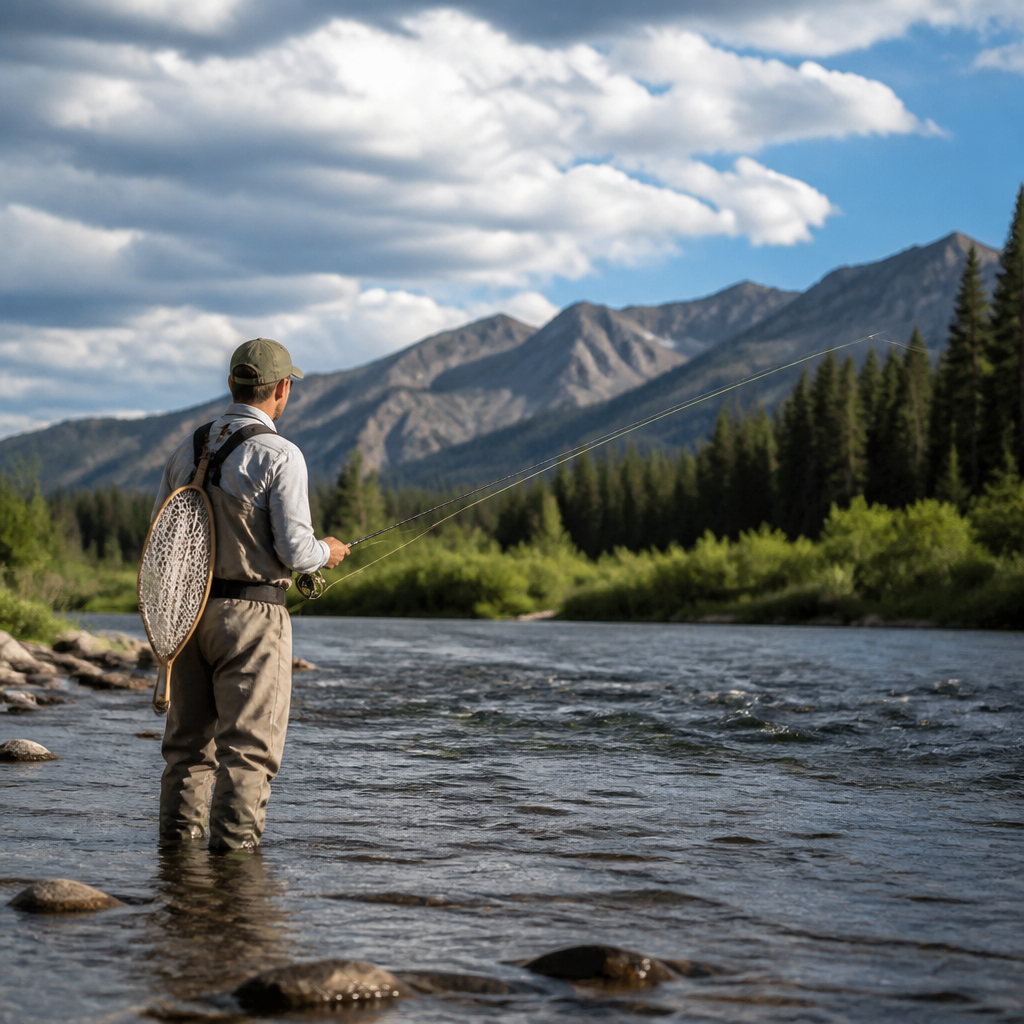
Switch rod techniques sit at the intersection of Spey casting, overhead casting, line control, and fish-fighting efficiency, making them one of the most versatile skill sets in modern fly fishing. A switch rod is generally a two-handed fly rod between about 10 feet 6 inches and 11 feet 11 inches, built to cast with one hand or two and to handle a wide range of lines, flies, and water types. In practical use, anglers rely on switch rod techniques to cover steelhead runs, swing soft hackles for trout, nymph deep seams, strip streamers from the bank, and present flies in places where a single-hand rod feels underpowered or a full Spey rod feels excessive. That flexibility is why this category matters so much within techniques and strategies.
I have used switch rods on Great Lakes tributaries, broad Western tailwaters, and smaller rivers with brushy banks, and the same lesson comes up every season: the rod itself is only half the system. Results depend on matching grain weight, head length, running line, leader design, anchor placement, and swing angle to the current in front of you. Anglers who struggle with switch rods usually do not lack strength; they lack a repeatable process. Once those mechanics click, a switch rod becomes a problem-solving tool that increases casting range, mending control, and fishable water without demanding constant false casting.
As the hub for specialized techniques, this article explains the core methods that make switch rods effective and connects the main use cases into one framework. You will learn how to choose the right casting style, manage Skagit and Scandi systems, fish indicators and tight-line variations, control the swing, handle sink tips, and adjust to wind, current speed, and bank-side obstacles. The goal is straightforward: understand not just what to do, but why each technique works, when it fails, and how to fix it quickly on the water.
Build the right switch rod system first
The most important switch rod technique begins before the first cast: rigging a balanced outfit. A typical switch setup includes the rod, a large-arbor reel with reliable drag, a running line, a shooting head or integrated line, a tip section, and a leader matched to the presentation. Most casting problems I troubleshoot come from mismatched grains or heads that are too long for the caster’s stroke. Manufacturers list grain windows for a reason. If a rod is rated for 425 to 475 grains on a Skagit Compact style head, staying inside that range usually produces cleaner D-loops and more consistent anchor stick than guessing upward for “more power.”
Switch rods are often fished with three broad line families. Skagit heads are short, powerful, and designed to throw sink tips and larger flies with sustained-anchor casts. Scandi heads are longer, finer, and better for touch-and-go casts with smaller flies and lighter tips. Integrated switch lines blend overhead and Spey utility, often suiting indicator nymphing and mixed casting styles. Running line matters too. Coated running lines are easier to manage in cold weather and less prone to tangling; thin monofilament shoots farther but demands cleaner handling. In cold tributary fishing for steelhead, I usually favor coated running line because reduced memory and better grip save time under numb-finger conditions.
| Line system | Best use | Strengths | Limitations |
|---|---|---|---|
| Skagit head | Sink tips, big flies, tight casting space | Loads quickly, excels with sustained anchor, turns over heavy payloads | Less delicate, noisier presentation, not ideal for long leaders |
| Scandi head | Small flies, light tips, elegant swing presentations | High line speed, refined turnover, efficient touch-and-go casts | Less forgiving with weighted flies and dense tips |
| Integrated switch line | Overhead casting, indicator rigs, mixed methods | Simple rigging, versatile on trout water, good mending control | Can be less specialized than dedicated heads |
Leader construction should fit the technique, not habit. For swinging unweighted flies on a Scandi, a tapered leader around 10 to 15 feet can help turnover and subtle presentation. For Skagit work with T-8 or T-11 tips, a short leader of 2 to 4 feet keeps the fly connected to the sink tip and preserves depth. Indicator setups often need stronger butt sections to turn over split shot and bobbers, while streamer stripping may call for abrasion-resistant fluorocarbon in 0X to 2X depending on fish size and cover. Balanced tackle is the foundation that lets every specialized technique work as intended.
Master the essential casting mechanics
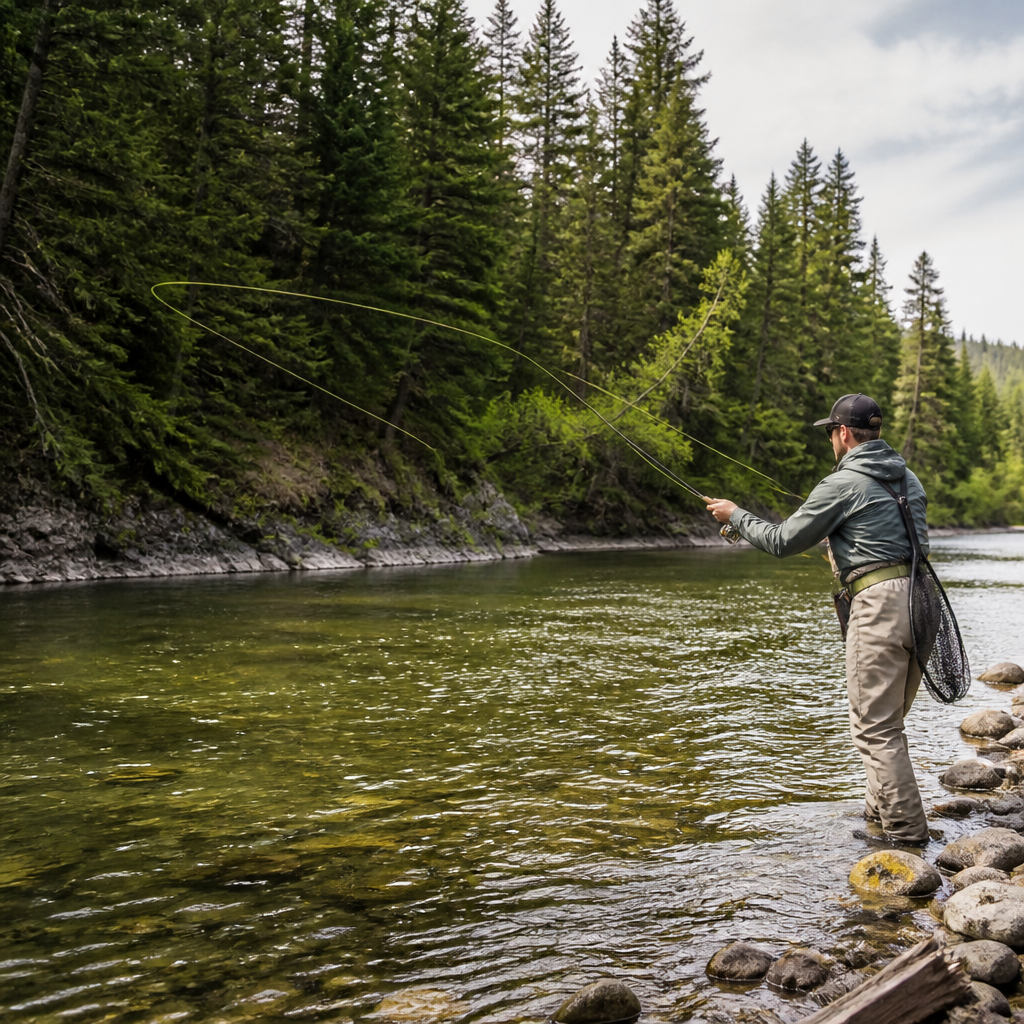
Good switch rod casting is built on straight tracking, controlled anchor placement, and smooth acceleration to a firm stop. Whether you are making a snap-T, double Spey, circle Spey, or single Spey, the cast fails when the sweep is rushed or the anchor lands too far away. The anchor is the line and leader touching the water near the rod tip before the forward stroke. Too much anchor creates stick and collapses line speed. Too little anchor causes the classic blown anchor, where the line jumps free before the rod can load. In most situations, the anchor should land roughly a rod length away and slightly off the casting-side shoulder, though exact placement changes with cast style, wind direction, and line system.
The D-loop is the aerial line shape behind the rod that stores energy for the forward cast. Efficient D-loops form when the sweep is continuous and the rod tip climbs on a stable plane. Many anglers pull with the bottom hand too early and drive the top hand in a wide arc, which rounds the tip path and produces tailing loops or line pileups. I teach casters to think “lift, set, sweep, fire.” Lift the line cleanly from the water, set the anchor intentionally, sweep until the rod loads, then accelerate forward with both hands working in opposition. That sequence is simple enough to remember and technical enough to diagnose problems.
Switch rods also invite overhead casting, especially on lakes, broad gravel bars, and rivers with room behind. The same fundamentals apply: stable tracking, crisp stop, and matched line weight. The advantage is reduced false casting compared with a single-hand rod of similar line size. An 11-foot switch rod can carry more line in the air, mend farther, and roll cast heavy indicator rigs without repeated backcasts. That said, overhead casting a short Skagit head usually feels clumsy; a dedicated integrated switch line or longer head performs better. Choosing the cast that matches the line is a core specialized skill, not a minor detail.
Use Skagit techniques for sink tips and larger flies
Skagit casting is the workhorse switch rod method for winter steelhead, salmon, and deep trout swings. The short head loads the rod quickly and allows sustained-anchor casts that move heavy tips with minimal backcast room. Common tips include T-8, T-11, or MOW-style combinations that mix floating and sinking sections. The technique is efficient because the water tension on the anchor helps bend the rod before the forward stroke. That extra load is exactly why Skagit shines with conehead intruders, rabbit-strip flies, and weighted streamers that would compromise touch-and-go systems.
The practical key to Skagit technique is slowing down. Heavy tips need time to straighten during the sweep. If you rip the line into position, the tip stays buried, the anchor lands in a heap, and the forward stroke sticks. I deliberately widen my setup move, feel the tip come around, and wait a fraction longer before driving forward. On a broad steelhead run, that rhythm change often adds ten or fifteen feet without any extra force. The cast should feel heavy but organized, not violent. Power applied too early is the most common reason beginners think Skagit is hard.
Depth control matters as much as casting. With a switch rod, many anglers cast and immediately strip for the next shot, missing the productive final third of the swing. A better method is to vary sink-tip density, casting angle, and mend size systematically. Start around 45 degrees downstream, add one upstream mend if you need more sink, and track where the fly begins to hang below you. If the fly is still too high, shorten the leader or increase tip density before changing everything else. This disciplined approach turns the switch rod into a precise swinging tool rather than a general searching rod.
Apply Scandi and touch-and-go methods for finesse
When fish are sensitive to splash, water is moderate in depth, and flies are relatively light, Scandi-style techniques give switch rods a cleaner presentation. The line system is built for touch-and-go casts, where only a small anchor kisses the water before the forward stroke. This produces high line speed, elegant loops, and excellent turnover with long leaders, poly leaders, and sparse flies such as soft hackles, small tubes, or traditional hairwing patterns. Summer steelhead anglers use this approach constantly, but it is equally effective for trout on broad riffles where a swung wet fly needs reach and control without the disturbance of a heavy tip.
Touch-and-go casting demands better timing than Skagit. The anchor must touch briefly, not stick. If it remains on the water too long, the cast loses energy and behaves like a poorly matched sustained-anchor stroke. A common correction is to raise the rod tip more during the sweep and commit to a sharper forward acceleration. I also remind anglers that Scandi systems dislike oversized flies. A lightly weighted fly can still work, but once the payload gets too heavy, turnover degrades and anchor timing becomes inconsistent. That is not a user flaw; it is a tackle mismatch. Changing line family solves more problems than trying to overpower them.
For trout anglers, Scandi techniques open water that is awkward with a single-hand rod. You can fish two soft hackles on a team, cast across-and-down, make an upstream mend, and let the flies swing broadside through current seams while the longer rod maintains contact. Because the rod length improves line control, subtle rises and plucks become easier to detect. On large tailwaters, I have used an intermediate poly leader and a sparse leech to cover shallow shelves where streamer anglers often fish too aggressively. The switch rod, properly rigged, lands softer and tracks the swing better.
Fish indicator, streamer, and contact presentations effectively
Specialized switch rod techniques are not limited to swinging. Indicator nymphing is one of the most productive uses for a switch rod because the longer blank extends reach, improves line lifting, and reduces drag across conflicting currents. An 11-foot rod can mend farther upstream than a 9-foot single-hander and can reposition a two-fly rig with less false casting. On Great Lakes tributaries, this matters when fish hold in narrow slots bordered by fast and slow current. A short flip, a stack mend, and controlled drift often beat repeated long casts. The extra rod length also helps steer line around boulders and keep more leader off the water.
Streamer fishing from the bank benefits in a different way. Switch rods allow waterborne casts when brush blocks the backcast, then immediate line control once the fly lands. You can swing a sculpin through a tailout, then strip it back across softer edges without changing rods. The key is maintaining contact without overpowering the retrieve. Long rods create leverage, so strip cadence must match rod angle. If the tip is held too high during a fast strip, small trout often hit slack and fail to stick. Lowering the rod toward the fly line path keeps tension direct and increases hookup consistency.
Some anglers also use switch rods for contact nymphing variations on larger rivers, especially when longer drifts and line pickup matter more than ultra-light sighter sensitivity. While a dedicated Euro-nymph rod is usually more specialized for pure contact work, a switch rod can high-stick heavy seams effectively with split shot, weighted flies, and a short indicator or tight connection. The tradeoff is mass: the rod is heavier, and protecting light tippet at short range can feel less refined. Still, for anglers who need one rod to swing, nymph, and strip in the same day, the switch platform remains uniquely adaptable.
Troubleshoot common mistakes and adapt on the water
The most frequent switch rod mistakes are predictable: using the wrong grain weight, overpowering the forward stroke, setting the anchor too far away, and ignoring wind direction. If the line slams down in a pile, look first at sweep path and anchor size. If the cast sticks to the water, you likely have too much anchor or too slow a forward stroke. If the fly crashes into the rod or body, your casting plane may be wrong for the wind. With downstream wind on the casting-side shoulder, choose a cast that keeps the fly safely downwind, even if it is less comfortable than your favorite setup. Safety is part of sound technique.
River position matters as much as mechanics. Wading too deep shortens the effective D-loop space behind you and changes swing depth in front of you. On many runs, stepping back a foot from the obvious edge creates a better casting lane and a more natural broadside presentation. Current speed also changes everything. Fast water often requires less downstream angle than anglers think, because the current itself accelerates the swing. Slow pools may need sharper angles, lighter tips, or longer leaders to maintain movement. Good switch rod anglers make one variable change at a time and watch the result rather than changing fly, tip, angle, and mend all at once.
Practice should be deliberate. Spend time on grass to learn stroke shape, but finish on water because anchors, stick, and tension cannot be simulated perfectly on land. Film your cast from the side and behind. You will usually spot the issue immediately: a dipping rod tip, a rushed sweep, or an anchor landing outside the ideal lane. Keep notes on rod, head, tip, and fly combinations that feel balanced. That record becomes valuable across seasons. If you want to improve your switch rod techniques quickly, choose one line system, one cast, and one fishing method, then build competence step by step before expanding your range.
Frequently Asked Questions
What is a switch rod, and how is it different from a single-hand fly rod or a Spey rod?
A switch rod is a compact two-handed fly rod designed to bridge the gap between traditional single-hand rods and full-length Spey rods. Most switch rods fall between roughly 10 feet 6 inches and 11 feet 11 inches, which makes them long enough to provide excellent line control and efficient casting leverage, but short enough to remain practical in tighter quarters and for anglers who still want the option to cast with one hand. That versatility is the defining trait of switch rod techniques: you can overhead cast, roll cast, make short Spey casts, mend line at distance, and fight strong fish with more control than you typically get from a standard single-hand setup.
Compared with a single-hand rod, a switch rod offers better reach, easier line lifting, and less fatigue when throwing larger flies, indicators, or sink tips. Compared with a full Spey rod, it is usually easier to handle on smaller rivers, in confined spaces, and in situations where both overhead and touch-and-go casts are useful. In practical terms, that means a switch rod can be an outstanding tool for swinging soft hackles, covering steelhead runs, nymphing big seams, or fishing from the bank where back-cast room is limited. It is not just a compromise between rod styles; when matched to the right water and line system, it is often the most efficient option available.
What are the most important switch rod casting techniques for beginners to learn first?
For most anglers, the smartest starting point is to master the basic roll cast, the snap-T or similar sustained-anchor Spey cast, and a controlled overhead cast. These three skills form the foundation of effective switch rod use because they teach the mechanics that matter most: maintaining tension, managing anchor placement, forming a clean D-loop, and accelerating smoothly through the forward stroke. Many problems with switch casting come from trying to force power too early, when the real key is timing and setup. A switch rod rewards efficient movement far more than brute strength.
The roll cast is where many anglers should begin because it teaches line stick, rod loading, and tracking without the added complexity of a full change-of-direction cast. Once that feels natural, learning a sustained-anchor cast such as the snap-T helps develop the core Spey skills needed for fishing across current. This is especially useful when there is little or no room behind you. Overhead casting should also remain part of your skill set, because a switch rod often shines when you need to alternate between waterborne casts and aerial casts depending on wind, bank structure, or fly size. As you practice, focus on making compact, efficient motions rather than large sweeping ones. Good switch rod technique is usually crisp and controlled, not exaggerated.
How do you choose the right line setup for switch rod techniques?
Line selection is one of the biggest factors in how well a switch rod performs, and it is also one of the most confusing topics for anglers. The right setup depends on how you plan to fish, not just on the rod itself. If you intend to swing flies with short Spey casts, a short Skagit-style head is often the easiest and most forgiving choice, especially when throwing sink tips and weighted flies. If you want smoother presentation and tighter loops for lighter flies, a Scandi-style setup may be more appropriate. For indicator nymphing or frequent overhead casting, many anglers prefer an integrated switch line designed specifically for that dual purpose.
The most important principle is balance. A switch rod that feels awkward, collapses on the forward cast, or struggles to lift line from the water is often mismatched rather than poorly designed. Head length, grain weight, sink tip density, leader length, and fly size all influence performance. A setup that is perfect for swinging small wet flies on moderate current may feel completely wrong for dredging deep runs with heavy tips and intruders. That is why experienced anglers think in terms of systems, not just rods. Whenever possible, use the manufacturer’s line window as a starting point, then refine based on your casting style and fishing application. If your primary goal is versatility, it is common to carry more than one spool or line option so the rod can shift roles efficiently throughout the day.
What are the best tips for improving line control and presentation with a switch rod?
Line control is where switch rods truly stand out, especially on rivers where current speed varies across the swing or drift. The extra rod length makes mending easier, helps keep more line off conflicting currents, and gives you better control over depth and speed. To take advantage of that, focus first on your casting angle and line landing orientation. A cast that lands with built-in tension or a slight downstream alignment can immediately improve the consistency of your swing. If you are nymphing, the longer rod allows for longer drifts, better reach mends, and improved contact with flies without excessive drag.
Another major tip is to think proactively rather than reactively. Strong line control often starts before the fly even hits the water. Position yourself carefully, choose a casting angle that suits the current, and anticipate where your mend will be needed. During the swing, use subtle rod movements to guide speed instead of constantly over-correcting with large mends. For dead-drift presentations, keep a light but direct connection and use the rod’s length to track the drift smoothly. Good switch rod presentation is about controlling pace and tension so the fly behaves naturally. The more deliberate you are with setup, line positioning, and follow-through, the less you need to “fix” after the cast.
How should you fight fish effectively with a switch rod without overplaying them?
A switch rod gives anglers meaningful advantages during the fight, but only when used correctly. Because the rod is longer and often paired with stronger butt power than a comparable single-hand rod, it can apply pressure efficiently while cushioning surges from strong fish such as steelhead, trout, and salmon. The biggest mistake many anglers make is fighting the fish with the rod tip too high for too long. That posture looks dramatic, but it reduces leverage and puts too much load into the softer upper section of the rod instead of the more powerful lower section.
A better approach is to keep steady pressure, use side angles when possible, and let the butt section do the work. If the fish runs, allow the reel and drag to function rather than trying to stop everything with rod position alone. If the fish stalls deep or uses current to its advantage, changing the angle of pressure often works better than simply pulling harder. The length of the switch rod also helps with steering fish around structure and managing line close to the bank or boat. Efficient fish fighting is not just about landing the fish faster; it also improves fish health, reduces exhaustion, and gives you better overall control. In that sense, good switch rod technique continues well after the cast, all the way to a clean and responsible landing.