North America offers the broadest range of fly fishing destinations on the planet, from technical spring creeks and drift-boat rivers to saltwater flats and remote tundra char systems. For anglers researching travel and destination reviews, that variety creates both opportunity and confusion. The best destination is not simply the place with the biggest trout or the most famous lodge. It is the water that matches your target species, casting style, budget, season, and tolerance for weather, crowds, and logistics.
When I evaluate fly fishing destinations, I look at seven practical factors: fish quality, numbers, seasonal reliability, access, wading versus boat needs, surrounding services, and conservation pressure. A famous river can disappoint if runoff blows it out during your vacation week. A less celebrated lake or tailwater can produce a better trip because hatches are dependable, local guides are strong, and public access is excellent. Good travel planning matters as much as fly selection.
This hub article covers the top fly fishing destinations in North America with a review mindset. Instead of listing random bucket-list spots, it explains what each region is known for, who it suits, what time of year is strongest, and what tradeoffs to expect. North America, in this context, includes the United States, Canada, and nearby saltwater options commonly fished on continental trips. You will see marquee trout rivers, world-class salmon and steelhead systems, and warmwater or flats destinations that deserve equal attention.
Fly fishing destinations matter because travel is expensive, time off is limited, and conditions are highly seasonal. Choosing well can mean sight-casting to permit on a clear flat, swinging for chrome steelhead on a legendary run, or timing a western hatch just right. Choosing poorly can mean smoky skies, flooded rivers, or a week spent on overpressured water. The goal of a destination review is to reduce uncertainty and help anglers book trips that fit their skills and expectations.
How to Choose a Fly Fishing Destination
Start by identifying your primary objective. If your dream is dry-fly trout fishing, look at Montana, Idaho, Yellowstone country, and select Canadian freestone systems during hatch windows. If you want large migratory fish, focus on Alaska, British Columbia, and the Pacific Northwest for salmon and steelhead. If visual fishing excites you most, saltwater flats in Belize, Mexico, and the Florida Keys deserve priority because the feedback loop is immediate: spot fish, make the cast, manage the strip, and watch the eat.
Budget and logistics narrow the field quickly. A do-it-yourself week in Montana with a rental car, public access maps, and modest lodging can cost less than a fully guided trip to Alaska or a lodge stay on a Bahamian island. Air connections also matter. Some destinations demand multiple bush flights, boat transfers, or weather-dependent access. Others sit within an hour of a major airport, which reduces travel risk and gives you more fishing time.
Skill level should shape destination choice. Newer anglers generally do better on places with forgiving fish density and strong guide infrastructure, such as western trout towns, stillwater lodges, or bonefish flats with clear targets. Advanced anglers often seek technical challenges: spring creeks with selective trout, steelhead rivers requiring sustained confidence, permit flats where chances are limited, or giant trout systems where presentations must be exact. Neither approach is better; they simply produce different kinds of satisfaction.
Best Trout Destinations in the American West
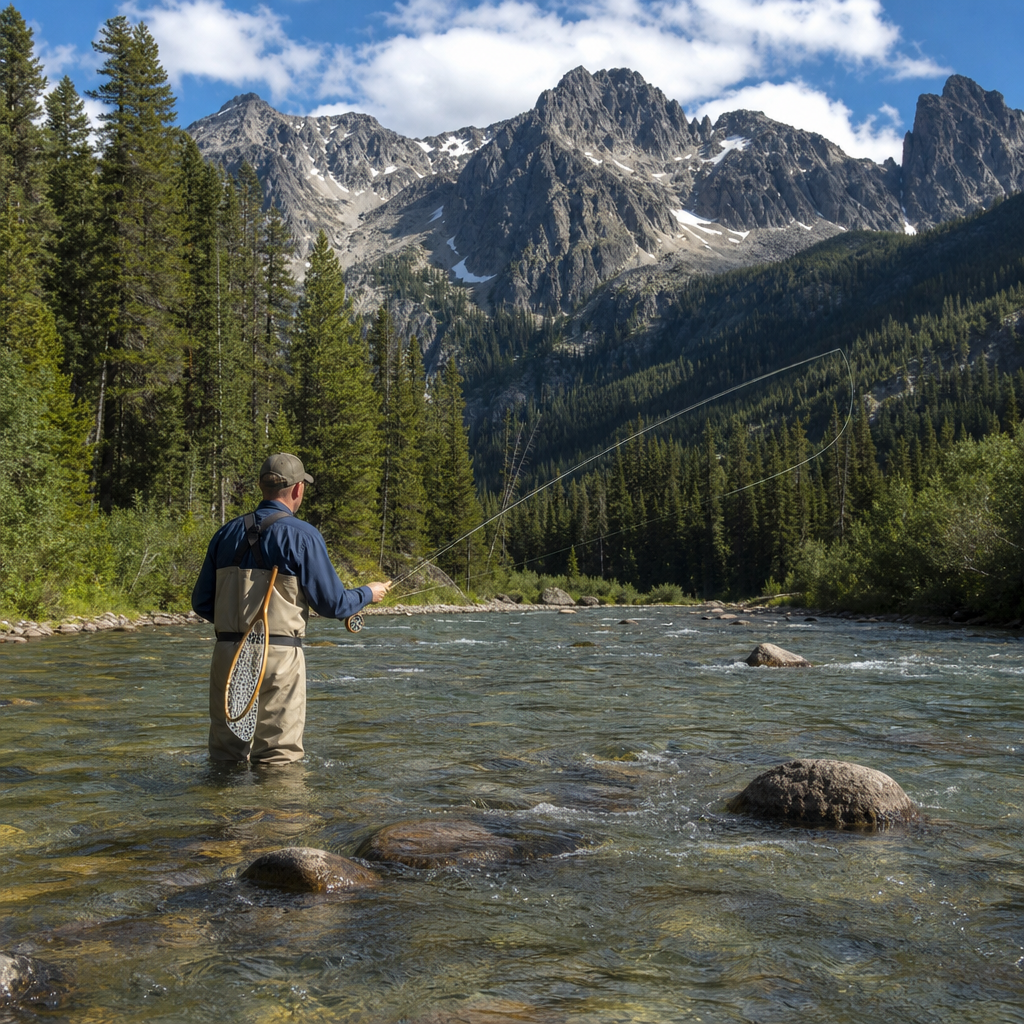
The American West remains the center of trout travel in North America because it combines iconic rivers, strong public access, and long seasonal windows. Montana leads many destination rankings for good reason. The Madison, Yellowstone, Missouri, Big Hole, Bighorn, and Clark Fork systems offer distinct experiences within one state. The Missouri near Craig is a classic tailwater with technical dry-fly fishing, consistent trout numbers, and dependable guide operations. The Madison provides faster pocket water and famous hatches, while the Yellowstone delivers a broader, more scenic freestone feel.
Idaho rivals Montana for serious anglers who value diversity and less marketing noise. The Henry’s Fork is one of the continent’s benchmark dry-fly rivers, especially during the salmonfly period and summer spinner falls. Silver Creek offers spring-creek precision, where long leaders and drag-free drifts matter more than hero casting. The South Fork of the Snake combines productive float fishing with strong cutthroat opportunities and enough water to absorb pressure. Wyoming contributes the Snake drainage, the Green, and Yellowstone backcountry access, with late summer and early fall often giving the most stable conditions.
Colorado, Utah, and New Mexico deserve more attention in destination planning than they often receive in generic lists. Colorado’s South Platte basin, including the Dream Stream and Cheesman Canyon area, is technical but productive. Utah’s Green River below Flaming Gorge is one of the strongest tailwater options in the West for consistent trout density, clean drift-boat structure, and quality dry-dropper or nymph fishing. New Mexico adds high-country alternatives and better shoulder-season value for anglers who want smaller water and lighter crowds.
The main tradeoffs in the West are runoff, wildfire smoke, and popularity. Snowpack drives spring conditions, and June trips can be exceptional on tailwaters while freestones are unfishable. By contrast, late July through September often offers the best broad access, though low water and heat can stress fish on some rivers. Anglers who research flow gauges, water temperatures, and local restrictions usually outperform those who book based only on postcard imagery.
Alaska and Northern Canada for Trophy and Wilderness Fishing
Alaska is the premier wilderness fly fishing destination in North America because it offers scale, intact habitat, and species variety that few places can match. Depending on region and timing, anglers can target rainbow trout, Dolly Varden, Arctic char, grayling, all five Pacific salmon, and pike. Bristol Bay is the flagship zone for many traveling fly anglers. Rivers such as the Naknek, Kvichak, Alagnak, and Kanektok are known for oversized rainbows that feed behind salmon runs, often on eggs and flesh patterns. The fish are not mythical because of one giant specimen; they are exceptional because the ecosystem reliably grows large, healthy populations.
Western Alaska lodge trips deliver unforgettable fishing, but they are expensive and weather sensitive. Expect bush-plane schedules, gear restrictions, and the need for flexible expectations. The reward is true remoteness and daily access to lightly pressured water. For anglers who want lower logistical complexity, road-system fisheries around Anchorage and the Kenai Peninsula provide excellent salmon and trout opportunities, though with more crowding and more variable etiquette on famous runs.
British Columbia and Yukon also belong in any serious destination review. BC’s Skeena region is a global benchmark for steelhead and salmon, with tributaries such as the Bulkley, Kispiox, and Babine carrying historic reputations. These rivers require patience and often a two-handed swing approach, but the chance at a large wild steelhead keeps experienced anglers returning. Northern Canadian destinations add Arctic char and lake trout systems that remain under the radar compared with marquee trout states.
| Destination | Best Known For | Prime Timing | Main Tradeoff |
|---|---|---|---|
| Montana | Classic western trout rivers | July to September | Crowds on famous waters |
| Idaho | Technical dry-fly fishing | June to September | Demanding presentations |
| Alaska | Wild trophy trout and salmon | June to September | High cost and weather delays |
| British Columbia | Steelhead and salmon | September to November | Low fish encounter rates |
| Florida Keys | Tarpon, bonefish, permit | March to June | Wind and technical shots |
| Belize and Yucatán | Accessible flats fishing | March to July | Weather and tidal variability |
Pacific Northwest Salmon and Steelhead Waters
For anglers drawn to anadromous fish, the Pacific Northwest is less about easy numbers and more about significance. Steelhead, especially wild steelhead, are the fish many fly anglers think about year-round. Oregon’s Deschutes is the most approachable classic destination because access is manageable, camp-based floats are well established, and the river supports a memorable swung-fly experience. Washington and Oregon coastal systems can fish well in the right windows, but timing is everything, and conservation closures increasingly affect planning.
The Dean River in British Columbia is one of the continent’s most revered steelhead venues, famous for powerful fish that often respond aggressively to surface presentations. It is not a beginner bargain; it is a premium destination built around a highly specific experience. On the salmon side, Alaska and BC dominate, but parts of Washington and Oregon still provide meaningful opportunities for Chinook, coho, and chum depending on current regulations and run strength. Before booking, verify local rules because retention, wild fish handling, and access can change quickly.
The truth about salmon and steelhead travel is that these trips demand emotional resilience. You can execute well and still have slow days. That does not make the destination poor. It means the quarry is migratory, conditions shift fast, and water coverage matters. Anglers who enjoy process, river atmosphere, and the possibility of one unforgettable fish are the best fit for this category.
Top Saltwater Flats Destinations
Saltwater fly fishing belongs in any comprehensive destination hub because many anglers who start with trout eventually want a visual challenge. The Florida Keys are North America’s historic center for tarpon, bonefish, and permit. Spring tarpon season, especially April through June, offers legitimate shots at migratory fish from skiffs in channels, oceanside lanes, and backcountry edges. Bonefish opportunities remain, though they are not what they were decades ago. Permit in the Keys are still the ultimate test for many guides and anglers because they combine spooky behavior, changing light angles, and unforgiving presentations.
For easier entry into flats fishing, Belize and Mexico’s Yucatán often provide better value and more consistent bonefish numbers. Ambergris Caye, Turneffe Atoll, Ascension Bay, and Isla Holbox-linked regions have built strong guide networks and lodge systems around skiff fishing and wading. Many traveling anglers land their first bonefish in these destinations because fish are visible, guides coach effectively, and the ecosystem supports mixed shots at permit or juvenile tarpon. The main variables are wind, tide, and your ability to deliver quickly at forty to sixty feet.
Louisiana deserves mention as a redfish fly destination with a different personality from tropical flats. Marsh ponds and grass edges offer sight-fishing in a domestic setting that is easier to reach and often more budget friendly than island travel. It lacks the glamour of permit water, but for many anglers it produces more actual shots and stronger odds of success.
Underrated and Emerging Destination Picks
Not every great fly fishing trip requires a famous name. Labrador and Newfoundland offer Atlantic salmon culture, sea-run brook trout options, and a sense of place that larger markets often overlook. Great Lakes tributaries provide strong seasonal steelhead and salmon action, especially for anglers who can travel on short notice around flows. In the interior West, stillwaters in British Columbia, Oregon, and California can outfish celebrated rivers during specific windows, especially chironomid and damselfly periods.
I also recommend that destination shoppers watch indigenous stewardship, habitat policy, and access trends. Places that invest in river restoration, enforce guiding standards, and protect coldwater refuges usually hold quality longer than destinations that market heavily without managing pressure. A travel review is not complete unless it considers the future of the fishery, because sustainability affects your trip now and the value of returning later.
How to Plan the Right Trip
Match season first, then species, then accommodations. Use USGS flow data, provincial or state regulations, and recent guide reports to validate timing. Ask outfitters specific questions: average casting distance, wading difficulty, weather backups, cancellation policy, and whether the fishery is best suited to dries, nymphs, streamers, or sink-tip presentations. Pack for failure points, not ideal conditions: spare lines, layered rain gear, polarized lenses for changing light, and flies tied to local standards rather than generic fly-shop bins.
The best fly fishing destinations in North America are not defined only by fame. They are defined by fit. Montana and Idaho are unmatched for classic trout variety, Alaska and northern Canada for wilderness and trophy potential, the Pacific Northwest for steelhead meaning, and the Keys, Belize, and the Yucatán for saltwater sight-fishing. Each rewards a different kind of angler, and each punishes poor timing or vague expectations.
If you use this hub as your starting point, focus on the destination type that matches your goals, then drill into season, access, and guide quality before booking. A well-chosen trip gives you more than a fish photo. It gives you the right water, at the right time, with a realistic shot at the experience you actually want. Start narrowing your shortlist now, compare regions honestly, and build the fly fishing trip you will want to repeat.
Frequently Asked Questions
What makes a fly fishing destination in North America truly “top tier”?
A top fly fishing destination is not defined by hype alone, and it is rarely just the place with the biggest fish or the most expensive lodge. The best destinations consistently match angler expectations with the right species, water type, timing, and access. In practical terms, that means looking at what kind of fishing you actually enjoy. Some anglers want technical dry-fly presentations on spring creeks, while others would rather cover big water from a drift boat, swing flies for steelhead, stalk bonefish on tropical flats, or chase Arctic char in remote northern systems.
Reliability is another major factor. A destination earns its reputation when it offers a realistic chance at quality fishing during a predictable seasonal window. Good hatches, stable flows, healthy fish populations, strong conservation practices, and professional guiding infrastructure all matter. Accessibility also plays a role. A famous river may produce incredible days, but if permits are difficult, crowds are intense, or conditions are highly volatile, it may not be the best fit for every traveler.
Budget and comfort level matter just as much as fish size. Some top North American fisheries are surprisingly approachable, with public access, DIY options, and nearby lodging. Others require fly-out logistics, private water fees, or specialized boats. The smartest way to judge a destination is to ask whether it fits your goals: target species, preferred techniques, trip budget, desired level of solitude, and tolerance for weather, crowds, and travel complexity. When those pieces align, that is what makes a destination truly top tier.
How do I choose the best fly fishing destination based on species and fishing style?
The fastest way to narrow the field is to start with the fish you most want to catch and the way you most enjoy catching them. If wild trout are your priority, North America gives you very different experiences depending on region. The Rocky Mountains are known for classic freestone rivers, hopper fishing, and float trips. Spring creek regions offer more technical, precise fishing with selective trout and fine presentations. Western tailwaters can provide dependable flows and strong year-round opportunities, often with larger fish and complex insect activity.
If you are more interested in migratory fish, destination choice becomes even more style-specific. Steelhead anglers often look for rivers suited to swinging flies, indicator nymphing, or low-water presentations depending on season and geography. Salmon fisheries vary from big river systems to smaller coastal streams, and each demands different tackle and expectations. Warmwater and saltwater anglers have another set of options entirely, from sight-fishing redfish and bonefish on flats to casting poppers for bass or streamers for pike.
Be honest about your skill set and what kind of day you want on the water. Some destinations reward anglers who enjoy stalking individual fish, making accurate casts, and adapting constantly to conditions. Others are better for anglers who want volume, aggressive takes, and less technical pressure. Also consider whether you prefer wading, floating, or fishing from skiffs. A destination can be world-class on paper and still feel wrong if it demands a style you do not enjoy. The best match is usually the place where your target species, presentation preferences, and comfort level all overlap.
When is the best time of year to plan a fly fishing trip in North America?
There is no single best season for all of North America because the continent spans tropical flats, alpine rivers, temperate steelhead systems, and subarctic wilderness. Timing depends on destination, species, runoff patterns, weather, and the kind of fishing you want. For many trout anglers, late spring through fall offers the broadest options, but that window changes significantly by region. Snowmelt can blow out western rivers in early summer, while tailwaters and spring creeks may fish well through the same period. In some places, the prime dry-fly season is short and intense; in others, streamer or nymph fishing may be strongest outside classic hatch periods.
Salmon and steelhead are even more calendar-driven. You need to align your trip with specific runs, not just with good weather. Saltwater flats fishing is also season-sensitive, with water temperature, wind, storms, and migration patterns affecting visibility and fish behavior. Northern destinations for species like Arctic char, grayling, and pike often have brief but spectacular windows, and missing that timing by a couple of weeks can completely change the experience.
The best approach is to identify your top destination candidates, then research their prime windows in detail rather than assuming “summer” is enough. Look at average flows, hatch charts, weather patterns, water temperatures, and crowd levels. Ask outfitters or local guides what the realistic expectations are for each month, not just what is theoretically possible. Shoulder seasons can be especially attractive for anglers who want lower prices and fewer people, but they often require more flexibility. If your schedule is fixed, choose the destination that is naturally fishing well during your travel dates instead of forcing a famous location at the wrong time.
Is it better to book a guided trip or plan a DIY fly fishing destination trip?
That depends on the complexity of the fishery, your experience level, and how much time you can afford to spend learning on the fly. Guided trips make the most sense when you are traveling to unfamiliar water with short time available, targeting species with highly specific techniques, or dealing with boats, tides, permits, or remote logistics. A good guide shortens the learning curve dramatically. They know seasonal patterns, safe access points, productive water types, local regulations, fly selection, and how conditions are changing day to day. On destination trips where every day is expensive, that knowledge can be worth far more than the guide fee.
DIY trips can be outstanding for anglers who enjoy research, independence, and flexibility. Many top North American trout destinations have excellent public access and enough supporting infrastructure to make self-guided travel practical. A DIY trip often costs less, allows you to fish at your own pace, and can be deeply rewarding if you like solving the puzzle yourself. However, it also puts more responsibility on you to understand seasonality, river access, weather risks, equipment needs, and backup plans.
For many anglers, the best answer is a hybrid approach. Book a guide for the first day or two to learn the fishery, then spend the rest of the trip fishing independently with better local knowledge. That strategy works especially well on large river systems or technical fisheries where understanding productive water and local etiquette is half the battle. Whether guided or DIY, the key is to match the trip structure to the destination. Remote lodges, saltwater flats, and complex drift-boat rivers often reward professional help, while accessible trout towns can be excellent for self-directed anglers who prepare well.
What should I consider before spending money on a fly fishing destination trip?
Start by looking beyond the headline price. The true cost of a destination trip includes travel, lodging, guide fees, licenses, gratuities, transportation, flies, terminal gear, meals, checked baggage, and sometimes boat rentals or special permits. In remote destinations, weather delays and charter logistics may also affect the budget. An inexpensive-looking trip can become expensive quickly if access is complicated or if you need specialized equipment. On the other hand, a higher-priced trip may deliver better value if it includes expert guiding, efficient logistics, and a destination that is fishing at its seasonal peak.
You should also evaluate the fishery itself. Ask how consistent the destination is, what conditions can derail a trip, how much pressure it receives, and what level of skill it rewards. A famous river with heavy crowds may disappoint anglers seeking solitude, while a remote wilderness trip may frustrate someone who dislikes rough weather or basic accommodations. Think honestly about your physical stamina, wading ability, casting range, and tolerance for long travel days. Destination fishing is usually more enjoyable when the challenge level matches the angler.
Finally, consider conservation and long-term fishery quality. The best destinations are supported by healthy habitat, sound regulations, responsible guiding practices, and a culture that values the resource. Research local conditions, recent water issues, wildfire impacts, drought concerns, and any restrictions that may affect your experience. Read current reports rather than relying only on old reputations. The smartest spending decision is not always the most famous location; it is the destination that offers the strongest combination of seasonal timing, realistic opportunity, good access, and a fishing experience that fits exactly how you like to fish.