Fly fishing clubs play a central role in promoting ethical practices because they turn broad conservation ideals into everyday habits on the water. Ethical fishing practices include catch-and-release done correctly, respect for seasons and access rules, careful fish handling, habitat protection, honest reporting, and a willingness to mentor others. In my experience working with clubs, guiding new anglers, and helping organize river cleanups, the most durable behavior change rarely comes from a regulation booklet alone. It comes from repeated social norms: what experienced members model, what beginners are taught at meetings, and what a club celebrates as good angling.
For a sub-pillar hub under conservation and ethics, this topic matters because fly fishing depends on healthy waters, resilient fish populations, and public trust. Without ethics, access declines, fisheries degrade, and the sport loses credibility with landowners, agencies, and local communities. Clubs sit at the intersection of recreation and stewardship. They teach members how to fish without causing unnecessary harm, but they also create practical pathways for action through stream restoration, citizen science, youth education, advocacy, and partnerships with biologists. That combination makes clubs unusually effective.
Ethical fishing is not limited to following the law, though legal compliance is the floor. A legal practice can still be careless if it stresses spawning fish, tramples redds, or mishandles trout in warm water. Ethical fishing asks a harder question: what choice best protects the fishery now and in the future? Clubs are well suited to answer that question because they gather local knowledge from guides, wardens, fisheries managers, and veteran anglers. They then translate science into plain-language standards members can actually use.
This hub article explains how fly fishing clubs promote ethical fishing practices, what methods work best, where clubs sometimes fall short, and how anglers can choose a club that genuinely improves behavior on the river. It also connects the major subtopics that sit under ethical fishing practices, from fish handling and selective harvest to invasive species prevention and responsible travel. If you want to understand how ethical norms spread in fly fishing, clubs are one of the most important places to look.
Why fly fishing clubs matter more than rule books alone
Regulations are essential, but they cannot cover every real-world decision an angler makes. A state agency can publish size limits, seasonal closures, and gear restrictions, yet it cannot stand beside every angler when water temperatures push trout beyond safe catch-and-release conditions. Clubs fill that gap by creating a culture of judgment. In strong clubs, members learn when to stop fishing, not just when they are allowed to continue.
I have seen this difference clearly on tailwaters and small freestones. On one river, a club posted weekly temperature updates and encouraged members to switch to warmwater species when afternoon temperatures exceeded safe thresholds for trout. On another, anglers continued fishing because the river remained legally open. The first river experienced less visible fish stress and fewer social conflicts because the club had normalized restraint. That is the practical power of an ethical standard shared by peers.
Clubs also matter because they reach people early. A beginner may learn casting from a class, but often learns ethics from the first person who says, “Keep the fish in the water,” “Pinch your barbs,” or “Do not walk through that spawning gravel.” Those moments shape habits quickly. Repetition at meetings, outings, newsletters, and online groups reinforces them until they become routine rather than optional advice.
Another reason clubs are influential is credibility. Members often trust local experts who know the watershed better than generalized online content. A club conservation chair who works with a state fisheries biologist can explain why a hoot owl restriction is likely, why whirling disease protocols matter, or why stocked fish should not be confused with unlimited fish mortality. That specificity makes ethical guidance more persuasive.
How clubs teach ethical fishing practices in practical terms
The most effective clubs teach ethics as a sequence of field decisions, not as abstract slogans. They start with pre-trip choices: checking flows, temperatures, closures, private property boundaries, and invasive species cleaning protocols. They continue with streamside conduct, including approaching water without trampling banks, yielding space, rotating through runs fairly, and minimizing time fish spend out of water. They finish with post-trip responsibilities such as reporting tagged fish, logging observations for monitoring projects, and cleaning gear before entering another watershed.
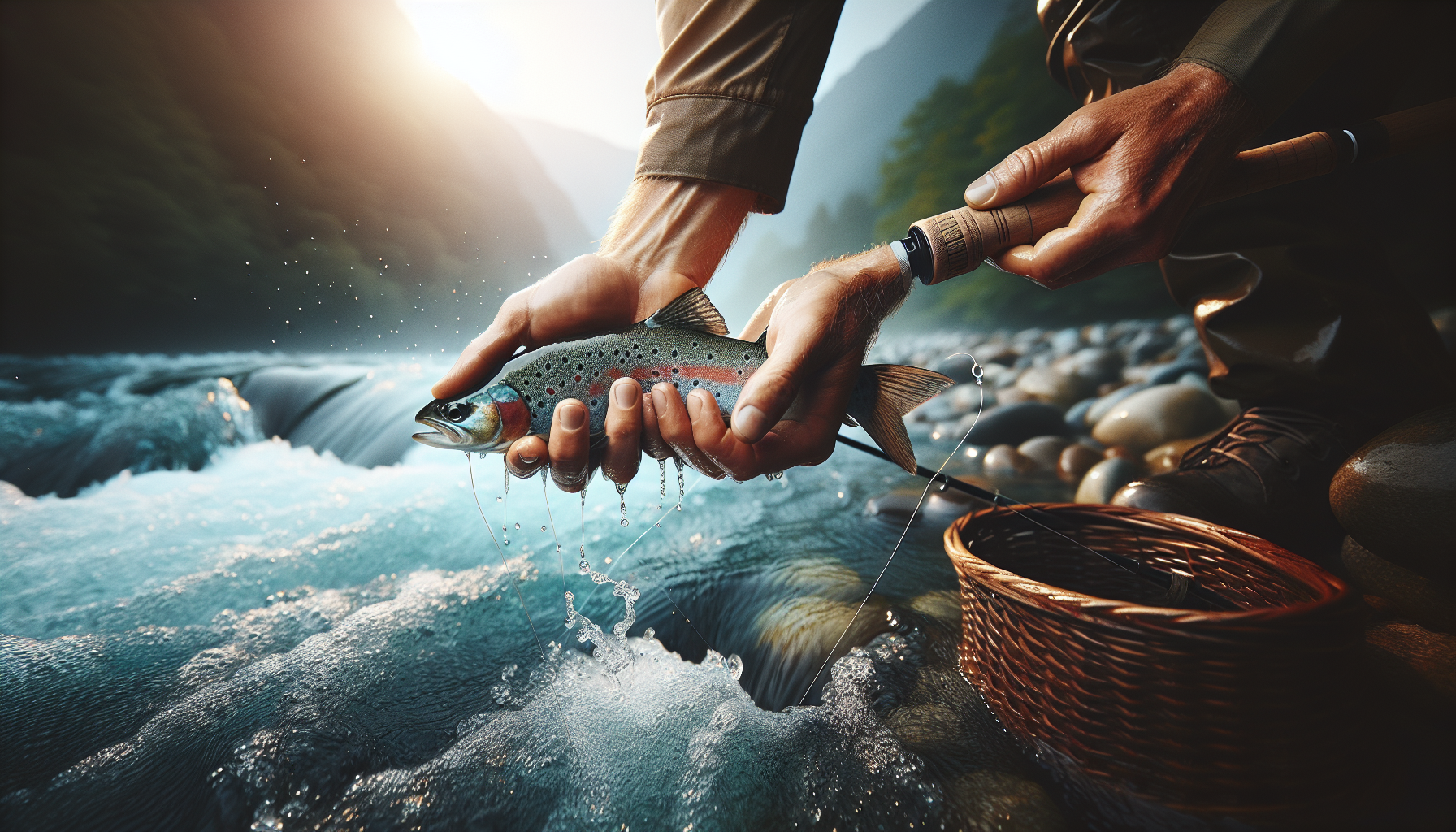
Fish handling is one of the clearest areas where clubs improve outcomes. Ethical instruction usually covers knotless rubber nets, wet hands, barbless hooks, heavy enough tippet to land fish quickly, and avoiding photos that require prolonged air exposure. Research summarized by fisheries agencies and conservation groups consistently shows that handling time, air exposure, water temperature, and fight duration influence post-release survival. Clubs can translate those findings into simple rules members remember under pressure.
Clubs also teach selective harvest with nuance. Ethical fishing does not always mean releasing every fish. In some waters, keeping legally harvestable stocked trout is compatible with management goals, while in others the best practice is releasing native fish and avoiding pressure during vulnerable periods. Good clubs explain the biological context rather than treating every waterbody the same. That distinction helps anglers align personal behavior with actual conservation outcomes.
Mentorship is the delivery mechanism. A presentation on responsible wading helps, but a seasoned member guiding a newcomer through a riffle and pointing out redds is far more effective. So is a club outing where leaders model quick releases, respectful spacing, and quiet communication with other anglers. People imitate what they see succeed, especially when it is tied to belonging in a community.
Core ethical topics every club should cover
A serious fly fishing club should treat ethical fishing practices as a structured curriculum. These are the subjects that deserve repeated coverage because they affect fish welfare, habitat quality, and public access.
| Topic | Why it matters | Club action that works |
|---|---|---|
| Catch-and-release technique | Reduces injury, stress, and delayed mortality | On-water demonstrations using barbless hooks, rubber nets, and quick-release methods |
| Water temperature awareness | Warm water lowers oxygen and raises post-release mortality | Weekly river condition updates and voluntary stop-fishing thresholds |
| Spawning season protection | Trampling redds damages eggs and future recruitment | Maps, talks from biologists, and streamside signage education |
| Invasive species prevention | Felt, mud, and standing water can spread pathogens and hitchhikers | Boot-cleaning stations, checklists, and “clean, drain, dry” reminders |
| Access ethics | Respect for landowners protects public goodwill and entry points | Boundary briefings, parking guidance, and litter enforcement |
| Selective harvest | Some fisheries benefit from harvest limits tailored to species and management goals | Species-specific seminars with agency staff and local creel data |
These topics are the backbone of an ethical fishing hub because each links to deeper subtopics. Fish handling leads naturally to articles on catch-and-release mortality, barbless hooks, landing fish quickly, and photography ethics. Water temperature awareness connects to trout stress, dissolved oxygen, seasonal closures, and when to target other species. Access ethics branches into trespass, crowding, social media etiquette, and leave-no-trace behavior. A well-run club uses these links to guide members from basics to mastery.
Conservation projects turn ethics into visible action
Education changes attitudes, but hands-on conservation changes identity. Clubs that organize stream cleanups, riparian planting days, culvert advocacy, macroinvertebrate sampling, or trash removal give members a direct stake in the health of the fishery. After people spend a morning planting willows to stabilize a bank, they tend to think differently about careless wading, discarded tippet, and bank erosion. Stewardship becomes personal.
Many successful clubs partner with Trout Unlimited chapters, watershed councils, state fish and wildlife agencies, and local land trusts. Those partnerships matter because they align volunteer energy with science-based priorities. I have watched clubs accomplish more in a single coordinated workday than months of online discussion ever produced. When biologists identify a tributary needing fencing, a club can provide labor, fundraising, and community visibility. That visible contribution also strengthens the club’s authority when it asks members to adopt higher ethical standards.
Citizen science is another powerful tool. Some clubs help monitor water temperature, collect aquatic insect observations, note spawning activity, or report barriers to fish passage. Members who participate in monitoring learn quickly that ethics are not abstract moral preferences; they are responses to measurable ecological limits. If a stream repeatedly exceeds thermal thresholds, a club can justify voluntary closures or outreach campaigns with local data rather than opinion.
Conservation projects also improve public perception. Landowners, town officials, and non-anglers are more likely to support access and restoration when they see clubs investing labor and money into the watershed. That social license matters. Ethical fishing is easier to defend when the angling community is known for care rather than entitlement.
Advocacy, standards, and the role of leadership
Club leadership determines whether ethics remain a slogan or become a standard. The best clubs write clear codes of conduct, publish them for events, and enforce them consistently. A code should cover legal compliance, fish handling, access, harassment, litter, fish photo practices, invasive species cleaning, and alcohol use during outings. Written standards remove ambiguity and protect both members and the resource.
Leadership also matters in advocacy. Clubs often comment on stocking plans, habitat projects, access proposals, minimum flow discussions, and conservation funding. When advocacy is informed by fisheries science rather than personal convenience, clubs become credible participants in management. For example, supporting seasonal refuge closures on vulnerable wild trout water may be unpopular with some anglers, but it can be the right ethical position if recruitment is weak or summer stress is severe.
Strong leaders invite expert voices. Fisheries biologists, game wardens, hydrologists, aquatic entomologists, and restoration specialists can explain why certain practices matter. Referencing accepted guidance from state agencies, the U.S. Fish and Wildlife Service, and watershed groups gives club recommendations weight. Members are more likely to adopt difficult changes when they understand the ecological reasoning behind them.
There are tradeoffs, and honest clubs acknowledge them. Barbless hooks may speed release, but some anglers lose more fish until their technique adjusts. Voluntary warm-water closures protect trout, but they can reduce participation during peak summer weekends. Restricting event locations to robust fisheries may frustrate members who prefer fragile blue-ribbon streams. Ethical leadership explains these tradeoffs clearly and chooses long-term fishery health over short-term convenience.
Where clubs fall short and how ethical culture can weaken
Not every fly fishing club advances ethical fishing practices equally well. Some focus heavily on casting clinics, travel talks, or fly tying while giving conservation only symbolic attention. Others rely on informal tradition without updating advice to match current science. I have encountered clubs where outdated fish handling habits persisted because respected members had “always done it that way.” Experience is valuable, but it should be tested against evidence.
Another weakness is inconsistency. A club may preach leave-no-trace principles yet tolerate bank crowding during popular outings. It may promote catch-and-release while praising long photo sessions on social media. Members notice these contradictions immediately. Ethical culture weakens when leaders do not model the behavior they request.
Exclusivity can also undermine ethics. Clubs that feel closed to newcomers miss the best opportunity to shape future angler behavior. If beginners are intimidated, they may learn from less reliable sources or from peers who value numbers over stewardship. Inclusive clubs with beginner-friendly outings, women’s programs, youth events, and accessible instruction usually do more to spread durable ethical norms.
Finally, clubs can become too attached to identity politics around gear or style. Ethical fishing is not proven by owning a bamboo rod, fishing only dry flies, or criticizing other methods. It is demonstrated by choices that reduce harm and respect the fishery. Good clubs keep the focus there.
How anglers can choose or build a club that truly promotes ethics
If you are evaluating a fly fishing club, look for evidence rather than branding. Read the event calendar. Does it include conservation workdays, fish handling clinics, access education, and talks from biologists? Review newsletters and social posts. Do they discuss water temperatures, spawning closures, and invasive species cleaning, or only hero shots and gear? Attend a meeting and listen for how experienced members talk about landowners, regulations, and crowded water. Culture reveals itself quickly.
A strong club will have clear expectations for outings, a willingness to correct poor behavior politely, and partnerships with recognized conservation organizations. It will be comfortable saying no to harmful practices even when they are legal. It will also create pathways for members to act, not just donate. Volunteer days, monitoring projects, youth mentoring, and public comment opportunities are all signs of a healthy ethical culture.
If your local club is weak on ethics, change is still possible. Propose a fish handling workshop. Invite a fisheries manager to speak. Share a draft code of conduct. Start a monthly river conditions post. Organize a cleanup and document participation. In my experience, members often respond well once someone turns good intentions into a practical plan. Ethical improvement usually starts with one small, repeatable action.
Fly fishing clubs remain one of the best engines for ethical fishing practices because they connect knowledge, community, and stewardship in ways solo anglers rarely can. They teach better decisions before, during, and after a day on the water. They translate science into habits, turn volunteers into advocates, and protect the social license that fishing depends on. For anyone serious about conservation and ethics, joining or strengthening the right club is one of the most effective next steps. Find a club that does the work, then help it raise the standard for everyone.
Frequently Asked Questions
How do fly fishing clubs actually encourage ethical behavior among anglers?
Fly fishing clubs help ethical behavior take root by turning big conservation ideas into practical habits that members repeat every time they fish. Rather than relying only on rules posted at access points or broad messages about protecting rivers, clubs create a culture where ethical conduct is taught, demonstrated, and expected. That includes simple but important behaviors such as using proper catch-and-release techniques, minimizing time fish spend out of the water, pinching barbs when appropriate, respecting spawning seasons, following local access rules, and leaving banks and trails cleaner than they were found.
What makes clubs especially effective is the social side of learning. New anglers often copy what experienced anglers do, especially on the water in real time. When club leaders and longtime members model careful fish handling, good judgment, and respect for landowners and other river users, those actions become the standard. Clubs also reinforce these standards through outings, workshops, guest talks, conservation events, newsletters, and informal mentoring. Over time, ethical behavior stops feeling like a list of restrictions and starts feeling like part of what it means to be a responsible fly angler.
Why is mentoring so important in teaching ethical fly fishing practices?
Mentoring is one of the most effective ways to teach ethics because anglers rarely build lasting habits from a rulebook alone. They learn by watching experienced people make decisions on the water. A mentor can show a beginner how to land fish quickly to reduce exhaustion, wet hands before handling a trout, avoid squeezing the fish, keep it supported in the current, and release it without unnecessary photos or delay. Those details matter, and they are much easier to understand when someone demonstrates them in the moment rather than just describing them in theory.
Mentoring also helps anglers understand the reasoning behind ethical choices. For example, a new member might know that certain waters are catch-and-release only, but not fully understand how water temperature, spawning stress, or repeated handling can affect fish survival. A good mentor connects regulations to fish health, habitat protection, and long-term stewardship. That deeper understanding makes compliance more durable. In many clubs, mentoring also extends beyond fish handling to include honesty in reporting catches, respect for private property, thoughtful wading to avoid damaging redds, and courtesy toward guides, boaters, and other anglers. In that way, mentoring builds not just skills, but judgment.
What ethical practices do fly fishing clubs most commonly promote?
Most fly fishing clubs promote a core set of ethical practices that protect fish, habitat, and the long-term quality of the sport. Catch-and-release done correctly is usually near the top of the list. That means using tackle strong enough to land fish efficiently, reducing air exposure, handling fish as little as possible, and releasing them in a way that gives them the best chance of survival. Clubs also emphasize knowing and following regulations, including seasonal closures, species protections, gear restrictions, and access limitations. Ethical angling starts with legality, but good clubs usually push members to go beyond the minimum legal standard.
Habitat protection is another major focus. Clubs often teach members to avoid trampling banks, disturbing spawning areas, littering tippet and leader material, or moving recklessly through fragile streamside vegetation. Many also encourage participation in river cleanups, habitat restoration projects, and water-quality awareness efforts. In addition, clubs commonly stress respectful behavior toward landowners and the broader public, because access to quality water often depends on trust and courtesy. Honest reporting, whether in club records, conservation surveys, or conversations about fishing pressure, is also part of ethics. Taken together, these practices reflect a broader message: a good angler is not just someone who can catch fish, but someone who protects the fishery and helps others do the same.
Can fly fishing clubs influence conservation beyond their own membership?
Yes, and in many places they do. Fly fishing clubs often have an impact far beyond their meetings and member outings because they serve as local hubs for education, stewardship, and public example. When clubs organize stream cleanups, support habitat restoration, help monitor river conditions, or partner with biologists and conservation groups, they contribute directly to healthier fisheries. Their work can also raise awareness in the broader community, especially when events involve schools, local businesses, landowners, or public agencies. That visibility helps frame ethical fishing as a shared responsibility rather than a niche concern.
Clubs also influence non-members through example. Anglers observe one another at boat ramps, parking areas, trails, and on the water. A club known for ethical standards can set a tone in a region, especially if its members consistently model best practices and speak constructively with others. Some clubs advocate for access protections, sensible regulations, and habitat improvements, giving them a voice in policy discussions that affect everyone who uses the fishery. Their influence is strongest when they combine education with action. Instead of only talking about stewardship, they make it visible through volunteer work, mentoring, and consistent ethical conduct in public settings.
Why do fly fishing clubs often create more lasting ethical habits than rules alone?
Rules matter, but rules by themselves often produce only minimum compliance. Fly fishing clubs are effective because they add community, repetition, and accountability to the learning process. When anglers hear the same ethical message in meetings, see it demonstrated during outings, practice it under guidance, and then receive reinforcement from respected peers, the behavior becomes habitual. That is very different from simply reading a regulation summary once at the start of the season. Clubs help translate abstract principles such as stewardship, restraint, and respect into specific choices anglers make every trip.
Another reason clubs create lasting change is that they shape identity. In a healthy club culture, members begin to think of ethical fishing as part of being a competent and trustworthy angler. That identity is powerful. It affects how people handle fish when nobody is watching, whether they speak up when they see poor practices, and whether they take time to teach newcomers the right way to do things. Over the long term, that culture can be more influential than enforcement alone. The most durable ethical standards in fly fishing usually come from shared values practiced consistently in the field, and that is exactly where clubs play their strongest role.