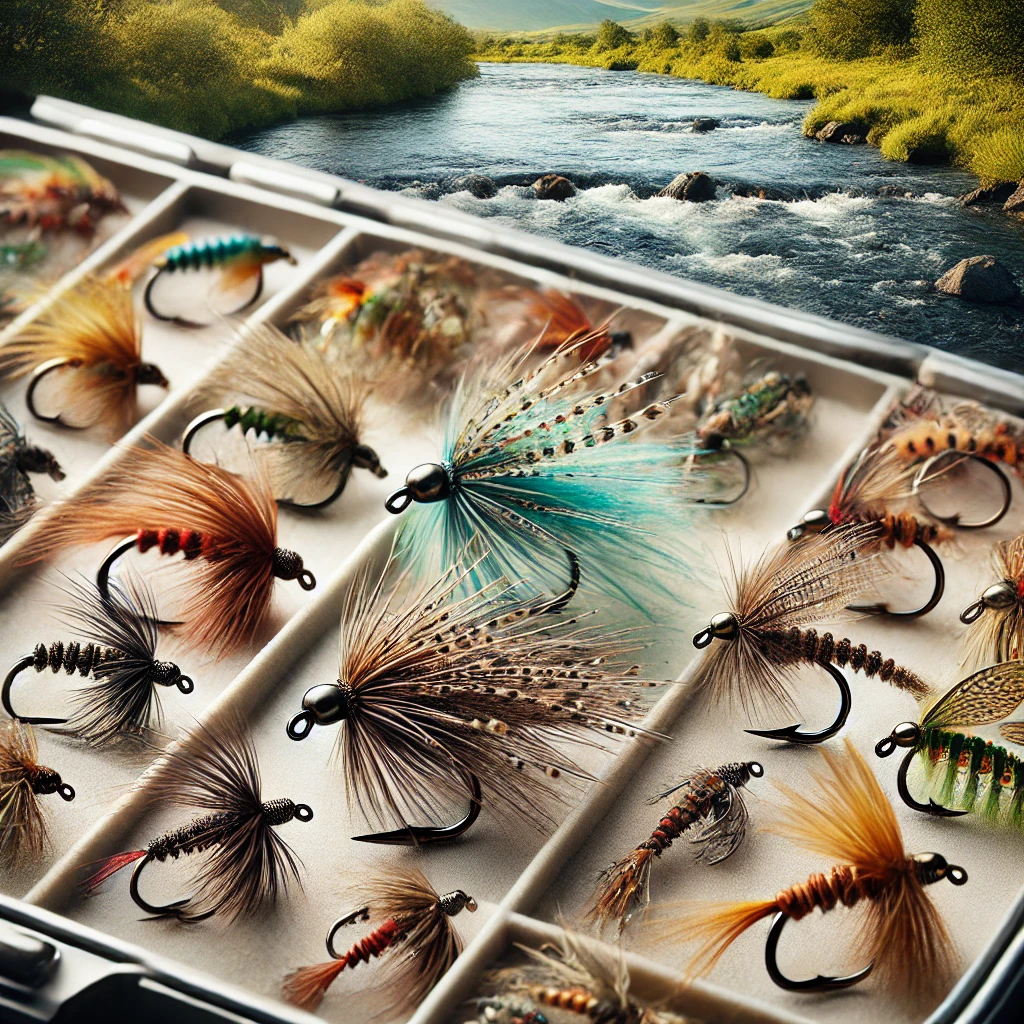
Fly fishing has long been cherished by anglers for its blend of skill, patience, and the serenity it brings. As anglers refine their techniques, they constantly search for ways to increase their chances of success. One such method is using tandem flies, a technique where two flies are fished simultaneously. This approach can significantly up your game, offering versatility and an increased catch rate, as it targets different water columns or mimics a more natural presentation.
The concept is simple yet effective: attach two flies to your line instead of one. However, understanding when, why, and how to use tandem flies can make all the difference in maximizing your fishing experience. Whether you’re a seasoned veteran or a beginner looking to broaden your fly fishing knowledge, learning about tandem flies can give you an edge.
The intricacies of fly selection, knot tying, and strategic presentation are crucial to mastering tandem flies. Factors such as water clarity, temperature, and fish behavior play into which flies to pair and how to present them. Although it may seem daunting initially, the potential rewards make it worthwhile.
In this comprehensive guide, we will delve into the different types of tandem flies you can use, how to tie them, and when to use them effectively. We aim to provide a clear understanding so you can confidently incorporate tandem flies into your fly fishing repertoire.
Types of Tandem Flies
One of the great aspects of tandem flies is the variety you can employ. Depending on the conditions and the fish species you’re targeting, different combinations can prove beneficial. Here are some common types of tandem flies you’ll want to consider:
Dry-Dry Combination
This involves using two dry flies in tandem. It’s particularly useful in calm waters where fish are actively feeding on the surface. Pairing two dry flies can mimic a hatch, increasing the chances of enticing a bite.
Dry-Dropper Combination
A highly popular method, this involves pairing a dry fly with a nymph. This setup allows you to cover both the surface and sub-surface, providing a dual opportunity to hook a fish. It’s particularly effective because the dry fly serves as both an attractor and an indicator for the nymph below.
Wet-Wet Combination
Using two wet flies can be advantageous in rivers with moving currents. This setup allows you to cover different depths and mimic subsurface insects, which can be especially appealing to trout.
Streamer-Nymph Combination
For those targeting larger fish, pairing a streamer with a nymph can be effective. The streamer acts as an attractor, while the nymph offers a more subtle, irresistible follow-up.
Understanding the types of tandem flies and their specific uses is the first step in incorporating this technique into your fly fishing strategy. The next step is mastering the knots required to tie these combinations effectively.

Knot Tying for Tandem Flies
Tying the correct knots is essential for setting up tandem flies. The wrong knot can lead to lost fish and wasted time. Here are some fundamental knots that should be in your repertoire:
Surgeon’s Knot
The Surgeon’s Knot is ideal for attaching two lines. It’s simple, strong, and trustworthy for joining different tippet sections together.
- Overlap the ends of the two lines you wish to join.
- Pass the tag end of one line through the loop formed by the overlap three to four times.
- Moisten the knot and pull tight.
Dropper Loop
The Dropper Loop Knot is commonly used to attach the second fly. This loop allows your dropper to move freely, creating a more natural presentation.
- Create a loop in your leader.
- Pass the loop through itself multiple times.
- Tighten the loop and trim the excess.
Improved Clinch Knot
The Improved Clinch Knot is often used to tie flies to tippets. It’s reliable and relatively easy to tie, making it a favorite among anglers.
- Pass the line through the eye of the fly.
- Twist the tag end around the standing line six to seven times.
- Thread the tag end through the loop near the eye and then back through the big loop.
- Moisten and pull tight.
Mastering these knots will ensure you have a secure and effective tandem fly setup. Next, we’ll discuss when and where to use tandem flies to maximize your fishing efficiency.
When to Use Tandem Flies
Understanding when to use tandem flies can be the difference between an average day and a successful one. Here are some scenarios where tandem flies shine:
Hatch Matching
During hatches, fish can become particularly selective. Using a dry fly mimicking the hatch, followed by an emerger or nymph, can cover both imitating the hatch and the emergers just below the surface.
Varying Water Columns
Fish often feed at different depths. Using a dry-dropper or wet-wet combination can help you cover multiple water columns concurrently, increasing your chances of connecting with feeding fish.
Uncertain Conditions
When you’re unsure of what fish are feeding on or if they’re being finicky, throwing a tandem setup can help you present multiple options. Sometimes fish react to the variety, as it mimics more natural, lively water conditions.
Targeting Different Species
In waters where multiple species are present, tandem flies offer a way to cover different preferences. Trout might rise to the dry fly, while bass could be attracted to the streamer. Offering both gives you a wider spectrum of potential catches.
Using tandem flies effectively also requires careful presentation. The next section will cover strategies for delivering tandem flies in a natural and enticing manner.
Presenting Tandem Flies
Presentation is key in fly fishing, and it’s doubly important when you’re using tandem flies. Proper presentation ensures that both flies appear natural and appealing. Here are some tips to get it right:
Casting Techniques
Casting with tandem flies can be challenging, especially with extra weight. It’s crucial to execute a smooth, controlled cast to avoid tangling. Practice the double haul technique to provide extra distance and control.
Drift and Natural Movement
Aim for a drag-free drift, allowing the flies to move naturally with the current. Position yourself upstream and let the flies float down to the fish. Mend your line as necessary to prevent drag and maintain a natural presentation.
Strike Detection
With tandem setups, especially dry-dropper combos, strike detection can be tricky. Utilize the dry fly as an indicator for strikes on the nymph. Pay attention to any unusual movements or pauses, as these are often signs of a strike.
Adjusting Depth
Adjusting the depth of your flies can dramatically impact your success. Vary the distance between your flies based on water depth and fish activity. Sometimes a slight adjustment can make a significant difference in getting a strike.
Understanding and mastering these presentation techniques will help you effectively use tandem flies. Proper presentation ensures that your flies are seen as a natural part of the water, increasing your success rate.
Now that we’ve covered presentation, let’s wrap up with some final thoughts on incorporating tandem flies into your fly fishing strategy.
Conclusion
Utilizing tandem flies can revolutionize your fly fishing experience. By presenting multiple flies simultaneously, you increase your chances of enticing fish to strike, cover different water columns, and present a more natural, dynamic display.
The process starts with understanding the different types of tandem flies and then mastering the essential knots required to tie them effectively. Following that, recognizing the ideal scenarios to use tandem flies—such as during hatches, in varying water columns, or when targeting multiple species—allows you to take full advantage of their potential.
Presentation techniques, from casting to strike detection, are crucial for success. Practicing these methods will ensure you can present your tandem flies naturally and enticingly, increasing your chances of a successful catch. The versatility and effectiveness of tandem flies make them a valuable tool in any angler’s arsenal.
Whether you’re gearing up for your next trip or looking to improve your existing skills, incorporating tandem flies can give you an edge. As with all fly fishing techniques, practice and observation are key. The more you experiment and refine your approach, the more proficient you will become.
So, next time you head to the water, consider tying on two flies instead of one. The added effort and complexity can pay off with increased catches and a more enjoyable fly fishing experience. Remember, every outing offers a learning opportunity, and employing tandem flies effectively can make all the difference.