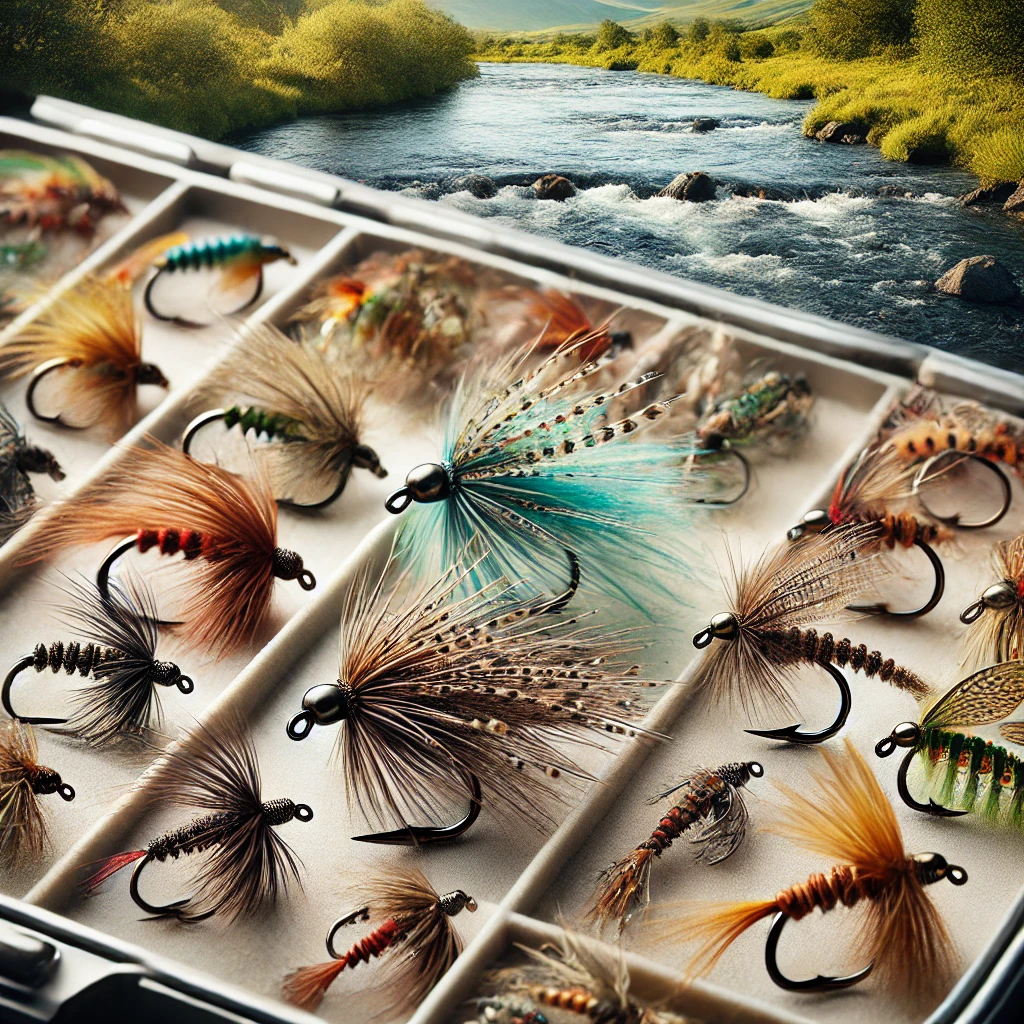
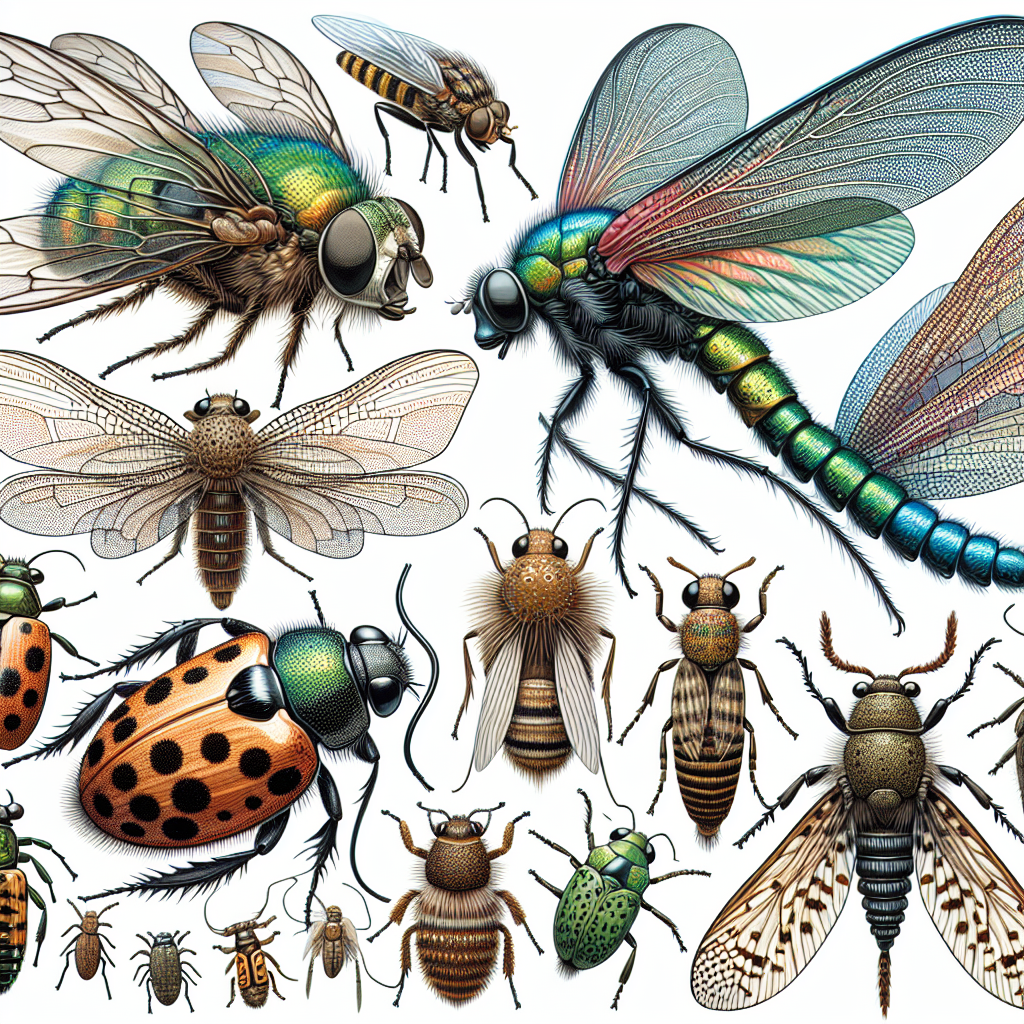
Fly fishing, a time-honored pastime, captures the essence of angling in a uniquely artistic manner, combining the beauty of natural habitats with the meticulous craft of fly tying. One of the captivating aspects of fly fishing is the creation and use of flies, the synthetic insects that mimic the natural prey of fish to lure them into a catch. Among the multitude of fly patterns, terrestrials stand out for their exceptional ability to imitate land-based insects. These include ants, beetles, grasshoppers, crickets, and other creatures that frequently find themselves accidentally on the water’s surface. Understanding and mastering terrestrial fly patterns is invaluable for any angler. Knowing how to tie these flies can significantly increase your success rate in streams, rivers, and lakes. This article guides you through various types of terrestrial flies, their specific uses, and the techniques for tying them efficiently.
Types of Terrestrials
1. Ant Patterns:
Ant patterns are a staple in the terrestrial fly category. Ants are among the most common insects to find their way into the water, making them an attractive target for fish. Their distinctive segmented body and tiny legs make them relatively straightforward to tie. Foam ants are particularly popular because they float well and have a long-lasting structure. To tie a foam ant, start with a small hook and select black or red foam for the body. Segment the body into two parts to mimic the head and thorax of an ant, then add hackle to represent the legs. A little touch of finesse is required to ensure the body parts are proportional, creating a realistic look that attracts fish effectively.
2. Beetle Patterns:
Beetles, too, are common visitors on the water surface. They are typically characterized by their hard, shiny exoskeletons. The Japanese beetle pattern is particularly well-known for its effectiveness. Using foam to create the beetle’s body and covering it with glossy tape or paint gives it a realistic sheen. Start with a medium-sized hook. Use black or dark green foam for the body, ensuring it’s thick enough to float. Add an overwing of shiny tape or paint to replicate the beetle’s glossy outer shell. Finish with some hackle at the front to imitate legs. This pattern is an absolute killer in slow-moving waters where beetles frequently end up.
3. Grasshopper Patterns:
Grasshoppers are perhaps the most iconic terrestrial flies due to their size and distinctive appearance. They are incredibly effective during the late summer and early fall when grasshoppers are most active and likely to end up in the water. What makes grasshopper flies particularly appealing is their large profile, which can attract fish from far away. For a basic grasshopper pattern, select a large hook and tan or green foam for the body. Segment the foam to replicate the grasshopper’s body sections, and add legs made from rubber or silicone to create a realistic movement in the water. Additionally, adding some wings using light-colored feathers can further enhance the imitation. Grasshoppers float exceptionally well, making them perfect for skimming across the water surface to mimic the natural movement of the insect.
4. Cricket Patterns:
Crickets are another terrestrial insect that fish find hard to resist. These patterns are especially effective in rivers and streams where crickets naturally fall into the water more frequently. Cricket flies can be tied using foam or dubbing material for the body, with rubber legs to imitate the cricket’s long, slender legs. To tie a basic cricket pattern, use a medium-sized hook. Black or dark brown foam works well for the body. Segment the body neatly and add rubber legs that extend beyond the body length. Incorporate a little bit of dubbing near the head to create a bushy appearance that mimics the cricket’s natural look. The slight vibrations from the rubber legs make crickets particularly effective in attracting fish.
5. Caddis Patterns:
Although caddisflies are not land-based, caddis patterns are often grouped with terrestrials because of their common emergence and the fact that they are one of the most significant food sources for fish. Caddisflies are famous for their distinctive tent-like wings and can be tied using various materials such as hackle, CDC (cul de canard), and synthetic fibers. A simple caddis pattern involves using a medium-sized hook and olive or tan dubbing for the body. The wings can be made from CDC or deer hair, giving it a buoyant structure that sits well on the water surface. Adding a hackle around the wings helps to create a realistic profile and ensures the fly remains afloat. Caddisflies are particularly effective during their hatching season, making them a crucial addition to any angler’s fly box.

Techniques for Tying Terrestrials
Mastering the art of tying terrestrial flies requires practice and understanding of the insects’ natural physiology. Here are some key techniques and tips to ensure your terrestrial patterns are both realistic and effective:
1. Proportional Segmentation:
For flies like ants and crickets, ensure the body segments are proportional. This symmetry is crucial in creating a realistic appearance. Use markers or threads to segment the foam accurately.
2. Use of Foam:
Foam is a popular material in tying terrestrials due to its buoyant nature and durability. Choose the correct thickness and color to match the insect you’re imitating. Foam also allows for easy manipulation to create the desired shapes.
3. Lightweight and Floating Features:
Since terrestrials often sit atop the water surface, making lightweight flies that float well is essential. Incorporating materials like foam, hackle, and light synthetic fibers can help achieve this.
4. Realistic Movements:
The addition of rubber or silicone legs can add realistic movement to your flies, making them more attractive to fish. Ensure these legs are securely attached and positioned to mimic natural limb movements.
5. Color Matching:
Match the colors of your fly to those of the actual insects in your local area. This local knowledge can significantly increase the effectiveness of your flies.
Conclusion
Mastering terrestrial fly patterns is a game-changer for any fly fisher. These patterns, designed to imitate various land-based insects, can significantly enhance your chances of a successful catch. By understanding the nuances of different terrestrial flies such as ants, beetles, grasshoppers, crickets, and caddisflies, you can better equip yourself for any fishing adventure. Tying terrestrial flies demands attention to detail, a good grasp of materials, and an understanding of the insects you are mimicking. Utilizing foam for buoyancy, ensuring proportional body segments, and incorporating realistic movement features like rubber legs can make your flies irresistible to fish. With practice, you’ll find that these flies can be the difference between a good day and a great day on the water.
Remember, the goal is to present the fish with an irresistible imitation of their natural prey. Whether you’re a beginner tying your first foam ant or a seasoned angler perfecting your cricket pattern, the joy of fly fishing lies in the blend of creativity, skill, and the great outdoors. Discover, tie, and cast your terrestrials with confidence, and you’ll surely experience the thrill of the catch.