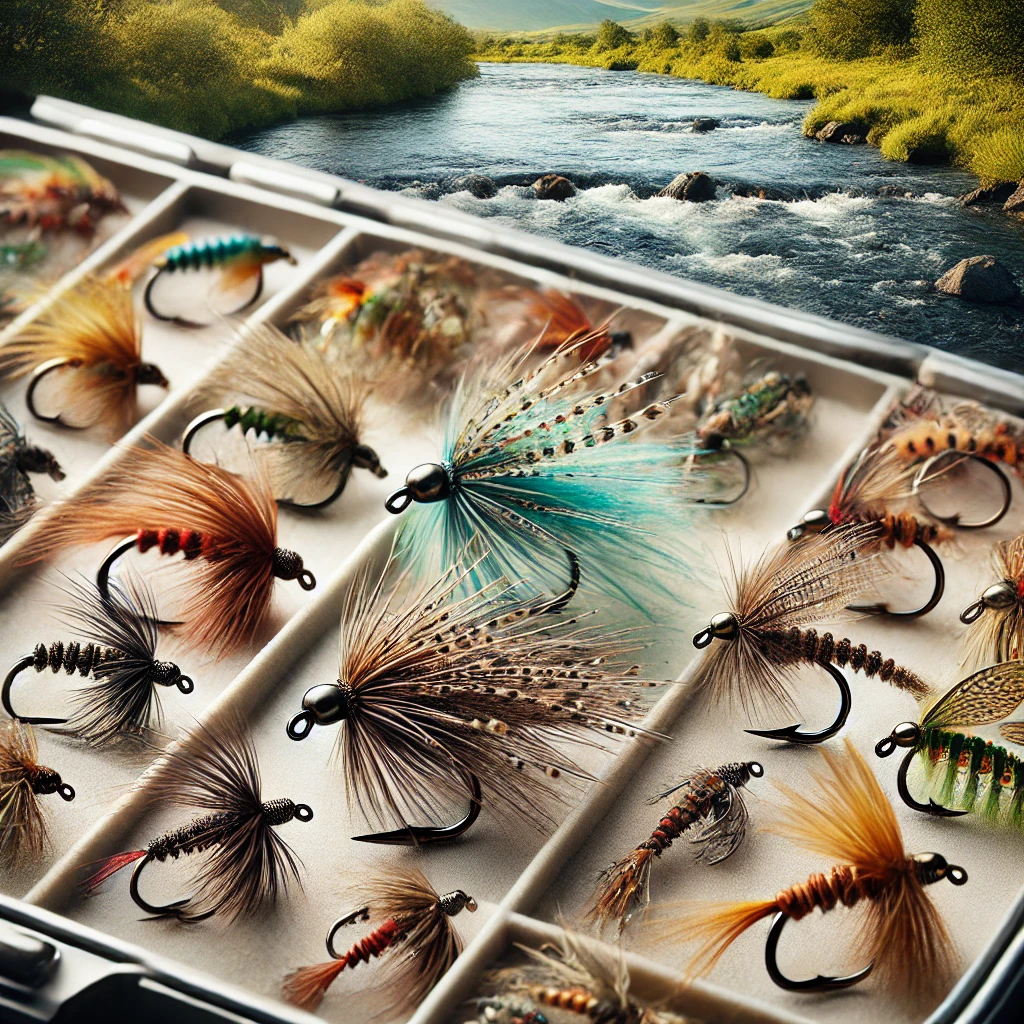
Fly fishing is not just about casting a line and hoping for the best; it’s an art form that requires a deep understanding of the different fly patterns and how they work. For many anglers, whether seasoned or novice, one of the fundamental distinctions to grasp is the difference between dry flies and wet flies. These two types of flies play distinct roles in the sport of fly fishing and can significantly impact your success on the water. In this article, we’ll dive into what makes dry flies and wet flies unique, their uses, and how to tie them effectively, so you can enhance your fly fishing experience.
At its core, fly fishing aims to imitate the various stages of a fish’s natural prey, which is often insects. These imitations, called fly patterns, are designed to closely mimic the appearance and behavior of the fish’s food source. Dry flies and wet flies serve this purpose differently. Understanding how and when to use each type can make a massive difference in your fly fishing success.
Dry flies are named for their ability to float on the water’s surface, imitating adult insects that fish see from below. Wet flies, on the other hand, are designed to sink and mimic subsurface insects in various immature stages. Each type of fly has its own set of characteristics, tying techniques, and use cases that we’ll explore in detail.
Characteristics of Dry Flies
Dry flies are an angler’s delight, prized for their ability to float on the water’s surface, enticing fish to rise up and strike. These flies are typically crafted from materials that aid in buoyancy, such as high-quality hackle feathers, deer hair, and various synthetic fibers.
One primary characteristic setting dry flies apart is their delicate presentation. Since they float, they need to imitate the natural drift of insects on the water’s surface. Any unnatural movement can discourage fish from biting. Therefore, casting and presentation techniques for dry flies are crucial. A perfect drift can be the difference between an interested fish and a missed opportunity.
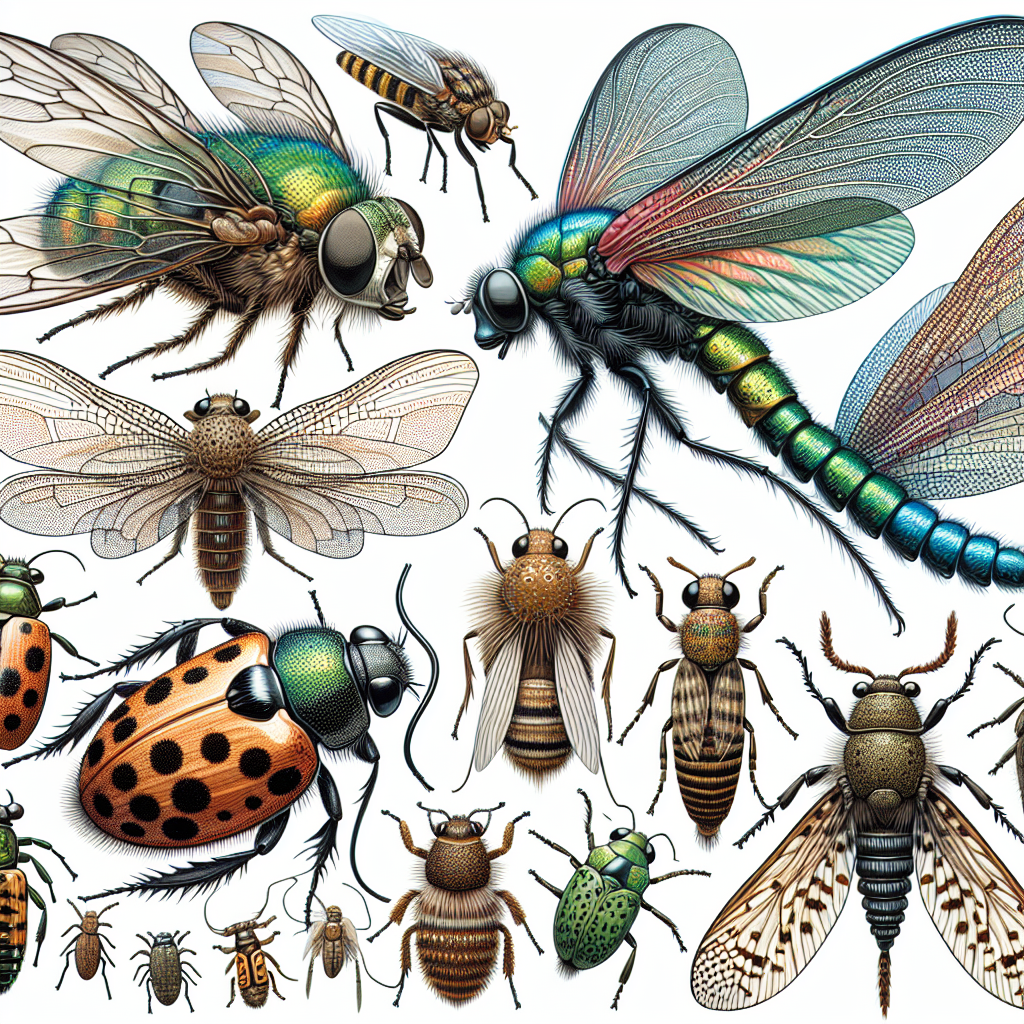
Moreover, dry flies are often tied to look like a variety of insects, including mayflies, caddisflies, and stoneflies. These insects are commonly found on the surface of rivers and lakes during specific seasons, making dry flies particularly effective during these times. Understanding the life cycle of these insects can help anglers choose the right dry fly for their fishing trips.
To keep dry flies floating, anglers often treat them with floatants, which are specially formulated solutions designed to coat the fly and repel water. Regular reapplication may be necessary, especially after catching a fish or extended use, to maintain the fly’s buoyancy.
Tying Dry Flies
Tying dry flies is a delicate art requiring precision and patience, but it’s also deeply rewarding, allowing anglers to customize their flies to match local insect hatches perfectly. The process typically begins with selecting a suitable hook—usually barbless to minimize harm to fish and facilitate easier releases.
The next step involves wrapping the hook shank with thread, forming the base layer that will secure the rest of the materials. It’s essential to keep this layer thin and even, ensuring the final fly maintains its natural appearance.
One of the most critical components of a dry fly is the hackle, which is a feather wound around the hook to create a “collar” that helps the fly float. Choosing the right hackle size and color is crucial, as it needs to mimic the legs and wings of the targeted insect accurately.
Additionally, dry flies often incorporate other buoyant materials, like deer hair or synthetic fibers, to enhance their floatation. These materials are meticulously tied and trimmed to achieve the desired shape and appearance. Treating the finished fly with a floatant will ensure it stays atop the water, ready to entice fish.
Characteristics of Wet Flies
While dry flies offer the excitement of watching fish rise to the surface, wet flies delve beneath, mimicking the stages of insect life that occur underwater. Unlike their surface-skimming counterparts, wet flies are designed to sink, making them ideal for attracting fish that feed below the surface.
Wet flies generally feature softer materials that provide lifelike movement when submerged, including materials like soft hackle, marabou, and various fibers that can mimic the appearance and behavior of subsurface insects.
These flies are tied with a denser body and are usually more heavily weighted to ensure they sink quickly. Wet flies can imitate various underwater prey, including nymphs, emerging insects, and even small baitfish. Therefore, they are versatile and effective in various fishing conditions.
The movement created by a wet fly underwater is critical to its effectiveness. The goal is to simulate the natural drift or swimming motion of aquatic prey. Some wet flies include a soft hackle that pulsates and moves naturally in the water, further enhancing their attraction to fish.
Tying Wet Flies
Tying wet flies presents its own set of challenges and rewards, differing from the procedures used for dry flies. Start by selecting a barbed or barbless hook, depending on your preference and fishing regulations.
The thread wraps are usually denser than those in dry flies, providing a stronger base to support the additional material. This step is vital, as a tightly wrapped base ensures that the fly can handle the weight and resist water’s wear and tear.
When tying wet flies, a common practice is to add weight to the hook shank in the form of lead wire or weighted beads. This helps the fly sink quickly to the desired fishing depth.
Next, softer materials such as marabou, chenille, or soft hackle are attached to mimic the natural movement of underwater prey. These materials are key components in giving wet flies their lifelike and enticing swimming action. Treating the finished fly with a floatant will ensure it stays atop the water, ready to entice fish.
When and How to Use Dry Flies
Dry flies are particularly effective during insect hatches when adult insects are present on the water’s surface. During these times, fish are more inclined to feed on the surface, making dry flies the perfect choice.
To use dry flies effectively, it’s crucial to match the hatch—selecting a fly pattern that closely resembles the insects currently hatching in your fishing area. Observing the water and shoreline can provide vital clues about what insects are active.
Presentation is everything with dry flies. A natural, drag-free drift is essential to avoid spooking the fish. Casting upstream and allowing the fly to drift naturally downstream often yields the best results.
Remember, dry flies require frequent maintenance. Applying floatant before casting and periodically during fishing will help keep the fly buoyant. Additionally, after catching a fish or suspecting the fly has absorbed some water, it’s beneficial to dry the fly and reapply floatant.
When and How to Use Wet Flies
Wet flies come into their own when fish are feeding beneath the surface, targeting nymphs, emerging insects, or small baitfish. The versatility of wet flies means they can be effective in a wide range of situations.
Unlike dry fly fishing, where a drag-free drift is often desirable, wet fly fishing frequently employs a more varied set of techniques, including dead drifting, swinging, and stripping. Dead drifting imitates a nymph or other aquatic insect tumbling downstream with the current. Swinging involves casting across the current and allowing the fly to swing in the water, often imitating an emerging insect. Stripping is a more active retrieve, where the fly is pulled through the water to mimic a swimming prey item.
Choosing the right wet fly depends significantly on understanding the aquatic life within the specific waterway. Observing the underwater environment, turning over rocks, and taking note of the available prey can inform your choice of fly pattern and presentation technique.
An essential aspect of wet fly fishing’s success lies in the movement imparted to the fly. The materials used in wet flies, such as marabou and soft hackle, come to life underwater, imitating the natural motion of insects and other prey, making them irresistible to fish.
Conclusion
Understanding the difference between dry flies and wet flies and when to use them is crucial for any angler aiming to improve their fly fishing game. Each type of fly serves a specific purpose and requires a unique approach, from how they are tied to their presentation on the water.
Dry flies are your go-to when fish are feeding on the surface, often during insect hatches. The key to success with dry flies lies in their buoyancy, presentation, and matching the hatch, ensuring your fly closely resembles the current insect activity.
On the other hand, wet flies offer versatility and effectiveness when targeting subsurface feeders. By mimicking various stages of underwater prey, wet flies can entice fish feeding below the surface. The movement and material of wet flies are designed to create a lifelike allure that fish find irresistible.
Whether you’re tying your flies or selecting them from a well-stocked fly box, understanding the intricacies of dry and wet flies will enhance your fly fishing experience. The time and care invested in tying and selecting the right fly can be the difference between an empty net and a bountiful catch.