Choosing the best fly fishing polarized sunglasses is not a minor gear decision; it directly affects what you can see, how long you can fish comfortably, and how well you protect your eyes on the water. In fly fishing, sunglasses are functional optics, not just accessories. The right pair cuts glare, improves contrast, reduces eye strain, and shields against hooks, split shot, and reflected ultraviolet light. After testing frames on spring creeks, western freestones, salt flats, drift boats, and stillwater skiffs, I have found that the differences between average and excellent lenses become obvious within a single long day. This accessory review hub covers what matters most: lens technology, frame fit, fishing-specific performance, price tiers, and the standout brands and models worth considering. It also serves as a practical starting point for deeper accessory reviews, helping you compare options with clear criteria instead of marketing claims. If you fish rivers, lakes, or coastal water, polarized sunglasses are one of the few purchases that can improve both safety and success immediately.
Polarization refers to a lens filter that blocks horizontally reflected light, the intense glare bouncing off water surfaces. By reducing that glare, anglers can look through the surface film more effectively and spot depth changes, structure, cruising fish, weed lines, and current seams. Lens color is separate from polarization and changes contrast, brightness, and color perception. Frame design matters too. Wrap, coverage, nose grip, temple retention, hinge durability, and overall weight determine whether glasses stay comfortable through repeated casting, rowing, hiking, and boat spray. Good fly fishing sunglasses also need impact resistance, optical clarity, coatings that resist scratching and salt, and enough ventilation to limit fogging. Because this article sits within a broader Product Reviews and Recommendations hub, the goal is not only to recommend top eyewear, but to establish the standards you should use when comparing all fishing accessories: task-specific performance, durability in harsh conditions, honest tradeoffs, and long-term value over flashy features.
What Makes Fly Fishing Polarized Sunglasses Different
The best fly fishing polarized sunglasses are designed for sight fishing and all-day water use, which makes them different from casual polarized eyewear sold for driving or beach wear. On the river, optical clarity must hold up when you are scanning pocket water for trout tucked behind boulders. On a flat, you may need to distinguish a bonefish tail from turtle grass in changing light. That requires premium lens substrates, controlled tint transmission, and coatings that do not distort detail at the edges. In my experience, cheap polarized lenses often darken glare but flatten useful contrast, making the water surface look calmer while actually hiding fish movement beneath it.
Fishing-specific frames also account for motion and exposure. Anglers look down, sideways, and into harsh reflected light for hours. A frame with poor side coverage leaks glare from the periphery and causes fatigue. A frame with slick temples or weak nose pads shifts every time you strip line or sweat under a hat brim. Better brands shape their frames to work with caps, buffs, and rain jackets, and they build in hydrophilic rubber or textured contact points that grip better when wet. These details sound small until a windy boat ride or a humid summer wade exposes every weakness.
Lens Materials, Colors, and Coatings That Actually Matter
When reviewing accessory eyewear, I start with lens material because it determines clarity, weight, and toughness. Glass lenses still deliver the best optical precision in many top-tier models. Brands such as Costa and Bajio have built strong reputations on glass options because they remain exceptionally crisp, resist scratching better than polycarbonate, and maintain sharpness across the lens. The downside is weight and the potential for breakage under severe impact, even when tempered. Polycarbonate and nylon-based lenses are lighter and more impact resistant, making them excellent for active wading, hiking, and travel. Maui Jim’s SuperThin Glass and Smith’s ChromaPop glass are often praised for clarity, while Smith, Costa, and Roka also offer strong non-glass options that reduce fatigue over long days.
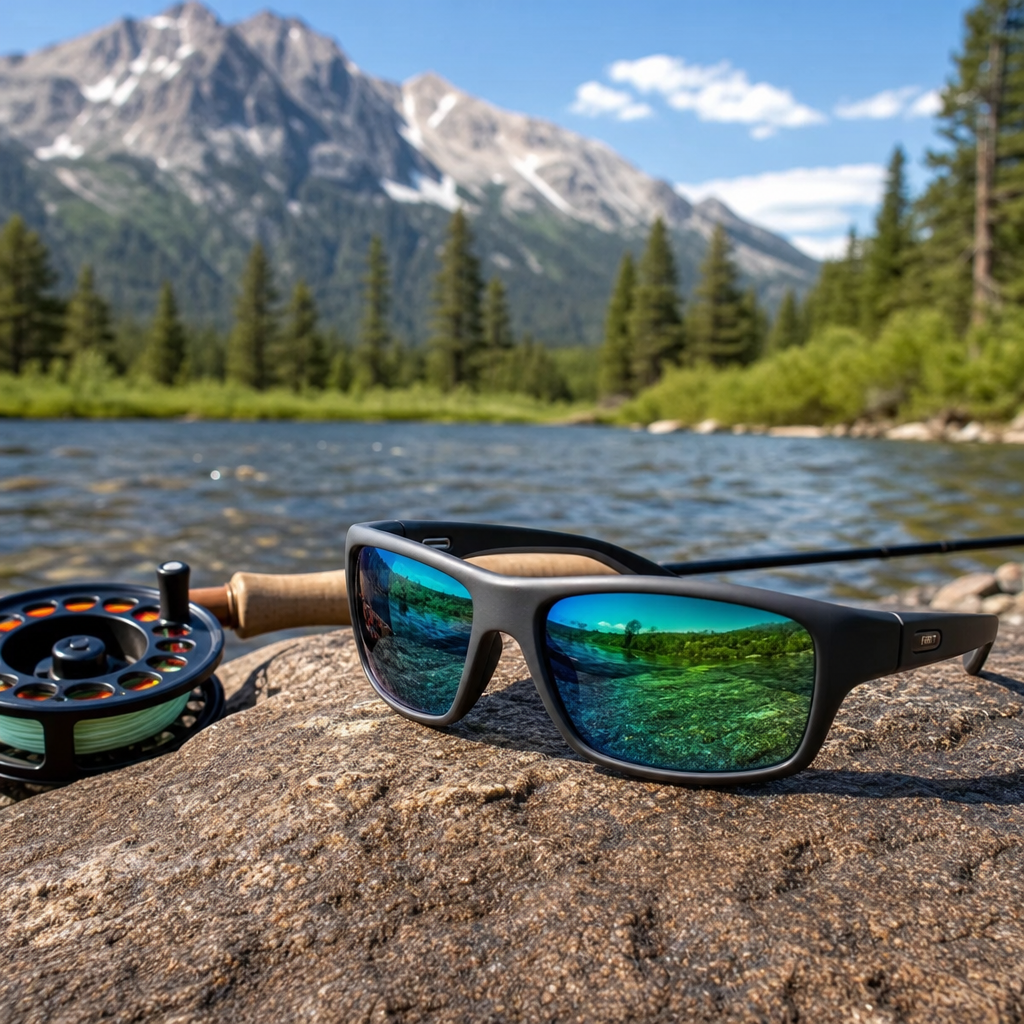
Lens color should match the water and light conditions you fish most. Copper, amber, and brown-based lenses are versatile freshwater choices because they heighten contrast and help define rocks, gravel transitions, and structure. Gray lenses preserve natural color and excel in intense sun, especially offshore or on open lakes. Yellow and low-light rose tints can help under cloud cover, but they are less useful in bright midday conditions and are usually better as secondary lenses than all-around picks. Mirror coatings are not cosmetic extras; they reduce additional glare in bright environments. Blue mirror is common for open water and salt, while green or copper mirror often suits freshwater. Hydrophobic and oleophobic coatings matter more than many buyers realize. They help shed spray, sunscreen, skin oil, and fingerprints, which preserves vision when conditions get messy.
How Frame Fit Affects On-Water Performance
A technically excellent lens can still disappoint if the frame fit is wrong. Fly fishing requires repeated head movement, long periods of visual concentration, and constant environmental changes. I have seen anglers buy premium lenses and leave them in the truck because the temples pinch under a hat or the bridge slips once temperatures rise. The best fly fishing polarized sunglasses balance retention and comfort. A secure frame should not bounce while walking riverbanks, but it also should not create pressure points behind the ears after six hours.
Coverage is equally important. Wraparound frames reduce side glare and wind exposure, which helps on drift boats, skiffs, and broad reservoirs. More open lifestyle frames can work for casual use, but they generally leak too much light for serious sight fishing. Nose pad design deserves extra attention for anglers with flatter or narrower bridges. Adjustable pads, available on some technical models, can solve fit issues that otherwise ruin performance. Venting can help with fogging, especially in humid climates or when wearing a face covering, but too much exposure can invite stray light. The best fit is personal, which is why trying frames with the hat and buff you actually fish in is more useful than a quick mirror test in a retail shop.
Best Fly Fishing Polarized Sunglasses by Category
Rather than naming a single winner, it is more useful to rank the best fly fishing polarized sunglasses by use case. Costa remains a benchmark for anglers who want broad model availability, excellent lens technology, and proven saltwater performance. The Costa 580G glass lens is still one of the strongest references for clarity and glare reduction, especially in blue mirror and green mirror configurations. Smith is a top choice for freshwater anglers who prioritize contrast and technical fit. ChromaPop lenses can make trout water features stand out noticeably, particularly in bronze mirror and ignitor-style tints. Maui Jim offers elite optics and excellent color fidelity, which many anglers appreciate in mixed-use coastal and tropical settings.
Bajio has become a serious contender by combining strong lens science with frames designed specifically for watermen. Several guides I know have shifted to Bajio for long skiff days because the lenses remain comfortable and the frame geometry manages peripheral light well. Roka is compelling for anglers who value low weight and retention during active movement; their performance roots show up in secure fit and minimalist design. WaterLand, Suncloud, and Flying Fisherman provide more accessible pricing and can be good entry points, though lens consistency and frame refinement usually trail premium brands. For prescription users, Costa, Smith, and SportRx-supported options deserve attention because prescription fly fishing sunglasses can be transformative when done correctly.
| Brand | Best For | Key Strength | Main Tradeoff |
|---|---|---|---|
| Costa | Saltwater and all-around premium use | Excellent glare control and proven glass lenses | Heavier in glass models |
| Smith | Freshwater contrast and technical fit | Strong contrast enhancement with ChromaPop | Model fit varies widely |
| Maui Jim | Optical clarity and natural color | Outstanding lens quality and comfort | Premium pricing |
| Bajio | Guide-level fishing performance | Water-focused frame and lens design | Smaller retail availability |
| Roka | Lightweight active fishing | Secure retention with very low weight | Less classic wrap styling |
Freshwater, Saltwater, and Low-Light Recommendations
Different fisheries demand different sunglasses. For trout streams, I usually recommend copper or bronze-based lenses in either premium polycarbonate or glass, depending on whether weight or maximum clarity matters more to the angler. These tints help reveal contour changes, seams, undercut banks, and the subtle shadows that often give away holding fish. On small streams under tree cover, a slightly higher light transmission lens can be valuable, but extremely light tints can become a liability once the sun climbs or the river opens into meadow sections.
For saltwater flats, marshes, and surf, gray or copper lenses with strong mirror coatings perform best. Bright overhead light and intense reflected glare punish weak optics quickly. Here, side coverage and lens coatings become just as important as tint. Salt spray, sunscreen, and heat expose every shortcut in a frame. I lean toward larger wraps and highly scratch-resistant lenses for this category. In low-light scenarios such as dawn launches, overcast steelhead days, or late-evening stillwater sessions, a dedicated secondary pair can outperform any compromise lens. Many anglers try to force one do-everything tint into every condition, but serious fishing often rewards carrying two purpose-built options.
How to Review Price, Durability, and Long-Term Value
Price alone does not tell you whether sunglasses are a good buy. Entry-level polarized sunglasses under about $80 can be perfectly serviceable for occasional anglers, loaner pairs, or backup use. However, they usually show limitations in optical sharpness, coating durability, and fit consistency. Mid-range models between roughly $100 and $200 often represent the value sweet spot for many freshwater anglers, especially when a known brand offers polarized nylon lenses, decent grip materials, and dependable warranty support. Above $200, you are typically paying for better optics, improved coatings, lighter or more specialized frame materials, and stronger fit engineering.
Durability should be judged over seasons, not weeks. Hinges loosen, coatings fail, nose pads detach, and frame plastics become brittle if quality is poor. The practical test is whether the glasses survive heat in a truck, repeated cleaning, accidental drops on gravel bars, and daily contact with salt or sweat. Warranty and service programs matter. Costa, Smith, and Maui Jim all benefit from established service ecosystems, and that has real value when a premium pair needs repair or lens replacement. If you fish often, a more expensive pair that stays optically clean and physically stable for years is usually cheaper per day on the water than replacing mediocre pairs every season.
How This Accessory Review Hub Helps You Choose Better Gear
Because this page functions as a hub for accessory reviews, sunglasses should be evaluated in the same disciplined way as packs, boots, tools, or nets. Start with your fishing context: species, water type, average light, travel demands, and whether you need prescription lenses. Then compare lens color, substrate, coverage, fit, and service support. If possible, test glasses by looking into actual moving water, not just store lighting. Notice whether you can separate glare reduction from true subsurface detail. That distinction is where premium optics earn their reputation.
This hub also points toward the broader logic of accessory buying. The best gear is not the most expensive item on the shelf; it is the one that solves repeated problems reliably. For sunglasses, that means clearer vision, less fatigue, safer fishing, and more confidence when sighting fish. For the next step, use these criteria to narrow your shortlist, read model-specific accessory reviews, and try on the leading options before buying. A well-chosen pair of fly fishing polarized sunglasses will improve every day you spend on the water, and few accessories offer a faster, more noticeable return.
Frequently Asked Questions
What makes polarized sunglasses so important for fly fishing compared to regular sunglasses?
Polarized sunglasses matter in fly fishing because they do much more than simply darken bright conditions. On the water, glare is one of the biggest obstacles to actually seeing what is happening beneath the surface. Standard tinted sunglasses can reduce brightness, but they do not effectively filter the intense reflected light bouncing off rivers, lakes, and flats. Polarized lenses are designed to cut that horizontal glare, which allows anglers to see into the water with far more clarity. That means better visibility of current seams, submerged structure, weed lines, drop-offs, cruising fish, and changes in bottom composition.
They are also a major comfort and safety upgrade. Long days under harsh sun can cause eye fatigue, headaches, and reduced concentration, especially when you are scanning water for subtle movement or tracking a drift. A quality polarized lens reduces strain so you can stay focused and fish effectively for longer. Just as important, fly fishing has built-in eye hazards. Errant backcasts, wind-blown flies, split shot, and reflected ultraviolet light all pose real risks. Good polarized fishing sunglasses help protect your eyes from impact and harmful UV exposure while improving visual performance. In practical terms, that combination of fish-spotting ability, comfort, and protection is why experienced anglers treat fly fishing polarized sunglasses as essential equipment rather than optional accessories.
Which lens color is best for fly fishing, and does it change based on water and weather conditions?
Lens color absolutely matters in fly fishing, and the best choice depends on where and how you fish most often. Different lens tints affect contrast, depth perception, brightness control, and how well you can separate fish from the background. Copper, amber, and brown-based lenses are among the most versatile options for freshwater fly fishing because they enhance contrast and help define structure in variable light. They are especially useful on rivers and streams where anglers need to read pocket water, riffles, and shaded banks. These tints often make trout stand out better against rocks, gravel, and aquatic vegetation.
Gray lenses are typically preferred in very bright conditions because they reduce overall light without distorting colors as much. They are a strong choice for open water, high-glare days, and saltwater flats where preserving natural color recognition can help when tracking fish over sand, grass, or mixed bottom. Yellow or rose lenses can be helpful in low light, overcast weather, early mornings, or heavily shaded creeks because they brighten the scene and improve contrast, but they are generally not ideal for intense midday sun. Many serious anglers eventually own more than one lens color because no single tint is perfect for every condition.
When reviewing the best fly fishing polarized sunglasses, it helps to think in terms of your primary fishing environment. If you spend most of your time on trout streams under changing light, a copper or amber lens is often the best all-around pick. If you fish salt flats, big western rivers in full sun, or bright stillwater, gray or green-mirrored options may perform better. The key is matching the lens to the light level, water clarity, and background you most frequently face. A premium lens tint can make the difference between seeing only glare and actually spotting fish movement before the cast.
Are glass lenses better than polycarbonate or nylon lenses for fly fishing sunglasses?
Glass lenses are often considered the gold standard for optical clarity, and for many anglers that reputation is well deserved. High-quality glass typically delivers exceptional sharpness, strong scratch resistance, and a crisp visual experience that can be especially noticeable when you spend all day scanning current seams or searching for fish in technical water. On bright rivers, spring creeks, and flats, that edge in clarity can help reduce visual fatigue and improve your ability to distinguish subtle detail. If maximum optics are your top priority, glass lenses are often hard to beat.
That said, they are not automatically the best choice for every angler. Glass lenses are usually heavier than modern synthetic materials, which can affect comfort over a full day, especially if the frame fit is not excellent. They can also be more expensive. Polycarbonate and nylon lenses have improved dramatically and now offer very good optical performance with lighter weight and better impact resistance. For anglers who hike long distances, fish from drift boats, or want a more forgiving option around hard use, premium synthetic lenses can be a smart choice. They tend to feel lighter on the face and may be better suited for people who prioritize comfort and durability under active conditions.
The right answer depends on your priorities. If you value absolute visual crispness and scratch resistance, glass is often worth considering. If you want lighter weight, strong durability, and lower overall fatigue, a high-end polycarbonate or nylon lens may be the better fit. In the best fly fishing polarized sunglasses, lens quality matters more than material alone. A well-designed premium synthetic lens can outperform a mediocre glass lens, so it is important to evaluate overall optical performance, coatings, fit, and real-world comfort rather than choosing based only on lens material.
How should fly fishing sunglasses fit, and what frame features actually matter on the water?
Fit is one of the most overlooked factors in fishing sunglasses, but it has a huge impact on performance. Even the best polarized lens will disappoint if the frame lets in too much side light, slips down your nose, fogs constantly, or creates pressure points during long days. A good fly fishing frame should feel secure without being tight. It needs to stay in place when you are rowing, hiking, casting into wind, leaning over the gunwale, or looking down into the water. Nose pads and temple grips can be very helpful, especially in hot weather when sunscreen, sweat, and spray make frames more likely to move around.
Coverage is another major factor. Wraparound or high-coverage frames help block peripheral glare, which improves your ability to see into the water and reduces eye fatigue. This is especially valuable on open rivers, bright lakes, and saltwater flats where reflected light can enter from the sides and wash out contrast. Ventilation also matters. Frames with thoughtful airflow design can reduce fogging, which becomes important in humid weather, cold mornings, or situations where you are moving between air temperatures. Lightweight construction can improve all-day comfort, but it should not come at the expense of stability or durability.
Frame shape also needs to match your face. A great pair of sunglasses on paper may perform poorly if the bridge is wrong, the temples pinch, or the lens sits too far from your eyes. When evaluating the best fly fishing polarized sunglasses, look for frames that balance secure fit, glare-blocking coverage, comfort, and durability. Features like hydrophobic lens coatings, corrosion-resistant hinges, retained grip materials, and compatibility with a hat can all make a noticeable difference. On the water, small fit issues become big annoyances, so the best frame is the one you forget you are wearing while it quietly improves everything you see.
What should I look for when buying the best fly fishing polarized sunglasses for long-term value?
Long-term value comes from performance, durability, and how well the sunglasses match your actual fishing style. Price matters, but the cheapest option is rarely the best value if the optics are poor, the frame is uncomfortable, or the lenses scratch quickly. Start with lens quality first. Excellent polarization, full UV protection, strong contrast, and low distortion are the foundation of a worthwhile pair. If the lens does not help you read water better and fish longer with less strain, it is not delivering where it counts. From there, look at coatings that resist water, oil, salt, and smudges, since those details make day-to-day use much easier.
Build quality is just as important. Fly fishing exposes sunglasses to hard use: wet hands, sunscreen, boat decks, gravel bars, vehicle dashboards, and constant transitions between weather conditions. A well-built frame with solid hinges, dependable grip, and quality materials will hold up better season after season. If you fish saltwater or brackish environments, corrosion resistance becomes even more important. Comfort also contributes to value because a pair that causes pressure, slips constantly, or fogs up will likely end up unused no matter how good the lens is.
Warranty, replacement policies, and brand support can also separate a smart purchase from a frustrating one. Premium brands often cost more up front, but they may offer better lens technology, more consistent quality control, and stronger customer service if something goes wrong. The most cost-effective choice is usually the pair that fits your face well, performs in your primary fishing conditions, and survives repeated use without becoming a compromise. In other words, the best fly fishing polarized sunglasses are not just the pair with the biggest name or highest price tag. They are the ones that consistently help you see more, fish more comfortably, and protect your eyes every time you step into the water.