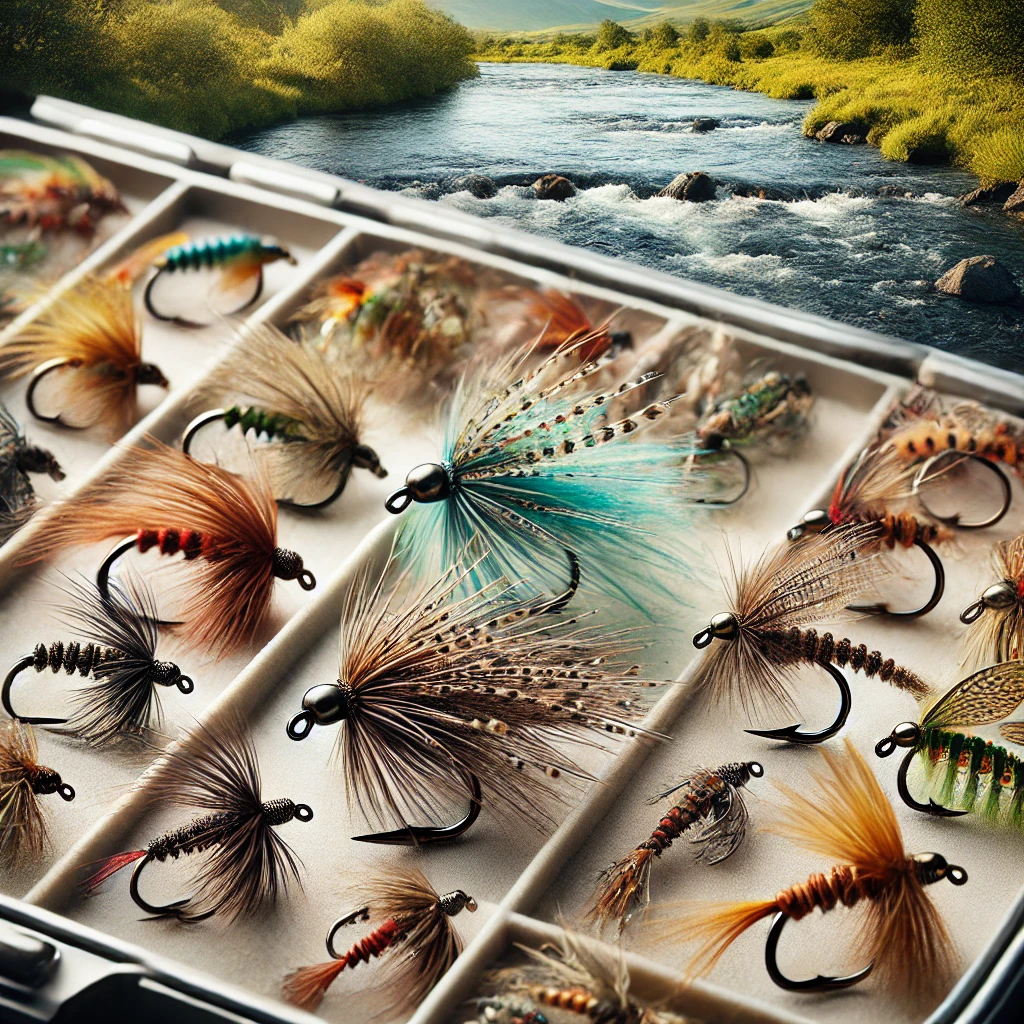
Welcome to an extensive exploration into the world of tube flies, a versatile and innovative approach in fly fishing. Tube flies have evolved to become a reliable choice for anglers of all levels, providing various benefits over traditional fly patterns. Whether you are a seasoned fly fisher or just beginning your journey, understanding tube flies can enrich your fishing experience and probably increase your catch rate.
Introduction
The art of fly fishing has always been deeply intertwined with craftsmanship, precision, and knowledge of different fly patterns. Among these, tube flies have carved out a significant niche. Not primarily bound by the traditional structure of flies tied on hooks, tube flies represent a brilliant marriage of innovation and functionality.
Originally popularized in Scandinavia and the British Isles, tube flies have gradually made their way into the hearts and tackle boxes of anglers worldwide. The primary advantage of tube flies lies in their design. These flies are tied on small tubes rather than hooks. When fishing, the angler passes the leader through the tube and attaches a hook at the end of the leader. This unique setup offers a myriad of benefits, from durability to improved hooking efficiency and versatility in size and pattern.
As fly patterns became more diversified, tube flies also adapted to several fishing environments, including saltwater and freshwater scenarios. They prove particularly effective in targeting species like salmon, steelhead, and even large saltwater predators. This adaptability signifies that tube flies can be modified to suit various conditions, creating an all-encompassing tool in an angler’s arsenal.
In the following sections, we will delve deeper into understanding tube flies, their benefits, different patterns, and tips for tying your tube flies for a successful fly fishing experience.
Benefits of Tube Flies
One of the standout features of tube flies is their incredible versatility. Here are some reasons why many anglers prefer tube flies over traditional hook-attached patterns:
- Durability and Longevity: Given that the fly is tied on a tube rather than directly on a hook, if the hook gets damaged or dull, it can be easily replaced without discarding the entire fly. This extends the lifespan of the fly considerably.
- Improved Hookup Ratios: The flexible connection between tube and hook allows the fly to slide up the leader when a fish is hooked. This means that fish have less leverage to throw the hook, leading to improved hook-up ratios.
- Customizability: Anglers can mix and match hooks and tube flies based on the species they are targeting and the specific conditions they are fishing in. The ability to change hook sizes and types without changing the actual fly provides immense practical benefits.
- Creativity in Patterns: Because the hook doesn’t dictate much of the fly’s design, tiers can experiment with a broader range of sizes, shapes, and materials, leading to innovative and productive fly patterns.
- Balance in Water: Tube flies often exhibit a more balanced presentation in the water, mimicking the natural movement of aquatic insects or baitfish more effectively. This can be particularly beneficial in enticing wary fish.
Popular Tube Fly Patterns
When it comes to tube flies, the options for patterns are nearly limitless. Here are a few popular tube fly patterns that have proven effective across various waters:
- Sunray Shadow: This classic salmon fly is a go-to pattern in the UK and Scandinavia. It features a simple design with a long, slim profile that effectively mimics baitfish. The movement and flash of this fly make it highly attractive to predatory fish.
- Stoat’s Tail: Originally tied as a wet fly, the tube fly adaptation of the Stoat’s Tail is excellent for salmon and sea trout. Its understated but effective design uses natural materials such as black hair and silver tinsel, making it a subtle yet irresistible option.
- Intruder Style Fly: Especially effective for steelhead, these flies are designed to move a lot of water. They are usually tied with flowing materials like marabou and rabbit strips, creating enticing movements in the water that can trigger predatory responses.
- Pip’s Dune: Ideal for saltwater fishing, this pattern is tied to mimic crab or shrimp. The naturalistic appearance and lifelike movement can attract various saltwater species, making it a highly versatile pattern.
- Temple Dog: Known for its high action in the water, the Temple Dog pattern utilizes materials such as goat hair and fox fur, offering great movement and attracting salmon. The vivid colors often used in this fly make it stand out in murky waters.
These are just a few examples of the diverse array of tube fly patterns available. The possibilities are bound only by the angler’s imagination, making tube flies a delightful and rewarding venture for fly tiers.
Tying Tube Flies
Tying tube flies may seem daunting initially, but with the right tools and techniques, it can become an enjoyable and productive aspect of fly fishing. Here’s a basic step-by-step guide to get you started:
- Gather Your Materials: For tying tube flies, you will need tubes (plastic or metal), a tube fly vise or adapter, tying thread, a variety of natural and synthetic materials for the body and tail, and appropriate hooks.
- Prepare the Tube: Cut the tube to the desired length and melt the ends slightly to prevent fraying. Insert the tube into your tube fly vise or adapter.
- Create the Foundation: Start the tying thread near the rear end of the tube and wrap forward to create a solid foundation. Secure a short length of junction tubing towards the rear end to hold the hook in place later.
- Add the Tail: Tie in the tail materials such as marabou, rabbit strips, or synthetic fibers. Ensure the tail is of the right proportion to maintain balance in the water.
- Build the Body: Use a variety of materials like dubbing, chenille, or tinsel to build up the body. Wrap these materials forward and secure them in place.
- Finish the Fly: Add any additional materials such as wings, hackles, or eyes to enhance the appearance and movement of the fly. Secure everything with whip finishes and apply head cement to ensure durability.
- Attach the Hook: Once the fly is complete, thread the leader through the tube and attach your chosen hook. The hook should nestle neatly against the rear junction tubing, ready to catch your target fish.
With experience, you’ll find tying tube flies an engaging aspect of fly fishing, allowing you to customize patterns and improve techniques.
Fishing with Tube Flies
Using tube flies effectively requires a bit of strategy and understanding of the water you’re fishing in. Here are some tips to help you maximize the potential of tube flies:
- Match the Hatch: Observing the local aquatic life and hatching patterns can guide you in selecting the appropriate tube fly patterns. Mimicking the local baitfish or insect life ensures a higher success rate.
- Adjust Depth and Retrieve: Tube flies can be fished at various depths, making them highly versatile. Adjust the weight of the tube or use sink tips to fish at different levels. Experiment with the retrieve speed and patterns to imitate the prey’s natural movement.
- Use Appropriate Gear: Equipment choice can make a significant difference. Lighter rods work well for smaller fish, while heavier rods are required for larger species like salmon or saltwater fish. Use strong, reliable leaders to ensure successful hook-sets.
- Stay Stealthy: Approach fishing spots with caution to avoid spooking fish. Tubes flies often excel in clear water conditions where fish can be more alert. Utilize camouflage and stealth techniques to get closer to your target.
- Experiment With Sizes and Colors: Changing the size and color of your tube fly based on the time of day, water clarity, and target species can yield better results. Bright colors often work well in stained water, while more natural colors are effective in clear water.
Understanding the behavior of your target species and experimenting with different tube fly patterns will make you a more successful and adaptable angler.
Conclusion
In summary, tube flies offer a versatile and effective approach to fly fishing, blending innovation with traditional fly-tying techniques. Their numerous benefits, from improved hookup ratios and durability to vast customization options, make them an excellent choice for anglers of all levels. By mastering the art of tying and using tube flies, you can enhance your fishing experience and increase your success on the water.
Whether you’re pursuing salmon in a swift-flowing river or targeting giant saltwater predators, tube flies can adapt to meet the needs of different fishing environments. As you refine your techniques and experiment with various patterns, you’ll discover the true potential of this versatile tool. Embrace the creativity and functionality that tube flies offer, and you’ll find yourself better equipped to tackle diverse fishing challenges.
Thank you for reading our comprehensive guide on tube flies. We hope this information helps you in your fly fishing endeavors and inspires you to explore the endless possibilities that tube flies present. Tight lines!