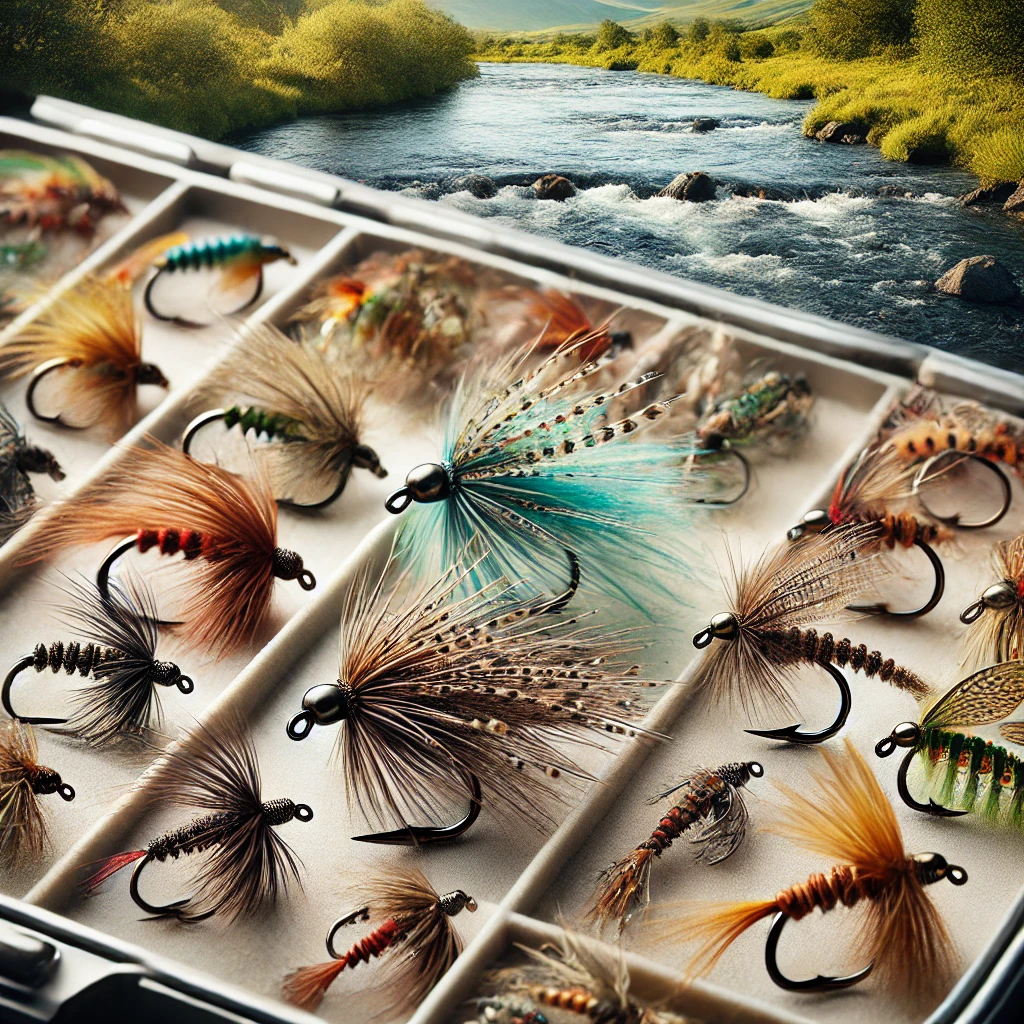
Fly fishing is both an art and a science, a dance between the angler and nature. One of the most vital aspects of this craft is mastering the art of fly tying. A well-crafted fly can mean the difference between a successful fishing trip and a frustrating one. While traditional patterns remain effective, adding a bit of flash and sparkle to your flies can make them irresistible to fish. In this comprehensive guide, we will explore fly patterns, tying techniques, and ways to integrate flashy elements into your flies to enhance your fishing experience.
Understanding Fly Patterns
Before diving into the specifics of adding flash and sparkle, it is essential to grasp the basics of fly patterns. Fly patterns are the designs or recipes used to create flies. These recipes often include specific materials, colors, and tying techniques that mimic natural insects, baitfish, or other prey fish consume.
There are three primary types of fly patterns:
- Dry Flies: These flies are designed to float on the water’s surface, imitating adult insects. Examples include the Adams, Elk Hair Caddis, and Royal Wulff.
- Nymphs: These flies mimic the underwater stage of insects. Common patterns include the Pheasant Tail Nymph, Hare’s Ear, and Prince Nymph.
- Streamers: Streamers imitate baitfish or other larger prey. Popular patterns are the Woolly Bugger, Clouser Minnow, and Muddler Minnow.
Each pattern serves a distinct purpose based on where and what you are fishing for. By understanding these basic patterns, you can more effectively determine when and how to add flash to your flies.
Materials for Adding Flash and Sparkle
Now that we have covered the fundamental fly patterns, let’s move on to the materials used to add flash and sparkle to your flies. These materials not only attract fish but also add movement and realism to your flies.
Tinsel
Tinsel is a shiny material that comes in various colors and widths. It can be used to create bodies, ribbing, or accents on many fly patterns. Some popular types include Mylar tinsel, which has a holographic effect, and flat or round tinsel, which can be used for more subtle applications.
Flashabou
Flashabou is a synthetic material that comes in long, thin strands. It is highly reflective and can be used to create wings, tails, or bodies on streamers and other fly patterns. Flashabou comes in various colors and can be combined with other materials to create unique effects.
Krystal Flash
Krystal Flash is similar to Flashabou but has a crinkled texture, which adds an extra dimension of movement and light reflection. It is excellent for creating tails, wings, and accents on various fly patterns.
Holographic Materials
Holographic materials, such as holographic tinsel or holographic Flashabou, have a multicolored reflective surface that changes with the angle of light. These materials are particularly effective at mimicking the scales of baitfish.
Other materials that can add flash and sparkle include pearlescent films, metallic dubbing, and even UV-reactive materials. The key is to experiment and find the right balance for your specific fly patterns.

Techniques for Tying Flashy Flies
With materials in hand, the next step is to incorporate them into your fly tying techniques effectively. Here are some methods to add flash and sparkle to your flies:
Body Wrapping
One of the simplest ways to add flash is to use tinsel or other shiny materials to wrap the body of the fly. This technique can be applied to both nymphs and streamers. Start by securing the material at the hook’s bend, then wrap it around the shank, moving towards the hook eye. Secure the material with thread and finish the fly as usual.
Wing and Tail Accents
Adding flash to the wings or tails of your flies can create a more lifelike appearance. For example, you can incorporate Flashabou or Krystal Flash into the wing or tail of a streamer. Simply add a few strands of the material alongside the traditional wing or tail materials and secure them with thread.
Ribbing
Ribbing is another effective way to add flash to your flies. You can use tinsel or other shiny materials to create ribbing on the body of nymphs or dry flies. This technique not only adds flash but also increases the durability of the fly by reinforcing the body materials.
Underbody Flash
For a subtler flash effect, consider adding a layer of tinsel or flash material to the underbody of the fly before applying the primary body materials. This technique is particularly useful for nymphs and dry flies, adding an extra dimension of attraction while maintaining a natural appearance.
Combining Materials
Don’t be afraid to mix and match different flashy materials in a single fly pattern. For example, you can use holographic tinsel for the body, Flashabou for the wings, and Krystal Flash for the tail. Experiment with different combinations to find what works best for your specific fishing conditions and target species.
Popular Flashy Fly Patterns
While you can add flash to almost any fly pattern, some patterns are particularly well-suited for incorporating shiny materials. Here are a few popular patterns that benefit from a bit of extra sparkle:
Woolly Bugger
The Woolly Bugger is one of the most versatile and effective streamer patterns. Adding a few strands of Flashabou or Krystal Flash to the tail can make this fly even more enticing to fish. You can also use tinsel to create a flashy body or ribbing, enhancing the fly’s overall appearance.
Clouser Minnow
The Clouser Minnow is another popular streamer pattern that mimics baitfish. Incorporating flashy materials in the body, along with Flashabou or holographic materials in the wing, can make this pattern even more effective. The subtle sparkle can imitate the reflective qualities of baitfish scales, attracting more predator fish.
Pheasant Tail Nymph
The Pheasant Tail Nymph is a classic nymph pattern that can benefit from a touch of flash. Add tinsel ribbing to the body or a few strands of Flashabou to the tail for increased visibility and attraction. This minor adjustment can make a significant difference in murky water or low-light conditions.
Prince Nymph
The Prince Nymph is another effective nymph pattern that can be enhanced with flash. Incorporate tinsel or holographic materials into the body or use shiny materials for the wing case to create a more eye-catching design. This added sparkle can help attract fish in various conditions.
When and Where to Use Flashy Flies
Knowing when and where to use flashy flies is crucial for maximizing your success on the water. While adding flash and sparkle can make your flies more enticing, it is essential to use them strategically.
Murky Water
In murky or stained water, fish rely more on their sense of movement and color to locate prey. Flashy flies can provide the added visibility needed to attract fish in these conditions. Use patterns with extra sparkle to help fish see your fly from a distance.
Low-Light Conditions
During dawn, dusk, or overcast days, low-light conditions can make it challenging for fish to spot your fly. Adding flash can help your fly stand out and increase your chances of a strike. Consider using flashy materials in your patterns when fishing early in the morning or late in the evening.
Clear Water
In clear water, fish can see your fly more easily, so adding too much flash may spook them. However, a subtle flash can still be effective. Experiment with different levels of flash to find the right balance for the specific water conditions and fish behavior.
Target Species
Different fish species may respond differently to flashy flies. For example, predatory fish like bass, pike, and trout often find flashy streamers irresistible. On the other hand, more cautious fish may prefer subtler patterns. Consider the behavior and preferences of your target species when incorporating flash into your flies.
Conclusion: Mastering the Art of Flash and Sparkle
Adding flash and sparkle to your flies is a powerful tool for fly anglers, enhancing the effectiveness of your patterns and improving your chances of success. By understanding fly patterns, selecting the right materials, and mastering tying techniques, you can create flies that catch fish’s attention and entice them to strike.
Experimentation is key to finding the perfect combination of flash and natural appearance for your flies. Pay attention to water conditions, light levels, and your target species’ behavior to determine when and where to use flashy flies. As you refine your skills and gain experience, you will develop a deeper understanding of how to incorporate flash and sparkle effectively.
Ultimately, the art of fly tying is about creativity, adaptability, and a deep connection with the natural world. Embrace the challenge of adding flash and sparkle to your flies, and you’ll find that the rewards are well worth the effort. Happy tying, and tight lines!