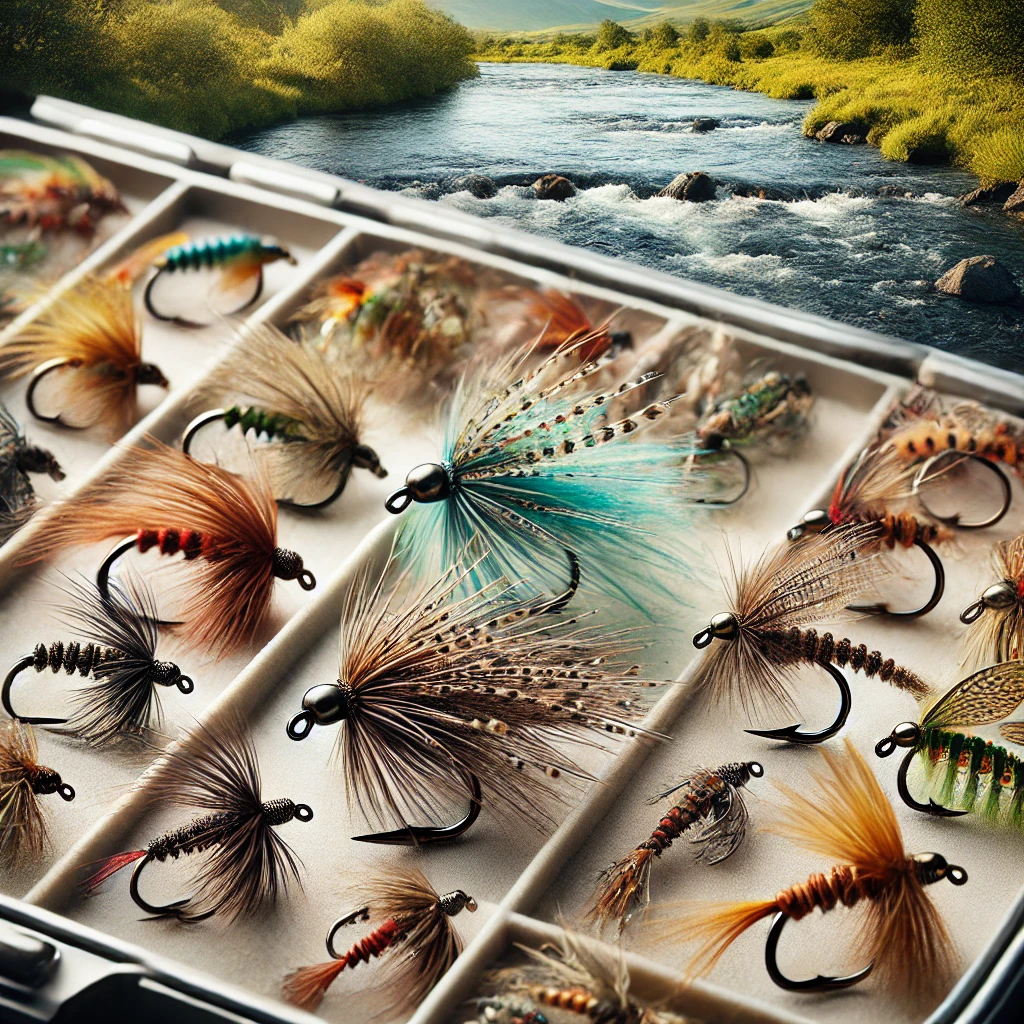
Fly fishing is an art form that has captivated fishing enthusiasts for centuries, blending patience, skill, and creativity. One of the critical components of fly fishing is the ability to tie your own flies, which can significantly enhance your success rate on the water. Fly tying is both an art and a science; it demands dexterity, knowledge, and a keen eye for detail. Whether you’re crafting a nymph, dry fly, or streamer, each fly pattern serves a specific purpose and functionality.
This article delves into advanced fly tying techniques designed to elevate your skills, enabling you to create more effective and attractive flies. From selecting the right materials to mastering complex tying methods, understanding these advanced techniques will take your fly fishing to the next level. We’ll cover multiple sections to offer you a comprehensive guide on advanced fly tying.
Selecting the Right Materials
Before diving into the intricacies of advanced fly tying techniques, it is crucial to understand the importance of choosing the right materials. The materials you use can significantly impact the durability, buoyancy, and effectiveness of your flies. High-quality materials lead to better-performing flies, which in turn can enhance your overall fly fishing experience.
- Thread: Choose the right thread thickness based on the fly you are tying. Finer threads like 8/0 or 12/0 are perfect for delicate dry flies, while thicker threads such as 3/0 are ideal for streamers and larger flies.
- Hooks: Opt for specialized hooks made specifically for the type of fly you plan to tie. Dry flies require lighter hooks, while wet flies and streamers necessitate heavier, corrosion-resistant hooks.
- Feathers and Fur: High-quality marabou, hackle, and deer hair not only enhance the aesthetic appeal of your flies but also mimic the natural movements of insects in the water.
Focus on getting materials from reputable suppliers to ensure their quality and consistency. Investing in superior materials may initially be costlier, but the benefits far outweigh the expenses in the long run.
Mastering the Art of Proportion
One of the more nuanced aspects of advanced fly tying is mastering the art of proportion. Proper proportions ensure your fly looks natural and behaves as expected in the water. Here’s a step-by-step guide to achieve the right proportions.
- Tail Length: The tail should generally be about the same length as the hook shank. Too short, and it may not move naturally; too long, and it may impede the fly’s ability to hook fish effectively.
- Body: The body should taper smoothly from the tail to the front of the fly. Use dubbing tools to apply materials evenly and create a natural taper.
- Wings: Wings should be approximately the length of the body. If they are too long, they will throw off the balance of the fly.
- Head: The head should be small enough not to overwhelm the fly but large enough to balance the overall design.
Practicing these proportional values routinely will bring a finesse to your flies, ensuring they are more effective and visually appealing.
Tying with Specialized Tools
Specialized tools can significantly improve the ease and precision of your fly tying process. Here are some indispensable tools for advanced fly tiers:
- Bobbin Holder: A quality bobbin holder maintains consistent thread tension and makes the tying process smoother.
- Hackle Pliers: Essential for securing hackle feathers and ensuring they are wound evenly around the hook.
- Whip Finisher: Used to securely knot and tie off your fly without unravelling, adding durability to your creations.
- Rotary Vise: A rotary vise allows you to rotate your fly in multiple orientations, providing easier access to different parts of the fly.
Investing in these specialized tools can make your fly tying not only more enjoyable but also exceedingly precise and efficient.
Adding Realism with Advanced Techniques
Advanced fly tiers often focus on adding realism to their flies, incorporating techniques that mimic the natural movements and appearances of insects. Here’s how you can add that lifelike touch:
- Dubbing Loop: Use a dubbing loop to create a furry body, which can imitate the appearance of an insect better than smooth bodies.
- CDC Feathers: Cul de Canard (CDC) feathers are excellent for imitating wings because of their natural buoyancy and lifelike movements.
- Epoxy Coating: Applying an epoxy coating to certain parts of your fly, such as the head or body, can add sheen and durability, mimicking the shiny exoskeleton of aquatic insects.
- Weighted Beads and Lead Wire: Adding weighted beads or wrapping lead wire around the hook shank can help your flies sink faster, mimicking the descent of nymphs and other underwater insects.
These techniques require a bit of practice but are immensely rewarding when mastered.
Understanding Hatch Matching
One of the more sophisticated aspects of fly fishing is hatch matching, which involves replicating the specific insects that are hatching in the fishing environment at a given time. To successfully match the hatch, you must understand the local entomology and how it changes throughout the fishing season.
- Observation: Spend time observing the water and the insects present. Take note of their size, color, and behavior.
- Research: Knowledge is power. Research the types of insects that inhabit the waters you’re fishing in and the times of year they are most prevalent.
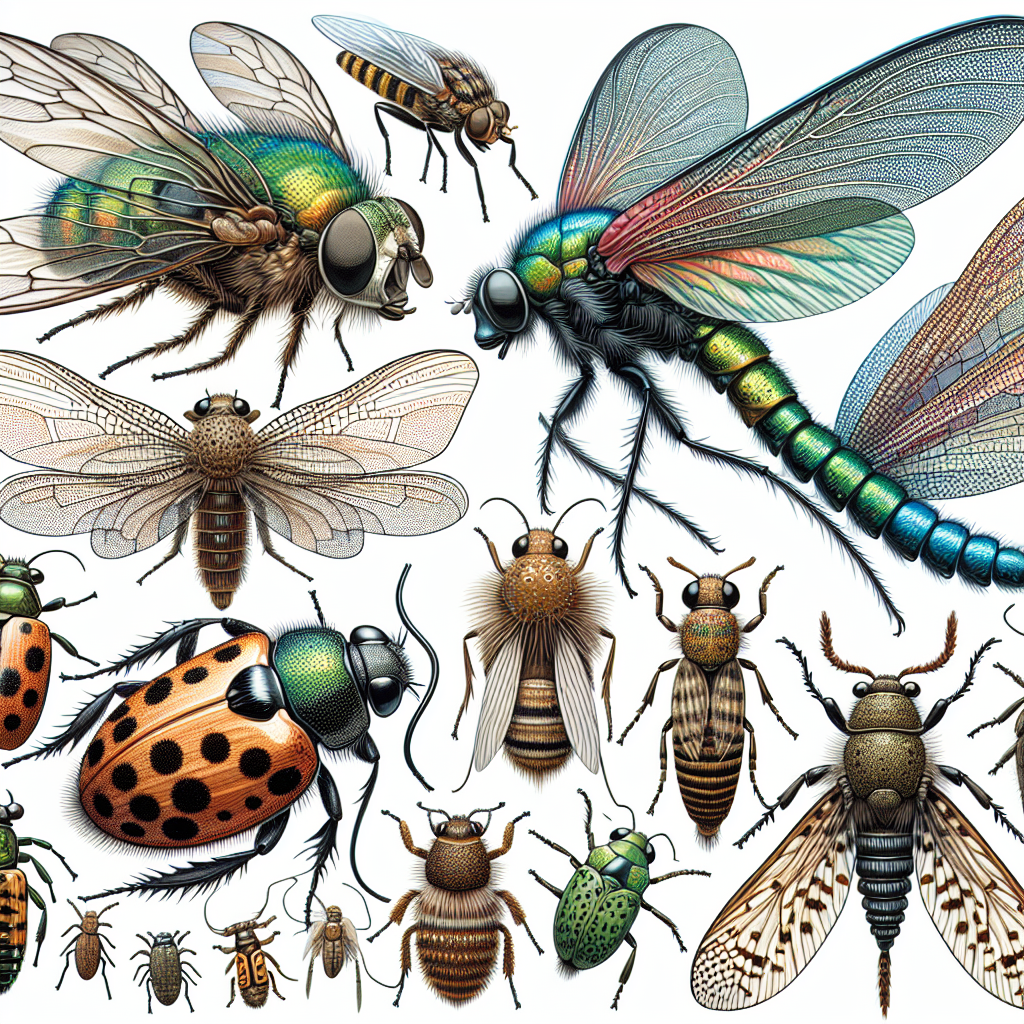
- Tying Specific Patterns: Based on your research, tie flies that replicate these insects. Common patterns include Mayflies, Caddisflies, and Stoneflies.
Matching your fly to the local hatch can exponentially increase your chances of success, making this skill invaluable for the advanced fly tier.
Refining Your Techniques with Tutorials and Courses
Perhaps the most effective way to improve your fly tying skills is through continuous learning. There are countless resources available that offer in-depth tutorials, video courses, and even in-person workshops.
- Online Tutorials: Websites like YouTube have a plethora of tutorials ranging from basic to advanced techniques. Subscribe to channels dedicated to fly tying.
- Books and eBooks: Many seasoned fly fishing experts have published comprehensive guides on fly tying. Popular choices include “The Fly Tier’s Benchside Reference” by Ted Leeson and Jim Schollmeyer.
- Workshops and Classes: Local fly fishing shops often offer classes and workshops. These are great for hands-on learning and receiving immediate feedback.
Continually refining your skills will ensure you remain at the forefront of fly tying techniques, adding to your proficiency and enjoyment of the craft.
Conclusion
Fly tying is a complex, rewarding aspect of fly fishing that offers endless opportunities for creativity and improvement. Mastering advanced techniques not only results in more effective flies but also enhances your overall fly fishing experience. By selecting the right materials, mastering proportions, utilizing specialized tools, adding realism, understanding hatch matching, and continuously refining your skills, you can take your fly tying to the next level.
Advanced fly tying is not just about creating aesthetically pleasing flies but also about understanding the intricate details that make them effective in real-world fishing scenarios. The more you practice and refine your techniques, the better your results will be, leading to more successful and enjoyable fly fishing trips. Remember, the key to mastering advanced fly tying techniques lies in both the passion for the art and the willingness to continuously learn and adapt. Happy tying, and may your flies always land just right!