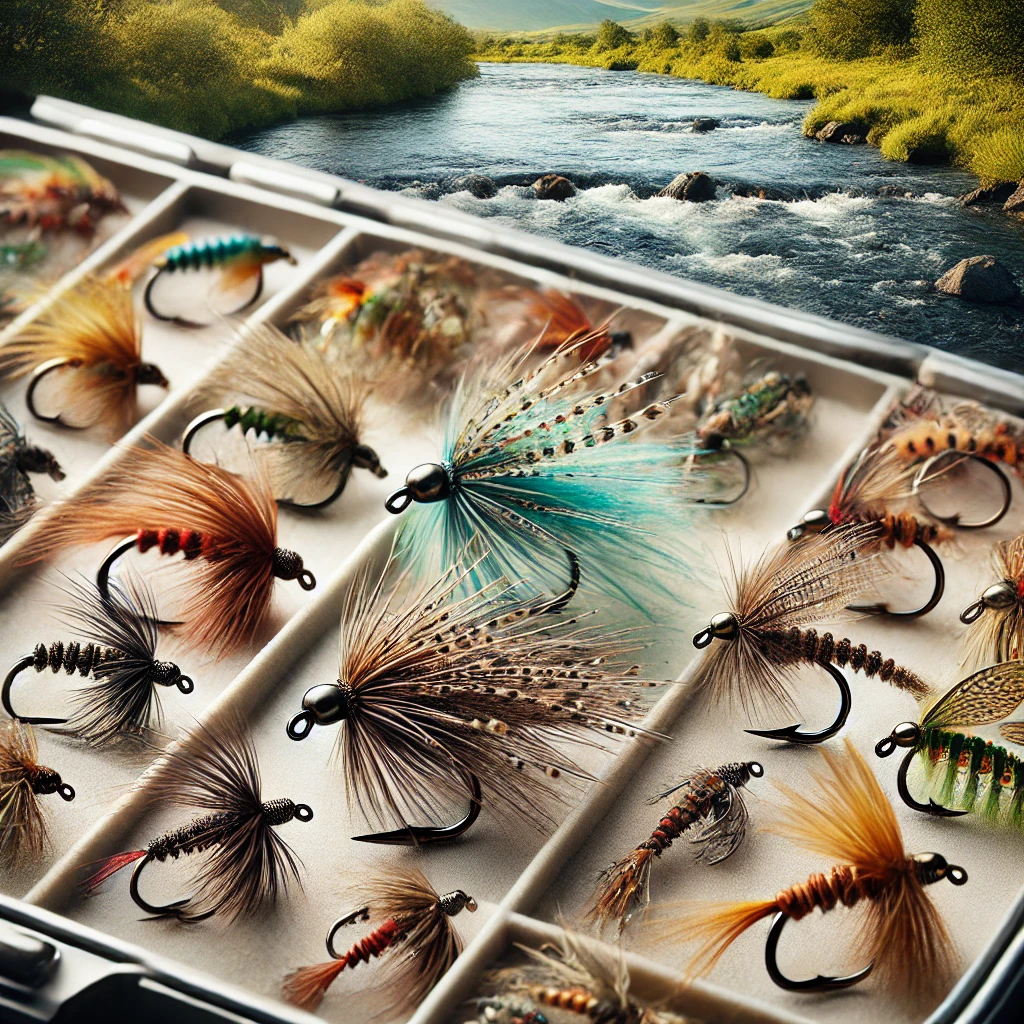
Fly fishing is a rewarding and enriching activity that connects anglers to nature in a way few other sports can. One of the essential skills in fly fishing is tying your own flies, a process that not only enhances your fishing experience but also deepens your appreciation for the art of fly fishing. Fly tying might seem a daunting task for beginners, but with the right guidance, anyone can master the basics.
This article aims to provide a comprehensive guide on basic fly tying techniques for beginners. We will cover everything from the essential tools and materials needed, to step-by-step instructions on tying some fundamental fly patterns. By the end of the guide, you should be ready to start creating your own flies, tailored to the specific needs of your fishing adventures.
Essential Tools and Materials
Before you can start tying flies, you need to have a set of essential tools and materials. Here’s a list of what you’ll need:
- Vise: A vise is used to hold the hook while you tie the fly. Investing in a good quality vise is important as it provides the stability and precision needed for successful fly tying.
- Bobbins: Bobbins are used to hold and dispense thread. Choose a bobbin that feels comfortable in your hand.
- Scissors: Sharp, fine-tipped scissors are essential for cutting threads, feathers, and other materials.
- Hackle Pliers: These are used to hold feathers and other materials as you wrap them around the hook.
- Whip Finisher: A tool used to tie off the fly with a finishing knot, ensuring that your fly remains intact during use.
- Hooks: There are various types of hooks available, each suited for different fly patterns. Starting with sizes 12-18 is ideal for beginners.
- Threads and Floss: Different colors and thicknesses of threads and floss are used to build the fly body and add details.
- Feathers, Fur, and Synthetic Materials: These materials are used to build wings, tails, and bodies of the fly, adding lifelike appearances and movement in the water.
Basic Fly Tying Techniques
With your tools and materials ready, it’s time to learn some basic fly tying techniques. These techniques form the foundation of fly tying and are crucial for creating robust and effective flies.
Securing the Hook
The first step in fly tying is to secure the hook in the vise. Ensure that the hook’s shank is level and the hook is stable before you begin.
Wrapping the Thread
Start by attaching the thread to the hook. Hold the bobbin in one hand and make several wraps around the hook shank to secure the thread. This forms the base upon which you will build the fly.
Attaching Materials
Once the thread is securely wrapped around the hook, you can start attaching materials such as feathers, fur, or synthetic fibers. Use small, tight wraps to secure these materials and build the desired shape and profile of the fly.
Whip Finish and Head Cement
After you have attached all the materials, use a whip finisher to tie off the thread. This creates a secure knot that holds everything in place. Apply a small amount of head cement to the knot for added durability.

Tying Your First Fly: The Woolly Bugger
The Woolly Bugger is a versatile and highly effective fly that is ideal for beginners. Here’s a step-by-step guide to tying your first Woolly Bugger:
Materials Needed
- Hook: Size 10-12 streamer hook
- Thread: Black or Olive 6/0
- Tail: Marabou feathers (black or olive)
- Body: Chenille (black or olive)
- Hackle: Saddle hackle (black or olive)
- Weight: Lead wire
Step-by-Step Instructions
- Secure the hook in the vise.
- Wrap the lead wire around the hook shank to add weight.
- Start the thread at the hook’s eye and wrap it backward to cover the lead wire.
- Attach a strip of marabou feathers at the bend of the hook to form the tail.
- Secure the chenille at the same point and wrap the thread forward to the hook’s eye.
- Wrap the chenille forward to create a thick body and secure it with the thread.
- Tie in the saddle hackle at the base of the tail.
- Wrap the hackle forward in even spirals and secure it just behind the hook’s eye.
- Use a whip finisher to create a finishing knot and apply head cement to secure the knot.
Tying the Adams Dry Fly
Another fundamental fly pattern for beginners is the Adams Dry Fly. It’s a reliable fly that imitates a variety of insects. Here’s how to tie it:
Materials Needed
- Hook: Size 12-16 dry fly hook
- Thread: Black or gray 6/0
- Tail: Mixed brown and grizzly hackle fibers
- Body: Gray dubbing
- Wings: Grizzly hackle tips
- Hackle: Mixed brown and grizzly hackle
Step-by-Step Instructions
- Secure the hook in the vise.
- Start the thread near the hook eye and wrap toward the bend.
- Attach a few mixed hackle fibers at the hook bend to form the tail.
- Apply the gray dubbing to the thread and build a tapered body by wrapping forward.
- Tie in the grizzly hackle tips at the mid-point of the hook shank to form upright wings.
- Attach the mixed brown and grizzly hackle at the wing base and wrap forward to the hook eye.
- Secure the hackle with a whip finish knot and apply head cement.
Improving Your Fly Tying Skills
As you become more comfortable with basic techniques and patterns, you’ll want to continue improving your skills. Here are a few tips to help you progress:
Practice Regularly
As with any skill, regular practice is key to improvement. Set aside time each week to tie flies and try new techniques.
Watch Tutorials
There are countless resources available online, including videos and forums where experienced fly tyers share their knowledge. Watching tutorials can provide new insights and techniques.
Join a Fly Tying Group
Connecting with other fly tyers, whether in person or online, can provide valuable feedback and encouragement. Many communities have fly tying clubs or groups that welcome beginners.
Experiment with Materials
Don’t be afraid to experiment with different materials and colors. This can lead to the development of unique and effective fly patterns that cater to specific fishing conditions.
Conclusion
Fly tying is a fulfilling and creative aspect of fly fishing that can greatly enhance your overall experience. While it may seem complex at first, starting with foundational techniques and basic patterns like the Woolly Bugger and Adams Dry Fly can set you on the path to becoming a proficient fly tyer. Remember, the key to mastering fly tying is practice, patience, and a willingness to learn and experiment.
As you continue your journey in fly tying, you’ll find that this skill not only improves your success on the water but also amplifies your connection to the beautiful and intricate world of fly fishing. Whether tying flies for a pristine mountain stream or the vast open waters of a river, the flies you create with your own hands will bring an added sense of accomplishment and joy to every cast and catch.