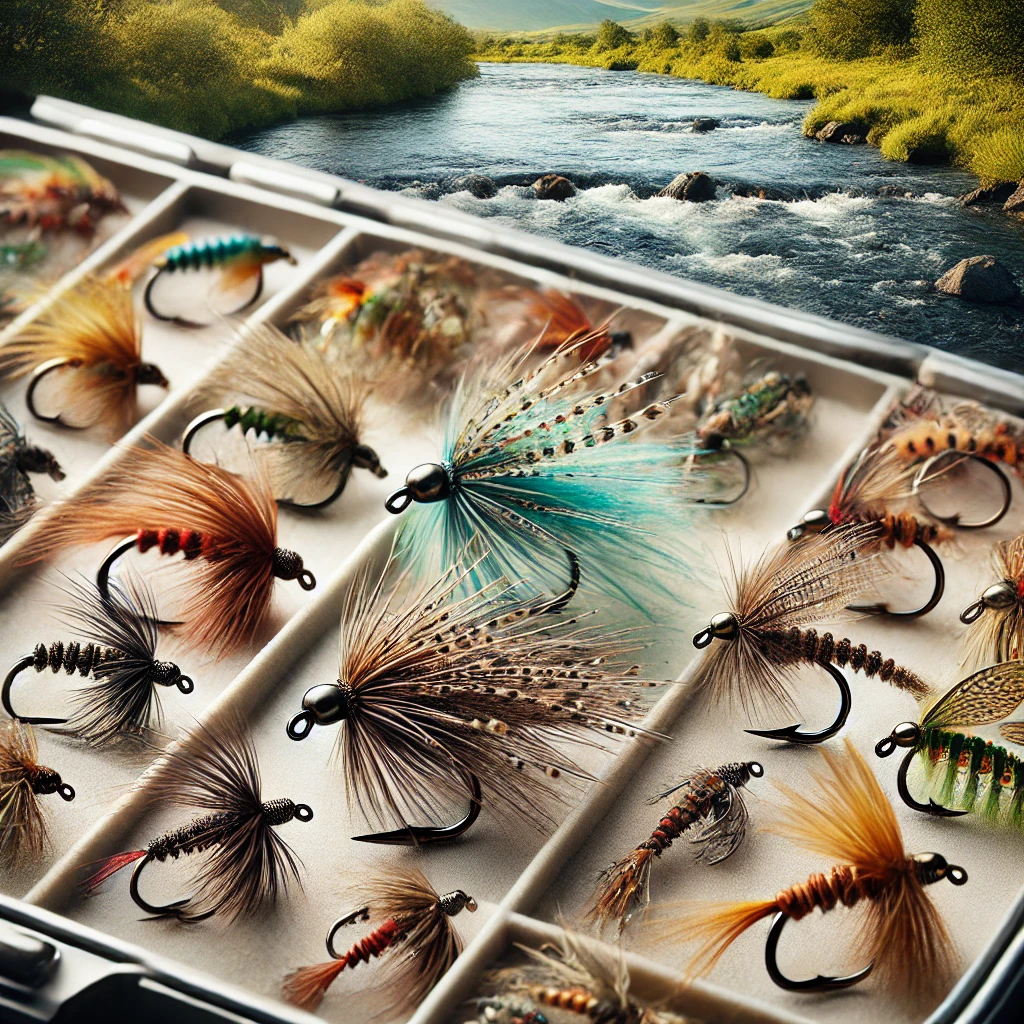
Welcome to a comprehensive guide on creating durable fly patterns using various fly tying techniques. Fly fishing is an art, a science, and a passionate pursuit for those who love the delicate balance between nature and skill. One crucial aspect of this pursuit is crafting flies that are not only effective in attracting fish but also durable enough to withstand numerous encounters with aquatic predators. This article will take you through the essentials of fly tying, from understanding the materials needed to mastering advanced techniques, all aimed at ensuring your fly patterns are both effective and long-lasting.
Introduction to Fly Tying
Fly tying is more than just a skill; it’s an integral part of the fly fishing tradition that enhances the overall experience. For newcomers, the process can appear daunting, but with time, patience, and the right guidance, anyone can master the art. At its core, fly tying involves creating artificial flies by combining various materials—such as feathers, threads, and hooks—to mimic the appearance and movement of natural prey. These flies are then used to attract and catch fish. However, creating flies that don’t fall apart after a few casts is crucial for any angler. Hence, focusing on durability is essential.
Durability in fly patterns isn’t only about the materials used but also the techniques applied during the tying process. A well-tied fly will stay intact through multiple fish strikes and rough handling, allowing you to spend more time fishing and less time replacing flies. This article aims to equip you with the knowledge and skills needed to create long-lasting flies. We will discuss materials, basic and advanced tying techniques, and tips for ensuring your flies stand up to the test of time.
Essential Materials for Durable Fly Patterns
The foundation of any durable fly pattern lies in the quality of materials used. Investing in high-quality materials might seem costly upfront, but it pays off in the longevity and effectiveness of the flies you create. Here are some essential materials you need to focus on:
- Hooks: The heart of the fly. Use hooks made from high carbon steel, which offers strength and resistance to bending or breaking.
- Thread: The binding force that holds everything together. Choose threads with high tensile strength. Nylon, Kevlar, or GSP are good choices.
- Feathers and Fur: Used for imitating wings, tails, and bodies of your fly. Opt for natural feathers like hackle feathers from roosters or hens for their flexibility and durability.
- Synthetic Materials: Modern fly tying incorporates durable synthetic fibers that mimic natural prey. Materials like Mylar, Flashabou, and rubber legs add lifelike movement to your flies.
- Adhesives: Fast-drying cements or UV-activated resins ensure that all components stay firmly in place. Apply these at critical stress points for added durability.
Choosing the right materials tailored to the specific type of fly you are creating is vital. Whether you are tying dry flies, wet flies, or streamers, the right materials ensure the fly looks realistic and endures the rigors of fishing.
Basic Fly Tying Techniques
Starting with the basics is essential for anyone new to fly tying. Here are some fundamental techniques that form the foundation of durable fly patterns:
Securing the Hook
Begin by placing the hook in the vise securely. Position it so that you have easy access to the shank (the straight part of the hook).
Starting the Thread
Attach the thread to the hook shank by wrapping it several times and securing it with a half-hitch knot. Use minimal tension to prevent breaking the thread but ensure it’s tight enough to hold materials.
Applying the Body Material
Depending on the fly type, this could involve wrapping feathers, dubbing fur, or attaching synthetic fibers. Always wrap materials in the same direction to avoid unraveling. Secure them with the thread as you go along using consistent wraps.
Forming the Head
The head is crucial for durability as it holds all components together. Once the body and other components are secured, form the head by wrapping the thread multiple times near the hook eye. Finish with a whip finish knot to lock everything in place. A small drop of head cement provides added strength.
These basic techniques build a foundation for more advanced methods and ensure that your flies are structurally sound. Consistent practice with these techniques will translate into more durable and effective flies.

Advanced Fly Tying Techniques
Once you’re comfortable with the basics, it’s time to move on to advanced techniques that can further enhance the durability and effectiveness of your fly patterns. Here are a few techniques to master:
Using Wire Reinforcement
Adding a fine wire through the body of the fly can greatly increase its durability. The wire adds an extra binding force that prevents materials from coming loose. Usually, a silver, gold, or copper wire is used and tied alongside the body material.
Creating a Durable Underbody
For flies that require a thick body, such as streamers, creating an underbody with durable materials like chenille or lead wire can add strength while maintaining a streamlined shape.
Layering Materials
For maximum durability, layer your materials. For instance, start with a base layer of synthetic material that resists water absorption, followed by a layer of natural material for appearance. This technique combines the strengths of both materials.
Multiple Knot Techniques
Two or three small knots along the shank during the tying process can prevent unraveling if one section gets damaged. This technique is particularly useful for larger flies that face more stress.
Mastering these advanced techniques will take your fly tying to the next level, ensuring that your flies are not only attractive to fish but also robust enough to last through many catches and conditions.
Common Mistakes to Avoid
It’s easy to fall into some common traps when first starting out with fly tying. Here are some mistakes to watch out for:
Using Inferior Materials
Skimping on quality to save money can result in flies that fail quickly. Always prioritize quality materials to ensure durability.
Overwrapping Threads
While it might seem like more thread equals more durability, overwrapping can lead to bulky, unattractive flies that fish are less likely to bite. It’s about quality, not quantity, of wraps.
Improperly Sized Hooks
Using hooks that are too small or too large for the fly type can compromise its effectiveness and durability. Match hook size appropriately to the type and size of fly you are tying.
Neglecting the Head Cement
Skipping this simple step can drastically reduce a fly’s lifespan. A small drop of head cement goes a long way in ensuring the longevity of your flies.
Being aware of and avoiding these common mistakes will improve the quality and durability of the flies you tie, saving you time and effort in the long run.
Additional Tips for Creating Durable Fly Patterns
Every fly tier has their tips and tricks for ensuring their flies stand up to the test. Here are some additional tips that can boost the durability of your creations:
Prepping Materials
Before you start tying, prepare your materials. Trim feathers to the right length, pre-wax threads for better grip, and organize all materials within reach. This step saves time and ensures consistent quality.
Test Your Flies
Before taking your flies out on the water, give them a test run. Tug on the materials gently to see if anything comes loose. A robust fly will withstand this stress without falling apart.
Keep Learning and Adapting
The world of fly tying is vast and ever-evolving. Stay updated with new materials and techniques. Participate in workshops or join online forums to learn from other experienced tiers.
Use Proper Storage
Store your flies in a dry, cool place. Moisture and heat can degrade the materials over time, so proper storage will prolong the life of your flies.
Incorporating these additional tips into your fly tying routine will further enhance the durability and effectiveness of your flies, ensuring they perform well and last longer on the water.
Conclusion
Creating durable fly patterns is an essential skill for any serious fly fisher. By focusing on using high-quality materials, mastering both basic and advanced tying techniques, and avoiding common mistakes, you can tie flies that are not only beautiful and effective but also long-lasting. Remember, the initial time and effort you invest in learning the craft will pay off by providing you with a reliable arsenal of flies that will stand the test of time and many fishing adventures.
As you hone your fly tying skills, don’t be afraid to experiment and develop your unique style. Each tier brings their creativity and techniques to the table, contributing to the rich tapestry of fly fishing traditions. So, gather your materials, set up your vise, and start tying flies that will keep you fishing longer and more successfully. Happy tying and tight lines!