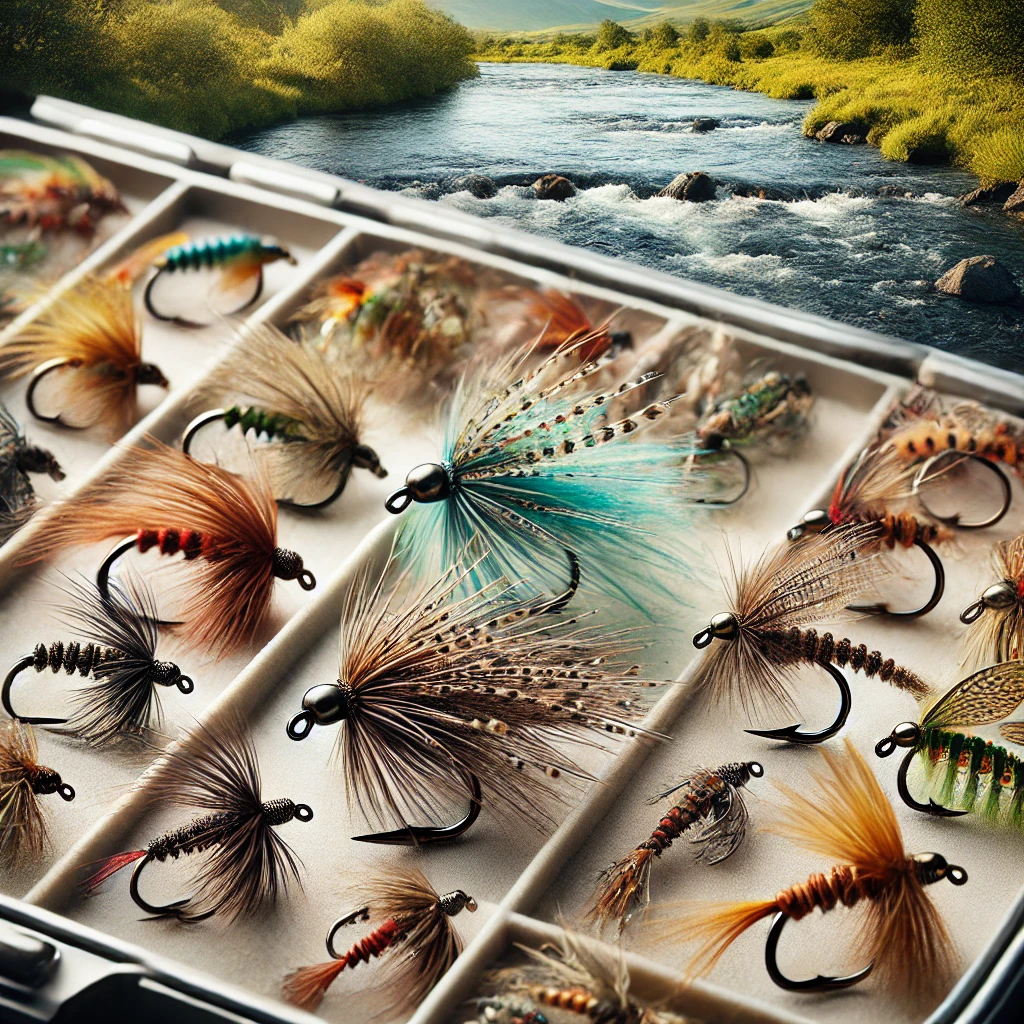
Whether you’re a seasoned angler or a novice just dipping your toes into the captivating world of fly tying, understanding how to create durable fly patterns is essential. In this article, we will dive deep into the world of materials and tools necessary to craft resilient flies that can withstand the rigors of the water and the lethargy of your target fish. By carefully selecting suitable materials and mastering the essential tools, you will be well on your way to building an impressive fly box that will last you several fishing seasons.
Introduction
Fly fishing is a rich, enthralling hobby with deep roots in tradition. Central to fly fishing is the skill of tying durable fly patterns that imitate natural prey, enticing fish to strike. Unfortunately, many fly patterns fail the test of time, falling apart after just a few casts. Key to creating durable flies is not just technique but also a profound understanding of the materials and tools at one’s disposal. We’ll journey through the essential materials and tools you need, the criteria for judging their durability, and tips for using these components to their fullest potential.
Fly patterns aren’t just about creating an alluring lure; they must also endure. Durable flies resist unraveling, stay intact despite fish strikes, and withstand the elements. Therefore, understanding the properties and applications of different materials is essential. We’ll cover everything from hooks and threads to feathers and dubbing, ensuring you have the knowledge to choose wisely. Alongside materials, the proper tools and their maintenance play a crucial role in efficient fly tying.
Arming yourself with the right knowledge can make the difference between a fly that falls apart and one that withstands the test of time. Let’s break down the elements of durable fly patterns and ensure your next creation holds up under pressure.
Selecting the Right Hook
The hook is the foundation of any fly pattern, and selecting the right hook is fundamental to the durability and effectiveness of your fly. When choosing a hook, consider the size, shape, and type of fish you aim to catch. Opt for high-quality hooks from reputable brands such as Mustad, Tiemco, or Daiichi to ensure strength and durability.
Hooks come in various shapes and sizes, each designed for specific fly patterns and fishing scenarios. For instance, nymph hooks often feature a curved shank to imitate the natural bend of aquatic insects, while dry fly hooks are typically lighter to allow the fly to float effortlessly. Pay particular attention to the hook’s strength; consider purchasing hooks made from high-carbon steel or other high-strength materials.
Barbless hooks are growing in popularity thanks to their environmental benefits and the ease of releasing caught fish without causing significant harm. However, if you decide to use barbed hooks, make sure the barb is small and sharp to prevent excessive damage to the fish.
Additionally, inspect the hook eye and point. Ensure the eye is perfectly closed to avoid the thread or tippet slipping out during fishing. The hook point should be razor-sharp to penetrate the fish’s mouth easily and maintain its grip.
Choosing the Perfect Thread
A fly’s durability is often dictated by the quality of the thread used. Threads come in various materials, sizes, and strengths, each offering unique advantages. Polyester and nylon threads are popular choices, with polyester being preferred for its superior strength and durability.
The size of the thread, usually measured in denier (thickness), plays a critical role in the construction of your fly. Thinner threads (70-140 denier) are ideal for small, delicate flies, while thicker threads (200+ denier) provide the necessary strength for larger, bulkier patterns.
When selecting a thread, consider its breaking strength and stretchability. A high breaking strength ensures the thread can withstand the tension applied during the tying process without snapping, while a moderate amount of stretch can aid in securing materials tightly to the hook shank.
Another critical aspect of thread selection is its color. Matching the thread color to your fly pattern enhances the fly’s natural appearance, making it more appealing to fish. Some tiers prefer using a single color thread for simplicity, while others use contrasting colors to add a visual attractant.

Mastering the Use of Feathers
Feathers are indispensable in fly patterns, providing life-like movement and mimicry of natural prey. Selecting and preparing feathers correctly is crucial for crafting durable and effective flies. Sources of feathers include capes, saddles, and individual feathers from birds like chickens, ducks, and pheasants.
When selecting feathers, consider the stiffness, pliability, and length. Stiff feathers, such as rooster neck hackle, are ideal for dry flies, as they help keep the fly buoyant. Softer, more pliable feathers, like those from a hen cape, are better suited for wet flies and nymphs, as they move naturally in the water.
Proper preparation of feathers includes stripping the stem of unnecessary fibers and ensuring the feather is aligned correctly on the hook shank. Use a feather gauge to ensure the feather is the appropriate size for the hook you’re using. Applying a small amount of dubbing wax to the stem can help secure it more efficiently and improve its adherence to the thread.
Feather quality can deteriorate over time, so store them in a cool, dry place, away from direct sunlight. Some fly tiers also recommend using mothballs or cedar blocks to keep pests at bay. The proper care and use of feathers will significantly enhance the realism and durability of your fly patterns.
Dubbing: The Essential Component
Dubbing is a chief material in fly tying, used to create realistic body segments and add lifelike texture to your flies. Dubbing materials are available in natural and synthetic forms, each offering distinct advantages.
Natural dubbing materials, such as hare’s ear, rabbit fur, and seal fur, provide a soft, realistic texture that fish find irresistible. These materials mimic the natural fur and hair of aquatic insects, making your flies appear more lifelike. However, natural dubbing can absorb water, weighing down the fly and reducing its buoyancy.
Synthetic dubbing materials, like antron, polyester, and polypropylene, offer superior durability and buoyancy. These materials are often treated with UV-reflective properties, making your flies more visible to fish in different lighting conditions. Synthetics are generally more resilient to wear and tear, ensuring your flies last longer.
When applying dubbing, use a small amount to avoid creating a bulky fly body. Start with a fine layer and gradually build up until you achieve the desired thickness. Applying dubbing wax to your thread can help the dubbing fibers adhere better, creating a tight, secure body.
Combining natural and synthetic dubbing materials can produce a balanced fly pattern with the best properties of both worlds. Experiment with different dubbing materials to find the perfect blend for your specific fly patterns.
Key Tools for Successful Fly Tying
While materials are crucial, having the right tools can significantly impact the durability and quality of your fly patterns. Essential fly tying tools include:
- Vise: A sturdy, adjustable vise is fundamental for securing your hook while you tie. Ensure it holds the hook firmly without damaging it.
- Bobbins: Quality bobbins help manage your thread tension and prevent breakage. Ceramic-tipped bobbins are highly recommended for their smooth operation.
- Scissors: Invest in fine, sharp scissors designed for fly tying. They’ll help you perform precise cuts and avoid material fraying.
- Hackle Pliers: These tools are invaluable for gripping and wrapping feathers securely around the hook.
- Bodkin: A bodkin is a needle-like tool essential for applying head cement and teasing out dubbing fibers to achieve a natural look.
- Whip Finisher: Mastering the use of a whip finisher is pivotal for creating secure, neat thread heads that won’t unravel.
Beyond the basics, specialized tools like dubbing brushes, hair stackers, and feather gauges can elevate your fly tying skills. Maintain your tools well by regularly cleaning and storing them properly to ensure their longevity.
Ultimately, the right combination of tools and materials empowers you to create durable, compelling fly patterns. Master their use through practice and experimentation, and don’t hesitate to invest in high-quality tools—they’re a worthwhile investment for any serious fly tier.
Conclusion
Tying durable fly patterns is an art that combines patience, skill, and a deep understanding of materials and tools. By carefully selecting high-quality hooks, threads, feathers, dubbing, and utilizing the right tools, you can create fly patterns that are not only beautiful and effective but also resilient. These flies will withstand multiple fishing trips, saving you the time and effort of constantly replacing them.
Remember, successful fly tying is as much about practice as it is about knowledge. Don’t be afraid to experiment with different materials and techniques to see what works best for you. The journey of creating durable fly patterns is a fulfilling one, offering endless opportunities for learning and improvement.
Whether you’re aiming for a delicate dry fly that will float effortlessly on the water’s surface, or a sturdy nymph that will plunge into the depths, the principles we’ve discussed apply. The combination of appropriate material selection and proper tool usage is your recipe for success.
In summary, the creation of durable fly patterns involves paying close attention to the choice of materials, including high-quality hooks, strong and suitable thread, precisely selected feathers, and effective dubbing. Complementing these choices with the right tools and their proper maintenance will result in fly patterns that not only look great but are resilient against the challenges of fly fishing.
By applying the tips and techniques we’ve reviewed, you can ensure your fly patterns withstand the test of time and the strikes of many fish. So grab your vise, select your materials, and get tying—because durable, effective fly patterns await your creation.