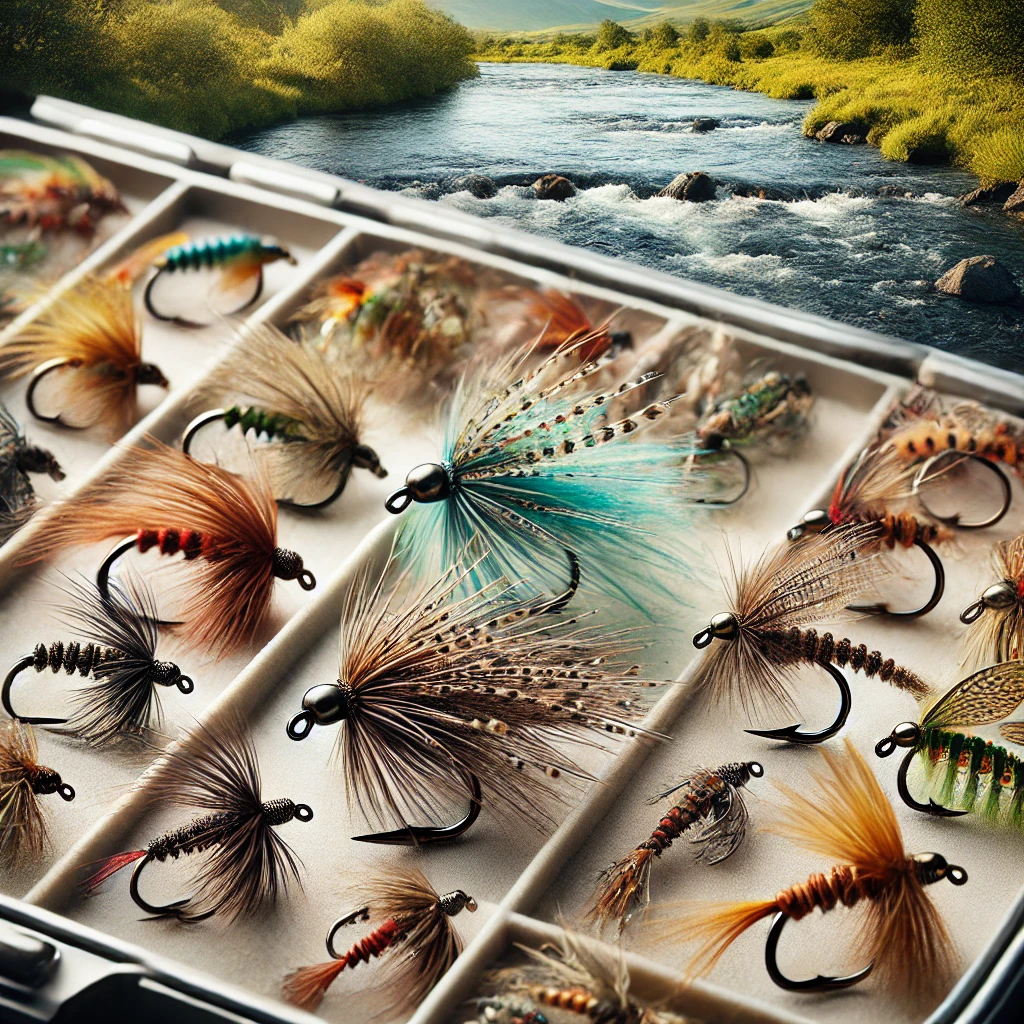
Fly tying is an age-old craft that demands not only skill but also the proper tools and materials. Among the various tools used in this intricate art form, the bobbin holder stands out as a critical piece of equipment. This tool, though seemingly simple, plays a vital role in ensuring that the fly is tied securely and efficiently.
In essence, the bobbin holder is a tool designed to hold the bobbin (the spool of thread), allowing for controlled and precise application of thread while tying flies. Its importance cannot be overstated, as a good bobbin holder affords both novice and expert fly tiers the control and ease needed to produce high-quality flies. But what makes a bobbin holder essential? How does it enhance the fly tying process? This article will delve into the various aspects of bobbin holders, covering their importance, types, materials, and the necessary tools required for effective fly tying.
Before we dive into the technicalities, it’s worth noting that the art of fly tying involves creating artificial flies that resemble the natural food sources of fish. These artificial flies are crafted using various materials, including threads, feathers, and synthetic fibers. The bobbin holder’s role is to maintain tension on the thread while allowing the tier to work with precision. As we explore each section, you’ll gain a better understanding of why the bobbin holder is an indispensable tool for any fly tyer, irrespective of their experience level.
The Importance of a Good Bobbin Holder
A good bobbin holder is indispensable for several reasons:
- Controlled Thread Tension: One of the fundamental reasons for using a bobbin holder is to maintain consistent thread tension. This ensures that the materials being tied onto the hook are secured properly and don’t slip during the tying process.
- Preventing Thread Damage: High-quality bobbin holders are designed to prevent the thread from fraying or breaking. They achieve this by having smooth, polished tips and tension control features.
- Enhanced Precision: Utilizing a bobbin holder allows for greater precision, enabling tiers to create more intricate patterns. This precision is particularly important when working with smaller flies or when using delicate materials.
- Ease of Use: A good bobbin holder is designed ergonomically to minimize hand fatigue during long tying sessions. This is crucial for both amateur and professional tiers.
These factors collectively contribute to making the bobbin holder an essential tool in the fly tyer’s arsenal. The ability to maintain consistent tension, prevent thread damage, work with precision, and reduce hand fatigue makes it indispensable for high-quality fly tying.
Types of Bobbin Holders
Understanding the different types of bobbin holders available can help you choose the right one for your specific fly tying needs. Here is a breakdown of some common types:
- Standard Bobbin Holder: The most basic type, designed for general use. It features a simple tube and arms that hold the spool of thread. This type is suitable for beginners and those working on standard fly patterns.
- Ceramic Bobbin Holder: These bobbin holders have a ceramic insert at the tip, which significantly reduces friction and prevents thread breakage. They are ideal for tiers who work with delicate threads or want to ensure maximum thread longevity.
- Adjustable Tension Bobbin Holder: This type features a mechanism to adjust the tension on the spool, offering more control over the thread tension. This is particularly useful for tiers who work with various thread types and sizes.
- Specialty Bobbin Holder: Includes bobbin holders designed for specific tasks, such as those with longer arms for larger flies or heavy-duty holders for using thicker materials.
Each type of bobbin holder has its advantages, and the best choice depends on your specific requirements and the types of flies you intend to tie. For beginners, starting with a standard bobbin holder is a good idea, whereas more experienced tiers might prefer the precision and versatility offered by ceramic or adjustable tension bobbin holders.

Materials Used in Bobbin Holders
Bobbin holders are crafted from various materials, each with its unique properties and benefits. Let’s explore some of the common materials used:
- Stainless Steel: Durable and resistant to rust, stainless steel bobbin holders are popular due to their longevity and smooth operation.
- Ceramic: As mentioned earlier, ceramic tips reduce friction and prevent thread breakage. Ceramic bobbin holders are prized for their smooth thread handling and durability.
- Brass: Brass bobbin holders offer a good balance between weight and durability. They are often preferred for their classic look and reliable performance.
- Plastic: Lightweight and affordable, plastic bobbin holders are suitable for beginners or those looking for a budget-friendly option. However, they may not be as durable as metal or ceramic holders.
Choosing the right material for your bobbin holder depends on your preferences and budget. Stainless steel and ceramic holders are excellent choices for those seeking durability and performance, while brass and plastic options cater to varying needs and price points.
Essential Tools for Fly Tying
Beyond the bobbin holder, several other tools are essential for a successful fly tying setup:
- Vise: A high-quality vise is crucial for securely holding the hook in place while you tie your fly. Look for a vise with adjustable jaws and stable construction.
- Scissors: Precision scissors with fine tips are necessary for trimming materials and thread. Invest in a pair of high-quality, sharp scissors for clean cuts.
- Bodkin: A bodkin is a sharp, pointed tool used for precise placement of materials and for cleaning up any excess adhesive or fuzz.
- Whip Finish Tool: This tool helps in creating secure, professional-looking knots to finish off your fly. It ensures that the thread is locked in place.
- Hackle Pliers: Useful for handling hackles and feathers, hackle pliers provide the grip needed to wrap these materials neatly around the hook.
Having these tools at your disposal will significantly enhance your fly tying experience. Each tool serves a specific purpose, contributing to the overall quality and finish of your flies.
Tips for Choosing the Right Bobbin Holder
With numerous options available, choosing the right bobbin holder can be overwhelming. Here are some tips to help you make an informed decision:
- Consider Your Experience Level: Beginners might prefer a standard bobbin holder, while experienced tiers could benefit from the features of ceramic or adjustable tension holders.
- Think About the Flies You Tie: Your choice should align with the types of flies you tie most frequently. For intricate patterns, a ceramic bobbin holder might be more suitable.
- Check the Build Quality: Look for bobbin holders with smooth, polished tips and sturdy construction. Avoid cheap, poorly made holders that could damage your thread.
- Test for Comfort: Ensure the bobbin holder feels comfortable in your hand. Ergonomic designs reduce hand fatigue during long tying sessions.
- Budget Considerations: While it’s essential to invest in quality tools, you don’t need to break the bank. There are good bobbin holders available at various price points.
By keeping these tips in mind, you can select a bobbin holder that meets your needs, preferences, and budget, enhancing your overall fly tying experience.
Tying Tips and Techniques
Now that you’ve chosen your bobbin holder and other tools, it’s time to explore some tying tips and techniques that can help you create top-notch flies:
- Maintain Consistent Tension: Consistent thread tension is crucial for securing materials properly. Your bobbin holder plays a vital role in achieving this.
- Work in Layers: Build up your fly in layers, starting with the foundational elements and adding materials gradually. This approach ensures a well-proportioned and durable fly.
- Use a Whip Finish Tool: The whip finish tool ensures secure knots at the end of your fly. Practice using it to create professional-looking finishes.
- Trim Excess Material: Keep your flies neat by trimming excess materials as you go. This results in a cleaner, more realistic-looking fly.
- Experiment and Innovate: Don’t be afraid to experiment with different materials, colors, and techniques. Fly tying is an art, and innovation can lead to creating unique, effective flies.
With practice and attention to detail, you’ll gradually refine your skills and produce flies that are not only functional but also visually appealing. Remember that fly tying is a blend of technique and creativity, and each fly you tie brings you closer to mastering this rewarding craft.
Conclusion: Mastering the Essential Craft of Fly Tying
In conclusion, the bobbin holder stands out as an indispensable tool in the world of fly tying. Its role in maintaining consistent thread tension, preventing thread damage, and enhancing precision cannot be overstated. By understanding the different types of bobbin holders, their materials, and essential tools required for fly tying, you are well on your way to mastering this intricate craft.
Whether you’re a novice or an experienced tier, investing in a high-quality bobbin holder and other essential tools will significantly enhance your fly tying experience. The art of fly tying combines tradition, technique, and creativity, resulting in the creation of flies that not only effectively mimic natural food sources but also reflect the tier’s skill and passion.
As you embark on or continue your fly tying journey, remember that practice, experimentation, and attention to detail are key to producing excellent flies. The satisfaction of using a well-crafted fly, tied by your own hands, to catch a fish is unparalleled. With the right tools, including a good bobbin holder, and the knowledge and techniques shared in this article, you are equipped to elevate your fly tying skills and enjoy the ongoing satisfaction that this timeless craft brings.
Happy tying, and may your flies bring you success on your fishing adventures!