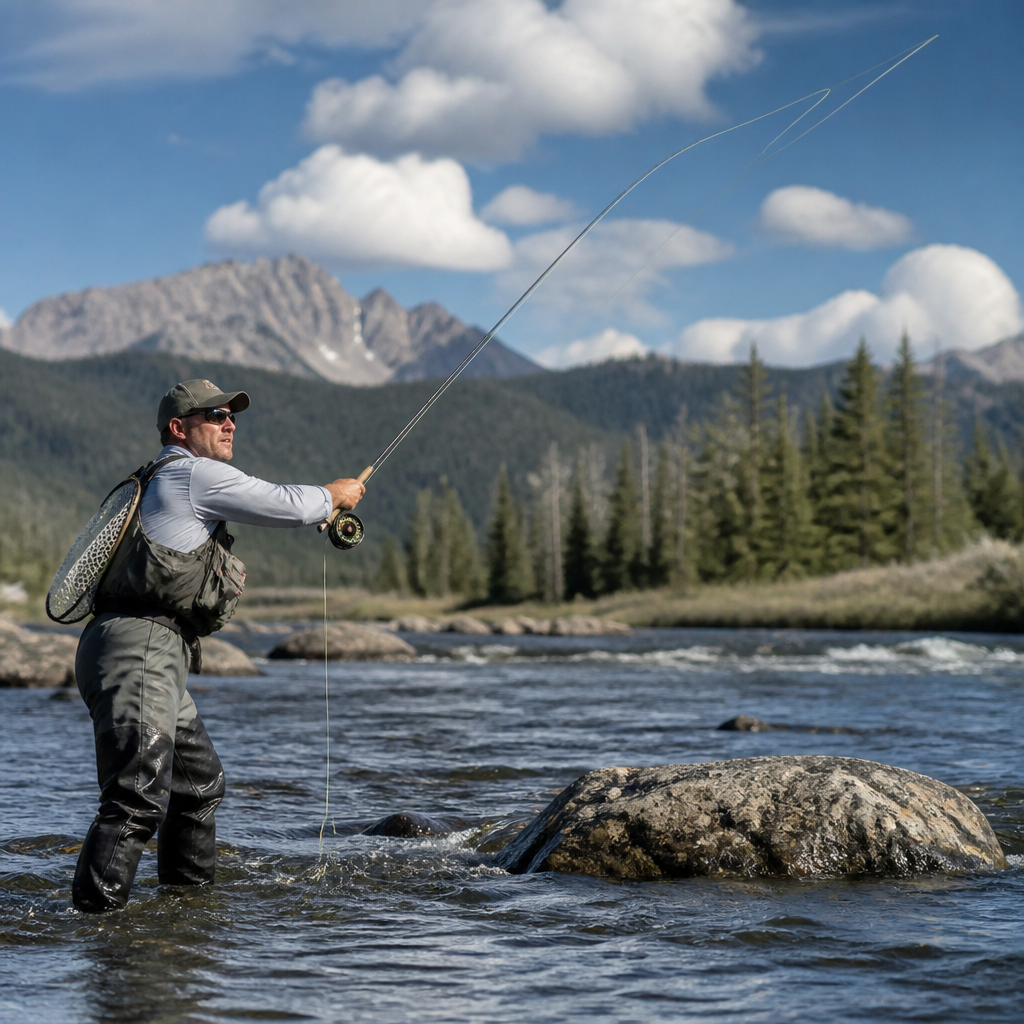
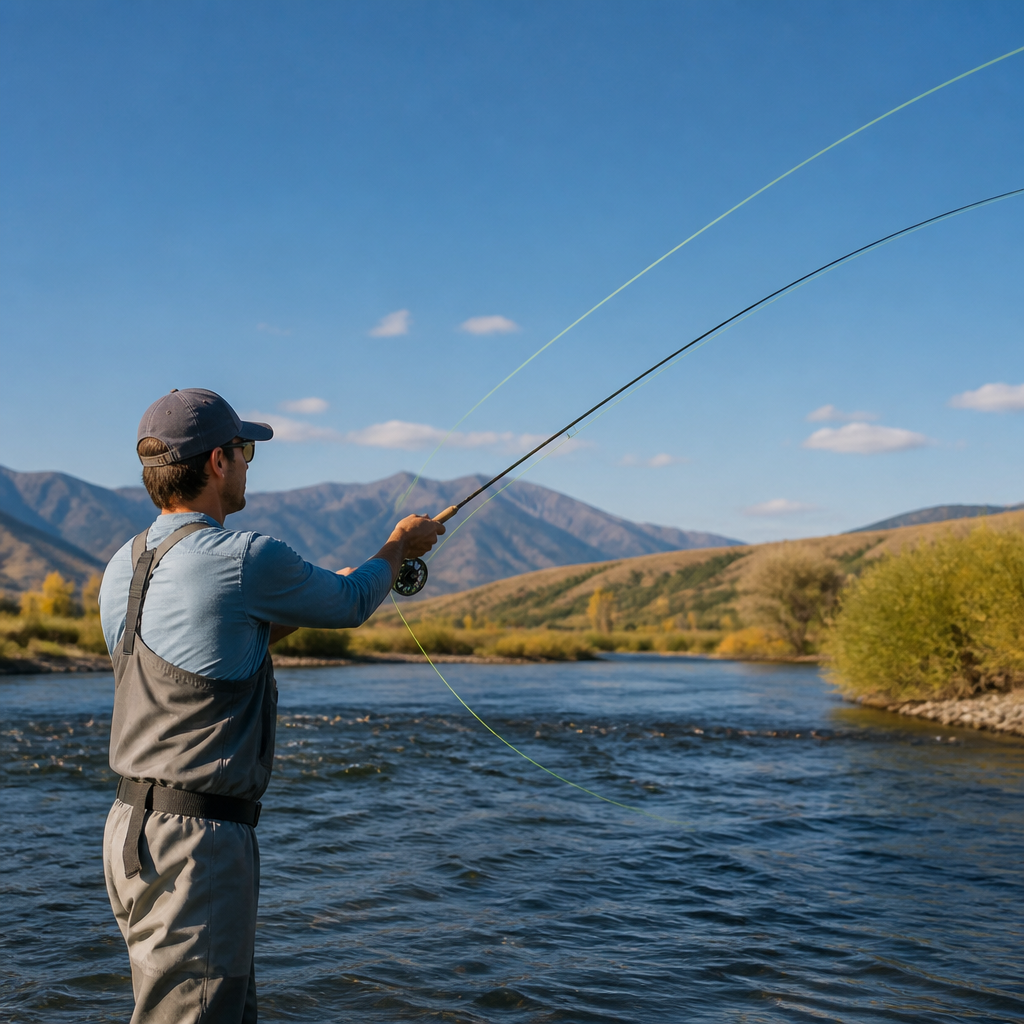
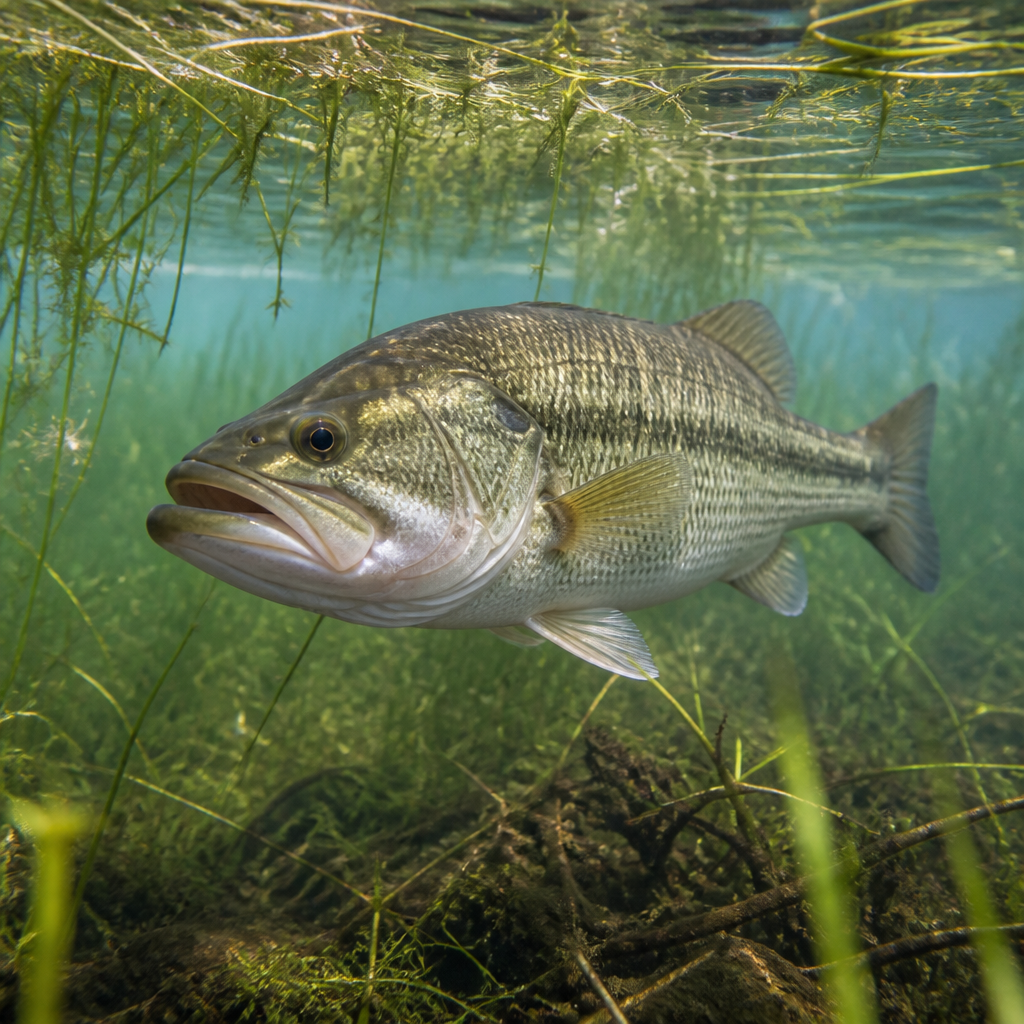
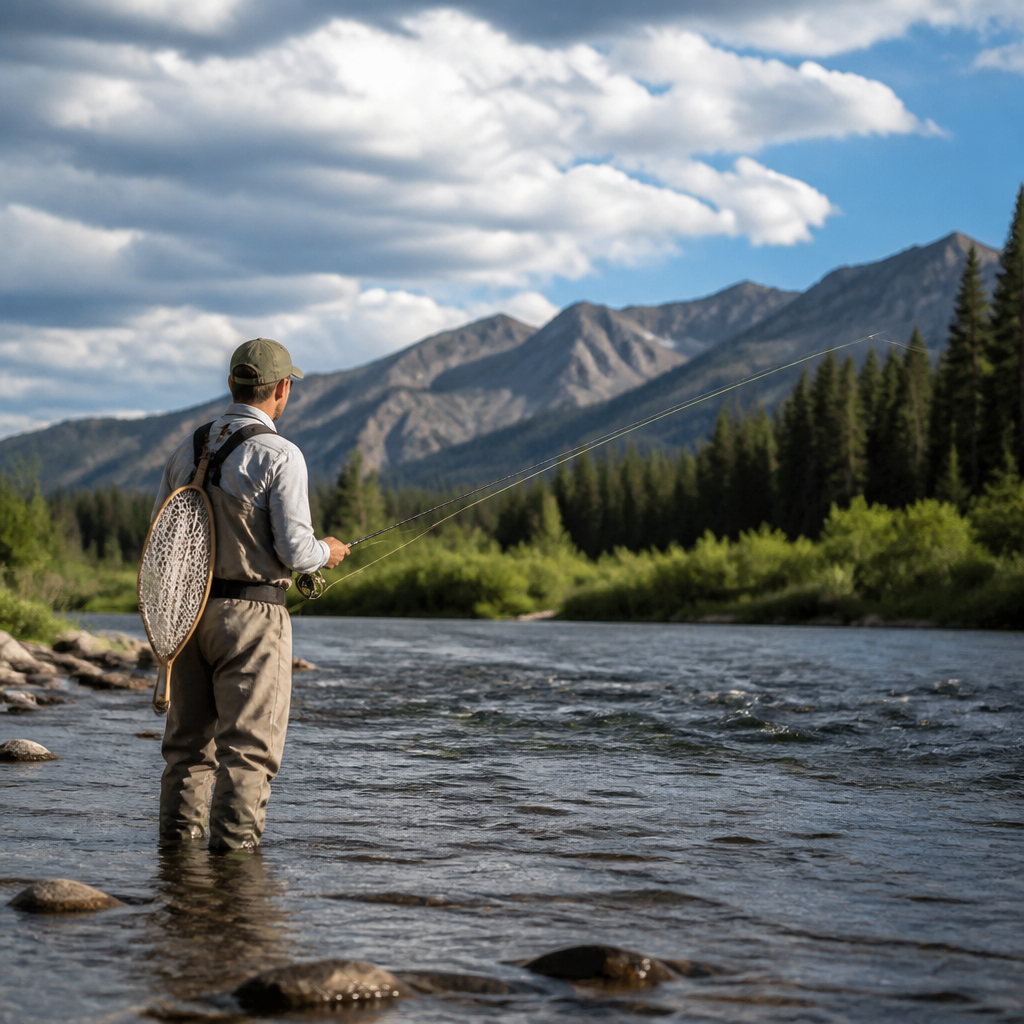
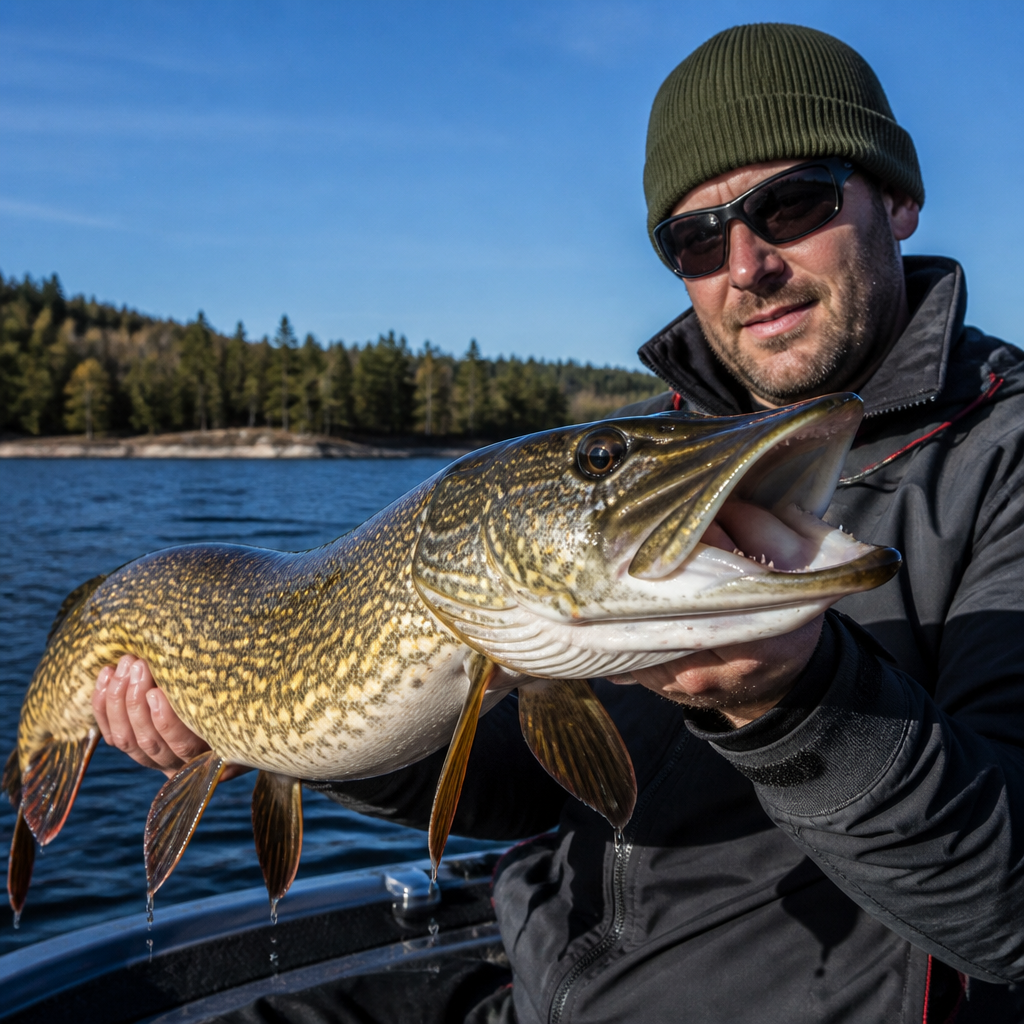
Streamer fishing for bass is one of the most versatile and visually rewarding ways to catch largemouth, smallmouth, and spotted bass in rivers, ponds, reservoirs, and natural lakes. In simple terms, a streamer is a fly designed to imitate larger prey such as baitfish, leeches, crayfish, salamanders, or even young panfish, and streamer fishing is the practice of presenting that fly with movement that triggers a predatory strike. I have relied on streamers for bass across clear Ozark creeks, weedy farm ponds, and deep highland impoundments, and the method consistently shines when bass are feeding on mobile forage instead of sipping insects from the surface.
For anglers building skill in techniques and strategies, streamer fishing matters because it bridges fly presentation, lure fishing logic, and fish behavior. It teaches how bass hunt edges, how water temperature changes retrieve speed, and how fly size, profile, and sink rate influence results. It also scales well: a beginner can catch bass by stripping a Woolly Bugger near cover, while an advanced angler can use articulated baitfish patterns, density-compensated lines, and precise pause timing to match seasonal forage. The approach is productive almost year-round, especially during prespawn, postspawn, low-light feeding windows, and periods when bass key on shad, minnows, or crayfish.
Understanding a few key terms makes the subject clearer. Profile refers to the overall shape and bulk of the fly in the water. Sink rate describes how quickly the line or fly gets down to the strike zone. Strip means pulling line by hand to move the fly. Swing is the broadside movement of a fly across current, most useful in rivers. A pause is the deliberate stop that often causes a following bass to commit. When anglers talk about streamer fishing for bass, they are really talking about controlling depth, direction, and speed so a moving fly looks vulnerable enough to eat.
This hub article covers the fundamentals that govern every streamer decision: gear selection, line systems, fly patterns, retrieve styles, seasonal adjustments, and common mistakes. It also gives a framework you can use to branch into more specialized topics such as river smallmouth streamer tactics, night fishing, sink-tip setup, and baitfish pattern selection. If you want a reliable method for finding aggressive bass, covering water efficiently, and drawing strikes from fish that ignore topwater and nymph-style presentations, streamer fishing deserves a permanent place in your strategy.
Why Streamers Work So Well for Bass
Bass are opportunistic ambush predators built to chase and intercept moving prey. Their large mouths, forward-facing feeding posture, and lateral line system make them especially responsive to vibration, silhouette, and directional movement. A streamer taps directly into those instincts. Instead of asking a bass to inspect a tiny item, you present a meal that appears to flee, stall, or wobble. That combination provokes both feeding and reaction strikes. In my experience, this is why bass that refuse a carefully dead-drifted fly will often crush a stripped streamer the moment it changes speed.
Streamers excel because they imitate the forage bass actually eat most often. In many lakes and reservoirs, threadfin shad, gizzard shad, bluegill fry, and juvenile perch dominate the menu. In rivers, crayfish, dace, sculpins, and minnows are major calorie sources. During spring, bass also target salamanders and juvenile sunfish around spawning areas. A well-chosen streamer does not need photographic realism, but it must suggest the right size, motion, and location. A white-and-chartreuse baitfish pattern over points during a shad push is not the same tool as an olive craw-style bugger crawled along chunk rock, even though both are technically streamers.
Another advantage is efficiency. Streamer fishing covers water quickly, which helps locate active fish. That matters on large flats, riprap banks, river seams, and wind-blown shorelines where bass roam. Unlike a fixed indicator or slow bottom approach, a streamer lets you probe multiple depths and angles in minutes. It is also a high-feedback method. You feel follows, short strikes, line tension changes, and bottom contact. That immediate feedback helps you refine retrieve cadence, line density, and casting angle faster than many other bass techniques.
Choosing the Right Rod, Reel, Line, and Leader
The best streamer fishing setup for bass usually starts with a 6- to 8-weight fly rod. A 6-weight handles smaller rivers, lighter flies, and modest wind, but a 7-weight is the most balanced all-around choice for bass streamer fishing. It turns over weighted flies, manages larger fish around cover, and remains comfortable for full-day casting. An 8-weight becomes valuable when throwing big deer-hair patterns, articulated baitfish, or heavy sink-tip systems, especially in windy reservoirs. Fast-action rods dominate this category because they lift line cleanly, drive tighter loops, and help cast bulky flies that create air resistance.
A quality reel matters less for drag pressure than for balance, line management, and durability. Bass rarely make prolonged runs like strong saltwater species, but a smooth drag is still useful when a large smallmouth surges boatside or a fish wraps around timber. More important is a large-arbor reel that retrieves line quickly and reduces coiling. Most streamer problems on the water are not about fish power; they are about managing slack, shooting line efficiently, and staying connected during sudden eats.
Fly line is the true engine of streamer fishing for bass. Floating lines work well around shallow weeds, wood, and frog water, especially with unweighted or lightly weighted flies. They also make mending and line pickup easier in rivers. Sink-tip lines are often the most useful middle ground because they pull the front of the system down while keeping some control on the surface. In lakes or deep runs, full sinking lines create the most consistent depth and direct contact. Manufacturers such as Scientific Anglers, Rio, and Airflo offer streamer-specific tapers designed to carry large flies and sink at measured rates, often expressed in inches per second.
Leader design should be simple and strong. For most bass streamer fishing, a 4- to 7-foot leader tapered to 0X, 1X, or 2X is practical. Many anglers overcomplicate leaders, but thick butt sections and short overall length turn over streamers better and improve depth control. Around wood, rock, or toothy incidental species such as pike, step up material accordingly. Fluorocarbon sinks faster and resists abrasion, making it a strong choice for subsurface presentations, while nylon is more forgiving and useful with floating lines in shallow cover.
Best Streamer Patterns and When to Use Them
The most effective streamer patterns for bass fall into a few clear categories: baitfish, crayfish, leech, and attractor styles. Baitfish patterns include Clouser Minnows, Deceivers, Game Changers, Hollow Fleyes, and various synthetic minnow flies. These are ideal when bass feed on shad, shiners, or fry. White, olive, gray, and chartreuse are staples because they match common forage and remain visible in stained water. Clousers are especially important because dumbbell eyes make them ride hook point up, reducing snagging and creating a jigging action that bass often hammer on the drop.
Crayfish-style streamers become essential wherever bass feed near rock, gravel, and current. Olive, rust, brown, and black patterns with some movement in the claws or tail work best. Woolly Buggers, NearNuff Crayfish, and weighted rabbit-strip patterns all produce. In rivers, I often fish a craw-colored bugger with short strips and bottom ticks, almost like dragging a compact jig. That low, scooting movement is hard for smallmouth to ignore in spring and fall.
Leech and attractor patterns deserve more respect than they often get. A black or purple Woolly Bugger may not imitate one exact prey item, but it presents a living profile bass recognize as edible. In low light, dark flies throw a strong silhouette. In tannic water or overcast conditions, that contrast can outperform bright baitfish patterns. Articulated streamers add another layer by improving movement. A fly with jointed segments breathes and kicks on the pause, which often convinces pressured fish that have followed several feet without eating.
| Pattern Type | Best Conditions | Typical Colors | Primary Retrieve |
|---|---|---|---|
| Clouser Minnow | Shallow to mid-depth water, sparse cover, baitfish feeding | White, chartreuse, olive | Sharp strips with pauses |
| Woolly Bugger | Rivers, ponds, stained water, mixed forage | Black, olive, brown, purple | Steady strip or crawl |
| Articulated Baitfish | Bigger bass, clear water, low light | White, gray, natural shad | Long pulls and hangs |
| Crayfish Pattern | Rocky banks, current seams, bottom-oriented fish | Rust, olive, brown | Short hops and bottom contact |
Presentation: Casting Angles, Retrieve Styles, and Depth Control
If there is one principle that separates average streamer anglers from consistently good ones, it is depth control. Bass will move for a fly, but usually not forever. The streamer needs to pass through a fish’s strike window at a speed it can intercept. In lakes, count the fly down after the cast to estimate depth. In rivers, adjust casting angle and line type so the fly swings or strips where bass hold. Across both environments, make your first casts count near edges, shade lines, dock posts, grass transitions, laydowns, and current seams, because bass often strike in the first few feet of movement.
Retrieve style should match both forage and fish mood. Fast, erratic strips imitate panicked baitfish and work well when water is warm and bass are actively chasing. Short strips with pauses imitate wounded forage and trigger many follows into strikes. Slow hand-twist retrieves excel in cold water or with leech-like flies. For crayfish, use low rod angles and make the fly hop, stall, and scrape. One of the most reliable rules I have seen is this: if bass follow but do not eat, change the pause before changing the fly. A slightly longer stall often closes the deal.
Casting angle matters more than many anglers realize. In rivers, casting slightly upstream lets the fly sink before entering the prime seam. Casting across and down creates a swing that can be deadly for smallmouth holding behind boulders or along grass lines. In still water, casting parallel to the bank keeps the streamer in productive depth longer than casting straight out and retrieving through mostly empty water. Wind also becomes an ally here. Wind-blown banks collect plankton, then baitfish, then bass. A streamer worked along that shoreline often intercepts fish set up to ambush disoriented forage.
Strip-set instead of trout-setting. When a bass eats a streamer, pulling firmly with the line hand drives the hook while keeping pressure connected. Lifting the rod tip too early often pulls the fly away or creates slack. With larger flies and stouter hooks, that strip-set is not optional; it is part of the system.
Seasonal Strategies for Largemouth and Smallmouth Bass
Spring streamer fishing for bass revolves around warming water, prespawn movement, and concentrated forage. As temperatures rise into the 50s and low 60s Fahrenheit, smallmouth stage near rocky transitions, current breaks, and protected banks. Largemouth slide toward coves, emerging grass, and wood cover. This is prime time for crawfish patterns, leech-style bugs, and medium-size baitfish streamers. Retrieve speeds should be moderate, with enough pause to let following fish commit. Around spawning periods, be careful not to overwork bedding fish; targeting pre- and postspawn travel routes is usually more productive and less disruptive.
Summer shifts the emphasis toward low-light windows, oxygen, and shade. Early morning, evening, and overcast periods are usually strongest, although current and wind can keep fish active all day. In ponds and vegetated lakes, largemouth often patrol weed edges, holes in grass, and shady cover, where floating or sink-tip lines paired with weed-resistant patterns shine. In rivers, summer smallmouth love riffle tails, ledges, and deeper pools with current access. Faster strips can be excellent in warm water, especially when bass chase shad or young-of-year baitfish.
Fall is arguably the best season for streamer fishing because forage becomes mobile and bass feed aggressively before winter. Schools of baitfish bunch up in creeks, coves, and along wind-driven banks. Matching bait size becomes crucial; when bass target two-inch shad, a six-inch streamer can be ignored. Watch for surface flickers, birds, and sonar marks if you fish from a boat. In rivers, low autumn flows often concentrate fish into defined slots, making streamer lanes easier to read.
Winter does not eliminate streamer opportunities, but it demands discipline. Bass metabolism slows, and the strike zone shrinks. Fish deeper, use smaller or less aggressive patterns, and slow down dramatically. Full sinking lines, compact flies, and long pauses outperform flashy speed. Smallmouth in tailwaters and stable winter rivers can still eat well, but you must put the fly near bottom and resist the urge to over-strip.
Common Mistakes and the Fastest Ways to Improve
The most common mistake in streamer fishing for bass is retrieving at one speed all day. Bass mood changes with light, temperature, pressure, and forage behavior, so retrieve cadence must change too. Start with a plan, but experiment quickly: two short strips and pause, long pull and hang, bottom crawl, burst and stall. Another frequent error is fishing too shallow or too high in the water column. Anglers often blame the fly when the real issue is that the streamer never reached the fish.
Poor line management is another major limiter. Loose coils at your feet, slack after the cast, and delayed contact during the retrieve all reduce hookups. Use a stripping basket from shore when appropriate, clear line neatly on decks, and maintain slight tension as the fly sinks. Many strikes happen on the pause or the drop, and you only feel them if you stay connected. Fly size is also commonly misjudged. Bigger is not always better. Trophy bass will eat large streamers, but average fish numbers often improve when the pattern matches local forage length more closely.
To improve fastest, keep notes after every trip. Record water temperature, clarity, fly pattern, line type, retrieve, and where strikes occurred. Patterns emerge quickly. You may find, for example, that your local reservoir smallmouth eat olive-and-white Clousers on windy secondary points whenever surface temperature sits between 58 and 64 degrees, or that pond largemouth prefer black Buggers stripped past bluegill beds at dusk in June. Those observations become a repeatable system, which is ultimately what good streamer fishing is: a series of informed adjustments based on how bass use forage, cover, light, and depth.
Streamer fishing for bass rewards anglers who think like hunters and present like fly fishers. The fundamentals are clear: choose a rod and line that match the size of the fly, fish streamers that reflect local forage, control depth deliberately, and vary retrieve speed until bass tell you what they want. Whether you target river smallmouth behind boulders or largemouth along weed edges, streamers offer a direct, efficient way to cover water and trigger aggressive strikes.
As a hub within techniques and strategies, this topic opens the door to deeper skills: sink-tip rigging, seasonal baitfish matching, warmwater fly selection, river reading, and night presentations. Mastering streamer fishing improves more than one tactic; it sharpens your understanding of bass behavior across the board. Pick one proven pattern, fish it at the right depth, and pay close attention to what changes the response. Then build from there. The next time bass ignore surface flies or static presentations, tie on a streamer and let the fish show you how powerful this method can be.
Frequently Asked Questions
What is streamer fishing for bass, and why is it so effective?
Streamer fishing for bass is the practice of using larger, animated flies to imitate the kinds of prey bass naturally hunt, including minnows, shad, bluegill fry, crayfish, leeches, salamanders, and other substantial food sources. Unlike dry flies or smaller nymph-style presentations, streamers are built to suggest motion, profile, and vulnerability. That combination makes them especially effective for largemouth, smallmouth, and spotted bass, all of which are opportunistic predators that respond aggressively when something looks like it is trying to escape. A well-presented streamer taps directly into that predatory instinct.
One reason streamer fishing works so well is versatility. You can fish streamers in rivers, ponds, reservoirs, and natural lakes, and you can adapt them to a wide range of water conditions. In clear water, a more natural baitfish or crayfish imitation can produce follows and committed eats from selective fish. In stained water, larger profiles, darker silhouettes, and more movement can help bass locate the fly. Streamers also allow you to cover the full water column. You can fish them shallow over grass, swing them through current seams, crawl them along rocky bottoms, or count them down around ledges, timber, and drop-offs.
Another major advantage is that streamer strikes are often visual and highly memorable. Bass frequently track the fly, flare on it, and eat with authority. That visual feedback helps anglers refine presentation in real time. If fish are following but not committing, you may need a pause, a speed change, or a directional twitch. If they are striking short, you may need a smaller pattern or a less aggressive retrieve. In that sense, streamer fishing is both productive and interactive. It teaches you how bass position, hunt, and react under changing conditions, which is a big part of why so many anglers consider it one of the most rewarding ways to target bass on the fly.
What types of streamers work best for largemouth, smallmouth, and spotted bass?
The best streamer patterns for bass are the ones that match the dominant forage and the environment you are fishing, rather than a single universal fly. For largemouth bass, larger streamers that push water and offer a broad silhouette tend to shine, especially around vegetation, wood, and shallow cover. Patterns that imitate baitfish, leeches, frogs, or small bluegill are often productive. Largemouth are ambush feeders, so they respond well to flies with lots of movement such as marabou tails, rabbit strips, and articulated bodies that pulse even on a slow retrieve.
Smallmouth bass are often more at home around current, rock, gravel, and transitional structure, so streamer choices that imitate crayfish, sculpins, and slim baitfish are especially effective. They will absolutely crush baitfish streamers, but in many rivers and rocky lakes, crayfish-inspired flies are among the most dependable options because crayfish make up such a large part of their diet. Olive, brown, rust, black, and white are staple colors, and patterns with a bit of flash can be excellent when water has some stain or when fish are feeding on bait.
Spotted bass often overlap with both largemouth and smallmouth in feeding behavior, and they can be very responsive to streamlined baitfish patterns fished around current, points, bluff banks, and submerged structure. In reservoirs especially, spotted bass frequently key on shad, so white, pearl, gray, and chartreuse-accented streamers can be very effective. For all three species, carrying a mix of sizes matters. Some days a four- to six-inch fly triggers larger fish, while on pressured water or during a forage hatch, a smaller two- to three-inch streamer gets more consistent eats.
Beyond pattern names, focus on function. You want flies that sink at the right rate, maintain profile in the water, and move naturally. Unweighted streamers are useful in shallow water or over grass. Moderately weighted flies help get down along rock banks, ledges, and current edges. Heavily weighted patterns are useful when probing deeper structure. If you build a practical bass streamer selection around baitfish, crayfish, and leech shapes in light, dark, and natural colors, you will be ready for most situations.
How should you retrieve a streamer for bass in different types of water?
Retrieve is one of the most important variables in streamer fishing because bass often react less to the fly itself than to how it moves. In general, the retrieve should imitate either prey trying to escape or prey trying to hide. That means speed changes, pauses, directional shifts, and occasional bottom contact are often more effective than a robotic strip-strip-strip rhythm. The right retrieve depends heavily on whether you are fishing current, still water, cover, depth, and seasonal fish behavior.
In rivers and streams, current does some of the work for you. Cast across or slightly downstream and let the streamer swing, then add strips to make it dart and pulse. Around boulders, current seams, and cut banks, short, erratic strips with pauses are excellent because they make the fly look like a stunned baitfish or fleeing crayfish. If fish are positioned near the bottom, allow the fly to sink before beginning the retrieve. Many strikes come right after the fly changes direction or hesitates. In moderate current, even a simple dead-drift-into-strip sequence can be deadly because it shifts the fly from passive to vulnerable in an instant.
In ponds, lakes, and reservoirs, you often need a more deliberate approach. Start by determining depth. Count the fly down after the cast so you know whether you are fishing just under the surface, mid-column, or near the bottom. Then vary retrieve styles. Long strips can imitate a panicked baitfish. Short, sharp strips can trigger reaction strikes. A slow hand-twist or crawl can be ideal in cold water or when bass are feeding lazily. Around grass edges, docks, and timber, a strip-pause retrieve often excels because bass frequently eat on the pause as the fly suspends or drops like injured prey.
The biggest mistake many anglers make is retrieving too fast all the time. Bass will chase, but they often prefer an easy target. If you see follows without eats, try slowing down, pausing longer, or making the fly suddenly surge and stop. If fish seem inactive, keep the streamer in the strike zone longer. If they are aggressive, speed up and force a reaction. The best streamer anglers constantly experiment until the fish show a preference. Once you get a response, repeat that cadence until conditions change.
Where should you fish streamers for bass, and what structure is most productive?
Bass are structure-oriented predators, so the most productive places to fish streamers are areas that provide ambush cover, access to depth, or concentrated forage. In rivers, prime targets include current seams, eddies, undercut banks, submerged wood, boulder gardens, tailouts, and deeper runs adjacent to shallow feeding flats. Smallmouth especially like places where moving water delivers food without forcing them to burn excessive energy. A streamer worked past a current break, along a rock ledge, or through a pocket behind a boulder often gets eaten because it enters a bass holding lane naturally.
In lakes, ponds, and reservoirs, focus on weed edges, laydowns, dock lines, riprap banks, points, creek channels, bluff walls, submerged brush, and transitions such as rock to sand or grass to open water. Largemouth commonly position tight to cover and explode on a streamer that passes within a foot or two of their strike zone. Spotted bass and smallmouth often use depth changes more consistently, so points, drops, and contour-related structure become especially important. Whenever possible, look for places where forage gathers. If baitfish are flickering on a windblown bank or bluegill are active along a weed edge, bass are rarely far away.
Season also influences positioning. In spring, bass often move shallow for pre-spawn and spawn-related activity, making flats, pockets, and warming banks excellent targets. In summer, early and late in the day may favor shallow cover, while midday can push fish deeper under docks, into shade, or along structure with cooler, more oxygenated water. In fall, bass frequently chase bait aggressively, so creek arms, shallow coves, and wind-driven shorelines can become streamer hot spots. In winter or cold fronts, slower presentations near deeper structure are usually more productive than fast retrieves in skinny water.
The key is reading water and understanding bass behavior. Do not simply cast at random bank. Break each area into targets and retrieve lanes. Fish the shady side of cover, the deep side of weed lines, the downstream side of current breaks, and the edges where prey naturally travel. Streamer fishing becomes far more effective when each cast has a specific purpose and path through likely holding water.
What gear and setup do you need for successful bass streamer fishing?
A solid bass streamer setup should make it easy to cast larger flies, manage different sink rates, and control fish around cover. For most situations, a 6- to 8-weight fly rod is ideal. A 6-weight can be excellent for smaller rivers, lighter streamers, and average-sized bass, especially when smallmouth are the main target. A