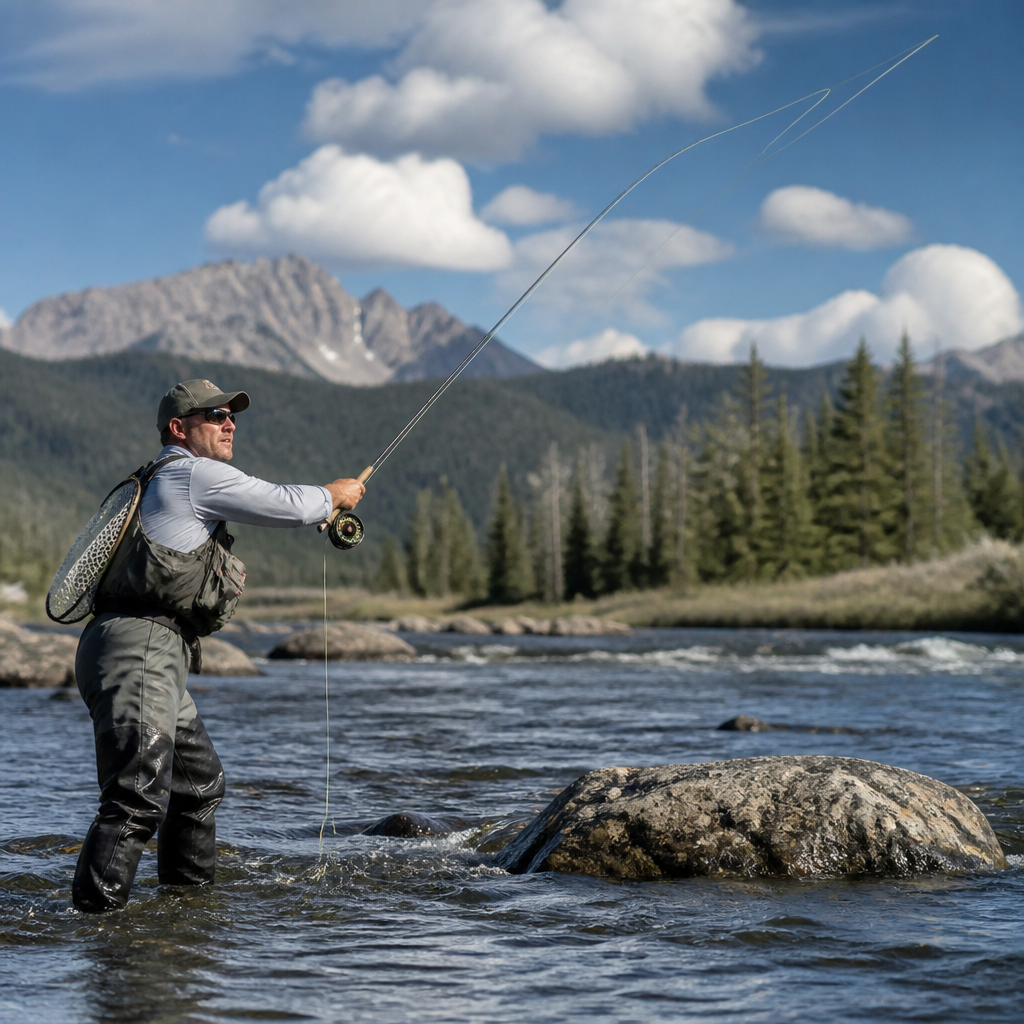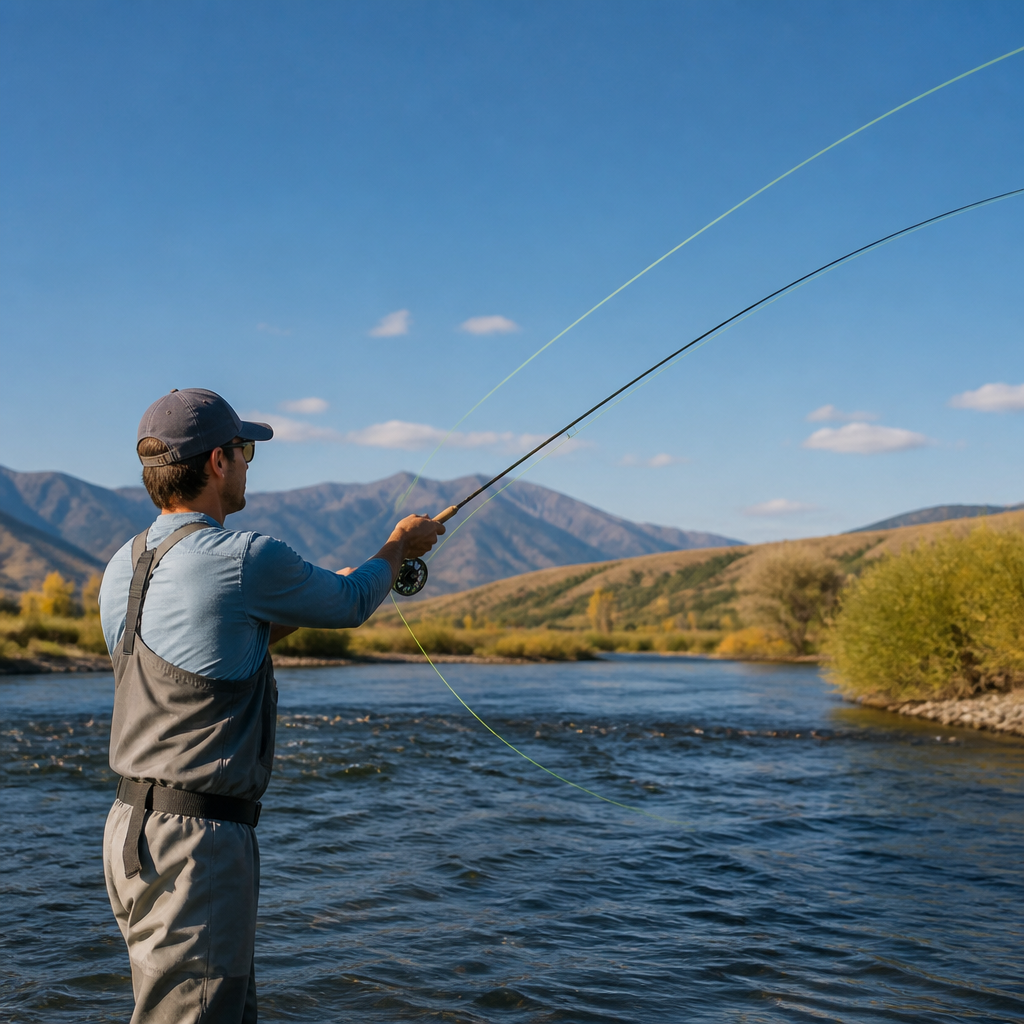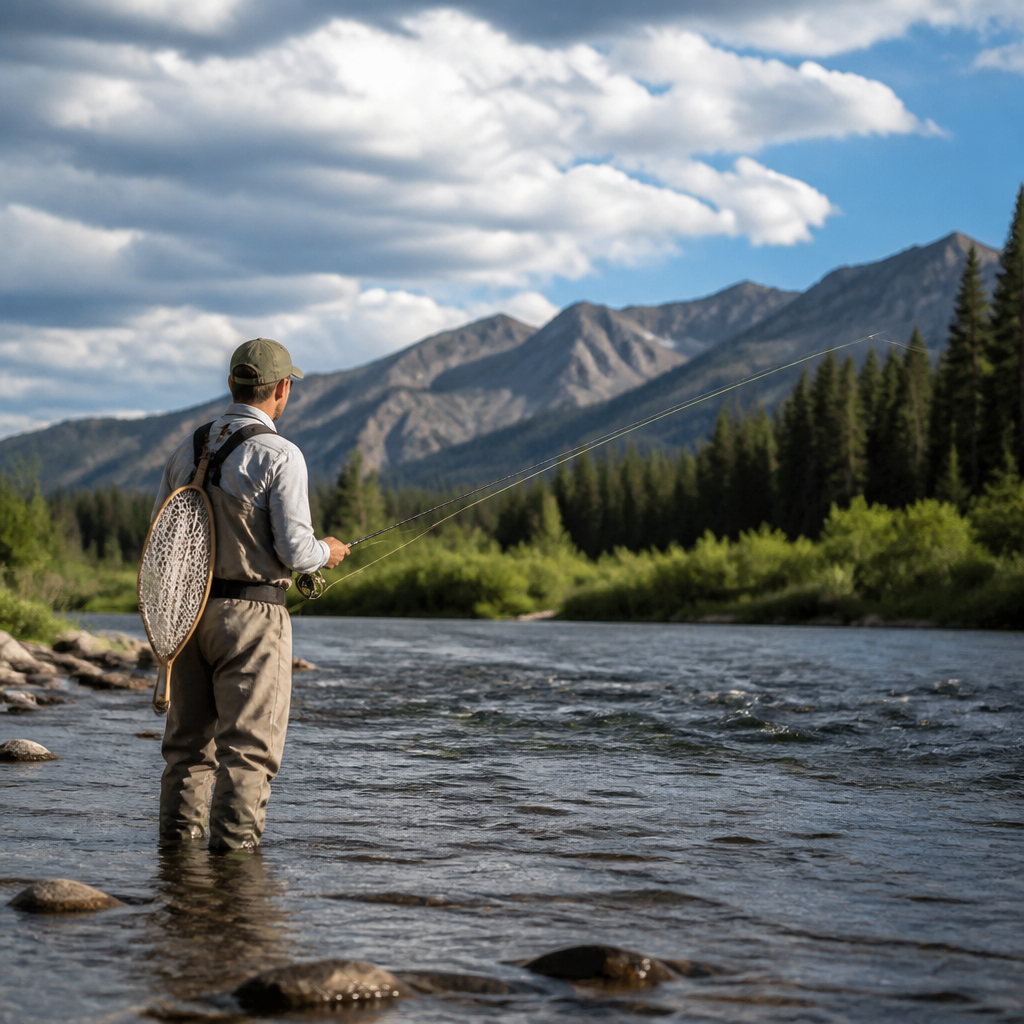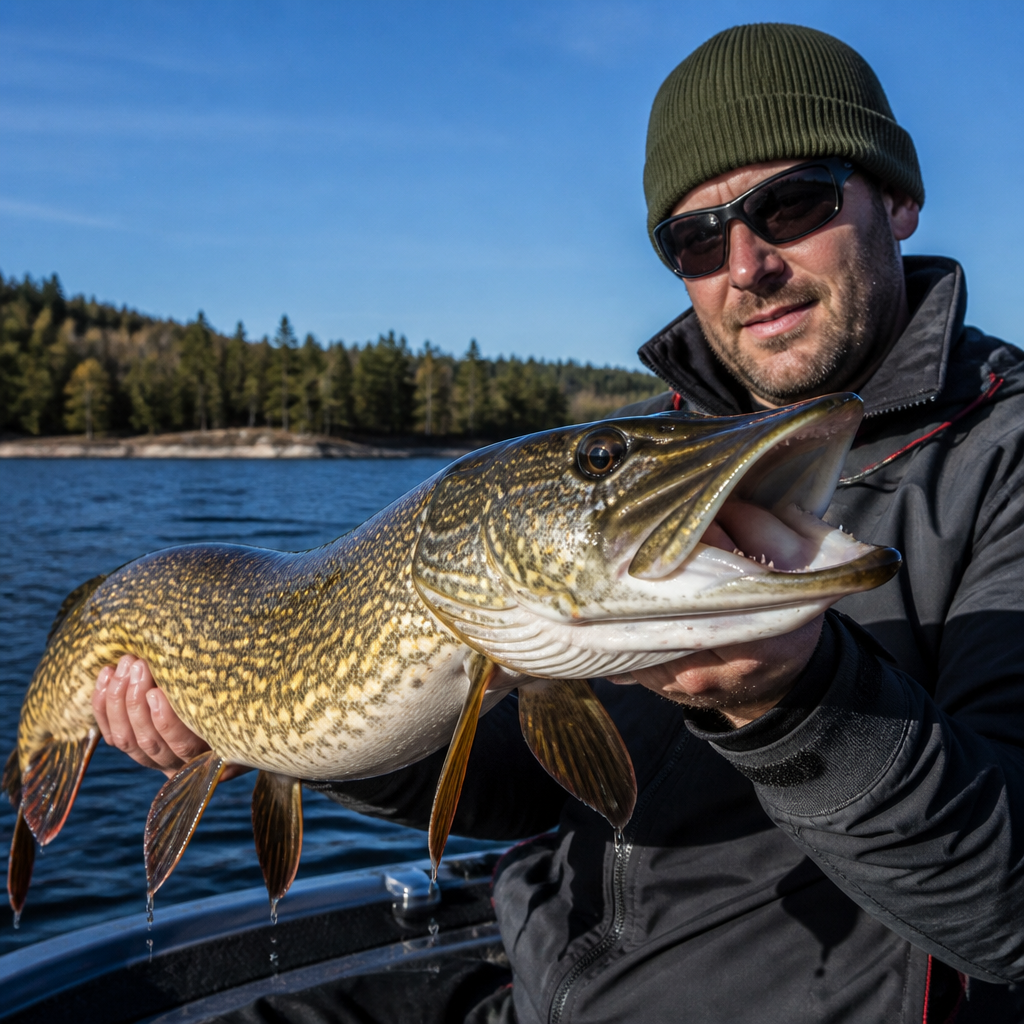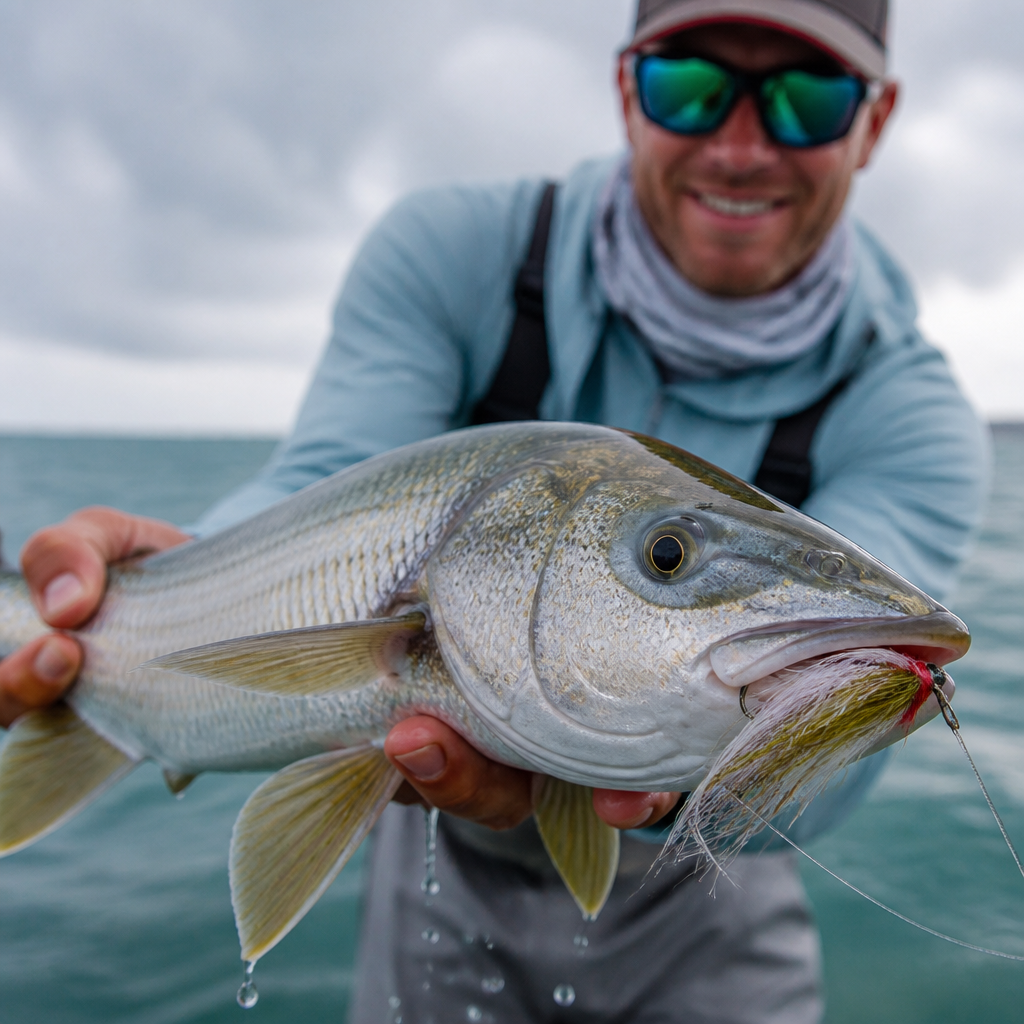
Using streamers for saltwater fly fishing is one of the most effective ways to imitate the baitfish, shrimp, squid, and juvenile gamefish that drive inshore and nearshore feeding behavior. In practical terms, a streamer is a fly designed to suggest moving prey rather than a stationary food item, and in saltwater that usually means profiles with length, pulse, flash, and water displacement. I have relied on streamers for striped bass in rips, redfish on marsh edges, snook under dock lights, false albacore in open water, and bluefish crashing bait, and the pattern remains consistent: when predators are hunting larger, mobile forage, streamers outperform more delicate presentations. This matters because saltwater fish are opportunistic but rarely random. They key on size, silhouette, speed, depth, and direction, and a well-chosen streamer lets the angler control all five variables with precision. As a hub topic within techniques and strategies, streamer fishing sits at the center of saltwater fly success because it connects fly design, tackle selection, casting, reading water, retrieve mechanics, and species-specific planning. If you understand how to fish streamers, you can adapt across beaches, flats, estuaries, jetties, inlets, and boats with much greater consistency.
The term streamer fishing can sound broad, so it helps to define what it includes. In saltwater fly fishing, streamer fishing means presenting a subsurface or surface-near fly that imitates active prey and triggers a predatory response. That umbrella includes Clouser Minnows, Deceivers, Half and Halfs, EP baitfish patterns, sand eel flies, squid imitations, shrimp-like streamers, and articulated baitfish tied from synthetics, bucktail, feathers, or blends of these materials. It also includes multiple line systems, from floating lines with weighted flies to integrated sinking heads and full sinking lines. The reason this method deserves a dedicated hub is simple: streamer fishing is not one technique but a family of techniques. The same fly can be stripped fast through breaking fish, crawled slowly along a mangrove edge, swung in tidal current, or dead-drifted beside structure. The angler who treats streamers as a category rather than a single retrieve learns faster and catches more fish. This article covers the fundamentals comprehensively so it can anchor deeper pages on lines, retrieves, species, fly selection, and water types.
What makes a saltwater streamer effective
An effective saltwater streamer matches function before appearance. New anglers often fixate on exact color, but consistent results come from profile, sink rate, movement, and hook quality. Profile is the first trigger because predators usually see shape and contrast before fine detail. A sparse olive-over-white Deceiver can suggest mullet, pilchards, anchovies, or peanut bunker depending on how it moves. Sink rate determines whether the fly reaches the feeding lane. On a shallow flat with tailing redfish, a lightly weighted craft fur shrimp streamer lands softly and rides above grass. In a fast inlet for striped bass, a dumbbell-eyed Clouser or jig-style baitfish on an intermediate or sink line drops quickly enough to stay in the strike zone. Movement matters because saltwater prey rarely glides perfectly. Bucktail breathes on the pause, marabou undulates at slow speed, and synthetic fibers maintain profile without absorbing much water, making them easier to cast in wind.
Hook choice is not a minor detail in saltwater. Chemically sharpened, corrosion-resistant hooks from brands such as Gamakatsu, Ahrex, Owner, and Mustad hold up better under pressure from hard jaws and abrasive mouths. For redfish, snook, striped bass, and school-size bluefish, sizes 2 through 1/0 cover many scenarios. For tarpon, larger snook, or offshore species, 2/0 through 4/0 may be necessary, but bigger is not always better if local forage is small. Color should support visibility and forage imitation. White is the universal base because many baitfish show pale bellies. Olive, tan, gray, chartreuse, pink, and black each have roles. Black streamers create a strong silhouette at dawn, dusk, night, or in stained water. Tan and olive excel when fish feed on sand eels, silversides, and shallow flat bait. Pink and chartreuse can add contrast when fish are aggressive or water has color. In my experience, anglers who carry three sizes in two sink rates and four core colors catch more fish than anglers carrying dozens of highly specific patterns but no system.
Tackle, lines, and leaders for streamer fishing
Streamer fishing in saltwater requires balanced tackle more than extreme tackle. An 8-weight is the most versatile rod for many inshore situations because it throws common streamers, handles moderate wind, and has enough backbone for striped bass, redfish, schoolie snook, sea trout, and smaller bluefish. A 9-weight adds line control and lifting power for larger flies, stronger current, and heavier fish. A 10-weight becomes useful for big false albacore, large snook, baby tarpon, jacks, and rough weather. Fast-action rods dominate because they recover quickly and help drive tight loops into wind, but line matching matters more than catalog labels. I prefer rods that load cleanly at fishing distance, not just on the casting lawn, because most saltwater shots happen between thirty and seventy feet.
Reels should have sealed drags, enough backing for the target species, and frames that resist flex under pressure. Corrosion resistance is essential, but maintenance is still mandatory. Rinse lightly with fresh water, dry the reel, and inspect drag surfaces and spindle areas after repeated salt exposure. Fly lines determine depth, presentation angle, and how quickly you connect to the fly after the cast. A weight-forward floating line works for shallow flats, dock lights, crease flies, gurglers, and unweighted or lightly weighted streamers. An intermediate line is arguably the best all-around choice because it cuts surface chop, keeps tension during strips, and covers beaches, estuaries, and boats well. Sink-tip and full sinking lines matter in inlets, channels, deep rips, and surf situations where current pushes bait below the top layer.
| Condition | Recommended line | Typical streamer style | Primary advantage |
|---|---|---|---|
| Shallow flat, calm water | Floating | Light shrimp or baitfish | Soft landing and easy pickup |
| Beach, bay, light chop | Intermediate | Clouser, Deceiver, sand eel | Stable tracking below surface film |
| Inlet, rip, deeper channel | Sink-tip or full sink | Weighted baitfish streamer | Reaches feeding depth faster |
| Dock lights or bridge shadow lines | Intermediate | Slim baitfish pattern | Controlled swing and strip pace |
Leader construction should match fly size, water clarity, and species behavior. For many saltwater streamer setups, a simple leader between seven and nine feet works well. Long, delicate trout leaders are usually counterproductive in wind and around structure. For striped bass, redfish, and sea trout, I often use a butt section tapering to 16- or 20-pound fluorocarbon. For snook around mangroves or docks, 20- to 30-pound bite protection is prudent because abrasion, not just visibility, decides the outcome. Bluefish require wire or heavy bite tippet if you actually intend to land them consistently; otherwise expect bite-offs. Fluorocarbon sinks slightly faster and resists abrasion, while monofilament can turn over bulky flies well and may be adequate in calmer, shallower situations. The key is purposeful matching, not habit.
Presentation: casting, retrieve, and depth control
The best streamer anglers separate presentation into three stages: placing the fly, getting it to the right level, and animating it convincingly. Casting matters because angle changes everything. A cast quartering across current allows a streamer to swim naturally and broadside. A direct cast into blitzing fish often drags the fly unnaturally or pulls it out of the zone too fast. On flats, leading a moving fish by several feet is usually more effective than dropping the fly on its head. In surf or current, mending is limited compared with conventional fly fishing, so line choice and casting angle do much of the work. One of the most common mistakes I see is stripping before the line straightens and the fly settles. Many hits happen on the drop, and rushing that moment reduces the chance dramatically.
Retrieve should imitate the prey and the fish’s mood. Short, sharp strips make a Clouser dart like a panicked baitfish. Long, even pulls suit sand eel patterns or when fish track rather than ambush. A strip-strip-pause cadence often triggers followers because the pause suggests vulnerability. For snook near structure at night, a slow swing followed by short strips can keep the fly in the light-shadow edge longer, which is where many takes occur. For redfish in slightly stained marsh water, slower strips with occasional bottom contact can resemble a fleeing shrimp or mudding minnow. False albacore generally demand speed and a direct connection, so slack is the enemy. Bluefish often respond to violent movement, but tackle loss rises quickly if you fish too light.
Depth control is the heart of streamer fishing and the point many anglers underestimate. Fish do not simply feed “on bait”; they feed in specific lanes shaped by tide, wind, structure, and light. Count down your fly when necessary. Change from floating to intermediate before changing patterns. Add or remove dumbbell eyes based on current and water depth. In strong moving water, a lightly weighted fly on a sinking line often tracks more naturally than a heavily weighted fly on a floating line because the line and fly descend together. Conversely, in skinny water, a weighted fly may snag grass while a neutral pattern on a floating line slides over it cleanly. When streamer fishing suddenly stops producing, depth is the first variable I audit.
Matching streamers to habitat, forage, and target species
Different saltwater environments reward different streamer choices. On open beaches, slim profiles dominate because common forage includes sand eels, silversides, anchovies, and juvenile herring. Sparse bucktail and synthetic streamers cast farther in wind and land with less splash. Around marsh drains and oyster-lined creeks, baitfish and shrimp patterns both matter, especially on falling tides when forage is forced from cover. Mangroves, docks, bridge pilings, and rocky jetties call for durable flies with strong hooks because fish turn immediately toward structure after the eat. In back bays with mullet schools, larger Deceivers, Hollow Fleyes, and broad-profile baitfish streamers can significantly outproduce tiny flies, especially in autumn when predators expect a bigger meal.
Species behavior should direct both fly selection and retrieve style. Striped bass are classic streamer fish because they pin bait against current seams, points, and bars; white, olive, black, and bunker-colored patterns are reliable starting points. Redfish often reward accurate casts and slower presentations, with crab and shrimp patterns sharing time with baitfish streamers depending on the flat. Snook are ambush predators that love shadow lines, undercut banks, and current breaks, so flies that suspend briefly and then pulse on short strips excel. Speckled sea trout often sit over grass or potholes and respond well to moderate retrieves on intermediate lines. False albacore require small, sparse imitations of bay anchovies or rain bait, usually in size 2 to 1/0, and demand quick recasts when schools pop up. Tarpon occupy a different class entirely: streamer size, hook strength, and shock tippet become far more specialized.
Seasonal forage shifts also matter. Early season often features smaller bait, making sparse patterns more productive. Late summer and fall can bring mullet runs, peanut bunker, juvenile menhaden, and larger anchovy concentrations, allowing bigger streamers and more aggressive retrieves. Water clarity affects not only color but also flash and bulk. In clean water, too much flash can look unnatural. In stained estuaries, a little flash helps fish locate the fly. The practical rule is to match the dominant prey family first, then adjust size and depth, then color last. That sequence solves most streamer problems faster than changing patterns at random.
Common mistakes and how to build a reliable system
The biggest mistakes in saltwater streamer fishing are avoidable. Anglers often choose flies that are too large for the available forage, retrieve too quickly for the water temperature, or keep switching patterns before they solve depth and angle. Another common error is carrying excellent flies tied on inadequate hooks or with materials that foul around the bend. Weed guards can help on grass flats, but poorly designed guards reduce hookups. Knots deserve attention too. A non-slip loop knot usually gives streamers better movement than a tight clinch-style connection, especially for Deceivers and shrimp streamers. Sharp hooks matter every trip because salt, sand, shells, and fish mouths dull points quickly. I test points constantly and touch them up or replace flies without hesitation.
A reliable streamer system starts with a deliberate kit: a small range of proven patterns, multiple line densities, leader materials from sixteen to forty pounds, and a plan for the water you are fishing. Keep notes on tide stage, fly size, line type, and retrieve cadence. After enough trips, patterns emerge clearly. You may learn that your local beach striped bass take olive sand eel streamers best on the first half of the flood, or that snook under one bridge prefer black-and-purple flies in the strongest part of the outgoing tide. Those observations matter more than trend-driven fly names. Build your approach around repeatable variables, and streamer fishing becomes less mysterious and far more productive.
Using streamers for saltwater fly fishing gives anglers a flexible, high-percentage way to cover water, imitate major prey types, and target a wide range of gamefish with intention. The core lessons are straightforward: choose streamers by profile and function, match rods, lines, and leaders to conditions, control depth before obsessing over color, and adapt retrieve pace to forage and fish behavior. When you organize the method by habitat, species, and season, streamer fishing stops being a vague category and becomes a practical decision system. That is why it belongs at the center of any serious techniques and strategies library.
If you want to improve quickly, start with a short list of proven baitfish streamers, fish them on the right line densities, and record what works in each tide and water type. Then expand into specialized patterns and species-specific tactics from there. Master this hub skill, and every related part of saltwater fly fishing becomes easier, from reading current seams to selecting leaders and planning presentations. Put a streamlined system together, fish it with discipline, and let the water teach you the rest.
Frequently Asked Questions
What is a streamer in saltwater fly fishing, and why is it so effective?
A streamer is a fly pattern designed to imitate moving prey rather than a drifting insect or a stationary food source. In saltwater fly fishing, that usually means baitfish, shrimp, squid, crabs in motion, or small juvenile gamefish that trigger predatory feeding. What makes streamers so effective is that they match the way many inshore and nearshore species naturally hunt. Striped bass, redfish, snook, false albacore, bluefish, sea trout, and many other predators are built to chase, ambush, or intercept prey that swims, darts, pulses, and flashes in the water column. A well-chosen streamer can suggest all of those cues at once.
Unlike highly specific freshwater hatches, saltwater feeding often revolves around broader forage categories and reaction strikes. Fish may be focused on mullet, anchovies, silversides, peanut bunker, shrimp, squid, or glass minnows, but they usually key in on profile, movement, speed, and placement as much as exact imitation. That gives streamers a major advantage. They can be tied to push water, shed light, breathe with current, and remain visible in turbulent, stained, or low-light conditions. Materials like bucktail, synthetics, saddle hackles, marabou substitutes, and flash fibers help create lifelike action with very little rod input.
Streamers are also versatile. You can fish them high in the water column over grass flats, swing them through current seams and rips, strip them beneath dock lights at night, or crawl them along marsh edges and channels. By changing sink rate, fly size, retrieve style, and silhouette, the same general streamer concept can cover a huge range of saltwater situations. That adaptability is a major reason experienced saltwater fly anglers rely on streamers so heavily.
How do I choose the right streamer pattern for different saltwater species and conditions?
The best way to choose a streamer is to start with the forage base and then adjust for water clarity, depth, current, and fish behavior. In clear water where fish are feeding on small, slim bait like anchovies, bay anchovies, or glass minnows, a sparse, narrow-profile streamer often works best. In dirtier water, rough surf, strong current, or low-light conditions, a larger fly with more profile, flash, or water displacement can be much easier for fish to find. If fish are keyed on shrimp, a pattern with pause-and-dart action may outproduce a straight baitfish imitation. If squid are present, a longer translucent fly with flowing materials may be the better match.
Color matters, but generally less than profile and presentation. Natural colors such as white, olive, tan, gray, and chartreuse-over-white are consistent producers because they resemble common saltwater forage. Dark patterns like black and purple can be excellent at night or in stained water because they create a stronger silhouette. Bright accents can help in off-color conditions or when fish are reacting aggressively, but too much flash can sometimes hurt in clear, pressured water. A useful rule is to keep flies lighter and more natural in bright, clear conditions and move toward darker, bolder, or more contrasting patterns when visibility drops.
Hook size and fly size should match both the prey and the species. Redfish on shrimp and small bait around marsh edges may prefer compact flies in moderate sizes, while striped bass in rips may readily eat larger streamers that imitate herring, bunker, or larger sand eels. Snook around lights often respond to flies that are long enough to stand out but still sparse enough to move naturally in the illuminated current. Fast pelagic inshore species such as false albacore often demand smaller, cleaner patterns tied on strong hooks that cast well and track straight at speed. In short, do not think only in terms of “best fly pattern.” Think in terms of the best combination of size, silhouette, sink rate, and movement for the exact feeding situation in front of you.
What is the best way to retrieve a streamer for saltwater fish?
The best retrieve is the one that matches how the prey would move and how the fish are feeding at that moment. That means there is no single universal retrieve, but there are dependable starting points. For baitfish imitations, a medium two-hand strip with occasional pauses is often an excellent baseline. It creates a fleeing, injured, or disoriented look that many predators find hard to ignore. If fish are clearly aggressive, speeding up the retrieve can trigger reaction strikes, especially from species like false albacore, bluefish, and actively feeding stripers. If fish are laid up or holding near structure, a slower retrieve with longer pauses may give them time to commit.
Shrimp-style retrieves are usually different. Short, sharp strips followed by a pause imitate the burst-and-glide motion of a fleeing shrimp. Redfish, sea trout, and snook often respond well when the fly jumps and then settles. Around dock lights or marsh drains, that pause can be critical because fish frequently eat as the fly suspends or drops. With squid or larger baitfish patterns, longer smoother strips can help the fly track naturally. In current-heavy areas such as rips, inlets, or channel edges, you can also let the current animate the fly and then use strips mainly to maintain tension, change direction, or add life at key moments.
One of the biggest mistakes anglers make is retrieving without reading fish feedback. If you get follows but no eats, change speed before changing flies. If fish strike short, try reducing fly size or shortening the strip cadence. If the fly is not getting noticed, add contrast, flash, or a more erratic action. And always remember that depth is part of the retrieve. A perfect strip is wasted if the streamer is riding above the fish or dragging below the feeding zone. Count the fly down when necessary, watch the line for subtle takes, and keep contact without overpowering the fly’s natural movement.
What tackle setup works best for fishing streamers in saltwater?
A practical saltwater streamer setup usually begins with a rod in the 8- to 10-weight range, depending on species, fly size, wind, and environment. An 8-weight is a common all-around choice for many inshore situations because it handles medium streamers well and has enough backbone for species like school stripers, redfish, and smaller snook. A 9-weight gives a bit more authority in wind, current, and around structure, while a 10-weight is useful when throwing bigger flies, battling larger fish, or dealing with tougher conditions. The rod should be paired with a corrosion-resistant reel that has a smooth, reliable drag and adequate backing capacity.
Fly line selection is just as important as rod weight. A weight-forward floating line is ideal for shallow flats, marshes, and situations where fish are feeding near the surface. An intermediate line is one of the most useful options for streamer fishing because it keeps the fly just under the surface, cuts through chop, and helps maintain a direct connection during the retrieve. Sink-tip and full-sinking lines become valuable when fishing deeper channels, stronger current, rips, or faster-moving water where the fly needs to stay in the strike zone longer. Many experienced anglers carry more than one spool or line setup because line choice often determines whether a good presentation is even possible.
Leaders for streamers are usually simpler and shorter than delicate freshwater leaders. In many saltwater scenarios, a leader in the 7- to 9-foot range works well, often tapered to a stout tippet that can turn over larger flies and stand up to abrasion. The exact tippet strength depends on species and cover. Heavier tippet helps with turnover, abrasion resistance, and landing fish quickly around docks, rocks, oyster bars, or bridge structure. If toothy fish are present, a bite guard or wire may be necessary. Above all, saltwater streamer tackle should be chosen for function: cast the fly cleanly, manage wind and current, resist corrosion, and give you control when a strong fish eats in a difficult place.
When and where should I fish streamers in saltwater for the best results?
Streamers are productive whenever predatory fish are feeding on mobile prey, but the highest-percentage situations usually combine active fish, concentrated bait, and a current or structural feature that creates an ambush point. Tidal movement is especially important in saltwater. Moving water funnels bait and positions predators along marsh drains, creek mouths, oyster points, sandbars, docks, jetties, inlets, rips, and channel edges. A stationary flat can come alive when the tide begins to push shrimp or baitfish across it, and a dock line that seems empty in slack water can hold feeding snook or striped bass once current starts carrying prey through the shadows.
Light level also matters. Dawn, dusk, overcast conditions, and nighttime can all be outstanding for streamer fishing because many bait-oriented predators become more aggressive and less cautious in reduced light. Dock lights are a classic example, especially for snook and other ambush feeders. The light draws plankton and small bait, the bait attracts predators, and a properly presented streamer that crosses from dark into the edge of illumination can be incredibly effective. Surf zones, breachways, estuary mouths, and current seams can all fish