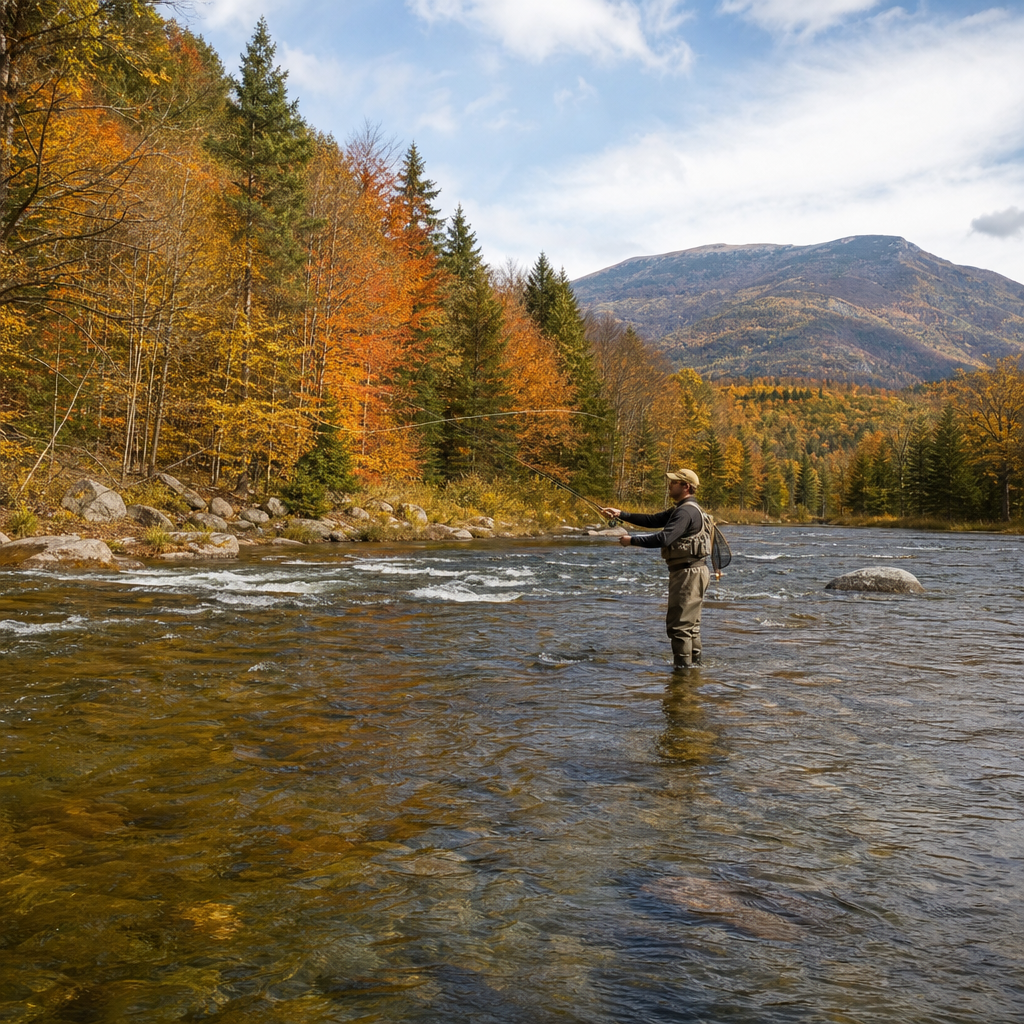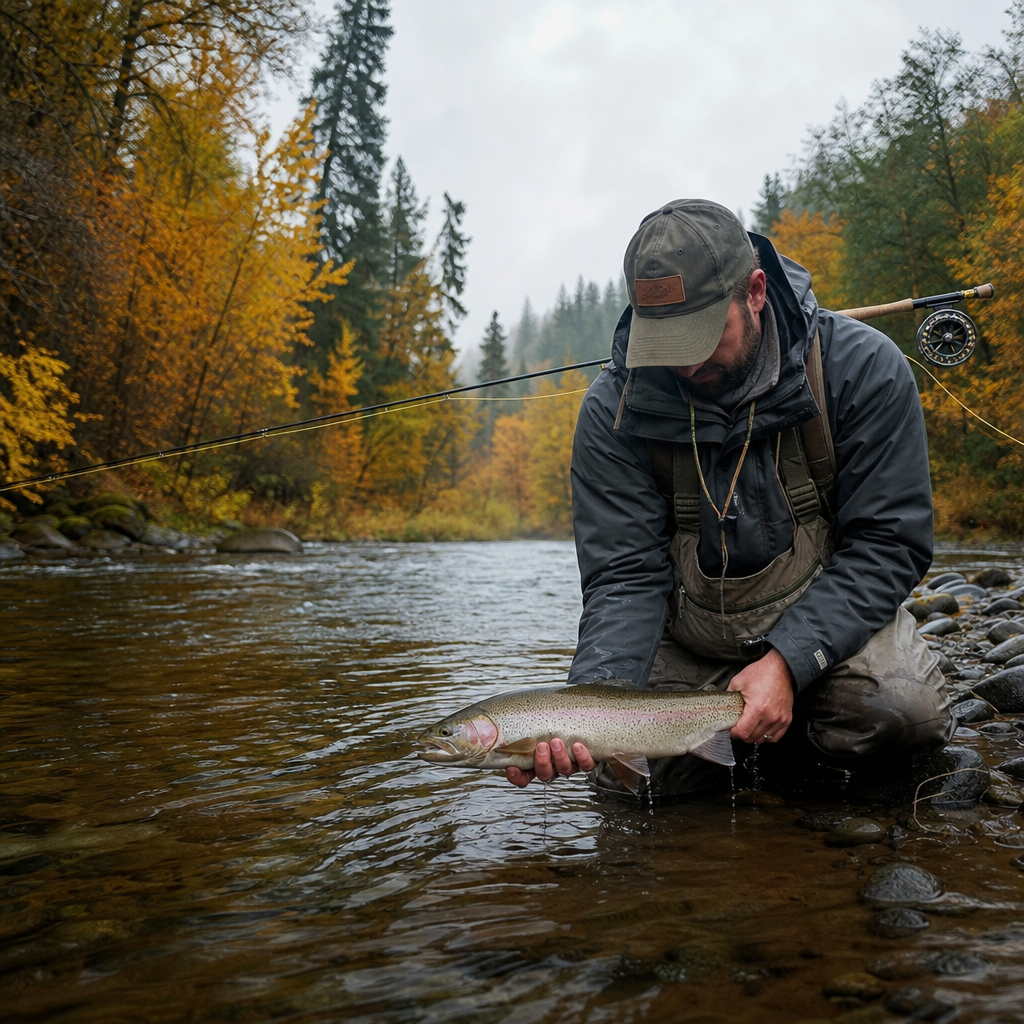
Spring mayfly hatches are the defining event of the trout season, and understanding their timing, insects, and fishing methods gives anglers a reliable framework for every other seasonal hatch they will encounter. In practical terms, a hatch is the stage when aquatic insects emerge from the water, transform, and become available to feeding fish in numbers large enough to change trout behavior. A mayfly hatch is especially important because mayflies follow a predictable life cycle, occur in nearly every trout stream, and trigger some of the most selective feeding of the year.
As a hub within the broader Seasons and Conditions topic, this guide covers seasonal hatches through the lens of spring mayflies: what species matter, how water temperature and river type affect timing, which fly patterns consistently produce, and how to fish each stage from nymph to spinner. I have planned spring calendars for tailwaters, freestones, and spring creeks around hatch windows for years, and the same lesson repeats everywhere: anglers who match stage, size, and presentation catch fish; anglers who focus only on pattern names usually miss the best opportunities. Spring compresses change into a few critical weeks, so a structured approach matters.
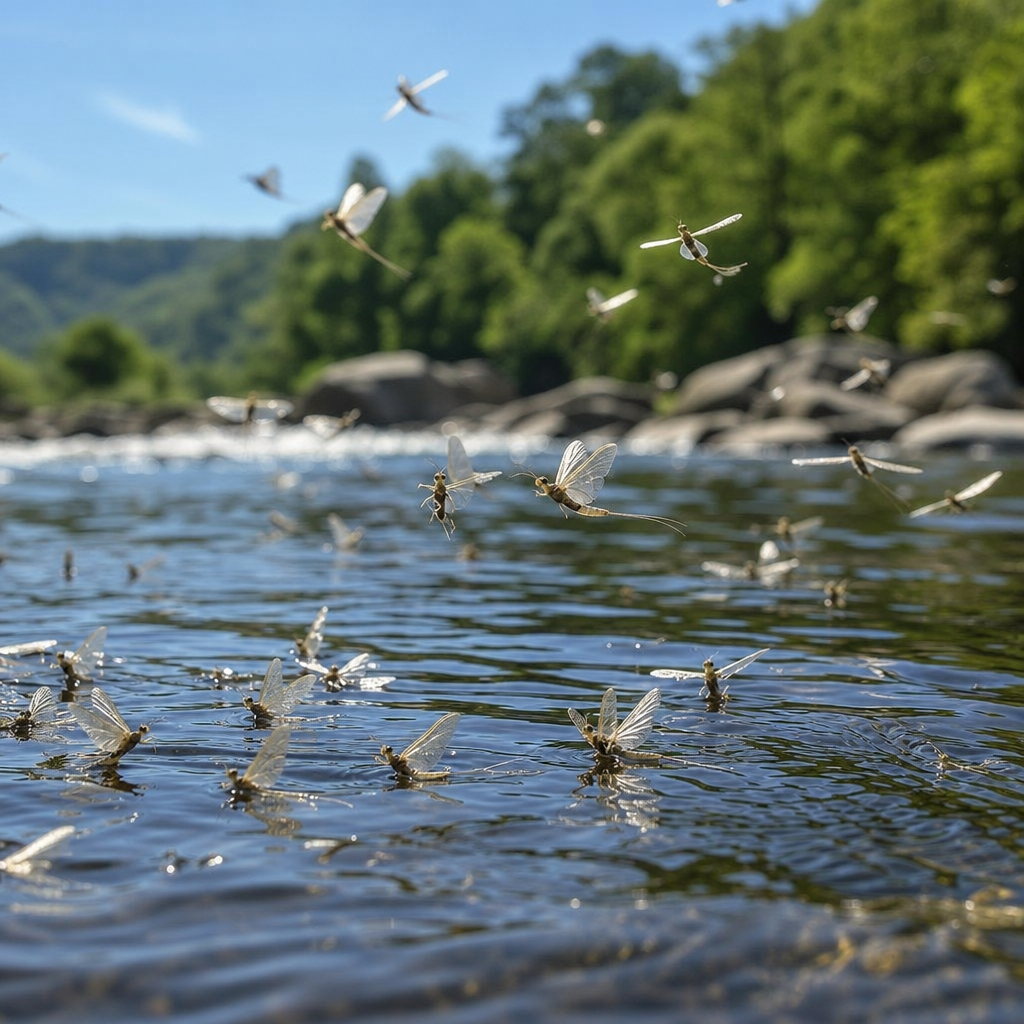
Key terms make the rest of the article easier to use. Nymph refers to the immature aquatic stage living below the surface. Emerger describes the insect as it rises and breaks free of its shuck. Dun is the newly emerged winged adult floating on the surface before flight. Spinner is the fully mature adult that returns later to mate and fall spent to the water. During spring, trout may feed heavily on any one of these stages, often ignoring the others. Seasonal hatches, then, are not just dates on a calendar. They are repeating biological events shaped by degree days, daylight, stream chemistry, flow stability, and weather.
Why does this matter so much? Because spring is when trout shift from winter conservation mode to active feeding, insect biomass rises fast, and anglers regain access after cold flows and inconsistent weather. In many rivers, the first dependable surface feeding of the year begins with early mayflies. These hatches set the rhythm for the season and connect directly to related topics such as runoff strategy, water temperature windows, cloudy-day dry-fly fishing, and matching emergers on pressured fish. If you want one page that organizes seasonal hatches into a useful system, this is it: spring mayfly hatches are the foundation.
The spring hatch calendar and what controls timing
Spring mayfly timing is best understood as a moving sequence rather than a fixed date. Across much of North America, anglers start with Blue-Winged Olives in late winter or early spring, move into Quill Gordon and Hendrickson periods on suitable eastern rivers, then encounter March Browns, Gray Foxes, Sulphurs, PMDs, and Green Drakes depending on region and elevation. Western freestones often compress this into runoff-adjacent windows, while tailwaters can produce longer, steadier hatch periods. Spring creeks usually deliver the most exacting but also the most predictable mayfly activity because temperatures fluctuate less.
The single most useful control point is water temperature. Many Blue-Winged Olive events intensify in the mid-40s to low-50s Fahrenheit, while Hendricksons and similar larger eastern mayflies often become reliable as rivers stabilize around the upper 40s into the 50s. PMDs commonly favor warmer late spring conditions, often from the upper 50s into the low 60s depending on river type. Temperature does not act alone. Cloud cover can extend adult availability by slowing wing drying and delaying flight, barometric changes can influence emergence intensity, and fluctuating dam releases can interrupt a hatch that would otherwise be dependable.
River type changes everything. On freestone streams, snowmelt and rain can shift hatch timing by one to three weeks, and high gradient sections often hatch later than softer, lower stretches. Tailwaters, supported by bottom-release dams, can hold insect populations with remarkable consistency because flow and temperature remain more stable, though generation pulses may disrupt rising fish. Spring creeks usually have the clearest daily rhythm: midmorning nymph movement, midday emergers, and selective surface feeding under soft light. If you are building a seasonal hatch plan, start with river type, then track temperatures, then refine by weather and elevation.
A hatch journal is more valuable than memorizing folklore. Record water temperature, air temperature, cloud cover, flow level, insect size, color, and the hour fish first rise. After a season or two, patterns emerge that are more useful than generalized hatch charts. On one limestone creek I fish regularly, a two-degree increase from 50 to 52 Fahrenheit often means the difference between sparse olives and a concentrated emergence that lasts ninety minutes. On a western tailwater, I have seen PMD duns appear on schedule for days, yet the better fishing came thirty minutes earlier on emergers during slight overcast. Precision beats guesswork.
Major spring mayfly groups every angler should recognize
You do not need to become an entomologist, but you do need working recognition of the main spring groups. Blue-Winged Olives, typically in sizes 16 to 22, are the universal starting point. They thrive in cool weather, often hatch on cloudy afternoons, and frequently create the first technical dry-fly fishing of the year. Hendricksons, usually size 12 to 14 in the East, are larger and easier for trout to key on. Quill Gordons hatch in faster water and often emerge from the bottom rather than drifting long as duns, which makes wet flies and emergers especially effective. March Browns are larger, strong swimmers associated with broken water, while PMDs dominate many western late spring situations in sizes 14 to 18.
Regional variation matters. Eastern anglers may build spring around Hendricksons, Red Quills, March Browns, and Sulphurs, while western anglers often think in terms of BWOs, PMDs, Flavs, and drake events. Green Drakes can arrive in late spring or early summer depending on latitude and elevation, but they belong in any hub discussion because they illustrate how a brief, heavy hatch can override every smaller insect on the water. The exact species name is less important than identifying three practical factors: body color, size, and stage. Trout make feeding decisions on that trio far more often than on taxonomic detail.
Another useful distinction is behavior at emergence. Some mayflies drift as cripples and emergers for a long time, making them vulnerable and easy meals. Others pop quickly through the film or hatch in current where adults escape fast. BWOs often reward careful emerger fishing because many insects hang in or under the surface film. Quill Gordons often reward subsurface swings because ascending nymphs are intercepted before full emergence. PMDs can create classic selective surface feeding, but on pressured rivers the fish may still prefer floating nymphs and half-emerged insects. Knowing the hatch means knowing where in the column trout are feeding.
Because this page is a seasonal hatch hub, it also helps to connect mayflies to the wider spring menu. Caddis, midges, and stoneflies often overlap these windows. When fish refuse your mayfly dry despite obvious insects, ask whether they are actually eating caddis pupae below the hatch or midge clusters in slower seams. During one April BWO event on a tailwater, rising trout looked locked on olives, but seine samples showed heavy pupa drift; switching from a parachute dry to a sparse soft hackle produced immediate takes. Seasonal hatch success comes from confirming what fish eat, not what anglers assume they should eat.
Fly patterns, rigging, and when each approach works
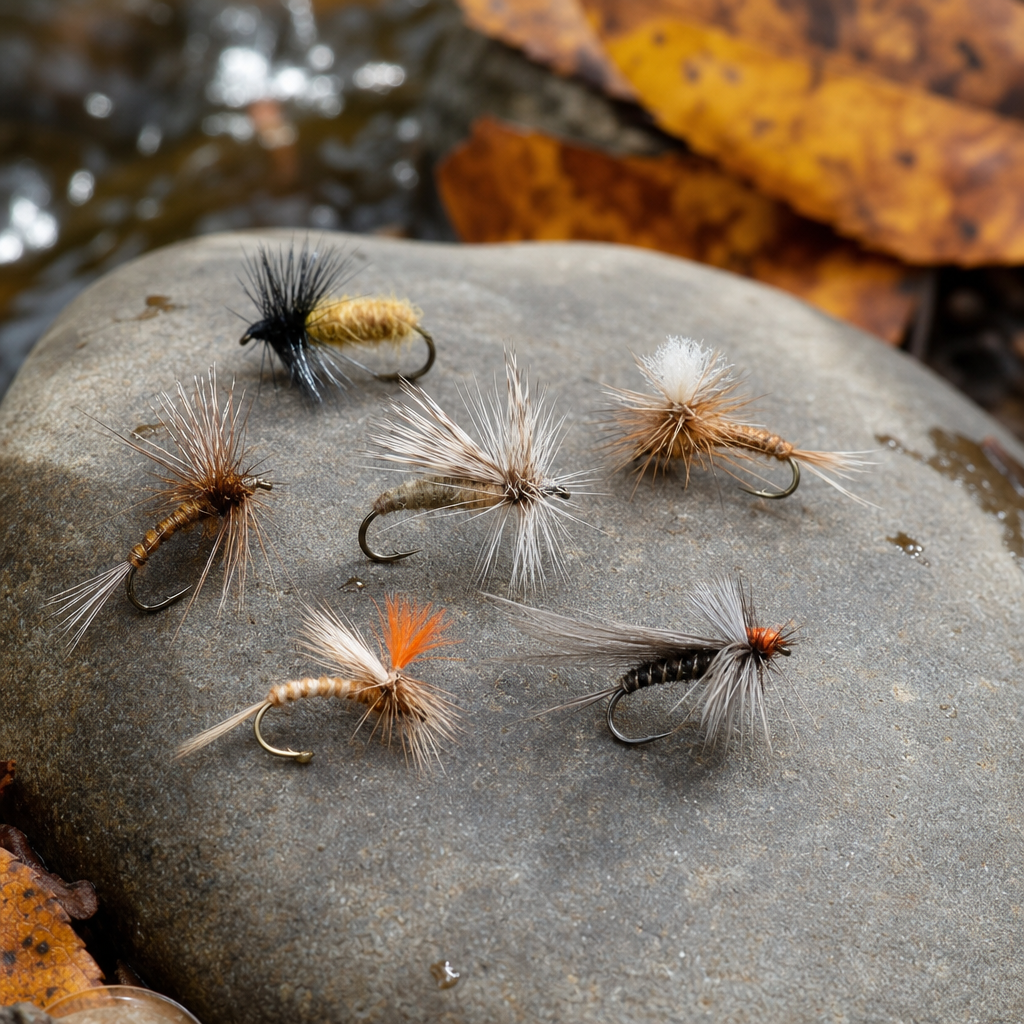
The best spring mayfly patterns cover stages, not just species names. Carry slim pheasant tail nymphs, olive and brown nymphs with dark wing cases, RS2-style emergers, soft hackles, comparaduns, parachutes, sparkle duns, cripples, and spent spinners. Add two or three larger patterns for Hendrickson, March Brown, and drake situations. Pattern branding matters far less than profile and behavior. A size 18 olive emerger with a sparse trailing shuck often outfishes a perfectly named dry because trout see the vulnerable stage first. Conversely, during a heavy spinner fall, a flush-floating spent pattern is nonnegotiable.
| Stage | Best patterns | Typical setup | When it excels |
|---|---|---|---|
| Nymph | Pheasant Tail, olive nymph, split-case style | Indicator or tight-line with light split shot | Before visible rises; cold mornings; faster runs |
| Emerger | RS2, soft hackle, trailing shuck emerger | Greased leader, light dropper, or downstream swing | During first hatch activity; refusals to dries |
| Dun | Parachute, comparadun, sparkle dun | Long leader, drag-free drift, fine tippet | Steady surface feeding in seams and slicks |
| Spinner | Spent-wing spinner | Long fine leader at dusk or calm mornings | After mating flights; flat water; selective trout |
Rigging should match both current speed and fish mood. In broken freestone water, I usually begin with a two-fly nymph rig or a dry-dropper if I expect early activity. On tailwaters and spring creeks, longer leaders and finer tippets matter more because trout inspect flies longer. A 12- to 15-foot leader tapering to 5X or 6X is standard for BWO and PMD dries, while larger Hendrickson or March Brown patterns may fish well on 4X or 5X. For emergers, one of the most effective rigs is a visible dry with a 16- to 24-inch dropper to a lightly dressed emerger that hangs in the film.
Do not overlook soft hackles. During spring mayfly hatches, they solve two common problems at once: they suggest movement, and they imitate the vulnerable ascent. Cast quartering downstream, let the fly sink just below the film, then allow it to swing and lift. This is deadly during Quill Gordon and BWO activity and remains one of the fastest ways to discover whether fish are feeding subsurface. On difficult days, I often rotate through nymph, emerger, and soft hackle before committing to a visible dry. That sequence reveals the feeding level and avoids wasting the short prime window.
Techniques for reading trout during the hatch
Trout behavior during spring hatches is readable if you focus on rise form, lane, and cadence. A confident head-and-tail rise in a soft seam usually signals duns or spinners. A subtle dimple, bulge, or dorsal fin without a full snout break often points to emergers just under the film. Splashy rises in riffles can indicate fish intercepting ascending nymphs or struggling adults. Before changing flies, watch three or four feeding cycles from one trout. The extra minute of observation is often worth a dozen random casts because it tells you where the fish is taking insects and how much drag it will tolerate.
Approach matters more in spring than many anglers expect. Water is often clear, banks are less vegetated, and trout have not yet seen summer-level insect abundance, so they can be selective. Stay low, use current seams as cover, and cast from below whenever possible. On spring creeks, I often kneel fifty feet from the target and work into position one feeding lane at a time. On riffled freestones, you can get closer, but line control becomes harder. The rule is simple: in flat water, prioritize stealth; in fast water, prioritize drift. Both are forms of presentation discipline.
Match your casting angle to the hatch stage. Upstream dead drifts are standard for duns and spinners, but downstream slack presentations can be superior on technical fish because they land the leader outside the window first. For emergers, a reach cast that introduces controlled slack often keeps the fly in the surface film longer. For nymphs, short-line contact or tight-line methods improve strike detection during pre-hatch feeding when takes are subtle. If several fish rise but refuse repeatedly, change one variable at a time: first stage, then size, then silhouette, then tippet diameter. Systematic adjustments outperform panic switching.
One common spring mistake is leaving productive water too early. Hatches often pulse. The first ten minutes may show only occasional rises, followed by a dense emergence once light softens or temperature edges upward. Another mistake is fishing only the obvious slick. Trout frequently station just off the main concentration where insects funnel naturally but drag is easier to avoid. During a Sulphur evening on a broad run, the best fish may feed on the inside seam, not the center flat where most adults collect. Read where food is concentrated and where a trout can feed efficiently with minimal energy.
Common spring hatch problems and how to solve them
The most frequent problem is “fish are rising, but they will not take my dry.” Usually the cause is one of five issues: wrong stage, wrong size, micro-drag, overly heavy tippet, or trout feeding on a different insect altogether. Solve it in order. First, inspect the surface and sample the film with a fine net or even wet fingers. If you find shucks and half-emerged insects, switch to an emerger. Second, size down; many refusals disappear when moving from 16 to 18. Third, check leader layout. Fourth, drop from 4X to 5X or 6X when conditions allow. Fifth, confirm the hatch with a seine.
Weather can complicate timing. Cold fronts may delay emergence, bright sun can shorten adult drift, and rising water can push fish to edges where anglers overlook them. Yet poor weather often improves BWO fishing because overcast extends the hatch and suppresses glare. Wind adds another layer. It can ruin delicate presentations, but it also knocks adults down and later concentrates spinners. Adapt by shortening casting distance, targeting sheltered banks, and choosing flies you can see. On rough afternoons I would rather fish an identifiable parachute with perfect drift than a tiny low-rider pattern I lose after the first mend.
Finally, remember that seasonal hatch fishing is cumulative knowledge. Each spring river teaches a slightly different sequence of temperatures, insects, and productive water types. Build your own hatch chart, revisit proven windows, and connect this hub with related articles on runoff, water temperature, spring creek tactics, and evening spinner falls. Spring mayfly hatches reward anglers who observe more carefully than they cast. Learn the calendar, identify the stage, fish the right pattern in the right part of the column, and your entire approach to seasonal hatches becomes more consistent. The next time spring insects appear, arrive with a plan and fish the hatch deliberately.
Frequently Asked Questions
What makes spring mayfly hatches so important for trout anglers?
Spring mayfly hatches are important because they mark the point in the season when trout begin feeding in a more focused, predictable way. Early in the year, fish often feed opportunistically, picking off whatever food is easiest to catch near the bottom. Once mayflies begin emerging in meaningful numbers, that behavior changes. Trout start keying in on a specific insect, a specific stage of that insect’s life cycle, and often a specific feeding lane. For anglers, that creates a much clearer framework for reading the water, selecting flies, and timing presentations.
Mayflies are especially valuable as a learning tool because their life cycle is orderly and easy to observe compared with many other aquatic insects. They begin as nymphs, rise through the water column as they prepare to emerge, appear on the surface as duns, and later return as spinners. Each stage offers trout a different feeding opportunity, and each stage calls for a different fly pattern and presentation style. When anglers understand spring mayflies, they are not just learning one hatch. They are learning how trout respond to abundance, how fish shift from subsurface to surface feeding, and how to adjust when fish become selective.
In practical fishing terms, spring hatches also tend to happen in conditions that favor consistent daytime activity. Water temperatures are rising, flows are stabilizing in many fisheries, and insect life becomes more concentrated in the hours when anglers are most likely to be on the water. That combination makes spring mayfly hatches one of the best times to build confidence. If you can identify the insects, watch trout behavior, and match the stage the fish are eating, you gain a dependable template that applies to many other hatches throughout the year.
How can I tell which stage of the mayfly trout are feeding on during a hatch?
The fastest way to determine what trout are eating is to watch both the insects and the fish at the same time. If you see gentle rises with only a nose or subtle dimple breaking the surface, trout may be taking emergers trapped in or just below the film. If you see splashier rises or fish clearly porpoising through the top, they may be targeting duns riding the surface. If there is little or no visible surface activity but insects are present, trout may still be feeding heavily on nymphs below the surface before the hatch fully develops.
Look closely at the water around you. Are nymphal shucks collecting in eddies? Are freshly emerged duns drifting upright? Are spent adults with outstretched wings lying flat on the water in the evening? Those clues tell you where in the hatch cycle you are. You can also seine the drift, inspect streamside rocks, or simply catch a few insects in your hand to compare size, color, and stage. The more directly you observe, the less you have to guess.
Trout behavior provides equally important evidence. Fish that hold just under the surface and refuse a standard dry fly are often feeding on emergers. Trout rising rhythmically in one lane may be locked onto a narrow feeding window, meaning your fly needs to match not just the insect but the exact stage and drift. If you are getting follows, swirls, or refusals on a dry, it often means your size is close but your profile or stage is wrong. In many spring hatches, switching from a dun pattern to a soft hackle, emerger, or cripple is the adjustment that turns near misses into solid takes.
What are the best fly patterns to carry for spring mayfly hatches?
A strong spring mayfly box should cover nymphs, emergers, duns, and spinners rather than relying on one or two classic dry flies. For nymphs, slim natural patterns in olive, brown, and gray are essential because many spring mayflies have streamlined bodies and active movement before emergence. Pheasant-tail style nymphs, hare’s ear variants, and more hatch-specific mayfly nymphs all belong in a practical selection. Beadhead and non-bead versions are both useful, depending on depth and current speed.
For emerger fishing, carry patterns that sit low in the film and suggest vulnerability. Sparkle emergers, soft hackles, shuttlecock-style emergers, and cripple patterns are often more effective than high-floating dries when trout become selective. During heavy hatches, many fish ignore fully emerged adults and concentrate instead on insects struggling through the surface tension. That is why anglers who only fish upright dry flies often feel as if fish are “rising everywhere but not eating their fly.”
Dry fly selection should include parachutes, comparaduns, and traditional upright-wing patterns in the common spring sizes and colors for your region. It helps to have multiple silhouettes because trout sometimes react to posture more than exact color. For spinner falls, carry spent-wing patterns that lie flush on the surface. These are especially important in calm water, slow tailouts, and evening conditions when trout feed carefully. In general, build your box around realistic sizes first, then refine color and profile. A well-organized selection that covers the full life cycle is far more effective than carrying dozens of patterns that all imitate the same stage.
What techniques work best when fishing a spring mayfly hatch?
The best technique depends on where trout are feeding in the water column, but the most reliable approach is to begin with observation and then match your tactic to the fish’s behavior. Before making repeated casts, take a few minutes to study rise forms, current seams, and insect activity. If trout are not yet rising but insects are beginning to appear, nymphing is often the best starting point. A dead-drifted mayfly nymph or a lightly swung soft hackle can be extremely effective during the lead-up to the main emergence.
As the hatch develops, drift becomes everything. Whether you are fishing an emerger or a dry fly, trout in spring hatches often have ample time to inspect what floats into their lane. That makes drag-free presentation more important than hero casting or constant fly changes. Approach from below when possible, use enough leader length to separate fly line from the target zone, and position yourself to take advantage of natural current angles. On difficult fish, a reach cast, slack-line presentation, or downstream drift can make a dramatic difference.
When trout are feeding in the film, an emerger suspended just below a visible dry can be a smart setup, especially in mixed currents. If fish are taking duns confidently, switch to a single dry for a cleaner drift and better visibility. During spinner falls, long leaders, fine tippet, and low-profile casts are usually the right play because fish often feed in smooth water and become highly selective. The common thread in all of these situations is control. The angler who can put the correct stage in the correct lane with minimal drag will usually outfish the angler who changes patterns every few minutes without changing presentation.
How do weather, water conditions, and timing affect spring mayfly hatches?
Spring mayfly hatches are predictable, but they are still shaped by local conditions. Water temperature is one of the biggest triggers. Many hatches intensify when the river reaches a temperature range that encourages nymphs to become active and emerge in larger numbers. A few degrees of warming can turn a quiet morning into a productive afternoon. That is why hatch timing often shifts from day to day depending on overnight lows, cloud cover, and snowmelt or rain influence.
Weather also affects how long insects remain available to trout. Overcast days frequently extend hatch activity because cooler, softer light allows duns and emergers to stay on the water longer. Bright sun may compress activity into a shorter window, though some hatches still occur very consistently under clear conditions. Wind can complicate identification and presentation, but it can also concentrate insects in protected seams and bankside eddies. Rain and rising water may reduce visible surface feeding in the short term, yet subsurface nymph activity can remain strong or even improve in some systems.
Timing matters on multiple levels. There is seasonal timing, meaning when a particular mayfly species appears in your river system, and there is daily timing, meaning the hour when the hatch reaches peak intensity. The best anglers track both. They keep notes on water temperature, weather, river level, and hatch start times so patterns become obvious from year to year. If you know a certain hatch typically begins in midafternoon once the water warms a few degrees, you can plan your day much more effectively. In short, successful spring hatch fishing is rarely random. It comes from combining observation, local knowledge, and a willingness to adapt as conditions shift.