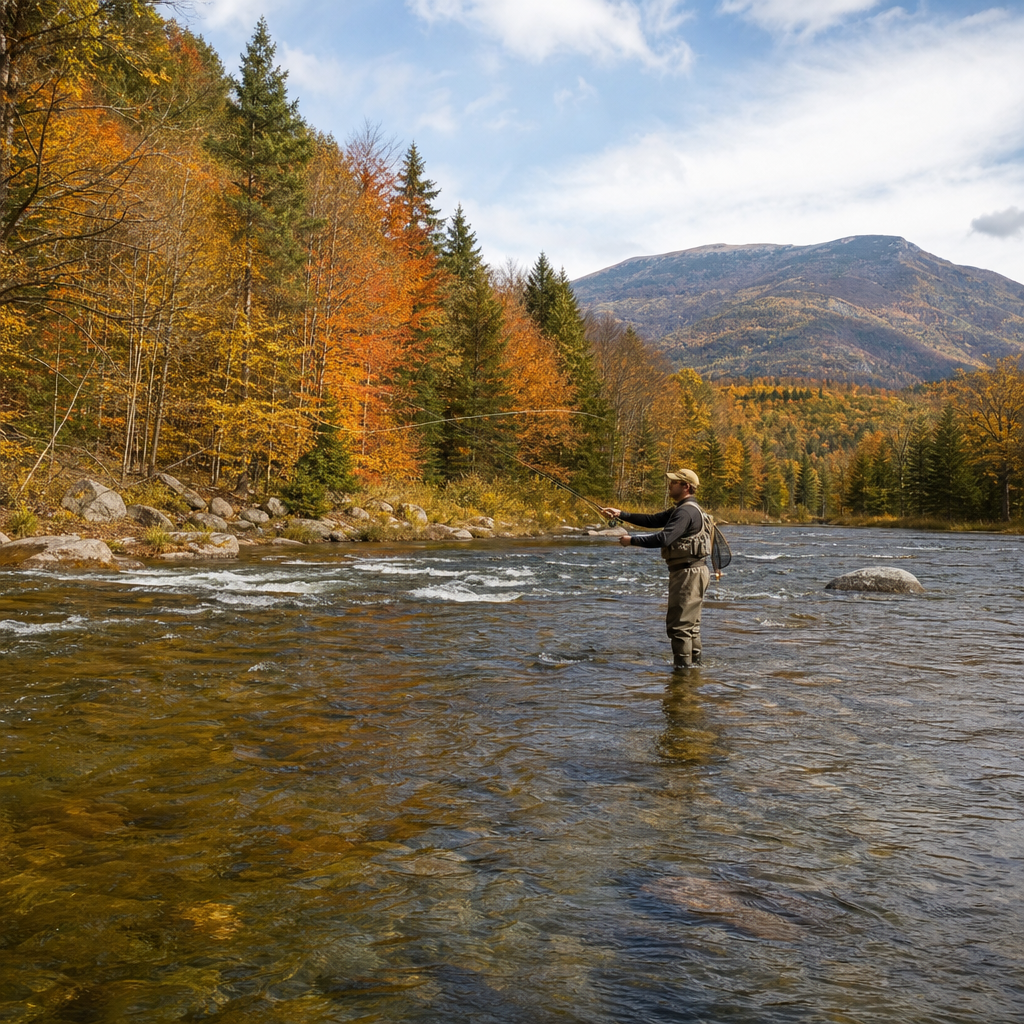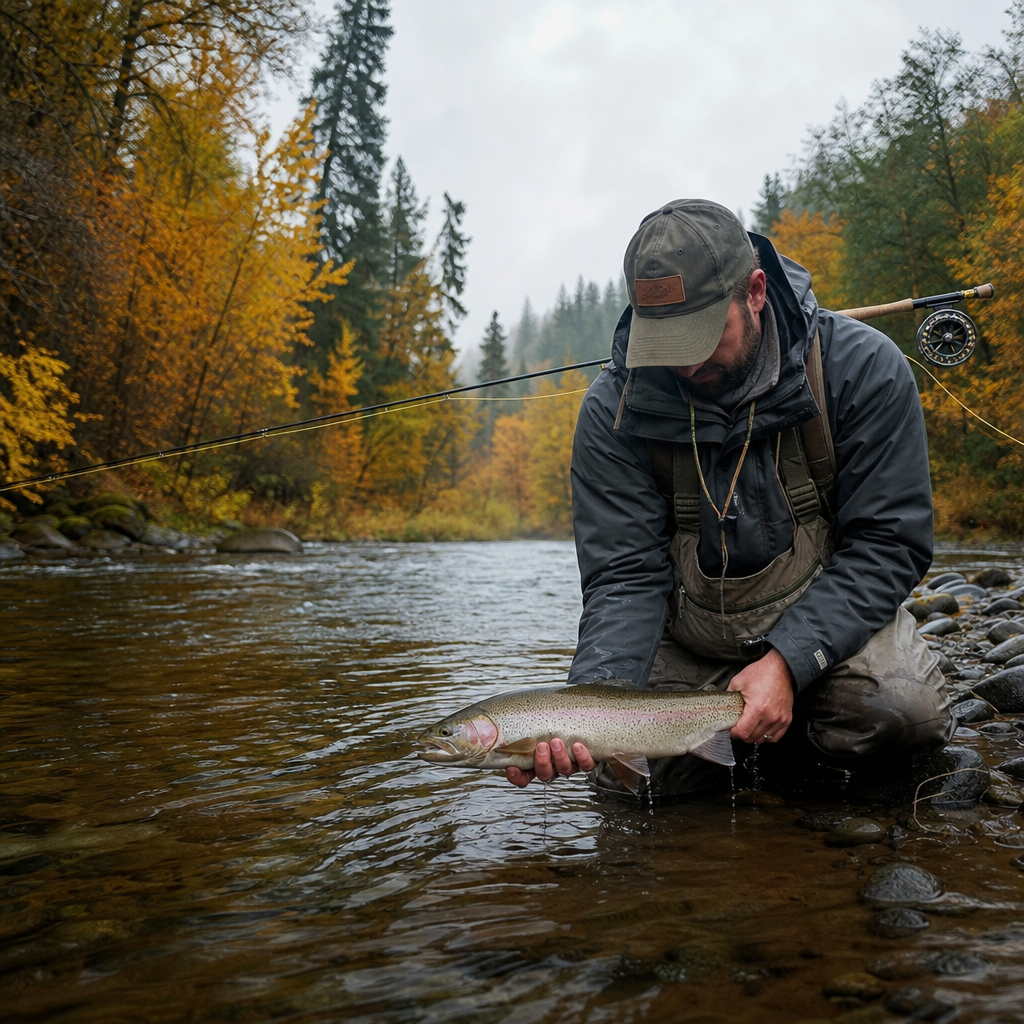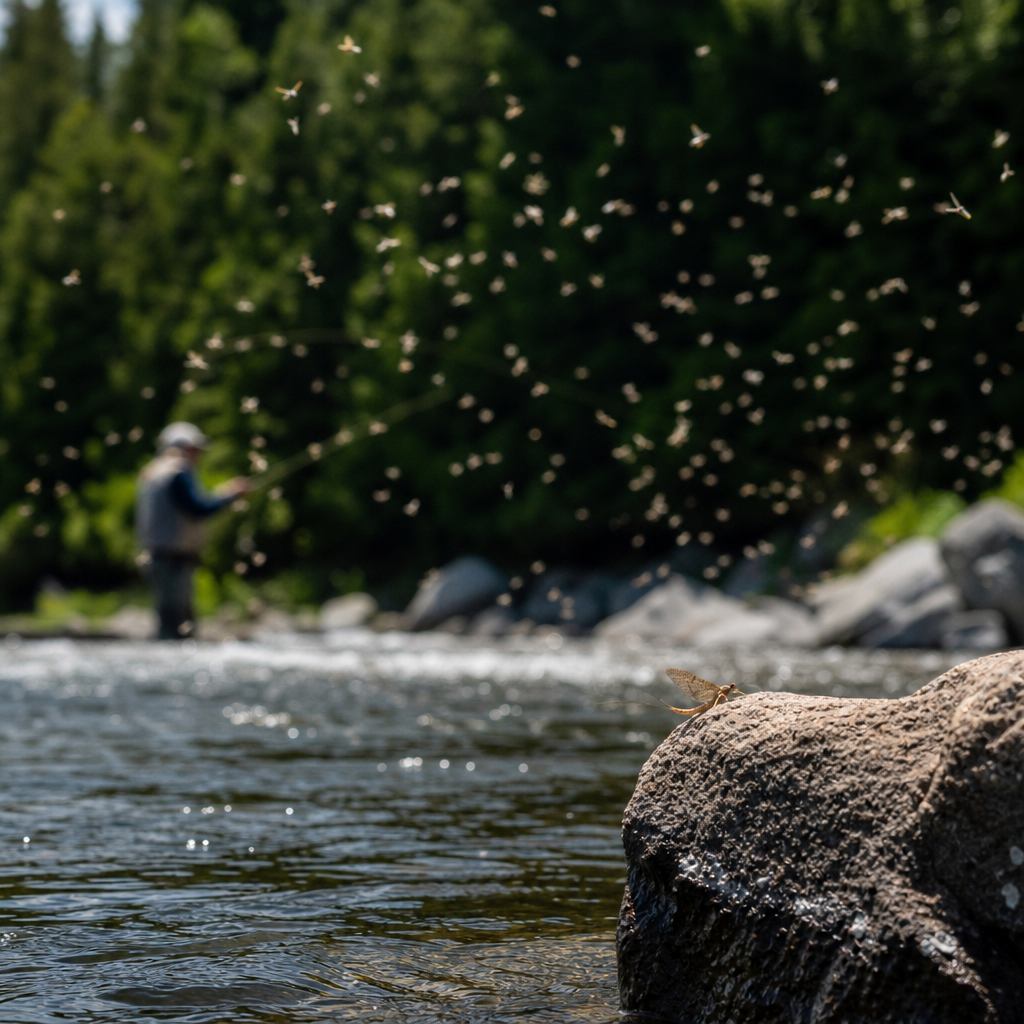
Summer caddis hatches are one of the most dependable and exciting seasonal hatches in trout fishing, and understanding them changes how consistently you find, approach, and catch fish during warm-weather months. In practical terms, a hatch is the synchronized emergence of aquatic insects from one life stage to another, and caddis refers to members of the order Trichoptera, insects that spend most of their lives underwater before pupating and emerging as winged adults. As a hub topic within seasonal hatches, summer caddis sits at the center of warm-season trout behavior because it influences where fish hold, when they feed, what flies they prefer, and how an angler should read current, light, and water temperature.
Across freestone rivers, tailwaters, spring creeks, and mountain streams, I have seen summer caddis hatches rescue slow afternoons and turn seemingly lifeless runs into feeding lanes full of subtle rises, slashing takes, and surface skitters. The reason they matter is simple: caddis are abundant, nutritionally worthwhile, and often emerge in dense numbers over long stretches of river. Unlike some mayfly events that are brief and highly technical, caddis activity can present multiple fishable stages in the same hour, including larvae drifting near the bottom, ascending pupae in the film, fluttering adults on the surface, and egg-laying females returning at dusk. For anglers building a complete understanding of seasonal hatches, summer caddis provides a practical bridge between entomology and day-to-day fish catching.
Most anglers use the phrase summer caddis hatch loosely, but several patterns are involved. Common groups include tan caddis, green sedge types, spotted sedges, and smaller dark caddis that vary by watershed. Size usually ranges from about 12 to 20, with tan or olive bodies dominating many Western rivers and darker cinnamon or charcoal tones appearing on Eastern streams. Water temperature, flow stability, dissolved oxygen, and daylight length all influence timing. In many systems, dependable activity begins when water temperatures push into the low to mid 50s Fahrenheit and continues through extended periods of stable summer conditions. Knowing these fundamentals helps you anticipate hatches instead of reacting after trout are already feeding selectively.
How summer caddis fit into the broader pattern of seasonal hatches
Seasonal hatches follow a progression tied to climate and river type. Spring often brings the first major wave of mayflies and stoneflies, while summer expands insect diversity and spreads feeding activity across more hours of the day. Within that sequence, summer caddis are the workhorse hatch because they overlap with terrestrial fishing, low clear water, and the higher trout metabolism created by warm but still safe temperatures. If you are studying seasonal hatches as a category, caddis deserve hub status because they teach transferable skills: matching size before color, recognizing stage-specific feeding, and adjusting presentations from subsurface to dry fly within minutes.
They also connect naturally to related subtopics. Understanding summer caddis prepares you for evening spinner falls, pale morning dun activity, yellow sally periods, and late-summer terrestrial windows. On many rivers, trout feed opportunistically across these food sources, but caddis often provide the most regular signal of daily feeding rhythm. When flows drop and fish become position-conscious, caddis hatches reveal travel lanes, oxygen-rich seams, and current transitions that stay productive all season. That makes this article a foundation page for seasonal hatch planning, not just a single-insect guide.
Life cycle, timing, and the conditions that trigger feeding
To fish summer caddis well, you need the life cycle in working detail. Caddis begin as eggs, develop as larvae, transform into pupae, and emerge as adults. Many species construct protective cases from gravel, plant matter, or sand, while others are free-living larvae that occupy riffles and rocky runs. The pupa is the critical hatch stage because it becomes active, rises toward the surface, and is exposed to trout through the entire water column. In my experience, anglers who only watch for adults miss the most consistent feeding window, which often starts before the first visible rise.
Timing depends on geography and hydrology. On cold tailwaters, caddis can emerge with near-clockwork regularity in late afternoon or evening. On freestones, cloud cover, runoff recession, and warm nights can shift the hatch earlier or spread it over several hours. Trout usually respond first in riffle tails, broken pocket water, and transition seams where ascending pupae concentrate. Windy evenings can delay obvious surface feeding because adults blow off the water, yet fish may still take emergers just below the film. Conversely, hot, bright days can suppress surface confidence until shadows lengthen, especially on rivers with heavy angling pressure.
The practical trigger list is short: stable flows, suitable water temperature, healthy oxygen, and enough insect density for trout to commit. If water temperatures rise beyond the safe range for trout, feeding may narrow to early morning and dusk even if insects are present. That is why hatch timing should never be separated from fish welfare. Carry a thermometer, note shaded reaches, and treat caddis activity as part of a larger summer conditions puzzle rather than a guaranteed all-day event.
Where trout feed during a caddis hatch and how to approach them
During summer caddis hatches, trout rarely feed randomly. They position where current delivers the most insects with the least energy cost. Classic holding water includes the soft seam beside fast riffles, the inside edge of a chute, the tail of a pool, and the cushion behind submerged rocks. In shallow riffles, fish may slide surprisingly high in the water column to intercept pupae. In smoother glides, they often stay just beneath the surface film and sip emerging insects with minimal disturbance. Learning to distinguish those rise forms matters as much as fly choice.
I approach hatch water from downstream and slightly off-angle, watching before casting. Slashing rises usually suggest adults skating or struggling on top, while dimples and subtle boils often indicate emergers or pupae trapped in the film. If several fish feed in sequence along a seam, the lane itself is more important than the exact rise spot. A cast six inches off the conveyor belt often gets ignored, while a good drift through the seam draws immediate interest. This is especially true in low summer flows when trout have narrow feeding windows and excellent visibility.
Stealth becomes more important as summer progresses. Long leaders, controlled wading, and side-pressure casting angles beat aggressive positioning. On heavily fished rivers, the first clean drift is usually your best chance. I often hold back, identify two or three fish, and fish the nearest one only if the presentation will not line the others. Good caddis fishing is less about covering water quickly and more about preserving a feeding lane.
Fly patterns, stages, and when each one works best
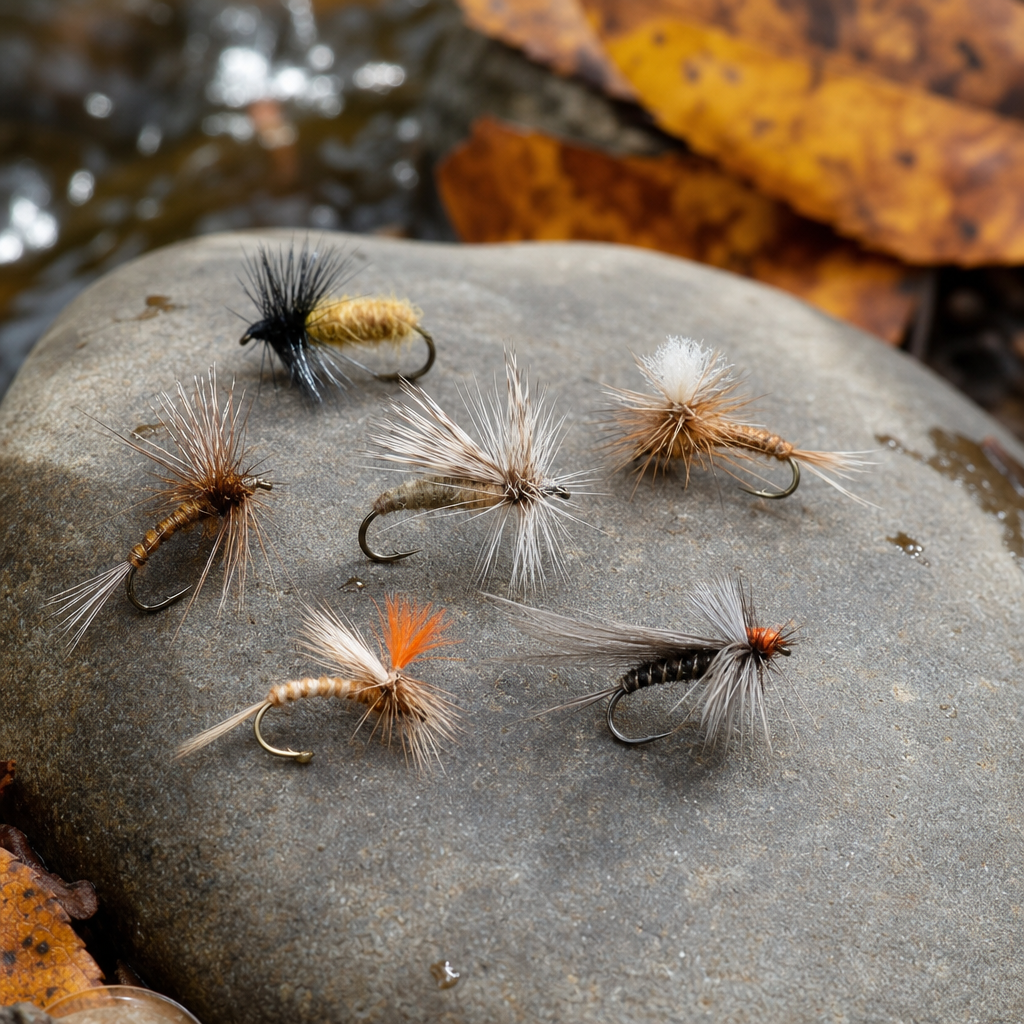
The most effective summer caddis strategy is to think in stages rather than individual patterns. Larvae matter before and between hatches, pupae dominate as emergence begins, adults produce classic surface action, and egg-layers can create the best dry-fly window of the day at dusk. That progression is why a small fly box can cover a lot of water if it includes the right categories in the right sizes. Proven patterns include green rockworm or generic caddis larva imitations, soft-hackle pupa, beadhead emergers, Elk Hair Caddis, X-Caddis, CDC adult caddis, and low-riding spent or egg-laying variants.
| Stage | What trout are eating | Best water | Effective patterns | Presentation cue |
|---|---|---|---|---|
| Larva | Drifting subsurface insects before emergence | Riffles, runs, rocky seams | Green caddis larva, Czech-style larva | Dead drift near bottom |
| Pupa | Ascending insects in the water column | Riffle tails, transition seams | Soft hackle caddis, bead pupa, Sparkle Pupa | Lift at end of drift |
| Emerger | Insects trapped in or just under the film | Glides, slick edges, foam lines | X-Caddis, CDC emerger | Drag-free drift in surface film |
| Adult | Fluttering or skittering surface insects | Banks, riffles, pocket water | Elk Hair Caddis, CDC adult | Dead drift or brief skate |
| Egg-layer | Females returning to deposit eggs | Dusk riffles, broken current | Spent caddis, diving caddis | Twitch, skate, or short drop |
If trout refuse a high-floating dry, drop one size, lower the silhouette, or switch to an emerger. If they boil under your fly without taking it, they are probably eating pupae or film-trapped insects. Color matters less than anglers think, but tan, olive, and dark brown should cover most situations. Size and profile are decisive. On pressured water, sparse CDC patterns often outfish bushier dries because they sit lower and look vulnerable.
Tactics for dry flies, nymphs, and emergers
A complete summer caddis plan includes three presentations. First, fish pupae or soft hackles before the hatch becomes visible. Cast quartering across, mend for a controlled drift, and allow the fly to rise at the end. Many strong takes come on that ascending swing because it imitates natural pupal movement. Second, once trout begin showing in the film, switch to an emerger or a dry-dropper with a short tag. This covers fish taking insects just under the surface while keeping a visual indicator above them. Third, when adults are thick and fish commit on top, use a dry with enough buoyancy for the current type but not so much bulk that it looks unnatural.
Skating is useful, but only in the right context. Some species skitter actively, and trout can respond with explosive takes, especially in riffled water and low light. However, many refusals happen because anglers force movement on fish that are keyed on trapped emergers. Start with a dead drift, then add slight tension or a two-inch twitch after the fly passes the fish’s primary window. On rivers where egg-laying females dive, a greased leader with a lightly weighted pupa can be devastating during the final minutes of light.
Leader setup should match the water. For technical slicks, I prefer longer leaders tapering to 5X or 6X, depending on fly size and fish pressure. In rougher pocket water, 4X often turns over bushier caddis dries more effectively and fish care less about diameter. Floating line is standard, but line control is everything: reach casts, aerial mends, and stack mends create the drag-free drift that summer trout demand.
Common mistakes and the adjustments that save the day
The biggest mistake anglers make during a summer caddis hatch is fishing only the visible adults. Trout often start below the surface, and they may stay there even while hundreds of insects flutter overhead. Another common error is overmatching color while ignoring size, stage, and drift. I have watched anglers cycle through five shades of tan when the real issue was that their fly rode too high or dragged across the seam. A third mistake is entering the water too quickly. Summer fish in clear conditions are easy to move, and once a lane is disturbed, the hatch can continue while the feeding stops.
When nothing works, reduce variables methodically. Check water temperature. Watch rise forms for a full five minutes. Seine the drift or inspect adults in the air and on streamside rocks. Change only one element at a time: size first, then stage, then profile, then color. If fish are porpoising, fish lower in the film. If they slash, try a skated or twitching adult. If they stop rising suddenly, look for the egg-laying return at dusk or a shift to spinner or terrestrial feeding. Consistency during seasonal hatches comes from disciplined observation, not constant random switching.
Regional patterns, river types, and building a seasonal hatch plan
No summer caddis hatch is completely generic. Western freestones often feature strong evening tan caddis flights, while tailwaters can produce prolonged pupa-focused fishing with smaller, more technical adults. Eastern limestone and spring creek systems may have dense but selective hatches where low-riding patterns outperform buoyant classics. In higher-elevation streams, emergence may compress into a shorter warm-season window, but fish often feed with less caution because nutrient supply is limited and currents are turbulent.
Build your seasonal hatch plan by recording three things after every trip: water temperature, hatch start time, and the stage that fish actually preferred. Over one summer, that log becomes more valuable than any generic hatch chart. Add local fly shop reports, state agency flow data, and weather history from NOAA or a comparable service, and patterns emerge quickly. You will learn that one river turns on at 6:30 p.m. after a warm day, while another fishes best under cloud cover at 3:00 p.m. That is how a seasonal hatches hub becomes useful in practice: it helps you connect insects, fish behavior, and conditions into repeatable decisions.
Summer caddis hatches reward anglers who prepare, observe, and adapt through every stage of the emergence. Learn the life cycle, fish the pupa before you see adults, match the feeding lane before obsessing over color, and protect your approach in clear low water. As a central piece of seasonal hatches, caddis teaches the broader lesson that trout feed according to current, oxygen, light, and insect stage, not according to what is easiest for the angler to notice. Keep notes, refine your fly box around local species, and revisit your favorite rivers at different hours until patterns become obvious. If you want more consistent summer trout fishing, start by mastering summer caddis hatches and let that knowledge guide the rest of your seasonal hatch strategy.
Frequently Asked Questions
What makes summer caddis hatches so important for trout fishing?
Summer caddis hatches matter because they are among the most reliable, prolonged, and fish-producing insect events of the warm-water season. Unlike some short-lived hatches that come and go in a narrow window, caddis activity often builds in predictable patterns tied to water temperature, light levels, current speed, and river structure. That consistency gives anglers a real advantage. When you understand where caddis live, how they emerge, and how trout feed on them, you can stop fishing blindly and begin targeting specific water with a clear plan.
Caddisflies spend most of their lives underwater as larvae, then transition into pupae before rising to the surface and emerging as adults. Trout can feed on all of these stages, but the pupa stage is often the key during active hatches. As pupae drift or ascend through the water column, they become highly vulnerable and available to fish. That means trout may feed deep, mid-column, in the film, or on fluttering adults depending on the exact moment in the hatch. Anglers who only focus on dry flies often miss the most productive part of the event.
Another reason summer caddis hatches are so significant is that they frequently occur when other seasonal conditions are challenging. In warmer months, trout can become selective, shift into oxygen-rich water, and feed in concentrated windows. Caddis hatches create those windows. During a strong emergence, fish that seemed inactive can suddenly move, rise, slash, or hold in obvious feeding lanes. These hatches also happen across a wide variety of rivers and streams, making them relevant to freestone fisheries, tailwaters, and many spring creeks. For many anglers, learning summer caddis is the difference between a few opportunistic fish and consistently productive days.
When and where should anglers look for summer caddis hatches?
Summer caddis hatches are most often found during warm-weather periods when insect development is accelerated by stable temperatures and longer daylight. Exact timing varies by region, elevation, and river type, but many productive caddis events occur from late spring through summer and into early fall. On a day-to-day basis, the best activity often shows up in the late afternoon, evening, or around dusk, although some rivers produce morning or midday hatches depending on species and weather. If you want to improve your odds, start by paying attention to patterns rather than random observations. Watch the same river at similar times over several days and note when adults begin appearing, when trout start feeding, and how long the activity lasts.
Location on the river matters just as much as timing. Caddis are commonly associated with riffles, broken runs, seam lines, tailouts, and other oxygen-rich sections where larval populations thrive and emerging pupae are funneled into predictable drift lanes. During a hatch, trout often position just below riffles, along foam lines, beside current breaks, and in softer water adjacent to faster flow. These areas allow fish to intercept pupae and adults efficiently without burning too much energy. If you see sporadic rises in transition water below choppy riffles, that is often a strong signal that trout are taking emergers or pupae rather than fully formed adults.
Environmental conditions can sharpen your search even further. Warm but not excessively hot days, stable flows, and moderate evening light often encourage visible activity. Wind can push adults into bankside cover, eddies, and overhanging vegetation, making those zones worth special attention. On pressured rivers, trout may feed more confidently during lower light, so the final hour before dark can be especially important. In practical terms, if you want to find summer caddis hatches consistently, scout riffled water, arrive before prime time, watch the surface and the air carefully, and look for subtle feeding clues before assuming fish are inactive.
What flies and presentations work best during a summer caddis hatch?
The most effective approach is usually to think in stages rather than in a single fly pattern. Because trout may key on larvae, pupae, emergers, adults, or spent insects at different points in the hatch, successful anglers carry a progression of caddis imitations and change tactics as fish behavior changes. Before surface activity begins, a caddis pupa fished below the surface is often the best starting point. Swinging a pupa through riffles, dead-drifting it under light tension, or allowing it to rise near the end of the drift can imitate the natural ascent of emerging insects extremely well. This is one of the most productive and overlooked techniques of the hatch.
Once adults are visible, elk hair-style caddis, sparse adult imitations, soft-hackle emergers, and low-riding film patterns can all be effective. The specific choice depends on what the trout are actually taking. Splashy, aggressive rises often suggest fish chasing skittering adults, while gentle sips may indicate trout feeding in the film. If fish are refusing a high-floating dry, switch to a more flush-floating adult or emerger. If trout are rising but not clearly taking off the top, a pupa suspended just under the surface or trailed behind a dry can be far more convincing.
Presentation is usually more important than exact pattern details. In riffles and runs, a dead drift with occasional natural lift is deadly for pupae. For adults, short drag-free drifts are the standard, but a slight skate or twitch can trigger strikes when fish are keyed on egg-laying or struggling caddis. That said, too much movement can look unnatural, so the best strategy is to let trout tell you what they prefer. If you are getting follows or near misses, change the height of the fly in the film, alter the angle of presentation, or switch between dead drift and controlled motion. Fine adjustments in drift, depth, and silhouette often solve the puzzle faster than major fly changes.
How should you approach trout that are feeding during a strong caddis hatch?
Approach becomes critical during summer because low, clear water and repeated angling pressure can make trout wary even when food is abundant. The first step is observation. Before you cast, spend a few minutes identifying where fish are feeding and how they are feeding. Are they stationed in one lane below a riffle? Are they moving side to side and slashing at adults? Are they making subtle dimples in softer water? These clues tell you not only where to cast, but also whether the fish are taking pupae below the surface, emergers in the film, or adults on top. A rushed first cast often blows the best chance you have at an actively feeding trout.
Position yourself so your fly reaches the fish before your line does, and use current seams, broken surface texture, and downstream angles to stay hidden. On caddis water, that often means kneeling, wading less than you think, and fishing from slightly downstream or across rather than marching straight into the feeding zone. Trout taking caddis in riffled water can be less spooky than fish in glassy pools, but they are still sensitive to bad angles, drag, and wading disturbance. The goal is to enter the water as little as possible and preserve the structure where fish are holding.
During dense hatches, another challenge is competition from natural insects. Trout may have hundreds or thousands of naturals drifting past them, so your fly must arrive on a believable path. Good line control matters more than repeated false casting. Make shorter, cleaner presentations, target one lane at a time, and resist the urge to cast over every rise. If fish are feeding widely but ignoring your dry, step down to an emerger or pupa and work the subsurface zone. In many cases, the best approach during a “surface hatch” is still a subsurface presentation placed exactly where the trout are intercepting ascending insects.
What are the most common mistakes anglers make during summer caddis hatches?
One of the biggest mistakes is focusing only on the adult stage. Caddis adults are visible and exciting, so many anglers immediately tie on a dry fly and assume that is the entire hatch. In reality, some of the best feeding happens before you see obvious rises, when trout are taking pupae as they drift and ascend. If fish are not committing to adults, do not assume the hatch is over or the trout are inactive. More often, they are feeding just below the surface or in the water column where the most vulnerable insects are concentrated.
Another common mistake is fishing the wrong water. Anglers often gravitate toward slow pools because rises are easier to see there, but summer caddis activity frequently centers around riffles, runs, seams, and tailouts where oxygen, current, and insect movement are strongest. If you are not finding fish, move closer to structure that concentrates emergers. Similarly, many anglers wade too aggressively into prime water and push trout off feeding lies before ever making an effective cast. A careful bank-side or shallow-edge approach usually produces better results than charging into the middle of the river.
Poor drift and lack of adaptation are also major issues. Trout feeding during a caddis hatch can still be selective about silhouette, drift angle, and where the imitation rides in the film. Repeatedly casting the same dry fly with the same presentation, despite refusals, is a