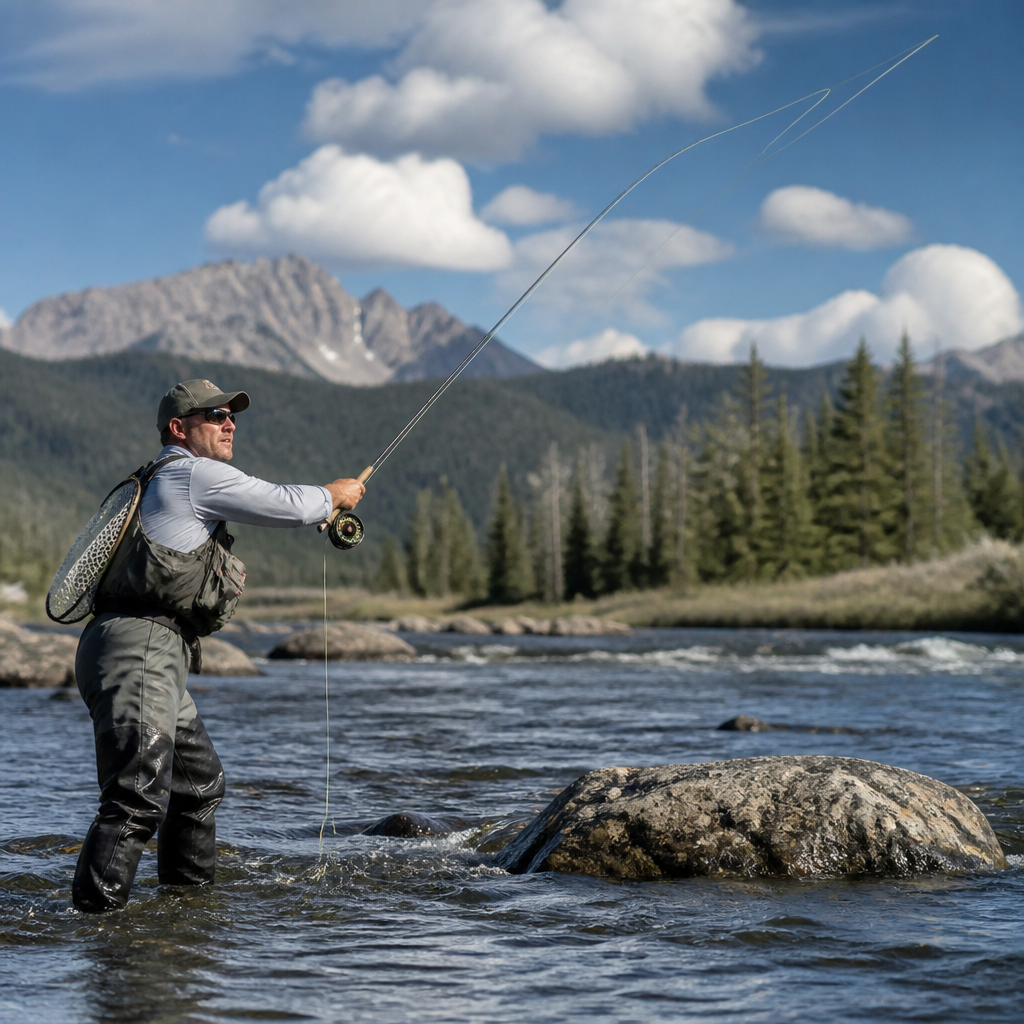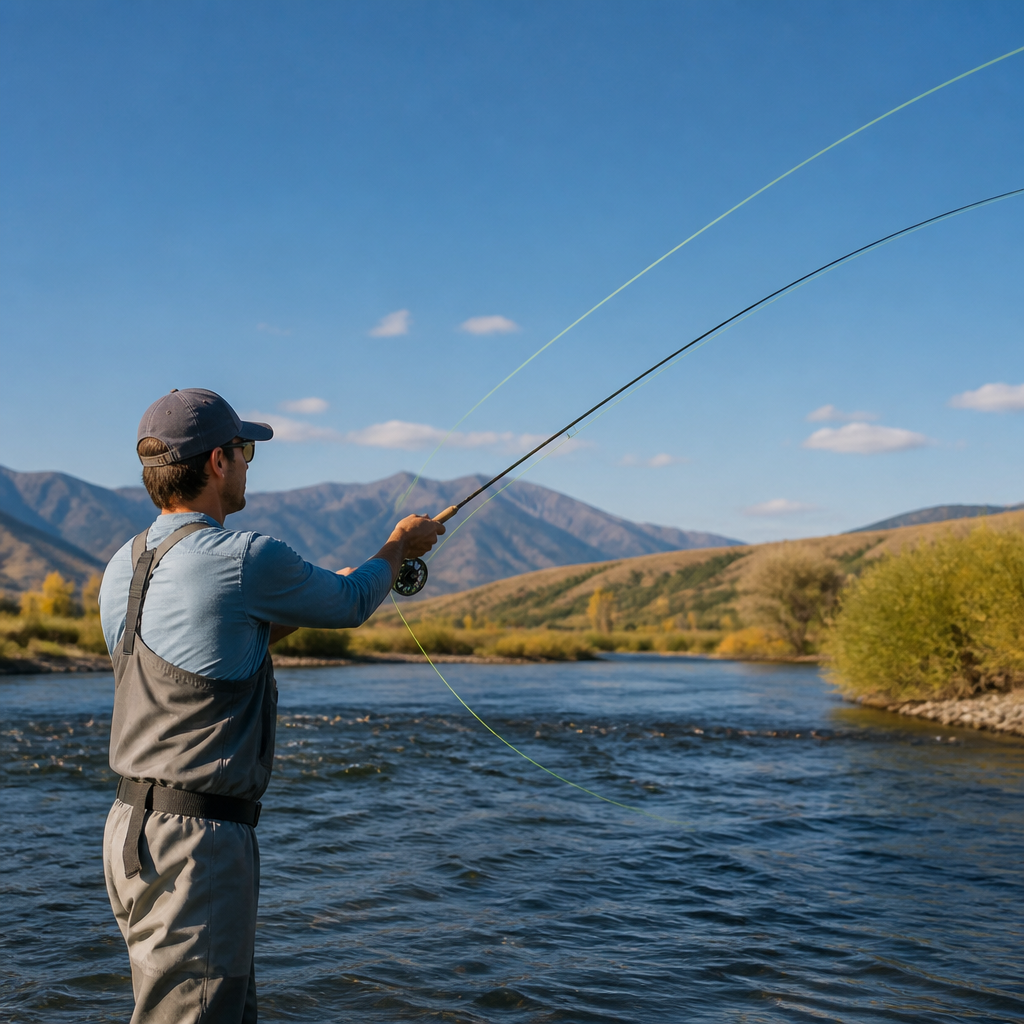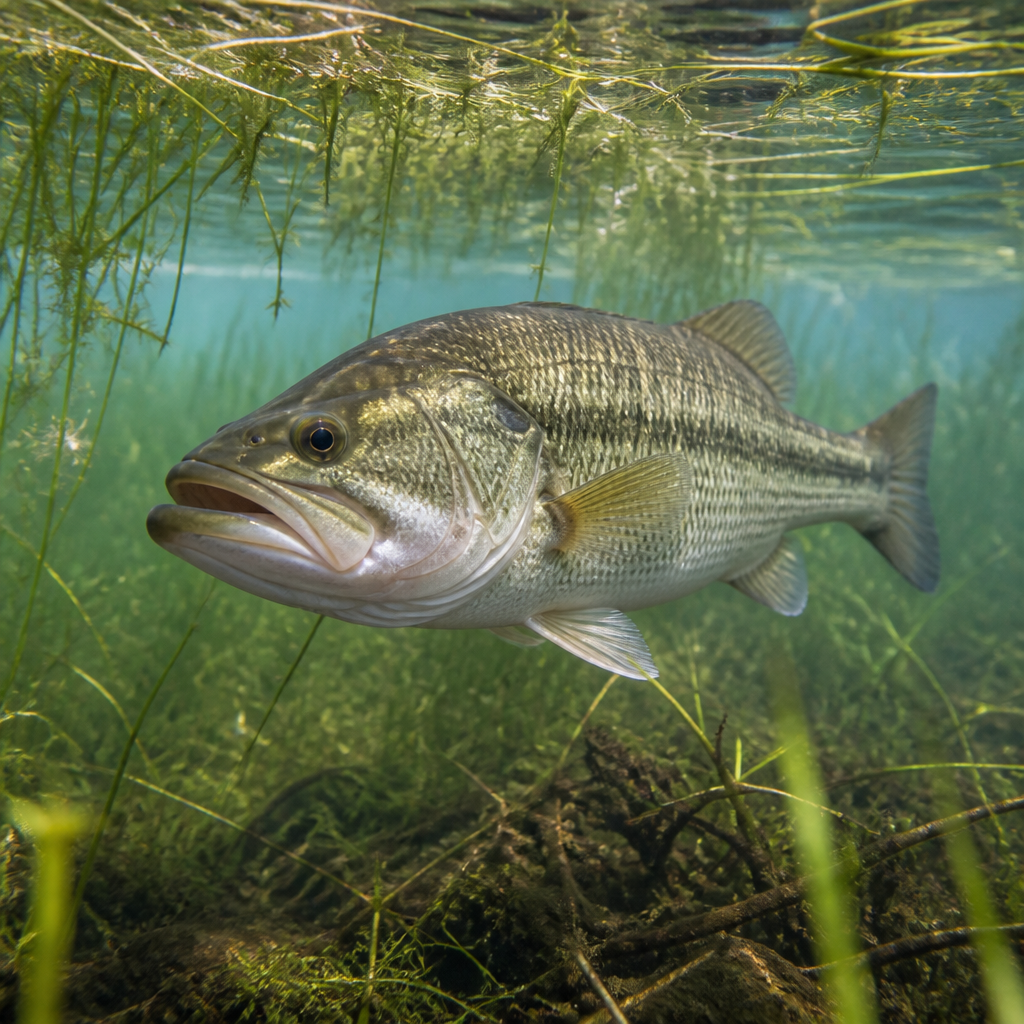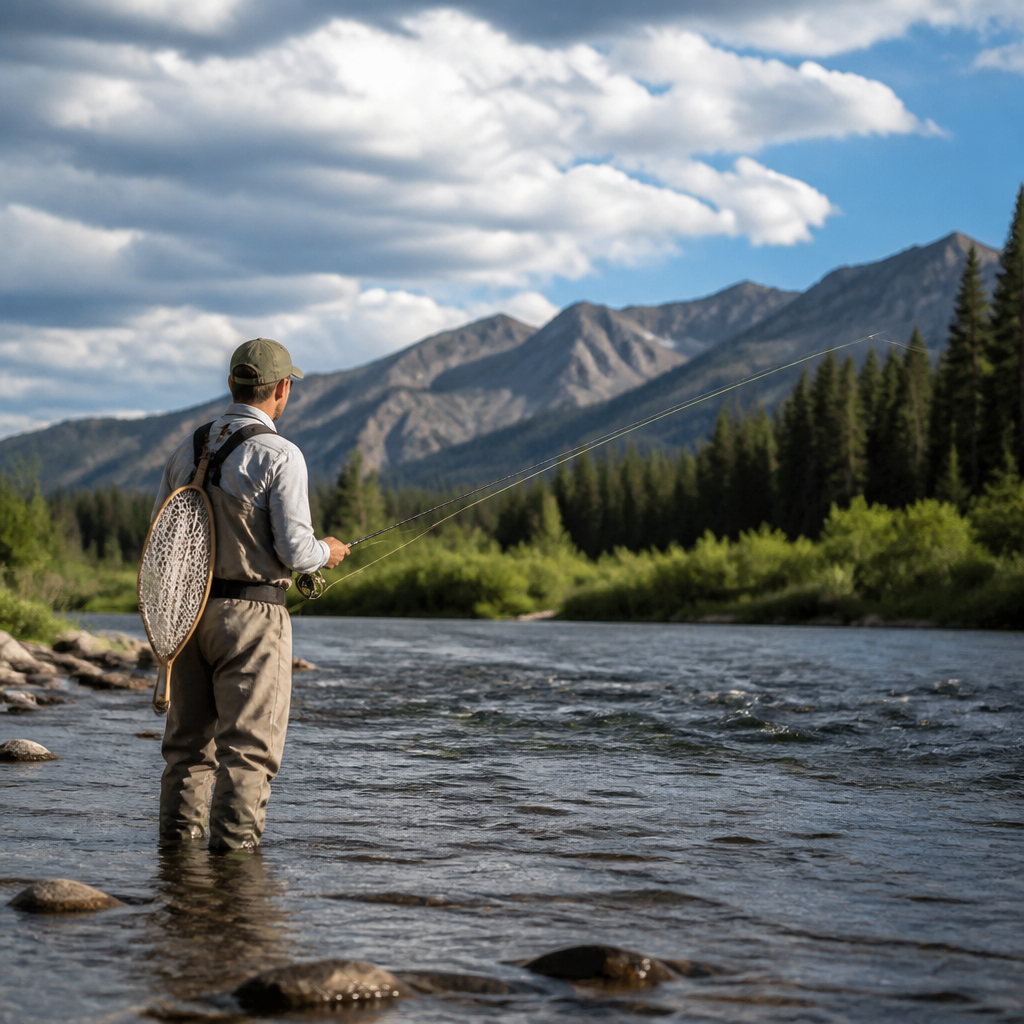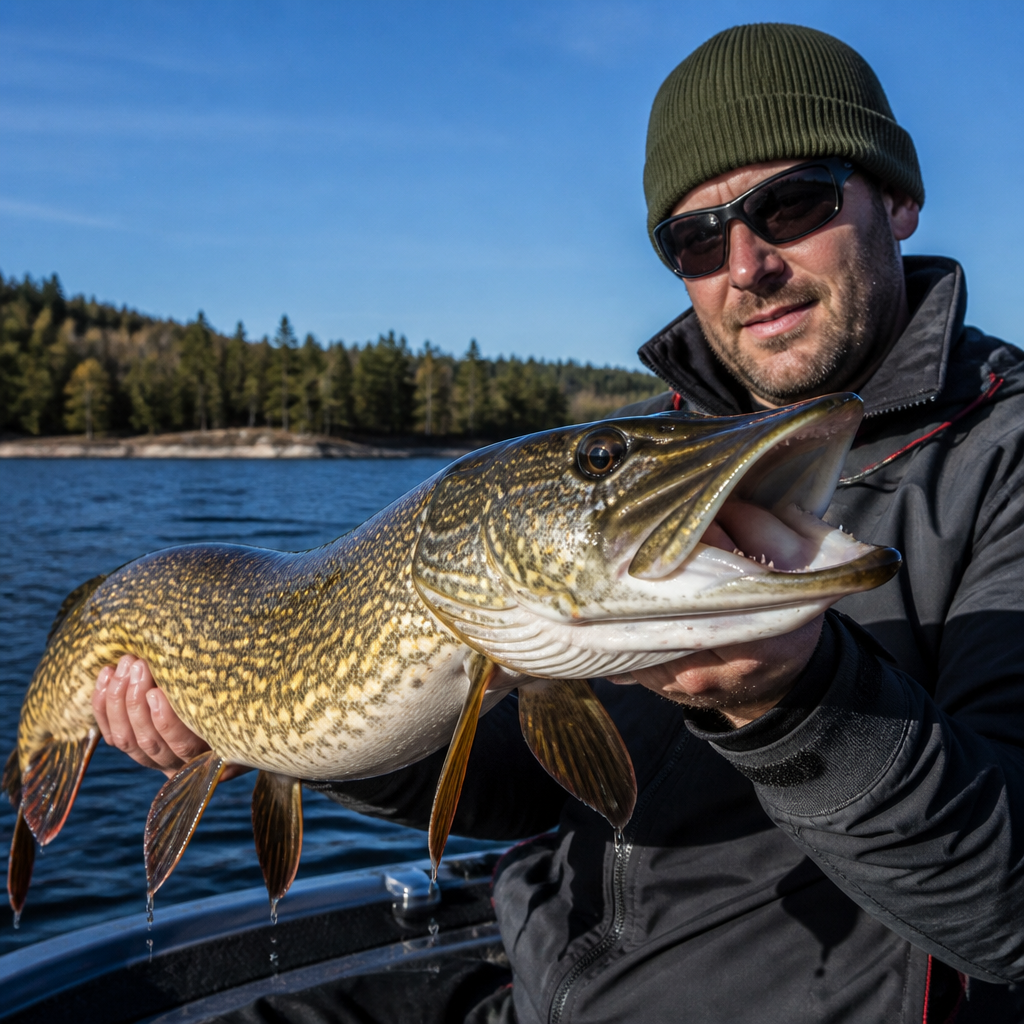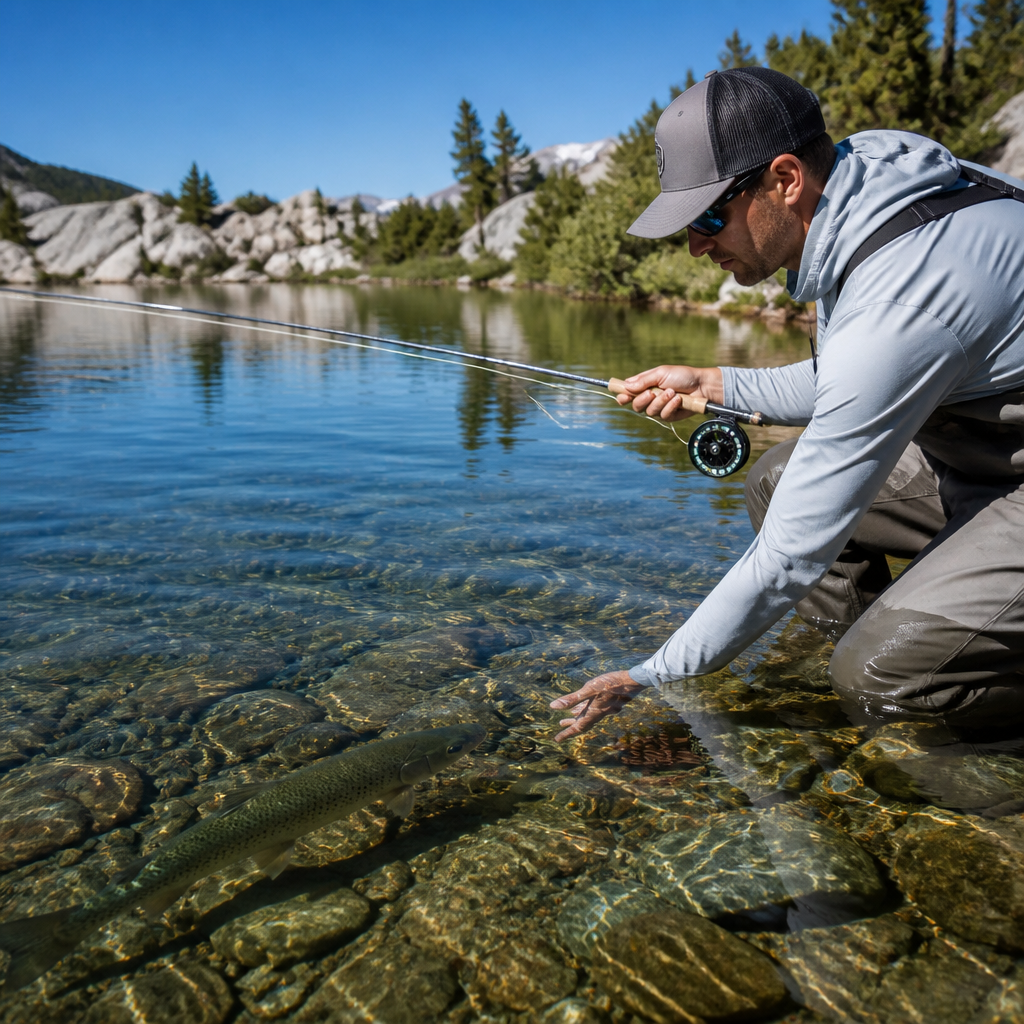
Sight fishing in clear water is one of the most visual, demanding, and rewarding forms of angling because success depends on spotting fish, reading behavior, and presenting a lure or fly before the fish detects you. In practical terms, sight fishing means targeting individual fish you can actually see rather than casting blindly to likely structure, and clear water refers to visibility good enough that fish, bottom features, and your own movements all become part of the equation. I have spent enough mornings crouched behind cattails, poling skiffs across shallow flats, and stalking trout along bright gravel seams to know that clear water punishes sloppy angles, noisy gear, and rushed casts more than almost any other setting. It matters because visibility changes everything: fish feed by sight, reject unnatural presentations quickly, and often react to line flash, boat shadow, and footfall vibration before an angler realizes the opportunity is gone. Whether you chase bass on shallow lakes, redfish on grass flats, carp in urban ponds, or trout in spring creeks, the same core problem applies: you must see first, move second, and cast last.
That challenge is exactly why sight fishing deserves a hub-level guide. Anglers searching for sight fishing strategies usually want direct answers to practical questions: what conditions help you find fish, what gear makes the biggest difference, how close is too close, which lures work when fish can inspect everything, and how do you adjust when the water is so clear the fish seem impossible to fool. The best approach combines observation, stealth, optics, controlled presentation, and species-specific reads. Good anglers in stained water can cover water fast and force reaction bites; good anglers in clear water must instead manage light, angle, cadence, and psychology. This article lays out the complete framework, from reading visibility and sun position to selecting rods, line, leaders, eyewear, and lures, so you can build a repeatable system rather than rely on luck. If sight fishing has ever felt hit-or-miss, the solution is usually not more casting. It is a better plan.
What Sight Fishing Requires in Clear Water
Sight fishing in clear water starts with understanding that fish see better than most anglers assume, and they do not simply react to bait; they interpret movement, profile, pace, and threat. In water with several feet of visibility, fish commonly notice boats, hull slap, unnatural shadows, and line arcs before they commit. Predatory species such as bass, snook, and pike often hold with a clear lane to ambush prey, while trout and bonefish key on subtle current seams or bottom color changes that concentrate food. Your first task is not to cast at every fish you see. It is to identify whether the fish is feeding, cruising, resting, spooked, territorial, or locked on a direction of travel. A tailing redfish on a marsh flat offers a very different shot than a suspended smallmouth over sand or a trout finning in a spring creek window.
The most useful rule is simple: if you can see the fish well, the fish can probably see you too. That means your profile against the sky, your clothing contrast, and your pace all matter. I have consistently done better by slowing down until it feels excessive, then slowing down again. Kneeling on a deck, using shoreline cover, and approaching from down-sun or crosswind angles often buys a crucial extra cast. In rivers, staying below the fish and using current to drift the presentation naturally usually outperforms direct upstream pressure. In lakes and ponds, wind ripple can be an advantage because it breaks surface glare and softens your silhouette, even if it makes the fish slightly harder to spot. Clear water rewards anglers who treat every approach like a stalk rather than a standard retrieve.
How to Find Fish Before You Cast
Finding visible fish is a skill built from scanning, not staring. Instead of looking for the whole fish immediately, train your eyes to detect shapes, movement, contrast, or anomalies: a white mouth opening, a tail tip, a dark bar over pale sand, a push of water, or the slight tilt of a cruising fish changing lanes. Polarized sunglasses with copper, amber, or gray lenses are essential because they cut glare and reveal depth changes and fish outlines. A cap with a dark underside further reduces reflected light. In bright overhead sun, look into the edges of structure first, because fish often hold where light transitions to shadow. In low-angle morning or evening light, position yourself so glare is minimized and the sun helps illuminate the bottom rather than your line of sight.
Clear-water fish rarely distribute evenly. They use predictable holding zones based on species and conditions. Bass often slide to isolated grass clumps, dock walkways, boulders, and transition lines where sand meets rock. Trout favor current tongues, foam lanes, cutbanks, and the soft water beside seams. Carp patrol mud-to-gravel edges, back-bay flats, and warming shallows. Redfish and bonefish track tide depth, bait movement, and bottom composition, frequently becoming easier to spot over lighter sand than over turtle grass. Electronics can help on the approach, but once you enter visual range, put more trust in your eyes than your graph. Watch for baitfish behavior, shrimp flicks, dragonflies dipping reeds, and nervous water. Those signs narrow the search and keep you from wasting casts on empty water.
Stealth, Positioning, and Casting Angles
The biggest mistake in sight fishing is casting as soon as a fish appears. Distance, angle, and trajectory determine whether the cast is fishable. The ideal presentation lands far enough ahead of the fish to avoid spooking it, but close enough that the fish notices the lure entering its feeding lane. For cruising fish, I generally lead the target by several feet, more in windy conditions and less when current is carrying the lure naturally into position. Casting directly on top of a fish is almost always wrong unless the species is aggressively territorial. Bass guarding beds may tolerate it; spooky trout and shallow flats fish usually will not. Sidearm casts, low trajectories, and line control reduce splash and keep your profile lower, especially from a boat deck.
Boat control and wading discipline are part of the same stealth system. On a flats skiff, push poles are quieter than trolling motors in skinny water, though modern brushless trolling motors with anchor modes are useful once you are outside the fish’s alarm zone. On kayaks, paddle drips and hull knocks are common giveaways, so secure loose gear and stop short of the target area. While wading, shuffle carefully, avoid sudden pressure waves, and use bottom composition to your advantage. Gravel crunch carries differently than soft silt, and fish in calm water often react to that acoustic change. In every setting, approach from an angle that keeps the fish’s primary field of view away from you. If the fish must turn to inspect the lure, you have a better chance than if it is staring straight at your rod tip.
Best Gear for Sight Fishing in Clear Water
Gear for sight fishing should improve visibility, extend casting accuracy, and reduce fish suspicion. That usually means balanced medium-light to medium-power spinning tackle for finesse work, medium to medium-heavy casting tackle for larger lures around cover, and fly gear matched to wind and fly size rather than simply fish size. Fast or extra-fast rod actions help with line control and precise placement, but they should still protect light leaders. Reels need smooth drags because clear-water fish often make longer, cleaner runs. Braided main line with a fluorocarbon leader is common for bass, walleye, and inshore species because braid casts well and transmits contact, while fluorocarbon offers low visibility and abrasion resistance. For trout and especially wary fish, straight fluorocarbon or nylon leaders often present more naturally.
Lure choice should match water clarity, forage, and fish mood. In clear water, natural colors generally outperform loud patterns unless cloud cover, chop, or heavy depth reduces visibility. Soft jerkbaits, finesse worms, marabou jigs, tube baits, paddle tails, hair jigs, small swimbaits, and suspending jerkbaits are staples because they can be shown to the fish without looking exaggerated. Fly anglers lean on shrimp patterns, small baitfish imitations, unweighted streamers, nymphs, and terrestrials depending on species. Hooks should be sharp enough to penetrate with limited force because many clear-water bites are subtle follows that become gentle takes. The table below summarizes practical gear pairings for common sight fishing situations anglers encounter most often.
| Scenario | Rod and Reel | Line and Leader | Primary Lures or Flies | Key Reason |
|---|---|---|---|---|
| Clear-water bass on flats | 7′ medium spinning, 2500 reel | 10 lb braid to 8 lb fluorocarbon | Weightless soft jerkbait, finesse worm, hair jig | Long casts and subtle action |
| Spring creek trout | 9′ 4 or 5 weight fly rod | 12 ft leader, 5X to 6X tippet | Nymphs, small streamers, terrestrials | Natural drift with minimal drag |
| Redfish on shallow flats | 7’6″ medium-light spinning, 3000 reel | 15 lb braid to 15 lb fluorocarbon | Weedless soft plastic, spoon, shrimp fly | Accurate leads and abrasion resistance |
| Carp in ponds | 7′ medium spinning, 2500 reel | 10 lb braid to 8 or 10 lb fluorocarbon | Small crayfish fly, worm imitation, bread fly | Quiet entry and controlled fight |
Presentation Tactics That Trigger More Eats
Once the fish is located and the cast lands in range, presentation becomes a test of restraint. In clear water, too much action looks wrong faster than too little. A common winning sequence is lead, settle, twitch, pause, then adjust based on the fish’s body language. If the fish tips down, flares fins, or changes speed toward the lure, keep the bait in the lane without pulling it away too quickly. If it tracks but will not commit, reduce speed, shorten movement, or let the lure die completely. Suspending jerkbaits, neutrally buoyant flies, and lightly weighted plastics excel because they remain available to the fish during these inspection windows. By contrast, heavily weighted lures often leave the zone before the fish decides.
Reading behavior is more valuable than changing lures every three casts. A fish that follows and fades usually saw something it did not like: perhaps the lure entered too hard, the leader flashed, the retrieve was too linear, or the bait moved against current unnaturally. A fish that bolts instantly was alarmed by your approach, not your bait. A fish that slides over and noses the lure may need a smaller profile or longer pause. With bedded bass, repeated short pitches can provoke territorial bites, but that tactic does not translate well to trout or flats species, where repeated pressure often educates the fish. One of the best sight fishing habits is to watch the fish after the refusal. Its exit angle, speed, and posture tell you whether another shot is worthwhile or whether you should back off and look for a higher-percentage target.
Conditions, Seasonal Patterns, and Common Mistakes
Clear water does not mean identical behavior year-round. Seasonal patterning affects both visibility and fish posture. In spring, warming shallows draw bass, carp, and redfish into easier visual range, while trout become more active around consistent hatches and stable flows. Summer often creates early and late sight windows, with midday glare offset by stronger light penetration that can help locate fish over deeper flats. In fall, baitfish concentration can make clear-water predators roam more, creating fast but brief opportunities. Winter is often the toughest because fish may remain visible but less willing to move far for a presentation. Weather matters just as much. High bluebird skies improve spotting but can make fish more cautious. Light chop, broken clouds, and slight stain sometimes produce the best balance between visibility and fish confidence.
Most failures in sight fishing trace back to a short list of mistakes. Anglers move too quickly, stand too tall, cast too soon, use leaders that are too short, and choose lures with more flash and vibration than the conditions justify. They also fixate on the fish instead of the lane the fish is about to enter. Another common error is poor fish-care planning. In clear shallow water, long fights and careless handling stress fish, especially trout in warm conditions. Use landing nets with rubberized mesh, keep fish wet, and avoid targeting temperature-stressed populations when local agencies advise against it. Regulations also change by species and region, particularly for spawning fish on beds or flats species in protected zones. The most effective sight angler is not the one who throws the fanciest lure. It is the one who combines observation, discipline, and ethical decision-making on every approach.
Sight fishing in clear water rewards precision more than power, and that is exactly what makes it such a valuable skill across freshwater and saltwater alike. The essential system is straightforward: improve your ability to see, approach with stealth, identify fish behavior before casting, match gear to visibility and target species, and present the lure in the fish’s path with natural pace and minimal intrusion. When anglers struggle, the fix is rarely a secret bait. It is usually better angles, longer leads, quieter movement, finer leader choices, and more patience during the pause. These fundamentals carry across bass lakes, spring creeks, tidal flats, ponds, and rivers, which is why sight fishing sits at the center of so many advanced technique discussions.
As the hub for sight fishing within techniques and strategies, this guide should give you the framework to evaluate any related tactic, from sight fishing for bass with weightless plastics to stalking redfish with weedless shrimp patterns or targeting trout with long leaders and drag-free drifts. Build your own process on the water: note light direction, bottom color, wind ripple, fish posture, lure response, and refusal patterns. Over time, your decisions will become faster and more accurate because you will be reacting to evidence instead of guessing. Start on a calm, clear day with quality polarized glasses, a subtle presentation, and a commitment to slow down. See the fish first, then make the fish eat.
Frequently Asked Questions
What makes sight fishing in clear water different from other styles of fishing?
Sight fishing in clear water is fundamentally different because you are targeting fish you can actually see, not simply casting to promising water and hoping a fish is there. That changes everything. Instead of relying mostly on location, depth, and pattern history, you are making real-time decisions based on what the fish is doing right now. You are watching its body angle, speed, posture, direction of travel, and reaction to your presence. In clear water, fish can often see just as well as you can, which means your movement, your clothing, your shadow, the angle of your cast, and even how your lure lands become major factors in whether the fish eats or spooks.
It is also a much more technical and visual form of angling. You have to process a lot of information quickly: light conditions, bottom composition, current seams, glare, wind ripple, and how fish are positioned relative to structure or cover. A fish holding over sand may be easy to spot but extremely wary, while a fish tucked along grass, rock, or a dark edge may be harder to detect but more willing to feed if you place a lure naturally. In other words, sight fishing is not just about seeing fish; it is about interpreting what you see and then making a precise presentation that looks believable.
The reward is that every strike becomes highly intentional. You often know which fish you are casting to, how it reacted to the first presentation, and whether you need to lead it more, change retrieve speed, or switch profile. That level of feedback can make you a much better angler overall. It sharpens your casting accuracy, teaches fish behavior, and forces you to become more disciplined about stealth and lure control. When done well, sight fishing in clear water is one of the most interactive and challenging ways to fish because the fish is part of the decision-making process from the very first cast.
How do you approach fish in clear water without spooking them?
Stealth is the foundation of successful sight fishing in clear water. Fish in clear conditions usually have more time to inspect their surroundings, and that includes you. The best approach starts long before you make a cast. Move slowly, keep a low profile, and avoid sudden changes in direction or posture. If you are wading, shuffle or step softly and minimize surface disturbance. If you are in a boat, control hull slap, avoid dropping gear, and use your trolling motor carefully. Noise and vibration often travel farther than anglers realize, especially in shallow, calm water.
Positioning is equally important. Try to approach from an angle that keeps you out of the fish’s primary field of view. Whenever possible, use the sun, bank cover, grass lines, or surface chop to your advantage. A fish facing into current or wind will often be more vulnerable to a presentation from behind or from the side, provided your shadow does not cross over it. Long before the cast, pay attention to how your shadow falls and whether your rod tip, body movement, or boat outline stands out against the sky. In very clear water, silhouette can be just as alarming to fish as an overly close approach.
Your casting distance should be deliberate, not automatic. Many anglers get too close because they want a perfect view, but clear-water fish often reward distance and subtlety. It is usually better to spot a fish early, stop, plan the cast, and present from farther away than to keep closing the gap until the fish bolts. Make your first cast count. Leading the fish by the right amount, landing softly, and avoiding the fish’s head are more important than dropping the bait directly on top of it. If the fish is cruising, cast ahead of its path. If it is holding, present beyond it and bring the lure naturally into the strike zone. The less the fish associates the lure with your presence, the better your odds.
What kind of gear works best for sight fishing in clear water?
The best gear for sight fishing in clear water is gear that helps you stay subtle, accurate, and in control. Polarized sunglasses are at the top of the list because they are not optional in this style of fishing; they are essential. Good lenses cut glare, improve contrast, and help you distinguish fish from rocks, grass, shadows, and bottom changes. Lens color matters too. Copper, amber, and bronze tones are often strong choices for contrast in many clear-water situations, while gray can be useful in bright open conditions. Just as important is having a hat with a dark underbill to reduce reflected light and improve visibility.
Rod, reel, and line choices should support delicate presentations and precise lure control. In many situations, medium-light to medium spinning tackle excels because it casts small lures well and allows long, accurate presentations with light line. In other settings, especially when making repeated casts at cruising fish or working larger soft plastics and hard baits, a well-balanced baitcasting setup may offer more control. Fast or extra-fast actions can help with quick, accurate casts, while line choice often comes down to invisibility and application. Fluorocarbon is popular in clear water because of its low visibility and sensitivity. Braided main line with a long fluorocarbon leader can also work very well when you need casting distance and feel, but leader length and knot quality become more important when fish are especially line-shy.
Lure selection should lean toward natural profiles, realistic colors, and presentations that match the forage and the fish’s mood. In clear water, fish get a longer look, so oversized hardware, gaudy color patterns, or unnaturally fast retrieves can reduce success unless conditions specifically call for them. Soft jerkbaits, finesse worms, small swimbaits, hair jigs, subtle topwaters, and lightly weighted flies are common sight-fishing tools because they can be placed accurately and worked at a controlled pace. Terminal tackle matters as well. Lighter jigheads, fine-wire hooks, and quiet entries can make a big difference. Ultimately, the best gear is not just “sensitive” or “high end”; it is the equipment that helps you detect fish sooner, cast with precision, and present naturally without telegraphing danger.
How do you choose the right presentation once you spot a fish?
Once you spot a fish, the first step is not casting; it is reading behavior. A relaxed fish behaves very differently from a nervous or locked-down fish, and your presentation should match that mood. Look at whether the fish is actively cruising, hovering in place, nosing the bottom, tracking bait, or simply holding with little movement. A fish that is casually moving and changing direction can often be intercepted with a lure presented ahead of its line of travel. A fish that is stationary may require a slower, more patient approach that enters the strike zone without splashing or crossing directly over its head.
In general, your goal is to make the bait appear as though it naturally belongs in the fish’s environment. That usually means leading the fish rather than landing on top of it. If the lure splashes too close, the fish may spook before it even sees the offering properly. If you cast too far away and never enter its awareness zone, the fish may ignore it completely. The right lead distance depends on water depth, fish speed, lure sink rate, and clarity, but the principle remains the same: let the fish discover the bait naturally. Once the lure is in position, use the minimum amount of action needed to trigger interest. In clear water, less is often more.
Watch the fish, not just the lure. Small changes in body language tell you a lot. If the fish angles toward the bait, flares slightly, speeds up, or follows with intent, you are close to the right presentation. If it drifts away, stiffens, or stops feeding, you may need a softer landing, a more natural color, a slower retrieve, or a different angle. Sometimes a fish will inspect but refuse; that often means the lure profile, cadence, or line visibility is wrong, not that the fish is uncatchable. One of the great advantages of sight fishing is the immediate feedback loop. Use it. Adjust one variable at a time and make each follow-up cast more refined than the last.
What are the biggest mistakes anglers make when sight fishing in clear water?
The biggest mistake is usually abandoning stealth. Anglers get excited when they spot a fish and rush the moment. They stand taller, move faster, cast too quickly, or close the distance too much. In clear water, that impatience is often punished immediately. Fish may spook from a shadow, a rod flash, a heavy footstep, or a lure that lands too hard. The more visual the fishing becomes, the more disciplined the angler needs to be. Calm, deliberate movement consistently catches more fish than aggressive pursuit.
Another common mistake is making poor presentations because the angler focuses only on seeing the fish, not on how the fish will see the lure. Casting directly onto the fish’s head, retrieving too fast, using unnatural colors in high-visibility conditions, or repeatedly lining the fish with the leader and main line can all kill the opportunity. Clear-water fish often require a believable entry angle and controlled pace. Too many anglers assume that if a fish can see the lure, it should eat. In reality, the fish is evaluating the entire scene, including the lure’s speed,