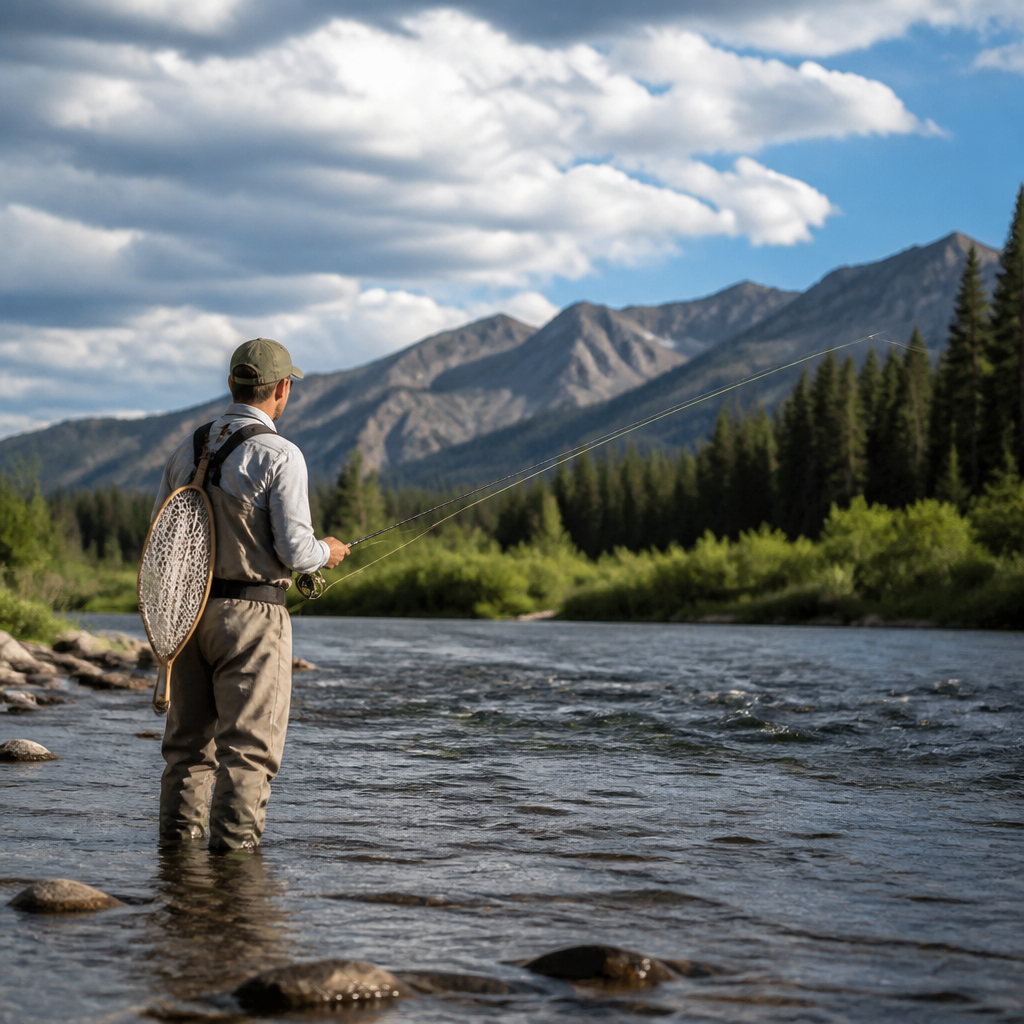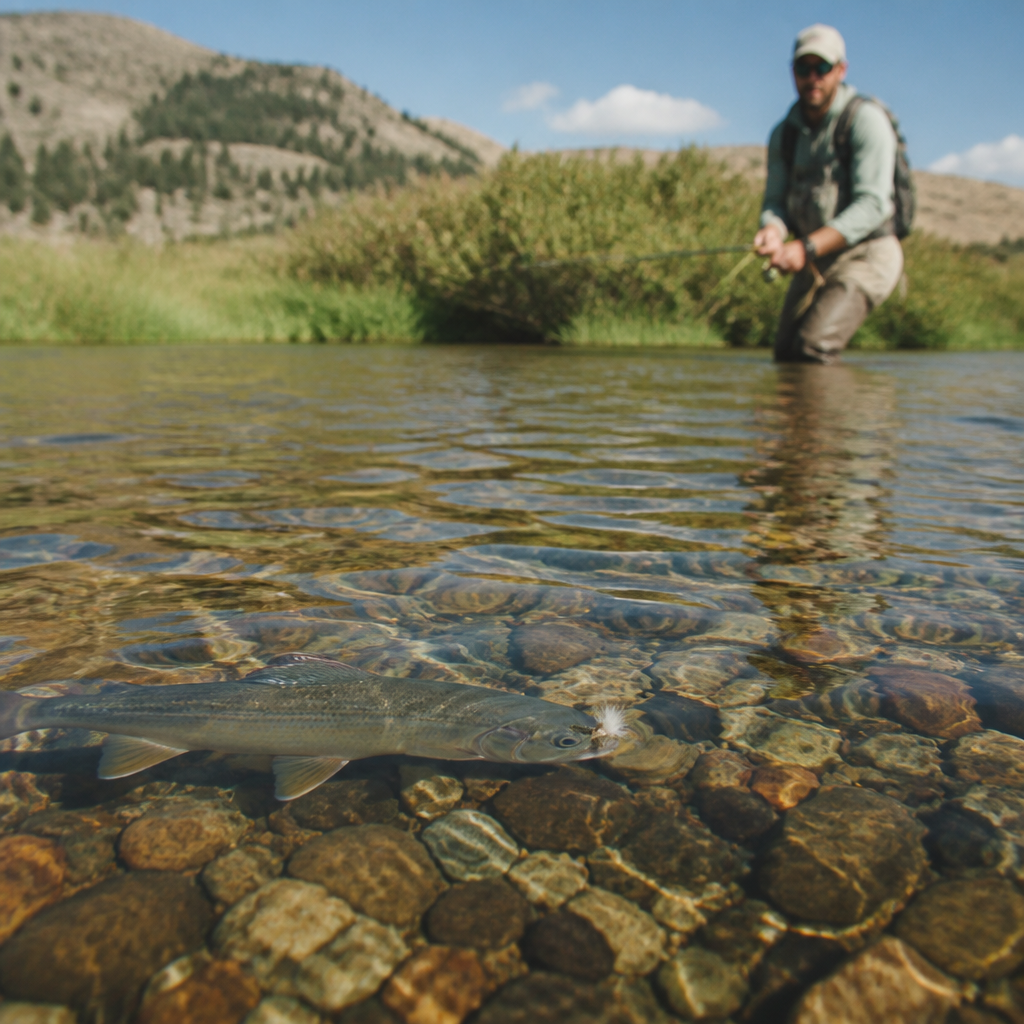
Sight fishing with dry flies is one of the most visual, demanding, and rewarding ways to catch trout because it asks an angler to find the fish first, understand its behavior second, and make a precise surface presentation third. In practical terms, sight fishing means locating individual fish before casting rather than blind casting likely water, while dry fly fishing means presenting a floating artificial fly that imitates insects riding on or emerging through the surface film. When those two methods meet, every detail matters: sun angle, current seams, leader length, fly profile, drift speed, and the exact lane a trout is feeding in. I have spent enough days on spring creeks, tailwaters, and low clear freestones to know that success rarely comes from luck. It comes from seeing more than the fish sees.
This technique matters because clear-water trout become increasingly selective under angling pressure, especially on rivers where fish inspect dozens of drifting insects each hour. A dry fly offers the cleanest window into trout behavior: you can watch refusals, lateral moves, confidence takes, and subtle hesitation in real time. That direct feedback teaches more than any indicator rig ever will. Sight fishing with dry flies also rewards observation over distance. Anglers who learn to read lies, identify feeding rhythms, and match drift angles often outfish stronger casters who simply throw farther. For a techniques and strategies hub, this topic sits at the center of modern trout fishing because it connects entomology, presentation, stealth, fish holding structure, and on-stream decision making into one visible process.
At its core, the method answers three questions. First, where is the trout, and is it actually feeding on the surface? Second, what insect stage is it eating, and how precisely must the fly match size, silhouette, and posture? Third, what cast and drift path will let the fish see the imitation naturally before it detects the leader? If you can answer those questions consistently, your odds improve dramatically. If you cannot, even perfect loops and expensive flies will not save the day. The rest of this guide breaks the process into practical parts so you can locate fish, interpret behavior, choose the right dry flies, and make high-percentage presentations under real river conditions.
How to Spot Trout Before You Cast
The first skill in sight fishing is not casting. It is visual discipline. Most anglers scan water too quickly, looking for a whole fish when they should be looking for a clue: a white mouth opening, the wink of a flank, a shadow that holds steady against the current, or a rhythmic dimple in one lane. On bright days I start with polarized sunglasses in copper or amber lenses because they improve contrast on mixed bottoms and help separate depth from glare. Gray lenses can be useful under intense sun, but they often reduce the contrast that reveals fish in broken substrates. I also change my viewing angle constantly. A fish invisible from directly downstream may stand out from ten feet to either side, especially when glare bands shift with the current.
Good sight fishing water is any water where current is predictable enough that a trout can feed efficiently and visible enough that you can read the lane. Spring creeks and tailwaters are classic examples because they combine clarity with stable insect activity, but freestone rivers can be excellent when flows drop and fish slide into softer feeding shelves. Look first at bubble lines, foam seams, inside edges of riffles, the slick tail of a pool, undercut banks with narrow surface lanes, and current cushions beside rocks. Trout holding for dry flies usually want an energy-efficient lie with a conveyor belt of food. If the fish rises twice in the same spot, mark a target upstream of the rise form instead of casting at the ring itself. Rings drift and widen; the trout’s feeding window stays surprisingly compact.
Distance control begins before the cast. I prefer to stop well outside the trout’s window, kneel if bankside cover is sparse, and watch for at least several feeding cycles. Count the seconds between rises. Note whether the fish shifts laterally. Is it taking duns, emergers, or spent insects? Fish that sip gently in a flat may be eating tiny olives or midges, while splashier rises near faster water often indicate caddis adults. I have watched many anglers rush a fish they located after a single rise, only to line it with their first cast because they never determined the fish’s exact lane. Patience here saves opportunities later. Spot the fish, confirm the rhythm, map the currents between you and the trout, and only then build the cast.
Reading Rise Forms and Feeding Behavior
A rise form is a direct clue to what a trout is eating and how your dry fly should behave. A classic head-and-tail rise often suggests the fish is taking fully emerged mayflies in calmer water, where it has time to inspect the insect and roll just beneath the surface. A simple nose poke or subtle dimple can indicate tiny midges, spent insects, or emergers trapped in the film. An aggressive slash usually points toward caddis skittering or drifting low over broken current. None of these interpretations are absolute, but they are reliable enough to shape your first decision. If your pattern and presentation do not match the rise form, you are asking the fish to switch foods, and pressured trout rarely do that willingly.
Feeding rhythm matters just as much as rise type. Trout feeding steadily in one lane are ideal sight-fishing targets because you can predict where and when they will inspect the fly. Fish that rise once every few minutes may still be catchable, but they require more observation and often indicate sparse insect availability. Direction also matters. In shallow flats, trout may patrol short circuits rather than hold in one exact lie. Watch for the downstream limit of the patrol and place the fly where the fish regains its feeding lane. On technical spring creeks, the difference between a refusal and a confident take is often six inches of lateral placement or half a second of drag. When I coach anglers on this style, the breakthrough usually comes when they stop focusing on the fly alone and start tracking the trout’s route, pace, and window of attention.
Surface feeding does not always mean the fish wants a high-floating fly. During a hatch of blue-winged olives or pale morning duns, many trout key on cripples and emergers that sit low in the film. You may see repeated rises, perfect drifts, and no takes if your fly rides too high and proud. Conversely, during caddis activity a fish may react better to a buoyant elk hair caddis twitched at the end of the drift than to a delicate mayfly imitation. The point is simple: the rise tells you both what the fish is eating and how it expects that food to move. Read that signal correctly, and fly choice becomes much easier.
Choosing Dry Flies, Leaders, and Tippet
Successful sight fishing with dry flies starts with matching three variables: size, silhouette, and posture. Exact color usually ranks behind those factors, though in flat water body tone can matter. I carry a narrow but purposeful selection: parachute Adams for general mayfly coverage, CDC comparaduns for low-riding mayflies, elk hair caddis for adults in rougher water, Griffith’s Gnat for midge clusters, spinner patterns for evening falls, and a few cripple or emerger styles for selective fish. On heavily pressured trout, downsizing one hook size is often more effective than changing to a dramatically different pattern. If fish are refusing a size 16 dun, a size 18 with the same outline can solve the problem immediately.
Leader design determines whether the fly lands softly and drifts naturally. For most technical dry fly work, a leader of 10 to 14 feet tapered to 5X or 6X is a strong starting point, with 7X reserved for tiny flies and exceptionally calm water. The longer the leader, the easier it is to keep fly line away from the fish, but very long leaders expose casting flaws and become harder to control in wind. Nylon usually floats better and offers more forgiveness on surface takes than fluorocarbon, which is why many anglers still favor nylon tippet for dry flies. The tradeoff is abrasion resistance. If bankside weeds, cut banks, or sharp rocks are present, check your terminal section constantly.
| Condition | Recommended Dry Fly | Leader Length | Tippet Range |
|---|---|---|---|
| Spring creek mayfly hatch | CDC comparadun or cripple | 12 to 14 feet | 6X to 7X |
| Freestone caddis water | Elk hair caddis | 9 to 12 feet | 4X to 5X |
| Midge flat in calm tailwater | Griffith’s Gnat or midge emerger | 12 to 15 feet | 6X to 7X |
| Evening spinner fall | Rusty spinner or spent mayfly | 12 to 14 feet | 5X to 6X |
Floatant and maintenance are part of fly selection whether anglers acknowledge it or not. A pattern that is supposed to sit in the film should not be overloaded with paste floatant, while a bushy attractor in pocket water benefits from aggressive treatment. Desiccant powder can revive CDC and snowshoe patterns after a fish or two, but it works best when the fly is first dried with an absorbent patch. I also trim or replace flies quickly once hackle is bent or wings collapse unnaturally. In sight fishing, tiny imperfections show up fast because the trout is giving you immediate feedback. If the fish inspected the fly and refused twice on good drifts, adjust the pattern, tippet diameter, or both.
Presentation, Drag Control, and Hooking Fish
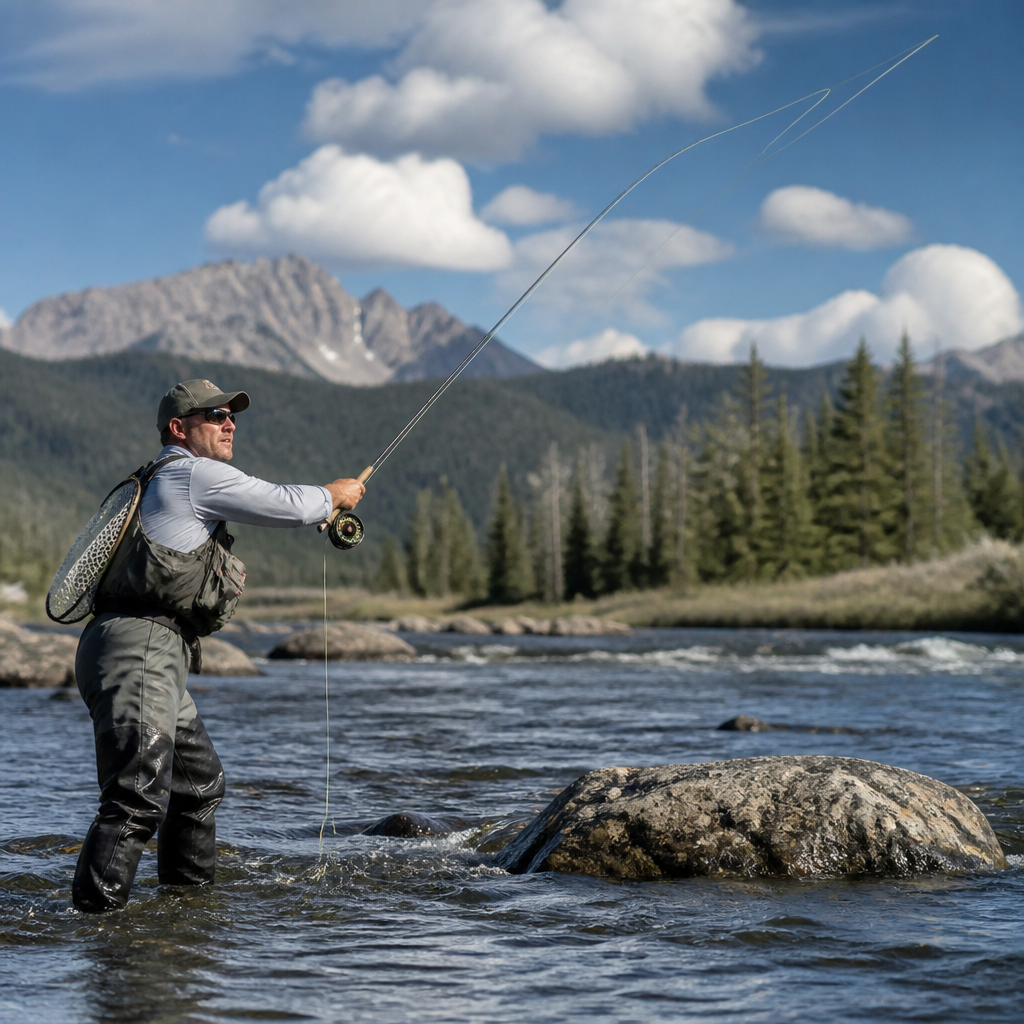
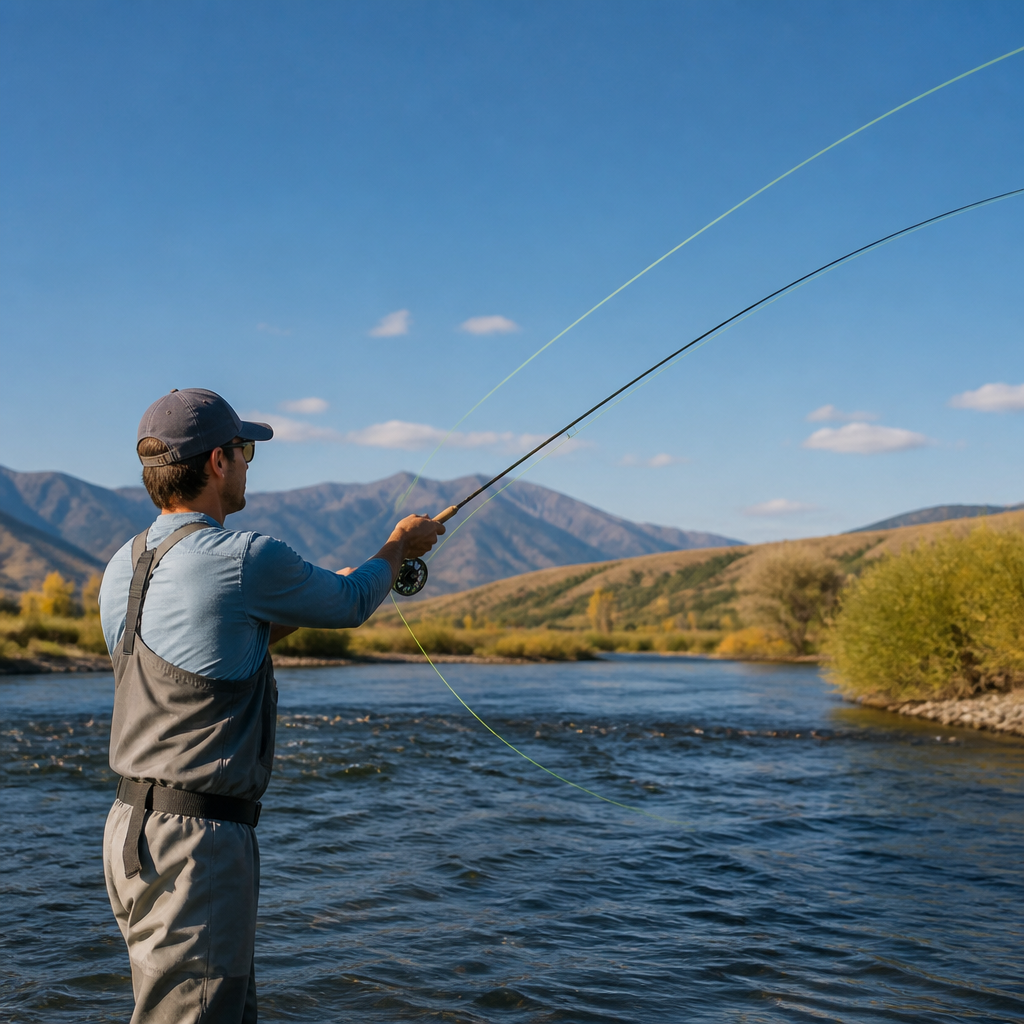
The best cast in sight fishing is the shortest cast that gives a clean, drag-free drift. Long hero casts create more conflicting currents, more slack-management problems, and more chances to line the fish. Position yourself for a favorable angle before worrying about distance. Upstream presentations are standard because they keep line and leader behind the fly from the trout’s perspective, but quartering upstream is often better when complex currents require a reach cast or aerial mend. Straight upstream casts can leave too much line on conflicting seams. Across-and-down presentations can work to bank feeders or fish tucked under overhanging grass, but only if the trout sees the fly before it sees the leader.
Drag is the central enemy. Even slight micro-drag can ruin an otherwise perfect drift in flat water. Use stack mends, parachute slack, or a controlled reach cast to build enough slack into the leader that the fly travels at the speed of the natural insects around it. The amount of slack should match the current complexity. In riffled seams, a little is enough. In polished glides with crosscurrents, you may need substantial aerial adjustment plus immediate rod tracking downstream as the fly drifts. Watch the natural insects if they are visible. If your fly crosses current tongues faster or slower than naturals, the fish will notice.
Hooking surface-feeding trout requires restraint. Many misses happen because anglers strike at the rise rather than waiting to feel or see the fish close on the fly. With small dries on fine tippet, a short lift is enough; a hard trout-set often breaks fish off or snaps the fly free. Once hooked, keep the rod angle sideward when possible to steer the fish away from weed beds and fast seams. On spring creeks, I often move my feet more than my rod, following the fish to maintain a favorable angle and protect 6X or 7X. Landing quickly is not only practical but ethical. Fine tippet does not require playing fish to exhaustion if your drag is smooth and your pressure is consistent.
Stealth, Positioning, and Common Mistakes
Stealth begins far earlier than most anglers think. Wading wakes, boot vibrations on shallow gravel, abrupt skyline movements, and false casts over the fish all cost chances before the fly ever lands. On clear technical water, I approach as though every trout has a 180-degree cone of suspicion extending upstream. Stay low, use bank vegetation as cover, and avoid entering the water if a bank approach works. In slow water, your shadow can be as alarming as your silhouette. Early and late in the day, reposition to keep that shadow off the feeding lane. Clothing color matters less than movement, but muted tones reduce unnecessary contrast.
The most common mistakes are predictable. Anglers cast too soon after spotting the fish, cast too far, use leaders that are too short, and change flies before fixing drag. They also focus on the rise ring rather than the feeding position, which leads to late drifts or passes that never enter the trout’s actual window. Another frequent error is ignoring non-feeding fish. A trout suspended just below the film in a soft seam may start rising when the hatch intensifies, so marking its location and waiting can pay off. I have caught some of my best sight-fish by observing them for ten minutes before making a single cast.
Finally, know when to stop. Some trout are effectively uncatchable in the moment because currents are impossible, overhanging obstacles block every angle, or the fish has already been educated. Working one fish too long can sour the entire run. Better to leave it, rest the water, and return later under a different light angle or hatch stage. Sight fishing with dry flies rewards discipline more than stubbornness. The anglers who consistently succeed are not the ones who force every shot; they are the ones who recognize the highest-percentage opportunities and execute them cleanly.
Sight fishing with dry flies compresses trout fishing into its purest form: find a fish, read its behavior, present a convincing imitation, and watch the result. That clarity is what makes the method so powerful as a learning tool and so addictive as a challenge. The biggest gains come from slowing down. Spot fish before casting, decode rise forms, choose flies based on size and posture, and solve drift problems before blaming the pattern. Those habits turn random chances into repeatable success.
For anglers building a complete sight fishing strategy, this hub should serve as the foundation. Every related skill—matching hatches, reading seams, leader construction, dry fly presentation, and stealthy approach—connects back to what the trout is showing you in real time. If you practice careful observation and commit to deliberate presentations, you will hook more fish and understand far more about why they ate. Take these principles to your next clear river, pick one visible trout, and fish it with purpose.
Frequently Asked Questions
What makes sight fishing with dry flies different from regular dry fly fishing?
Sight fishing with dry flies adds a major layer of intention and precision to standard dry fly fishing. Instead of casting to likely-looking water and hoping a trout is in position, you first locate an individual fish, then study what it is doing, and only after that make a presentation. That sequence changes everything. You are no longer simply covering water; you are solving a visible puzzle in real time. You can see the trout’s lie, notice its feeding rhythm, judge its lane, and often learn whether it is actively eating on top, just below the film, or ignoring food altogether. That information allows you to make much smarter decisions about fly choice, casting angle, leader setup, and drift speed.
It is also more demanding because the margin for error is much smaller. A fish you have not seen may forgive a draggy drift or a slightly heavy cast, but a trout you are watching in clear water can spook from a poor approach, a shadow, line flash, or a fly landing a few inches off target. In that sense, sight fishing with dry flies is part observation, part stalking, and part technical presentation. The payoff is that when a fish you have personally identified rises to your fly, the experience is far more visual and immediate. You are not reacting to a random take; you are watching a deliberate interaction unfold from start to finish, which is why many anglers consider it one of the most rewarding forms of trout fishing.
How do I spot trout before I cast when sight fishing with dry flies?
Spotting trout consistently starts with slowing down. Most anglers move too quickly and look at the water as a whole instead of breaking it into manageable pieces. Begin by positioning yourself where glare is minimized, ideally with the sun at a favorable angle, and wear quality polarized glasses so you can cut through surface reflection. Then scan the water in layers. First look for obvious rises, white mouths, or subtle dimples on the surface. If you do not see that, search for shapes that do not match the riverbed: a soft torpedo form, a dark shadow holding behind a rock, a pale flash as a fish tips upward, or even a slight side-to-side movement that gives away a trout maintaining position in current.
Good sight anglers also learn to focus on likely lies rather than staring everywhere at once. Seams, soft edges beside faster current, bubble lines, tailouts, undercut banks, foam pockets, and shallow flats with steady current are all productive areas. In clear water, trout often reveal themselves through behavior more than color. Watch for a fish shifting a few inches left or right to intercept food, opening and closing its mouth rhythmically, or rising at regular intervals in one feeding lane. If the fish are selective, patience matters. Stand still long enough and the water begins to give up details that are invisible at first glance. A trout that seemed impossible to detect can suddenly become obvious once your eyes adjust to contrast, depth, and motion. In many situations, success comes less from sharp eyesight alone and more from disciplined observation.
What is the best way to approach a visible trout without spooking it?
The best approach is cautious, quiet, and deliberate. Trout are highly sensitive to vibration, abrupt movement, unnatural shadows, and changes in the water around them. Before you ever step into position, pause and evaluate the fish’s location, the speed of the current, your casting lane, and the safest angle of approach. In most cases, approaching from downstream and staying low gives you the best chance because trout generally face into the current and are less likely to notice you coming from behind. That said, every situation is different, and sometimes side angles are better if they allow for a cleaner drift and keep your line off the fish.
Move slowly, avoid sudden arm motions, and place your feet carefully to reduce noise and pressure waves. Use streamside cover when possible, kneel if necessary, and be mindful of your shadow crossing the water. Once in position, resist the urge to cast immediately. Watch the trout long enough to understand its feeding rhythm. Is it rising every few seconds, every thirty seconds, or irregularly? Is it locked into one narrow lane, or sliding side to side? Those details help you time the presentation and reduce wasted casts. Often the first good cast is your best chance, so it is worth taking extra time to get aligned properly. A quiet approach paired with a single accurate drift is usually far more effective than rushing into range and making repeated corrections over the fish.
How important are fly selection and presentation when sight fishing to rising trout?
They are both critical, but presentation usually comes first. When you can see a trout feeding, the most important question is whether your fly reaches it naturally in the correct lane and at the correct speed. A perfect imitation that drags, lands too hard, or passes two inches outside the fish’s window often gets ignored. By contrast, a reasonably close pattern drifted naturally can be accepted quickly. That is why experienced anglers focus heavily on matching not just the insect, but the feeding situation. They study whether the trout is eating fully emerged adults, cripples, emergers trapped in the film, or tiny insects that require a more delicate pattern and tippet setup.
Fly selection still matters, especially on clear, pressured water where trout inspect surface food carefully. Size is usually the first priority, then silhouette, then color. If a fish is rising steadily but refusing your fly, make small, logical changes rather than random ones. Downsize, switch to a lower-riding pattern, try a spent or cripple style, or move from a high-floating attractor to a more subtle imitation. At the same time, evaluate your drift honestly. Micro-drag, leader splash, or the tippet pulling the fly unnaturally can all cause refusals even when the pattern looks right. Good sight fishing with dry flies is often about combining a believable imitation with a drift so natural that the trout never senses danger. When both elements come together, even selective fish can become surprisingly willing.
What are the most common mistakes anglers make when sight fishing with dry flies, and how can they fix them?
The most common mistake is casting too soon. Anglers spot a fish, get excited, and throw at it before understanding its behavior, current lane, or feeding rhythm. That rushed decision often leads to a poor angle, a drag-prone drift, or a cast that lands too close and spooks the trout. The fix is simple in theory but difficult in practice: slow down. Spend more time watching and less time casting. Learn where the fish is actually feeding, not just where it is sitting, and plan the drift before the line leaves your rod tip.
Another major mistake is poor approach. Wading unnecessarily, standing upright against the skyline, moving too fast, or letting a shadow fall across the run can end the opportunity before the cast. Approach with stealth, use the bank when possible, and only enter the water if it truly improves the presentation. A third common problem is focusing too much on fly pattern and not enough on drag. Many refusals blamed on the “wrong fly” are really caused by subtle unnatural movement. Longer leaders, finer tippet, better casting angles, and reach mends can all help create a cleaner drift. Finally, many anglers strike too fast when a trout rises. With dry flies, especially in visual fishing situations, it is easy to react to the splash instead of waiting to feel or see that the fish has actually turned down with the fly. Staying calm, watching the take develop, and making measured adjustments after each drift will consistently produce better results than changing everything at once.