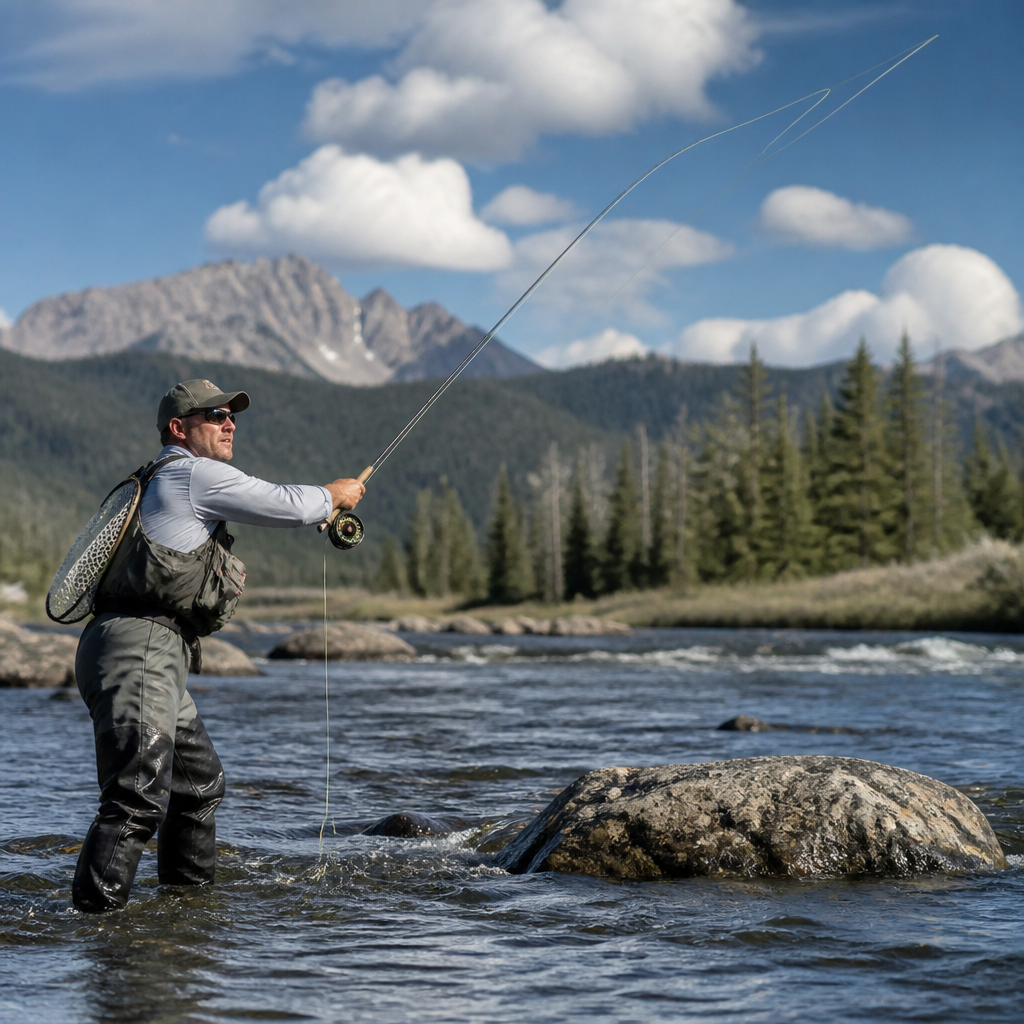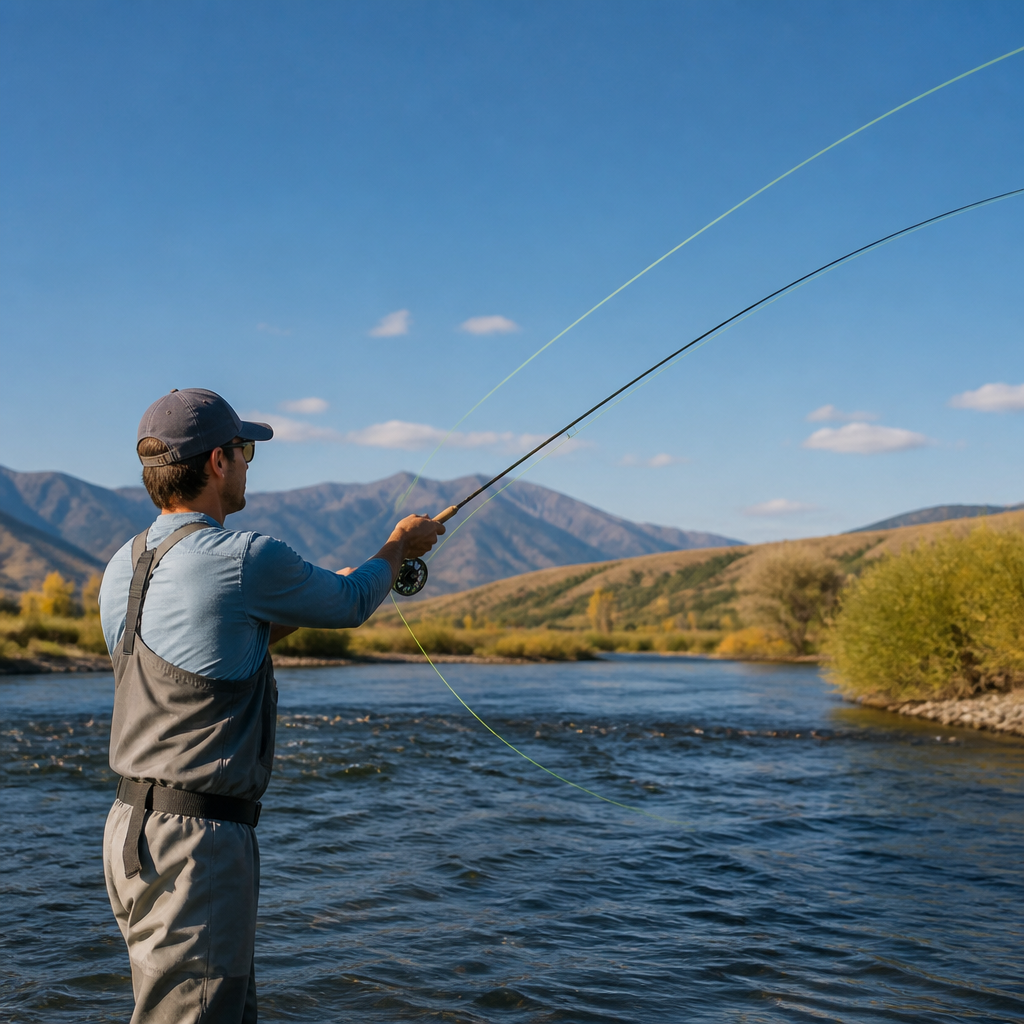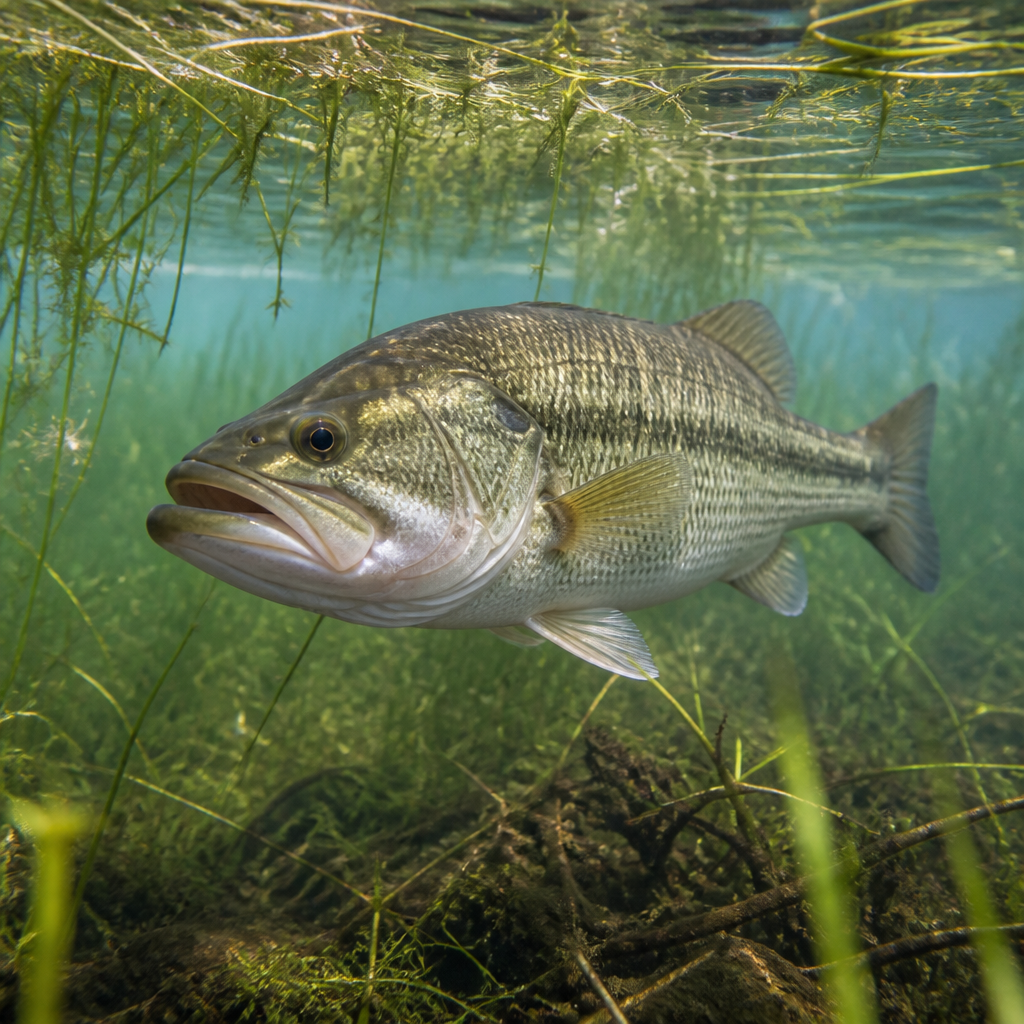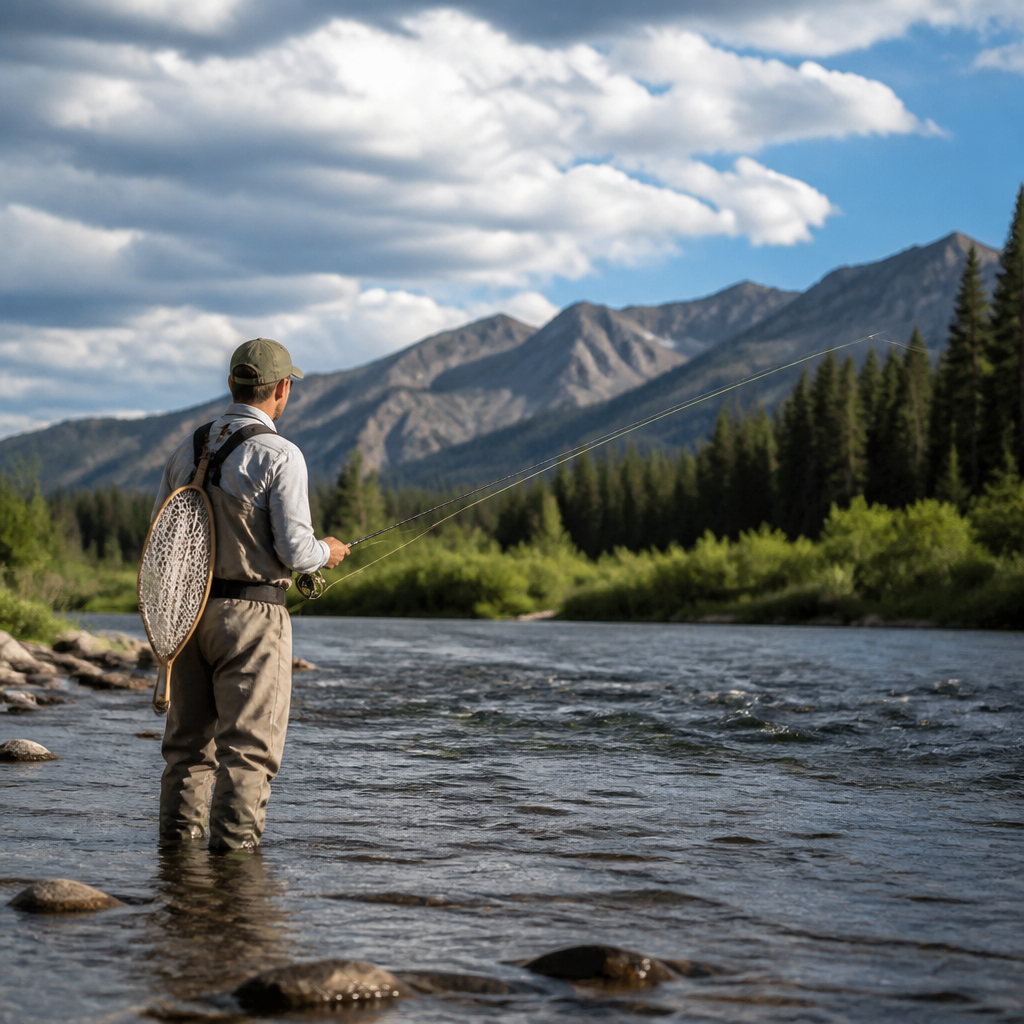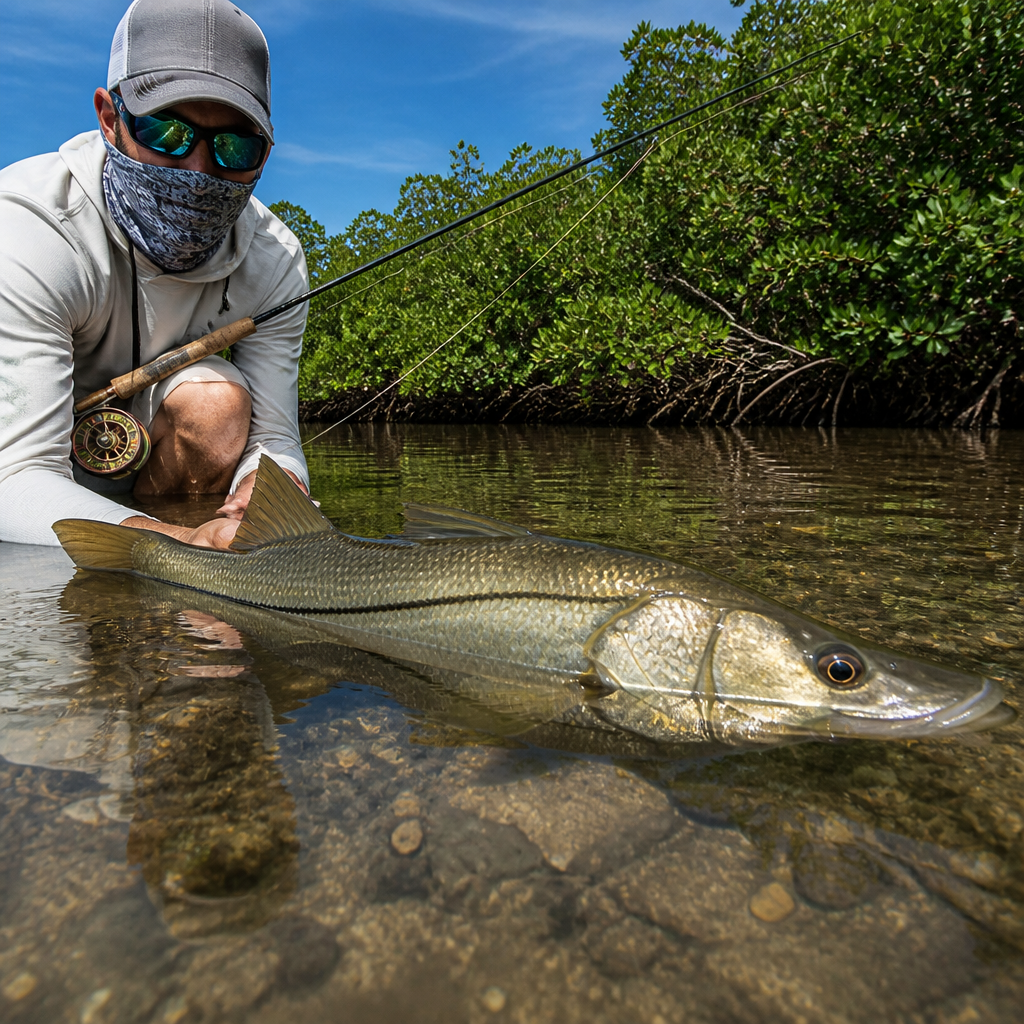
Sight fishing for snook is one of the most visual, technical, and rewarding ways to target this iconic inshore predator, because every cast depends on seeing the fish, reading its behavior, and delivering a lure or fly with precision before the opportunity disappears. In practical terms, sight fishing means locating individual fish or small groups with your eyes rather than blindly covering water, then making a deliberate presentation based on angle, speed, light, depth, and the fish’s posture. Snook are especially suited to this approach because they often reveal themselves along mangrove edges, dock lines, beaches, points, creek mouths, and clear flats where their shape, push wake, shadow, or sudden flash gives them away.
I have spent enough dawns poling shorelines and enough evenings drifting bridges to know that sight fishing for snook is not simply about having sharp eyesight. It is a complete system built around tide timing, sun position, stealth, lure control, and fast decision-making. A fish can be visible yet uncatchable if your boat drifts too loudly, your leader lands across its back, or your retrieve crosses its field of vision at the wrong speed. The best anglers treat every encounter as a sequence: spot, classify, approach, cast, adjust, and either hook up or learn why the fish refused.
This matters because snook are selective ambush feeders. They use current seams, structure, and shade to maximize feeding efficiency, which means their position often tells you exactly how they want a bait presented. On a flood tide they may pin mullet against a mangrove edge. On a calm beach they may cruise parallel to shore, tracking glass minnows in water barely deep enough to cover their backs. In clear water, every mistake is magnified, but so is every advantage. Once you understand the conditions that make snook visible and catchable, you can turn random encounters into repeatable results and build a reliable playbook for nearly every season.
As the hub for sight fishing within broader snook techniques and strategies, this guide covers the core mechanics: where sight fishing works best, how to find fish, how to approach without spooking them, how to choose tackle, and how to present lures, flies, and live baits so the fish commits. Master these foundations and the more specialized topics—beach snook, dock snook, kayak approaches, fly presentations, and seasonal patterns—become far easier to understand and apply.
Where sight fishing for snook works best
The best sight fishing water combines visibility, predictable fish positioning, and a manageable approach lane. For snook, that usually means clean water with enough light penetration to reveal fish before they detect you. Productive environments include mangrove shorelines with sandy pockets, residential canals with seawalls and shadow lines, tide-fed creeks, potholes on grass flats, and ocean beaches during bait migrations. Water clarity does not need to be tropical postcard clear, but you do need enough contrast to distinguish a fish from bottom texture. In tannic estuaries, a visible push, a dark bar-shaped shadow, or a white mouth flare may be all you get.
Tide is the first filter. Snook position differently on incoming and outgoing water, and your visibility changes with depth and current speed. In many backcountry areas, the last half of the incoming tide floods shoreline cover and lets fish push tight to roots where they can be difficult to present to but easy to spot if the sun angle is good. The first part of the falling tide often pulls them to outer points, drains, and ambush corners, creating cleaner shots. Along beaches, moderate current and a defined trough are usually better than slack water because fish have a reason to hold a line.
Light is the second filter. Early morning and late afternoon can be excellent feeding windows, but they are not always ideal for seeing fish unless the sun is high enough behind you to cut surface glare. Midmorning often gives the best compromise: enough illumination to reveal fish and still-active feeding behavior. Quality polarized lenses matter. Copper and amber lenses increase contrast in low to medium light, while gray lenses perform well in bright beach conditions. A dark hat underside and a habit of scanning with your head still, instead of constantly moving, will help you pick out subtle signs faster.
How to find snook before they find you
Most anglers look for the whole fish. Experienced sight fishermen look for indicators. A snook may appear as a torpedo-shaped shadow beside a dock float, a V-wake sliding off a bank, a single pectoral flare near mangrove roots, or a silver flash when it changes direction. In shallow water, the fish’s movement often gives it away before its shape does. A nervous pod of pilchards, shrimp skipping across the surface, or mullet showering near shade can signal a fish you have not yet seen. Watching the prey frequently leads you to the predator.
Snook body language matters. A laid-up fish is stationary or barely moving, often conserving energy in shade or calm water. These fish can eat, but they usually demand a subtle presentation with a long lead. A cruising fish is actively moving a lane and is generally easier to intercept because it is already hunting. A fish angled into current near a point or dock corner is often set up to ambush and will respond best to a lure coming naturally with the flow. A fish that abruptly tips down, puffs mud, or opens its mouth has shifted from neutral to interested, and your next retrieve change becomes critical.
I classify visible snook into three decision categories: high-percentage, conditional, and low-percentage. High-percentage fish are traveling predictably or positioned to feed near current, bait, or edges. Conditional fish are visible but tucked under cover, following without committing, or sitting in very shallow water where boat noise is a major risk. Low-percentage fish are alarmed, racing, or pinned in inaccessible structure. This mental sorting prevents wasting premium shots on fish that have already told you no.
Approach, stealth, and positioning
Stealth determines whether the cast matters. Snook feel pressure waves through their lateral line and react instantly to hull slap, careless footfalls, hatch bangs, push-pole drops, anchor chain noise, and even aggressive trolling motor corrections. In skinny water, I want the boat or kayak moving before I reach the fish, not after. Constant minor adjustments create more disturbance than one quiet drift. If you are wading a beach, your advantage is profile reduction, but you still need to avoid pushing a wake or casting a shadow across the fish’s path.
Boat angle is not just about casting comfort. It sets the geometry of the presentation. The best position usually puts the sun at your back or over your shoulder, the wind manageable, and the cast crossing the fish’s likely feeding lane rather than landing directly on its head. For shoreline fish, staying farther off the bank often produces better angles than crowding tight, because you can lead the fish and keep the lure in the strike zone longer. For dock snook, a shallow quartering angle lets a lure track naturally along pilings and shadow edges instead of swinging away too quickly.
Distance control is equally important. Most refusals happen because the lure lands too close or enters the fish’s cone of awareness unnaturally. As a rule, lead cruising snook by several feet in calm shallows and less in choppier water where surface disturbance hides the entry. With laid-up fish, longer leads and slower entries are safer. If the fish is facing into current, bring the lure from up-current and let the flow complete the illusion.
Tackle selection for clear-water snook
Sight fishing tackle must balance casting accuracy, low splash, and enough power to control a fish that is likely headed for roots, pilings, or bridge debris the moment it eats. For spinning gear, a 7-foot to 7-foot-6 medium-light or medium fast-action rod paired with a 2500 to 4000 size reel covers most scenarios. Ten- to fifteen-pound braided line offers casting distance and sensitivity, while leaders from 20 to 40 pounds handle abrasion. In open beaches or clean flats, lighter leaders get more bites. Around dense structure, heavier fluorocarbon prevents heartbreak, but it can reduce natural lure action if oversized.
Artificial lure choices should match both forage and visibility. Soft plastic jerkbaits rigged weightless or lightly weighted remain top producers because they land softly and can be worked erratically or subtly. Paddle tails on light jigheads excel when current is strong or fish are deeper. Small twitch baits, suspending plugs, and unweighted flukes are deadly around edges where fish track from cover. Topwaters can be outstanding in low light, but they are often less precise once the sun is up and fish are clearly visible. For fly anglers, baitfish patterns in white, tan, olive, and translucent blends imitate pilchards, glass minnows, and small mullet well. Long leaders and accurate line control are non-negotiable.
| Scenario | Recommended setup | Why it works |
|---|---|---|
| Shallow mangrove edge | Medium spinning rod, 10-15 lb braid, 25-30 lb leader, weightless soft jerkbait | Soft entry, precise skips, enough strength for roots |
| Open beach cruiser | Medium-light spinning rod, 10 lb braid, 20-25 lb leader, small swimbait or fly | Long casts, subtle presentation, natural bait match |
| Dock shadow fish | Medium rod, 15 lb braid, 30-40 lb leader, suspending twitch bait | Control near structure and extended hang time in shade |
| Current point or creek mouth | Medium rod, 15 lb braid, 30 lb leader, paddle tail on light jighead | Maintains depth and tracks naturally with flow |
Presentation strategies that trigger strikes
The cast should solve a problem the fish is already primed to answer. If a snook is facing into current, place the lure ahead of it and bring it back naturally with the flow or slightly across its line of sight. If the fish is cruising a shoreline, cast beyond its path and intersect it with a retrieve that looks unaware, not evasive. Snook often reject lures that appear to flee too early. A small twitch, pause, and glide is usually more convincing than nonstop speed.
Retrieve cadence should change according to mood. Aggressive fish respond to a crisp darting action followed by a short pause. Neutral fish often need longer pauses and minimal rod input, especially in clear, calm water. One of the most consistent cues is the fish’s pace. If it accelerates, keep the lure moving but do not rip it away. If it follows slowly, stall it briefly or give a single directional kick. Many strikes happen at that moment because the lure looks vulnerable. With flies, strip length matters as much as pattern choice. Six-inch strips may be perfect for beach fish on glass minnows, while twelve-inch strips better imitate larger pilchards or mullet juveniles around current.
Hook-setting should match the tackle and lure style. With soft plastics and braid, a firm sweep keeps pressure steady and reduces pulled hooks on close visual strikes. With treble-hook plugs, especially at short range, restraint is important; let the rod load before driving the hooks. After hookup, angle the fish away from structure immediately. Sight-fishing eats often happen close to danger, and the first three seconds decide whether the battle is controlled or chaotic.
Common mistakes and how to fix them
The biggest mistake is treating visibility as the whole challenge. Seeing snook does not mean understanding them. Anglers often rush a cast the moment they spot a fish, even when a better angle is available with five more seconds of drift. Another common error is false economy with leader strength. Going too light around barnacled pilings may increase bites but costs fish. The fix is situational balance: scale down only where structure and fish behavior justify it.
Many refusals come from poor lure entry. A hard splash near the fish’s head rarely works unless the fish is aggressively feeding in dirty water. Practice landing the lure past the target and bringing it in quietly. Color choice is another overcomplicated area. In clear water, profile, size, and action usually outrank color, though natural tans, silvers, whites, and olives consistently match snook forage. Finally, anglers misread negative feedback. A follow without a bite is useful information. It tells you the fish noticed the lure, so your next adjustment should be cadence, angle, or size before changing everything.
Building a repeatable sight-fishing system
The most effective way to improve is to document patterns instead of chasing isolated hero shots. Keep notes on tide stage, water clarity, sun angle, wind direction, structure type, forage present, and how each fish reacted to your first presentation. Over time, dependable trends emerge. You may find, for example, that residential canal snook on winter afternoons prefer suspending baits twitched parallel to seawalls, while summer beach fish eat faster-moving profiles during the first hour of clean incoming water. Those observations become your operating system.
This hub page is the foundation for every specialized sight fishing for snook tactic. Once you can consistently find visible fish, approach them quietly, choose the correct angle, and present the right lure with the right cadence, you are no longer guessing. You are solving repeatable situations. That is the real advantage of sight fishing: it compresses the feedback loop between what the fish is doing and what you should do next. Review these principles before your next trip, apply them deliberately, and build from there into beaches, docks, mangroves, kayaks, and fly-specific snook strategies with far more confidence.
Frequently Asked Questions
What is sight fishing for snook, and why is it different from casting blindly?
Sight fishing for snook means you are actively looking for the fish before you cast rather than working an area and hoping a fish finds your lure. That difference changes everything. Instead of covering water randomly, you are reading the fish, the water, the light, and the structure in real time. You may spot a snook laid up beside a mangrove edge, sliding across a flat, holding in a trough, or staging near a dock shadow, and then make a cast based on exactly where that fish is facing, how fast it is moving, and whether it appears calm, alert, or actively feeding.
This approach is more technical because snook are rarely stationary targets in ideal conditions. They often use glare, shadow lines, current seams, and dark bottom contours to stay concealed. A successful sight angler learns to recognize subtle shapes, flashes, wakes, pushes, tails, and posture changes that reveal a fish before it disappears. Once the fish is identified, the cast has to be accurate and intentional. A lure dropped too close may spook the fish instantly, while a lure placed too far away may never enter the fish’s strike window.
What makes sight fishing so rewarding is that every part of the encounter is visible and immediate. You are not just feeling a strike; you are watching the hunt unfold. You see the fish track, flare, turn, refuse, or commit. That visual feedback helps you improve much faster because you can connect fish behavior directly to your presentation. In short, sight fishing for snook is different because it turns the process into a deliberate, visual game of observation, stealth, and precision rather than simple repetition.
What conditions are best for spotting snook and making effective sight-fishing presentations?
The best conditions usually combine clean water, manageable light, moderate wind, and a tide that positions fish where you can actually see and reach them. Water clarity is critical because even a perfectly placed cast means little if you cannot locate the fish in time. Clear to lightly stained water gives you the best chance to identify individual snook, judge their direction, and place your lure ahead of them. In dirty water, sight fishing becomes far less efficient and often shifts closer to fishing visible structure with educated guesses rather than true visual targeting.
Light matters just as much as water clarity. Early morning and late afternoon can be excellent because snook may feed actively, but low sun angles can also create difficult glare depending on your position. Midday often offers better visibility into the water, especially when the sun is high enough to reduce shadow confusion, though bright overhead light can also make fish more cautious in shallow, clear areas. Polarized sunglasses are essential, and your ability to position yourself with the sun at a favorable angle is often the difference between seeing fish and fishing blind.
Wind is another major factor. Light wind can be helpful because it breaks up the surface slightly and may make fish feel more secure, but too much chop destroys visibility and casting accuracy. Tides are especially important for snook because they position fish around ambush points and influence how shallow or exposed they become. On moving water, snook often hold where current brings food to them, such as points, cuts, creek mouths, and mangrove edges. On low or falling tides, fish may be easier to locate around concentrated travel lanes, potholes, troughs, and edges. On higher water, they may push farther into cover, making them harder to see but still catchable if you approach carefully. The best overall scenario is usually clear water, enough light to see into it, limited surface disturbance, and a tide stage that pins fish into predictable positions.
How should you approach and cast to a snook without spooking it?
Approach is everything in sight fishing, especially with snook, which are famously aware of pressure, noise, and unnatural movement. Whether you are wading, poling a skiff, drifting, or fishing from shore, the goal is to spot the fish before the fish spots you in a threatening way. Move slowly, avoid sudden changes in direction, minimize hull slap or foot noise, and keep your profile low when possible. If you rush in for a quick cast, you often push the fish off before the lure ever lands.
Once you see the snook, resist the urge to cast immediately. First, determine its direction, speed, and attitude. A fish moving steadily along a shoreline needs a lead cast that puts the lure in front of its path without landing on top of it. A laid-up fish holding almost motionless near cover often requires a softer, more delicate presentation that enters the strike zone naturally. A fish that is actively hunting may respond to a slightly more assertive retrieve, while a nervous fish that is already edgy may need a subtle bait or fly with minimal splash.
In most cases, your cast should land ahead of the fish and slightly beyond its line of travel, then move into its field of view naturally. The exact distance depends on water depth, clarity, and the fish’s mood, but the principle stays the same: do not line the fish, do not land on its head, and do not force it to react to something obviously unnatural. Think interception, not surprise attack. For artificial lures, a controlled, accurate cast with a soft landing is often more important than maximum distance. For fly anglers, line management and a quick second shot matter because snook opportunities can vanish fast.
After the lure lands, watch the fish as much as the line. Many anglers focus only on the bait and miss the snook’s body language. If the fish tips slightly, accelerates, flares its gills, or tracks behind the lure, that is valuable information. You may need to speed up, slow down, pause, or let the bait fall. If the fish refuses, avoid repeatedly bombarding it with poor follow-up casts. Reposition if possible, change the angle or presentation, and treat each shot like a one-chance opportunity.
What lures, flies, and retrieves work best when sight fishing for snook?
The best lure or fly is usually the one that matches the water depth, forage size, and the fish’s mood while still allowing precise placement. For conventional tackle, soft plastic jerkbaits, paddle tails, small swimbaits, light jig-and-plastic combinations, and unweighted or lightly weighted baitfish imitations are all excellent sight-fishing tools. They cast accurately, enter the water with relatively little disturbance, and can be worked at multiple speeds. In skinny water, topwater plugs can be exciting, but they are generally best when fish are clearly aggressive because they create more commotion and can spook wary snook in calm, clear conditions.
For fly fishing, baitfish patterns in natural profiles are standard choices, especially white, tan, olive, and combinations that imitate pilchards, glass minnows, mullet, or juvenile forage. Weighted flies can help in current or deeper edges, while lightly weighted or unweighted patterns often shine on shallow flats, shorelines, and mangrove pockets where a soft landing matters. The key is not just the fly itself, but whether you can deliver it quickly, accurately, and at the right angle before the fish changes course.
Retrieve style should be dictated by what the fish is telling you. A cruising snook often responds to a lure that appears to flee but not panic unnaturally. Short, controlled twitches with occasional pauses are a strong starting point. If the fish follows but does not commit, a slight speed increase can trigger instinct. If it appears interested but cautious, slowing down or letting the bait hover or sink may close the deal. For laid-up fish, subtle movement is often better than aggressive ripping. The biggest mistake many anglers make is using the same retrieve for every visible fish. Sight fishing is about adaptation. You are not working a lure through empty water; you are solving a visible problem in real time.
Color tends to matter less than profile, sink rate, and placement, though natural tones usually excel in clear water. In slightly stained water, a bit more contrast can help. Above all, choose presentations you can cast precisely and control confidently. A “perfect” lure in theory is much less effective than one you can land softly, work naturally, and keep in the fish’s strike window.
What are the biggest mistakes anglers make when sight fishing for snook, and how can they improve?
The biggest mistake is rushing. Anglers see a snook, get excited, and fire a cast before understanding the fish’s direction, mood, or the best presentation angle. That leads to poor placement, a hard splash, or a lure crossing behind the fish where it never gets seen. Patience for just a few extra seconds often produces a dramatically better shot. The second major mistake is poor positioning. If the sun, wind, current, or casting angle is working against you, even a good cast may not look natural. Skilled sight anglers are constantly adjusting their approach to create the easiest possible presentation.
Another common error is focusing only on the fish and ignoring the background clues around it. Snook rarely exist in isolation from their environment. Shadows, current seams, bait presence, bottom color changes, potholes, shoreline indentations, dock pilings, and mangrove points all help explain what the fish is doing and where it is