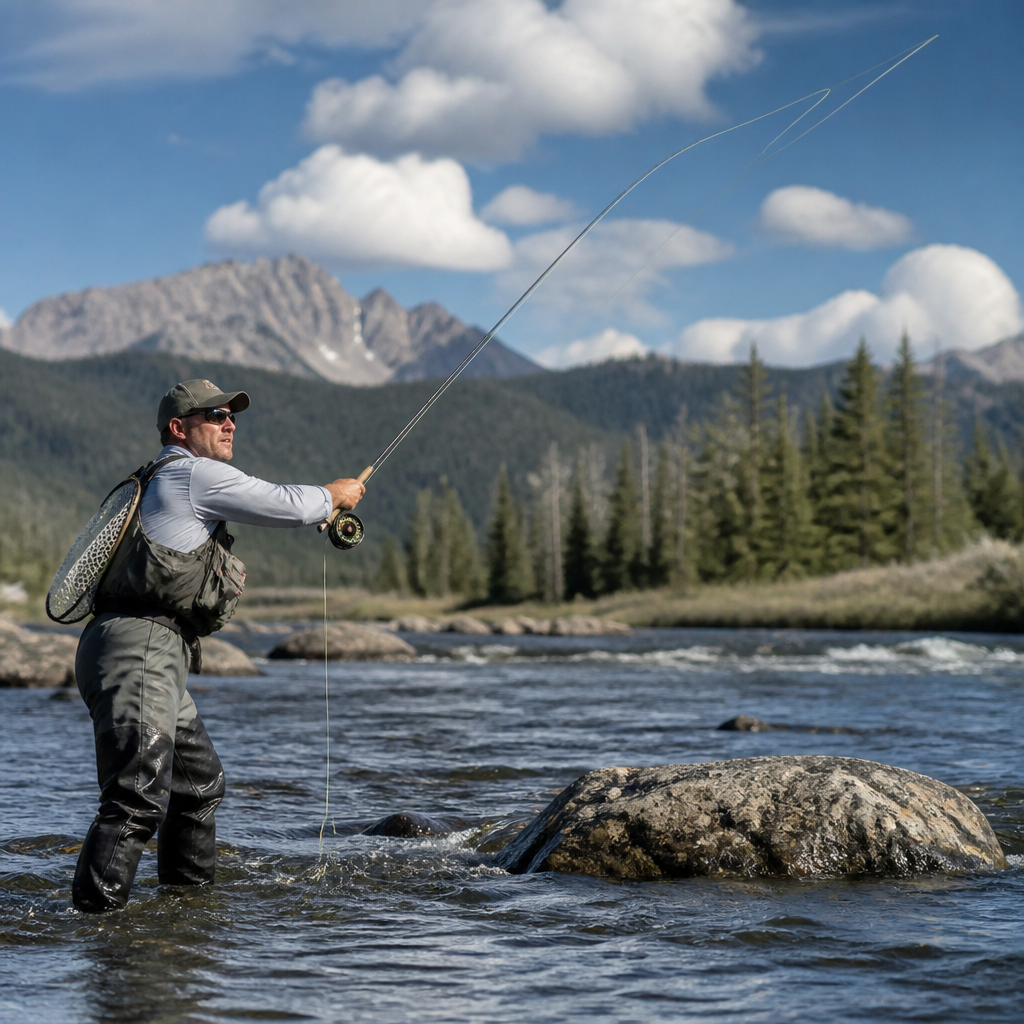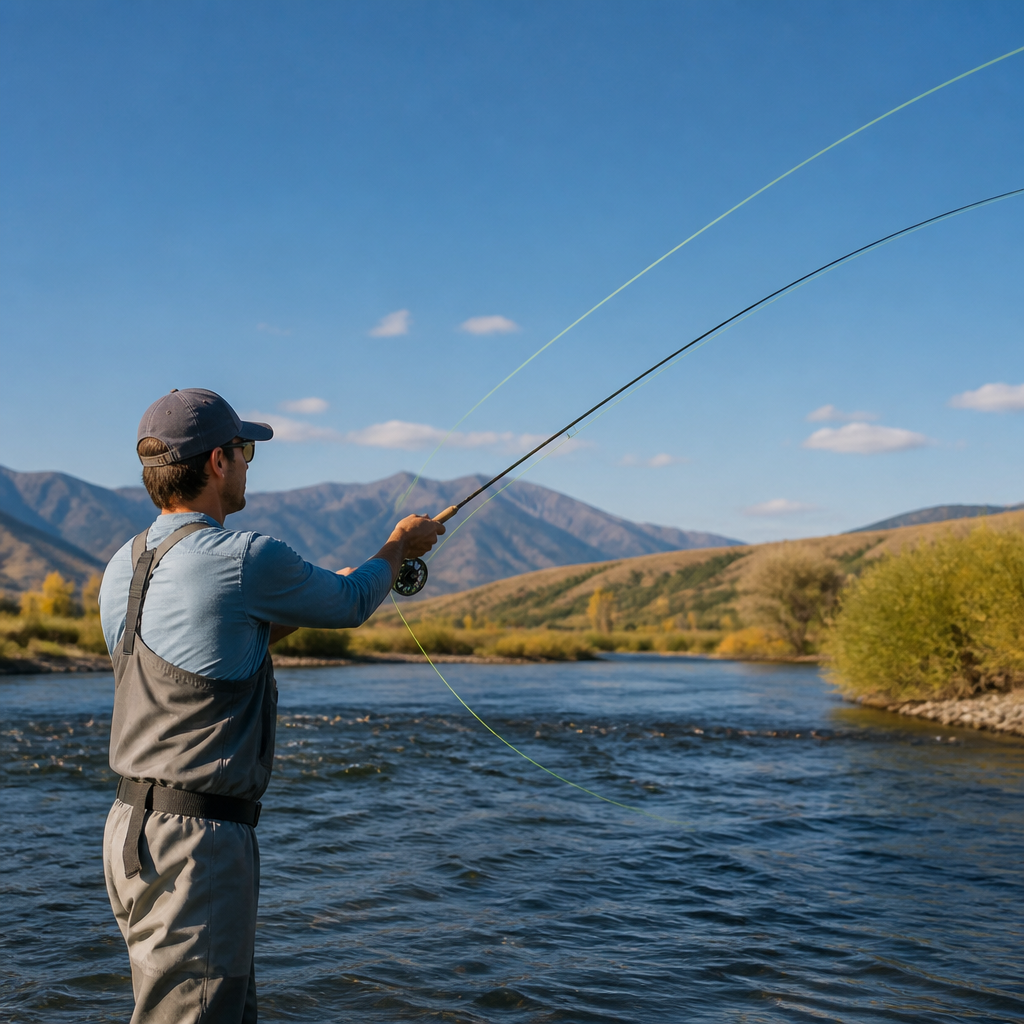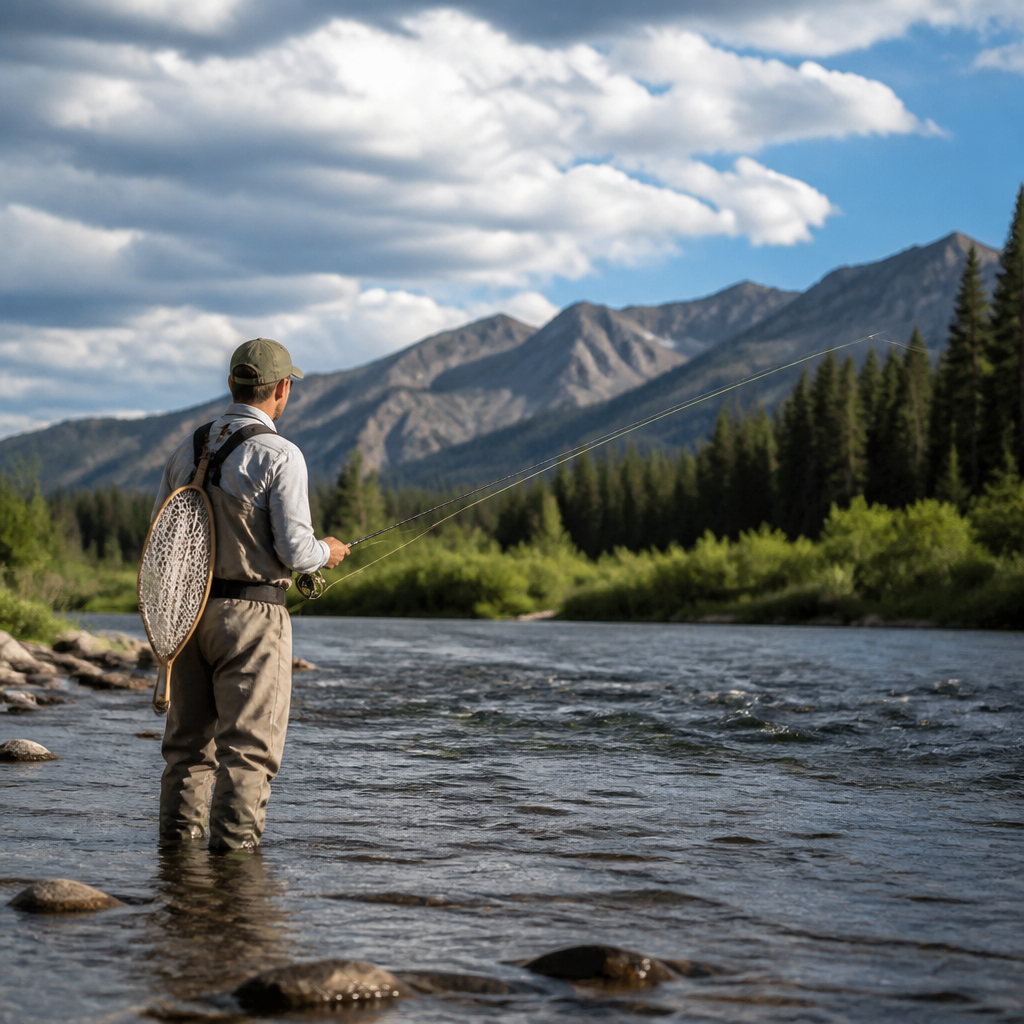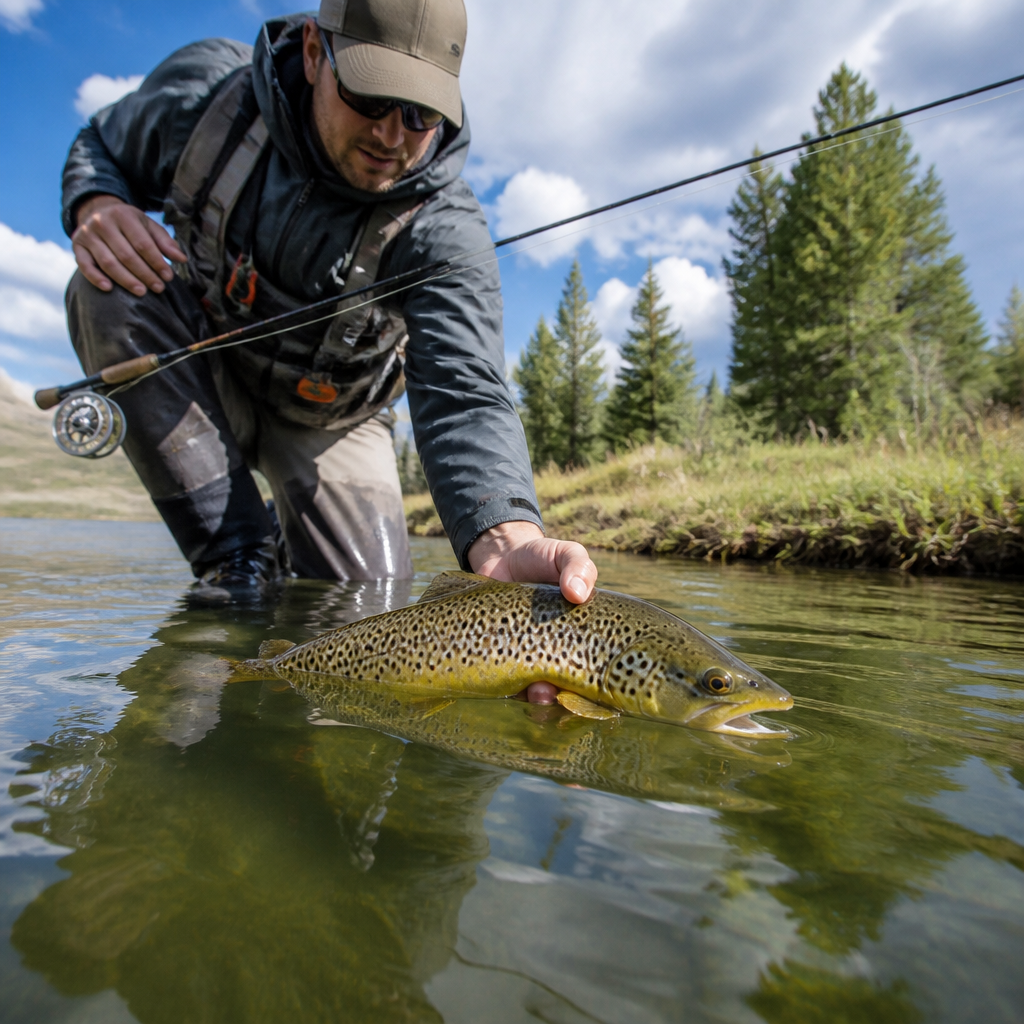
Matching the hatch in spring is the practice of choosing flies that imitate the insects trout are feeding on during one of the most dynamic periods of the season. In simple terms, anglers watch what is hatching, note how fish are feeding, and present a pattern that matches the insect’s size, color, shape, and behavior. Spring matters because warming water triggers major aquatic insect activity, and trout often shift from winter opportunism to selective feeding. When that happens, random casting stops working consistently. Precision starts to matter, from the profile of a Blue-winged Olive to the drift angle of an emerger. I have seen rivers that looked dead at noon come alive within fifteen minutes when the first duns appeared, and anglers who recognized that change usually caught fish while everyone else kept stripping streamers through rising trout.
The term hatch refers to the emergence of aquatic insects from nymph or pupa to adult stage. Matching the hatch does not mean copying an insect perfectly every time. It means making the fish believe your fly is part of the food form they are targeting at that moment. In spring, those food forms commonly include mayflies, caddis, midges, and early stoneflies, along with subsurface nymphs and emergers that trout often prefer over fully emerged adults. Successful spring fly fishing depends on understanding those categories, reading rise forms, checking water temperature, and carrying patterns that cover multiple life stages. As a hub topic within techniques and strategies, matching the hatch connects entomology, observation, presentation, fly selection, and timing into one practical system that improves results on freestone streams, tailwaters, and spring creeks alike.
Why does this skill matter so much? Because trout in spring can feed with astonishing efficiency. A fish stationed in a soft seam may ignore dozens of poor imitations yet move a foot to intercept the right emerger drifting naturally in its lane. On pressured water, especially clear spring creeks, selectivity increases further. On runoff-prone freestones, the hatch window may be short but intense, making quick identification essential. Matching the hatch also helps anglers avoid common mistakes. Instead of changing flies blindly, you can diagnose the problem: wrong stage, wrong size, wrong drift, wrong water, or wrong timing. That approach saves time and builds confidence. It also creates a framework for every related article in this subtopic, from reading rise forms to selecting leaders, because each tactical decision is easier when you know exactly what the trout are eating.
Start With Observation Before You Tie On a Fly
The best spring anglers begin with observation, not with the fly box. Before I rig anything on a new stretch, I watch the water for several minutes and look for clues at three levels: in the air, on the surface, and below the film. Adults fluttering over riffles suggest an imminent hatch, but they do not prove fish are eating them. Surface duns drifting untouched may mean trout are still focused on emergers. Splashy rises can indicate caddis or baitfish feeding, while gentle head-and-tail rises often point to mayflies. If no fish are visibly rising, turn over streamside rocks and inspect nymphs clinging to the underside. A small seine or fine mesh net swept through a riffle reveals what is drifting. Those checks are faster and more reliable than guessing from calendar dates alone.
Water temperature is another overlooked trigger. Many Blue-winged Olive hatches begin when water stabilizes in the upper forties to low fifties Fahrenheit, while Hendricksons and March Browns generally gain momentum as rivers continue warming. Midges can hatch in colder conditions, which is why they remain relevant on early spring tailwaters. Cloud cover, barometric shifts, and light rain often intensify mayfly activity, especially with olives. Bright sun can suppress some emergences and push feeding fish deeper, where nymphs and soft hackles outperform dry flies. In practice, this means spring hatch matching starts with a field assessment: temperature, weather, insect presence, current type, and fish behavior. Once you gather those clues, your fly choice becomes a reasoned decision rather than a hopeful experiment.
Know the Core Spring Hatches and Their Life Stages
Most spring match-the-hatch decisions revolve around a handful of insect groups. Mayflies are the headline act on many rivers, with Blue-winged Olives, Hendricksons, Quill Gordons, March Browns, and Pale Morning Duns appearing by region and elevation. Caddis become increasingly important as spring progresses, especially tan, olive, and black species. Midges remain steady producers, particularly on tailwaters where water temperatures stay relatively stable. Stoneflies, including little black stones and early sallies in some waters, can also be significant near banks and broken current. The point is not memorizing every species. The point is identifying the general insect family and the stage trout are eating.
Life stage matters more than many anglers realize. A mayfly nymph drifting in the current has a different silhouette and movement than an emerger trapped in the film or a dun riding high and drying its wings. Trout often prefer the easiest meal, which is why emergers consistently outfish adults during difficult spring hatches. Caddis add another layer because pupa ascend actively and adults may skate or bounce across the surface. Stoneflies often become available through egg-laying or dislodged nymphs near shore. If fish refuse your dun pattern during a visible hatch, that does not disprove hatch matching. It usually means you matched the wrong phase. Think in terms of the full conveyor belt of food entering the drift, not just the insect you happen to notice first.
| Insect group | Common spring cues | Most effective stage to imitate | Reliable fly examples |
|---|---|---|---|
| Blue-winged Olives | Cool, cloudy afternoons; size 16–22 | Emerger or cripple | RS2, Barr Emerger, Sparkle Dun |
| Hendricksons | Moderate warming; size 12–14 | Dun early, spinner later | Hendrickson Comparadun, Parachute Hendrickson |
| Caddis | Active adults near riffles; size 14–18 | Pupa during hatch | LaFontaine Sparkle Pupa, X-Caddis |
| Midges | Cold mornings, tailwaters; size 20–26 | Pupa or cluster | Zebra Midge, Griffith’s Gnat |
| Little Black Stoneflies | Adults near banks; crawling emergence | Nymph or adult along shore | Black Stone Nymph, Stimulator |
Read Trout Feeding Behavior to Identify the Right Pattern
Rise forms are one of the quickest ways to diagnose what trout are eating. A confident nose-up sip with little surface disturbance usually signals insects in or just under the film, often mayfly emergers or spent adults. A splashy, aggressive take can mean caddis adults, though stocked fish and opportunistic feeders may also rise that way to larger food. Bulges that never break the surface often indicate subsurface emergers. Porpoising fish that show back and dorsal fin but not the mouth are frequently intercepting ascending insects just below the meniscus. These distinctions are not perfect, but they are useful enough to narrow your fly choice rapidly.
Positioning matters as much as pattern. Trout feeding on hatching insects typically hold where food is concentrated and current speed allows efficient feeding: foam lines, seam edges, tailouts, and the softer cushions beside rocks. During caddis emergences, fish may slide into riffles to intercept ascending pupa. During mayfly spinner falls, they often station in slick flats where dead insects collect. If you cast at rising fish without studying the lane, your imitation may never enter the feeding window naturally. I learned this on a spring creek where trout ignored a technically correct olive pattern until I lengthened the leader, moved two steps downstream, and fed slack into a narrow current tongue. Same fly, different lane, instant take. Hatch matching is not only about the insect; it is about matching where and how the fish expects that insect to drift.
Choose Flies by Size, Profile, Color, and Behavior
When anglers ask how to match the hatch, they often focus first on color, but size and profile usually matter more. A size 16 olive may outfish a perfectly shaded size 20 if the natural is larger, and a slim-bodied emerger can beat a bushy dry even in the same color family. Start by estimating insect length and hook size. Then compare the body shape: slender like a Baetis, robust like a Hendrickson, tent-winged like a caddis, or segmented like a midge pupa. After that, refine color. Most spring insects live within predictable palettes: olive, gray, brown, tan, cream, black, and rusty spinner tones. Carrying several shades helps, but carrying the right sizes and silhouettes is more important.
Behavior is the final filter. A Sparkle Dun suggests a vulnerable emerging mayfly; a Comparadun sits flush and works well on smooth water; an Elk Hair Caddis skates and bounces better than many low-riding caddis patterns. Soft hackles excel when fish key on movement in the film, while unweighted nymphs can imitate drifting nymphs just before emergence. For subsurface work, bead choice matters less in shallow spring hatches than sink rate and angle. Tungsten reaches depth quickly in heavy seams, but a lightly weighted pattern often drifts more naturally in soft water where fish are feeding high in the column. The best spring fly boxes are organized around problems to solve: searching nymphs, emergers, duns, cripples, spinners, pupa, and attractor backups for moments when trout feed less selectively.
Presentation Techniques That Make Hatch Matching Work
A perfect imitation fails if the drift is wrong. In spring, most refusals come from micro drag, poor depth control, or a fly that arrives from an unnatural angle. Dry fly presentation starts with leader length and slack management. On flat or clear water, a 12- to 15-foot leader with 5X to 7X tippet is often necessary, especially for olives and midges. Reach casts, parachute casts, and aerial mends buy a longer natural drift before currents pull the fly. On riffled freestones, shorter leaders and 4X or 5X may be enough because broken surface texture hides more flaws. The rule is simple: the smoother the water and the smaller the insect, the more precision your drift requires.
Subsurface matching often means fishing the same hatch in two levels at once. A dry-dropper with a sparse emerger, a tight-line nymph rig set shallow, or a swung soft hackle through the top third of the water column can all match insects in transition. During caddis activity, an upstream dead drift followed by a controlled lift imitates ascending pupa remarkably well. During a mayfly hatch, greasing only the leader butt and leaving the tippet to sink can help an emerger hang naturally in the film. Do not overlook drag-free speed either. If the bubbles move faster than your fly, fish notice. If your nymph ticks bottom while naturals drift mid-column, fish notice that too. Matching the hatch is inseparable from matching the insect’s path, pace, and posture.
Adapt to Different Spring Rivers and Changing Conditions
Spring is not one fishery. Freestone rivers, tailwaters, limestone creeks, and stillwaters all demand adjustments. Freestones warm and cool quickly, and insect activity often tracks the warmest part of the day. Snowmelt can stain flows, making larger nymphs, darker silhouettes, or caddis pupa easier for fish to find. Tailwaters are more stable, so midge and Blue-winged Olive hatches can be dependable even when surrounding streams remain cold. Spring creeks demand exactness: smaller flies, finer tippet, longer leaders, and a sharper eye for refusals. Lakes and ponds add chironomids, callibaetis, and balanced presentations under indicators or on slow retrieves, but the same principle applies: identify what is emerging and imitate the vulnerable stage.
Conditions can change by the hour. A warm bright morning may produce little surface activity, then clouds roll in and olives appear. Wind can knock spinners onto the water and create a short feeding burst. Rising flows may dislodge stonefly nymphs and shift the menu away from delicate dries. This is why strong anglers carry both hatch-specific and transition patterns. If the hatch ends, fish may continue feeding on spent adults, drowned cripples, or trailing nymphs for another thirty minutes. Stay flexible and keep observing. The anglers who consistently match the hatch in spring are not the ones with the most flies. They are the ones who update their read of the river fastest and let the evidence, not habit, guide each change.
Matching the hatch in spring rewards observation, informed fly choice, and disciplined presentation more than any single secret pattern. Start by identifying the insect family, then narrow to the life stage trout are actually eating. Use rise forms, streamside sampling, water temperature, and current lanes to confirm your decision. Prioritize size and profile before obsessing over fine color differences, and remember that emergers often outproduce adults during heavy hatches. Finally, make your imitation drift where the naturals drift, at the same depth and speed. That is the difference between merely seeing a hatch and truly fishing it.
As the central guide within techniques and strategies, this hub should help you approach every spring hatch with a repeatable system instead of guesswork. On freestones, tailwaters, and spring creeks, the method stays consistent even when the insects change: observe, identify, imitate, and present naturally. Build your fly box around key spring hatches, carry patterns for multiple stages, and practice reading feeding behavior before you make your first cast. If you apply that process on your next outing, you will convert more rises into hooked trout and gain the confidence to solve tougher hatch situations across the season.
Frequently Asked Questions
What does “matching the hatch” mean in spring fly fishing?
Matching the hatch in spring means selecting and presenting a fly that closely imitates the insects trout are actively feeding on at that moment. During spring, rivers and streams come alive as warming water temperatures trigger increased activity from mayflies, caddisflies, midges, and stoneflies. Trout respond to this seasonal abundance by shifting from generalized winter feeding to more focused, selective behavior. Instead of taking just anything that drifts by, they often begin keying in on a specific insect stage, such as emergers, duns, cripples, or spinners.
In practical terms, matching the hatch requires anglers to pay attention to four main things: size, color, shape, and behavior. Size is often the most important factor, because trout frequently reject a fly that is too large or too small even if the color is close. Color helps refine the match, especially on bright days or clear water. Shape refers to the overall silhouette of the insect, including whether it appears slender like a mayfly or tent-winged like a caddis. Behavior may be the most overlooked element of all, because trout often feed differently depending on whether insects are drifting helplessly, skittering across the surface, or struggling to emerge.
Spring matters because hatches can change quickly throughout the day. A cold morning may produce little visible action, while a warmer afternoon can suddenly bring on rising fish and a concentrated feeding window. Anglers who observe carefully and adjust accordingly tend to do far better than those who keep casting the same fly without reading the water. Matching the hatch is not about perfection; it is about making informed choices based on what trout are actually eating right now.
How can I tell what trout are feeding on during a spring hatch?
The best way to tell what trout are feeding on is to combine direct observation with a little streamside detective work. Start by looking at the water’s surface. If you see steady rises with noses breaking the film, trout may be taking duns, emergers, or spent adults. If the rises are splashy and aggressive, fish may be chasing caddis or other active insects. If you notice subtle dimples with very little surface disturbance, trout are often sipping tiny midges or emergers just beneath the film.
Next, inspect the insects around you. Watch for bugs drifting in the current, flying above the water, or clinging to streamside rocks and vegetation. A small aquarium-style net or even your hand can help capture a few specimens for a closer look. Many anglers also check the undersides of rocks to see what nymphs are present. This gives useful clues about what may hatch later, even before surface activity begins. If regulations and conditions allow, looking briefly inside a trout’s mouth or observing expelled insects near a landed fish can also confirm what they are eating.
Pay close attention to where trout are feeding as well. Fish rising in slow seams may be locked on delicate mayflies, while trout holding in riffles may be intercepting emerging caddis or drifting nymphs. If fish refuse a fly that seems close, the problem may not be the pattern itself but the life stage you are imitating. During spring, trout often feed heavily on emergers because they are vulnerable and trapped in the film. In many cases, switching from a fully formed dry fly to an emerger or soft hackle makes an immediate difference.
Finally, remember that spring conditions can be highly variable. Cloud cover, water temperature, runoff, and time of day all influence hatch timing. Successful anglers keep checking and rechecking rather than assuming the first insect they saw an hour ago is still the main food source. Careful observation is what turns matching the hatch from a vague idea into a reliable strategy.
Which spring insects should anglers pay the most attention to?
While exact hatches vary by region, several insect groups consistently matter in spring. Mayflies are often at the top of the list. Blue-winged olives are especially important because they can hatch in cool, cloudy, and unsettled weather, which makes them one of the most dependable spring food sources. March Browns, Hendricksons, Quill Gordons, Pale Morning Duns in some areas, and other local mayflies can also create strong feeding opportunities. Trout often become selective during these hatches, especially on moderate to heavily pressured water.
Caddisflies are another major spring player. In many rivers, spring caddis activity can be intense, and trout may feed on caddis pupae below the surface before adults become obvious. Once adults appear, fish may chase them energetically, leading to splashy rises and fast action. Anglers who focus only on dry flies sometimes miss the best part of the hatch, which can occur just before adults are visible in large numbers. Soft hackles, emergers, and pupa patterns are often excellent during this phase.
Stoneflies also deserve attention, particularly on freestone streams. While giant hatches are not always the norm everywhere, spring stoneflies can provide both nymphing and dry-fly opportunities. Their nymphs are active in moving water, and adults can be important along banks and faster seams. Midges remain relevant too, especially early in the season or on tailwaters, spring creeks, and pressured fisheries where trout feed selectively on small insects for much of the day.
The key is not trying to memorize every possible bug at once, but learning the major local patterns on the water you fish. A small seasonal hatch chart, a few reliable fly patterns in different sizes, and an understanding of how trout respond to each insect group will cover most situations. In spring, the anglers who do best are usually the ones who know what insects are likely, but who still let current conditions tell them what matters most that day.
What are the best techniques for presenting flies when trout become selective in spring?
When trout become selective, presentation usually matters as much as the fly itself, and sometimes more. The first priority is achieving a natural drift. During spring hatches, trout often station themselves in feeding lanes and inspect insects carefully. If your fly drags unnaturally across the current, fish may refuse it even if the pattern is a strong visual match. Good line control, thoughtful mending, and proper positioning upstream or across from the fish all help create a drag-free drift.
Leader and tippet setup also become more important when fish are feeding selectively. Longer leaders and finer tippets often improve presentations, especially in clear, moderate flows where trout have more time to inspect a fly. That does not mean going as light as possible in every situation, but using a balanced setup that allows the fly to drift naturally without sacrificing control. Fly choice should also match the feeding zone. If trout are bulging just under the surface, an emerger, soft hackle, or lightly weighted nymph may be more effective than a high-floating dry.
Timing and angle matter too. Rather than casting repeatedly over rising fish from a poor position, it is often better to pause, study the rhythm of feeding, and make one well-placed cast. In spring, trout often establish a pattern, rising in a seam, beside foam lines, or just off the edge of faster current where food concentrates. Presenting from the correct angle reduces drag and keeps the leader from crossing over the fish before the fly arrives.
Another important technique is adjusting to insect behavior. For mayflies, a dead drift is usually best. For caddis, a little movement at the end of the drift can trigger takes because adults often skitter or lift off quickly. For emergers, letting the fly hang briefly in the film can be deadly. If fish are refusing your dry fly, a dropper with a small emerger or unweighted nymph may solve the problem. Selective spring trout reward anglers who slow down, refine their drift, and make targeted changes instead of switching flies at random every few minutes.
What flies should I carry for matching the hatch in spring?
A strong spring fly box should include patterns that cover the main insect groups and, just as importantly, multiple life stages. For mayflies, carry nymphs, emergers, duns, and spinners in a range of sizes. Blue-winged olive patterns are especially useful, along with regional staples such as Hendricksons, March Browns, or Quill Gordon imitations where appropriate. Parachute-style dries, comparaduns, sparkle duns, and cripple patterns are all valuable because trout do not always want a perfectly upright adult. Often they prefer an insect that appears trapped or vulnerable.
For caddis, include pupa patterns, soft hackles, and adult dries. Caddis activity often begins subsurface, so having flies that imitate ascending pupae can be just as important as carrying elk hair or other adult-style patterns. Soft hackles are excellent spring search flies because they can suggest emerging insects with subtle movement and work across a wide range of conditions. If you fish streams with strong stonefly populations, keep a few nymphs and adult imitations in sizes that match your local species.
Midges should not be overlooked, particularly for early spring mornings, technical tailwaters, or days when larger hatches fail to materialize. Zebra midges, midge emergers, and small dry patterns can save difficult outings. A few