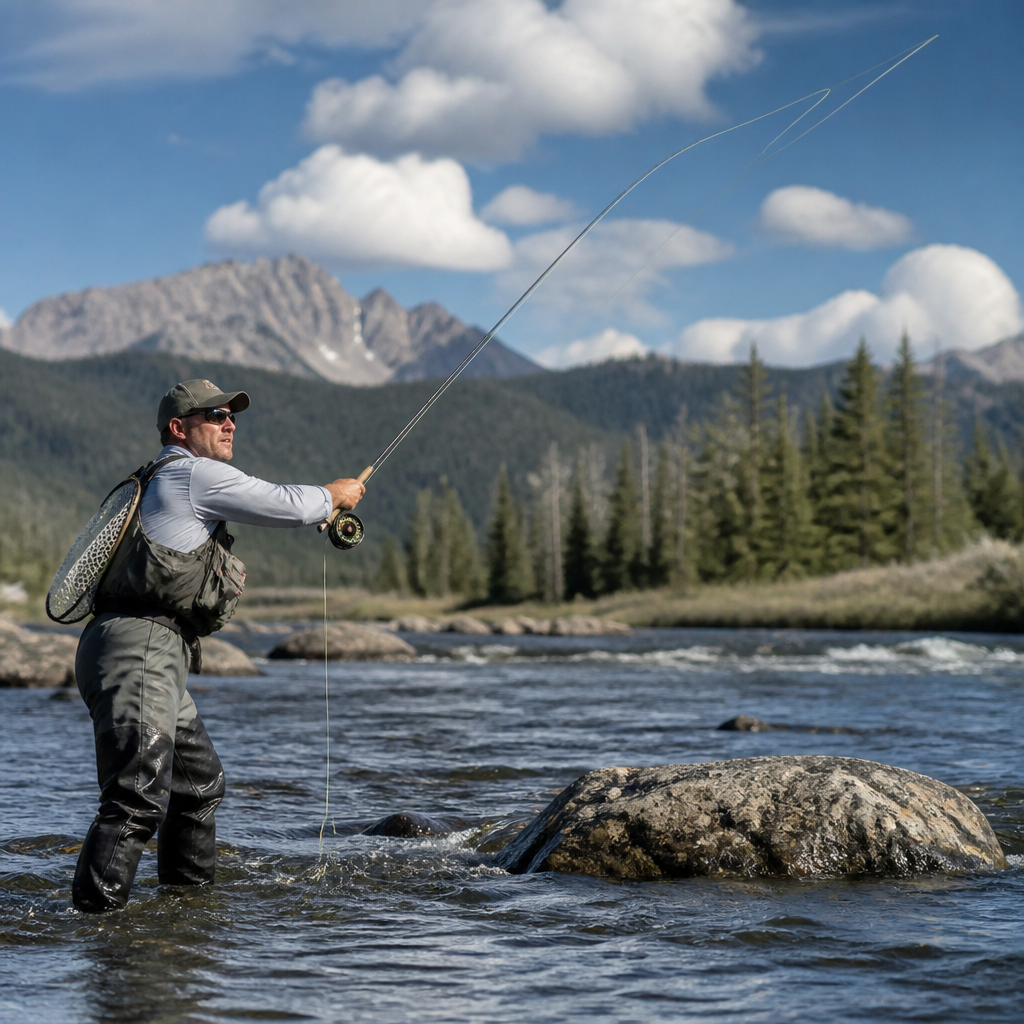
Matching the hatch in summer is the disciplined practice of identifying the insects, baitfish, or other food items trout are eating at a specific moment, then choosing a fly pattern, size, silhouette, and presentation that convincingly imitates that food. In warm-weather fishing, this matters more than many anglers expect because summer conditions concentrate feeding windows. Lower, clearer water reduces trout error, aquatic insect life changes quickly through the day, and fish often shift from mayflies at dawn to caddis at dusk to terrestrials in bright afternoon heat. After years of guiding and fishing technical rivers through July and August, I have learned that “matching” is never just about the fly in your box. It includes reading temperature, current speed, light angle, insect stage, and the fish’s position in the water column. A close enough pattern fished in the correct lane usually beats a perfect imitation drifting unnaturally. Still, on pressured tailwaters and spring creeks, precise imitation becomes the difference between refusals and steady takes. This summer match the hatch guide explains what to look for, how to decide fast, and which patterns consistently solve the most common situations.
Summer hatch matching starts with definitions. A hatch is the emergence of aquatic insects from nymph or pupa to adult form, but anglers also use the phrase more broadly to include spinner falls, egg-laying flights, midge activity, and even noninsect food like ants, beetles, hoppers, minnows, and drowned crickets. “Matching the hatch” therefore means imitating the dominant available food, not simply tying on whatever insect is most visible above the water. Trout frequently feed subsurface during a visible hatch, especially when emergers are trapped in the meniscus. They also key on size before color, silhouette before tiny detail, and behavior before exact species. Those priorities are practical because a fish sees shape, movement, and drift first. Summer amplifies all of this. Warmer water accelerates insect metabolism, brings evening emergence timing into sharper windows, and can push trout into oxygen-rich riffles, heads of pools, shaded banks, and spring seeps. For anglers building skill under the broader techniques and strategies category, match the hatch is a hub concept because it connects entomology, presentation, reading water, leader design, and fly selection into one repeatable decision process.
How to Read a Summer Hatch Before You Change Flies
The fastest way to improve summer trout fishing is to stop guessing and start observing in sequence. I use a simple streamside checklist: watch rises for one full minute, look in the air, inspect the surface film, turn over two or three rocks in shallow current, then sweep an aquarium net or fine mesh through the drift. That sequence tells you whether fish are eating duns, spinners, caddis adults, emerging insects, or subsurface nymphs. Rise forms provide direct clues. Splashy, slashing takes often indicate caddis adults or baitfish chasing; soft dimples usually suggest midges, tricos, or spent spinners; a nose-and-tail rise commonly points to mayfly duns drifting high. In summer, however, trout often sip emergers just under the film, making the surface look deceptively calm. If you see adults overhead but no obvious rises, fish may still be feeding inches below the surface.
Environmental context narrows the options. Freestone rivers in midsummer often produce golden stone remnants, PMDs, Yellow Sallies, caddis, and terrestrials, while cold tailwaters may extend sulfur, trico, blue-winged olive, and midge opportunities much longer. Spring creeks add scuds, sowbugs, and selective fish that inspect every drift. Time of day matters. First light can bring trico spinner falls or midge clusters, midday heat often turns fish toward ants and beetles along grassy banks, and the last ninety minutes of light may trigger prolific caddis emergence. Water temperature is a hidden driver. Trout feed actively in roughly the low-50s to mid-60s Fahrenheit, but once temperatures climb toward the upper 60s and beyond, feeding windows shorten and fish favor oxygenated lies. In those periods, matching the hatch includes matching the fish’s comfort zone. A perfect fly presented in warm, stagnant water is still a bad strategy.
Key Summer Food Sources and What Trout Key On
Mayflies remain central to summer hatch matching because they create classic visual feeding behavior. Pale Morning Duns, sulfurs, flavs, cahills, and tricos can all dominate depending on region. Trout usually key first on size and posture. A #16 PMD with the right profile often outfishes a perfectly colored fly in the wrong hook size. During emergence, fish may ignore upright adults and take cripples, emergers, or soft hackles stuck in the film. Spinner falls are especially important on flat water because spent mayflies lie flush, helpless, and easy to inspect. When trout refuse high-floating duns, switch to a low-riding spinner or cripple before changing species entirely.
Caddis are equally important in summer and often more forgiving if you understand behavior. Unlike mayflies, caddis adults skitter, bounce, and egg-lay aggressively. Pupae ascend quickly, and trout frequently intercept them below the surface before adults appear. Tan caddis, olive caddis, and dark sedges are common categories anglers can match effectively with pupa, emerger, and elk-hair-style adult patterns. If fish slash but miss your dry, the problem may be excessive drag or the wrong stage rather than the wrong insect. I often fish an unweighted pupa twelve to eighteen inches below a caddis dry during evening emergences because many trout are taking ascending insects just under the top film.
Terrestrials become essential in high summer when bankside grasses, overhanging limbs, and afternoon breezes dump land insects into the river. Ants, beetles, hoppers, inchworms, and cicadas can outproduce aquatic imitations, especially from late morning through evening. Here trout key heavily on silhouette, landing sound, and bank proximity. A foam beetle dropped tight to cutbanks often succeeds because it behaves like a real beetle: clumsy and vulnerable. Hopper fishing is most consistent from late summer onward in many Western systems, but smaller tan or pink-bodied patterns can work well earlier if meadows are active. Do not overlook drowned terrestrials. Fish commonly eat ants and beetles inches below the surface after a refusal to a high-floating dry.
| Food source | Typical summer timing | What trout usually key on | Reliable fly categories |
|---|---|---|---|
| PMDs and sulfurs | Morning to early afternoon | Size, cripple posture, clean drift | Duns, cripples, emergers, spinners |
| Tricos | Dawn spinner fall | Tiny profile, flush silhouette | Spent spinners, cluster patterns |
| Caddis | Evening, sometimes midday | Pupa ascent, motion, skating adults | Pupae, soft hackles, elk-hair adults |
| Terrestrials | Hot afternoons, windy banks | Silhouette, splash, bank drift | Ants, beetles, hoppers, inchworms |
| Midges and small olives | Cool mornings, tailwaters | Micro size, film entrapment | Zebra midges, emergers, tiny dries |
Choosing Summer Fly Patterns by Stage, Not Just Species
One of the most common mistakes in match the hatch trout fishing is selecting a species correctly but choosing the wrong life stage. Trout do not eat “PMDs” in the abstract; they eat nymphs, emergers, duns, cripples, spinners, or egg-layers at specific moments. In summer, emergers and cripples deserve special emphasis because warm, stable conditions often let trout feed selectively in slick seams where trapped insects accumulate. If you see refusals to a standard dry, your next move should usually be lower in the film, not smaller by two sizes. CDC emergers, Sparkle Duns, Comparaduns, parachutes trimmed low, and soft hackles all solve this problem in different ways.
For subsurface work, carry nymphs that imitate both form and behavior. Slim pheasant-tail or PMD nymphs cover many mayfly situations. Caddis pupae should have a mobile profile, subtle flash, and enough weight to pass through feeding depth without plummeting unnaturally. Zebra midges and RS2-style flies remain indispensable on tailwaters where summer flows are cold and stable. For terrestrials, foam adds visibility and flotation, but sparse fur or thread-bodied ants often get more eats during technical conditions because they sit lower. Confidence patterns matter only if they fit the hatch clues. A Parachute Adams catches trout everywhere because it approximates many insects, yet on selective summer fish it is often a search pattern, not an endpoint. Start broad, then tighten the match using size, stage, and attitude on the water.
Presentation, Tippet, and Drift: Why the Right Fly Still Fails
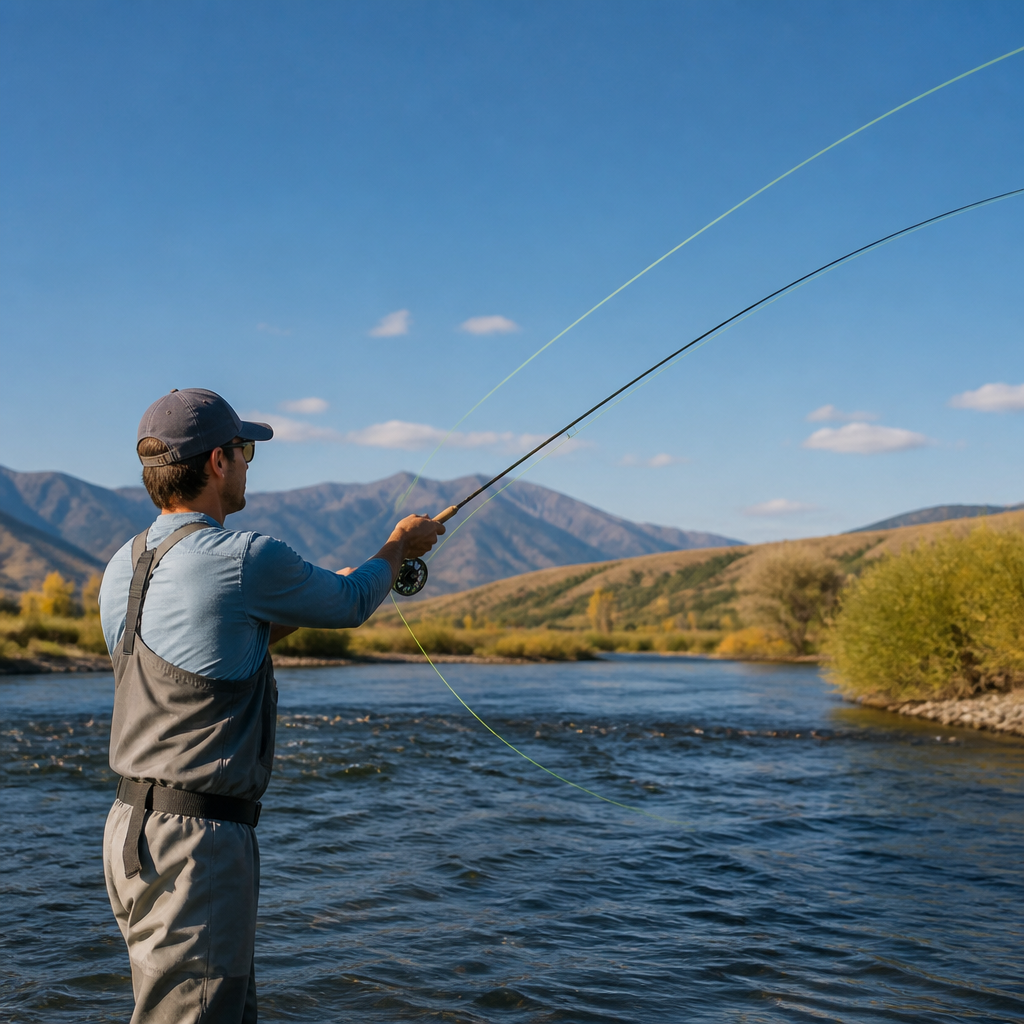
Matching the hatch fails most often because of presentation, not pattern choice. Summer’s lower flows and clearer water make drag obvious. Trout positioned in glassy tails and foam lines can track a fly for several feet, so leader and tippet design become tactical choices. I commonly lengthen leaders to twelve feet or more and use 5X to 7X tippet for tiny mayflies and tricos, while larger caddis and terrestrials may allow 4X or 5X. The objective is not merely stealth. Finer tippet reduces micro-drag and lets small flies drift naturally in conflicting currents. Reach casts, pile casts, slack-line presentations, and downstream deliveries create the time a convincing imitation needs.
Depth control is equally critical when fish are feeding below the film. A nymph six inches too deep may miss the lane; an emerger riding too high may be ignored. Grease leaders selectively, not automatically. Sometimes floating the leader butt while allowing the tippet to sink helps an emerger hang naturally. On riffled water, dead drift usually wins with mayflies, but caddis can reward controlled motion. A slight lift at the end of the drift imitates an ascending pupa and often triggers strikes. Hooking and landing also require summer adjustments because warm water stresses trout. Use strong enough tippet to finish fish quickly, keep them submerged during release, and avoid prolonged fights when temperatures rise. Good hatch matching should improve both catch rate and fish care.
Regional Examples and a Practical Decision Framework
On a Western freestone in July, imagine a cool morning with scattered rises along a riffle tailout. You see pale adults drifting, but trout refuse a standard PMD dun. A seine reveals emerging nymph shucks and half-formed duns. The right adjustment is a #16 or #18 cripple or emerger with a low profile, presented on a long 5X or 6X leader upstream of the feeding lane. By afternoon, rising stops, wind pushes grasshoppers and beetles from the bank, and trout slide under cutbanks. Now the hatch match shifts from aquatic insects to terrestrials, and a small foam beetle or tan hopper tight to structure becomes the correct choice.
On an Eastern limestone creek in August, the game may center on tricos at dawn and tiny terrestrials later. Fish sip rhythmically in slick water, ignoring high-floating patterns. A flush trico spinner on 6X or 7X, with exact drag-free drift, is often mandatory. Once the spinner fall ends, switching to a black ant under overhanging vegetation can restart action. On a famous tailwater, summer generation schedules, dissolved oxygen, and dam releases may matter as much as entomology. Midges, sowbugs, PMDs, and caddis can overlap, so the best framework is simple: identify where fish are feeding, determine surface or subsurface, match size first, then stage, then color, and finally adjust presentation before abandoning the food type. That sequence prevents random fly changes and makes match the hatch a reliable system rather than a slogan.
The biggest takeaway from matching the hatch in summer is that success comes from combining observation with deliberate adjustments. Watch the water before opening the fly box. Identify the dominant food source, but remember that trout often prefer a specific life stage rather than the most obvious adult insect. Prioritize size, silhouette, and behavior, then refine color and pattern details. In practical terms, that means carrying proven summer staples: mayfly emergers and spinners, caddis pupae and adults, small terrestrials, and technical tailwater patterns such as midges and RS2s. Just as important, use the leader length, tippet diameter, and drift control needed for low, clear conditions. The right fly with the wrong presentation is still the wrong answer.
As a hub within techniques and strategies, this topic connects directly to reading water, trout behavior, dry-fly presentation, nymphing depth control, and seasonal fly selection. Anglers who learn to match the hatch consistently stop relying on luck and start making informed decisions hour by hour. That is the main benefit: a repeatable process you can apply on freestones, tailwaters, and spring creeks all summer long. Start with one disciplined habit on your next trip: spend two full minutes observing before your first cast, then choose a pattern based on what trout are actually eating. That single change will improve your summer fishing faster than buying another dozen random flies.
Frequently Asked Questions
What does “matching the hatch” really mean in summer trout fishing?
In summer, matching the hatch means identifying exactly what trout are feeding on at that moment and then choosing a fly that imitates it closely enough in size, shape, color, behavior, and drift to trigger a confident eat. That sounds simple, but warm-weather conditions make it much more exacting than many anglers realize. Water levels are often lower, flows are clearer, and fish have more time to inspect a fly. At the same time, the menu can change fast over the course of a single day. Trout may begin by keying on tiny midges or tricos in the morning, shift to mayfly emergers or caddis in the afternoon, and then move toward terrestrials or even baitfish when light, temperature, and current conditions change.
The most important idea is that matching the hatch is not just about naming an insect. It is about matching what stage of that food item the trout are actually eating. Fish may ignore fully winged adults while feeding aggressively on emergers, pupae, cripples, drowned insects, or nymphs drifting just below the surface. In summer especially, a technically “correct” fly can still fail if it rides too high, sinks too fast, has the wrong profile, or moves unnaturally. A close match in silhouette and behavior often matters more than a perfect color match.
Good summer hatch matching also includes observation. Watch rises, inspect the water’s surface, look at streamside vegetation, turn over rocks, and use a small seine or even your wet hand to collect drifting insects. Notice whether trout are making splashy takes on caddis, gentle sips on small mayflies, or subsurface flashes that suggest emergers or nymphs. Once you know what they are eating, narrow your choices by size first, then profile, then color, and finally refine your presentation. That sequence keeps you from overcomplicating fly selection and helps you fish more efficiently during short summer feeding windows.
Why is matching the hatch more important during summer than in other seasons?
Summer often makes trout more selective because the conditions give them an advantage. Lower and clearer water improves their ability to inspect flies, and reduced current speed in many runs gives them extra time to reject a poor imitation. In spring runoff or off-color water, trout may make faster decisions and accept broader patterns. In summer, especially on pressured rivers and spring creeks, small mistakes in fly size, silhouette, drag, or depth become much more obvious to feeding fish.
Another reason it matters more is that summer feeding can become concentrated into narrower, more predictable windows. As water temperatures rise and light intensity increases, trout often feed hardest in the early morning, late evening, or during brief hatch periods when food is abundant and easy to capture. Outside those windows, fish may move to deeper lies, become less willing to rise, or shift from one food source to another. If you arrive during one of those prime windows, accurate imitation can make the difference between occasional interest and steady hookups.
Summer also brings a more diverse food calendar. Aquatic insects are active, but so are terrestrials such as ants, beetles, hoppers, and inchworms. Add in the possibility of trout feeding on small baitfish, craneflies, spent spinners, caddis skittering across the surface, or drowned land insects after wind events, and the menu becomes broad. Trout can be opportunistic, but they also become focused when one food source is especially abundant. That focus is what turns “close enough” into “not good enough.”
Finally, fishing pressure tends to increase in summer. More anglers mean trout see more patterns, more drag, and more poor presentations. Matching the hatch in these conditions is part entomology and part realism. You are not just showing the fish something edible; you are showing them something believable in an environment where they have every reason to be suspicious. That is why disciplined observation and precise imitation pay such large dividends in warm-weather trout fishing.
How can I figure out what trout are eating when the hatch keeps changing through the day?
The best approach is to treat summer trout fishing like an ongoing investigation rather than a one-time fly choice. Start by observing before you cast. Look for insects in the air, on the water, and along streamside rocks and vegetation. Pay attention to rise forms. Splashy, noisy rises can suggest caddis adults or chasing behavior, while soft sips often point to mayflies, spent spinners, or tiny surface insects. Bulges just under the film may indicate emergers. If fish are not visibly rising, inspect the drift by turning over a few rocks in shallow riffles or using a small net to sample what is moving downstream.
When you find insects, identify four practical things: size, type, stage, and location in the water column. Size is often the biggest trigger, so estimate hook size carefully. Then decide whether the insect is a mayfly, caddis, midge, stonefly, terrestrial, or something else. Next, determine life stage: nymph, emerger, pupa, dun, spinner, adult, or drowned form. Finally, note whether trout are feeding on the bottom, in mid-column, in the film, or on top. Those four observations tell you far more than simply saying, “There are bugs around.”
If the hatch changes, adapt in small steps. Do not abandon a productive fly pattern too quickly, but do make systematic adjustments. First change size. If that does not work, change profile or stage. For example, move from a dry caddis to a soft-hackle or pupa if fish are refusing on top. If trout are rising but not taking your fly, suspect that they are feeding just below the surface. If fish were eating nymphs in the morning and begin rising later, shift your rig to reflect that transition rather than continuing to dredge water that no longer matches current feeding behavior.
It also helps to build a simple progression for summer days. Early morning often favors small dries, spinners, or nymphs. Midday may call for terrestrials, attractor dries with droppers, or deeper nymphs if fish retreat from bright light. Late afternoon and evening frequently bring stronger aquatic insect activity, especially caddis and mayflies. By combining observation with a time-of-day framework, you can stay ahead of hatch changes instead of reacting late. The key is to let trout behavior confirm your choice. If the fish tell you the menu has changed, believe them and adjust.
What fly patterns work best for matching the hatch in summer?
The best summer patterns are usually the ones that cover the most common food forms with convincing silhouettes and dependable presentation qualities. Rather than carrying endless variations, think in categories. For mayflies, reliable summer options include parachute dries, comparaduns, cripples, emergers, pheasant tail-style nymphs, and spinner imitations in the sizes typical to your water. For caddis, keep elk hair or CDC adult patterns, low-riding emergers, caddis pupae, and soft hackles that can suggest movement in the film. For midges and tiny insects, slim emergers, Griffith’s Gnat-style clusters, and sparse pupa patterns can be essential, especially on smooth water and during technical morning feeds.
Terrestrials deserve a major place in any summer fly box. Foam ants, flying ants, beetles, small hoppers, and inchworm-style patterns often produce when classic aquatic hatches are absent or intermittent. In many rivers, trout become conditioned to expect land-based food during warm months, especially near grassy banks, under overhanging trees, and on windy afternoons. These patterns are not just backup flies. On some summer days, they are the hatch. Their effectiveness also increases after breeze, heat, or bank disturbance pushes insects into the water.
Subsurface patterns remain critical even when surface activity grabs your attention. Many summer fish feed below the film on nymphs, pupae, and emergers long before they begin rising. Slim nymphs, perdigon-style flies for getting down quickly, hare’s ear variations, caddis pupa imitations, and unweighted or lightly weighted soft hackles all help cover these transitions. If the river holds sculpin, dace, or juvenile trout, a small streamer can also be a valid hatch match in summer, particularly early or late when larger fish switch from insects to protein-rich prey.
Choosing among these patterns comes down to realism and range. Carry flies in multiple sizes, because size is often more important than pattern name. Favor patterns with a clear, natural silhouette rather than overdressed tying styles. Include both high-floating and low-riding dries so you can match insects that sit differently in the surface film. And remember that “best” does not always mean “most detailed.” In clear summer water, a simple pattern presented at the correct angle, depth, and drift will often outperform a perfect-looking fly fished poorly. Match the bug, but just as importantly, match the way that bug appears to the trout.
How important is presentation when matching the hatch in summer, and what should I focus on?
Presentation is every bit as important as pattern selection, and in many summer situations it matters more. You can have the right