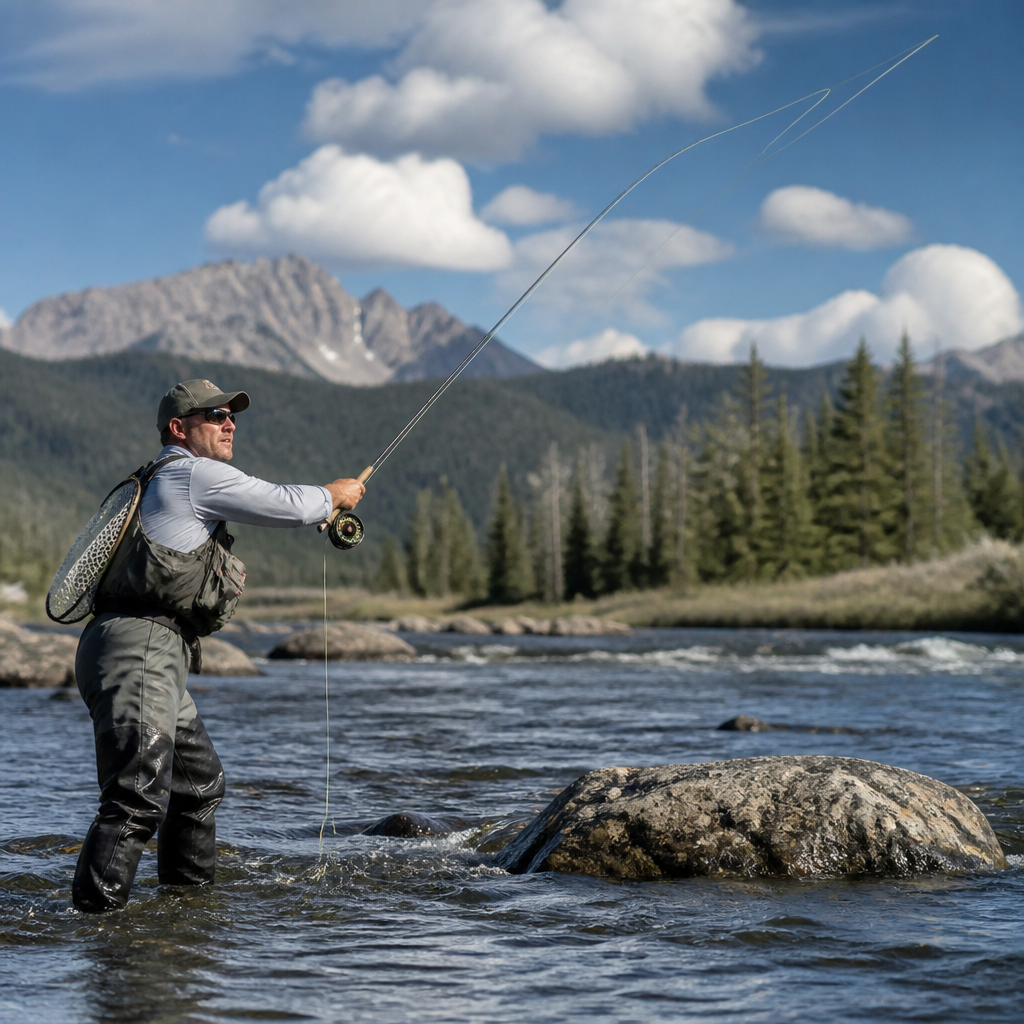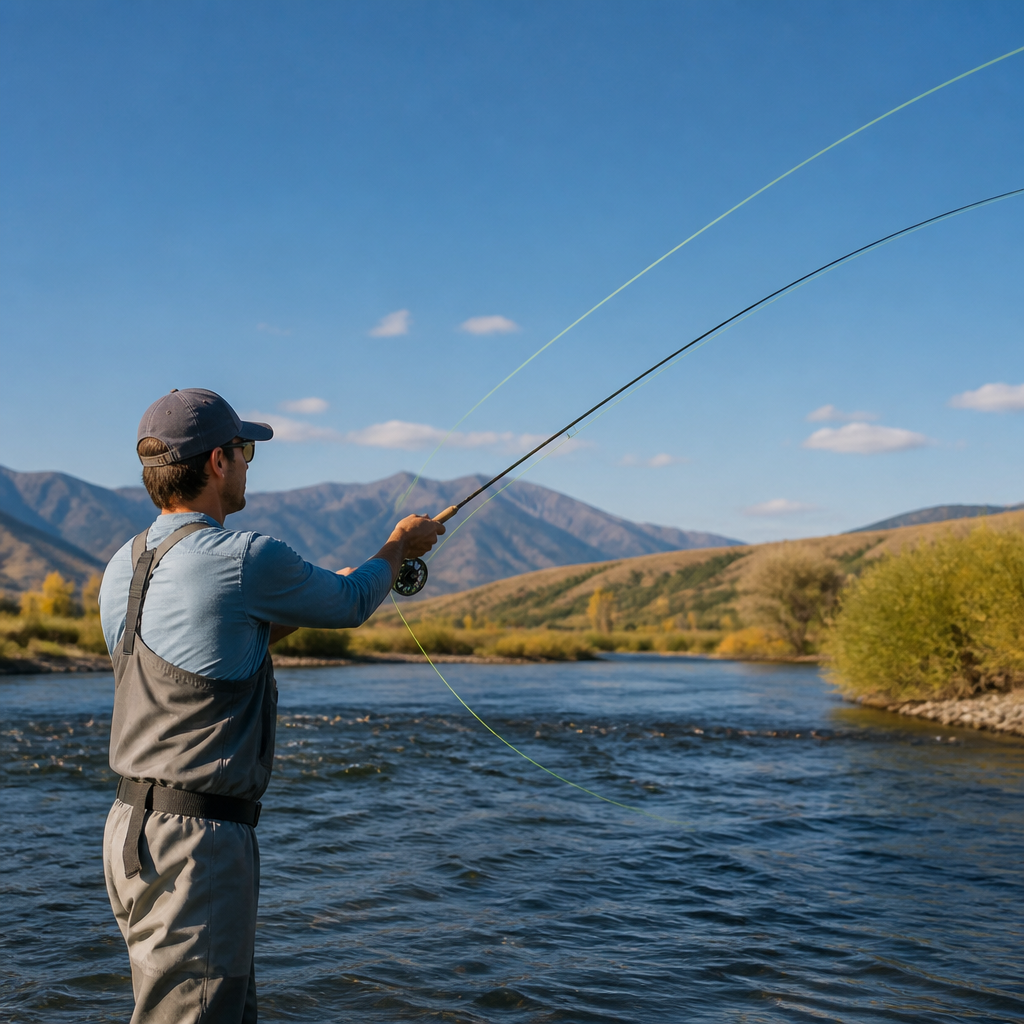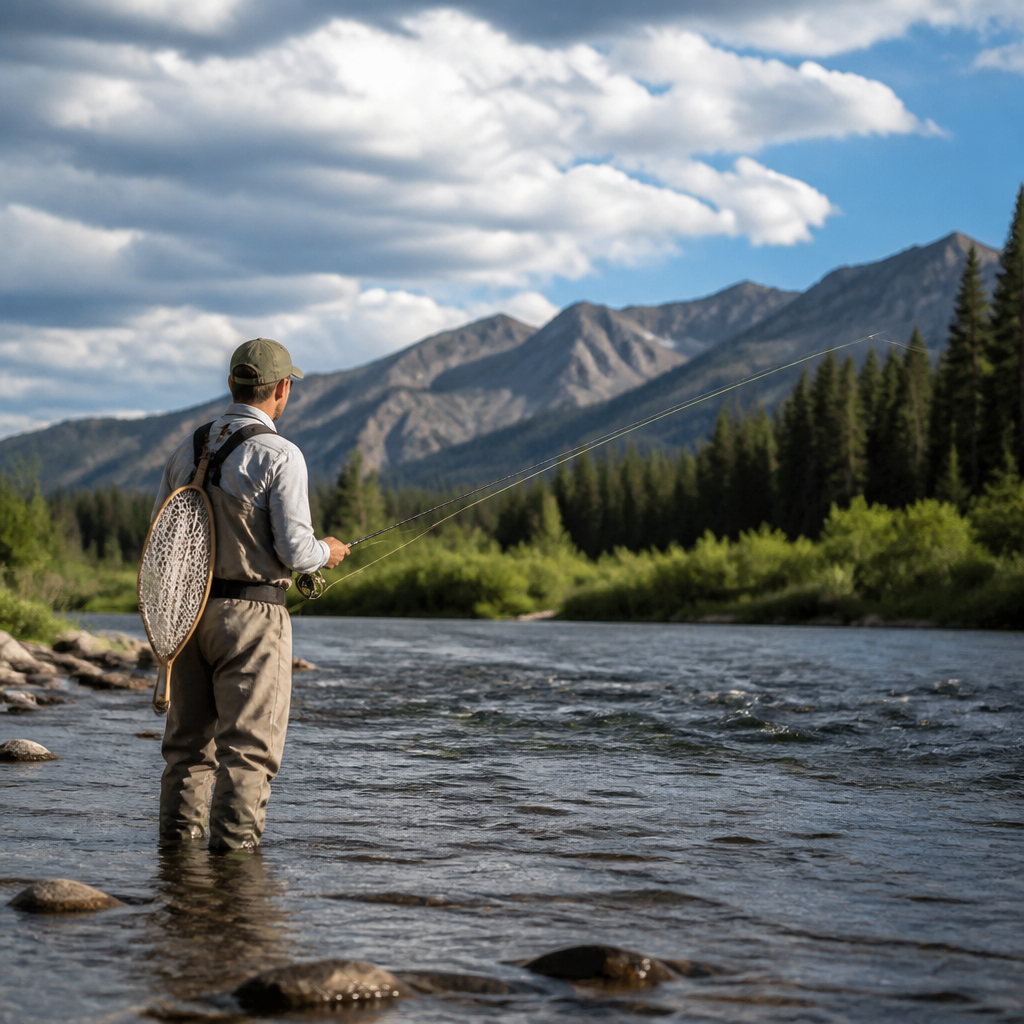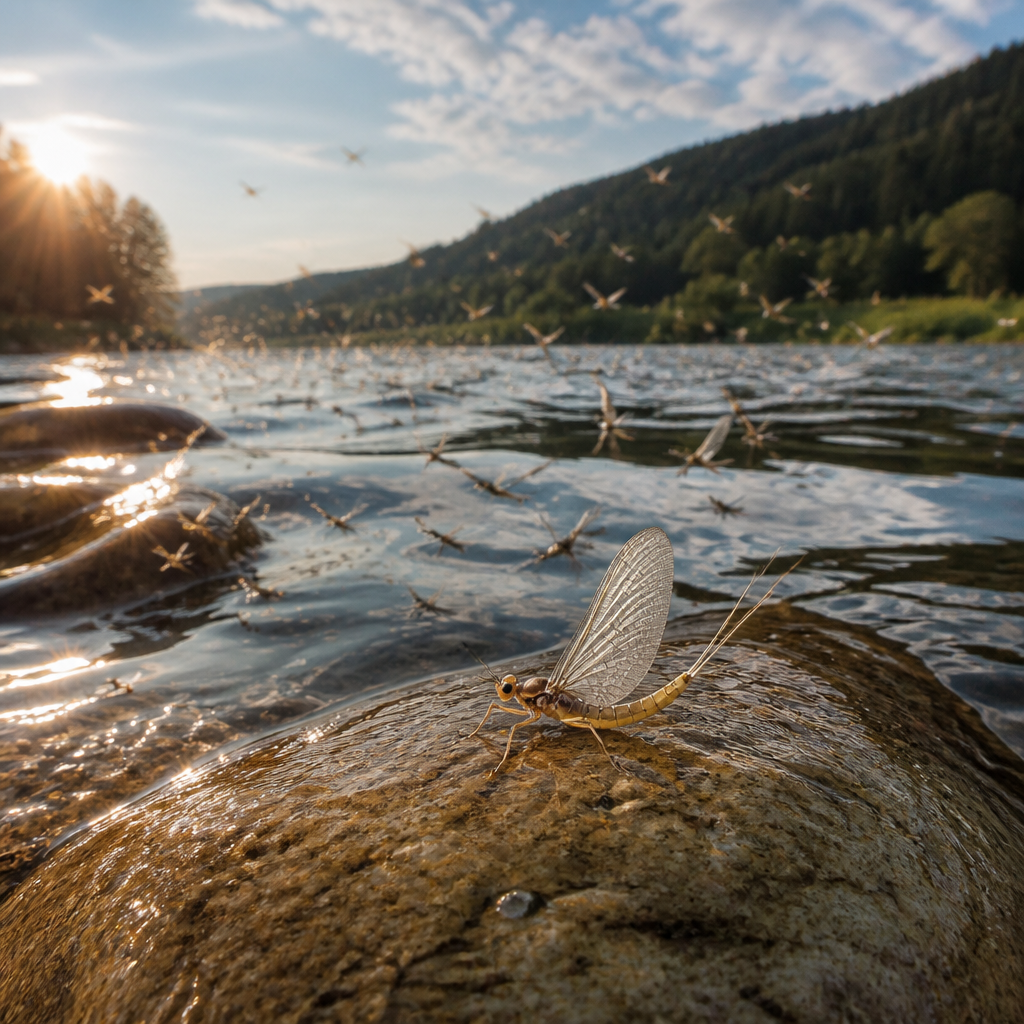
Identifying mayfly hatches is the foundation of successful match the hatch fishing, because trout often key on one life stage, one size, and even one narrow color window during a feeding event. In practical terms, “match the hatch” means observing the insects available to fish and choosing a fly that imitates the form, behavior, and drift most trout are selecting at that moment. A mayfly hatch is the emergence of aquatic insects in the order Ephemeroptera from nymph to dun and then spinner, and each phase creates different feeding opportunities. I have seen skilled anglers fail on productive water simply because they matched the species but missed the stage, while a careful angler with only a few patterns succeeded by reading the hatch correctly. This topic matters because mayflies dominate many trout diets on rivers, spring creeks, and tailwaters, and understanding them turns random casting into repeatable decision-making.
For anglers building a dependable mayfly strategy, identification starts with a few key variables: timing, water type, body size, wing profile, behavior, and where in the water column fish are feeding. Trout do not inspect Latin names the way entomologists do, but they absolutely respond to silhouette, drift, and vulnerability. That is why mayfly hatch identification is less about memorizing every species and more about narrowing the field with useful observations. On many North American trout streams, common groups include Blue-Winged Olives, Hendricksons, March Browns, Sulphurs, Pale Morning Duns, Green Drakes, and Tricos. Each has recognizable habits. Some emerge in cloudy weather, some in evening slicks, some in riffles, and some produce spinner falls that outfish the dun hatch by a wide margin.
This hub article explains how to identify mayfly hatches in plain terms and how to connect those observations to fly choice and presentation. It covers the core signs on the water, the most important life stages, a practical process for narrowing an insect down, and the mistakes that cost fish during dense hatches. Used well, these strategies help you fish dry flies, emergers, nymphs, and spinners with more purpose. They also give you a framework for exploring related topics across the broader Techniques and Strategies section, from reading rise forms to selecting tippet, because every strong match the hatch approach begins with understanding what is hatching, where it is in the life cycle, and why trout are feeding on it now.
Start with the mayfly life cycle, because stage matters more than name
If you remember only one principle, remember this: trout usually feed on the easiest stage to capture, not necessarily the most visible one. Mayflies begin as nymphs on the streambed, rise through the water column to emerge as duns, then later molt into spinners that return to mate and fall spent on the surface. In real fishing, that means a blanket hatch of duns can distract anglers while trout continue eating ascending nymphs just below the film. I have watched this repeatedly on sulfur hatches on limestone streams, where switching from a high-floating dry to a soft hackle or unweighted emerger immediately changed refusal after refusal into solid takes.
Nymphs are the pre-hatch baseline and often the best place to begin before adults appear. Most mayfly nymphs are swimmers, clingers, or crawlers, and their body shape hints at where they live. Slim swimmer nymphs such as many olives are common in moderate current and drift easily before emergence. Broader clingers like March Brown nymphs hold in faster water and often hatch near riffles. During emergence, trapped shucks, struggling insects, and partially emerged wings make bugs vulnerable. Duns are upright-winged adults riding the surface after escaping the nymphal shuck. Spinners are sexually mature adults with clear wings held out flat; after mating, they collapse spent, often producing the most selective feeding of the day. Knowing these differences lets you choose whether to fish a pheasant tail, emerger, parachute, or spent-wing pattern with intent instead of guesswork.
Observe the water before opening the fly box
Accurate hatch identification starts with observation, not fly selection. Before I tie on anything, I look at the water type, weather, and trout behavior for several minutes. Ask direct questions: Are fish rising in riffles, seams, or flat tailouts? Are the rises splashy, subtle, or porpoising? Are insects drifting quickly, skittering, or stuck in the film? Is the hatch beginning, peaking, or tapering into a spinner fall? These clues reduce the problem fast. Blue-Winged Olives often hatch in cool, overcast, breezy conditions and can bring steady midday rises. Tricos usually create technical morning fishing on slow water, especially during the spinner fall. Green Drakes can trigger explosive feeding in broken water, but the largest fish may still focus on emergers.
Carry a small seine, aquarium net, or even fine mesh fabric to sample the drift. A quick kick seine in a riffle shows what nymphs are active before a hatch starts. Once adults appear, use a clear vial or simply wet your finger and pick one off the water. Measure size against hook standards you know: a mayfly that looks “medium” is not useful, while “about a size 16 olive with slate wings” narrows the choice immediately. Polarized glasses help you separate real rises from surface dimples caused by naturals. A hand lens is useful on technical streams, but on most days body length, wing color, tail count, and behavior matter more than microscopic detail. The best anglers I know develop a habit of deliberate observation that turns a hatch from a mystery into a short list.
Use a practical identification framework on the stream
A streamside framework keeps hatch identification simple under pressure. Start broad and move narrow: first confirm the insect is a mayfly rather than a caddis or midge, then identify size, color, stage, and timing. Mayflies usually show upright wings as duns, long slender bodies, and two or three tails. Caddis have tent-shaped wings and a more fluttering flight. Midges are much smaller, with different wing posture and often clustered swarms. Once you know you are seeing mayflies, estimate hook size, then note abdomen color, thorax tone, wing appearance, and whether the insect is emerging, floating, or spent.
The table below summarizes a practical field method that works on unfamiliar water as well as on rivers you fish every season.
| Observation | What to Look For | What It Suggests | Fly Direction |
|---|---|---|---|
| Size | Hook size range, body length | Eliminates most species quickly | Match pattern size first |
| Stage | Nymph, emerger, dun, spinner | Reveals feeding lane and vulnerability | Choose subsurface, film, or surface fly |
| Color | Olive, sulfur yellow, tan, gray, brown | Narrows hatch group | Adjust body and wing tone |
| Water type | Riffle, run, flat, eddy | Points to likely species behavior | Select pattern and presentation style |
| Time and weather | Midday, evening, cool, overcast, warm calm | Confirms seasonal hatch windows | Expect olives, sulfurs, tricos, drakes, or spinners |
| Rise form | Slash, sip, porpoise, bulge | Shows where trout are taking insects | Dry, emerger, soft hackle, or nymph |
This framework prevents a common error: overcommitting to exact species identification before solving the simpler and more important problem of what trout are eating right now. If fish are bulging under duns, an emerger is often the highest percentage answer regardless of whether the hatch is a Pale Morning Dun or a sulfur. Precision matters, but sequence matters more.
Recognize the major mayfly groups trout anglers see most often
You do not need an academic entomology course to identify the hatches that matter. Most trout anglers can cover the majority of relevant mayfly situations by learning the appearance and habits of a handful of major groups. Blue-Winged Olives, typically in sizes 16 to 22, are olive-bodied mayflies associated with cool temperatures and overcast weather, though they can hatch in many conditions. Hendricksons and Red Quills, commonly around sizes 12 to 14 in Eastern rivers, are important spring hatches with distinct male and female coloration. March Browns tend to be larger, often size 10 to 14, and are strongly associated with riffled water and lively emergences.
Sulphurs and Pale Morning Duns are among the most important warm-season mayflies on many rivers, usually appearing in sizes 14 to 18 with yellow to creamy bodies and pale wings. Anglers often confuse them, but trout usually reward a close size-and-stage match more than perfect naming. Green Drakes are large and dramatic, often size 8 to 12 depending on region and species, and can create brief windows of exceptional fishing. Tricos are tiny, often size 20 to 26, and demand close attention to timing because the spinner fall is usually the key event. Mahogany Duns and related fall mayflies extend quality dry-fly fishing late in the season, especially during cool, stable weather. Learn these groups with photos, hatch charts from local fly shops, and your own stream notes, and you will cover a large percentage of real match the hatch situations.
Match behavior and presentation, not just appearance
A perfect visual imitation fails if it behaves unlike the natural. Mayfly hatch identification only becomes useful when it changes how you present the fly. During emergence, naturals often drift helplessly in or just under the surface film, so a dead-drift soft hackle, comparadun-style emerger, or ungreased leader tactic can outperform a standard dry. During a spinner fall, spent adults lie flush and motionless, making a low-profile fly and drag-free drift essential. During a dun hatch in broken water, a higher-floating parachute or hair-wing pattern may be easier for trout to see and easier for you to track. The right behavior frequently matters more than a slight color mismatch.
Rise forms reveal feeding depth. Splashy rises often indicate trout chasing duns or caddis near the top, while soft head-and-tail rises can signal selective feeding on spinners in flat water. Bulges and subsurface flashes suggest emergers or ascending nymphs. On technical spring creeks, I often begin with a downstream or down-and-across presentation during spinner falls to reduce drag, using longer leaders and finer tippet. On riffled freestone water, I may fish closer with a more buoyant pattern because microdrag is less visible. This is why match the hatch is not just entomology. It is applied observation tied to presentation, drift control, and feeding position.
Avoid the mistakes that ruin mayfly hatch fishing
Most failed hatch fishing comes from a short list of repeatable mistakes. The first is changing flies too quickly without collecting information. The second is obsessing over color while ignoring size and stage. The third is fishing only dries because adults are visible, even when trout are taking emergers below them. The fourth is poor drag control. On many rivers, especially spring creeks and smooth tailouts, trout reject accurate imitations that move unnaturally by an inch. The fifth is ignoring spinner falls, which can be more important than the hatch itself. Many anglers leave when duns stop appearing, yet the best fishing may begin when spent adults return in calm evening air.
Another common problem is relying on generic hatch charts without adjusting for local timing. A sulfur hatch on one watershed may begin two weeks earlier than on another because of elevation, dam release temperatures, or recent weather. Use charts as a baseline, then verify with local reports, stream thermometers, and your own logbook. Keep notes on date, water temperature, time of first rise, insect size, stage, and successful patterns. After a season or two, you will have a personal hatch record more valuable than any broad regional calendar. That is how consistent anglers turn occasional luck into strategy. Study the bugs, watch the fish, and build your own reference on the waters you fish most.
Identifying mayfly hatches becomes much easier once you stop treating every rise as a puzzle with hundreds of possible answers. On the water, the useful questions are simple: What stage are trout feeding on? What size is the insect? Where is the feeding happening in the water column? How are naturals behaving? Answer those questions, and most match the hatch decisions become manageable. You do not need to name every mayfly exactly to catch trout consistently, but you do need to recognize the major groups, understand the nymph-to-dun-to-spinner sequence, and let observation guide fly choice and presentation.
As a hub within Techniques and Strategies, this article gives you the structure for every other match the hatch topic: reading rise forms, fishing emergers, selecting dry patterns, approaching spinner falls, and keeping stream notes that improve season after season. The main benefit is confidence. Instead of guessing, you can narrow the hatch, choose a credible imitation, and present it in the way trout expect to see it. Start on your next outing by pausing before you cast, watching one run carefully, and identifying size, stage, and behavior first. That single habit will improve your mayfly fishing more than buying a dozen new patterns.
Frequently Asked Questions
What is a mayfly hatch, and why is it so important for match the hatch fishing?
A mayfly hatch is the period when mayflies transition from one visible life stage to another in or around the water, most notably when nymphs rise to the surface and emerge into duns, and later when duns mature into spinners and return to mate and fall spent. For trout anglers, this matters because fish often become highly selective during these events. Rather than feeding broadly, trout may focus on one exact food form: ascending nymphs just below the surface, freshly emerged duns trapped in the film, upright adults drifting on top, or spent spinners lying flat. That selectivity is the heart of match the hatch fishing.
Identifying a hatch correctly gives you a major advantage because it narrows the trout’s feeding preference to something specific and fishable. Instead of guessing, you can look at the water, the insects, and the trout behavior to determine not only what species may be present, but also what stage the fish are targeting. In many cases, anglers assume trout are feeding on visible adults, when in reality the fish are taking emergers just under the film. That small difference can completely change your pattern choice, presentation, and success rate.
Mayfly hatches are especially important because mayflies are among the most common and seasonally significant aquatic insects on trout streams. Their emergence can trigger consistent feeding activity, and many classic trout patterns are tied specifically to imitate mayfly nymphs, emergers, duns, and spinners. Learning to recognize a hatch helps you move beyond generic fishing and into informed decision-making. Once you understand what stage is present, what size the naturals are, and how the insects behave in the drift, you can choose flies with far greater confidence and accuracy.
How can I tell which mayfly life stage trout are feeding on during a hatch?
The fastest way to identify the feeding stage is to combine direct observation of the insects with careful reading of trout rises. Trout feeding just below the surface often create subtle bulges, swirls, or porpoising rises, which usually suggest they are eating emergers or ascending nymphs rather than fully formed adults. If you see noses breaking the surface cleanly and insects floating upright nearby, the fish may be taking duns. If rises are gentle and the water is littered with motionless, flat-winged insects later in the day, trout are often feeding on spent spinners.
Watching the insects themselves is just as important. Scoop a few off the water or use a small seine or aquarium net in the current. Nymphs will be streamlined and aquatic, often clinging to rocks before emergence. Emergers may have shucks attached or appear crippled in the film. Duns sit upright on the water with newly formed wings and are relatively vulnerable as they drift. Spinners usually appear after mating flights and lie flush to the surface with outstretched wings, creating an easy target for trout. Matching that exact profile is often more important than matching the species name perfectly.
If trout are refusing your dry fly, that is a strong clue that your stage is off, even if your size seems close. During many hatches, the best pattern is not a high-floating adult imitation but a low-riding emerger that suggests an insect struggling to escape. In practical terms, the question is not just, “What bug is hatching?” but, “What form of that bug are trout selecting right now?” Anglers who answer the second question consistently catch more fish than those who focus only on species identification.
What are the most useful clues for identifying a mayfly hatch on the water?
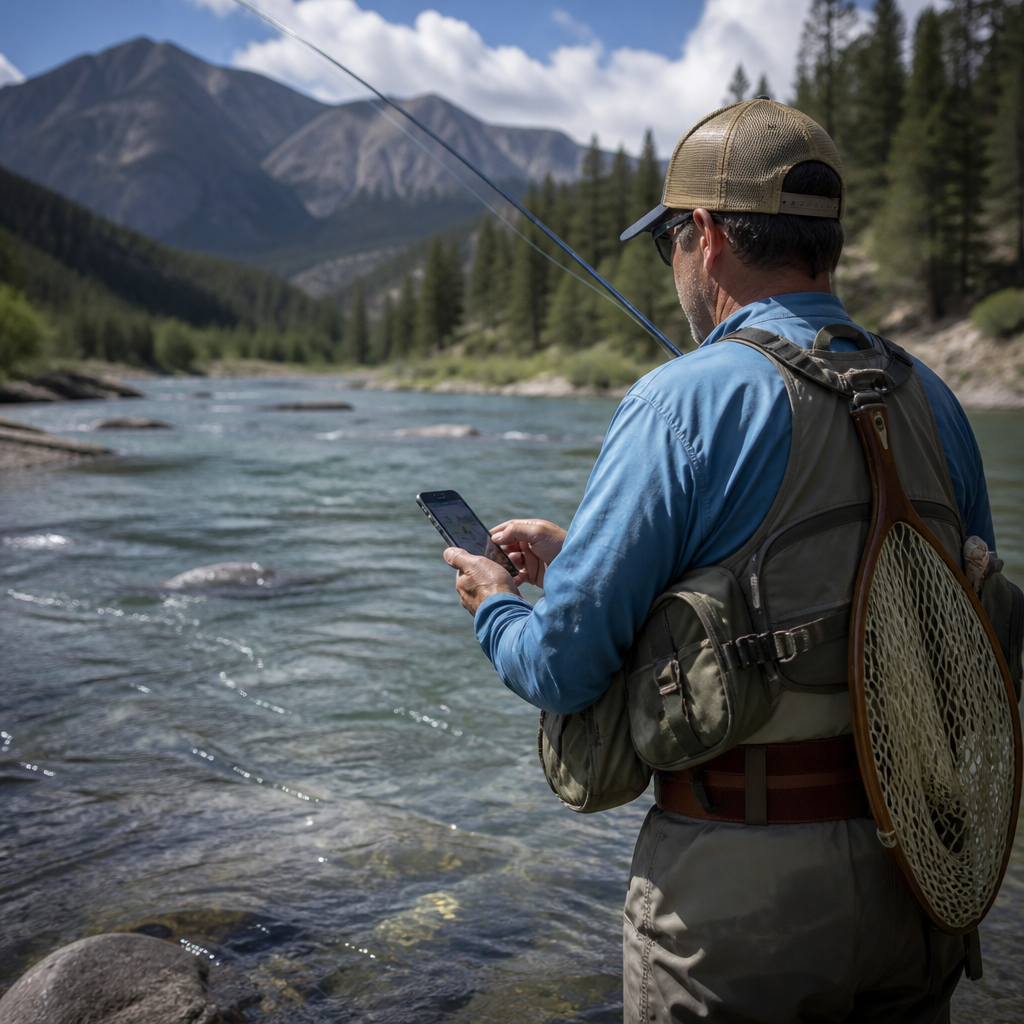
Start with the simplest visual clues: insect size, body color, wing posture, and time of activity. Mayfly duns typically ride with upright wings, while spinners hold their wings out flat. Size is often more important than subtle color differences, especially at normal fishing distances. A size 18 pale mayfly and a size 14 darker mayfly may look completely different to trout in the feeding lane, so estimating hook size accurately is a foundational skill. Carrying a streamside hatch card, a small magnifier, or even taking a close photo with your phone can help when you are unsure.
Water type also provides useful hints. Faster riffles often produce emerging insects, while softer seams and tailouts may collect drifting duns or spent spinners. If you turn over rocks in shallow water and find mature nymphs with darkened wing pads, an emergence may be imminent. If you see empty shucks in eddies or along the bank, that is another strong signal that trout may begin focusing on emergers or duns. Air temperature, cloud cover, and light levels can influence timing as well, with some hatches intensifying under overcast conditions and spinner falls often occurring in calmer, lower-light periods.
Trout behavior is the final and often most reliable clue. Random rises can mean opportunistic feeding, but rhythmic, repeated rises in the same lane usually point to a concentrated hatch. When several fish begin feeding steadily at once, look closely before changing flies blindly. Pause, observe the drift, and inspect what is actually floating or emerging. The more often you connect insect evidence with trout response, the faster you will learn to identify hatches accurately and react with the right imitation.
How precise do I need to be with size, color, and pattern when matching a mayfly hatch?
In most cases, size comes first, life stage comes second, and color comes third. That may sound simple, but it is one of the most valuable principles in hatch fishing. Trout frequently tolerate minor differences in shade, especially under broken light or in rougher water, but they often reject flies that are clearly the wrong size or silhouette. If natural duns are size 16 and you are fishing a size 12, even a beautifully tied fly may be ignored. Likewise, if trout are feeding on low-profile emergers and your imitation rides too high, you may get refusals even if the body color is close.
That said, color still matters, especially during selective feeding windows. Many mayflies fall into broad color families such as olive, pale yellow, gray, cream, or rusty brown, and getting into the right range can improve results. Body tone can also change by stage: a nymph may appear darker and more natural underwater, while a dun may show a brighter or cleaner body color after emergence, and a spinner may develop different abdominal coloration. Rather than chasing tiny distinctions immediately, focus first on whether your imitation presents the right overall impression.
Pattern choice should support behavior as much as appearance. A comparadun, parachute, sparkle dun, soft hackle, pheasant tail, or cripple pattern all suggest different positions in the emergence sequence. The best fly is often the one that matches how the natural insect sits in the water. If naturals are trapped in the film, choose a low-floating or partially submerged imitation. If trout are taking spent adults after a mating flight, switch to a spinner pattern with the proper flat-wing silhouette. Precision matters, but useful precision starts with the big three: stage, size, and drift.
What strategies help anglers identify mayfly hatches more consistently over time?
The best long-term strategy is to build a habit of structured observation every time you fish. Before tying on a fly, spend a few minutes looking at the water surface, checking streamside vegetation, and turning over a few rocks. Notice whether nymphs are active, whether duns are drifting, whether spinner bodies are collecting in eddies, and whether trout are rising with a specific rhythm. Keeping a fishing log is extremely helpful as well. Record the date, river, weather, water temperature, insect size and color, time the hatch began, and what life stage the fish were taking. Over a season or two, patterns become much easier to predict.
It also helps to learn the common mayflies on the waters you fish most. You do not need to become an entomologist overnight, but familiarity with a handful of major local hatches can transform your success. If you know when olives, pale morning duns, sulfurs, March browns, or drakes typically appear on your stream, you will arrive with better expectations and better boxes. Still, remain flexible. Hatch charts are guides, not guarantees, and actual river conditions can shift timing from year to year or even day to day.
Finally, think in terms of process rather than perfection. Accurate hatch identification is a skill developed through repetition, comparison, and small corrections. When trout refuse a fly, use that information. When a switch from dun to emerger suddenly works, remember why. Over time, your eye will improve, your fly selection will become more deliberate, and your confidence will rise. The anglers who identify mayfly hatches most consistently are not always the ones with the most scientific knowledge; they are the ones who pay close attention, ask the right questions, and let the river show them what matters.