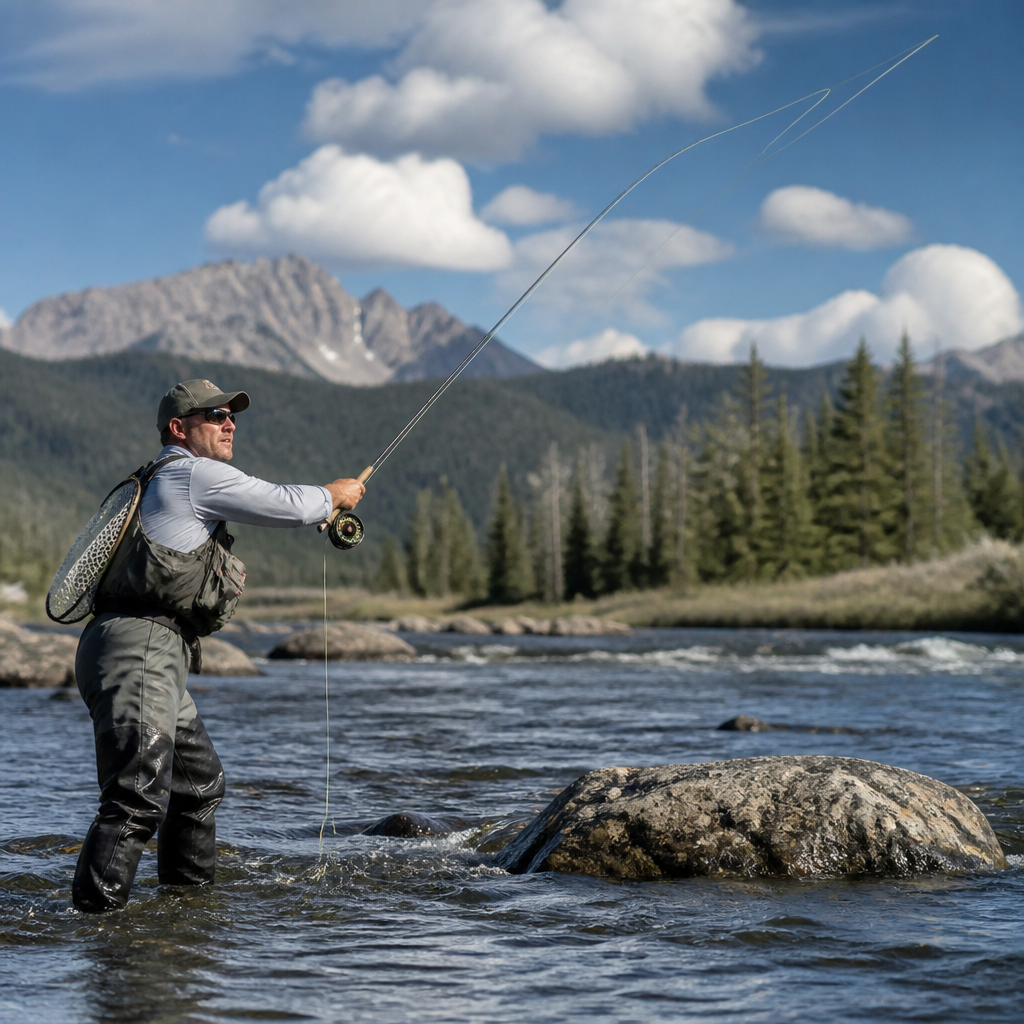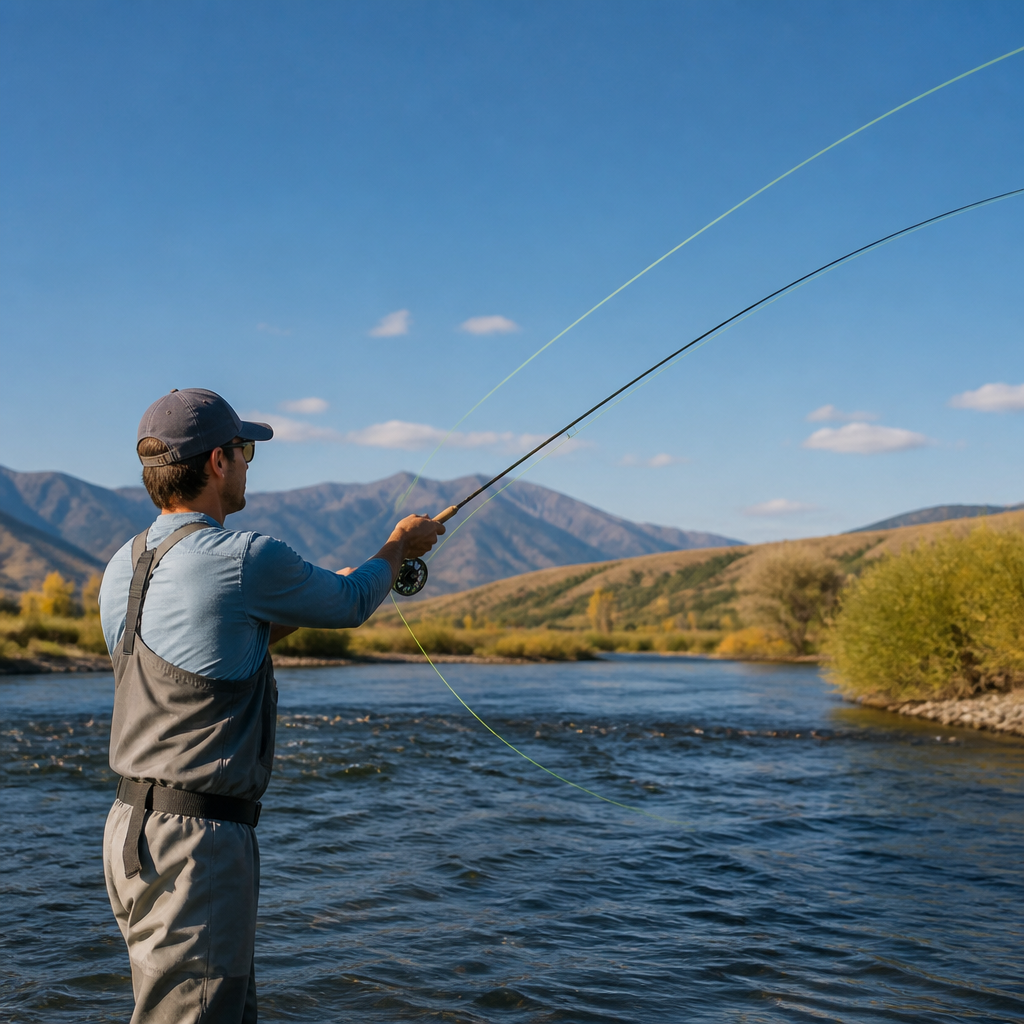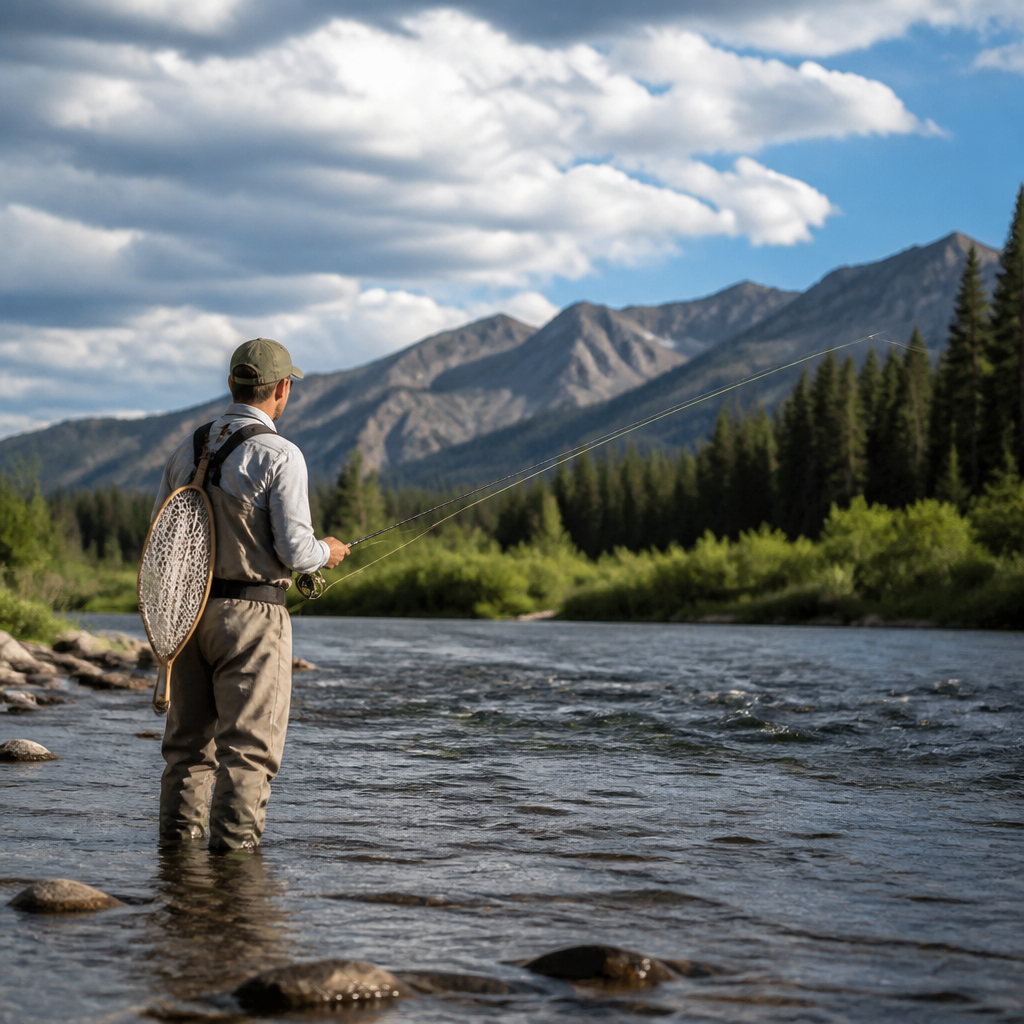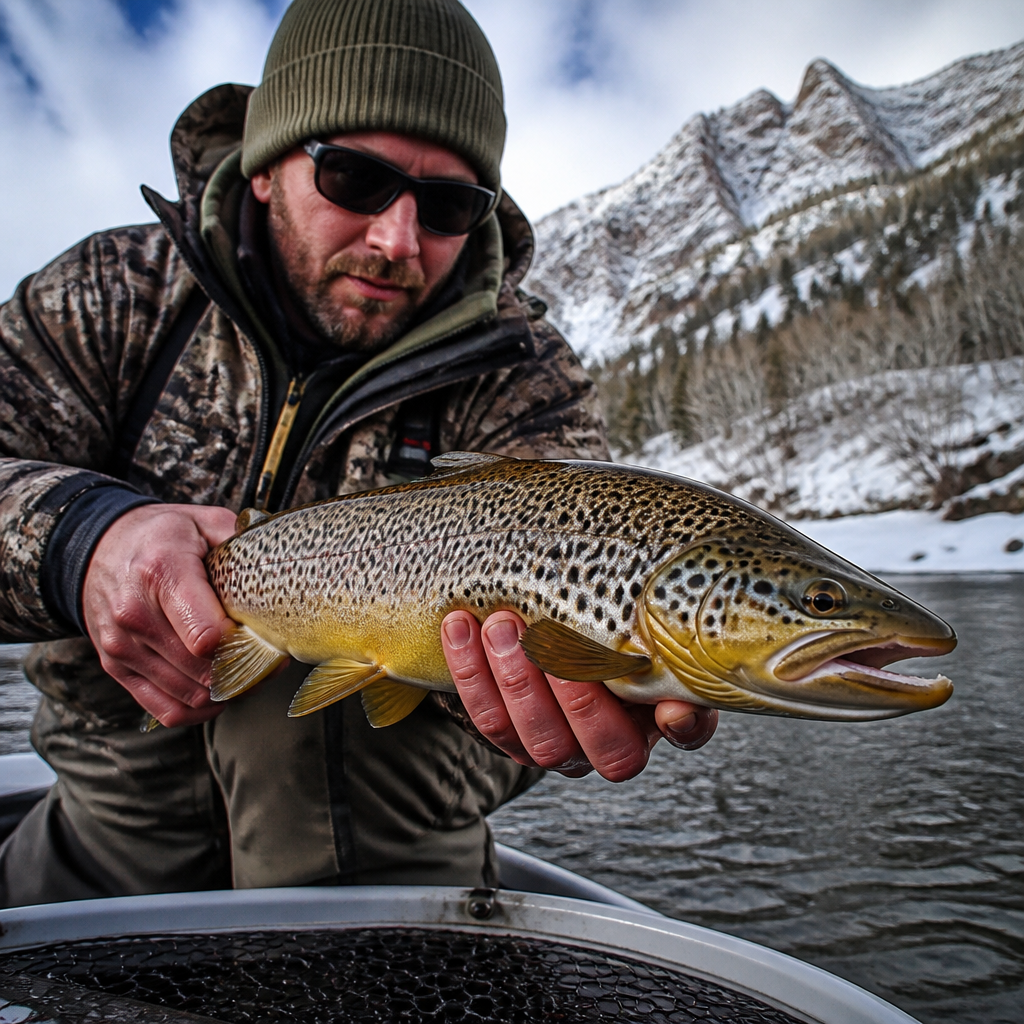
Matching the hatch in winter means choosing flies, presentations, and locations that imitate the insects and food forms trout are actually eating during the coldest months. Anglers use the phrase “match the hatch” to describe a simple but demanding discipline: observe what is on the water, in the drift, and under streamside rocks, then fish patterns that reflect that evidence in size, shape, color, and behavior. In winter, this matters even more because food sources are limited, trout conserve energy, and refusals usually come from small mistakes rather than dramatic ones.
After years of guiding and fishing tailwaters, spring creeks, and freestone rivers through January and February, I have found that winter success rarely hinges on carrying hundreds of flies. It hinges on understanding a narrower menu exceptionally well. Midges dominate many winter systems, blue-winged olives appear during stable, overcast windows, winter stoneflies become important along edges, and egg patterns can be relevant where trout spawn or where baitfish and whitefish contribute drifting eggs. Scuds, sowbugs, and small mayfly nymphs also matter, especially in tailwaters with steady temperatures and rich aquatic vegetation.
This hub article covers the core strategy behind matching the hatch in winter, from reading insect activity to selecting proven patterns and adjusting drift depth, tippet, and timing. It also serves as a practical starting point for deeper articles on midge fishing, winter nymphing, dry-dropper adjustments, tailwater entomology, and trout positioning in cold water. If you understand the winter food chain, you stop guessing and start making efficient decisions on the river. That is the central advantage of matching the hatch well in winter: fewer wasted casts, more confident fly choices, and a much higher probability of connecting with trout that feed selectively.
Why winter hatches are different and why trout become more selective
Winter compresses trout feeding behavior. Water temperatures often sit below 45 degrees Fahrenheit, insect diversity drops, and trout hold in slower current where they can intercept food without spending much energy. In practical terms, that means your fly has to enter a narrower feeding lane at the right depth and look close enough to the natural item that the fish accepts it quickly. During summer, trout may move farther for a caddis, stonefly, terrestrial, or attractor. In winter, they usually will not.
The biggest misconception is that winter trout do not feed much at all. They do feed, but often in short windows and on small prey. Midges can hatch in huge numbers when little else is active. Blue-winged olive nymphs may drift before a light afternoon hatch. Scuds and sowbugs remain available every day in fertile systems. Because these foods are small and consistent, trout learn a specific image. If they are taking size 22 black midge pupae and you offer a size 16 attractor nymph, you are not matching the hatch even if your drift is good.
Another winter difference is visibility. Low sun angles, clear water, and sparse bankside cover often make anglers easier for trout to detect. Matching the hatch therefore includes stealth and presentation. A perfect fly pattern can fail if your leader lands hard or your wading sends pressure waves through a soft run. In winter, imitation and delivery are inseparable.
How to identify the hatch before you tie on a fly
Start with evidence, not assumptions. Before I fish a winter run seriously, I look at the air above the water, the film on slicks, the undersides of streamside rocks, and my landing net after a few drifts. If tiny adults hover over slow seams, I suspect midges. If small olive duns appear on cloudy afternoons, blue-winged olives move to the top of the list. If I see shucks on snowy rocks near the bank, winter stoneflies are likely in play. On tailwaters, I also watch for drifting scuds or sowbugs in the shallows near weed beds.
A seine or fine mesh net makes this process faster. Kick the bottom lightly and inspect what drifts into the mesh. You are looking for relative abundance, not museum-grade identification. Ask four questions: what is most common, what size is it, what color is it, and where in the water column is it traveling? Those answers narrow your choices immediately. A sample dominated by cream midge larvae, olive mayfly nymphs, and a few gray scuds tells a very different story than one packed with orange eggs and black stonefly nymphs.
Time of day also matters. Many winter fisheries are slow in the morning, improve from late morning through early afternoon as water warms slightly, and taper again by evening. Cloud cover can amplify olive hatches, while calm, milder days can bring stronger midge activity. If no hatch is visible, use the same observational process to match subsurface food. Winter trout often feed far more below than on top.
Core winter insects and the patterns that reliably imitate them
The most dependable winter hatch on many trout rivers is the midge. Midges occur as larvae, pupae, and adults, and trout commonly key on the pupa because it drifts and rises before emergence. Productive patterns include zebra midges in black, red, olive, and brown; thread midges; disco midges; and small RS2 variants that suggest emerging forms. Sizes 18 through 24 are standard, with 20 and 22 especially common. Slim bodies matter. Oversized beads and thick dubbing often reduce realism.
Blue-winged olives are the next major category. In winter, their nymphs can be more important than the adults, especially before the hatch turns on. Pheasant tail variations, split-case baetis, olive RS2 patterns, and slender olive perdigons all produce. Keep them small, generally 18 through 22. During active surface feeding, parachute BWO dries, CDC emergers, and comparaduns become relevant, but only if trout are clearly eating in the film or on top.
Winter stoneflies are frequently overlooked because they are more visible to anglers than to trout. Adults crawl and skitter along snowy banks, but trout often feed more consistently on nymphs drifting near edges and riffle tails. Small black or brown stonefly nymphs in sizes 14 through 18 can be excellent search patterns. Egg patterns also deserve mention. In systems with rainbows, browns, or whitefish spawning, a 6-millimeter peach, pink, or apricot egg can be exactly right, though local regulations and ethics should guide use.
| Food source | Typical winter size | Best pattern styles | Where trout see it |
|---|---|---|---|
| Midge | 18-24 | Zebra midge, thread midge, RS2 | Deep slow runs, seams, film during emergence |
| Blue-winged olive | 18-22 | Pheasant tail, split-case baetis, olive emerger | Moderate seams, tailouts, surface during hatch |
| Winter stonefly | 14-18 | Small stonefly nymph, black adult | Edges, riffle tails, bankside pockets |
| Scud or sowbug | 14-18 | Gray scud, pink scud, sowbug patterns | Weed beds, tailwaters, soft inside currents |
| Egg | Single bead or yarn cluster | Glo-bug, sucker spawn, realistic egg | Below spawners, tailouts, transition slots |
Presentation details that complete the match
Matching the hatch is not only about pattern selection. Behavior is part of the hatch, and in winter the drift must be especially controlled. Natural insects move at the speed of the current they occupy. If your indicator drags faster than nearby bubbles, if your dry leaves a wake, or if your tight-line leader pulls the flies across lanes, the imitation stops looking natural. I routinely tell anglers that winter trout reject bad movement before they reject imperfect color.
Depth is usually the decisive variable. Cold-water trout commonly feed close to the bottom because that is where nymphs, larvae, and scuds drift with consistency. Add enough weight to tick substrate occasionally, then refine from there. Too many anglers fish winter flies a foot above feeding fish. A size 22 midge pupa can be perfect in every visual way and still go untouched if it rides too high. Split shot, tungsten beads, and tag-style nymph rigs all help solve this problem when used carefully.
Tippet diameter also changes outcomes. Fine tippet allows tiny flies to sink naturally and drift without hinge points. On calm, clear winter water, 5X and 6X are common, and 6.5X or 7X can be appropriate for small midges if fish are selective and the environment is snag-free. The tradeoff is obvious: finer tippet improves presentation but reduces abrasion resistance and landing power. Balance the hatch match against river structure and fish size.
Where to fish winter hatches on different river types
Freestone rivers, tailwaters, and spring creeks all host winter hatches, but they fish differently. Freestones are usually the most temperature sensitive. In prolonged cold, trout stack in deeper, slower holding water and feed during the warmest part of the day. Matching the hatch there often means small nymphs drifted through soft buckets below riffles, with occasional attention to winter stones along the banks. If a brief olive hatch appears, tailouts and gentle flats become the prime water.
Tailwaters often provide the most reliable winter action because dam releases stabilize water temperatures and support constant invertebrate production. This is where midge, scud, sowbug, and baetis patterns become the backbone of a winter box. I have had many days on tailwaters where the difference between average and excellent fishing was simply dropping from a size 18 to a size 22 midge and extending the drift through one extra soft seam. Tailwater trout see many flies, so exactness matters more.
Spring creeks reward the purest version of match-the-hatch fishing. Weed beds produce abundant life, currents are subtle, and trout often inspect flies for a long time. Here, imitation must include translucence, slender proportions, and gentle delivery. CDC emergers, tiny midge pupae, and lightly weighted baetis nymphs excel. Wading less and casting more thoughtfully usually catches more fish than changing patterns every five minutes.
Common winter matching mistakes and how to avoid them
The first common mistake is fishing too large. Anglers who would never throw a size 10 caddis into a trico hatch still regularly fish size 14 nymphs during midge-heavy winter conditions. If your drifts are clean but you are not getting interest, reduce size before making dramatic changes. The second mistake is overemphasizing color. In winter, silhouette, profile, and depth usually outweigh subtle shade differences. Black versus dark brown matters less than slim versus bulky.
The third mistake is ignoring non-hatch food. Matching the hatch in winter includes matching the dominant available food, even when no obvious emergence happens. On nutrient-rich tailwaters, scuds and sowbugs may outproduce classic hatch patterns all day. On spawning stretches, eggs can be a primary food source. On some rivers after flow bumps, worms become relevant. The hatch concept is broader than winged insects rising from the surface.
Another avoidable error is changing flies before changing angles, weight, or lane position. I have watched anglers rotate through twelve good patterns while never actually presenting one in the fish’s feeding window. Winter trout seldom move far. If a fish is holding on the soft side of a seam in three feet of water, a correct pattern drifting six inches outside that corridor may as well be on another river. Match the target as carefully as you match the insect.
Building a practical winter match-the-hatch system
A useful winter system starts with a small, disciplined fly box rather than an oversized assortment. Carry core midge larvae and pupae in black, red, olive, and cream; baetis nymphs and emergers in sizes 18 to 22; a few small stoneflies; scuds and sowbugs for fertile rivers; selective egg patterns where legal and appropriate; and a handful of winter dries for visible rises. Add split shot, tungsten putty, indicators sized for subtle takes, and tippet from 4X through 7X. That setup covers most winter trout situations without clutter.
On the water, follow a repeatable sequence. Observe first. Sample the drift if possible. Choose the most likely food form. Set depth carefully. Fish the highest-percentage water during the warmest feeding window. Then adjust one variable at a time: size, weight, lane, or fly style. This method prevents random decision-making and makes each change meaningful. Over time, your notes will show patterns. Certain rivers consistently fish best with cream midges in bright conditions, olive baetis before storms, or pink scuds after weed movement.
Matching the hatch in winter rewards discipline because the menu is smaller and trout behavior is more predictable than many anglers realize. Learn the main insects, fish them in accurate sizes, and present them at the right depth in slow, natural drifts. That is the foundation of successful winter fly fishing and the purpose of this hub within Techniques and Strategies. Use it as your starting point, then explore the related subtopics on midges, baetis, winter nymph rigs, and trout holding water to sharpen each part of the process. The closer your choices align with what trout are actually eating, the more consistent your winter days become. On your next cold-weather trip, slow down, inspect the river, and let the hatch tell you what to tie on.
Frequently Asked Questions
What does “matching the hatch” mean in winter trout fishing?
In winter, matching the hatch means identifying the limited food sources trout are actually feeding on and then choosing flies and presentations that closely imitate those insects or forage forms. The phrase sounds simple, but in cold weather it becomes much more exacting because trout typically feed in shorter windows, move less, and spend energy carefully. If your fly is too large, too bright, too active, or drifting unnaturally, fish are far more likely to ignore it. Winter matching the hatch is not only about copying the insect itself, but also about copying its size, silhouette, color tone, depth in the water column, and level of movement. A midge pupa drifting just below the surface film behaves very differently from a small mayfly nymph tumbling near the bottom, and trout often key in on those distinctions.
Successful anglers use observation first and fly selection second. That means watching for subtle rises, inspecting the drift, checking streamside rocks for nymphs, and paying attention to what kind of bugs are present even if no obvious hatch is underway. In many winter streams, trout feed heavily on midges, small blue-winged olives, immature mayfly nymphs, and tiny stoneflies, along with occasional scuds, sowbugs, worms, or eggs depending on the fishery. Matching the hatch in winter is really a discipline of narrowing your options rather than broadening them. Instead of cycling through random attractor flies, you focus on what is most likely available and present it in a way that reflects the slow, natural pace of cold-water feeding.
What insects and food sources should anglers focus on during the winter months?
Winter trout rarely have the broad buffet they enjoy in spring and summer, so the most productive anglers focus on a smaller group of dependable food sources. Midges are usually at the top of that list. They are active in cold water, often abundant, and available in larva, pupa, and adult form. Because they are tiny, many anglers underestimate how important they are, but trout can feed selectively on them for long periods. Blue-winged olives are another major winter player, especially on overcast, damp, or slightly milder days. Their nymphs and emergers are often more important than fully formed duns, so subsurface imitations tend to produce consistently.
Small stoneflies matter in many freestone and tailwater systems as well. While adult stoneflies may be visible along snowy banks or crawling on streamside rocks, the nymphs are often the more reliable food source. In some rivers, scuds and sowbugs can be critical year-round and especially valuable in winter because they provide a steady, protein-rich food form when insect activity is sparse. Egg patterns can also be highly effective during and after spawning periods if trout have become accustomed to seeing loose eggs in the drift. The key is not to assume every winter river fishes the same. Tailwaters, spring creeks, and freestones each have different winter food webs. A quick check under rocks, in shallow edges, or in the air can tell you whether you should be fishing size 22 midges, size 18 olive nymphs, or a slightly larger scud near the bottom. Winter rewards anglers who build their fly choices around evidence rather than habit.
How should fly patterns change in winter compared to other seasons?
Winter patterns usually need to become smaller, slimmer, and more restrained than the flies many anglers rely on in warmer months. Because trout are feeding on limited and often tiny prey, oversized patterns can look unnatural or simply demand more effort from fish than they are willing to expend. Good winter fly boxes are often filled with midge larvae and pupae, zebra midge variations, RS2-style emergers, tiny pheasant tails, small baetis nymphs, midge clusters, sparse dry flies, and selective scud or sowbug patterns where appropriate. Color also matters, but usually in subtle ways. Black, red, olive, cream, gray, and brown are common winter tones because they reflect the natural look of many cold-season food sources without appearing gaudy.
That said, winter does not always mean microscopic flies only. It means realistic choices relative to what trout are eating. If the river has active little black stoneflies or larger scuds, a somewhat bigger pattern may be exactly right. The point is proportion and realism, not automatically going tiny. Weighting also becomes more important because trout often hold in slower, deeper lies where they can conserve energy. A fly pattern that looks perfect but never gets into the strike zone is not truly matching the hatch. In winter, your pattern selection should include not just the right imitation but the right version of that imitation for the depth and speed of the water you are fishing. Often the best approach is a modest, natural pattern that sinks efficiently, drifts cleanly, and suggests life without too much flash or motion.
What presentation techniques work best when matching the hatch in cold winter water?
Presentation is often more important than the exact pattern in winter because trout in cold water are less willing to move far or react quickly. The best drifts are usually slow, natural, and very controlled. In most cases, that means getting your fly down to the trout’s level, reducing drag, and keeping it in the feeding lane as long as possible. Dead-drift nymphing is especially effective in winter because many natural food sources are drifting passively. Whether you are using an indicator rig, tight-line setup, or light dry-dropper arrangement, the goal is the same: put the fly in front of the fish at the correct depth and let it behave naturally. Small strikes can be extremely subtle in winter, so close attention to the leader, indicator, or sighter is essential.
When fish are feeding on emergers or adult midges, a softer presentation near the film becomes important. Trout may sip delicately with little surface disturbance, and an imitation that hangs just in or below the surface can outperform both deep nymphs and fully floating dries. In slower winter currents, long leaders, fine tippet, and careful approach often make a major difference because trout have more time to inspect the fly. It also helps to fish methodically. Rather than covering water quickly, work promising seams, tailouts, soft buckets, and wintering lies thoroughly. If trout are conserving energy, they are likely to hold where food comes to them efficiently, and your presentation should reflect that. Matching the hatch in winter is as much about matching the natural drift speed and depth as it is about matching the insect itself.
Where should anglers look for trout and signs of a hatch in winter?
Winter trout usually seek water that offers the best balance of security, oxygen, and energy efficiency. That often means slower seams near deeper runs, soft edges beside moderate current, tailouts below pools, inside bends, and gentle buckets where fish can feed without fighting heavy flow. In very cold conditions, they may avoid fast riffles unless food is concentrated there and instead hold just adjacent to stronger current where they can intercept drifting insects with minimal effort. On sunny afternoons or during slight warming trends, some trout may slide into softer flats or transitional water if insect activity improves. Understanding this seasonal shift is essential because even the perfect hatch-matching fly will underperform if it is presented in water trout are not using.
To find signs of a hatch, start by observing before you fish. Watch the surface for subtle dimples rather than splashy rises, especially when midges are active. Check exposed rocks near shore for clinging nymphs, shucks, or crawling stoneflies. Turn over a few submerged stones in shallow water and look for size, shape, and color clues. If you see tiny olive nymphs, dark midge larvae, or active scuds, you have a much clearer starting point than if you select flies blindly. Also pay attention to weather and timing. Winter hatches often happen during the warmest part of the day, especially from late morning into afternoon, and cloud cover can trigger blue-winged olive activity in many systems. The best winter anglers treat the river like a puzzle: they read the water for where trout can feed efficiently, then read the available insects for what trout are likely eating. That combination is the real foundation of matching the hatch in winter.