Sight fishing for bonefish is the defining challenge of shallow-water flats angling because success depends on seeing the fish first, reading its behavior correctly, and delivering a precise presentation before the opportunity disappears. Bonefish, often called the ghost of the flats, are fast, wary, and perfectly matched to pale sand, turtle grass, and broken marl, so a sight fishing approach demands much more than accurate casting. It requires water reading, light management, boat positioning, tackle balance, and constant interpretation of subtle visual clues.
In practice, sight fishing means locating individual fish or schools by eye rather than blind casting. On tropical flats from the Bahamas and Belize to the Florida Keys, anglers scan for moving shadows, nervous water, tailing fish, pushing wakes, or brief flashes as bonefish tip down to feed. The appeal is obvious: every cast has a target, every refusal teaches something, and every hookup feels earned. I have spent enough days on skiffs and on foot to know that the anglers who improve fastest are not always the best casters at the start. They are the ones who learn to slow down, organize their vision, and make decisions early.
This matters because sight fishing for bonefish compresses many skills into seconds. If you misjudge depth, select the wrong fly weight, or cast over the fish instead of leading it, the shot is over. If you understand the fish’s line of travel, the bottom color, the sun angle, and the effect of wind on both cast and drift, your odds improve dramatically. As a hub topic, sight fishing connects directly to stalking technique, skiff communication, wading strategy, fly selection, leader design, and fish behavior. Master these fundamentals, and every other bonefishing article under techniques and strategies becomes more useful.
How to Find Bonefish on the Flats
The first question most anglers ask is simple: where should I look? The direct answer is to search edges, transitions, and active feeding zones rather than empty-looking open water. Bonefish use knee-deep to shin-deep flats adjacent to channels, mangrove shorelines, creek mouths, ocean-side banks, and interior lagoons. They move with tides because tides deliver food and safe travel lanes. On incoming water, fish often push onto fresh flats to hunt shrimp, crabs, worms, and bait. On outgoing water, they may stage near drains and depressions where food funnels off the flat.
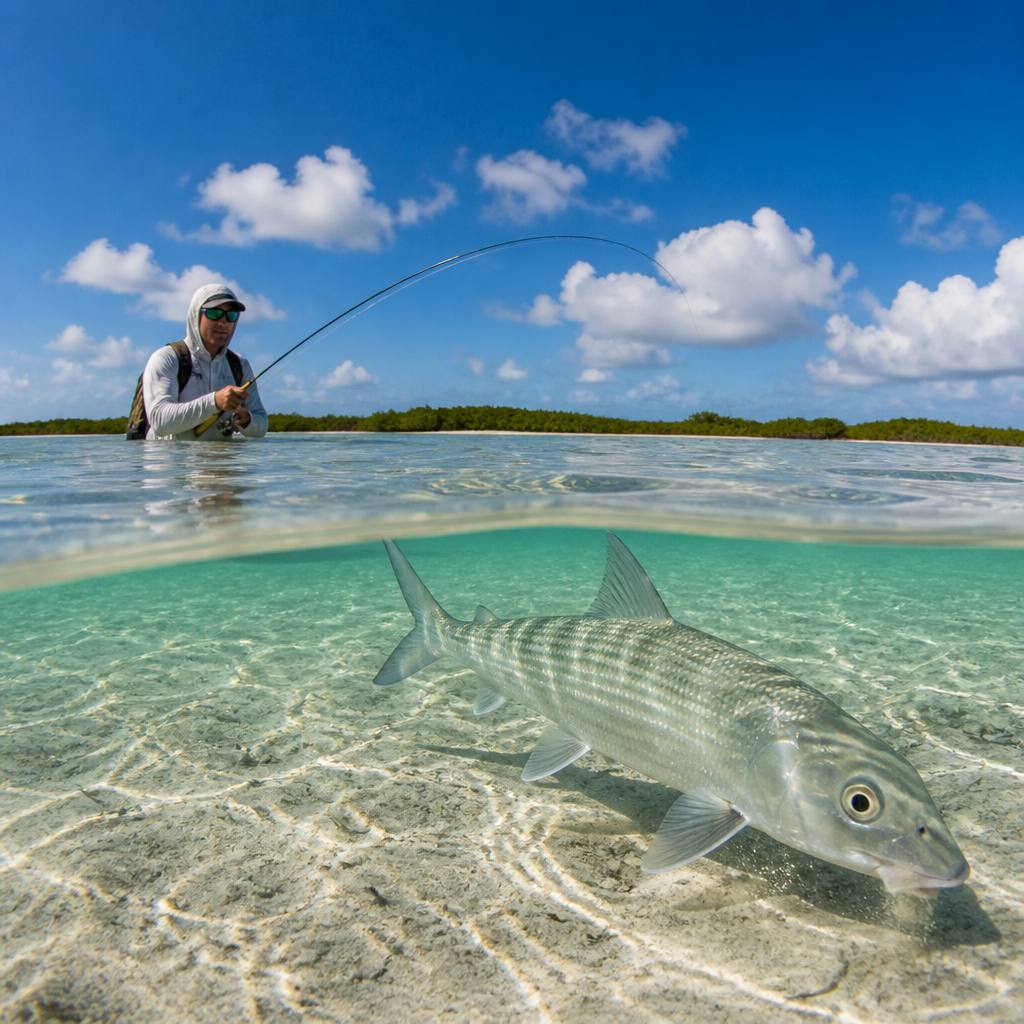
What you actually see depends on bottom type and light. Over white sand, a bonefish may appear as a gray bar with sharp edges. Over turtle grass, the same fish can vanish until it tips and flashes silver. In chop, the fish itself is often less visible than the sign it creates: a V-shaped push, a subtle mud puff, or a pair of tails breaking the surface. Experienced guides teach anglers to scan in lanes, near to far, instead of staring at one point. Polarized sunglasses with copper, amber, or rose-based lenses improve contrast, but lens color should match conditions. Copper excels in bright sun and variable bottom; yellow or low-light lenses help during cloud cover but can wash out detail in harsh glare.
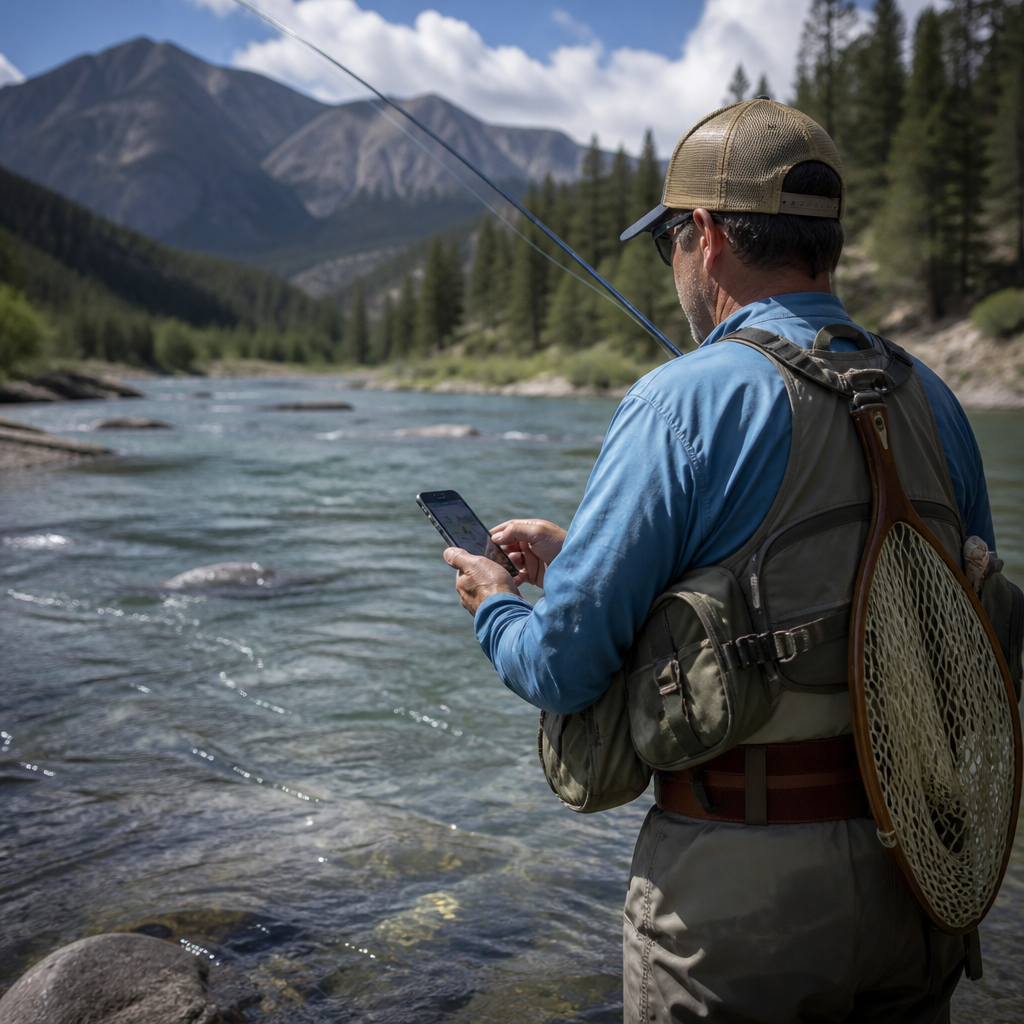
Reading tides is not optional. Bonefish can feed at all stages depending on location, but many productive shots happen when water is moving. Tide charts from Navionics, local guide services, and NOAA stations provide a starting point, yet local wind can materially alter water level on broad flats. I have seen a moderate east wind add enough water to open flats hours earlier than the chart suggested. Treat the chart as guidance, then confirm with what the water shows you.
Reading Bonefish Behavior Before You Cast
Once you spot fish, the next task is determining what they are doing. A traveling bonefish moves with purpose, often in a straight line, and usually gives you one clean chance if you lead it correctly. A feeding fish changes pace, tips down, and may zigzag as it hunts. Mudding fish are actively rooting and can be easier to approach because their attention is downward. Tailing fish are usually shallow and feeding hard, but they may also be in very little water, which makes them extra sensitive to push poles, footfalls, fly splash, and fly line landing nearby.
School size changes your strategy. Singles and doubles are often the most rewarding targets because they respond predictably and are easier to lead. Small groups can be ideal if all fish travel together at a moderate pace. Large schools are visually exciting but often difficult; too much motion makes distance judgment tricky, and one startled fish can spook the whole group. When guiding less experienced casters, many professionals prefer a medium-speed single at forty to sixty feet because it allows a clean setup and a visible eat.
Angle matters as much as mood. A fish coming toward you may require a shorter lead and a restrained strip because bonefish close distance faster than anglers expect. A fish moving left to right in a crosswind may call for a lower sidearm cast to control trajectory. If the fish is moving away, the shot window shrinks; put the fly where the fish can intersect it naturally, not directly on its head. The rule I trust is simple: present first, strip second. Bonefish almost never reward rushed movement before the fly settles to the right depth.
Essential Gear for Sight Fishing for Bonefish
Good bonefish gear is specialized but not mysterious. The standard rod is an 8-weight, 9-foot fast-action fly rod because it balances wind resistance, fly size, casting distance, and fish-fighting control. In calm conditions on protected flats, a 7-weight can be excellent for smaller fish and lighter presentations. In persistent wind or when larger flies are needed, many anglers step to a 9-weight. Reels should have a smooth sealed drag and enough backing capacity for long runs; Hatch, Nautilus, Tibor, and Abel are proven names because bonefish accelerate quickly and saltwater destroys poorly protected components.
The line is as important as the rod. A true-to-weight tropical floating line with a hard coating resists wilting in heat, shoots well, and turns over longer leaders. Scientific Anglers Amplitude Grand Slam, Rio Elite Bonefish, and Airflo Ridge 2.0 Flats Universal are widely used because they are built for warm water and quick loading. Leaders usually run 10 to 12 feet, tapering to 12- or 16-pound fluorocarbon or hard nylon tippet depending on fly size, water clarity, and fish pressure. Longer leaders land softer; shorter leaders turn over weighted flies better in wind.
| Component | Best Standard Choice | When to Change | Why It Matters |
|---|---|---|---|
| Rod | 8-weight, 9-foot fast action | 7-weight in calm water; 9-weight in heavy wind | Controls distance, fly turnover, and fish pressure |
| Line | Tropical floating line | Aggressive taper for quick shots; longer head for carrying line | Maintains stiffness in heat and improves accuracy |
| Leader | 10 to 12 feet | Shorter for wind and heavier flies; longer for spooky fish | Affects turnover, stealth, and depth control |
| Flies | Gotcha, Crazy Charlie, spawning shrimp patterns | Heavier eyes for deeper water; lighter for tailing fish | Matches forage and sink rate |
| Eyewear | Polarized glass lenses in copper/amber | Yellow or rose in low light | Improves contrast and fish detection |
Fly choice should be built around bottom type, depth, and sink speed. Classic patterns include the Gotcha, Crazy Charlie, Christmas Island Special, Mantis Shrimp, and various spawning shrimp imitations. Weight is critical. Bead chain eyes are ideal for skinny water and soft landings; small lead or tungsten eyes help the fly reach fish in deeper lanes or stronger current. Hook quality matters because bonefish jaws are firm and corrosion is constant. Gamakatsu, Ahrex, and Tiemco saltwater hooks have earned trust for a reason.
Presentation, Casting, and Boat Positioning
The most common question in sight fishing for bonefish is where to place the fly. The practical answer is to lead the fish enough that the fly lands outside its alarm zone, sinks into its field of view, and can be moved across its path naturally. For a cruising bonefish in one foot of water, that may be four to six feet ahead. For a faster fish in deeper water, six to ten feet may be better. These are starting points, not rigid rules. The correct lead depends on speed, depth, current, and fly weight.
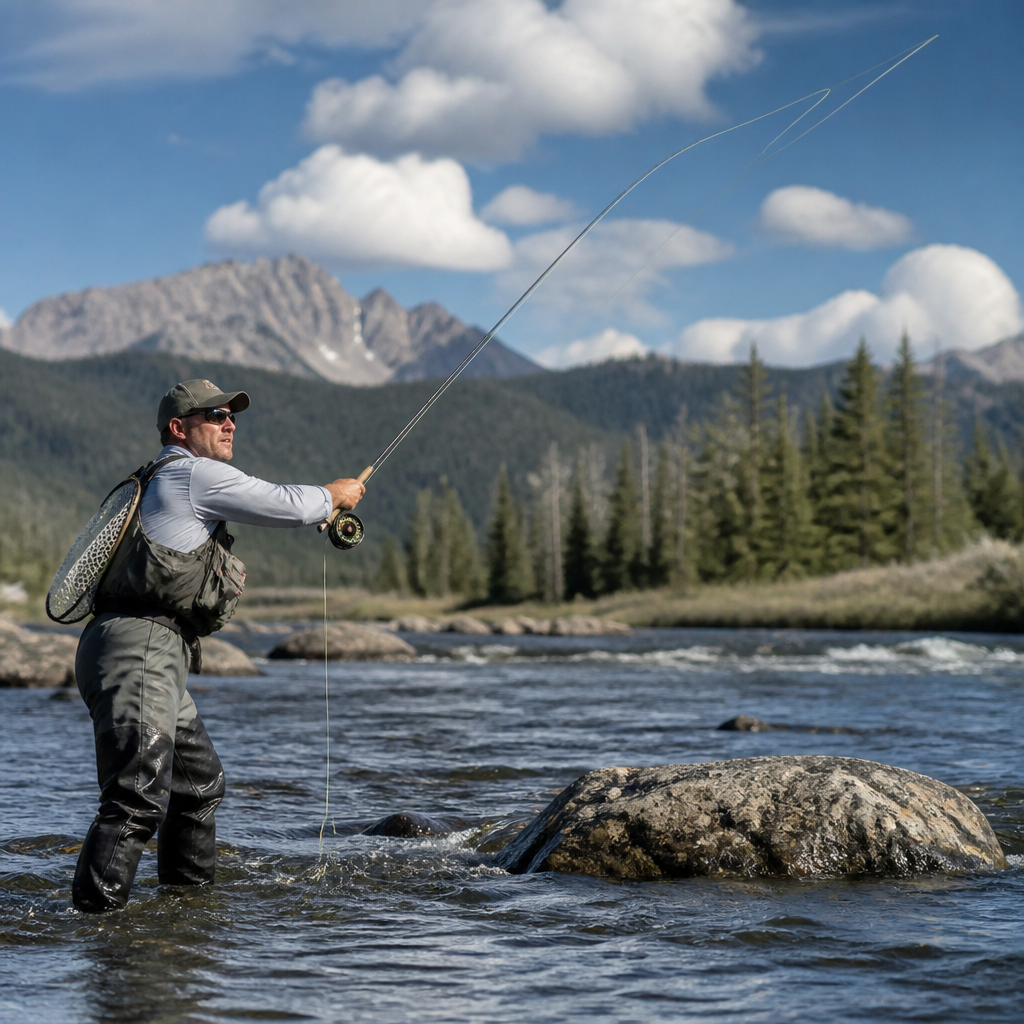
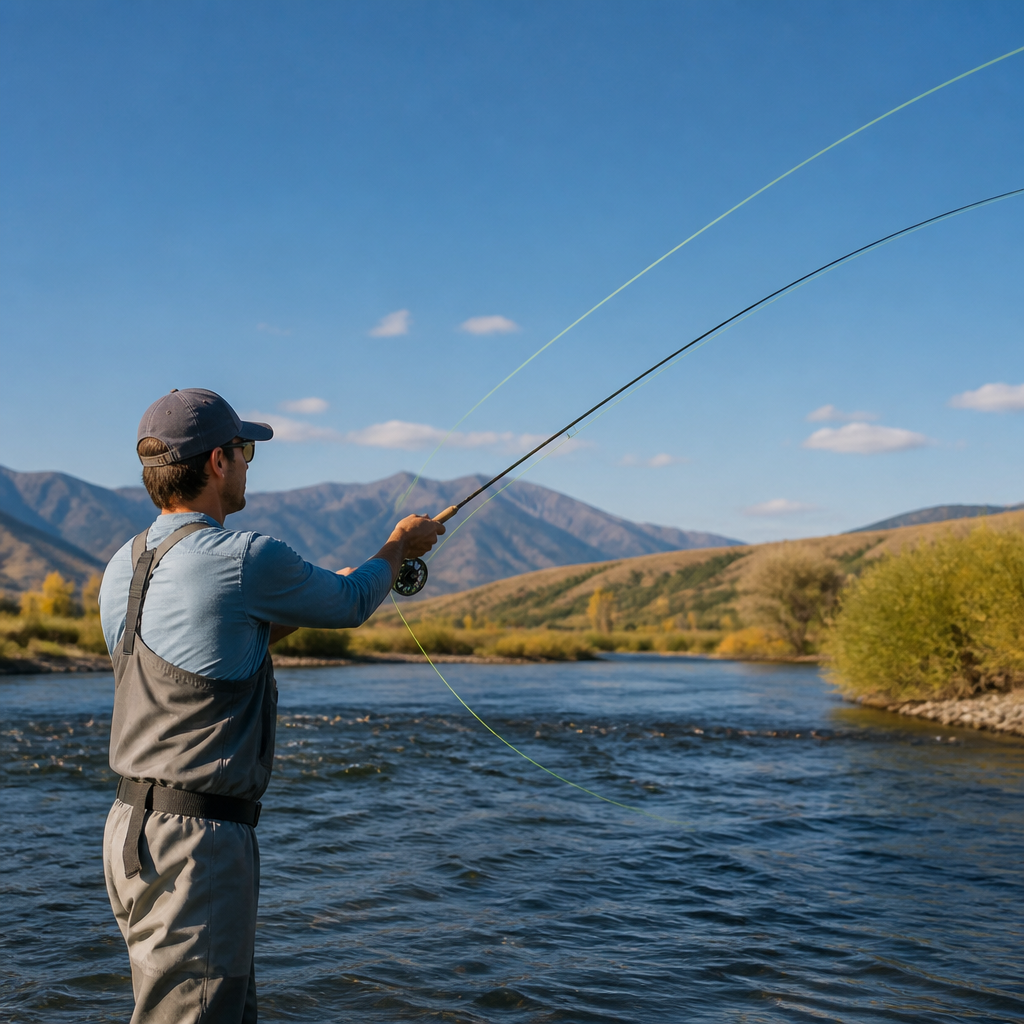
Accuracy matters more than hero distance. Most productive bonefish shots happen inside sixty feet, and many inside forty-five. A guide calling “eleven o’clock, forty feet, moving left” is giving everything you need: direction, range, and track. Good anglers react by making one or two false casts at most, then delivering. Long aerialized loops over a fish create line slap, increase timing errors, and broadcast tension to everyone on the skiff. When wading, false casts also shift body posture and can move your shadow into the fish’s lane.
Boat positioning is a hidden advantage. Skilled guides use sun and wind to create favorable shot angles, often quartering the skiff so the angler can cast off the dominant shoulder with the line clear of the push pole. The best communication is concise and standardized. “Single fish, one o’clock, fifty feet, coming at us” is useful. “There, by that dark patch” rarely is. If you fish with the same partner repeatedly, agree on clock directions, estimated distance intervals, and whether commands describe the fish’s current location or where the fly should land.
Once the fly lands, strip with purpose. Bonefish usually respond to short, crisp strips that imitate a fleeing shrimp. If the fish tracks but does not commit, changing cadence often works better than speeding up wildly. If a fish tips down, keep tension and be ready. Many missed eats happen because anglers trout-set by lifting the rod instead of strip-setting firmly with the line hand. Point the rod at the fish, make a long strip, and only raise the rod after the line comes tight.
Wading Tactics, Common Mistakes, and How to Improve Fast
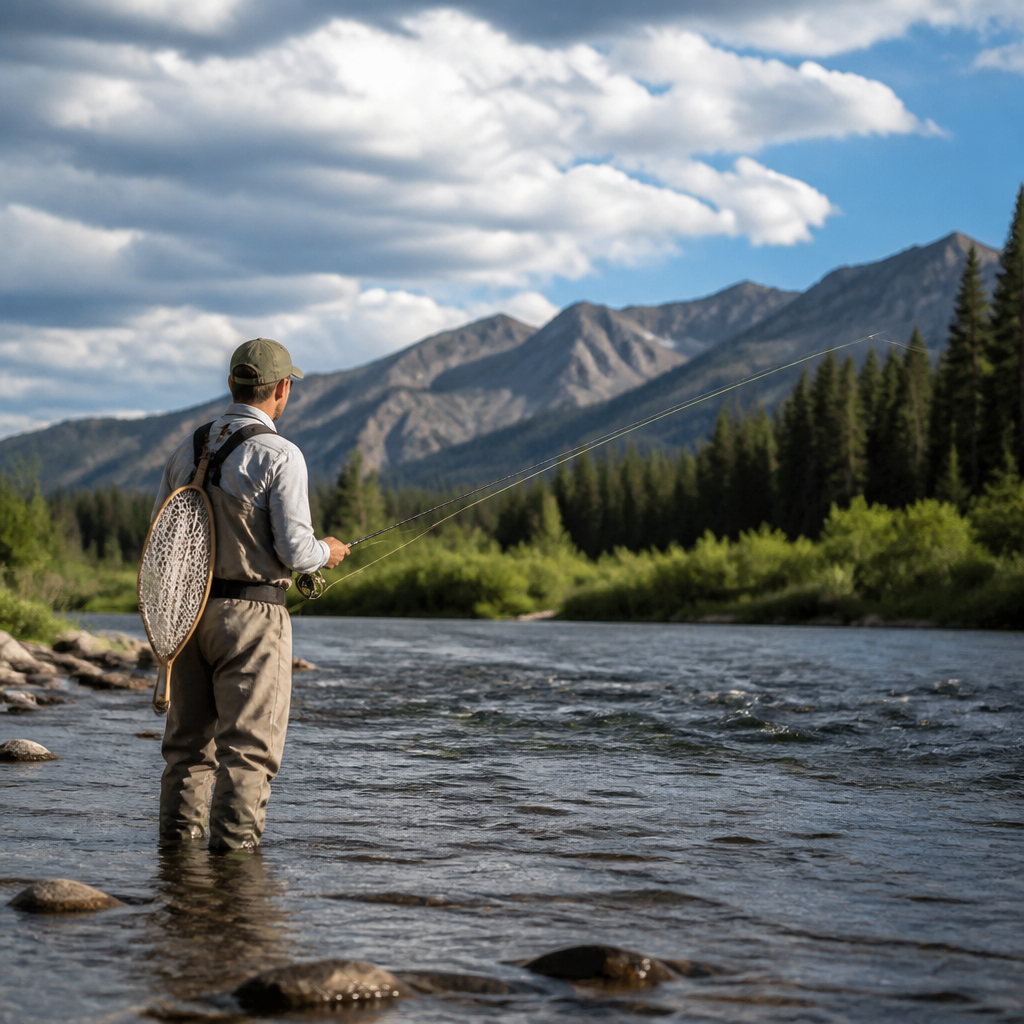
Wading for bonefish can be more intimate and, on the right flat, more effective than fishing from a skiff. The key is stealth. Shuffle or place feet quietly, keep your profile low, and avoid sudden changes in pace. Watch your wake: in calm conditions, the push from your own legs can alert fish before they are visible. Approach with sun at your back when possible, but prioritize not crossing likely travel lanes. On broad Bahamian flats, I prefer to stop often and let movement reveal fish rather than walking continuously and forcing rushed shots.
Beginners repeat a few predictable mistakes. They stare too far away and miss fish close in. They cast as soon as they see movement instead of confirming direction. They choose one fly weight and use it all day despite changing depth and current. They strip too soon, too hard, or not at all. They let loose fly line tangle around sandals, cleats, or cooler latches. The fix is systematic practice. Rehearse presentations at thirty, forty-five, and sixty feet. Practice backhand casts for windward shots. Stand on a dock or lawn and have a partner call clock positions so targeting becomes automatic.
Improvement also comes from debriefing specific situations. Ask why a fish refused. Was the fly too heavy and loud? Did it land too close? Did the line cross the fish before the fly arrived? Did glare hide the exact moment the fish changed course? Anglers who keep notes after each trip improve faster because patterns emerge. You may discover, for example, that your refusals happen mostly when you present to fish moving away, or that your best eats come when the fly lands slightly past the track and enters sideways. Those details become repeatable advantages.
Building a Reliable Sight Fishing System
Sight fishing for bonefish rewards a system, not isolated tips. Start every flat by assessing sun angle, wind strength, bottom color, and tide movement. Rig an 8-weight with a tropical floating line, a leader matched to water depth, and a fly weighted for a quiet but timely sink. Scan methodically, identify whether fish are traveling or feeding, and lead them based on speed and angle rather than instinct alone. Make the shortest effective cast, let the fly settle, strip with intent, and strip-set when the fish commits. Whether from skiff or on foot, small operational details separate casual shots from consistent success.
The central benefit of mastering sight fishing is control. You stop guessing and start solving a visual problem in real time: find the fish, read the fish, present correctly, and respond to what happens next. That process makes every other bonefish technique stronger, from fly selection to hook-setting discipline. If you want better days on the flats, build your own repeatable routine, practice your shot sequence before the trip, and use this hub as the starting point for deeper articles on stalking, casting in wind, fly patterns, and reading tides.
Frequently Asked Questions
What makes sight fishing for bonefish so challenging compared with other flats techniques?
Sight fishing for bonefish is difficult because the angler has to solve several problems at once, and all of them happen fast. First, you have to actually see the fish before it sees you. That sounds simple, but bonefish are built to disappear. Their silver-gray bodies blend into pale sand, broken marl, and turtle grass so well that many anglers do not notice them until the fish has already changed direction or spooked. Often you are not looking for a full fish at all, but for clues such as a faint push of water, a nervous shadow, the flash of a tail, or a slight change in bottom color that seems to move against the current.
The second challenge is reading behavior correctly. A cruising bonefish, a tailing bonefish, and a fish that is nervous or pressured all require different presentations. If you cast too far ahead, the fish may never see the fly. If you land too close, it will likely blow out in a burst of speed. If you strip too aggressively, the fly looks unnatural. If you do not move it enough, the fish may lose interest. In many cases, the window for a good presentation lasts only a few seconds, so judgment matters as much as casting ability.
Conditions on the flats also make everything harder. Glare, cloud cover, chop, changing sun angles, and tide movement can all reduce visibility or alter where bonefish travel. Wind compounds the problem by affecting both line control and boat positioning. That is why sight fishing for bonefish is often described as the defining challenge of shallow-water angling: success depends on observation, patience, stealth, fish reading, and precise execution, not just the ability to throw a long cast.
How do you spot bonefish on the flats more consistently?
Spotting bonefish consistently starts with training your eyes to look for signs, not just fish. Beginners often search for the outline of a whole bonefish, but experienced flats anglers learn to recognize subtler indicators first. A push, also called a wake, may appear as a slight V-shaped disturbance moving across calm water. Tailing fish show the tip of the tail or back as they feed in very shallow water. Sometimes the only visible clue is a shadow gliding over a lighter bottom, or a brief silver flash when the fish changes angle in the sun.
Light management is critical. Keep the sun at the best possible angle whenever you can, because bonefish are far easier to see with favorable light. Late morning through midafternoon often provides strong overhead light, but the exact ideal depends on cloud cover, wind, and water clarity. Polarized sunglasses are essential, and lens color matters. Copper, amber, and similar high-contrast lenses are especially useful on many flats because they help separate fish from the bottom. A quality brimmed hat also reduces glare and improves contrast.
It helps to divide the flat into zones rather than scanning randomly. Start near, then move farther out, and look in lanes. Watch the texture of the water and the contour of the bottom. Bonefish use edges, depth changes, current seams, potholes, and transitions between sand and grass. If bait, shrimp, or small crabs are present, focus extra attention there. Most importantly, do not stare too hard in one place. Relax your vision and let movement reveal itself. Many anglers improve dramatically when they stop forcing the search and begin reading the water as a living surface full of clues.
What is the best way to present a fly or lure to a bonefish without spooking it?
The best presentation is one that places the offering where the fish can find it naturally, without making it feel threatened. In practice, that usually means leading the fish by a few feet, depending on its speed, direction, depth, and the current. A bonefish should ideally encounter the fly or lure in its path rather than having it land on top of its head or well behind it. Landing too close is one of the most common mistakes in bonefishing and one of the fastest ways to send a fish racing off the flat.
Your first read should be the fish’s mood. A happy fish is feeding, moving with purpose, and not acting skittish. These fish are the best targets because they are easier to lead and more willing to eat. Nervous fish, fish in very shallow water, or fish that have already been pressured need a softer landing and less aggressive movement. Once the fly lands, allow it to settle if needed, then use short, controlled strips that imitate fleeing shrimp or small crustaceans. The retrieve should match what the fish is doing. If the fish is moving steadily, keep the fly in front of it and moving just enough to trigger interest. If it tips down to feed, slow down and avoid pulling the fly away too soon.
Presentation also includes line management and angle. You want the cast to set up a clean strip with minimal slack, but not so tight that the fly drags unnaturally. Casting across the fish’s path at the proper angle often gives the best control. If you are using spinning tackle with a jig or small shrimp imitation, the same principle applies: lead the fish, make the entry quiet, and keep the lure in the strike zone with subtle hops or drags instead of exaggerated action. Bonefish reward natural movement and punish anything that looks abrupt, noisy, or out of place.
What gear is most important for sight fishing for bonefish?
The most important gear is the gear that helps you see fish, make precise presentations, and stay efficient under real flats conditions. For fly anglers, an 8-weight rod is the standard all-around choice because it balances casting accuracy, wind-fighting ability, and fish-fighting power. A fast-action rod is common because bonefish shots often happen quickly and require tight loops into the wind. A quality saltwater reel with a smooth drag matters because even average bonefish can take line fast, and corrosion resistance is essential in marine environments.
Floating bonefish lines are the norm for shallow flats, and leaders are usually long enough to provide stealth without sacrificing turnover. Many anglers carry a selection of bonefish flies in different weights and colors so they can match bottom type, water depth, and fish behavior. Lighter flies land softly and work well in skinny water, while slightly heavier patterns are useful when wind, current, or depth require a faster sink rate. Productive patterns often imitate shrimp, small crabs, or general flats forage, but the exact fly matters less than having the right weight, good hook quality, and a presentation that suits the situation.
Beyond rod and reel, the truly essential equipment often gets overlooked. High-quality polarized sunglasses may be the single most important sight-fishing tool you own. Without them, you lose contrast, depth perception, and the ability to read fish movement. A good hat with a dark underbrim cuts glare further. Lightweight sun-protective clothing, secure flats footwear, and a stripping basket or clean deck management system can all improve performance. If you are fishing from a skiff, boat positioning is part of your effective gear system too. Quiet movement, proper push-pole placement, and controlled approach angles give you more shots than any single fly pattern ever will.
How should you position yourself or the boat to get better shots at bonefish?
Positioning is one of the biggest hidden factors in successful sight fishing for bonefish because the best cast in the world cannot save a poor approach. Whether you are wading or fishing from a skiff, the goal is to see the fish first, stay undetected, and create a casting angle that lets the presentation unfold naturally. On a skiff, that usually means approaching the flat with the sun and wind in mind. The guide or poler tries to give the angler the best visibility while also keeping enough control to avoid drifting too fast, making hull noise, or forcing difficult last-second casts.
Distance control is crucial. Get too close and fish feel pressure from noise, shadow, or vibration. Stay too far away and the cast becomes harder, especially in wind. A smart approach places the boat where likely travel lanes can be covered without running over the fish’s route. Bonefish often move along edges, contour changes, or current-fed feeding zones, so anticipating their direction is more effective than chasing them once they are visible. The boat should also be positioned to keep casting lanes clear. Loose line, cluttered decks, and awkward angler stance cost many opportunities.
For wading anglers, stealth becomes even more important. Move slowly, avoid sudden changes in pace, and keep your profile low when possible. Shuffle carefully on firm bottoms, and be aware of your shadow. Do not walk straight at fish; instead, angle into likely paths and let fish come to you. When you spot a target, set your feet before the cast if time allows, because stable body position improves both accuracy and strip control. In both wading and boat fishing, superior positioning creates calm, manageable shots. That is often the difference between a rushed cast at a fleeing fish and a deliberate presentation to a feeding bonefish that never knew you were there.