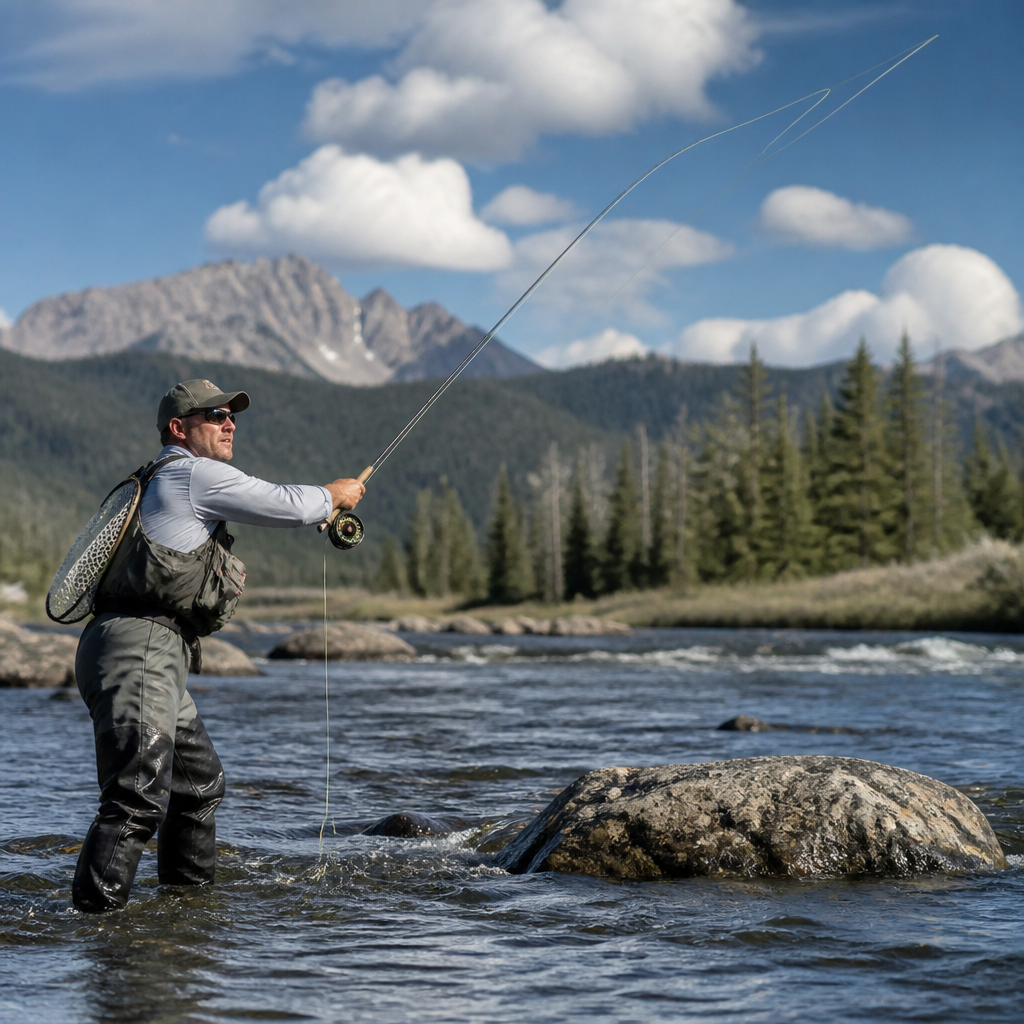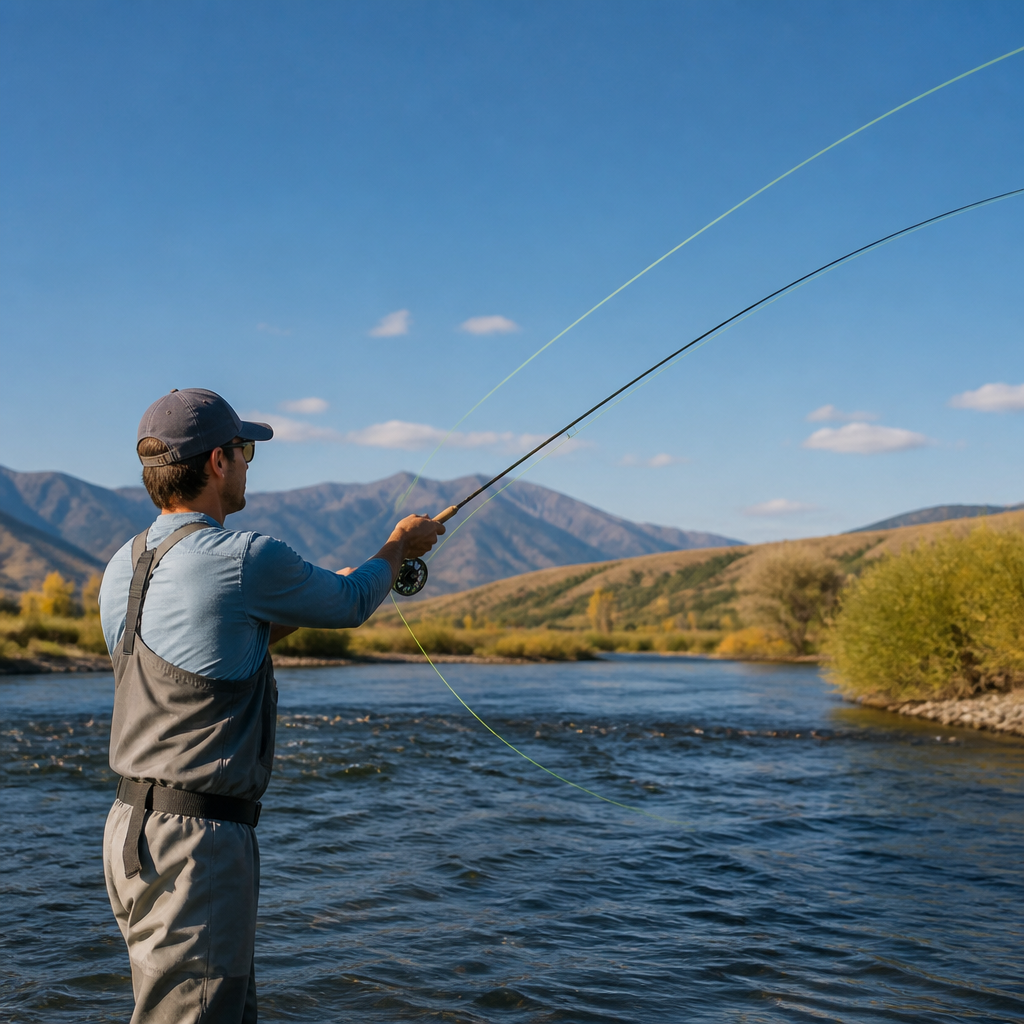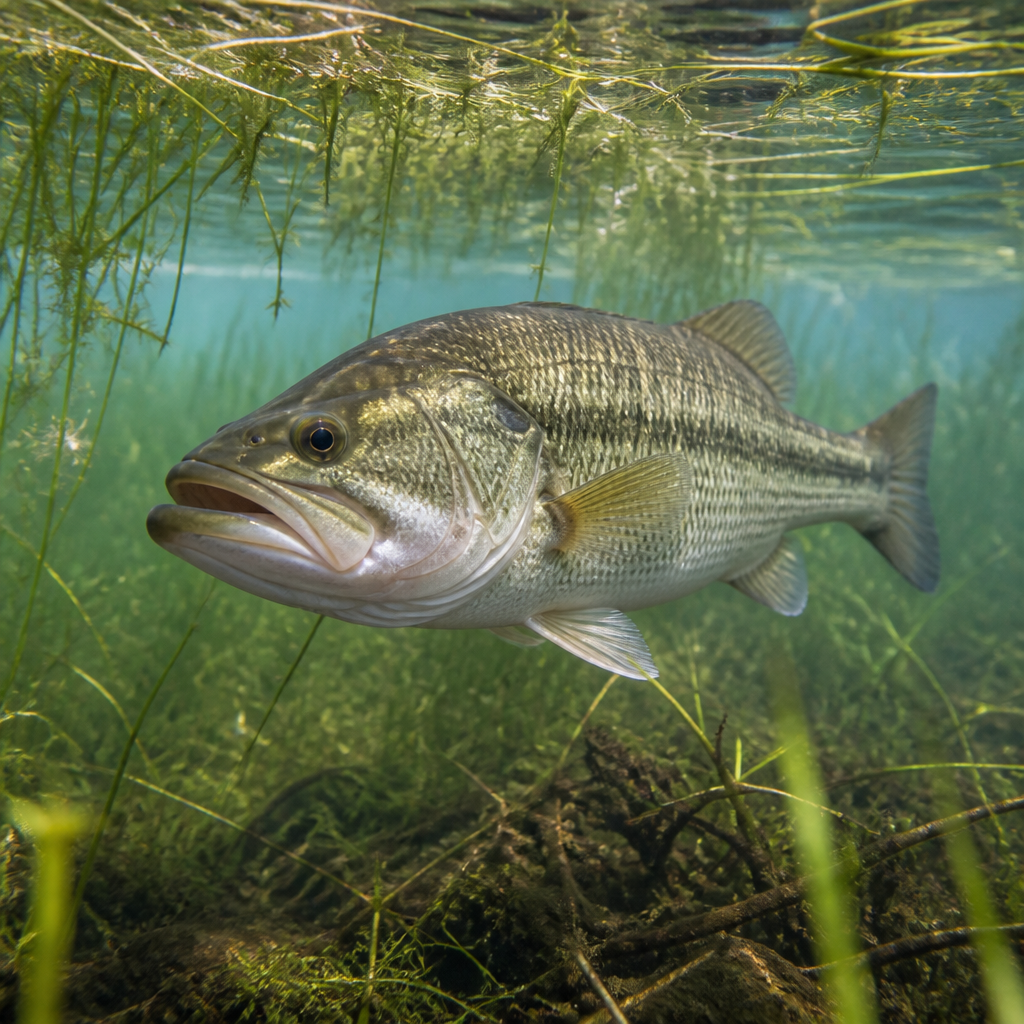
Streamer fishing with tandem flies is one of the most effective ways to target predatory trout, bass, char, and anadromous fish when single-fly presentations are not moving enough water, not showing enough profile, or not solving the problem of short strikes. In practical terms, streamer fishing means presenting an artificial baitfish, leech, sculpin, crayfish, or other swimming food form and retrieving it in a way that triggers a chase, an eat, or a territorial response. Tandem flies means fishing two streamers on the same leader system, typically with a point fly at the end and a second fly attached above it on a dropper or tag. I have used tandem streamer rigs on western rivers, drift boats, tailwaters, and stillwaters for years, and the setup consistently shines when fish are keying on pods of bait, following but not committing, or feeding in stained, deep, or fast water where a bigger overall target gets noticed first.
As a hub within techniques and strategies, this article covers the core decisions behind streamer fishing rather than treating tandem rigs as an isolated trick. You need to understand when streamers outperform nymphs or dry flies, how tandem spacing changes action, why leader design matters, what fly combinations work, and where the method breaks down. Streamer fishing is not random stripping. It is controlled predation fishing built around depth, angle, speed, profile, and contrast. Tandem flies add another layer: they can suggest a chasing bait school, a wounded pair, a dominant fish trailing prey, or simply two distinct food signals at once. That matters because many gamefish inspect before eating. Give them a second target and you often convert follows into strikes.
The reason this technique deserves a central place in any streamer fishing system is simple: it expands your options without forcing you to change the whole game. One cast can test two sizes, two colors, two sink rates, or two forage imitations. It can also increase contact with fish that slash at a trailing tail or bump a fly before turning back. There are tradeoffs, including more tangles, more casting load, and some legal restrictions by state or water type. But when the conditions line up, tandem streamer fishing is one of the highest-upside methods in fly fishing for moving big fish and learning quickly what they actually want.
What streamer fishing does well, and when tandem rigs make the most sense
Streamer fishing excels when fish are hunting larger prey or willing to spend energy for a single substantial meal. Trout shift into this mode during low-light windows, pre-spawn periods, post-runoff color, warming shoulder seasons, and any time juvenile fish, sculpins, dace, shad, or crayfish are available. On many rivers, the best streamer bite comes when water temperatures support active pursuit but insect hatches are thin or inconsistent. In my own guiding and personal fishing, I reach for streamers first on cloudy days, rising flows, off-color water, windy banks, undercut structure, and any situation where I expect fish to ambush instead of sip.
Tandem flies become especially useful in four situations. First, when fish are following but not committing, a smaller trailing fly often gets eaten after the lead fly draws attention. Second, when the forage base varies in size, pairing a large attractor with a modest natural pattern lets you cover both aggression and realism. Third, when visibility is poor, two flies create a larger overall silhouette and push more water. Fourth, when fish are feeding competitively, the presence of a second “prey item” can trigger a faster decision. This is common on rivers with dense brown trout populations and on lakes where trout or bass are corralling bait.
Not every fishery favors the method. Very clear, shallow water with spooky fish can punish bulky rigs. Tight brush tunnels can make two weighted flies a casting liability. Waters with single-hook or one-fly-only regulations obviously remove the option. Still, as a streamer fishing hub principle, tandem rigs are best viewed as a problem-solving presentation. They are not mandatory, but they are often the fastest way to answer a practical question: do fish want a bigger target, a second chance, or a different action behind the first fly?
Rigging tandem flies: leader formulas, spacing, and legal checks
A sound tandem streamer rig begins with restraint. Too many anglers overbuild everything and end up with a hinge-prone mess that crashes on the cast. Most of my river setups start with a short, stout leader between 4.5 and 7.5 feet, depending on sink tip length, fly size, and water clarity. For trout, 0X to 2X fluorocarbon or hard nylon is standard. The point fly goes on the terminal end. The second fly is attached 16 to 30 inches above the point fly, either from a triple surgeon’s knot tag, a tippet ring branch, or the bend of the lead hook where regulations and hook design allow it. I prefer a tag attachment because it preserves action and reduces fouling compared with bend rigs.
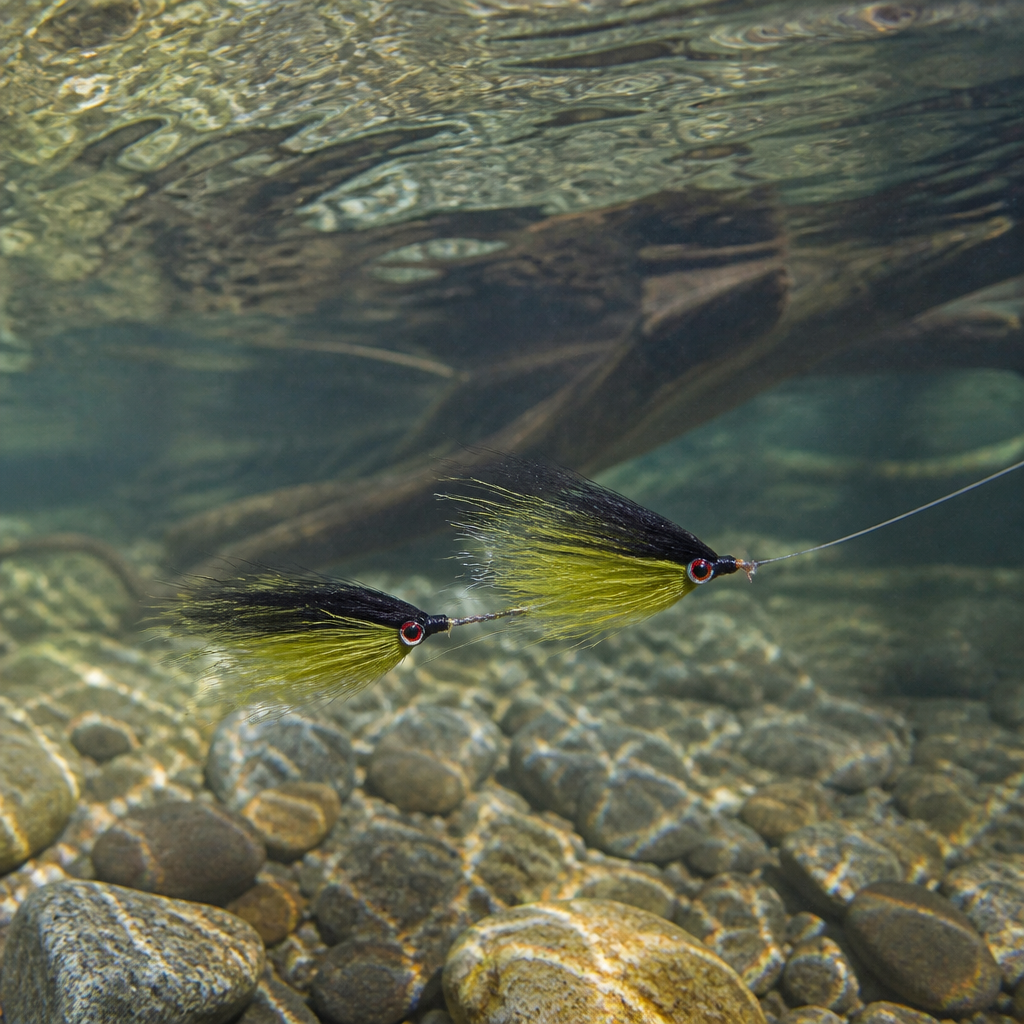
Spacing changes behavior. A short 16-inch gap keeps the two flies working as a compact bait pod and is good for deep banks, short swings, and heavy sink tips. A 24-inch gap is the all-around choice because it separates profiles without making the cast unwieldy. A 30-inch gap gives the trailing fly more freedom and often boosts conversion on fish that track behind the first fly. If both flies are heavily weighted, shorten the gap. If the top fly is light and the point fly carries the depth, lengthen it. The objective is not symmetry; it is stable tracking through the retrieve.
Knots and hardware deserve care because streamer takes are violent. Non-slip mono loops increase movement on articulated or lightly weighted flies. Improved clinch or Orvis knots are fine on compact jig streamers. Small tippet rings help if you change combinations often. Check local regulations before fishing tandem setups. Some states restrict the number of flies, hooks, or points. Others allow two flies generally but prohibit them in fly-only reaches with special tackle language. Legal compliance is part of effective streamer fishing because a perfect rig that cannot be fished lawfully is useless.
Choosing the right fly pair: size, contrast, and forage logic
The best tandem combinations follow a clear logic rather than a random “big fly plus small fly” rule. Start with the forage. If sculpins dominate, pair a broad-headed, bottom-oriented lead fly in olive, tan, or black with a slimmer trailing soft-hackle streamer or leech that breathes behind it. If trout are chasing juvenile trout, dace, or shiners, use a bright-sided baitfish pattern up front and a more translucent minnow pattern behind it. During crayfish periods, a weighted rust or olive lead pattern can be followed by a smaller baitfish or leech to suggest mixed forage around rocks and weed edges.
Contrast is often more important than exact imitation. I have seen days when a black lead fly and white trailer outperformed two natural olives because the fish could track the pair in broken light. Contrast can mean color, profile, sink rate, or motion. A broad deer-hair head in front of a sparse marabou trailer creates a push-and-pulse combination that reads like one organism disturbing another. An articulated streamer ahead of a jig bugger gives you erratic kick followed by a steadier target. The fish often notice the first and eat the second.
| Condition | Lead Fly | Trailer Fly | Why It Works |
|---|---|---|---|
| Off-color river after rain | Black or olive sculpin, weighted | Smaller white or chartreuse leech | Strong silhouette up front, visible cleanup target behind |
| Clear tailwater, bright day | Sparse baitfish in gray or tan | Micro streamer or soft hackle in natural tone | Subtle lead fly avoids spooking fish while trailer seals follows |
| Stillwater over weed beds | Baitfish pattern on intermediate line | Balanced leech or damsel-style trailer | Covers both suspended minnows and slower subsurface prey |
| Bank pounding for browns | Large articulated attractor | Compact jig streamer | Lead fly pulls fish from cover; trailer gets the short strike |
Color rules should stay simple. In dirty water, dark or high-contrast flies are reliable. In clear water, natural olive, white, tan, and gray dominate. In low light, black is consistently better than many anglers expect because it throws a defined silhouette. Match size to the fish’s willingness, not just the average bait length. Predators routinely attack prey that appears oversized when aggression is elevated, but on pressured water a downsized trailer can save the day.
Presentation mechanics: depth control, retrieve styles, and strike conversion
Depth is the first decision in streamer fishing because an excellent retrieve at the wrong level is still a poor presentation. Use line density, fly weight, and cast angle to reach the zone before you strip. Sink tips of 5 to 10 feet are the standard river tool because they separate fly depth from running line management. Full sinking lines excel in lakes and broad pools. Floating lines with weighted streamers remain useful for shallow banks, wood, grass lines, and water where a downstream swing matters more than a count-down. With tandem flies, the point fly usually governs depth, so build around it and let the upper fly complement rather than fight the sink path.
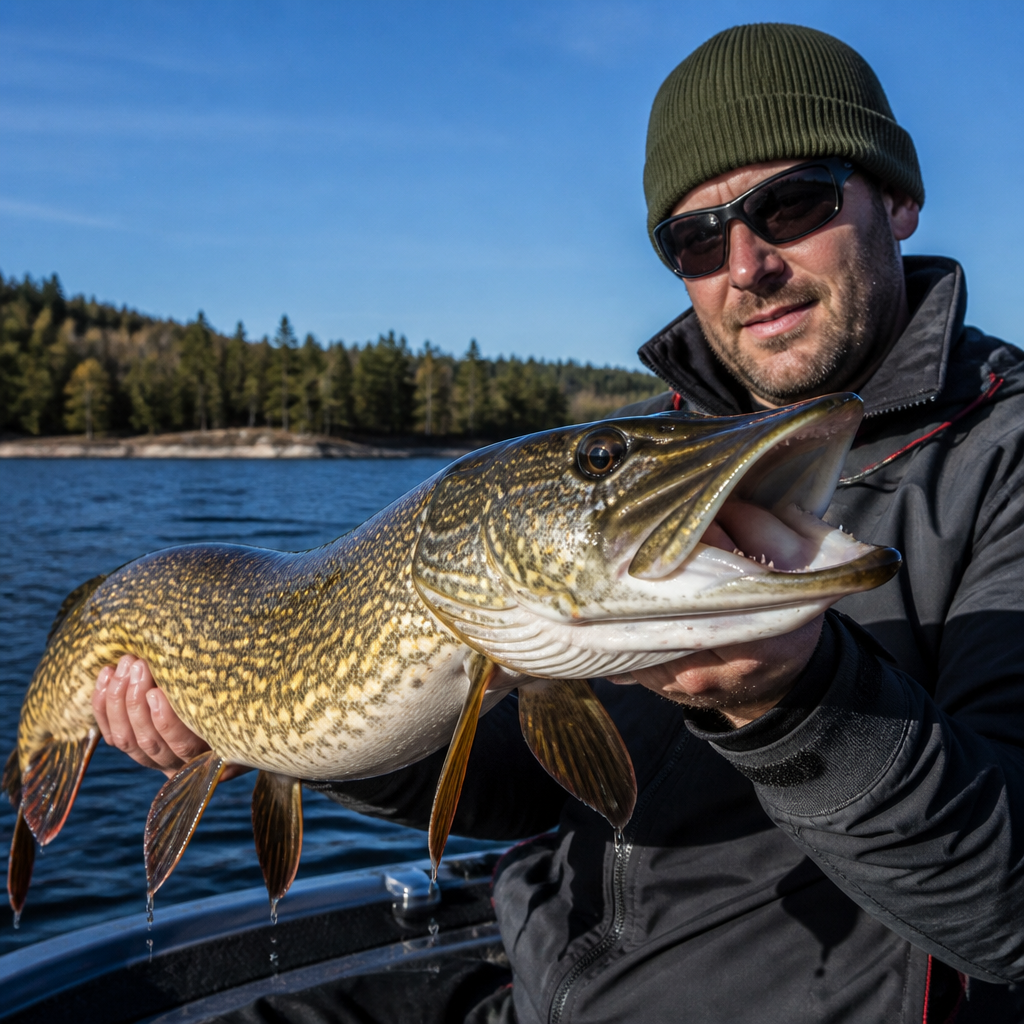
Retrieves should match fish mood and habitat. Fast, two-hand strips with pauses imitate fleeing baitfish and work on aggressive browns, smallmouth, and pike. Short strips with frequent stalls keep the pair in front of structure and are ideal for cold water or neutral fish. A hand-twist on an intermediate line can make a trailing leech look alive while the lead fly tracks steadily. On rivers, the most overlooked tactic is changing angle instead of speed. Quartering downstream with a controlled swing often produces harder eats than stripping straight across because the flies accelerate naturally at the end of the arc.
Most strikes on tandem rigs come on one of three moments: the pause, the direction change, or the hang. Keep the rod low, strip set firmly, and avoid lifting into fish like you are dry-fly fishing. Short strikers are common. If you feel a bump, do not rip the flies away in panic. Continue the retrieve with one brief pause, then accelerate. Many fish hit again immediately, often taking the trailer. I have watched trout follow a six-inch lead fly for ten feet and then crush a two-inch dropper at the boat. That is the tactical value of tandem streamers in one sequence.
Reading water for tandem streamers on rivers and stillwaters
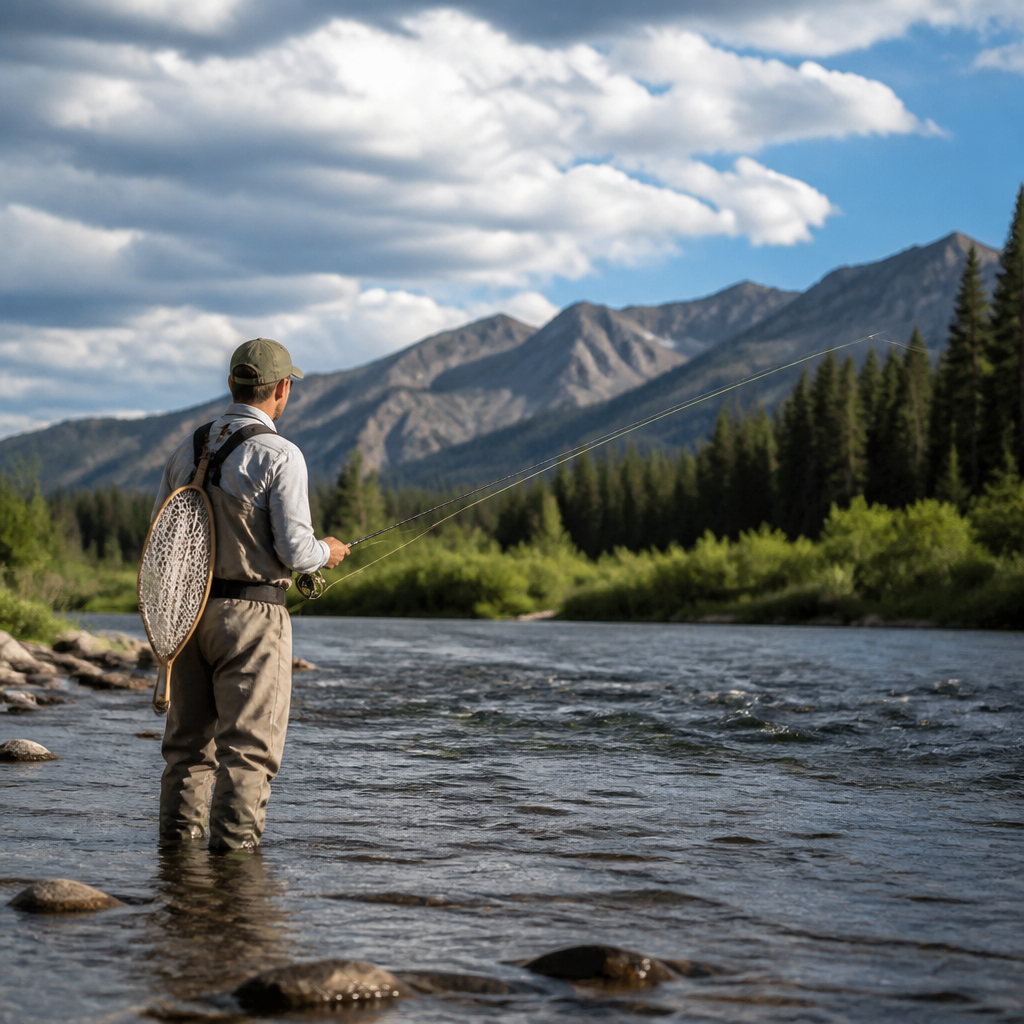
On rivers, streamer fishing with tandem flies is most productive where current creates feeding lanes with concealment nearby. Think cut banks, boulder seams, submerged timber, side-channel heads, tailout shelves, undercut grass, and transition lines where fast water dumps into softer holding structure. Large trout seldom sit in featureless midriver runs unless bait is concentrated there. They prefer positions that let them intercept prey with minimal energy. Your cast should land beyond the target, sink into the lane, then move across the fish’s window at a believable speed. Covering water matters more than pounding one lie unless you have seen a follower.
Stillwaters require a different map. Focus on wind lanes, drop-offs, weed edges, inlet plumes, shoals, and cruising shelves during low light. Tandem rigs excel here because one cast can represent both baitfish and invertebrate-rich movement along structure. An intermediate line with a slim minnow over a balanced leech is deadly over weeds, while a type three or type five line with a heavier point fly helps on deeper shelves. Use the figure-eight or steady strips near the rod tip; many takes occur at boatside when the flies rise and stall.
Seasonal timing sharpens location. In spring runoff windows, target soft edges where visibility and oxygen stay fishable. In summer, fish low light, shade, and oxygen-rich inflows. In fall, cover banks and woody structure for territorial browns and move tandem rigs with confidence. In winter, reduce fly size, slow everything down, and focus on depth over drama. Streamer fishing is often sold as a warm-season power game, but tandem flies remain useful year-round if the presentation respects temperature and metabolism.
Common mistakes, safety concerns, and when to simplify
The biggest mistake in tandem streamer fishing is forcing it when conditions call for simplicity. Two oversized, heavily weighted flies on a long leader are hard to cast, hard to control, and easy to tangle. Start moderate. Another common error is matching both flies too closely. If the pair behaves and looks identical, you lose the information advantage. Give each fly a distinct role. I also see anglers retrieve too quickly through obvious structure because they are worried about snagging. Streamers catch fish by spending time near cover. Accept some contact, use stronger tippet, and retrieve with intention rather than fear.
Safety matters. Two hooks, often weighted, can punish a bad cast. Open your loop slightly, wear glasses, and think twice in wind or from the front of a drifting boat with another angler nearby. Barbless hooks reduce damage to fish and to anglers when something goes wrong. Check flies often for fouling; marabou wrapped around the bend turns a smart rig into dead cargo. If the setup repeatedly tangles, shorten spacing, reduce weight disparity, or remove one articulated pattern.
There are also times to fish a single streamer. Ultra-clear water, dense overhead cover, highly technical sight-fishing, and fisheries with selective fish often reward one fly presented perfectly. Simplifying is not retreating. It is good decision-making. The point of tandem flies is to improve streamer fishing outcomes, not to make the system more complicated than the water requires.
Streamer fishing with tandem flies works because it combines attraction and conversion in one controlled presentation. The lead fly gets noticed, the trailer closes the deal, and the angler learns faster from each cast. For a techniques and strategies hub, that is the key idea to remember: success with streamers comes from matching profile, depth, angle, and pace to how predators actually feed. Tandem rigs simply widen the solution set. They help in stained water, on short-strike days, around aggressive fish, and anytime you need two signals instead of one.
The most consistent results come from disciplined rigging, forage-based fly selection, deliberate depth control, and honest evaluation of conditions. Use short, strong leaders. Space flies with purpose. Pair patterns that offer contrast without chaos. Retrieve according to season, structure, and fish mood. Above all, watch how fish respond and adjust one variable at a time. That is how experienced streamer anglers turn a high-variance method into a repeatable system.
If you want to improve at streamer fishing, build one dependable tandem rig, fish it in conditions that favor predators, and keep notes on follows, eats, and fly combinations. That simple practice will teach you more than buying another box of patterns. Master the process, and tandem streamers become less of a specialty tactic and more of a practical, versatile tool you can trust.
Frequently Asked Questions
What is streamer fishing with tandem flies, and why would I use two flies instead of one?
Streamer fishing with tandem flies means fishing two streamers in the same rig so the setup creates more movement, a larger overall profile, and often a more convincing baitfish or prey impression than a single fly can provide on its own. In most cases, the front fly acts as the lead pattern and the second fly trails behind it on a short length of tippet or wire, depending on the species and conditions. The goal is not simply to add another hook to the system, but to present something that looks more alive, more vulnerable, or more worth chasing to predatory fish such as trout, bass, char, pike-like species where legal, and anadromous fish that respond aggressively to motion and silhouette.
Anglers use tandem streamers when a single fly is not moving enough water, not offering enough visual presence, or not converting follows and short strikes into solid hookups. Two flies can imitate a pair of fleeing baitfish, a larger articulated prey item, a predator chasing smaller forage, or a wounded food form with trailing motion. That added complexity often triggers fish that are curious but not fully committed. It is especially effective in stained water, deeper runs, high flows, low-light periods, and situations where fish are feeding on larger forage like sculpins, juvenile trout, dace, shiners, chubs, leeches, or crayfish.
Another major advantage is problem-solving. Predatory fish frequently nip short at the tail of a streamer. A tandem rig gives you a second target point and can dramatically improve hookups when fish are slashing rather than engulfing. It also allows you to combine two complementary patterns, such as a bright attractor up front with a natural trailer, or a bulky fly paired with a slimmer, more mobile second fly. Used thoughtfully, tandem streamer fishing is less about quantity and more about creating a presentation that better matches predator behavior.
How should I rig tandem streamer flies correctly?
The most common tandem setup starts with a lead streamer tied to the end of your main leader, followed by a short section of strong tippet attached to the bend of the first hook or to the eye of the lead fly if the pattern and rigging style allow it. The trailing streamer is then tied to that second section. For many trout and bass applications, anglers use roughly 12 to 24 inches between flies, but the ideal spacing depends on fly size, current speed, casting comfort, and how the fish are striking. Closer spacing tends to make the pair act as one larger target, while wider spacing can create the appearance of a chase or a separated prey group.
Tippet strength matters. Tandem streamer rigs generate more resistance in the cast and more leverage during the fight, so most anglers step up compared with standard nymph or dry-fly tippets. Heavier fluorocarbon or nylon in the 0X to 3X range is common for trout streamer work, while bass and larger species may call for even stronger material. If toothy fish are present, a bite-resistant section may be necessary where regulations and tactics permit. The leader itself should usually be shorter and more powerful than a delicate presentation leader, because turnover and control are more important than stealth in most streamer situations.
It is also important to think about hook orientation, fly balance, and legal regulations. Some waters restrict the number of flies or hooks you may use, and some species-specific fisheries have additional tackle rules. Beyond legality, keep the rig practical. Two oversized, heavily weighted patterns can become difficult and even unsafe to cast. Many experienced anglers solve this by pairing one heavier or more visible lead fly with a lighter, more mobile trailer. That keeps the rig manageable while still delivering the desired profile and action. Before fishing, always stretch the knots, test the spacing, and make a few short practice casts to ensure the tandem system tracks straight and does not foul constantly.
What fly combinations work best in a tandem streamer setup?
The best tandem combinations usually pair contrast with compatibility. In other words, you want two flies that work together rather than two random patterns tied in sequence. One effective approach is to combine a larger attention-getting lead fly with a smaller natural trailer. For example, a bulky sculpin, baitfish, or conehead streamer up front can pull water and draw notice, while a slimmer minnow, leech, or soft-hackle-style streamer behind it provides a vulnerable finishing target. This is often excellent for trout that follow a larger meal but ultimately eat the easier-looking second fly.
Color contrast can also be productive. A dark lead fly and a lighter trailer, or a bright attractor paired with a neutral olive, black, white, or tan pattern, can give fish multiple visual triggers in one presentation. In off-color water, chartreuse, black, white, and combinations with flash often shine. In clear water, more natural pairings such as olive-over-white, brown-and-tan, or black-and-olive can look more convincing. If fish are feeding on leeches or sculpins, using one fly with a strong jigging or diving action and another with more flowing materials can make the rig seem lifelike from several angles.
Profile and motion are at least as important as color. Articulated or weighted front flies often pair well with unweighted marabou, rabbit-strip, or feather-wing trailers because the rear fly breathes and pulses during pauses. You can also imitate interaction: a larger streamer followed by a small baitfish pattern can suggest pursuit, while two similarly sized flies can mimic a small pod of forage. The most productive combinations usually come from matching local prey and then testing how fish respond. If you are getting follows but no commitment, reduce the size of the trailer, add more motion, or switch the second fly to something that looks easier to catch.
When and where is tandem streamer fishing most effective?
Tandem streamer fishing is at its best when fish are hunting larger prey, reacting aggressively to movement, or showing interest without fully eating a single streamer. Seasonal transitions are prime times. In spring, high or slightly stained flows often push baitfish, sculpins, and leeches into vulnerable positions, and predators feed heavily after winter. In fall, trout, char, and many migratory fish become territorial and opportunistic, making them especially responsive to larger, more animated presentations. Summer can also be outstanding early and late in the day, especially around structure, undercut banks, weed edges, and deeper pools where ambush feeders wait for forage to pass.
As for locations, tandem rigs excel in places where fish expect to see bigger food items and where visibility or current speed makes a stronger presentation useful. Think outside bends, drop-offs, tailouts, seams beside heavy current, logjams, rocky banks, lake shoals, inlet mouths, and current breaks below structure. In rivers, swinging or stripping tandem streamers through runs that hold aggressive fish can create exactly the kind of silhouette and motion that triggers a chase. In stillwaters, the extra profile and movement can help fish locate the flies over weed beds, points, shoals, and cruising lanes.
They are also highly effective when fish are short striking. If you are getting bumps, boils, flashes, and follows but not sustained eats, a tandem setup often solves the problem immediately by giving fish a second point of focus. Low light, windy conditions, cloud cover, and slightly dirty water are all favorable because they reduce fish wariness and increase the value of vibration, displacement, and profile. That said, tandem rigs are not always ideal. In ultra-clear, low water where fish are spooky and selective, a single streamer may land softer and fish cleaner. The key is to let fish behavior and water conditions tell you whether the added presence of two flies is an advantage.
What are the biggest mistakes anglers make with tandem streamer rigs, and how can they avoid them?
The most common mistake is making the rig too big, too heavy, or too complicated. Two oversized, weighted streamers may look impressive in the vise, but on the water they can tangle constantly, cast poorly, spook fish on the landing, and create unnecessary safety issues. A better approach is balance: one fly can provide weight or bulk, while the second adds motion or a secondary target. Keep the total system castable on your rod and line setup, and remember that clean turnover and consistent presentation catch more fish than maximum size alone.
Another frequent error is using the wrong spacing or weak connecting material. If the trailer is too close, the flies may foul into each other and lose their intended action. If it is too far back, the pair may stop behaving like a connected feeding cue and become harder to cast and control. Likewise, streamer takes are violent, and fish often use current or leverage to twist free, so underpowered tippet and poor knots fail more often in tandem systems. Use strong, abrasion-resistant material, retie often, and check for nicks after every fish or hang-up.
Presentation mistakes are just as important. Many anglers retrieve too quickly all the time, or they strip with no variation. Tandem streamers often come alive when you mix speeds, add pauses, swing the flies under tension, twitch them beside structure, or let them drop before stripping again. Predatory fish often eat on the stall, the change of direction, or the burst after a