Protecting fish populations starts with understanding a simple truth: healthy waters depend on healthy fish, and healthy fish depend on human choices. Fish populations are the number and diversity of fish living in rivers, lakes, estuaries, wetlands, and oceans at any given time. Wildlife protection, in this context, means reducing avoidable harm to wild fish and safeguarding the habitats and ecological processes they need to reproduce, feed, migrate, and survive. This matters because fish are not only food or recreation; they are core parts of aquatic food webs, cultural traditions, local economies, and waterway health. When fish populations decline, the effects spread quickly. Predators lose prey, algae can grow unchecked, invasive species gain ground, and communities that rely on fishing, tourism, or subsistence harvests face real losses. I have seen this firsthand in waters where once-common native species became difficult to find after shoreline development, polluted runoff, and poor harvest practices compounded over several seasons.
Protecting fish populations also requires distinguishing between short-term abundance and long-term resilience. A lake may still produce catches for a few years even while spawning habitat is being buried by sediment or stream temperatures are rising beyond safe thresholds. Likewise, hatchery releases can create the impression of recovery without restoring the self-sustaining wild population beneath the numbers. Effective wildlife protection looks beyond a single season and asks whether a species can complete its full life cycle under current conditions. That means paying attention to water quality, flow, habitat connectivity, harvest pressure, bycatch, invasive species, disease risk, and climate stress. It also means understanding that fish conservation is not only the job of agencies or scientists. Anglers, boaters, shoreline property owners, seafood buyers, students, and voters all shape outcomes. The practical actions individuals take, especially when repeated across a watershed or coastline, can improve survival rates, protect nursery areas, and support recovery plans that work over the long term.
Why Fish Populations Decline and Why Prevention Matters
Fish populations decline for recurring, measurable reasons. Habitat loss is one of the largest drivers. Dams block migration routes for salmon, shad, eel, and many river species. Channelization removes pools, woody cover, and floodplain access. Wetland drainage eliminates nursery habitat that juvenile fish use for shelter and feeding. Pollution is another major cause. Nutrient runoff from fertilizer and manure can trigger algal blooms that reduce dissolved oxygen, creating hypoxic conditions where fish cannot survive. Sediment from construction and eroding banks smothers gravel beds where species such as trout and salmon lay eggs. Industrial contaminants, road salt, petroleum residues, and improperly discarded chemicals damage gills, disrupt reproduction, and weaken immune systems.
Overfishing and poor harvest management also remain central issues. Removing too many adults, especially large breeding females, reduces reproductive capacity and can shift population structure toward smaller, younger fish. Illegal harvest, unreported catch, and weak enforcement make the problem worse. In marine systems, bycatch kills non-target fish and other wildlife before they ever reach the market. In freshwater systems, excessive harvest during spawning runs can collapse local populations quickly. Climate change intensifies these existing pressures. Warmer water holds less oxygen, changes migration timing, expands disease risk, and can exceed thermal limits for coldwater species. More severe floods scour eggs from streambeds, while drought lowers flows and isolates fish in shrinking pools. Prevention matters because rebuilding fish populations after collapse is far more expensive, slower, and less certain than protecting functional habitat and responsible harvest in the first place.
Protect Habitat First: The Most Effective Action
If you want to protect fish populations, start with habitat. Fish need suitable spawning sites, clean water, cover from predators, adequate flow, food sources, seasonal floodplain access, and connected migration routes. Habitat protection consistently produces better long-term results than relying on stocking alone. In watershed projects I have followed, simple fixes such as fencing livestock out of streams, replanting native riparian vegetation, replacing undersized culverts, and stabilizing eroding banks often delivered measurable improvements in water clarity, summer temperature, and juvenile fish survival within a few years. Riparian buffers are especially powerful. Trees and shrubs shade streams, reduce temperature spikes, filter sediment and nutrients, support insects that fish eat, and anchor banks during floods.
Homeowners and communities can take direct steps. Avoid mowing to the water’s edge. Preserve reeds, submerged vegetation, and natural shorelines instead of replacing them with seawalls or excessive rock. Install rain gardens or permeable surfaces to reduce runoff. Maintain septic systems so waste does not leak into waterways. Support local wetland protection ordinances and oppose development that fills marshes, disconnects floodplains, or hardens streambanks unnecessarily. Where barriers fragment habitat, back projects that remove obsolete dams or upgrade culverts to fish-friendly designs. The National Oceanic and Atmospheric Administration and many state fish and wildlife agencies have documented that restoring connectivity allows species to reach spawning and rearing areas that were unavailable for decades. Habitat work is not glamorous, but it is the foundation of wildlife protection because every fish population depends on place before anything else.
Fish Responsibly: Harvest, Handling, and Release
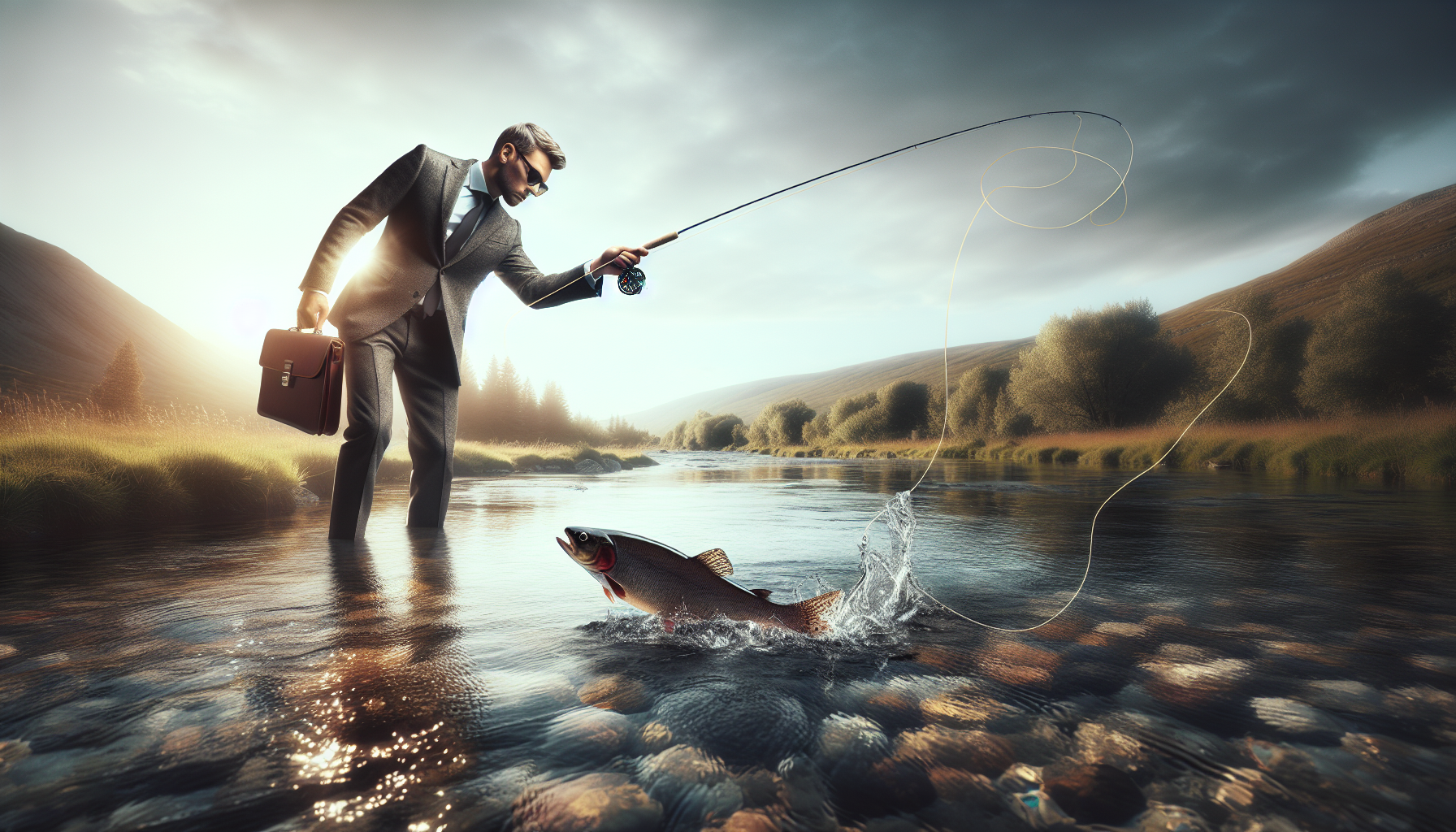
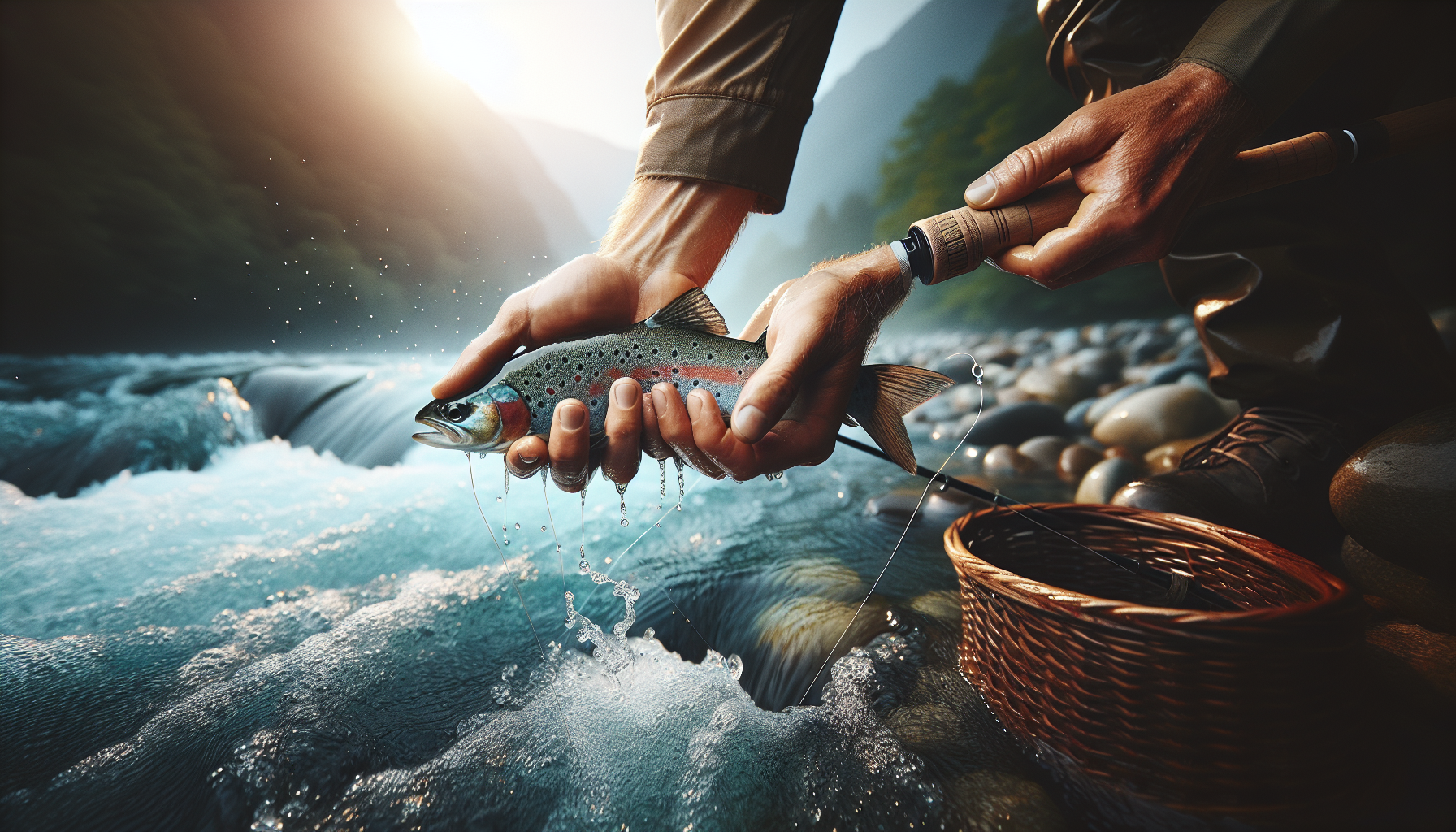
Responsible fishing can reduce mortality far more than many people realize. The first rule is simple: know and follow current regulations. Size limits, bag limits, seasonal closures, gear restrictions, and protected areas exist to protect spawning adults, juvenile fish, and vulnerable stocks. Regulations also change, sometimes annually, based on surveys, creel data, and stock assessments, so checking the latest rules matters. Beyond legal compliance, ethical angling practices make a substantial difference. Use appropriate tackle to land fish quickly and reduce exhaustion. Match line strength to the species and conditions. For catch and release, keep fish in the water whenever possible, wet your hands before handling, and avoid squeezing the body or touching the gills. Rubberized landing nets reduce scale loss and abrasion compared with knotted nylon nets.
Hook choice matters. Circle hooks can reduce deep hooking in many bait fisheries, especially for species prone to swallowing hooks. Barbless hooks or pinched barbs speed release and lower tissue damage. Do not target fish on active redds or concentrated spawning beds, even if regulations allow access to the area. During warm-water periods, especially on trout streams, consider stopping altogether when temperatures rise into stressful ranges. Air exposure is a critical but often ignored issue. Research consistently shows that extended time out of water increases delayed mortality even when fish swim away strongly at release. If a fish is bleeding heavily or deeply hooked, harvest may be the more humane option where legal. Ethical fishing protects populations not through slogans but through thousands of better choices made one fish at a time.
Choose Seafood and Tackle With Conservation in Mind
Consumers influence fish populations well beyond local waters. Seafood demand shapes harvest pressure, fishing methods, and supply chain behavior. Buying from well-managed fisheries supports systems that use stock assessments, quotas, observer programs, bycatch reduction measures, and habitat protections. The Marine Stewardship Council, Monterey Bay Aquarium Seafood Watch recommendations, and regional fishery management bodies can help buyers identify stronger options, though no certification is perfect and local context still matters. Ask specific questions: Is the species wild or farmed? Where was it caught? What gear was used? Is the stock rebuilding, stable, or overfished? Trawl-caught shrimp, longline tuna, pot-caught crab, and farmed shellfish can carry very different ecological footprints depending on region and management.
Tackle and gear choices matter too. Lost fishing line, abandoned nets, and lead sinkers create persistent hazards. Monofilament can entangle fish, birds, turtles, and mammals for years. Lead tackle is toxic when ingested by wildlife. Switching to non-lead weights made from tin, steel, bismuth, or tungsten reduces contamination. Dispose of line through recycling bins at marinas and ramps when available. Retrieve snagged gear whenever it is safe to do so. In saltwater boating communities, supporting derelict gear removal programs produces clear benefits because ghost fishing can continue long after equipment is lost. Conservation-minded purchasing is not a symbolic act. It directly rewards lower-impact practices and reduces demand for methods linked to depleted stocks, unnecessary bycatch, and habitat damage.
Support Science, Enforcement, and Community Action
Strong fish populations depend on good data and consistent enforcement. Agencies manage fisheries using electrofishing surveys, sonar, mark-recapture methods, genetic analysis, creel interviews, habitat mapping, and water quality monitoring. Those programs need funding and public support. Stocking, where used, should be guided by science and not treated as a universal fix. In many systems, stocking can mask deeper habitat problems, spread disease, increase competition with wild fish, or dilute local genetic adaptations if broodstock are poorly matched. Wild population recovery usually improves most when habitat restoration, harvest controls, and barrier removal are addressed together. Citizens can help by reporting poaching, illegal netting, fish kills, and habitat damage promptly to the appropriate state or provincial authority. Timely reports often matter because enforcement windows are short.
Community participation multiplies results. Volunteer stream monitoring programs collect temperature, turbidity, macroinvertebrate, and flow data that identify emerging problems before a population crashes. Watershed groups organize trash cleanups, invasive plant removal, culvert advocacy, and riparian planting days. Anglers can join local conservation clubs that advocate for science-based regulations instead of purely maximizing harvest. Schools and nonprofits can use native fish education programs to connect students with nearby rivers and estuaries. The most effective community efforts share a pattern: they focus on measurable outcomes, partner with biologists or watershed specialists, and stay engaged for years rather than a single event. Fish populations recover through persistence. Public attention, local stewardship, and credible science together create the political and practical conditions that make wildlife protection durable.
| Action | How It Helps Fish | Best Example |
|---|---|---|
| Restore riparian buffers | Lowers water temperature, filters runoff, stabilizes banks | Planting native trees along small trout streams |
| Follow harvest regulations | Protects breeding adults and juvenile age classes | Respecting seasonal closures during spawning runs |
| Use low-impact tackle | Reduces deep hooking, release mortality, and toxic pollution | Circle hooks and non-lead sinkers |
| Buy better seafood | Rewards well-managed fisheries and lower bycatch methods | Choosing trap-caught or verified sustainable products |
| Report violations | Improves enforcement against poaching and habitat damage | Calling in illegal harvest at a closed river reach |
| Support habitat projects | Reconnects migration routes and rebuilds nursery areas | Replacing perched culverts or removing obsolete dams |
Address Invasive Species, Pollution, and Climate Pressures
Some of the biggest threats to fish populations arrive indirectly. Invasive species alter food webs, prey on eggs and juveniles, introduce disease, and outcompete native fish for habitat. Zebra and quagga mussels transform nutrient cycles and water clarity. Northern snakehead, lionfish, Asian carp, and illegally introduced sport fish can restructure entire systems. Prevention is more effective than eradication, which is why cleaning, draining, and drying boats and gear is essential. Never move live fish between waters, release aquarium species, or use wild-caught bait illegally. Many damaging invasions began with seemingly minor acts of convenience. Once established, invasive species can require decades of expensive control with mixed results.
Pollution prevention remains equally practical. Reduce fertilizer use, pick up pet waste, maintain vehicles to prevent fluid leaks, and never dump paint, solvents, or medications into drains. Support agricultural practices that reduce runoff, such as cover crops, buffer strips, and controlled drainage. At the policy level, back stormwater upgrades, wastewater treatment investments, and floodplain protections that improve watershed function under heavier rain events. Climate pressure makes all of this more urgent. Coldwater fish such as salmonids are especially sensitive to rising temperatures and altered flow regimes, but warmwater and marine species are affected too through shifting ranges, acidification, and food web disruption. Local actions cannot stop global warming alone, yet they can increase resilience. Shaded streams, connected floodplains, intact wetlands, and lower pollution loads give fish a better chance to withstand changing conditions.
Protecting fish populations is ultimately about protecting the systems that allow fish to persist without constant rescue. The most effective actions are clear: conserve and restore habitat, fish responsibly, buy seafood and gear carefully, support science-based management, and reduce the spread of invasive species and pollution. Each step works best when paired with the others. A restored stream can still fail under illegal harvest. Strong regulations can still disappoint if spawning habitat is buried. Consumer choices matter, but they are strongest when reinforced by local restoration and public policy. The benefit of this broader wildlife protection approach is that it produces healthier waterways overall, not just more fish. Cleaner water, more stable shorelines, stronger biodiversity, and better recreational opportunities all follow.
This hub article is the starting point for deeper conservation and ethics work across the wildlife protection topic. From here, explore related issues such as catch-and-release best practices, habitat restoration methods, bycatch reduction, invasive species prevention, sustainable seafood decisions, and the ethics of stocking and harvest. Use this page as a practical checklist: protect habitat first, reduce avoidable harm, and support management rooted in evidence. If you want to help fish populations this season, choose one local action today—join a stream cleanup, replace lead tackle, report a barrier, or commit to handling every fish more carefully. Small, repeated actions are how fish populations endure.
Frequently Asked Questions
Why is protecting fish populations so important?
Protecting fish populations is essential because fish are a foundation of healthy aquatic ecosystems. In rivers, lakes, wetlands, estuaries, and oceans, fish help keep food webs balanced by feeding on plants, insects, and other animals while also serving as prey for birds, mammals, and larger fish. When fish populations decline, the effects spread far beyond the water. Entire ecosystems can become less stable, water quality can worsen, and the biodiversity that supports natural resilience can be reduced.
Fish also matter to people in very practical ways. Many communities depend on fish for food, livelihoods, recreation, and cultural traditions. Commercial and small-scale fisheries support jobs and local economies, while recreational fishing connects people to nature and can fund conservation when managed responsibly. Healthy fish populations can also be a sign that habitats are functioning well, with clean water, intact migration routes, and enough vegetation and shelter for spawning and growth.
At the most basic level, protecting fish means protecting the systems they rely on: clean water, healthy shorelines, connected waterways, and balanced ecosystems. Human choices such as pollution control, responsible fishing, habitat restoration, and smarter land use directly affect whether fish populations stay diverse and sustainable. In other words, safeguarding fish is not just about saving individual species. It is about maintaining the ecological health of whole watersheds and coastlines for future generations.
What are the biggest threats to wild fish populations today?
Wild fish face a combination of pressures, and one of the biggest is habitat loss and degradation. Fish need specific conditions to survive and reproduce, including clean water, suitable temperatures, oxygen, shelter, and access to spawning grounds. When wetlands are drained, riverbanks are cleared, stream channels are altered, or coastal habitats are developed, fish can lose the places they need to feed, hide, and breed. Dams and poorly designed culverts can also block migration routes, preventing species from reaching important nursery or spawning areas.
Pollution is another major threat. Runoff carrying fertilizers, pesticides, oil, plastics, sewage, and sediment can damage water quality and harm fish directly or indirectly. Excess nutrients can trigger algal blooms that reduce oxygen in the water, while sediment from erosion can smother fish eggs and destroy habitat. Even pollutants that are not immediately visible can interfere with fish growth, reproduction, and immune systems over time.
Overfishing and unsustainable harvest practices also put populations at risk, especially when fish are removed faster than they can reproduce. This can be made worse by bycatch, which is the accidental capture of non-target species, including juvenile fish that have not yet had a chance to breed. In addition, invasive species can outcompete native fish for food and habitat or prey on them directly. Climate change adds another layer of stress by warming waters, shifting ocean chemistry, altering river flows, and increasing the frequency of extreme weather events. In many places, fish are dealing with several of these threats at once, which is why effective protection requires a broad, long-term approach.
What can individuals do to help protect fish populations?
Individuals can make a meaningful difference, especially when small actions are repeated consistently and supported by community awareness. One of the most important steps is reducing pollution at its source. Properly disposing of chemicals, limiting fertilizer and pesticide use, picking up pet waste, reducing plastic consumption, and preventing litter from entering storm drains all help keep harmful substances out of waterways. Choosing native plants for landscaping, maintaining vegetation along shorelines, and using rain barrels or other runoff-reducing practices can also protect nearby streams, ponds, and lakes.
If you fish, responsible angling is one of the most direct ways to support healthy populations. Following local regulations, respecting catch limits and size rules, avoiding fishing during vulnerable spawning periods, and using gear that reduces injury all matter. Practicing careful catch-and-release techniques, such as handling fish with wet hands, minimizing air exposure, and releasing them quickly, can improve survival. It is also important to clean boats, waders, and gear to avoid spreading invasive species or aquatic diseases between water bodies.
Consumers can help by making informed seafood choices and supporting sustainably managed fisheries. Looking for trustworthy sustainability certifications, asking where seafood comes from, and favoring species harvested with lower ecosystem impact can influence markets over time. Beyond that, people can volunteer for river cleanups, habitat restoration projects, and local conservation groups. Supporting policies that protect wetlands, improve water quality, restore fish passage, and strengthen science-based fisheries management is equally important. Individual actions may seem modest on their own, but collectively they create the social and environmental conditions that fish populations need to recover and thrive.
How does habitat protection help fish populations recover?
Habitat protection is one of the most effective tools for rebuilding fish populations because fish depend on healthy, connected environments throughout every stage of life. Many species need different habitats for spawning, feeding, shelter, and migration. For example, a fish may spawn in upstream gravel beds, grow in vegetated side channels or wetlands, and later move into deeper waters to mature. If any one of these habitats is damaged or cut off, the species can struggle even if the rest of the ecosystem appears intact.
Protecting and restoring habitat improves the basic conditions fish need to survive. Healthy wetlands can filter pollution, reduce flooding, and provide nursery grounds for young fish. Vegetated riverbanks help cool the water, prevent erosion, and create cover from predators. Estuaries and coastal marshes offer food-rich transition zones for many species. In marine environments, seagrass beds, mangroves, coral reefs, and undisturbed bottom habitats can serve as essential breeding and feeding areas. When these places are conserved, fish often have a better chance to reproduce successfully and maintain stronger population numbers over time.
Habitat protection also supports ecosystem resilience. Waters that are cleaner, cooler, and more connected are generally better able to withstand pressures such as drought, storms, and temperature shifts. In practical terms, this may involve removing obsolete dams, improving culverts so fish can pass upstream, restoring floodplains, replanting shorelines, or protecting critical habitat from development. Recovery does not always happen overnight, but when habitat conditions improve, fish populations often respond in measurable ways. Stronger reproduction, better juvenile survival, and increased biodiversity are all signs that habitat-focused conservation is working.
Can fish populations recover after serious decline?
Yes, fish populations can recover after serious decline, but recovery depends on the species involved, the causes of the decline, and how quickly effective action is taken. Some fish reproduce relatively quickly and can rebound if overharvesting stops and habitat conditions improve. Others grow slowly, mature late, or rely on very specific migration routes and spawning habitats, which can make recovery slower and more fragile. In either case, the key is addressing the root problems rather than only treating the symptoms.
Successful recovery usually requires a combination of measures. These may include reducing pollution, restoring wetlands and spawning habitat, improving water flow, reopening blocked migration routes, controlling invasive species, and setting science-based fishing limits. In some cases, temporary harvest closures or protected areas are necessary to give depleted populations time to rebuild. Monitoring is also critical. Scientists and resource managers need reliable data on population size, age structure, habitat quality, and breeding success to understand whether conservation efforts are actually working.
There are many examples worldwide showing that recovery is possible when management is consistent and ecosystems are given the support they need. Populations that once seemed headed for collapse have improved after habitat restoration, stronger regulation, and public cooperation. That said, recovery is rarely quick or automatic. It can take years or even decades, especially where multiple threats overlap. The encouraging part is that informed human choices can change the trajectory. When communities protect water quality, conserve habitat, and support responsible fisheries management, they create real opportunities for fish populations to stabilize and grow again.