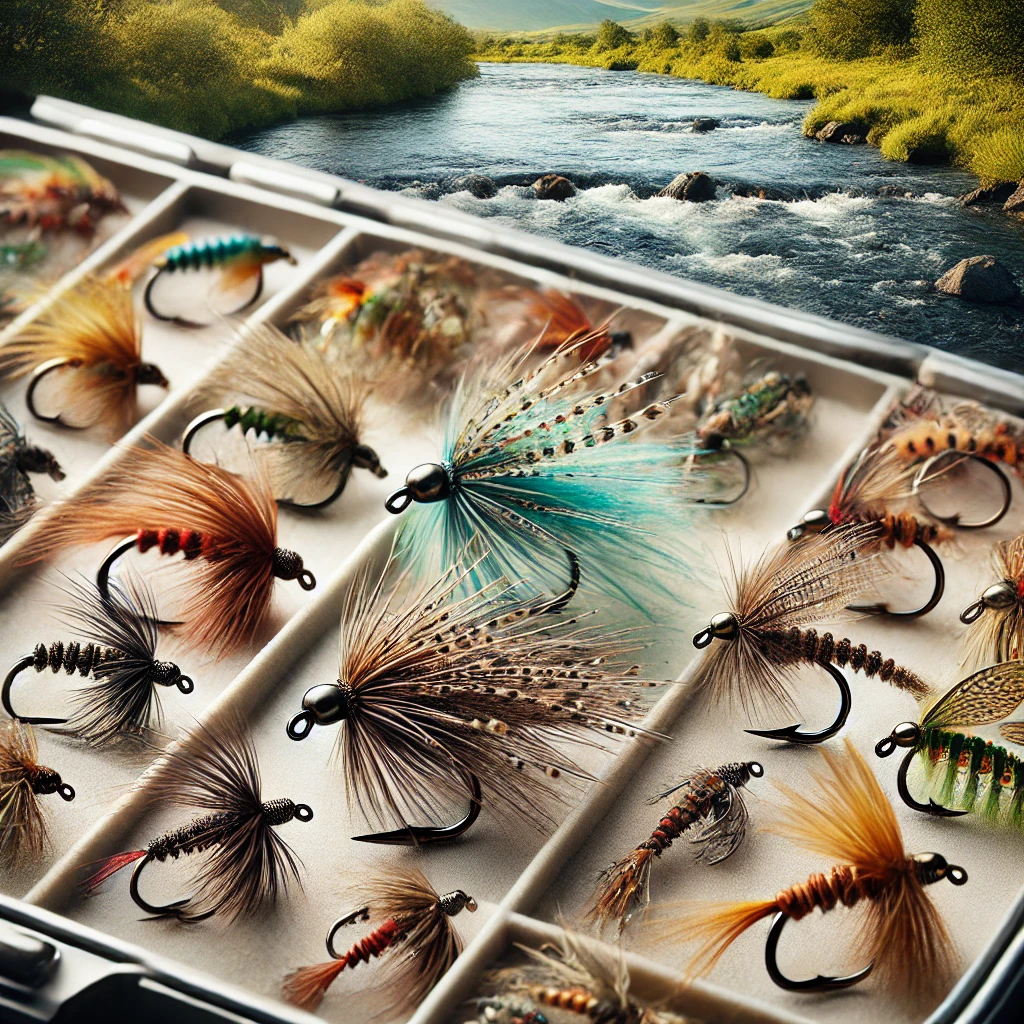
Fly fishing is an art that balances skill, patience, and an appreciation for nature. One of the essential skills in a fly angler’s repertoire is the ability to tie and utilize various fly patterns effectively. Among the numerous fly patterns available, the parachute fly stands out for its unique design and effectiveness. Parachute flies are a staple in the fly fishing community, known for their ability to float exceptionally well and their realistic presentation on the water’s surface. In this article, we will dive deep into the world of parachute flies, exploring their design, types, tying techniques, and tips for maximizing their effectiveness on your next fishing trip.
Parachute flies are particularly favored for dry fly fishing, where the angler aims to mimic the natural behavior of insects that float on the water’s surface. The “parachute” in their name refers to the horizontal hackle tied around the post, which resembles a parachute and provides the fly with excellent buoyancy and visibility. This design not only keeps the fly floating high but also allows it to land softly on the water, reducing the chances of spooking wary fish. Whether you’re targeting trout in a crystal-clear stream or bass in calm waters, parachute flies can significantly enhance your chances of success.
In the following sections, we’ll take a closer look at the different components and variations of parachute flies. We’ll also provide step-by-step guidance on how to tie your own, so you can customize them to match the local insect hatch and water conditions. With a deeper understanding of parachute flies, you’ll be better equipped to tackle a wide range of fly fishing scenarios and improve your overall effectiveness on the water.
Components of a Parachute Fly
When it comes to tying parachute flies, understanding the essential components is key to creating flies that are both effective and durable. Let’s break down the main parts of a parachute fly:
Hook
The hook forms the foundation of any fly. For parachute flies, dry fly hooks are preferred due to their lighter weight and design, which allows the fly to float better. Sizes can vary depending on the target species and the size of the insects being imitated.
Thread
Thread not only holds the materials together but also contributes to the overall appearance and color of the fly. Using a fine, strong thread helps create a neat and streamlined fly.
Tail
The tail is often made from fibers such as hackle or synthetic materials. It adds stability and can be adjusted to mimic the proportions of different insects.
Body
Body materials can range from dubbing to quill or synthetic fibers. The body gives the fly its shape and can be tied in various colors to match the local insect population.
Wing Post
The wing post is one of the defining features of a parachute fly. It serves as the anchor point for the parachute hackle and is usually made from materials like foam, poly yarn, or calf hair.
Hackle
The hackle is wrapped around the wing post in a horizontal plane, giving the fly its parachute-like appearance. High-quality hackle feathers are essential for ensuring the fly floats well and mimics the natural movement of insects on the water’s surface.
With these components in mind, let’s move on to explore different types of parachute flies and the specific techniques used to tie them.

Popular Parachute Fly Patterns
Parachute flies come in various patterns, each designed to imitate specific insects or fit certain fishing conditions. Here are a few popular parachute fly patterns that every fly angler should have in their fly box:
Parachute Adams
The Parachute Adams is arguably one of the most well-known and versatile dry flies. It can imitate a wide range of insects, including mayflies and midges. Its gray body and mixed hackle colors make it a reliable choice for many fishing scenarios.
Parachute Hare’s Ear
The Parachute Hare’s Ear is a fantastic pattern for imitating nymphs and emergers. Its buggy appearance, combined with the parachute hackle, makes it an effective fly for enticing trout to strike.
Parachute Sulphur
When the sulphur mayflies are hatching, having a Parachute Sulphur in your arsenal is a must. Its pale yellow body and visibility on the water make it a go-to pattern during sulphur hatches.
Parachute Cahill
This fly pattern is excellent for matching light-colored mayflies. Its creamy body and white parachute post make it easy to spot, even in low-light conditions.
Parachute Ant
Terrestrial insects like ants often fall into the water, becoming a tempting meal for fish. The Parachute Ant, with its segmented body and parachute hackle, is an effective pattern for mimicking these insects.
These patterns represent just a fraction of the parachute flies available. The versatility of the parachute design allows for endless customization, enabling anglers to match local hatches and conditions perfectly.
Tying a Parachute Fly: Step-by-Step Guide
Tying your own parachute flies can be a rewarding experience, allowing you to tailor your flies to specific fishing situations. Here’s a step-by-step guide to tying a basic Parachute Adams fly:
- Start the Thread: Begin by attaching the thread to the hook shank just behind the eye. Wrap it back to the bend of the hook.
- Attach the Tail: Take a few fibers of hackle and tie them in at the bend of the hook to form the tail. Trim the excess fibers.
- Prepare the Wing Post: Tie in a small clump of poly yarn or calf hair at the point where you want the wing post to be. This should be slightly forward of the midpoint of the hook shank.
- Form the Body: Dub some gray dubbing onto the thread and wrap it around the hook shank to form the body. Advance to just behind the wing post.
- Attach the Hackle: Select a hackle feather of appropriate size and tie it in at the base of the wing post, with the shiny side facing up.
- Create Parachute Post: Make a few wraps of thread around the wing post base to secure it. Then, wrap the hackle feather horizontally around the wing post, making several turns.
- Finish the Fly: Secure the hackle feather with a few wraps of thread at the base of the wing post. Whip finish the thread behind the hook eye and trim the excess.
With these steps, you’ll have a basic Parachute Adams fly ready to fish. Practice makes perfect, so don’t be discouraged if your first few attempts aren’t flawless. The more you practice, the better your flies will become.
Fishing Techniques with Parachute Flies
Using parachute flies effectively involves more than just the right patterns and well-tied flies. Implementing the right fishing techniques can make a significant difference in your success rate.
Presentation
The way you present your fly on the water is crucial. Parachute flies excel in delicate presentations, so aim to land your fly softly on the water. This is particularly important in clear, calm conditions where fish can be easily spooked.
Drift
Achieving a natural drift is essential when fishing with parachute flies. Position yourself upstream and allow the fly to drift naturally with the current. Mending your line may be necessary to eliminate drag and ensure a natural presentation.
Spotting the Take
One of the advantages of parachute flies is their visibility. Keep a close eye on your fly as it drifts. Even subtle takes from fish should be noticeable. Setting the hook promptly upon spotting a take can result in more successful hook-ups.
Reading the Water
Understanding where fish are likely to be is critical. Focus on areas where insects are likely to land or be carried by the current, such as riffles, seams, and eddies. Fish often position themselves in these areas to feed on drifting insects.
Using a Leader
A fine leader and tippet help ensure that your fly lands softly and drifts naturally. Opt for a longer leader, especially in clear water conditions, to minimize the chances of spooking fish.
By mastering these techniques, you’ll be able to maximize the effectiveness of your parachute flies and increase your chances of enticing fish to take your fly.
Tips for Enhancing Parachute Fly Effectiveness
As with any fly fishing technique, there are always ways to refine your approach and improve your success rates. Here are some tips to help you get the most out of your parachute flies:
Match the Hatch
One of the golden rules of fly fishing is to match the hatch. Pay attention to the insects that are present on the water and try to match your fly’s size, color, and profile to those insects. Carry a variety of parachute fly patterns to cover different hatches.
Ensure Proper Buoyancy
The buoyancy of your parachute fly is vital for effective dry fly fishing. Use high-quality hackle and consider treating your flies with floatant to help them stay afloat longer. Periodically check your flies for waterlogging and dry them out as needed.
Experiment with Sizes
Fish can be selective, and sometimes they’ll respond better to flies of a particular size. Don’t be afraid to experiment with different sizes of parachute flies to find what works best in a given situation.
Use Different Retrieval Techniques
While a natural drift is often the best approach, there are times when imparting a slight movement to your fly can trigger strikes. Experiment with gentle twitches and short strips to see how fish respond.
Observe the Water Conditions
The behavior of fish can vary greatly depending on water conditions. Adjust your approach based on factors such as water clarity, temperature, and flow. For instance, fish may be more cautious in clear water, requiring a more delicate presentation.
By implementing these tips and continually refining your techniques, you’ll be able to enhance the effectiveness of your parachute flies and enjoy greater success on the water.
Conclusion
Parachute flies are an invaluable tool in the fly angler’s arsenal, offering excellent buoyancy, visibility, and versatility. Understanding the different components, popular patterns, and tying techniques can greatly enhance your fly fishing experience.
From the classic Parachute Adams to more specialized patterns like the Parachute Ant, these flies can mimic a wide range of insects and attract various fish species. Tying your own parachute flies allows you to customize them to match local hatches and conditions, giving you a distinct advantage on the water.
Employing proper fishing techniques, such as delicate presentation, natural drift, and keen observation, can further improve your success with parachute flies. Additionally, following tips like matching the hatch, ensuring proper buoyancy, and experimenting with sizes can help you refine your approach and consistently catch more fish.
With practice and attention to detail, parachute flies can become a powerful weapon in your fly fishing repertoire. So, gear up, tie some parachute flies, and hit the water with confidence, knowing that you’ve got the knowledge and skills to make the most of this effective dry fly pattern.