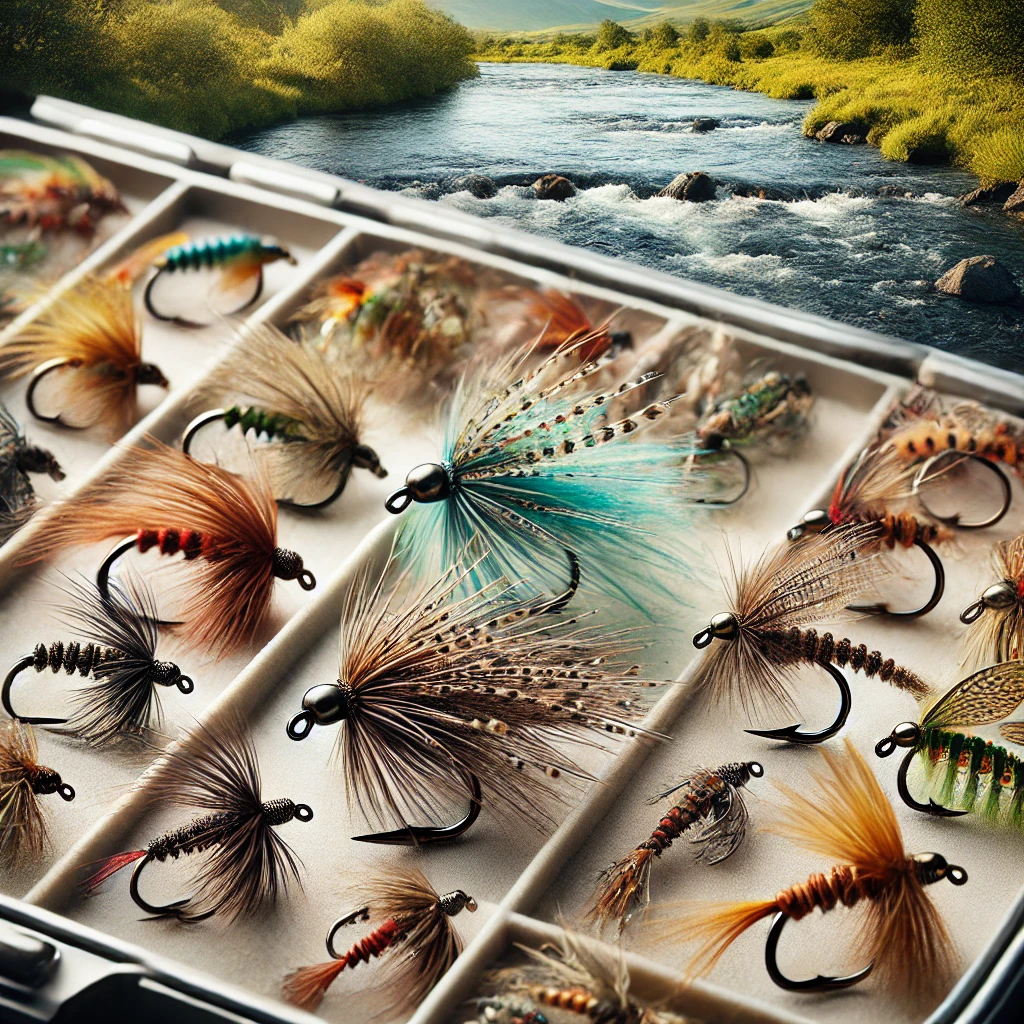
Fly fishing enthusiasts know that one of the most thrilling experiences on the water is watching a fish strike the surface to attack your lure. This heart-pounding moment brings a unique excitement that other types of fishing don’t quite capture. Among the many tools available to fly fishers, popper flies hold a special place when it comes to creating topwater action. But what exactly makes poppers so effective? How do you create these flies, and what are the specific techniques and materials involved? This comprehensive guide will delve into the fascinating world of popper flies, discussing their history, types, tying techniques, and best practices for fishing with them.
Popper flies are designed primarily to target fish that feed on the surface, such as bass, panfish, and certain types of trout. These flies are characterized by their distinctive bulging heads, which often create a splashing or popping sound when pulled through the water. The irresistible commotion mimics the distress signals of insects or small fish, drawing predatory species to the surface for a quick and explosive strike. Whether you’re a seasoned fly fisherman or a beginner, understanding the nuances of popper flies can significantly enhance your topwater fishing experience.
History and Evolution of Popper Flies
While fly fishing has ancient roots, the history of popper flies dates back to the early 20th century. The first poppers were simple affairs constructed from cork or balsa wood, adorned with feathers and fur. These early designs were rudimentary but effective, laying the groundwork for the more sophisticated patterns we see today. Over the decades, advancements in materials and techniques have led to a wide variety of popper flies, designed to imitate different prey and cater to various fishing conditions.
The 1950s and 60s saw a surge in popularity for bass fishing, leading to an increased demand for effective surface lures. Tackle manufacturers and individual fly tiers began to experiment with new materials such as foam and plastic, creating more durable and versatile popper flies. Today, popper flies come in an array of shapes, sizes, and colors, each designed with a specific purpose in mind. This evolution has made them a staple in the tackle boxes of fly anglers worldwide.
Types of Popper Flies
Poppers vary widely in terms of design and functionality, catering to different species and fishing environments. Here are some of the most common types you might encounter:
- Classic Poppers: These are the traditional style poppers that often have a cylindrical body with a concave face to create a popping sound. They’re ideal for targeting bass and panfish.
- Slider Poppers: These poppers have a more streamlined shape and are designed to slide smoothly across the water’s surface. They are often used for species that prefer a less aggressive presentation.
- Foam Poppers: Made from foam, these poppers are lightweight and extremely buoyant. They are durable and easy to work with, making them a favorite among beginner and experienced tiers alike.
- Diver Poppers: Featuring a cupped head that creates a diving action, these flies are perfect for attracting fish that might be hesitant to strike at a surface lure.
Each type of popper fly has its unique attributes, and the choice largely depends on the specific conditions and the species you’re targeting. Experimenting with different types can help you identify what works best in your local waters.

Materials Needed for Tying Popper Flies
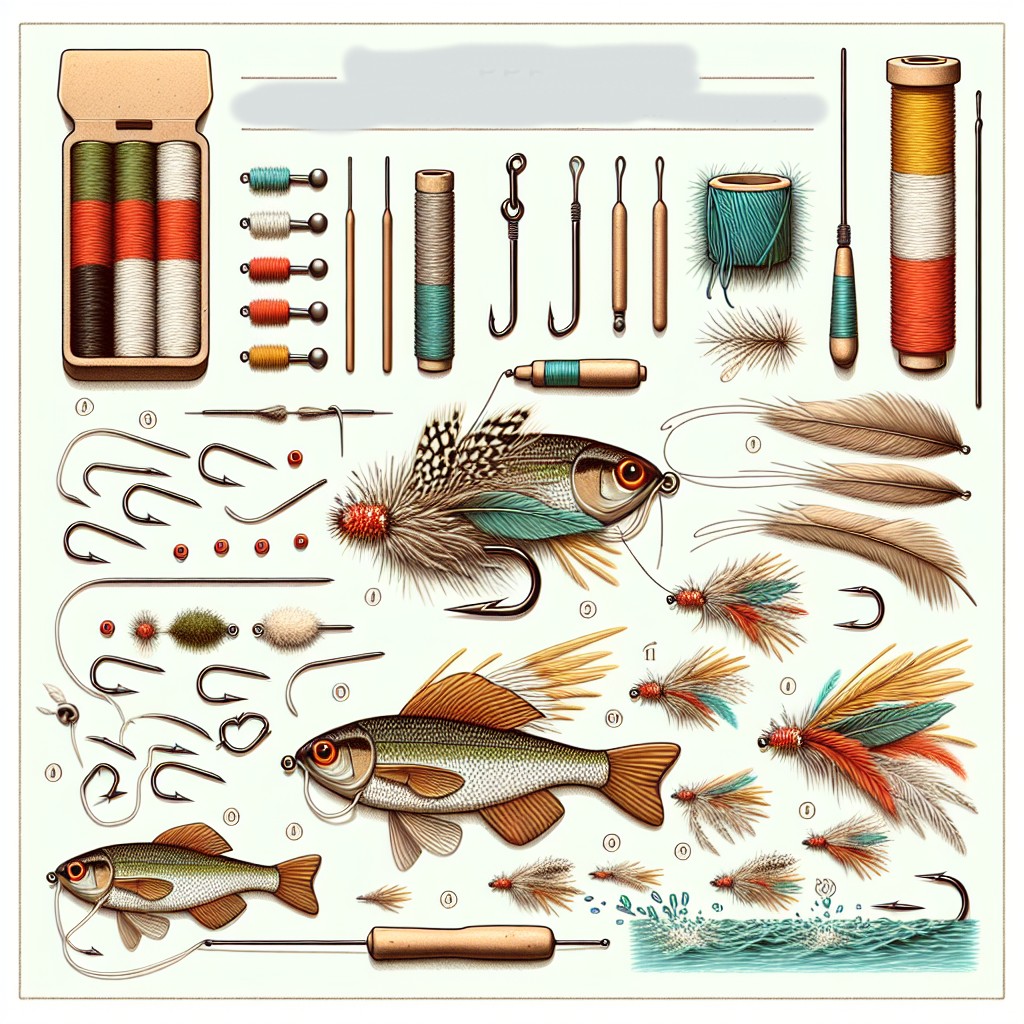
Before you start tying popper flies, it’s essential to gather all the necessary materials. Here’s a list of some common items you’ll need:
- Hooks: Use appropriate hook sizes based on the species you’ll be targeting. Common sizes range from 1/0 to size 10.
- Thread: Strong, durable thread is crucial for securing materials to the hook. Nylon or polyester threads are typically used.
- Body Material: This can be foam, cork, or balsa wood. Foam is particularly popular because of its buoyancy and ease of use.
- Feathers and Hackle: These are used to create the tail and add flair to the fly, making it more attractive to fish.
- Eyes and Paint: Adding eyes and painting the body can enhance the fly’s visual appeal. Use waterproof paint to ensure longevity.
- Glue: A good adhesive is necessary for securing materials, particularly when using foam.
Having a well-stocked tying kit ensures that you’re prepared to create a variety of popper flies, suited for different fishing scenarios.
Step-by-Step Guide to Tying a Basic Popper Fly
Creating a popper fly can seem daunting at first, but with practice, it becomes an enjoyable and rewarding process. Here’s a step-by-step guide to tying a basic foam popper:
- Prepare the Hook: Secure a suitable hook in your vise. Start wrapping the thread from the hook eye towards the bend to create a base for other materials.
- Attach the Tail: Tie in a cluster of feathers or marabou at the hook bend. This will serve as the fly’s tail, adding movement and attraction.
- Create the Body: Cut a piece of foam to the desired shape and size. Poke a hole in the foam with a needle and slide it onto the hook, positioning it at the front. Secure the foam with thread wraps.
- Add Legs or Hackle (Optional): If you wish to add rubber legs or a hackle collar, tie these in now. Secure them firmly with thread.
- Finish and Paint: Create a neat head with thread wraps and whip finish to secure everything. Add eyes with adhesive if desired, and paint the body for added realism.
- Seal the Fly: Apply a thin layer of clear waterproof glue over the thread wraps and other vulnerable areas to enhance durability.
This basic popper fly can be customized in countless ways to suit different fishing situations. Experiment with colors, sizes, and additional features to create flies that mimic local prey species effectively.
Fishing with Popper Flies: Tips and Techniques
Using popper flies effectively requires a blend of the right technique and presentation. Here are some tips to help you make the most out of your popper flies:
- Choose the Right Time: Early morning and late evening are prime times for topwater action. Fish are more likely to be feeding near the surface during these periods.
- Vary Your Retrieve: Mix up your retrieve speeds and actions. Short pops followed by pauses can often trigger strikes, but sometimes a slow and steady retrieve works better.
- Watch the Water: Be on the lookout for surface disturbances that indicate feeding fish. Casting to these areas can increase your chances of success.
- Be Patient: Sometimes, fish need a little coaxing. If you don’t get a hit right away, try altering your presentation or switching to a different popper fly style.
Mastering these techniques can significantly increase your success rate when fishing with popper flies. Patience and observation are key factors in becoming proficient with these exciting topwater lures.
Conclusion
Popper flies are an invaluable asset in any fly fisher’s arsenal, offering the unique thrill of topwater strikes. From their humble beginnings to the sophisticated designs available today, popper flies have evolved to become highly effective and versatile tools for targeting surface-feeding fish. By understanding the different types and mastering the tying techniques, you can create your own custom popper flies that will enhance your fishing experience.
Whether you’re targeting bass, panfish, or trout, employing the right popper fly at the right time can lead to unforgettable fishing adventures. So, gather your materials, practice your tying skills, and get ready to experience the exhilaration of topwater action with your handcrafted popper flies.